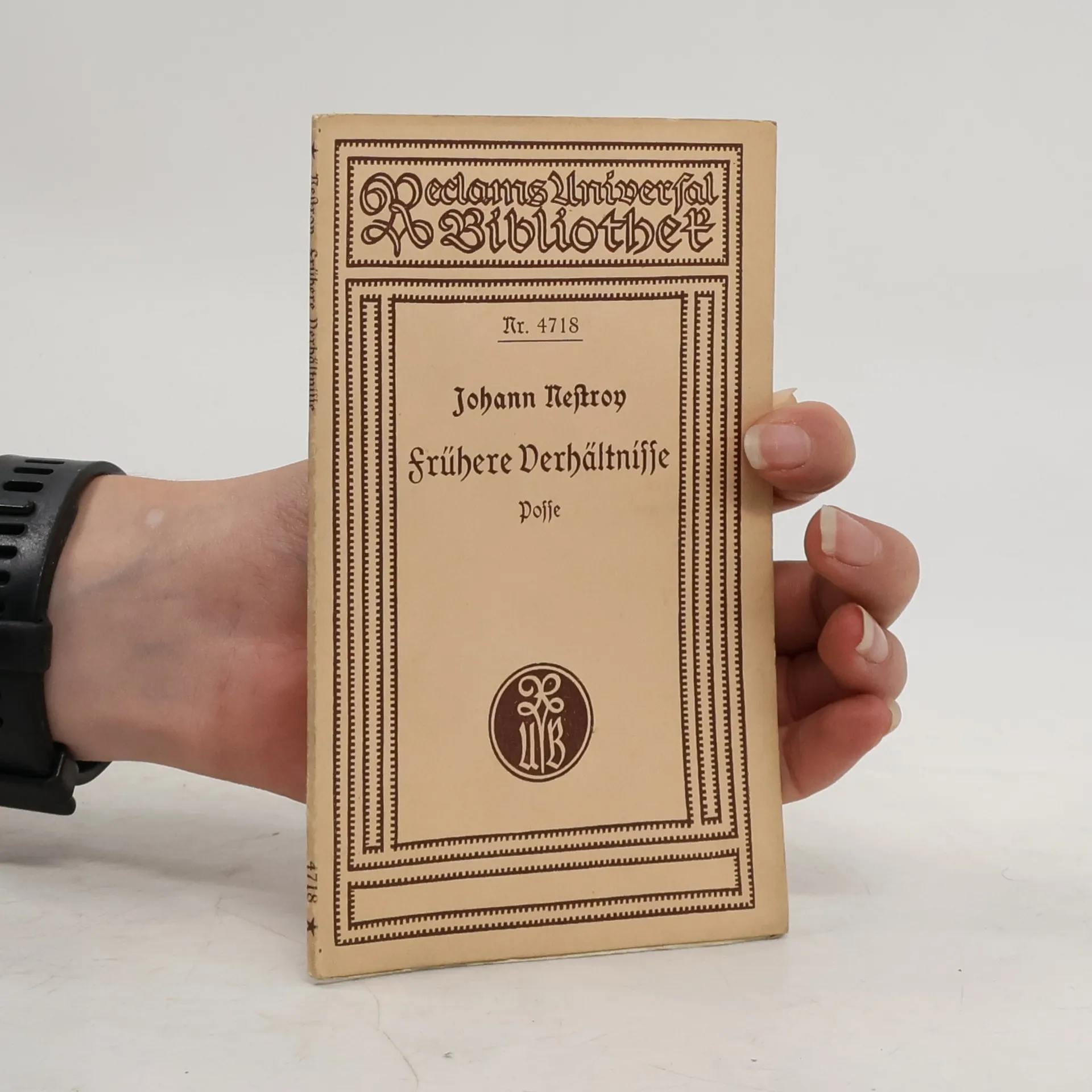
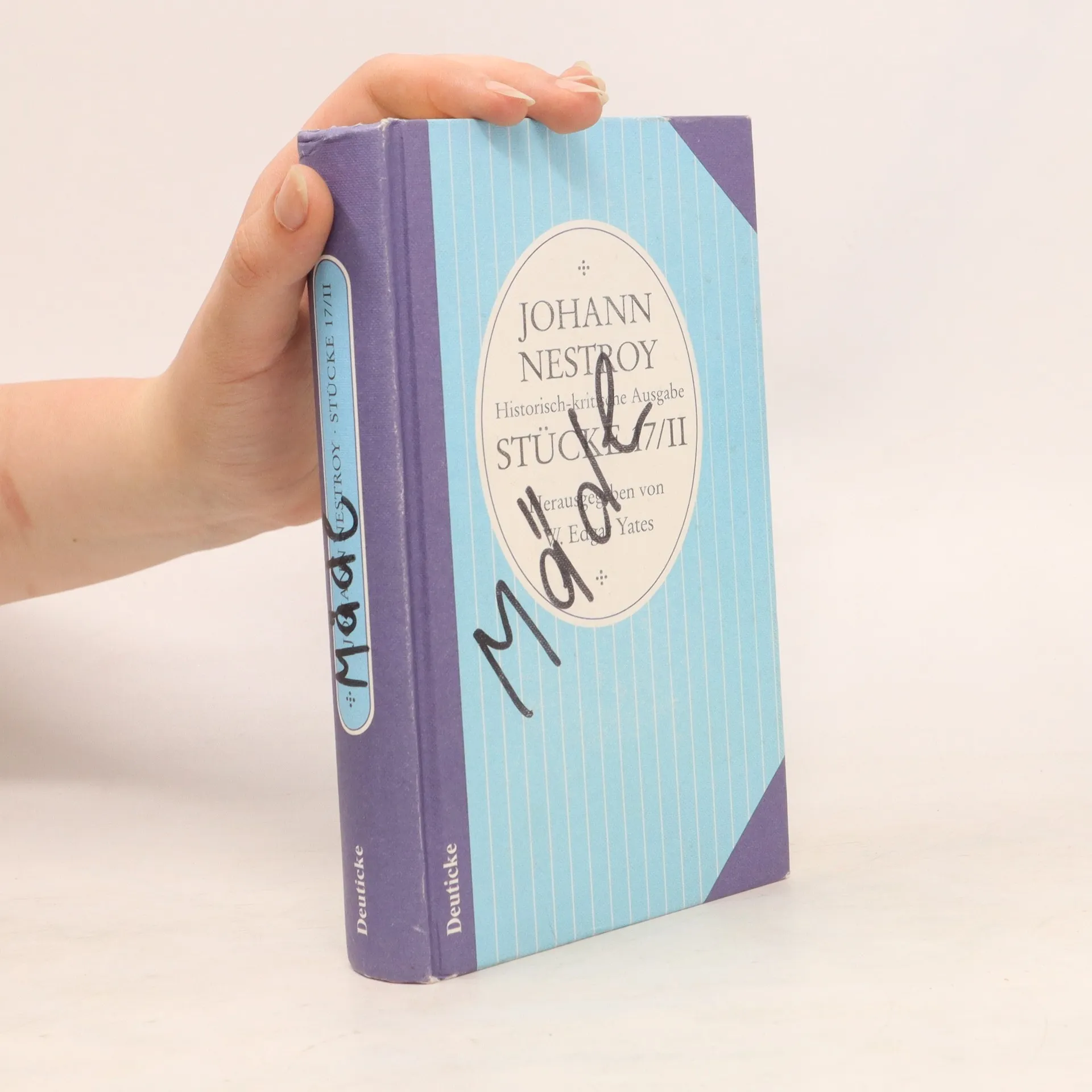
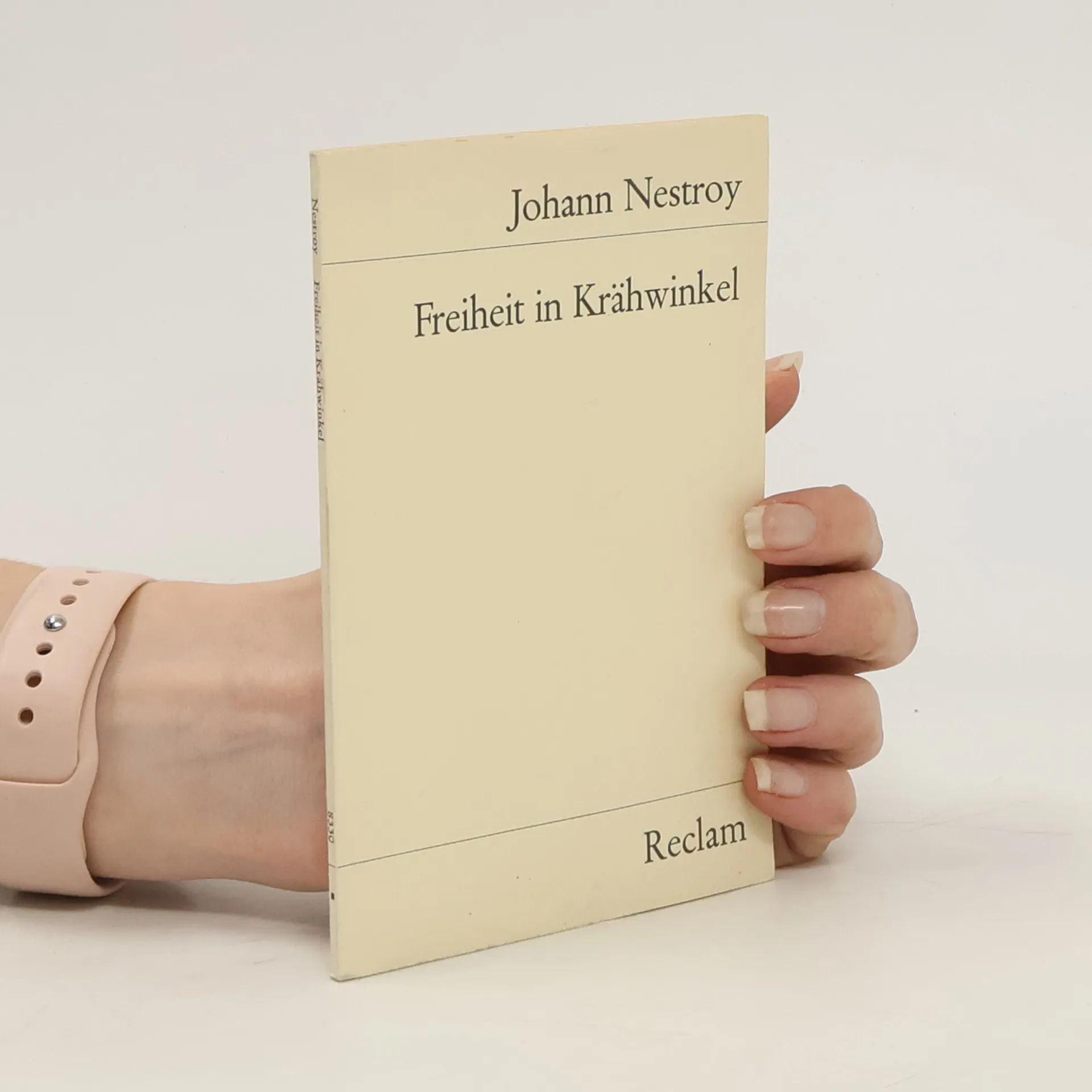
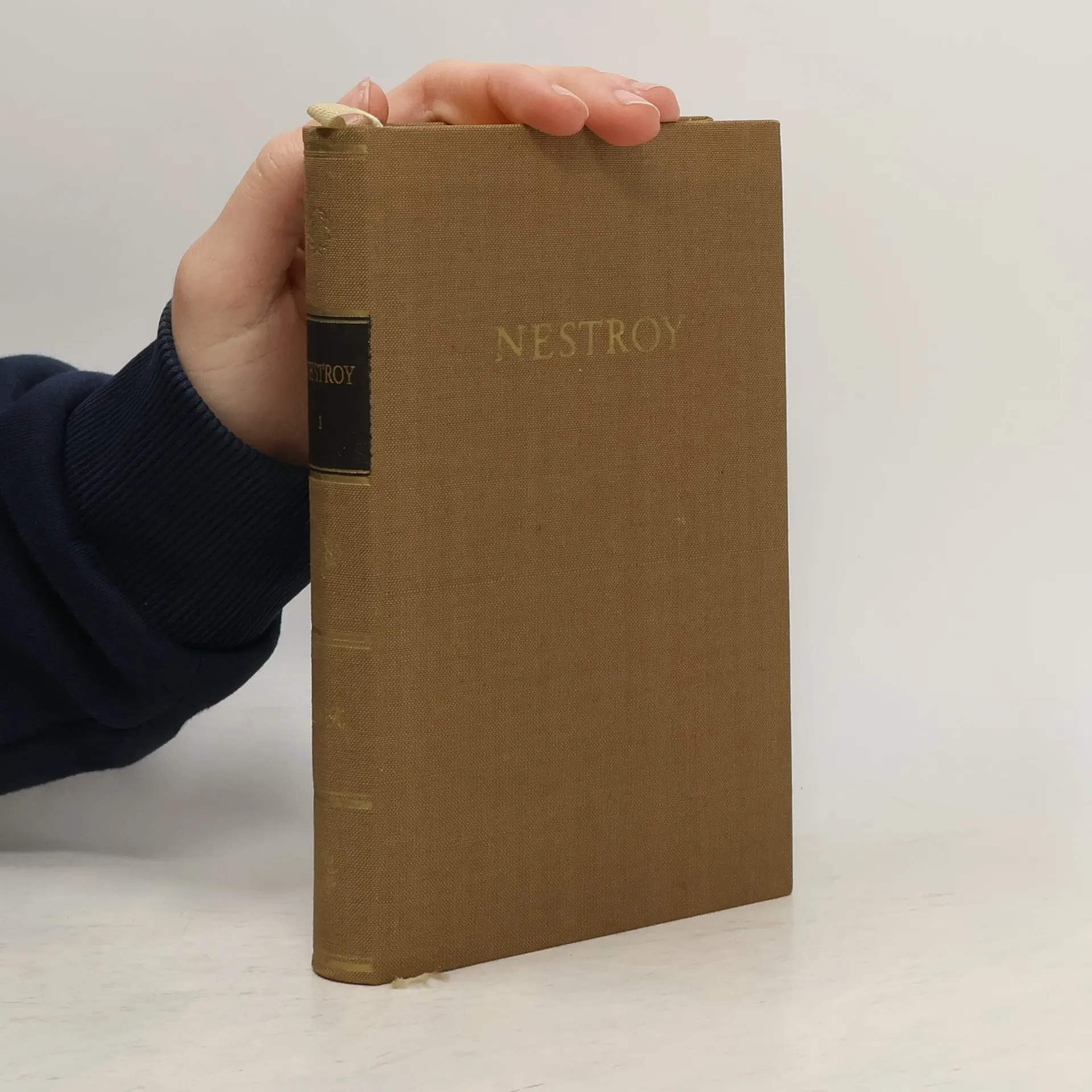
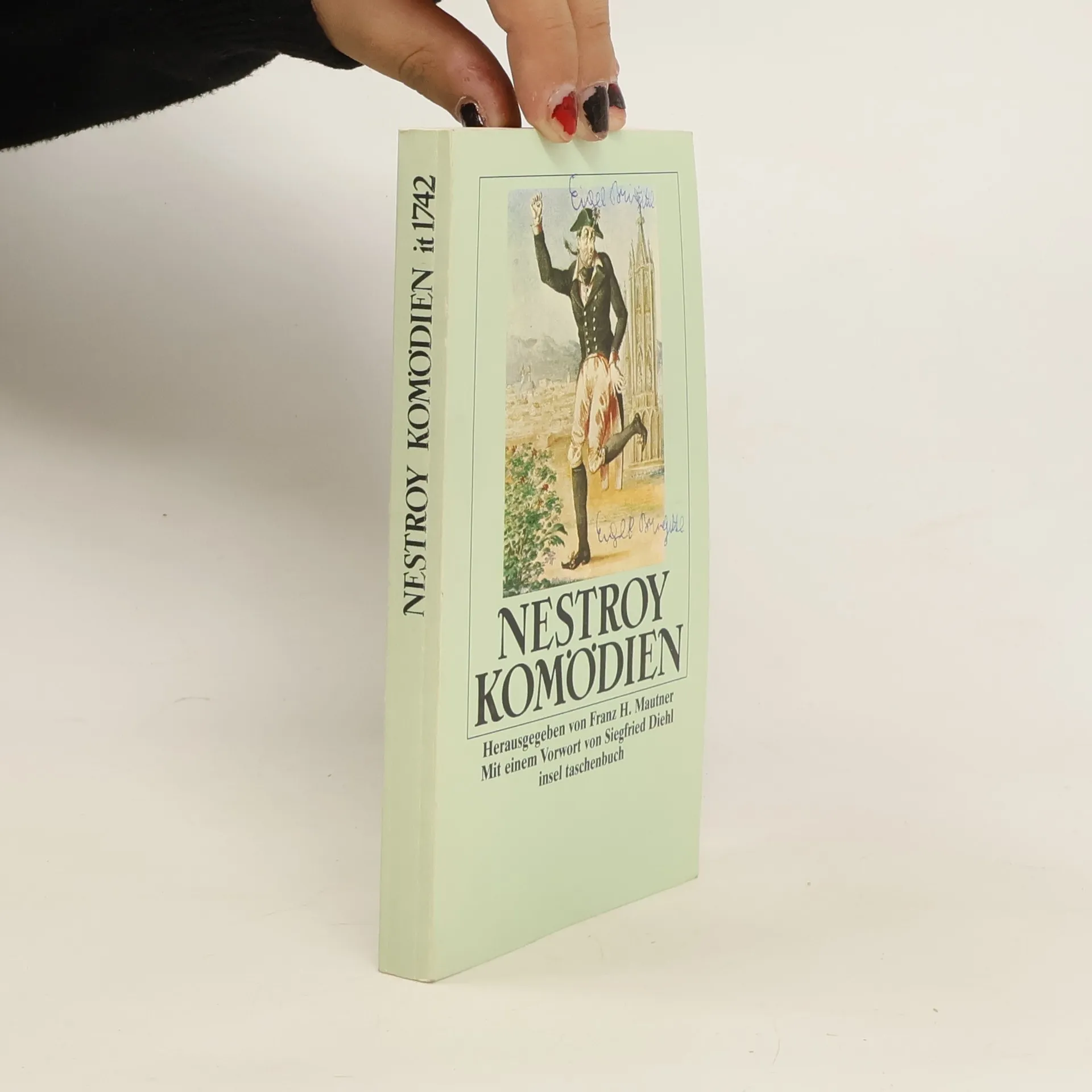
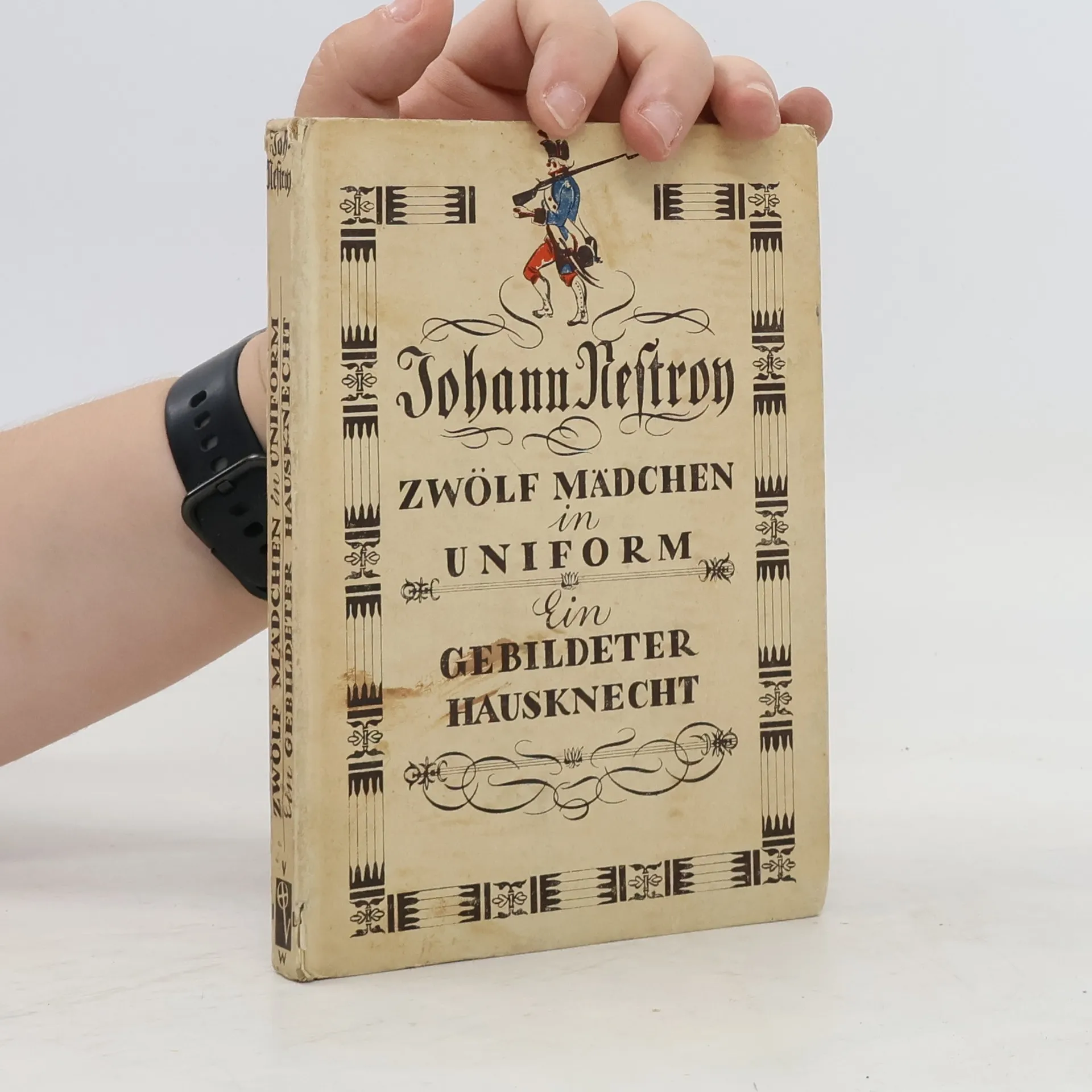
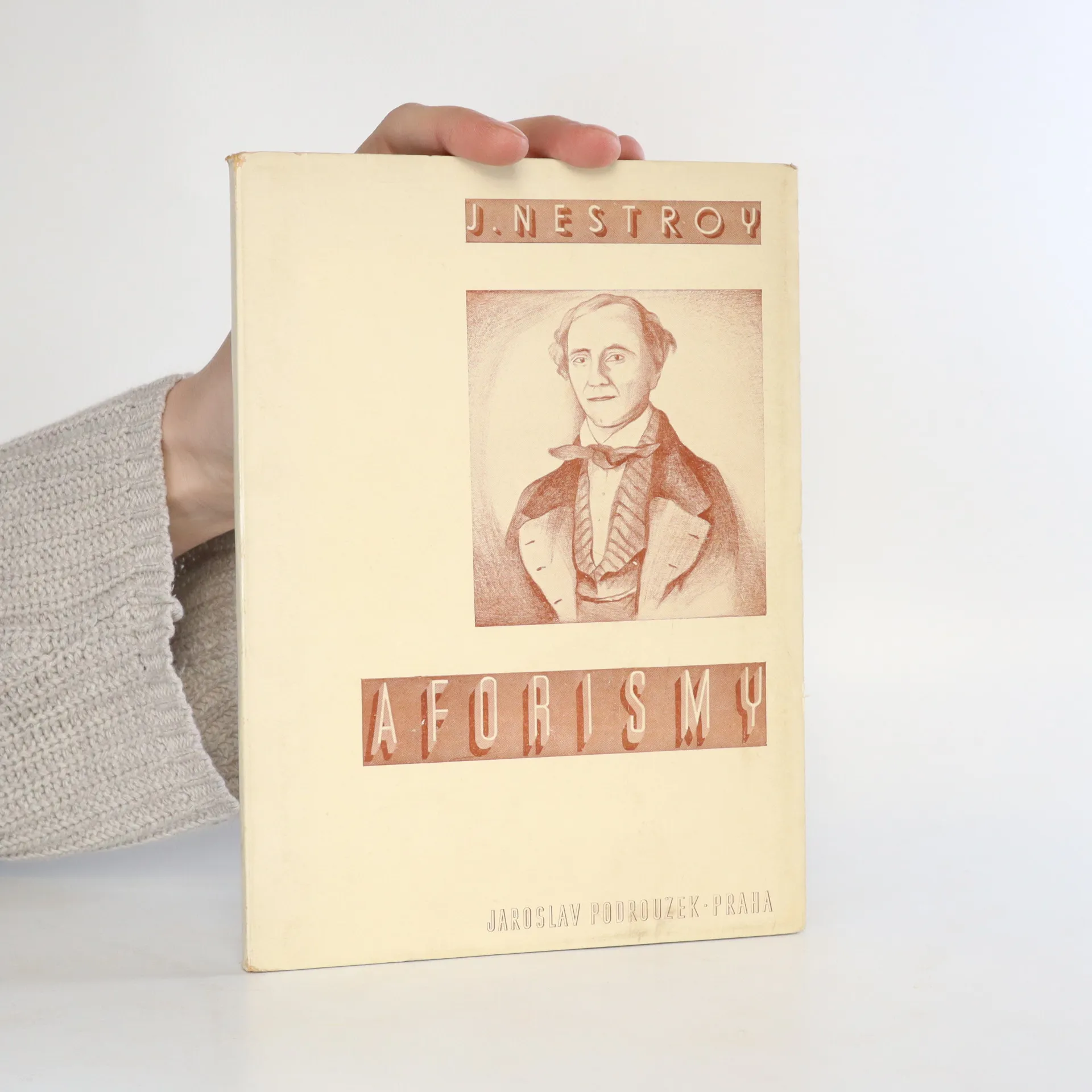
Autor třiaosmdesáti divadelních her, mezi nimiž je nejznámější "Lumpácivagabundus", sám herec, který měl hluboký kontakt s polo lidovým, polo měšťáckým publikem, psal hry plné humoru a ostré satiry. "Svoboda v Kocourkově" je psána na politické události r. 1848 ve Vídni a "Dřívější poměry" zasahují těsně do času po onom revolučním jaru. Veliký skeptik vycítil, jak dosavadní služebníci feudálů jsou nakaženi týmiž morálními chorobami, jako jejich včerejší páni,ukazuje revoluční možnosti měsťácké třídy přímo na konkrétních živých lidech, které výborně znal a jimž viděl až na dno duše. (Z předmluvy)
Johann Nepomuk Nestroy Knihy
7. prosinec 1801 – 25. květen 1862

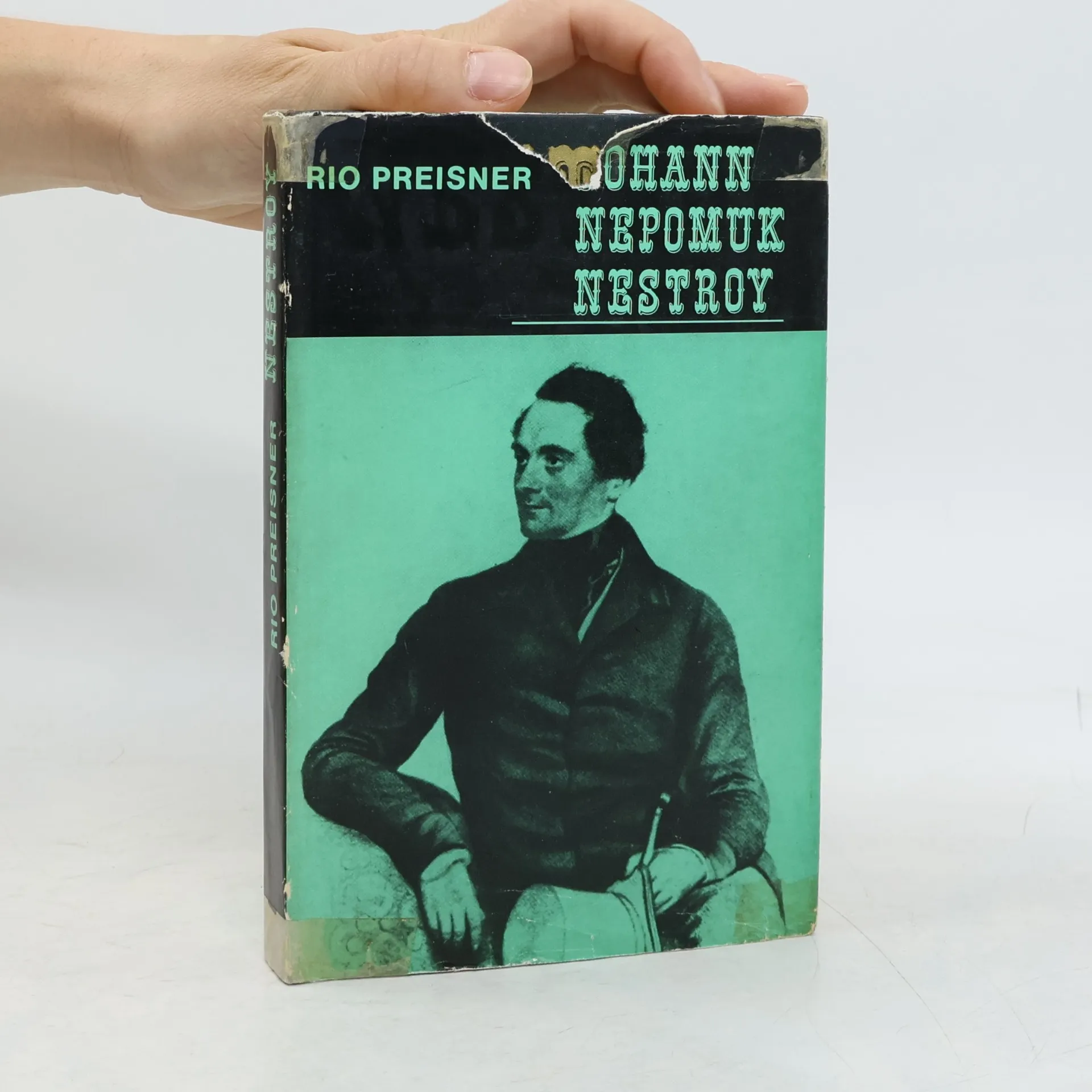
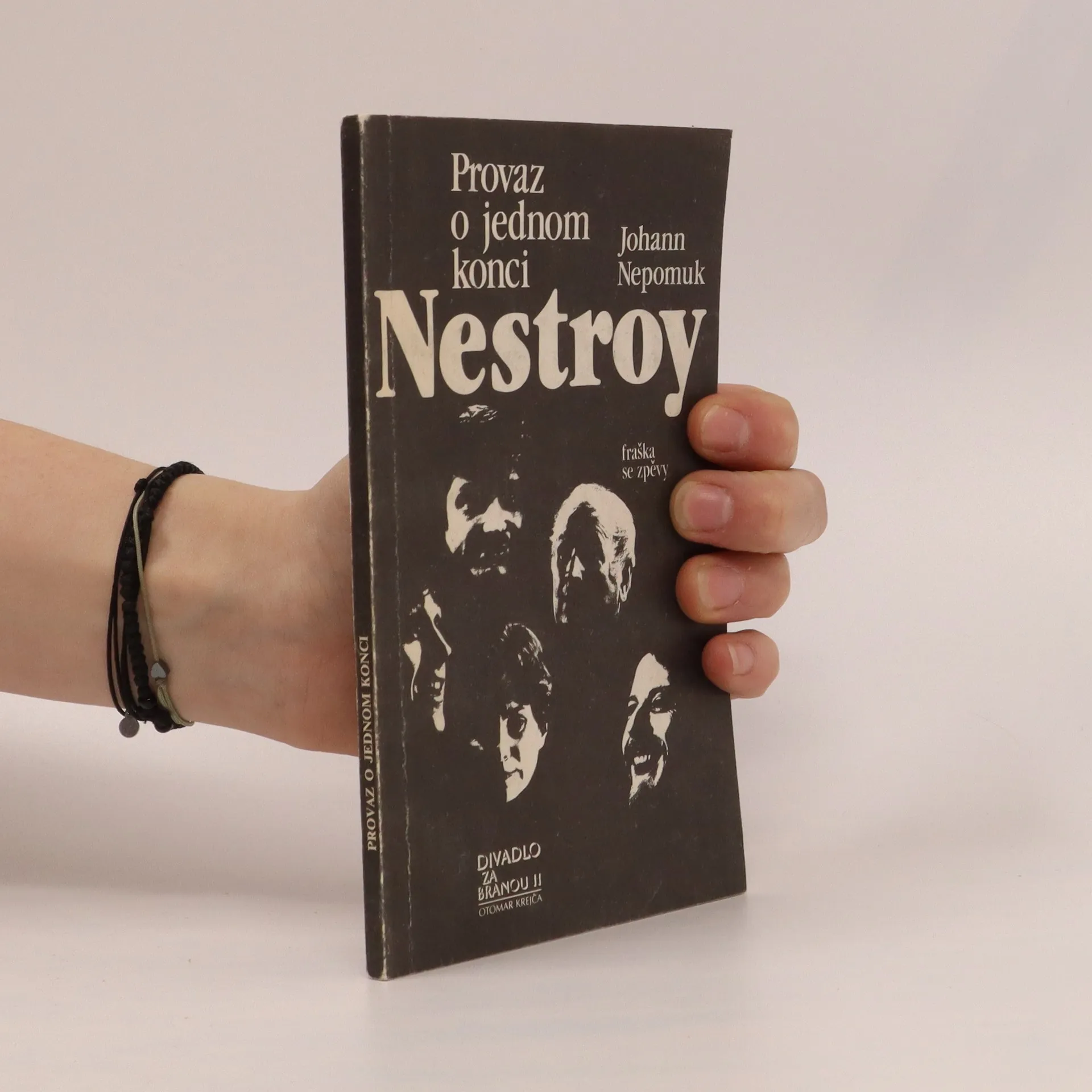

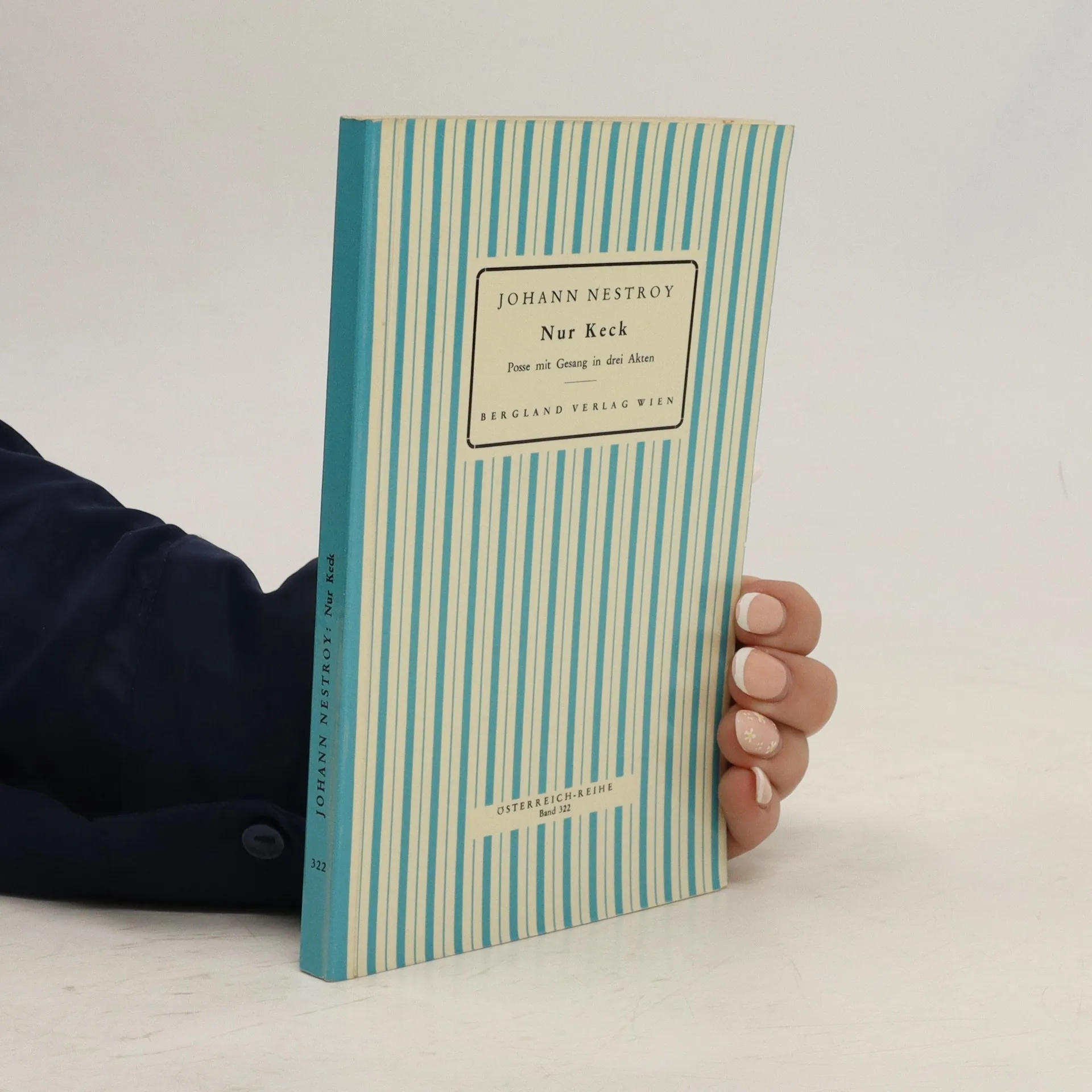
Provaz o jednom konci
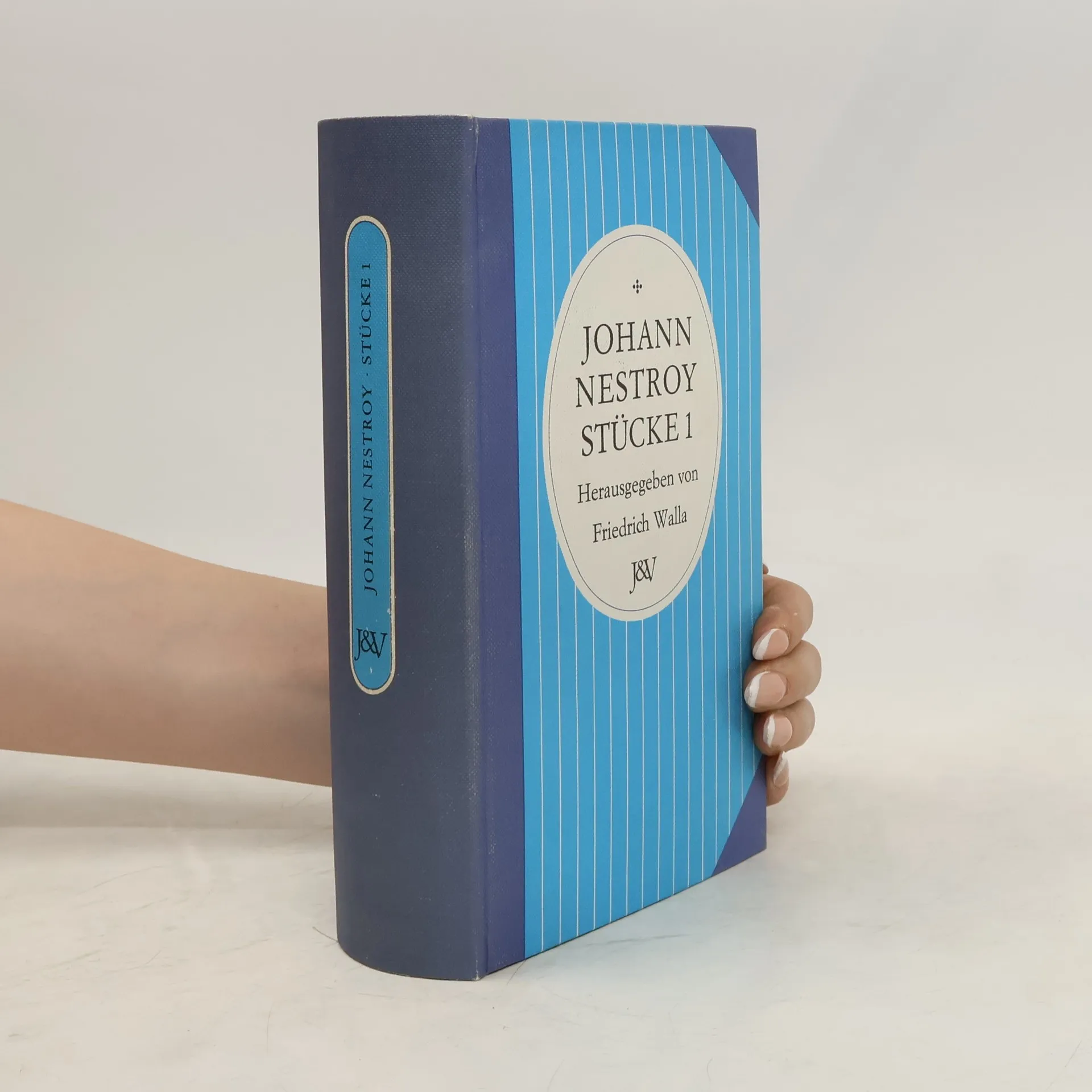
Fraška se zpěvy
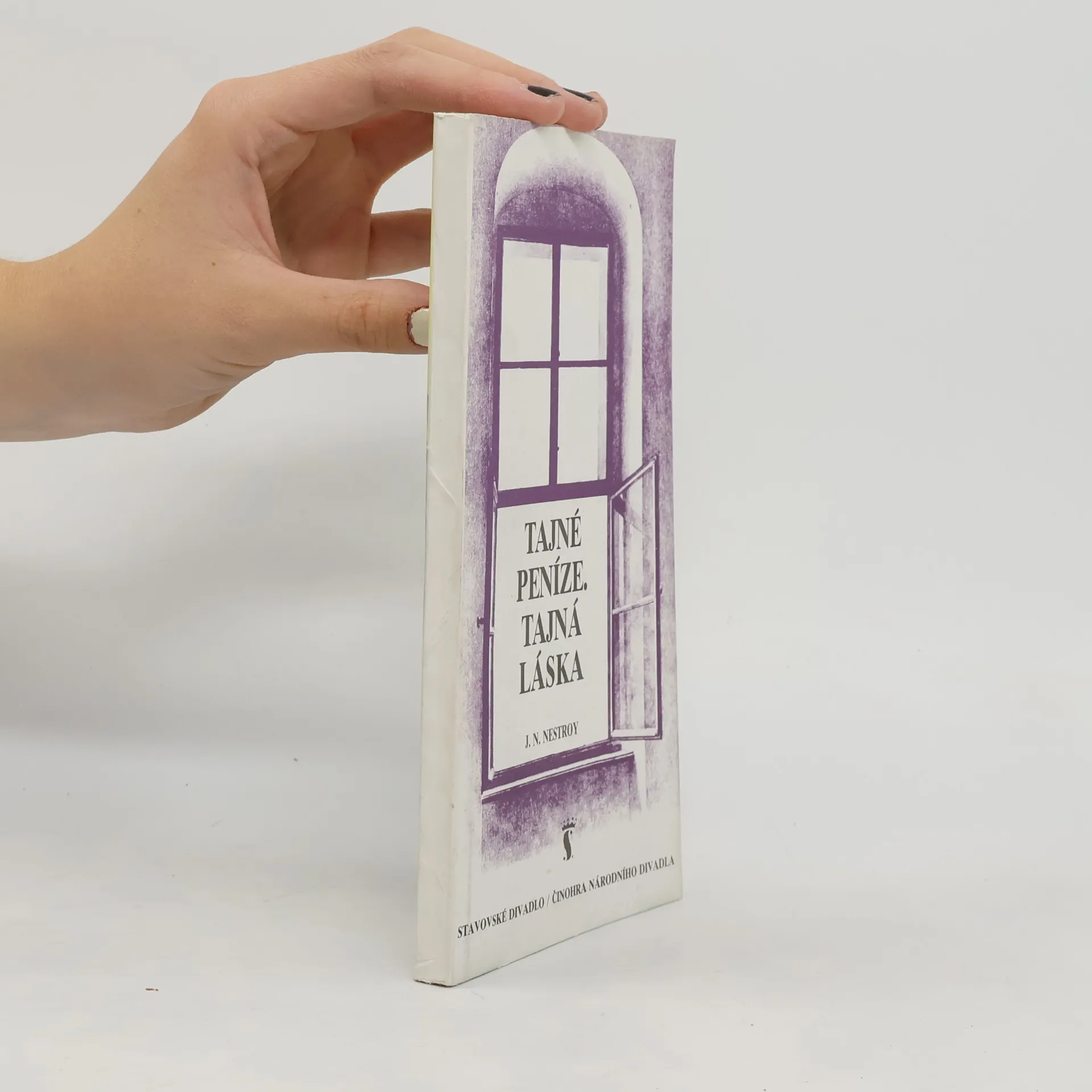
Program k inscenaci obsahuje dokumentární materiály, teoretické úvahy, rozhovory a text Nestroyovy hry.
The narrative revolves around three apprentices whose lives are influenced by a contest between luck and love, personified by Fortuna and the love fairy Amorosa. Initially, two of the apprentices squander their good fortune, but ultimately, true love prevails, banishing the seductive "spirit of misfortune." The play, rich with musical elements and references to Shakespeare's A Midsummer Night's Dream, explores themes of morality and the conflict between wealth and love. Johann Nestroy's work exemplifies the pinnacle of the Alt-Wiener Volkstheater tradition.
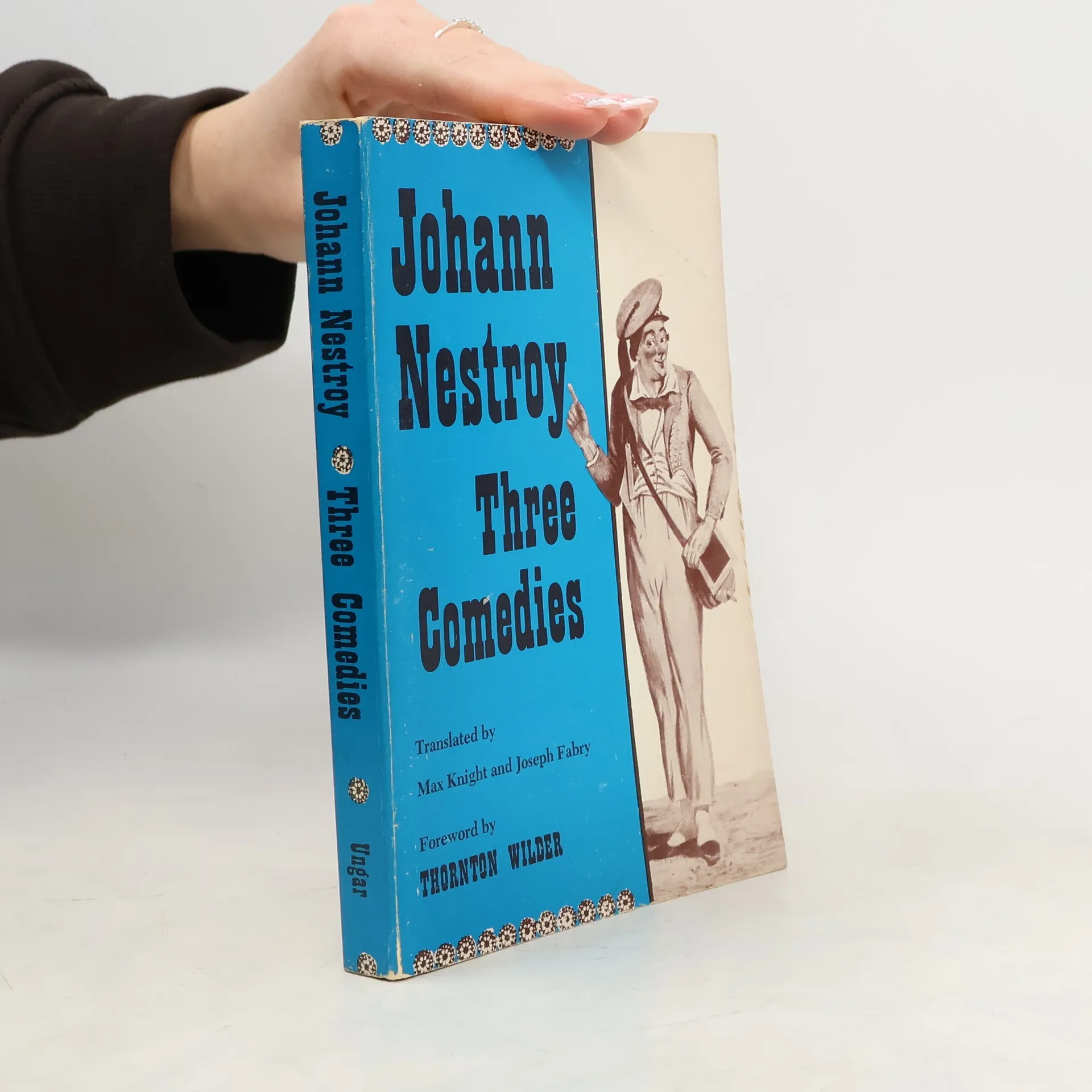
Three Comedies
A Man Full of Nothing / The Talisman / Love Affairs and Wedding Bells
- 258 stránek
- 10 hodin čtení
Nestroy's three comedies will acquaint the English-speaking public with the colorful nineteenth-century Viennese dramatist and actor, whom they may know only through Thornton Wilder's adaptation of a Nestroy play as The Matchmaker, which ultimately became the popular musical Hello, Dolly! Nestroy is still widely played in Germany, Switzerland, and especially in Austria. The comedies included here are among his best and have already been performed by drama groups in the United States. The translation successfully overcomes the formidable challenge of Nestroy's wide use of wordplay and the Viennese idiom and offers the reader a sparkling version of the three comedies. In their introduction the translators tell how and why they undertook the task.
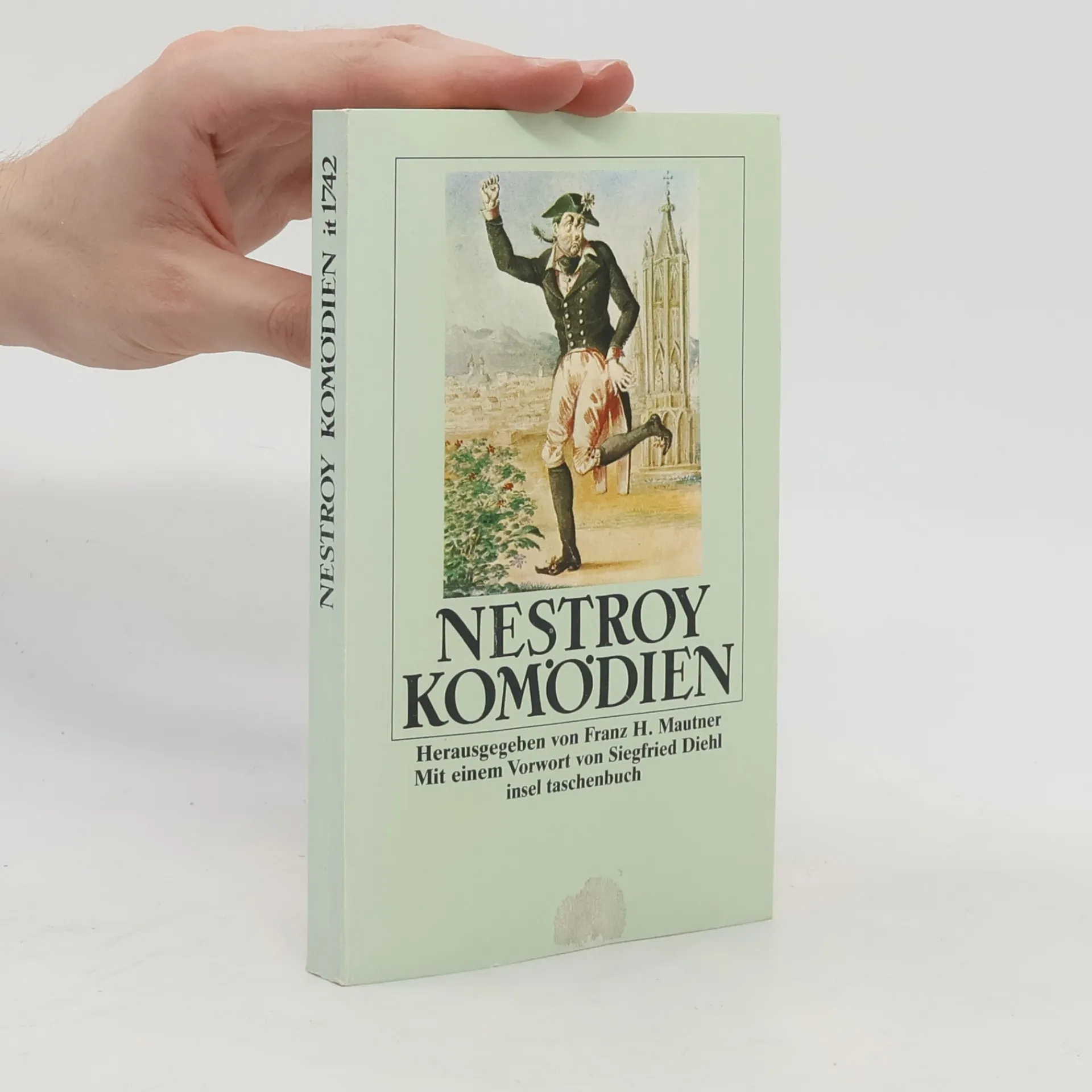
Komödien
- 432 stránek
- 16 hodin čtení
Das Mädl aus der Vorstadt oder Ehrlich währt am längsten
- 93 stránek
- 4 hodiny čtení
Lektüre für Minuten
- 92 stránek
- 4 hodiny čtení
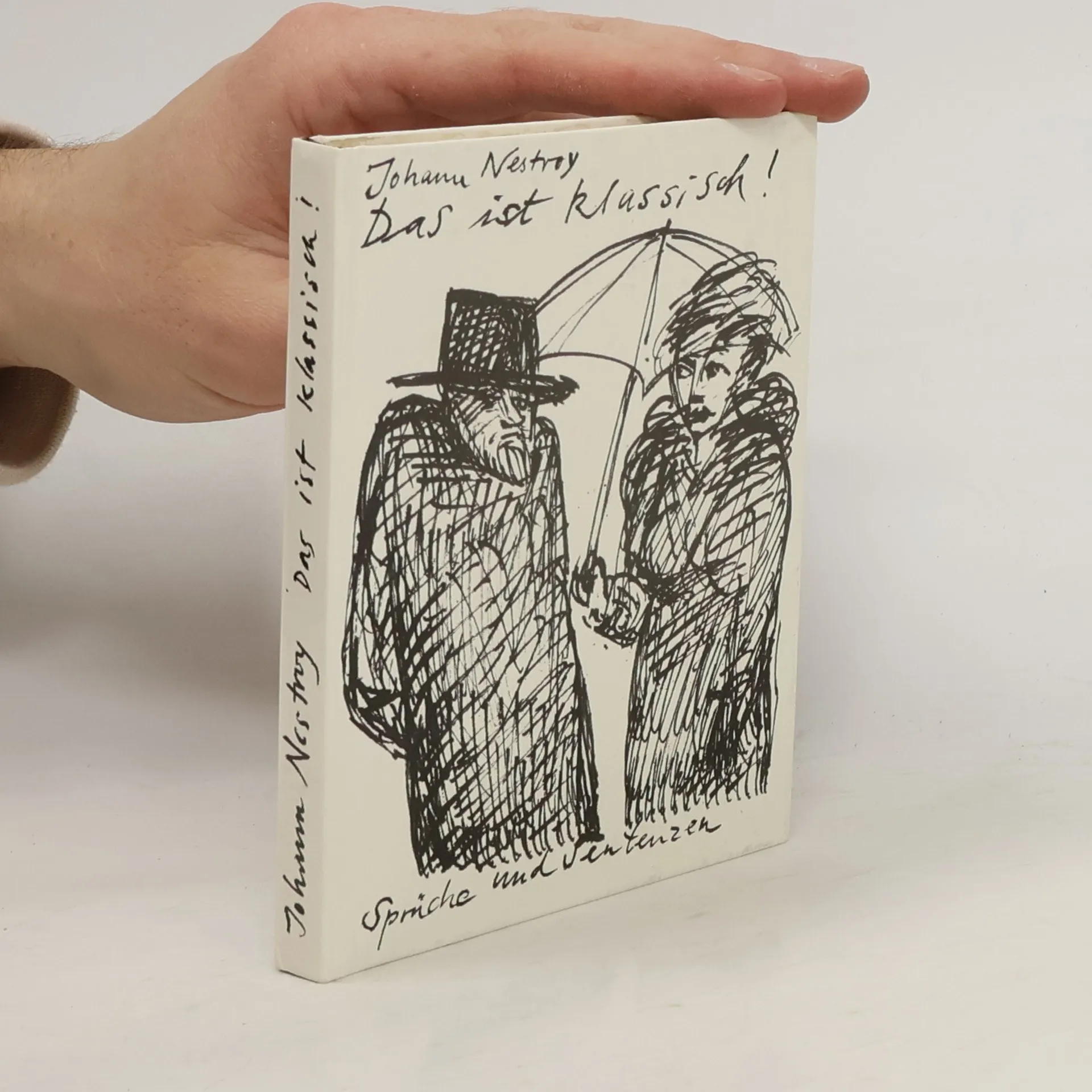
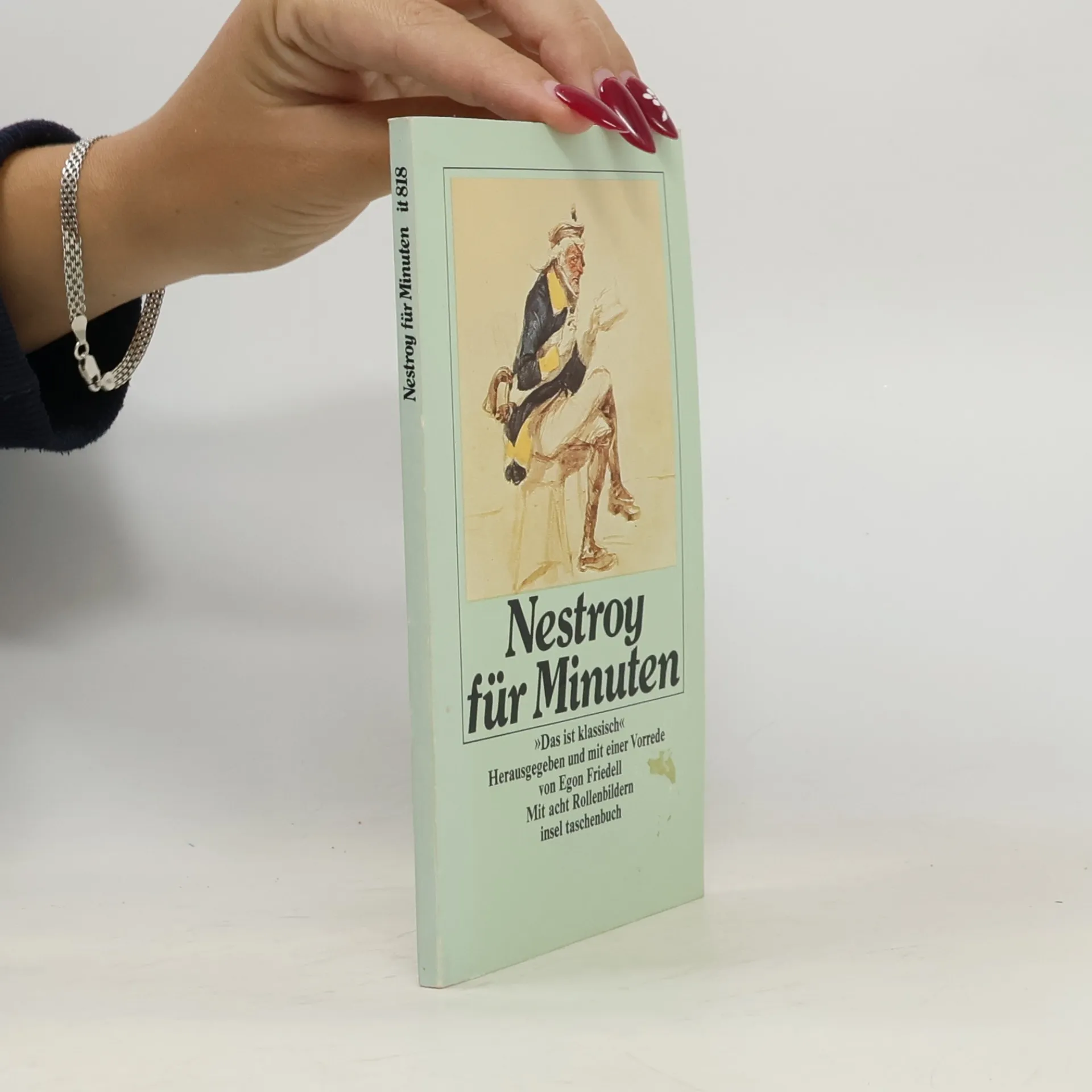
Im Jahre 1922 erschien in den Wiener Drucken eine kleine Auswahl mit Nestroy-Worten unter dem Titel "Das ist klassisch". Herausgeber war Egon Friedell, der mit dem ihm eigenen Blick für Ironie und Selbstironie ein Konzentrat aus den Stücken des schöpferischen Ironikers Nestroy zusammenstellte und nach Stichworten ordnete: der Mensch, das Leben und die Liebe; die Weiber und die Ehe; der Staat und das Geld - Allerhand heißt die letzte Unterteilung.Wenn jeder einzelne Ausspruch durchaus auch ohne Kenntnis der Nestroy-Figur goutiert werden kann, so liegt dies unzweifelhaft daran, daß Nestroy Philosophie aufs Theater bringen wollte, ganz ohne System, aber mit der untrüglichen "Witterung für alles Komplizierte, Widerspruchsvolle, Vieldeutige in der menschlichen Natur". Das ist, wie Friedell sagt, der zweite Nestroy, der "sokratische" Dialektiker und kantisch analysierende Geist von höchster Feinheit und Schärfe, der die Maßstäbe aller menschlichen Dinge verzerrte und verrückte, um sie ebe n dadurch erst in ihren wahren Dimensionen aufleuchten zu lassen.
Excerpt from Zu Ebener Erde und Erster Stock, oder die Launen des GlückesAbout the PublisherForgotten Books publishes hundreds of thousands of rare and classic books.This book is a reproduction of an important historical work. Forgotten Books uses state-of-the-art technology to digitally reconstruct the work, preserving the original format whilst repairing imperfections present in the aged copy. In rare cases, an imperfection in the original, such as a blemish or missing page, may be replicated in our edition. We do, however, repair the vast majority of imperfections successfully; any imperfections that remain are intentionally left to preserve the state of such historical works. This text has been digitally restored from a historical edition. Some errors may persist, however we consider it worth publishing due to the work's historical value.The digital edition of all books may be viewed on our website before purchase.
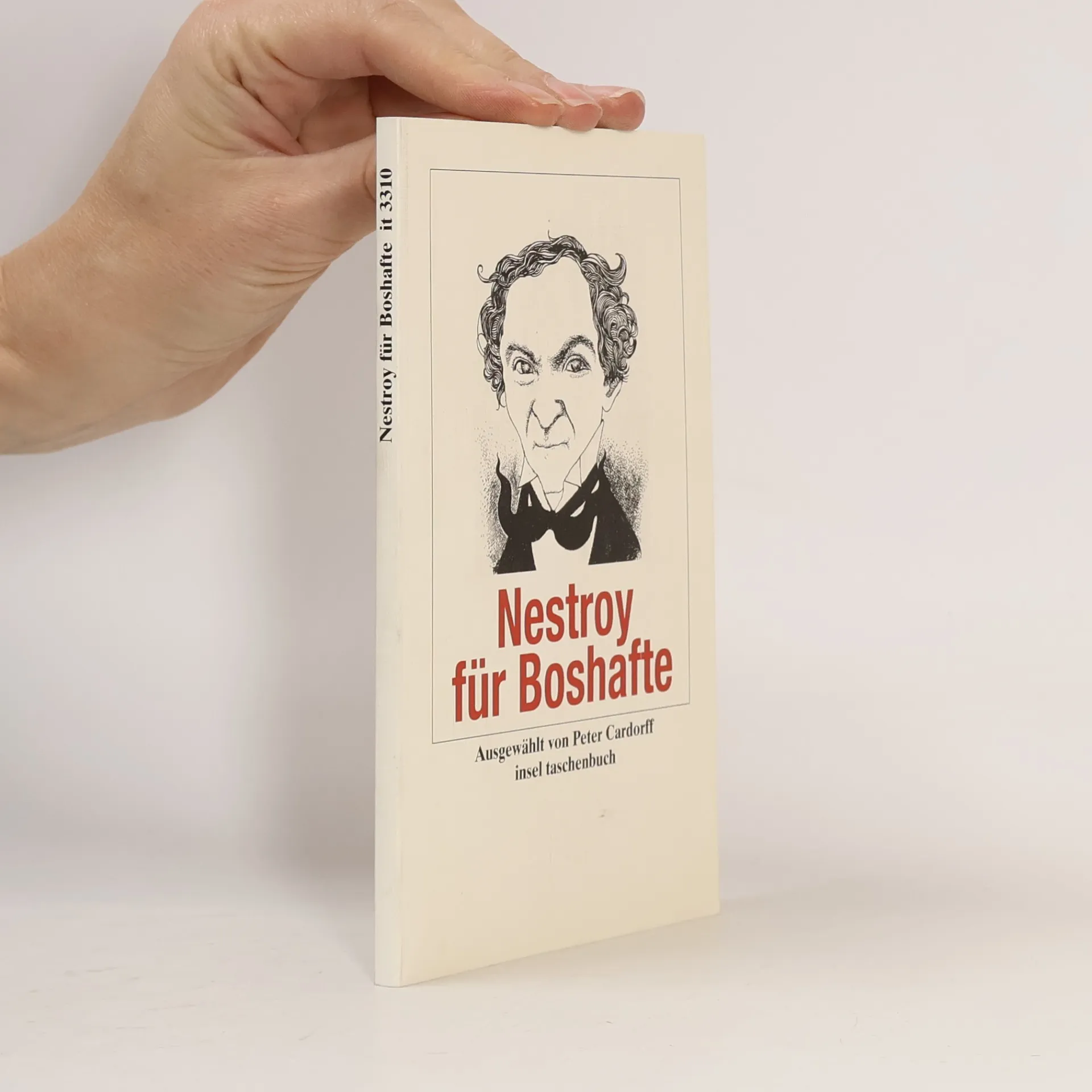
Nestroy für Boshafte
- 104 stránek
- 4 hodiny čtení
Die schlimmen Buben in der Schule
- 96 stránek
- 4 hodiny čtení
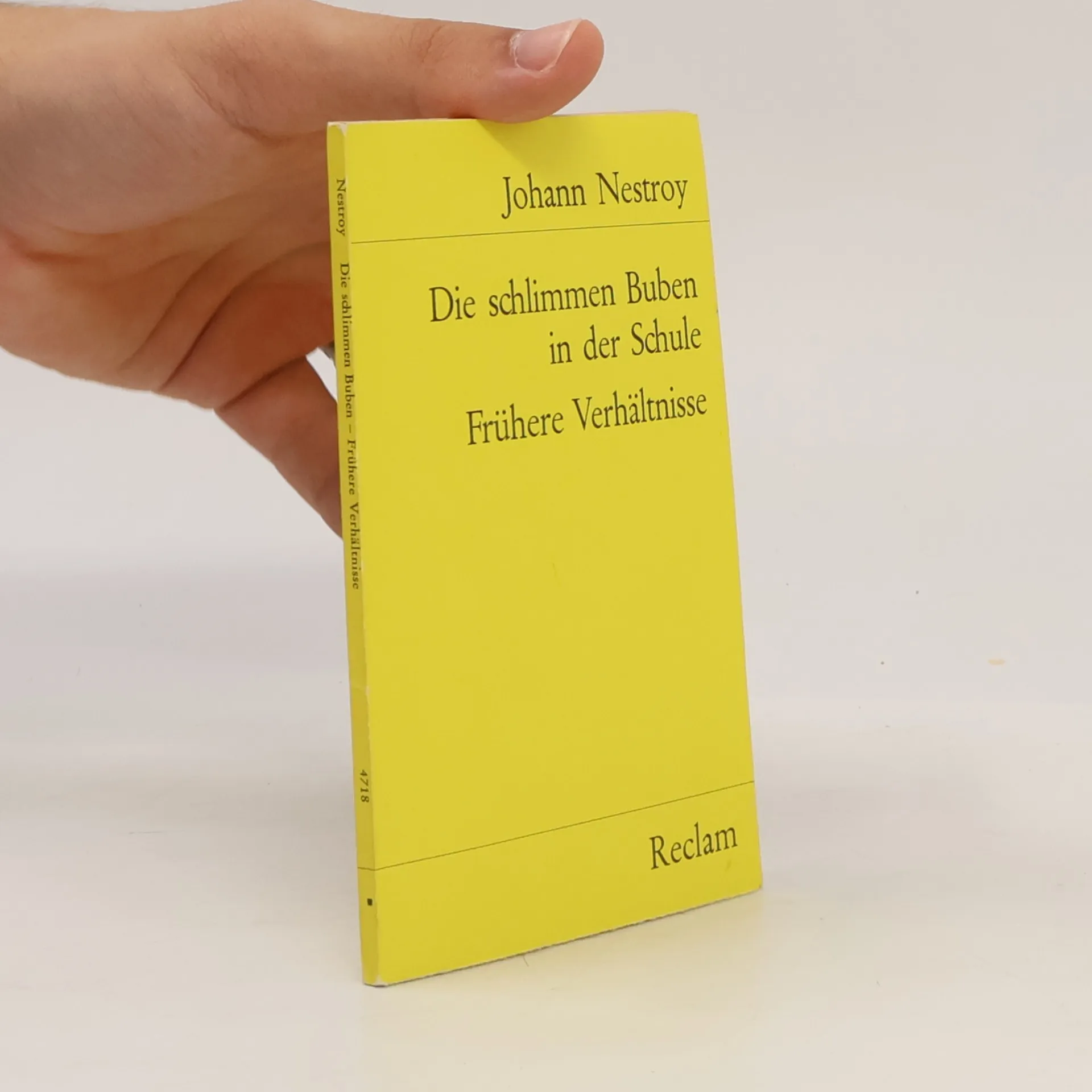
Nestroys Einakter Die schlimmen Buben in der Schule und Frühere Verhältnisse machen die Gesellschaft und ihre Institutionen zum Gegenstand satirischer Betrachtung. Einmal wird die Schule zum Bild der Welt, die dann aber der kritischen Prüfung nicht standhält und ›durchfällt‹. Zum anderen wird das alte Thema von Herr und Knecht – allerdings unter umgekehrten Vorzeichen – erneut durchgespielt.
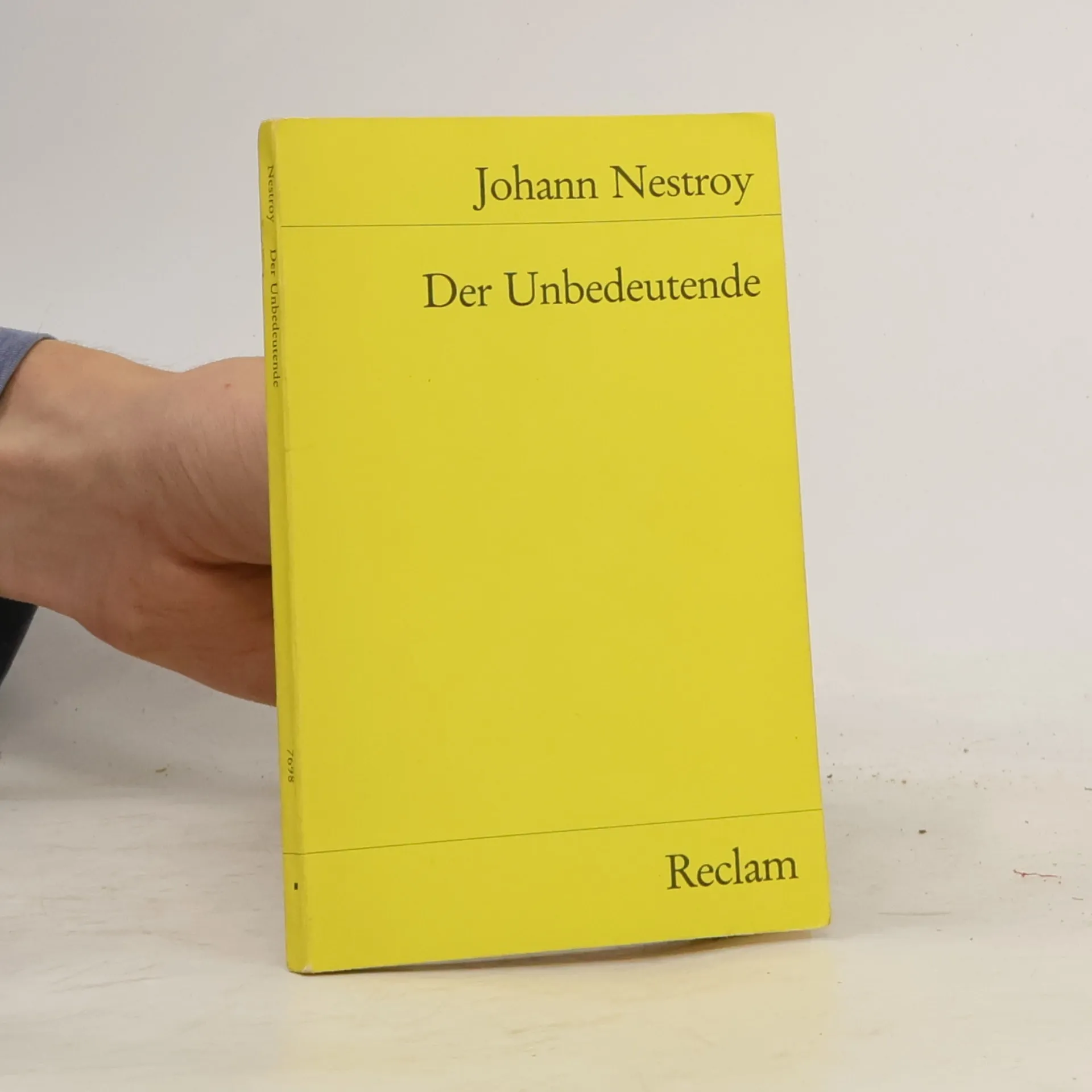
Johann Nestroy: Der Unbedeutende. Posse mit Gesang in drei Akten. Die Handlung dreht sich um das Leben und die Herausforderungen eines unbedeutenden Menschen, der in einer Welt voller Ambitionen und Machtspiele seinen Platz sucht. Nestroy thematisiert die Absurditäten des Lebens und die menschliche Eitelkeit mit seinem typischen Witz und Humor.
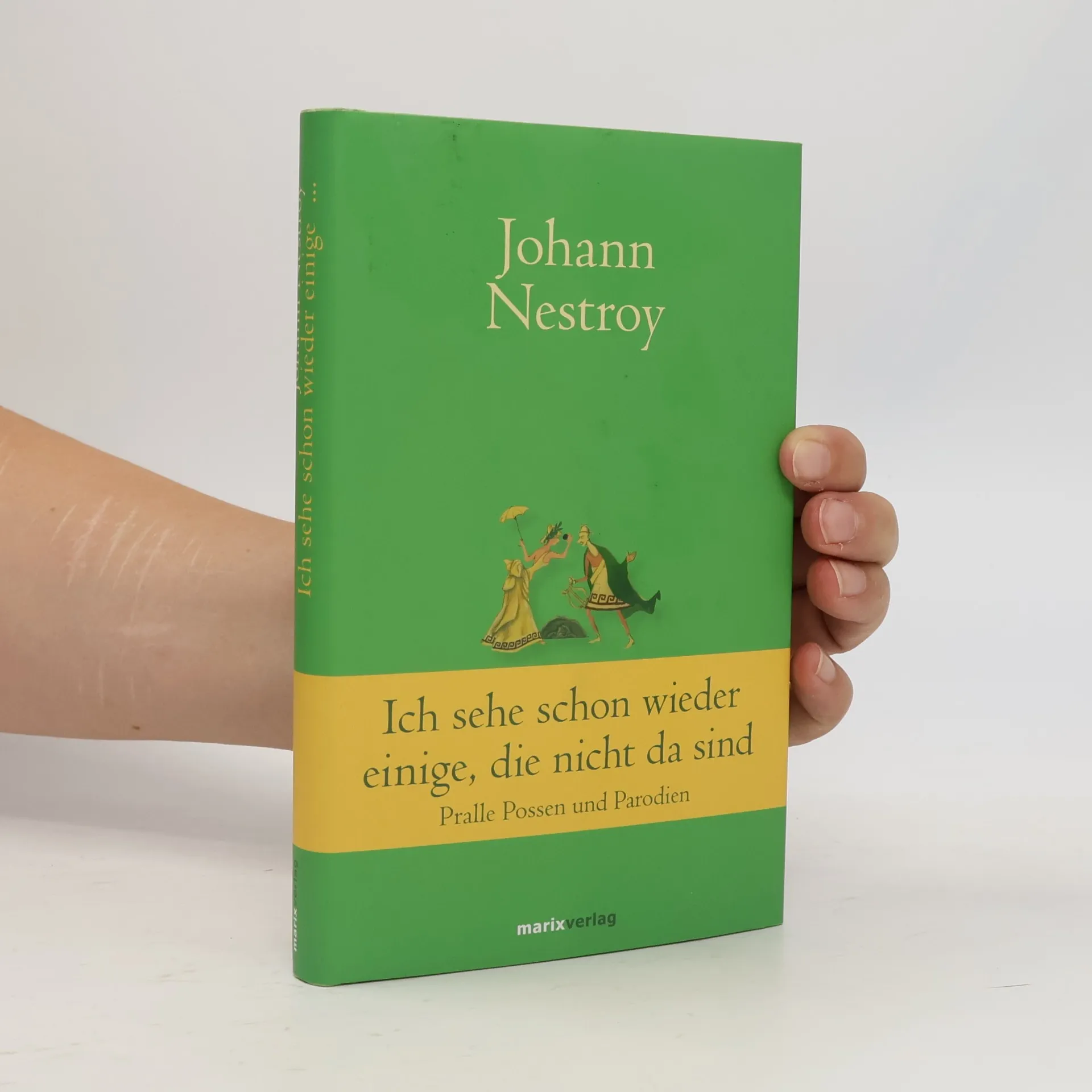
»Kunst ist, wenn man’s nicht kann, denn wenn man’s kann, ist’s keine Kunst.« Voller Sprachwitz sind die in Dialekt und Hochsprache verfassten Possen, Albereien und Theaterstücke von Johann Nestroy. Immer angereichert mit philosophischem Tiefsinn und satirischem Klamauk. Weder die lokalen Charaktere des Wiener Milieus, jede Menge »Aufschneider« und »Lackaffen«, noch die politischen Verhältnisse seiner Zeit oder ganz allgemein menschliche Schwächen waren vor seinem Talent des humoristischen Desillusionierens sicher. Johann Nestroy steht in der Tradition des Wiener Volkstheaters und hat doch viel mehr zu bieten. Egon Friedell sieht ihn als »Erben und Fortsetzer « Laurence Sternes, Oscar Wildes und Bernard Shaws. Wortmächtig, hintergründig, frech. Kurzum: liebenswert!
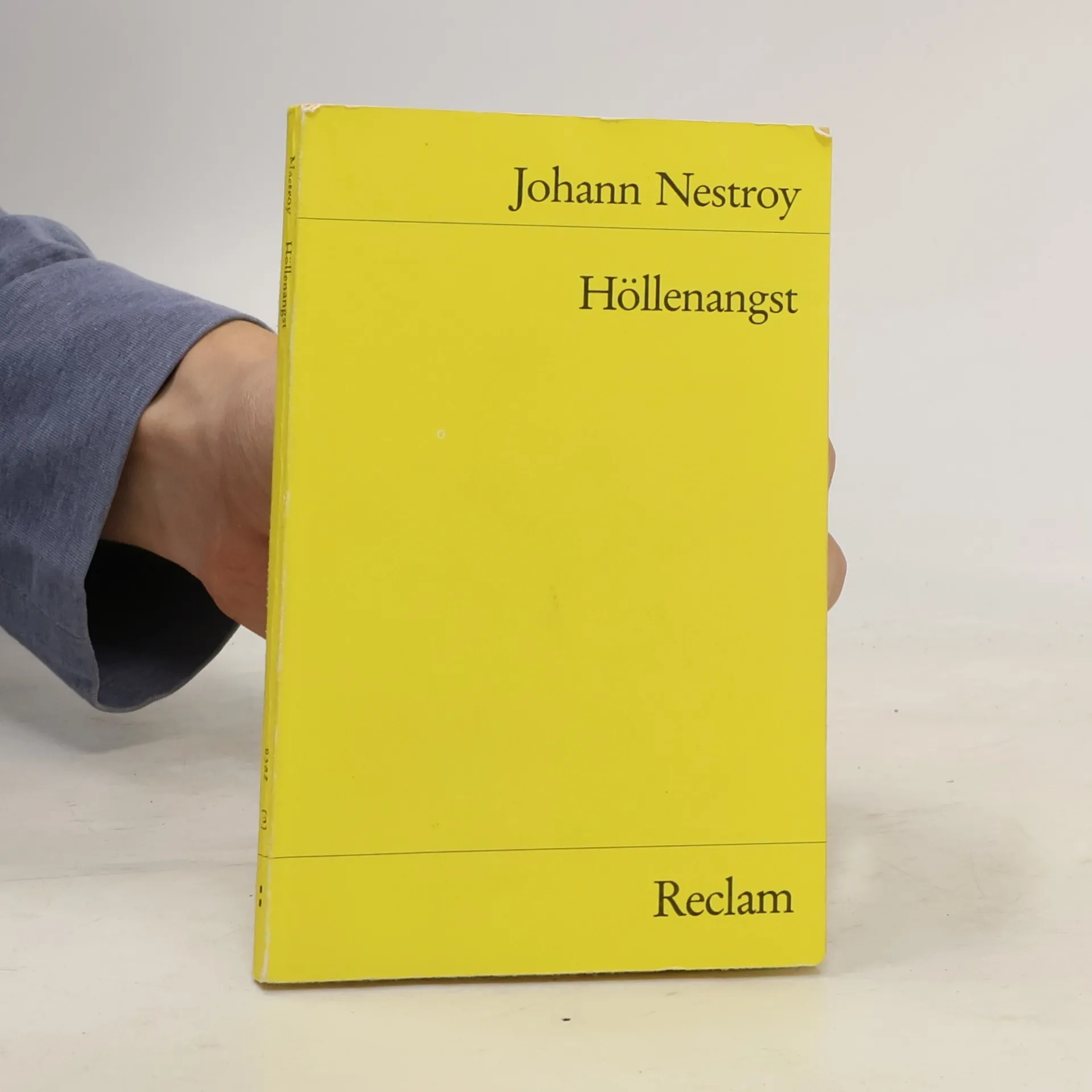
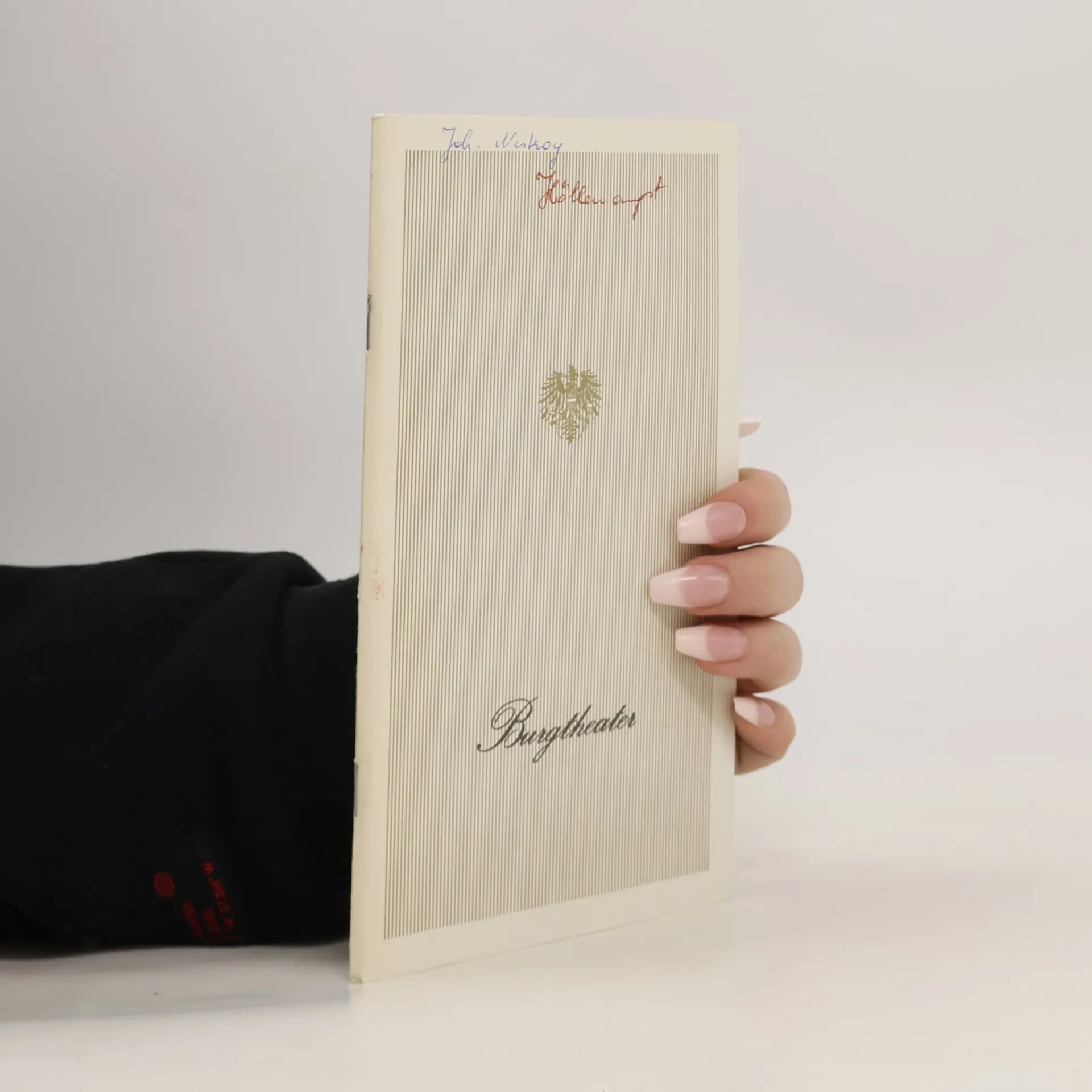
Höllenangst
- 144 stránek
- 6 hodin čtení
Bei diesem Werk handelt es sich um eine urheberrechtsfreie Ausgabe.Der Kauf dieser Kindle-Edition beinhaltet die kostenlose, drahtlose Lieferung auf Ihren Kindle oder Ihre Kindle-Apps.
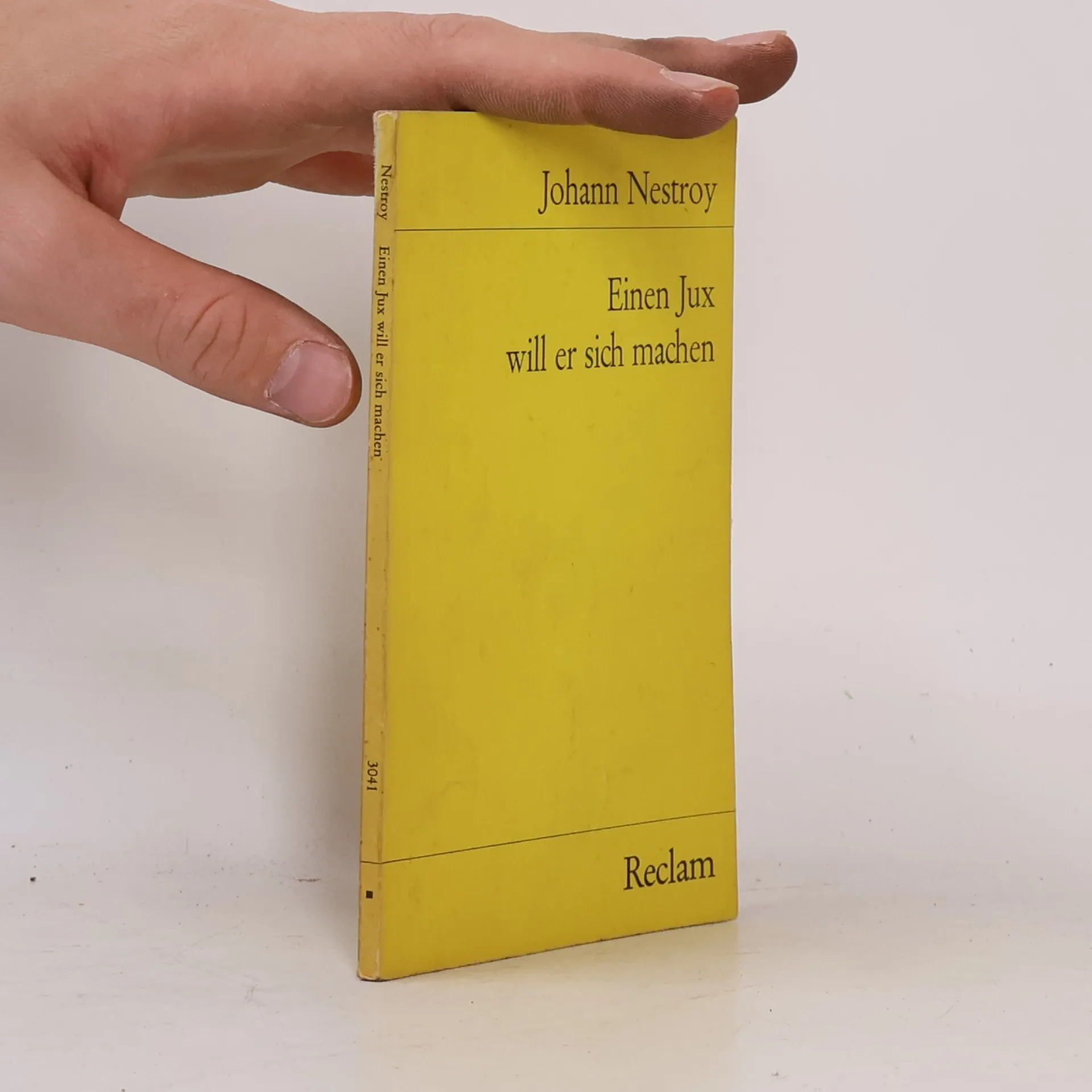
Am 10. März 1842 wurde die Posse »Einen Jux will er sich machen« zum ersten Mal im Theater an der Wien dargestellt. Es wurde einer von Nestroys größten und nachhaltigsten Erfolgen, und auch heute noch zählt die Komödie zum Kernrepertoire des heiteren Theaters, unverbraucht in ihren Reizen, unverwüstlich in ihrer elementaren Bühnenwirkung.
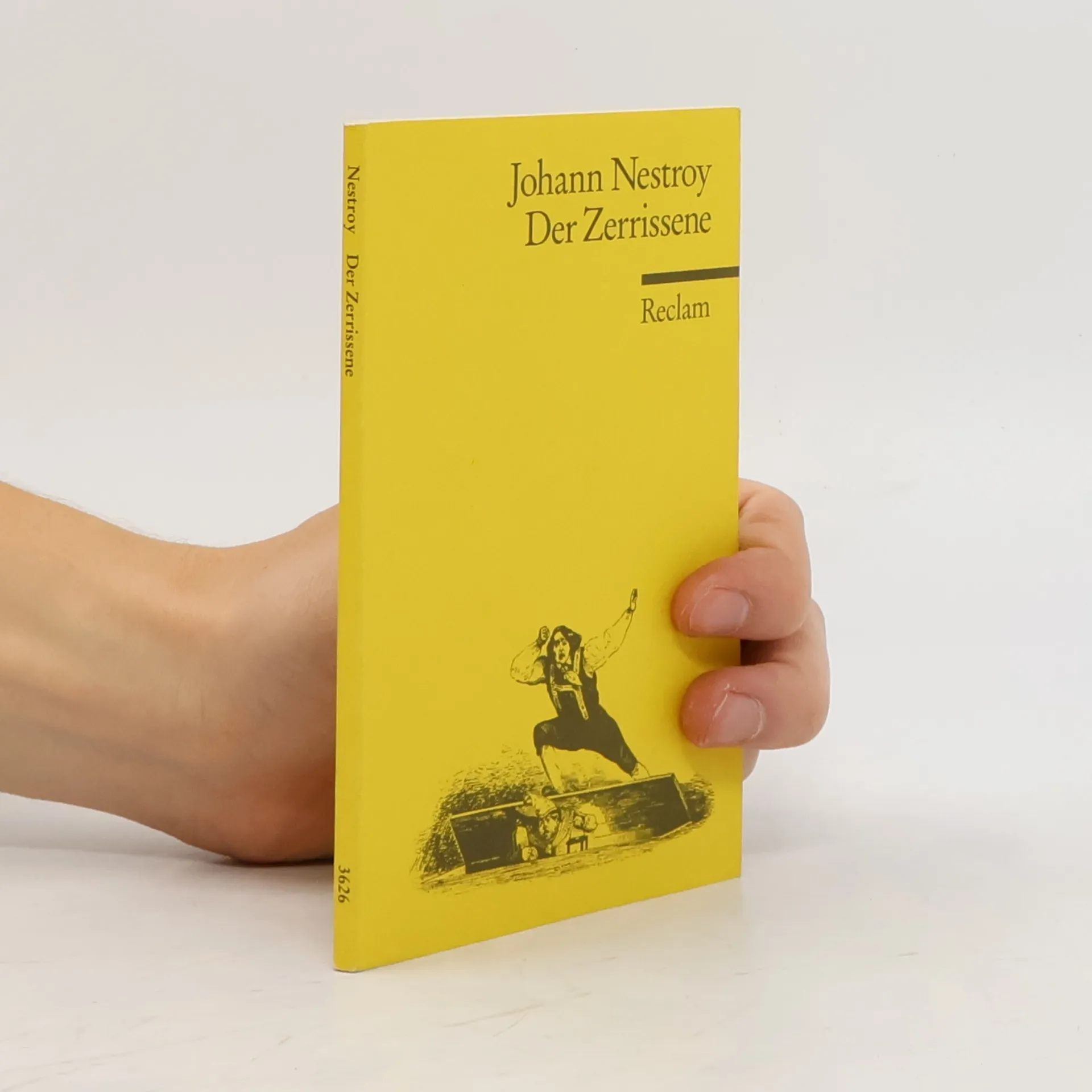
Der Zerrissene : Posse mit Gesang in drei Akten
- 86 stránek
- 4 hodiny čtení
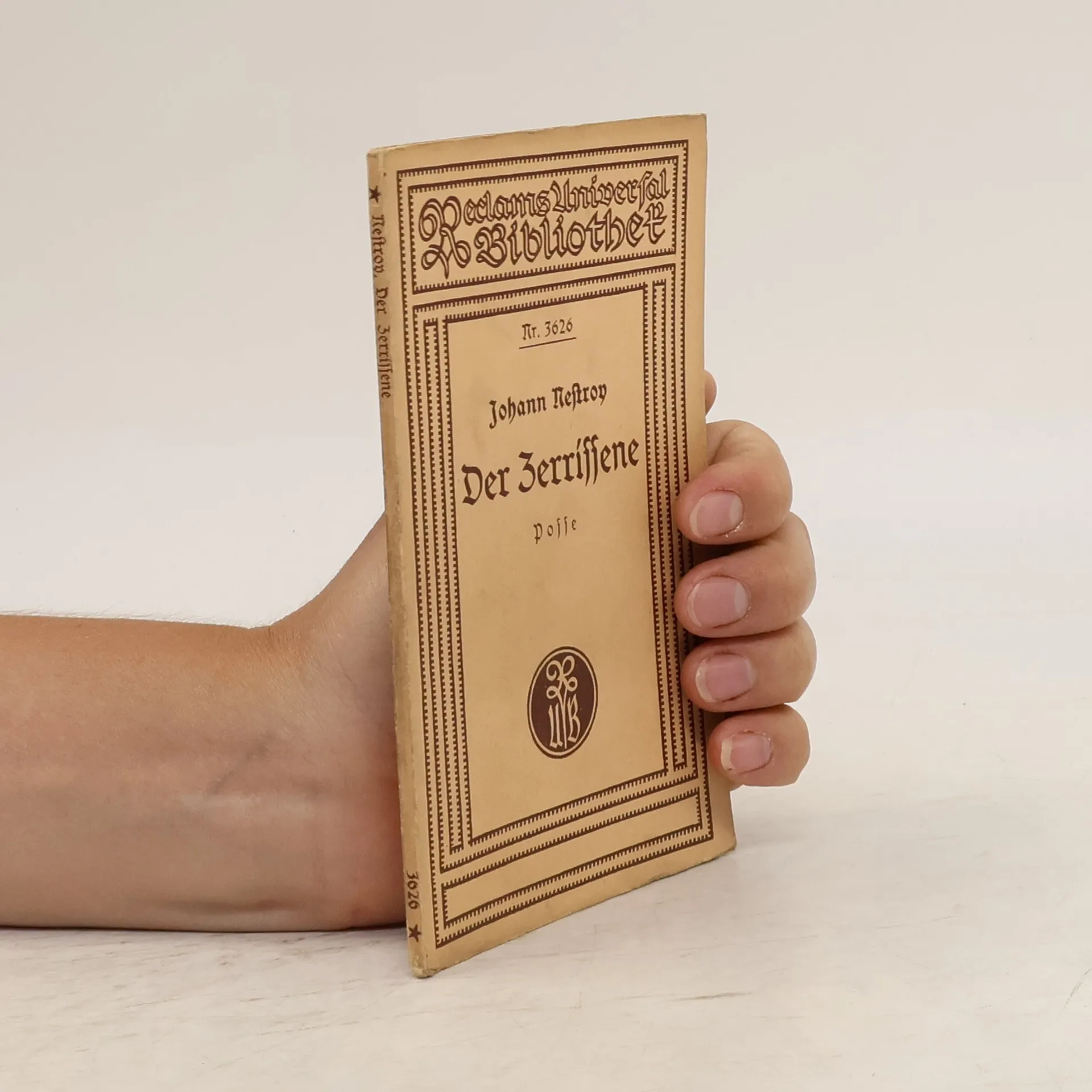
Nestroys Posse Der Zerrissene , die Bearbeitung eines Pariser Vaudevilles, wurde nach der Uraufführung von 1844 ein grandioser Erfolg und in Wien schon zu Nestroys Lebzeiten über hundertmal wiederholt. Sein ›Kapitalist‹ Lips ist kein Weltschmerzler und eigentlich auch nicht blasiert. Er hat nur, verwöhnt durch seinen Reichtum, am Leben vorbeigelebt und braucht die Kur der Todesangst, um ein Gefühl dafür zu bekommen, was er versäumt hat.
Freiheit in Krähwinkel
- 88 stránek
- 4 hodiny čtení
In seiner Posse Freiheit in Krähenwinkel setzt sich Nestroy mit der Revolution 1848 auseinander, indem er den traditionellen Krähenwinkler Motiven neuer Funktionen gibt und ihre bloß burleske Komik satirisch auflädt.
'Nestroys]udith und Holofernes', eine Travestie der Hebbelschen ']udith', besitzt über ihren satirischen Anlaß hinaus auch heute noch eigene komische Realität. -'Häuptling Abendwind', Nestroys letztes Stück, kehrt den Topos des 'edlen Wilden' geradezu um: Die Satire trifft den Fortschrittsglauben der kultivierten, aber engstirnigen und nationalistischen Völker, sie schlägt auf den kulturund zivilisationsbeflissenen, aber menschenfressenden Wilden zurück.
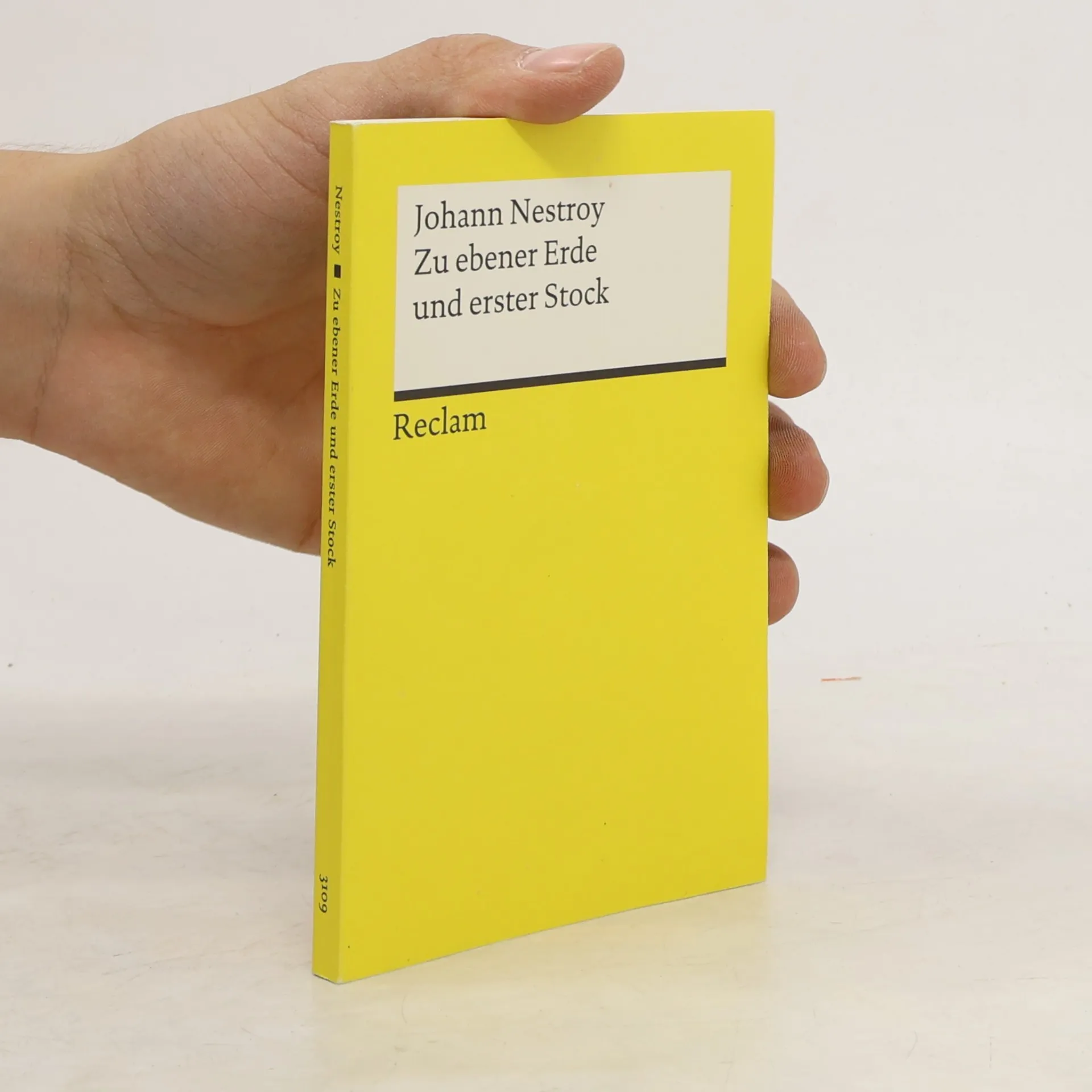
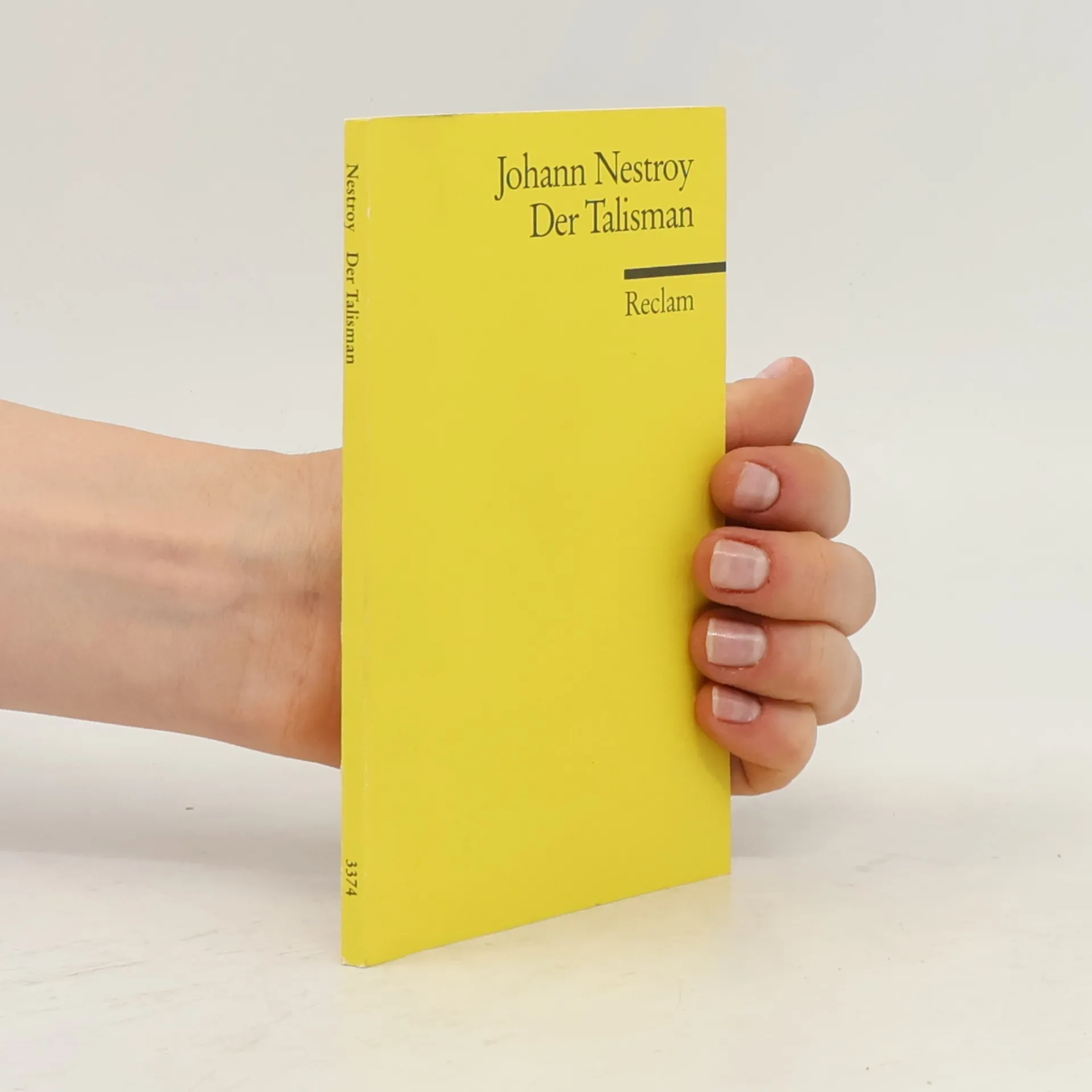
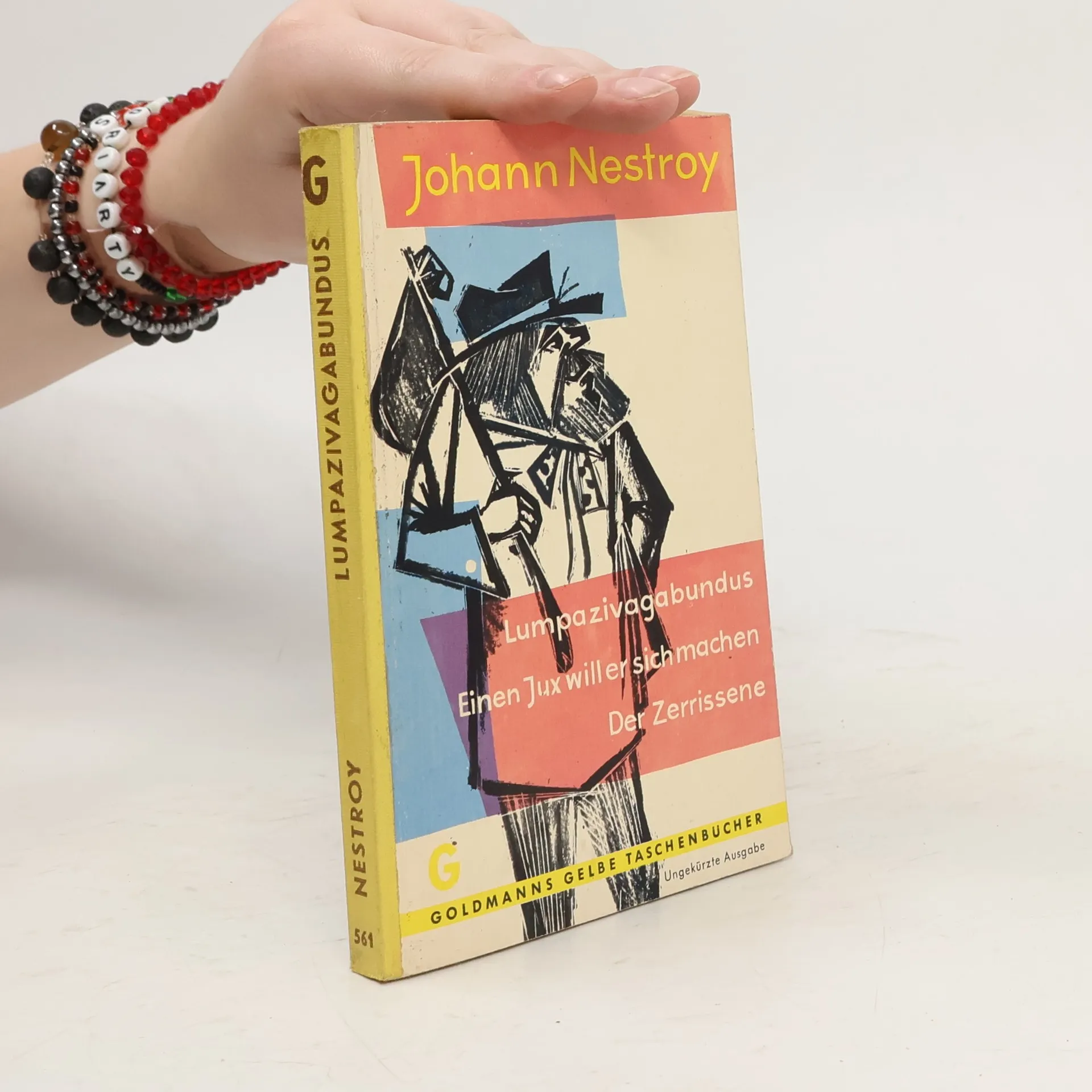
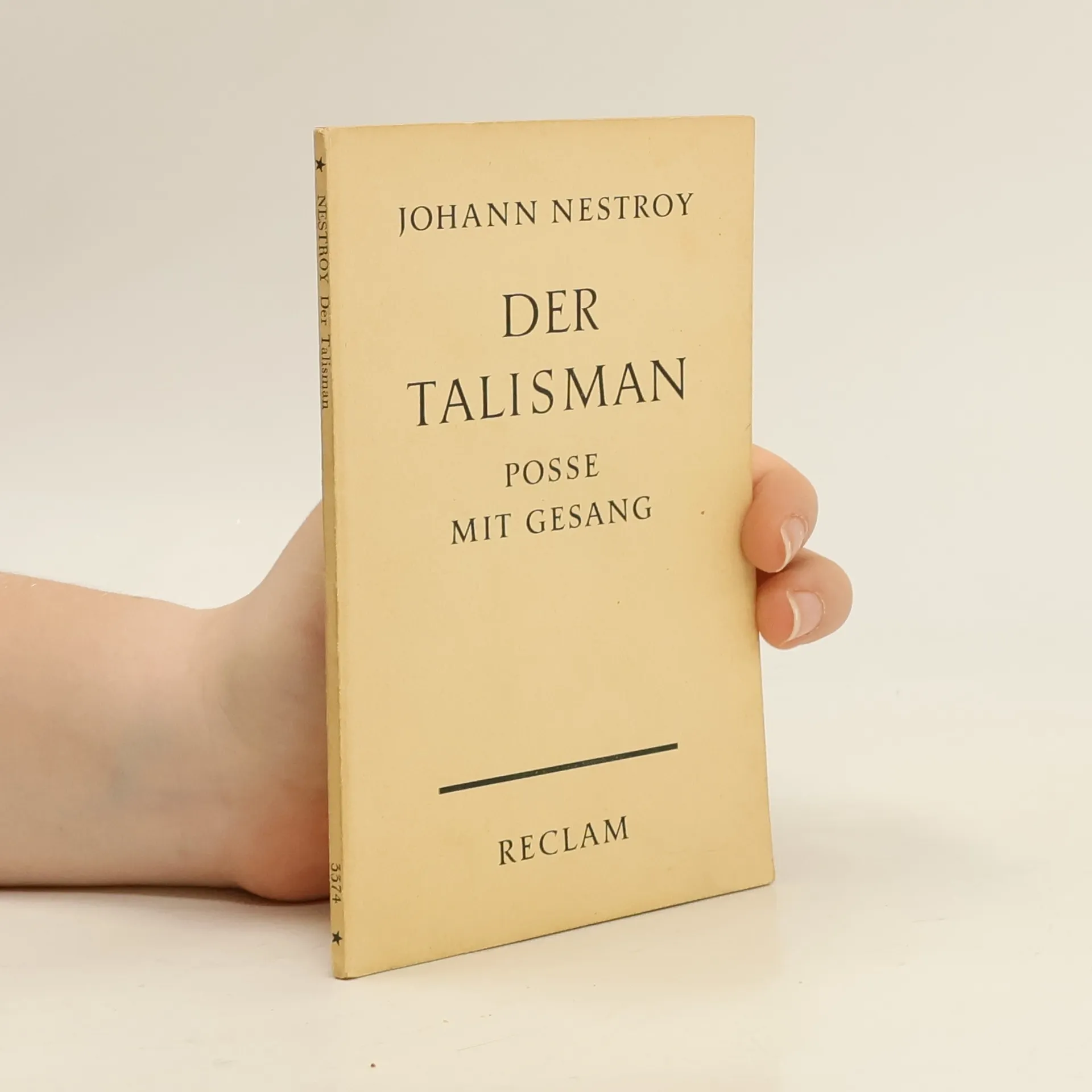
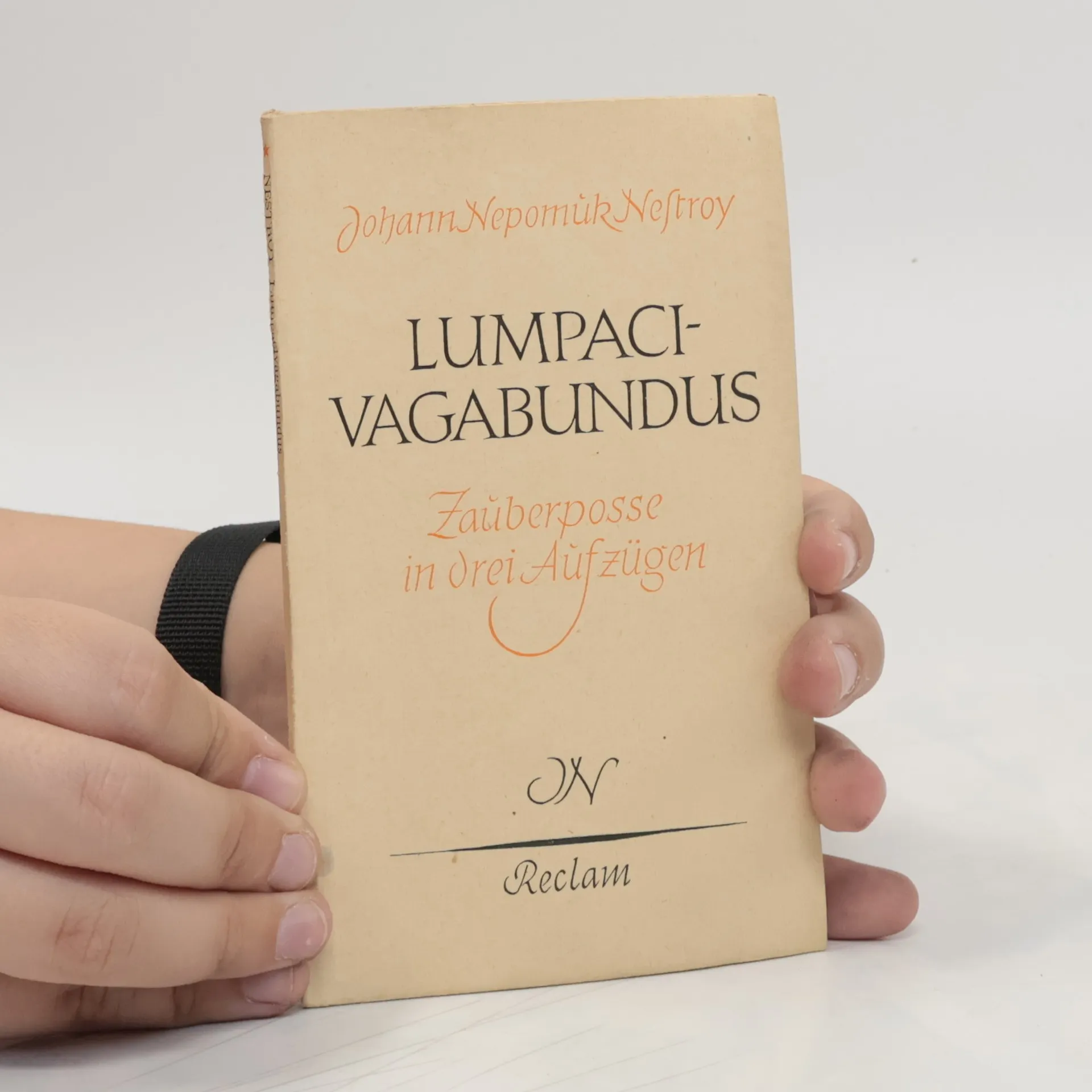
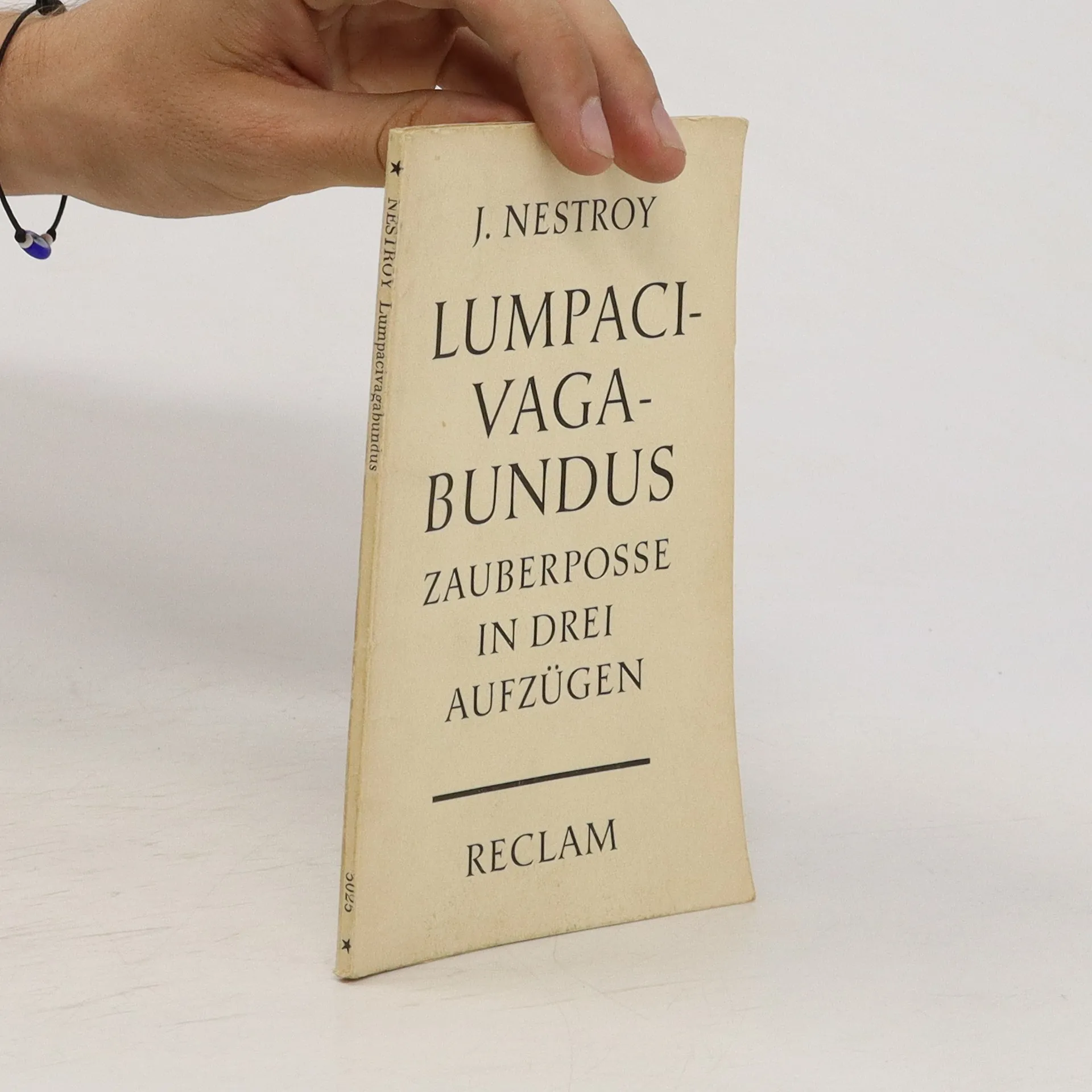
Die Machtprobe zwischen Fortuna und der Liebesfee Amorosa beschert drei Handwerksgesellen das große Los. Wie der trunksüchtige Schuster Knieriem, der brave Tischler Leim und der prunkliebende Schneider Zwirn mit ihrem Haupttreffer zurecht- oder nicht zurechtkommen, das ist Gegenstand dieser »Zauberposse«, die zu Nestroys populärsten Stücken gehört.
Posse mit Gesang in drei AktenDie Rolle des Titus Feuerkopf hat sich Nestroy auf den Leib geschrieben: Bei der Uraufführung seiner Posse "Der Talisman" 1840 in Wien spielte er selbst den rothaarigen Außenseiter, dem mithilfe einer schwarzen Perücke ein rasanter Aufstieg in die sogenannt höheren Kreise gelingt. Doch bald schon wird der kluge und komisch begabte Feuerkopf entlarvt, und sein glücklicher Coup droht zum Trauerspiel zu werden. "Der Talisman" ist herrliche Charakterkomödie und glänzende Gesellschaftssatire in einem und heute das meistgespielte Stück aus der Feder des österreichischen Sprachvirtuosen Nestroy.
Briefe
- 251 stránek
- 9 hodin čtení
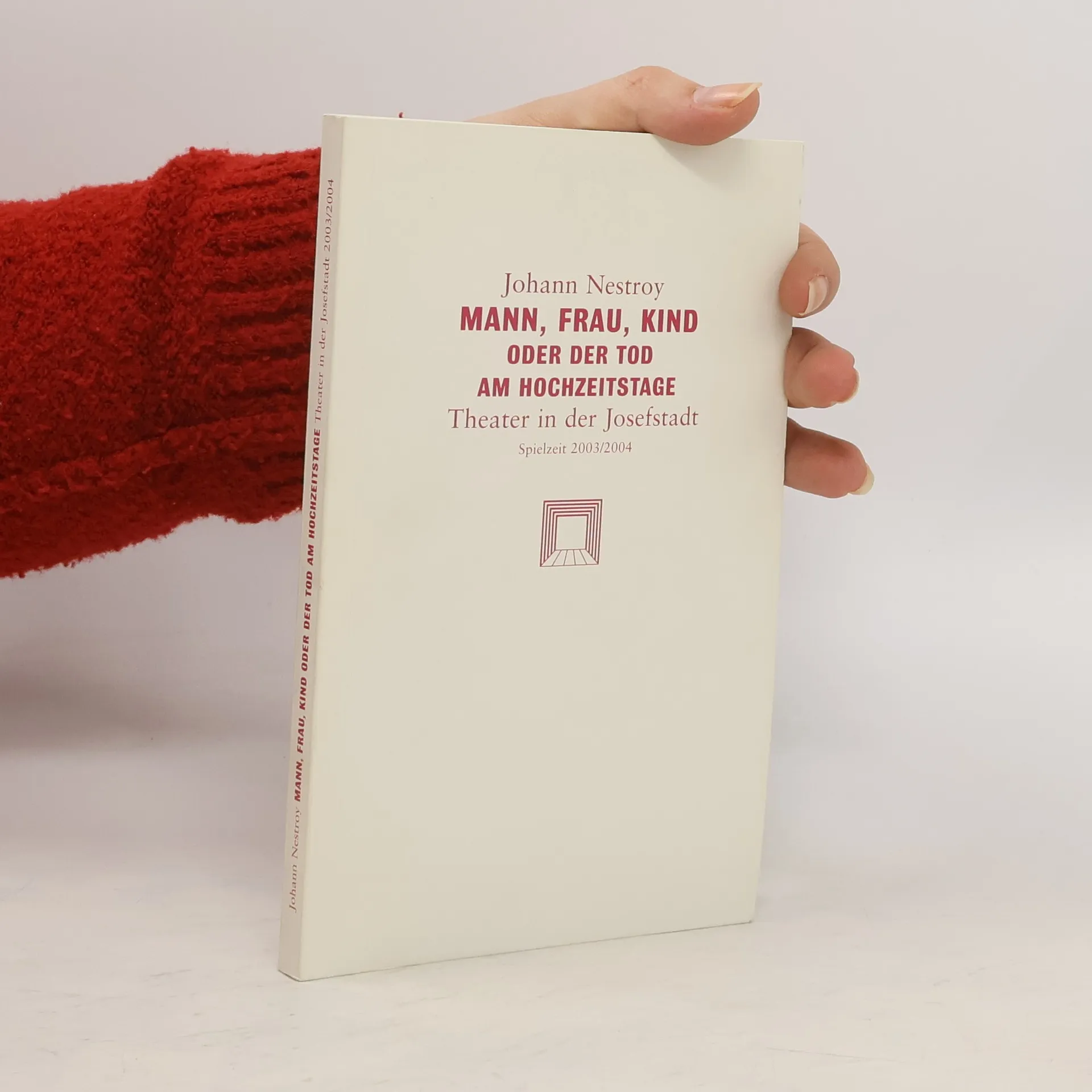
Mann, Frau, Kind oder der Tod am Hochzeitstage. Spielzeit 2003/2004
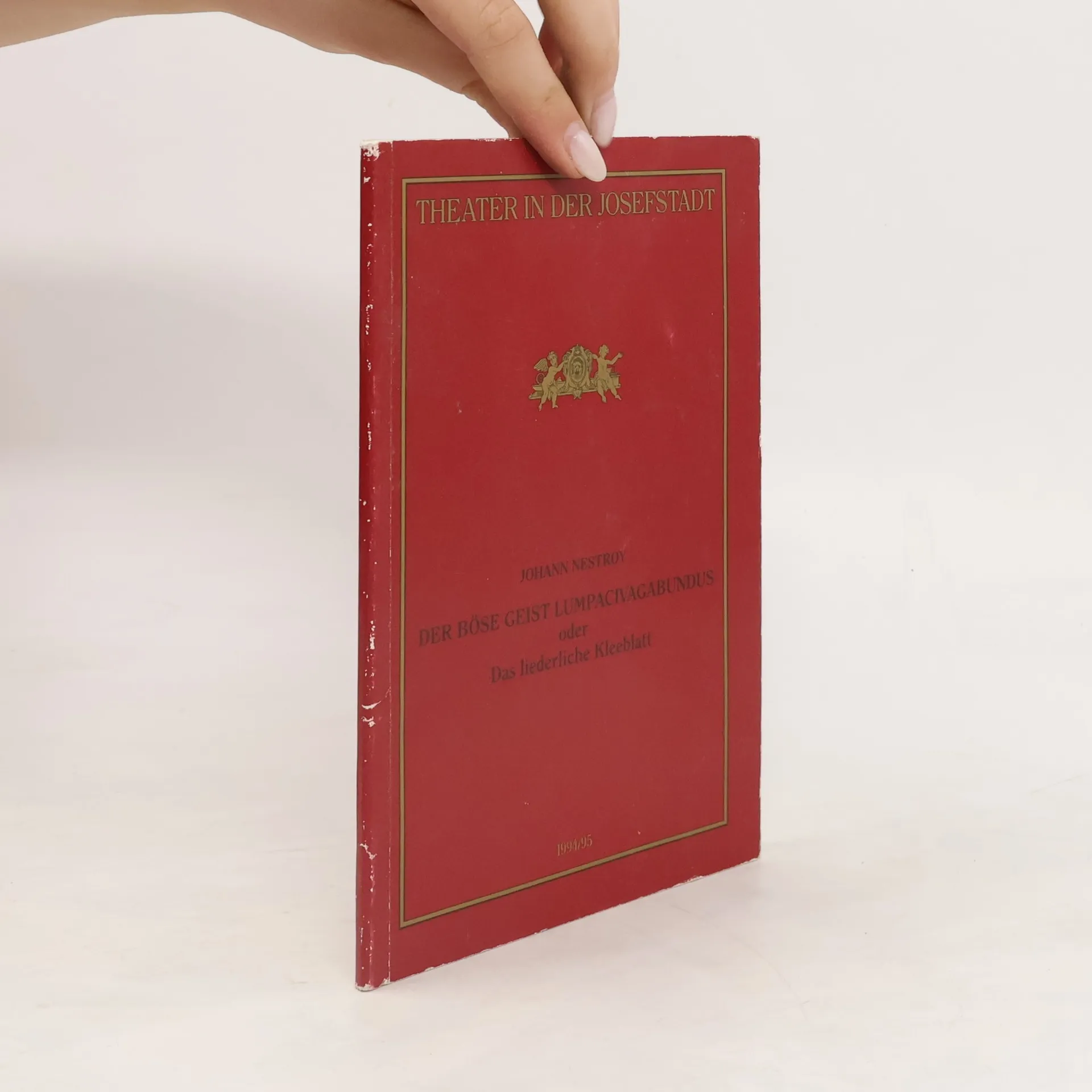
Theater in der Josefstadt
In dieser musikalischen Posse von Johann Nestroy entfaltet sich eine humorvolle und satirische Handlung, die sich um die verschiedenen Temperamente der Charaktere dreht. Die Geschichte spielt in einem Haus, in dem die unterschiedlichen Wesensarten der Bewohner zu amüsanten Konflikten und Verwicklungen führen. Nestroy nutzt scharfe Dialoge und eingängige Lieder, um gesellschaftliche Normen zu hinterfragen und die menschliche Natur zu beleuchten. Durch die Mischung aus Komik und tiefgründigen Themen wird das Werk zu einem zeitlosen Stück der Theatergeschichte.
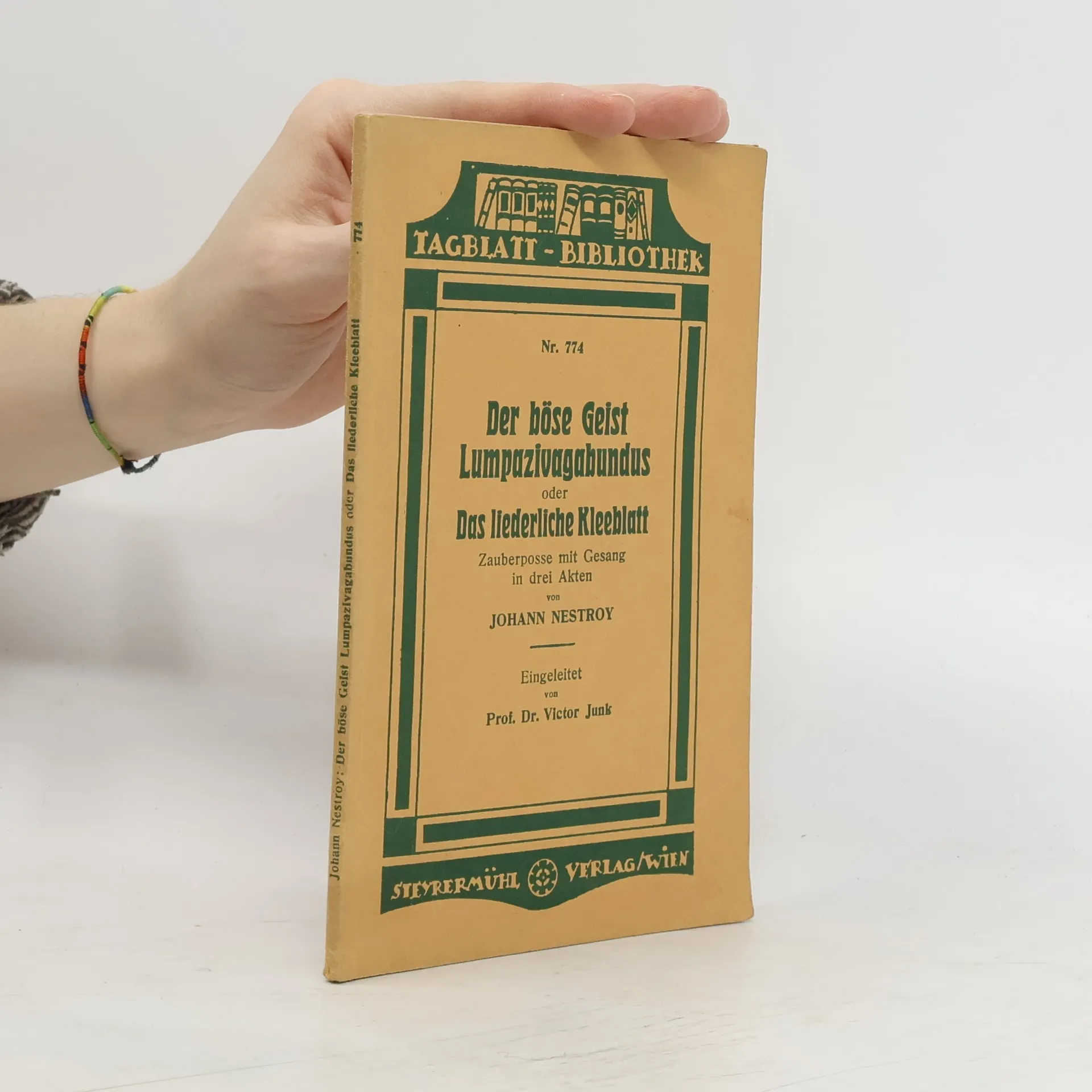
Der böse Geist Lumpazivagabundus oder Das liederliche Kleeblatt
Zauberposse mit Gesang in drei Aufzügen (Band 161, Klassiker in neuer Rechtschreibung)
- 68 stránek
- 3 hodiny čtení
Die Reihe präsentiert bedeutende Werke der Weltliteratur in zeitgemäßer Rechtschreibung gemäß Duden. Klara Neuhaus-Richter sorgt dafür, dass Klassiker für heutige Leser zugänglicher werden, indem sie die Texte an die aktuellen Schreibstandards anpasst. Dies ermöglicht ein besseres Verständnis und eine neue Wertschätzung der literarischen Meisterwerke.
Kampl oder das Mädchen mit den Millionen und die Nähterin
- 160 stránek
- 6 hodin čtení
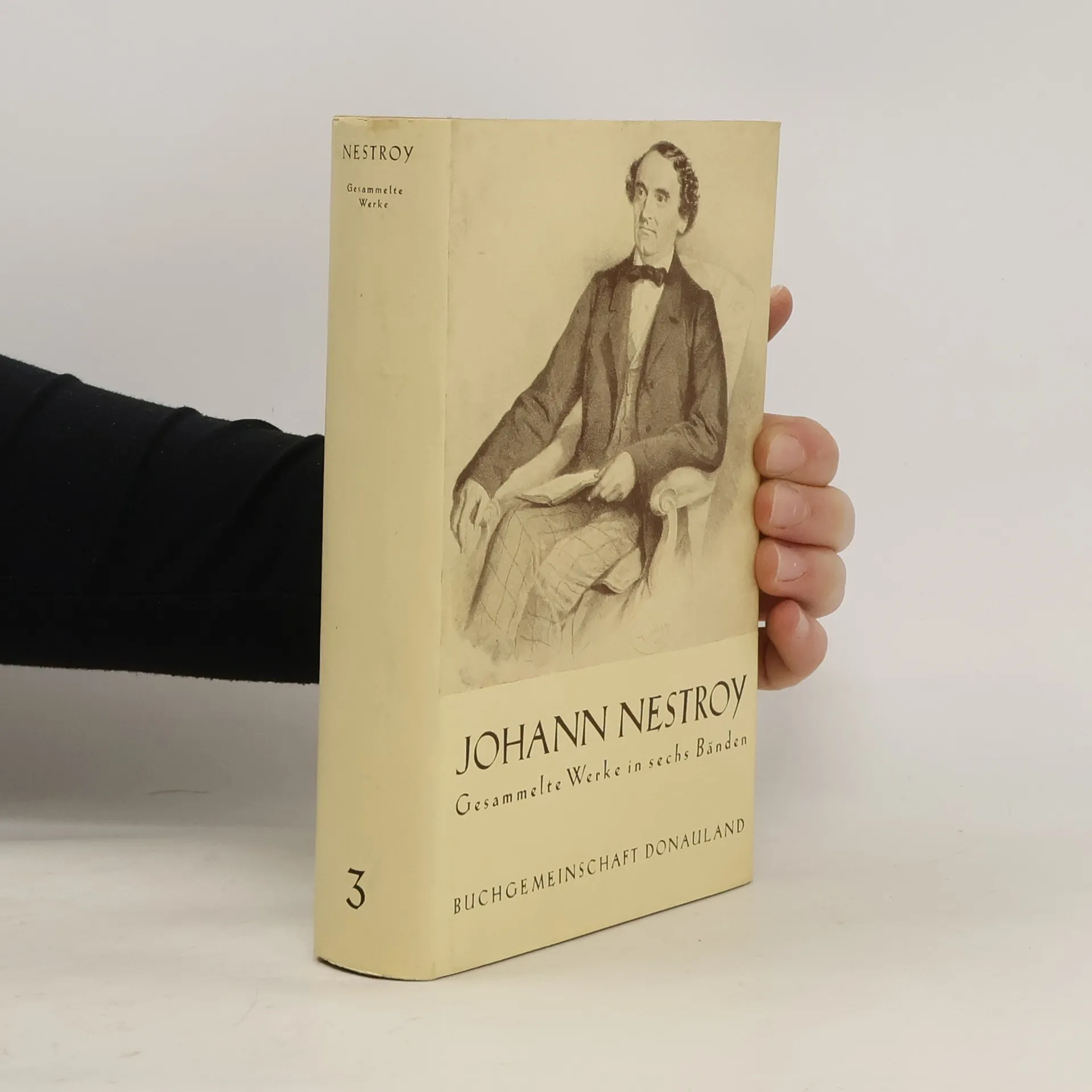
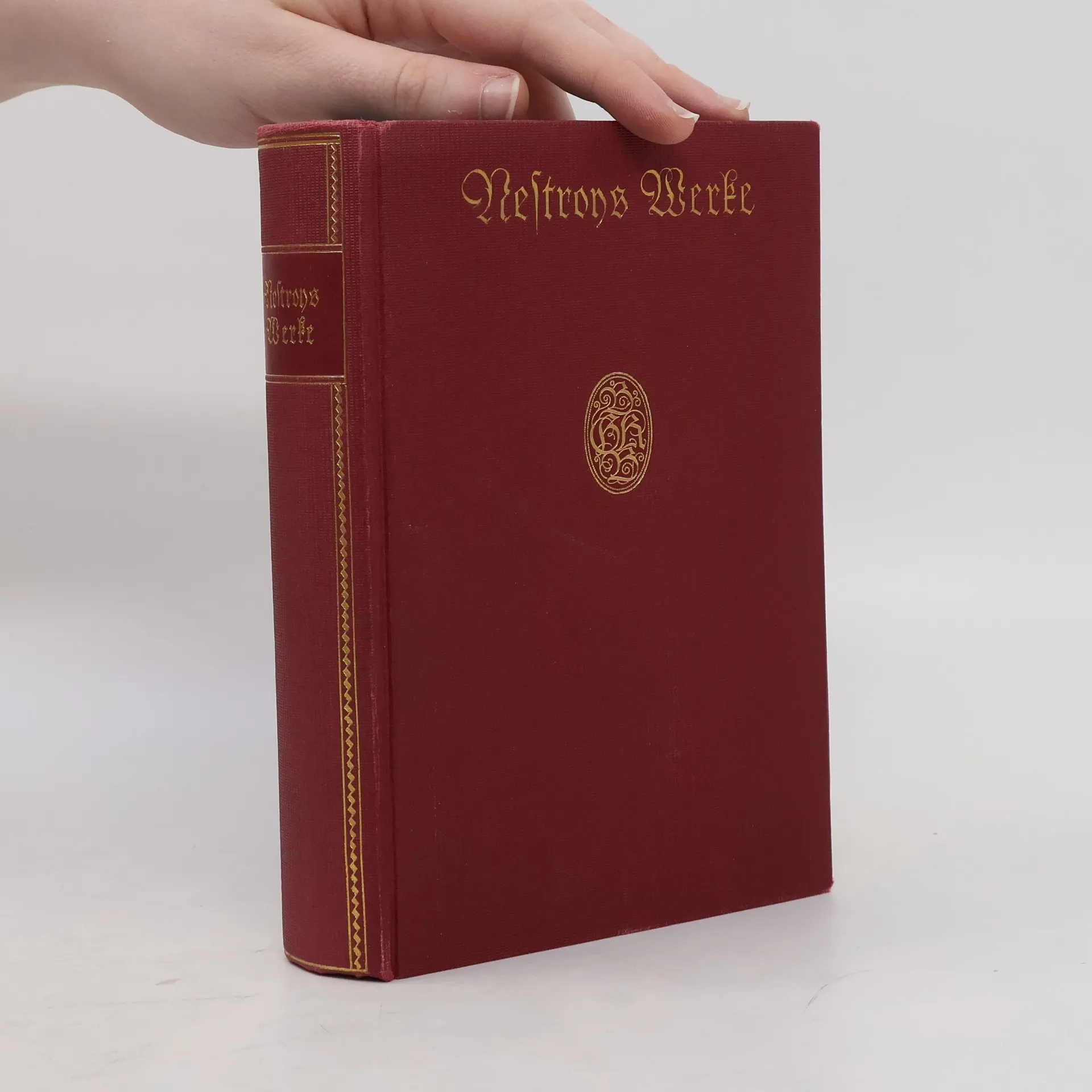
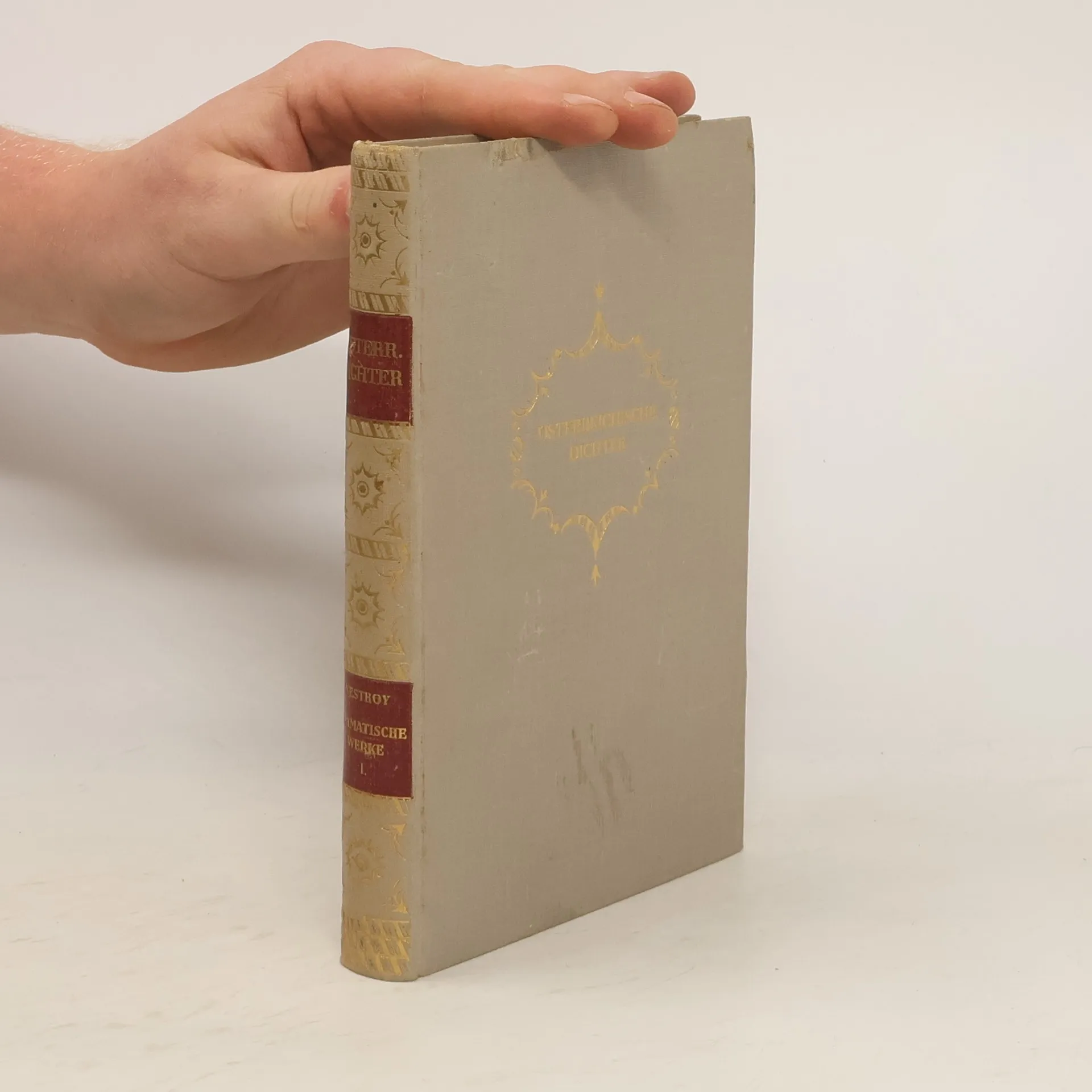
Johann Nestroys Werke III.
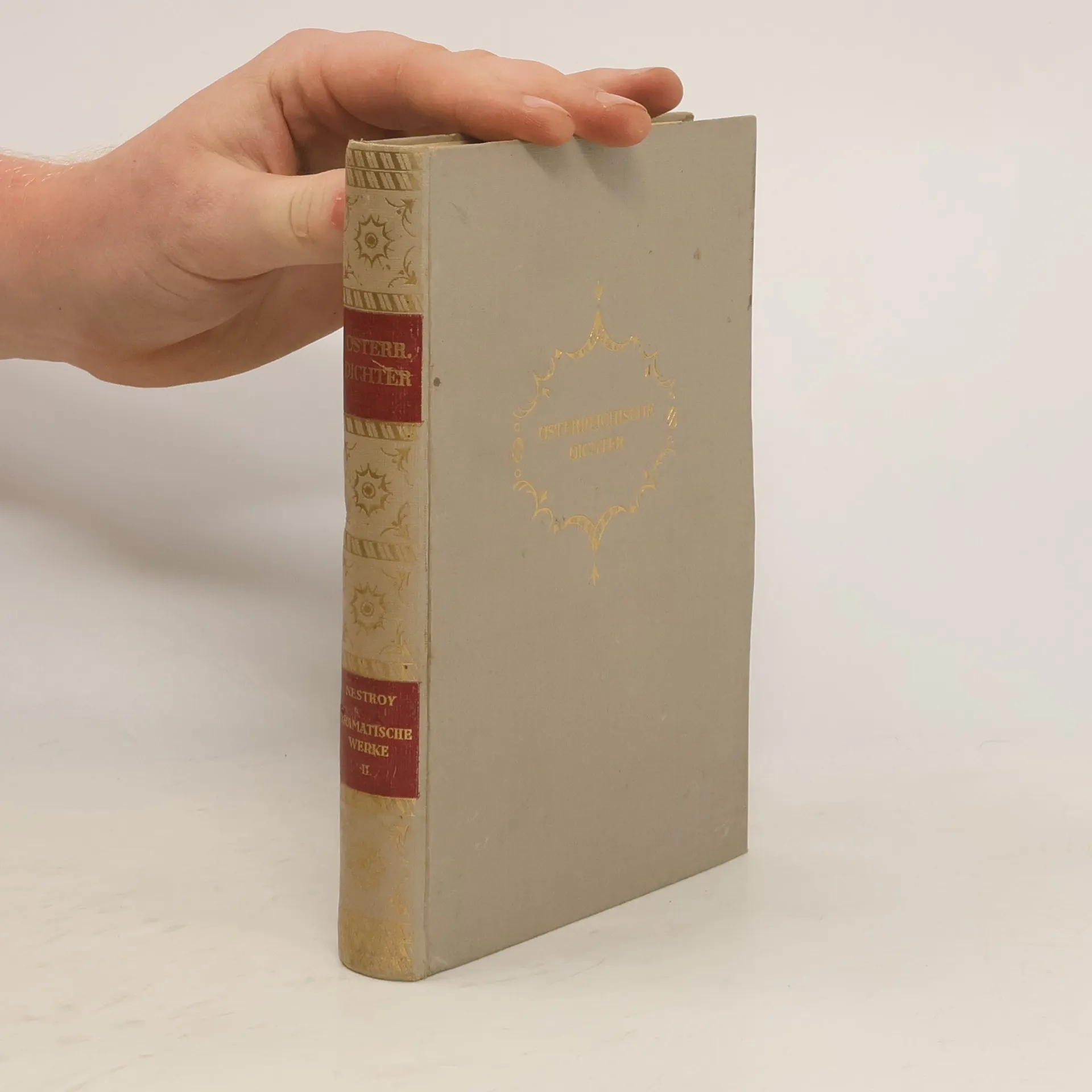
Dramatische Werke II.
Die Nächstenlieb fängt bei ei'm selber an
- 127 stránek
- 5 hodin čtení
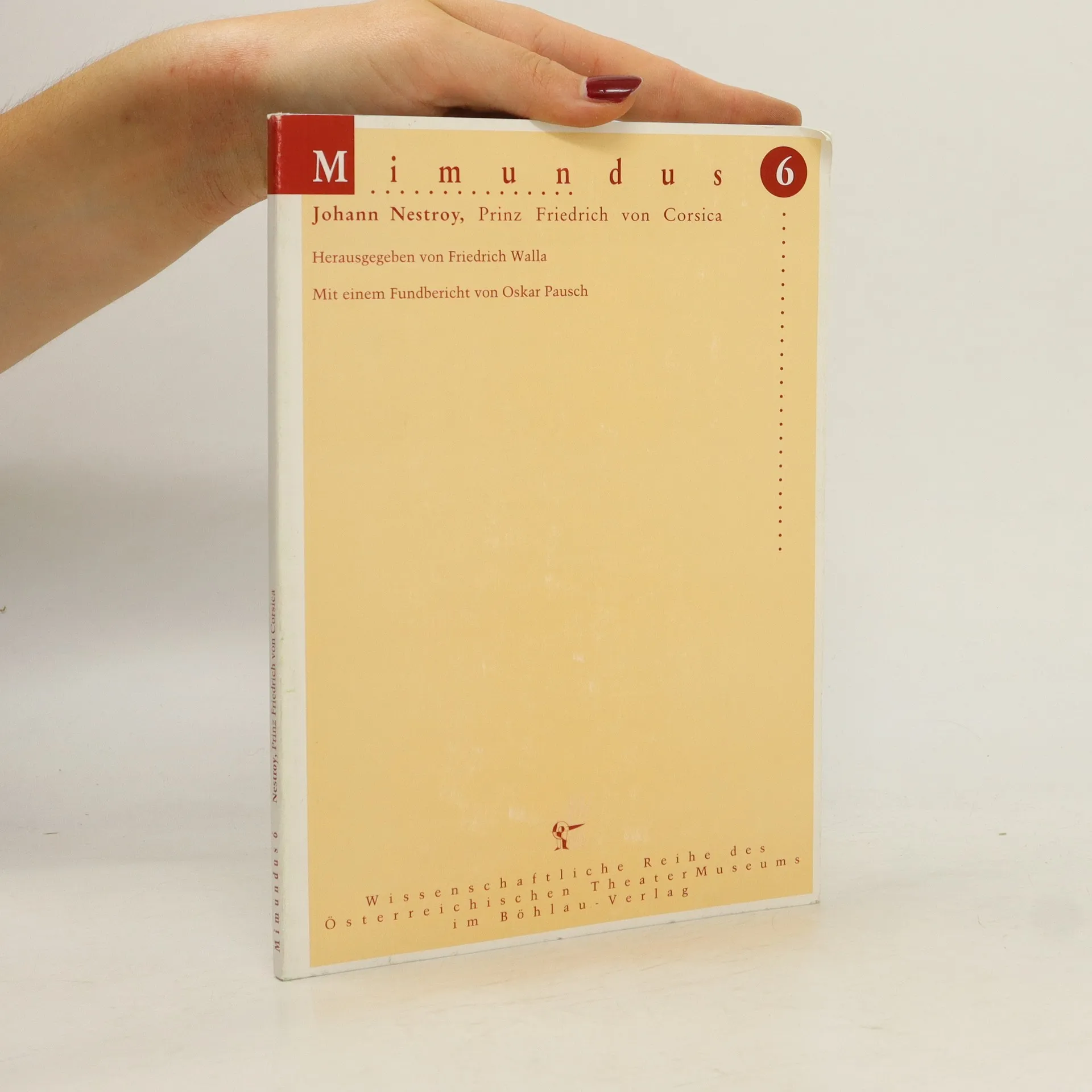
Mimundus 6. Prinz Friedrich von Corsica
- 116 stránek
- 5 hodin čtení
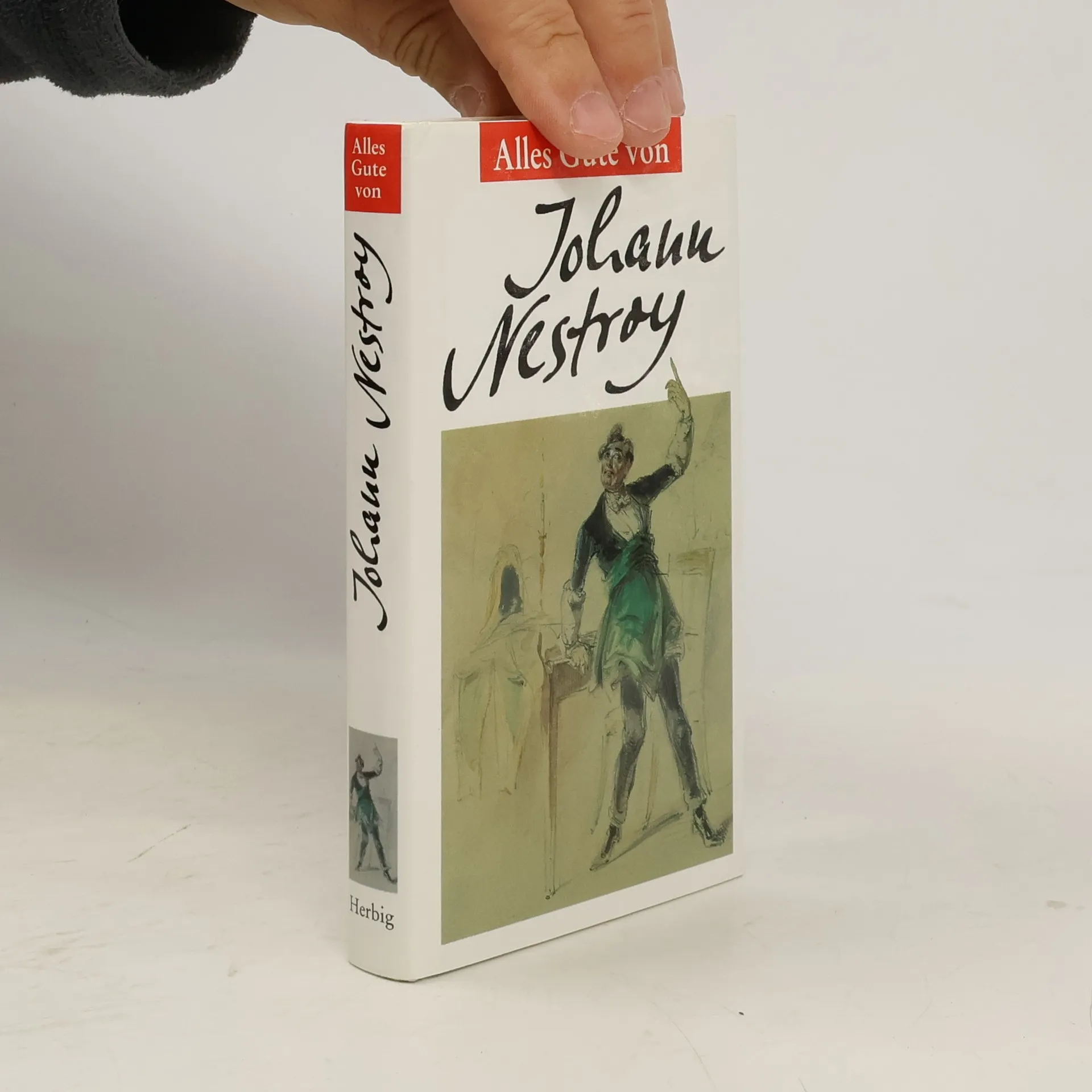
Das ist klassisch!
- 133 stránek
- 5 hodin čtení
Nestroy für Minuten
- 92 stránek
- 4 hodiny čtení
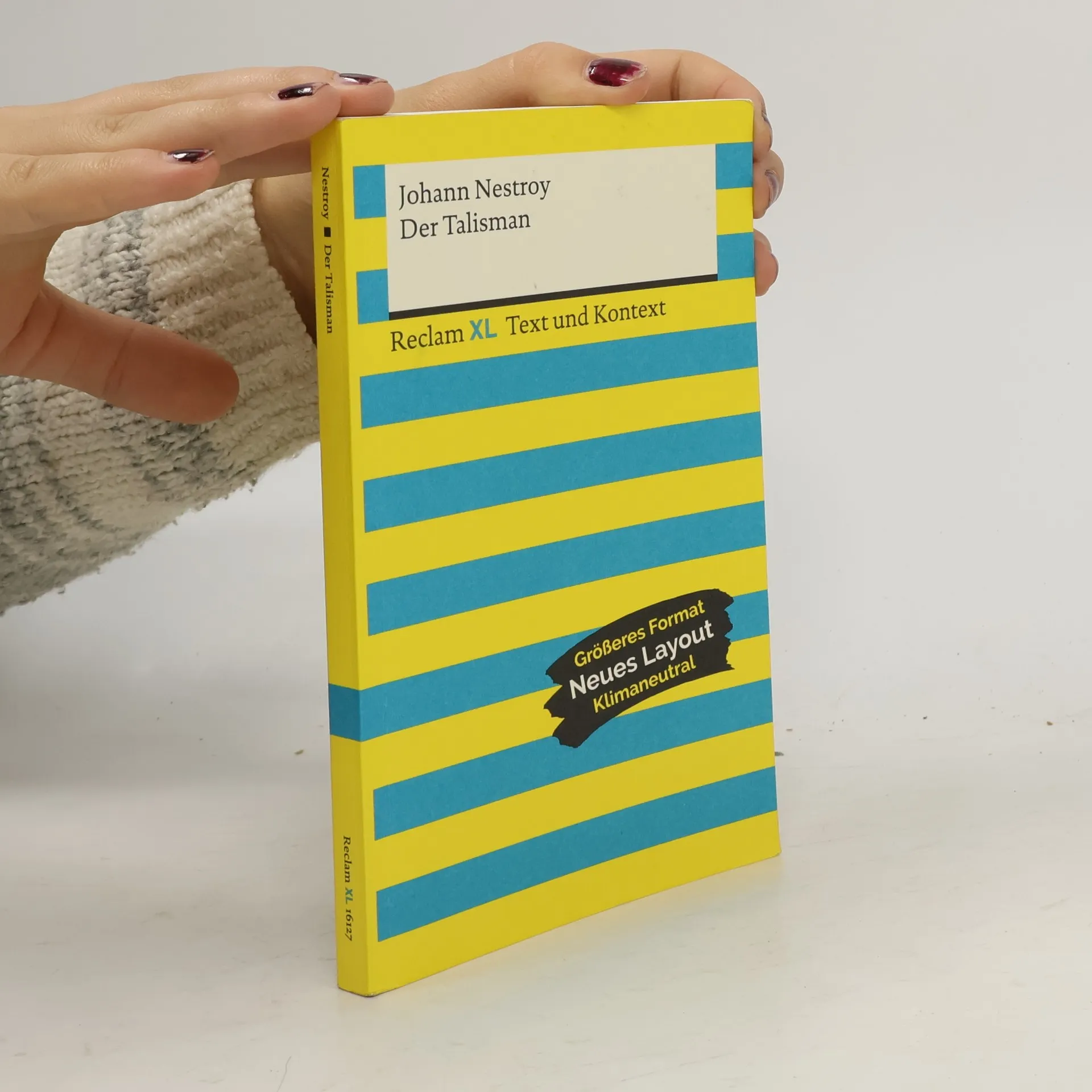
Der Talisman. Textausgabe mit Kommentar und Materialien
Reclam XL – Text und Kontext
- 140 stránek
- 5 hodin čtení
Titus Feuerfuchs – mittellos und wegen seiner roten Haare ausgegrenzt – schwindelt sich in Nestroys satirischer Posse durch Maskerade, geschickte Täuschungsmanöver und Sprachwitz in die feine Gesellschaft empor. Komisch und bitterböse zugleich entlarvt er dabei deren Dummheit, Geldgier und Geltungssucht. Klassenlektüre und Textarbeit einfach gemacht: Die Reihe »Reclam XL – Text und Kontext« erfüllt alle Anforderungen an Schullektüre und Bedürfnisse des Deutschunterrichts: * Reclam XL bietet den sorgfältig edierten Werktext – seiten- und zeilengleich mit der entsprechenden Ausgabe aus Reclams Universal-Bibliothek. * Das Format ist größer (12,2 x 20 cm) als die gelben Klassiker der Universal-Bibliothek, mit ausreichend Platz für Notizen am Seitenrand. * Schwierige Wörter werden am Fuß jeder Seite erklärt, ausführlichere Wort- und Sacherläuterungen stehen im Anhang. * Ein Materialienteil mit Text- und Bilddokumenten erleichtert die Einordnung und Deutung des Werkes im Unterricht. * Natürlich passen auch weiterhin alle Lektüreschlüssel, Erläuterungsbände und Interpretationen dazu!