Raising Raffi
- 256 stránek
- 9 hodin čtení
'A wise, mild and enviably lucid book about a chaotic scene' - New York Times


Keith Gessen se ve své tvorbě zaměřuje na složité vztahy mezi Ruskem a Západem, často skrze optiku osobních zkušeností a kulturních rozdílů. Jeho psaní se vyznačuje bystrým postřehem a pronikavým vhledem do lidské povahy. Prostřednictvím svých románů a esejů zkoumá témata identity, exilu a hledání domova. Jeho práce nabízí jedinečnou perspektivu na současnou společnost a její proměny.


'A wise, mild and enviably lucid book about a chaotic scene' - New York Times
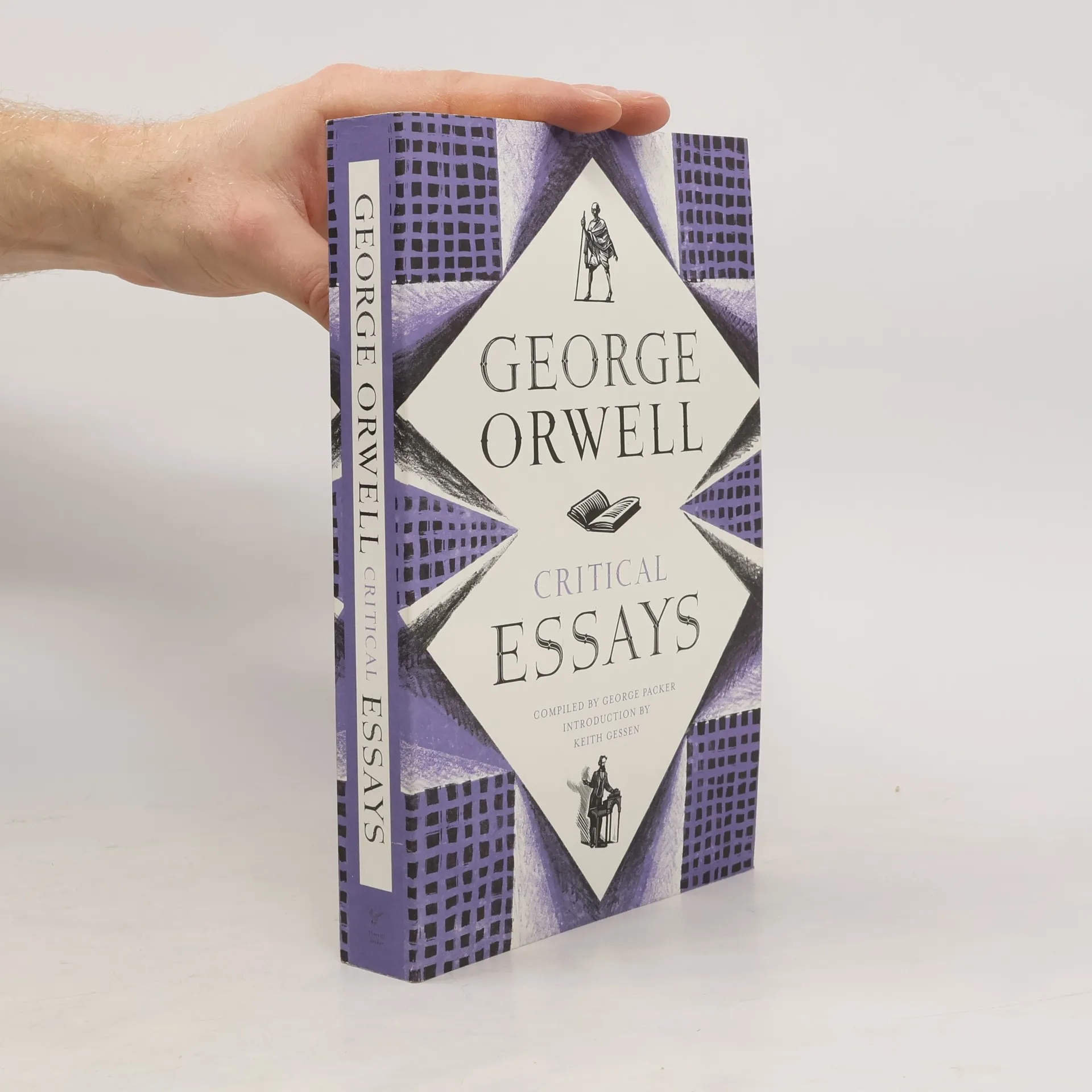
A frequent commentator on literature, language, film and drama throughout his career, Orwell turned increasingly to the critical essay in the 1940s, when his most important experiences were behind him and some of his most incisive criticism lay ahead.
When Andrei Kaplan’s brother Dima urges him to return to Moscow to care for their ailing grandmother, Andrei reflects on his life in New York. His girlfriend has gone silent, his dissertation adviser doubts his job prospects, and his finances are dwindling. A few months in Moscow might be just what he needs. He sublets his Brooklyn room, packs his hockey gear, and moves into his grandmother’s apartment, a gift from Stalin. She has outlived her husband and most friends, surviving communism and the tumultuous shift to capitalism, during which she lost her cherished dacha. Although she sometimes forgets who he is, she welcomes him home. Andrei navigates a changed Moscow, finding a place to play hockey, a café for emails, and making new friends, including activist Yulia. As his grandmother’s health worsens, Andrei feels increasingly disconnected from both Russia and America. He faces crucial decisions about his future and becomes involved with a group of leftists, testing his politics and loyalties. This wise and sensitive novel explores themes of exile, family, love, and fate, questioning what one owes to their birthplace and what it owes in return. Gessen’s graceful and humorous writing marks him as a significant voice in contemporary literature.
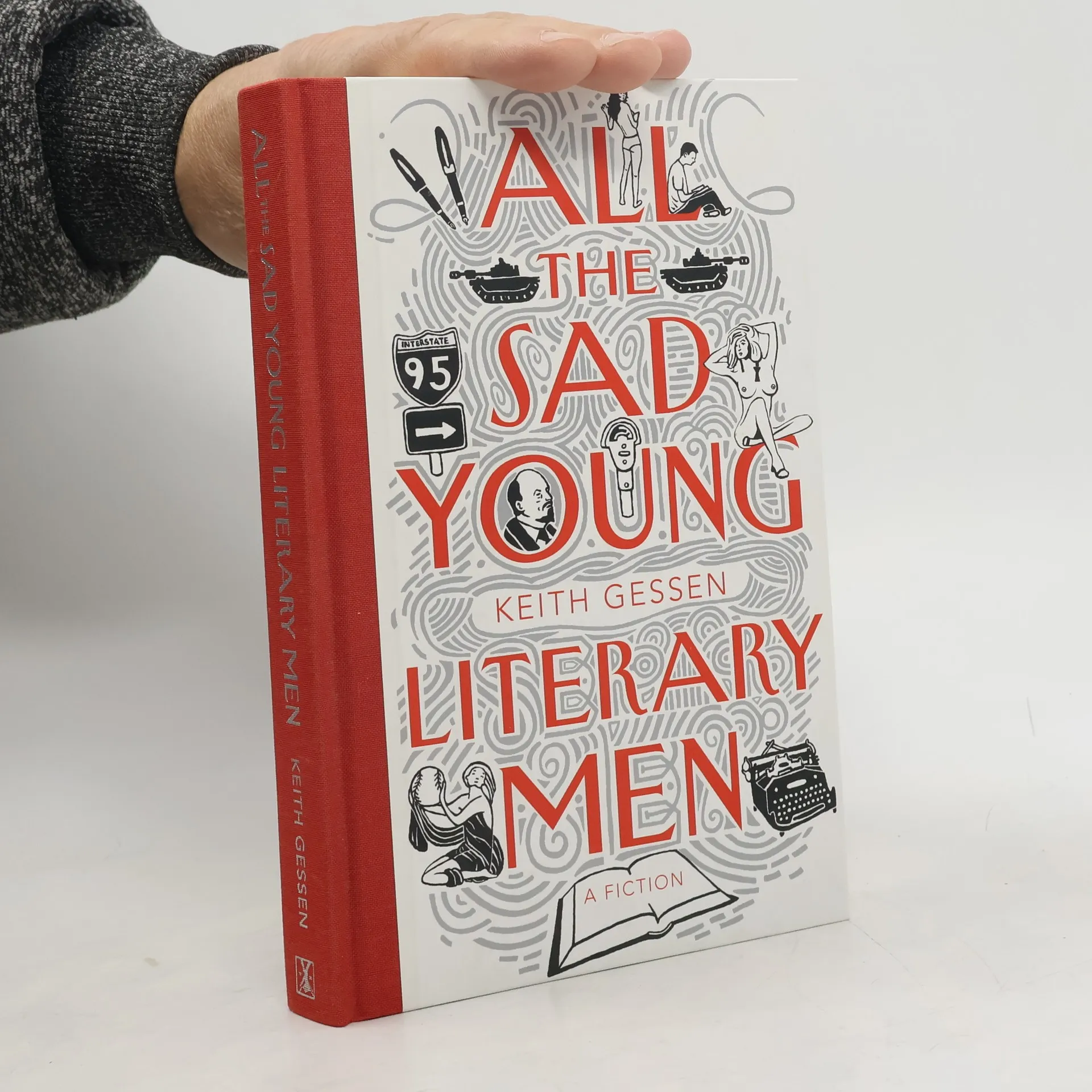
A portrait of young adulthood at the opening of the 21st century, this novel follows Sam, Mark, and Keith, as they overthink their college years, underthink their love lives, and struggle through the encouragement of the women who love and despise them to find a semblance of maturity, responsibility, and even literary fame.