


Knihobot

Adam Wilson

    Adam Wilson je autorem románu Flatscreen, který byl nominován na cenu National Jewish Book Award, a sbírky povídek What's Important Is Feeling. Jeho povídky se objevily mimo jiné v časopisech The Paris Review, Tin House, VICE a The Best American Short Stories. V roce 2012 obdržel cenu Terry Southern Prize, která oceňuje „vtip, panache a sprezzaturu“ v dílech publikovaných The Paris Review. Učí tvůrčí psaní na Kolumbijské univerzitě a NYU a žije v Brooklynu.

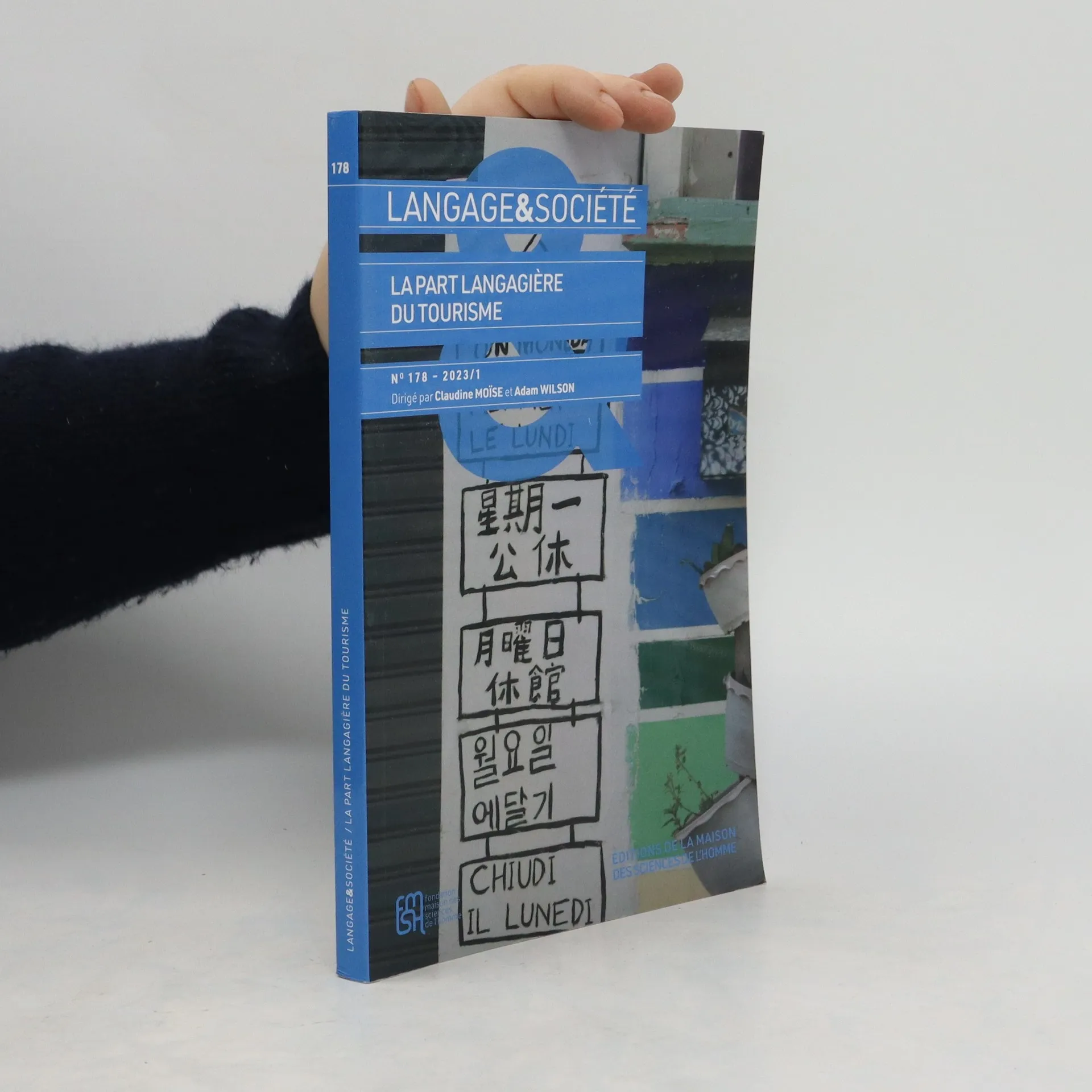
    LANGAGE & SOCIETE 178. LA PART LANGAGIERE DU TOURISME.
    Flatscreen
    What's Important Is Feeling
    • What's Important Is Feeling

      • 224 stránek
      • 8 hodin čtení
      3,5(269)Ohodnotit

      Set against the backdrop of the impending stock market crash, the narrative weaves together the lives of various characters in Brooklyn. A lively debate about Young Elvis versus Vegas Elvis unfolds, revealing deeper existential themes. Meanwhile, detoxing junkies find unconventional ways to invigorate their relationships, and students grapple with the allure and challenges of a seemingly ideal communal living situation during their summer break. The intertwining stories capture a vibrant yet tumultuous moment in time.

      What's Important Is Feeling
    • Flatscreen

      • 336 stránek
      • 12 hodin čtení
      3,1(768)Ohodnotit

      Flatscreen captures the humor and frustrations of modern life, resonating with young adults navigating jobs that feel unfulfilling. The novel is a comedic exploration of the absurdities faced by those who are overqualified for their positions, making it a relatable read for anyone feeling stuck in a mundane routine. With sharp wit and keen observations, it promises to entertain and evoke laughter while reflecting on the challenges of contemporary existence.

      Flatscreen
    • Ce dossier montre comment, au-delà de l'analyse textuelle, la sociolinguistique critique, à partir d'enquêtes ethnographiques, peut se saisir de cet objet pour analyser, en discours et en interaction, les fondements idéologiques des pratiques touristiques.

      LANGAGE & SOCIETE 178. LA PART LANGAGIERE DU TOURISME.