
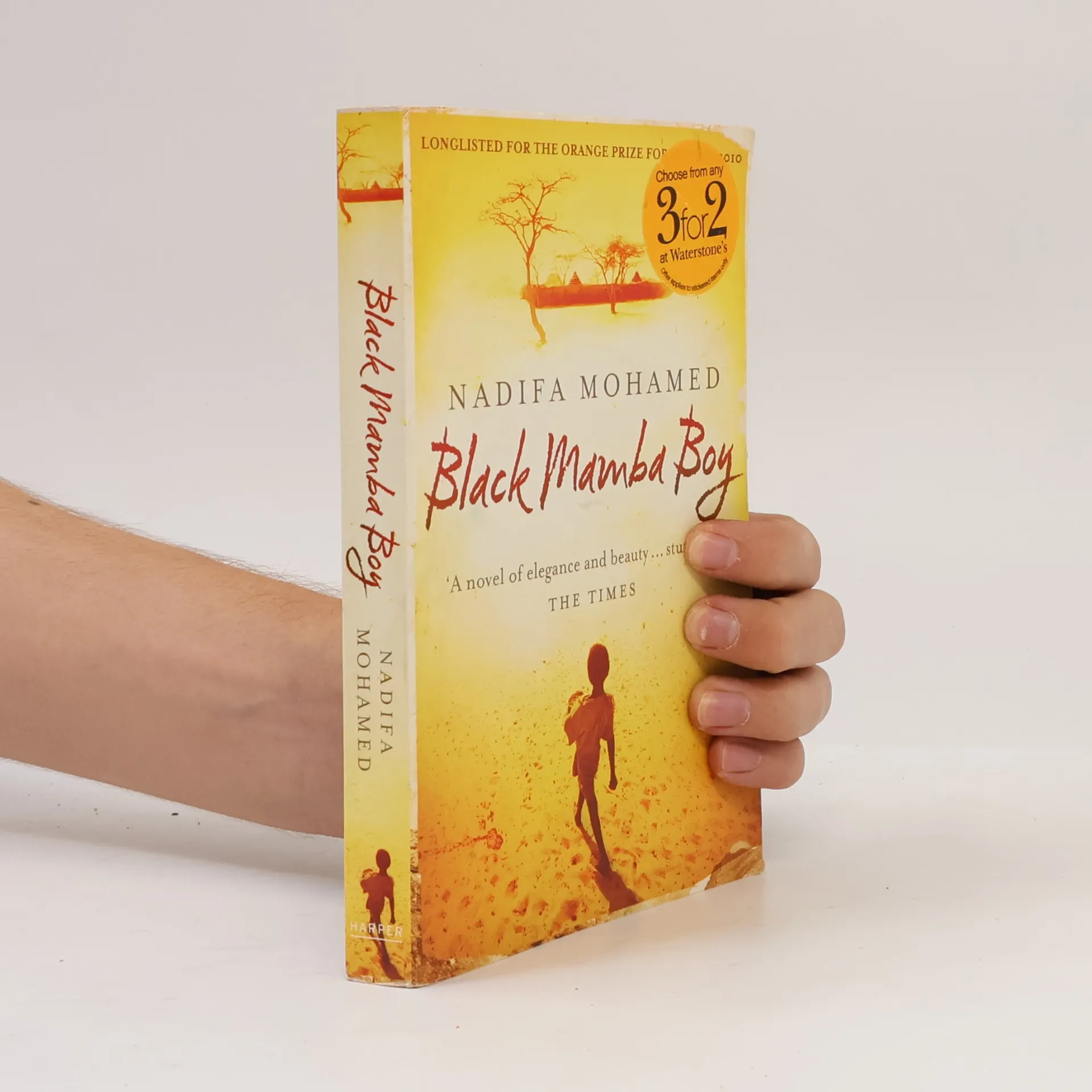

Yemen, 1935. Jama is a “market boy,” a half-feral child scavenging with his friends in the dusty streets of a great seaport. For Jama, life is a thrilling carnival, at least when he can fill his belly. When his mother—alternately raging and loving—dies young, she leaves him only an amulet stuffed with one hundred rupees. Jama decides to spend her life’s meager savings on a search for his never-seen father; the rumors that travel along clan lines report that he is a driver for the British somewhere in the north. So begins Jama’s extraordinary journey of more than a thousand miles north all the way to Egypt, by camel, by truck, by train, but mostly on foot. He slings himself from one perilous city to another, fiercely enjoying life on the road and relying on his vast clan network to shelter him and point the way to his father, who always seems just a day or two out of reach. In his travels, Jama will witness scenes of great humanity and brutality; he will be caught up in the indifferent, grinding machine of war; he will crisscross the Red Sea in search of working papers and a ship. Bursting with life and a rough joyfulness, Black Mamba Boy is debut novelist Nadifa Mohamed’s vibrant, moving celebration of her family’s own history.
Nadifa Mohamed Knihy
Nadifa Mohamed se ve své tvorbě zabývá složitými mezilidskými vztahy a dopady historických událostí na životy jednotlivců. Její próza se vyznačuje lyričností a hlubokým porozuměním lidské psychice. Mohamed zkoumá témata identity, migrace a hledání domova v dynamickém, často neklidném světě. Její styl je pronikavý a evokativní, přičemž vždy zůstává věrná autenticitě postav a jejich prostředí.


From one of Granta's Best of Young British Novelists, a stunning novel illuminating Somalia's tragic civil war It is 1987 and Hargeisa waits. Whispers of revolution travel on the dry winds, but still the dictatorship remains secure. Soon, through the eyes of three women, we will see Somalia fall. Nine-year-old Deqo has left the vast refugee camp where she was born, lured to the city by the promise of her first pair of shoes. Kawsar, a solitary widow, is trapped in her little house with its garden clawed from the desert, confined to her bed after a savage beating in the local police station. Filsan, a young female soldier, has moved from Mogadishu to suppress the rebellion growing in the north. As the country is unraveled by a civil war that will shock the world, the fates of these three women are twisted irrevocably together. Nadifa Mohamed was born in Hargeisa and was exiled before the outbreak of war. In The Orchard of Lost Souls, she returns to Hargeisa in her imagination. Intimate, frank, brimming with beauty and fierce love, this novel is an unforgettable account of ordinary lives lived in extraordinary times. Chosen as one of the 15 Best Works of Fiction by Black Authors in 2014 by The Root
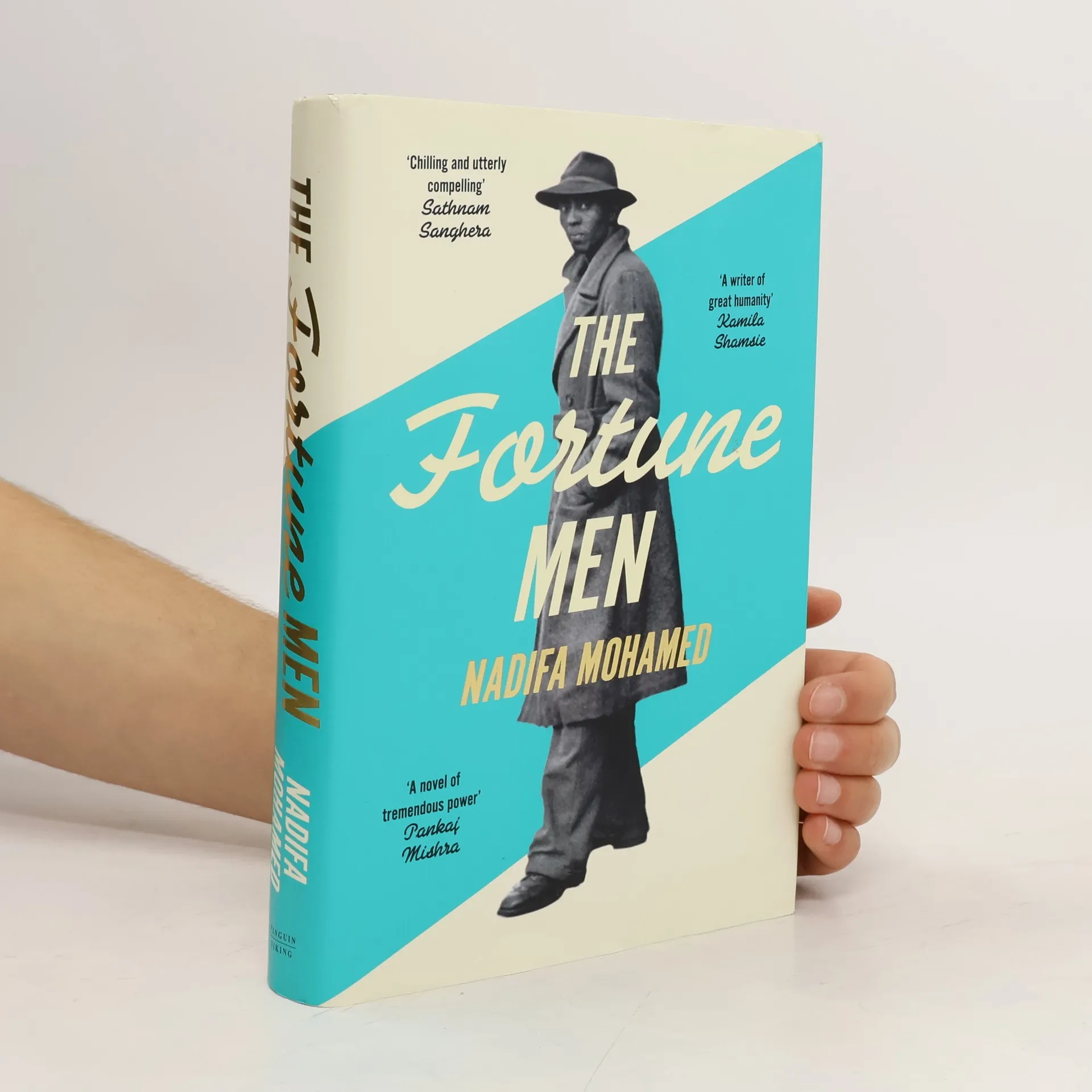
Mahmood Mattan is a fixture in Cardiff's Tiger Bay, 1952, which bustles with Somali and West Indian sailors, Maltese businessmen and Jewish families. He is a father, chancer, petty criminal. He is a smooth-talker with rakish charm and an eye for a good game. He is many things, but he is not a murderer. So when a shopkeeper is brutally killed and all eyes fall on him, Mahmood isn't too worried. Since his Welsh wife Laura kicked him out for racking up debts he has wandered the streets more often, and there are witnesses who allegedly saw him enter the shop that night. But Mahmood has escaped worse scrapes, and he is innocent in this country where justice is served. Love lends him immunity too- the fierce love of Laura, who forgives his gambling in a heartbeat, and his children. It is only in the run-up to the trial, as the prospect of returning home dwindles, that it will dawn on Mahmood that he is in a fight for his life - against conspiracy, prejudice and cruelty - and that the truth may not be enough to save him
1952, Jahre nach seiner Ankunft in Großbritannien, ist Mahmood Mattan fest in Tiger Bay, Cardiff, verwurzelt. Als eine Ladenbesitzerin brutal ermordet wird, gerät er ins Visier der Ermittler. Trotz seiner Unschuld glaubt Mahmood an die Gerechtigkeit des Landes, in dem er lebt. Doch die Aussicht auf Freiheit schwindet, und er erkennt, dass er nicht nur gegen rassistische Vorurteile, sondern auch um sein Leben kämpft. In Tiger Bay kennt er die dunklen Ecken und zwielichtigen Figuren gut. Mit wechselnden Jobs versucht er, seine fünfköpfige Familie über Wasser zu halten, während er gelegentlich seinen Monatslohn beim Glücksspiel riskiert und seine Frau Laura mit einem gestohlenen Mantel versöhnt. Doch kann er einen Mord begangen haben? Als die Ladenbesitzerin Violet Volacki mit durchgeschnittener Kehle aufgefunden wird, wird Mahmood zum Hauptverdächtigen und droht der Galgen. In einem absurden Prozess voller Vorurteile erkennt er, dass die Wahrheit allein nicht ausreicht, um ihn zu retten. Nadifa Mohamed erzählt die wahre Geschichte von Mahmood Mattan, deren Relevanz auch fast 70 Jahre später erschreckend aktuell ist. Der Roman thematisiert ein tragisches Fehlurteil und die Black-Lives-Matter-Bewegung.