De zevende bedelaar / druk 3
- 352 stránek
- 13 hodin čtení
Een chassidische student in New York raakt gefascineerd door de verhalen van de 19e-eeuwse kabbalist Nachman van Bratslav.


Pearl Abraham píše o složitých vztazích mezi tradicí a modernitou a o hledání identity v diaspoře. Její prozaický styl zkoumá hluboké emoce a kulturní napětí s pronikavou psychologickou přesností. Abrahamová se zabývá otázkami víry, rodiny a sounáležitosti, přičemž její díla často osvětlují vnitřní svět postav, které se pohybují mezi různými světy. Její psaní nabízí bohatý pohled na zkušenosti těch, kteří se snaží sladit své dědictví s přítomností.
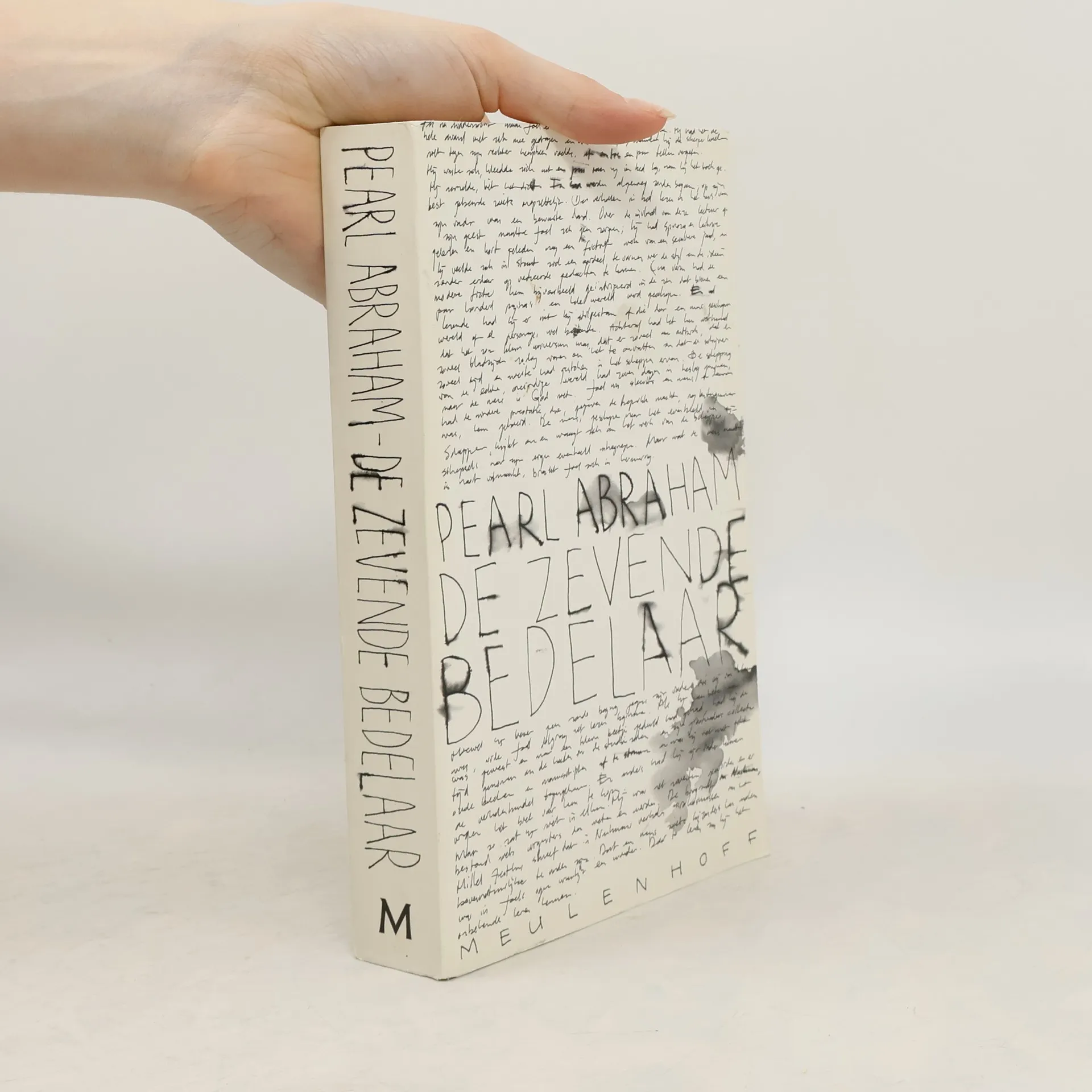
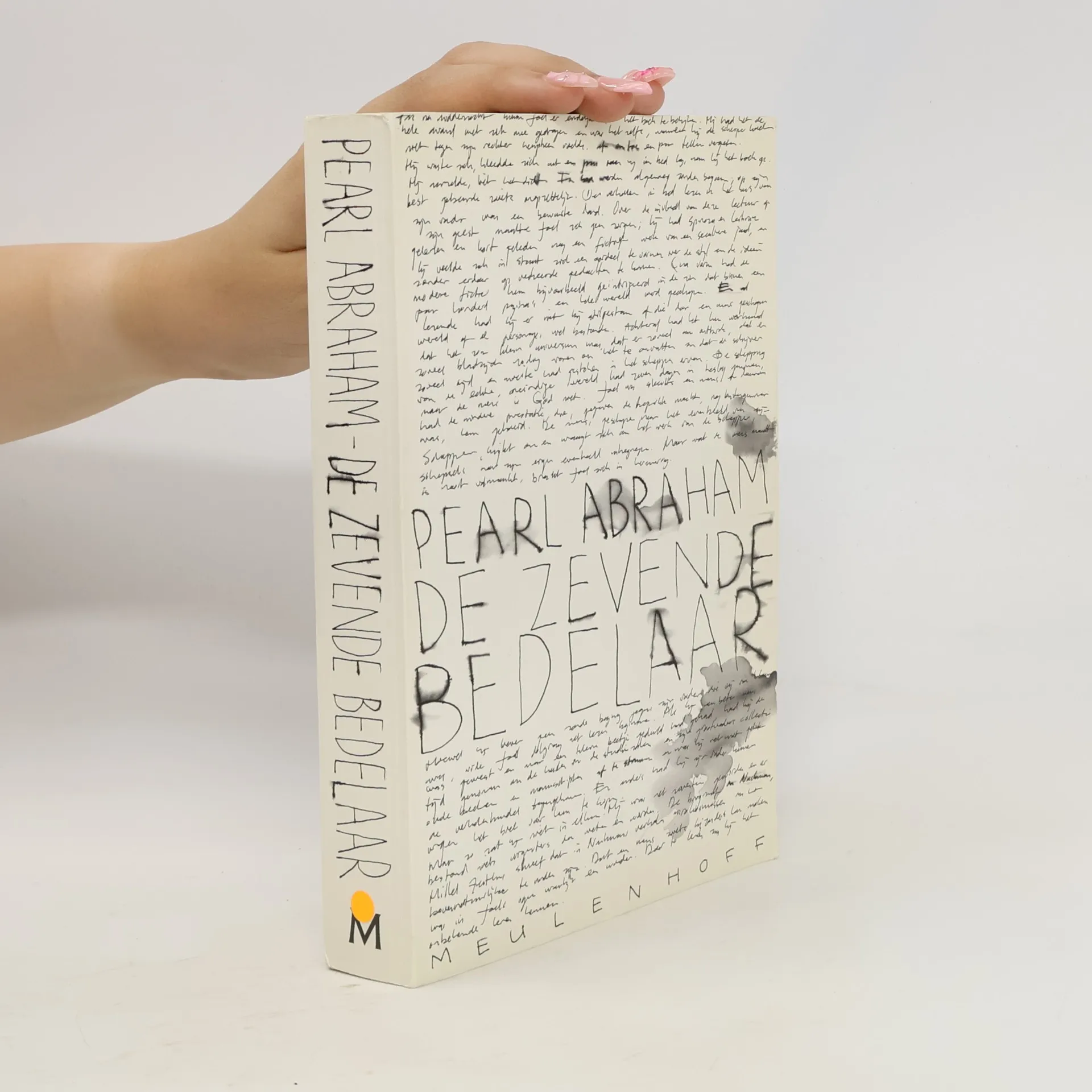
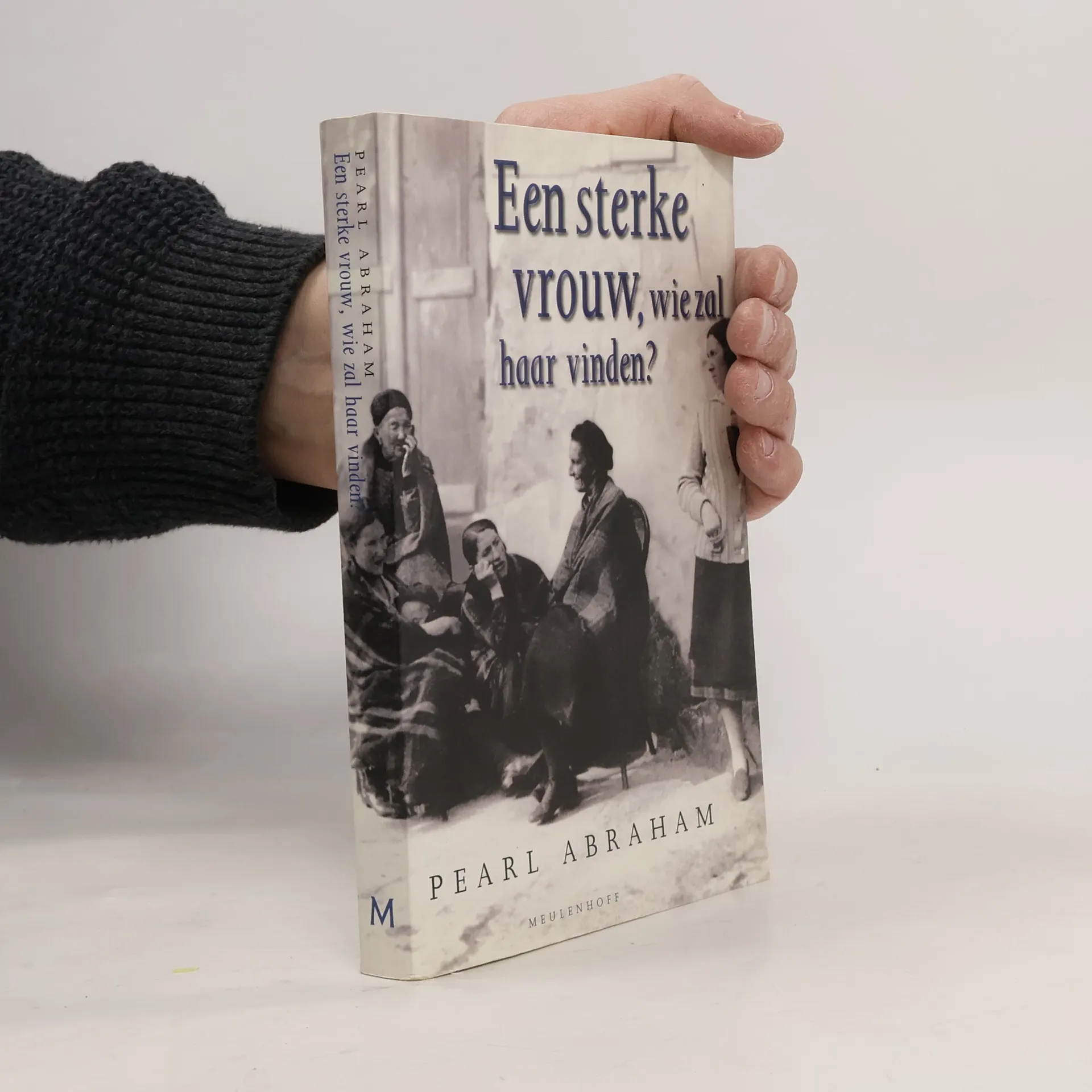
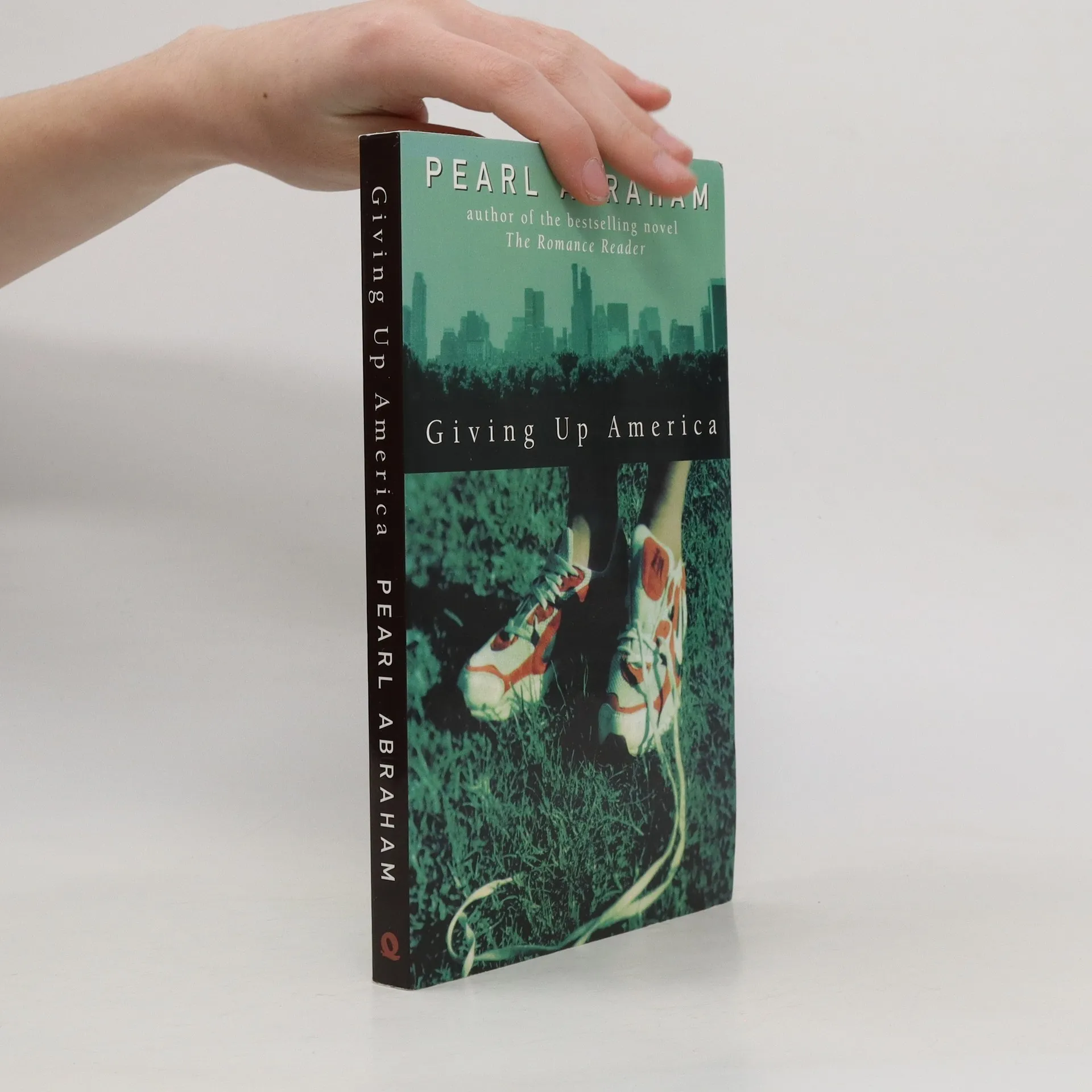

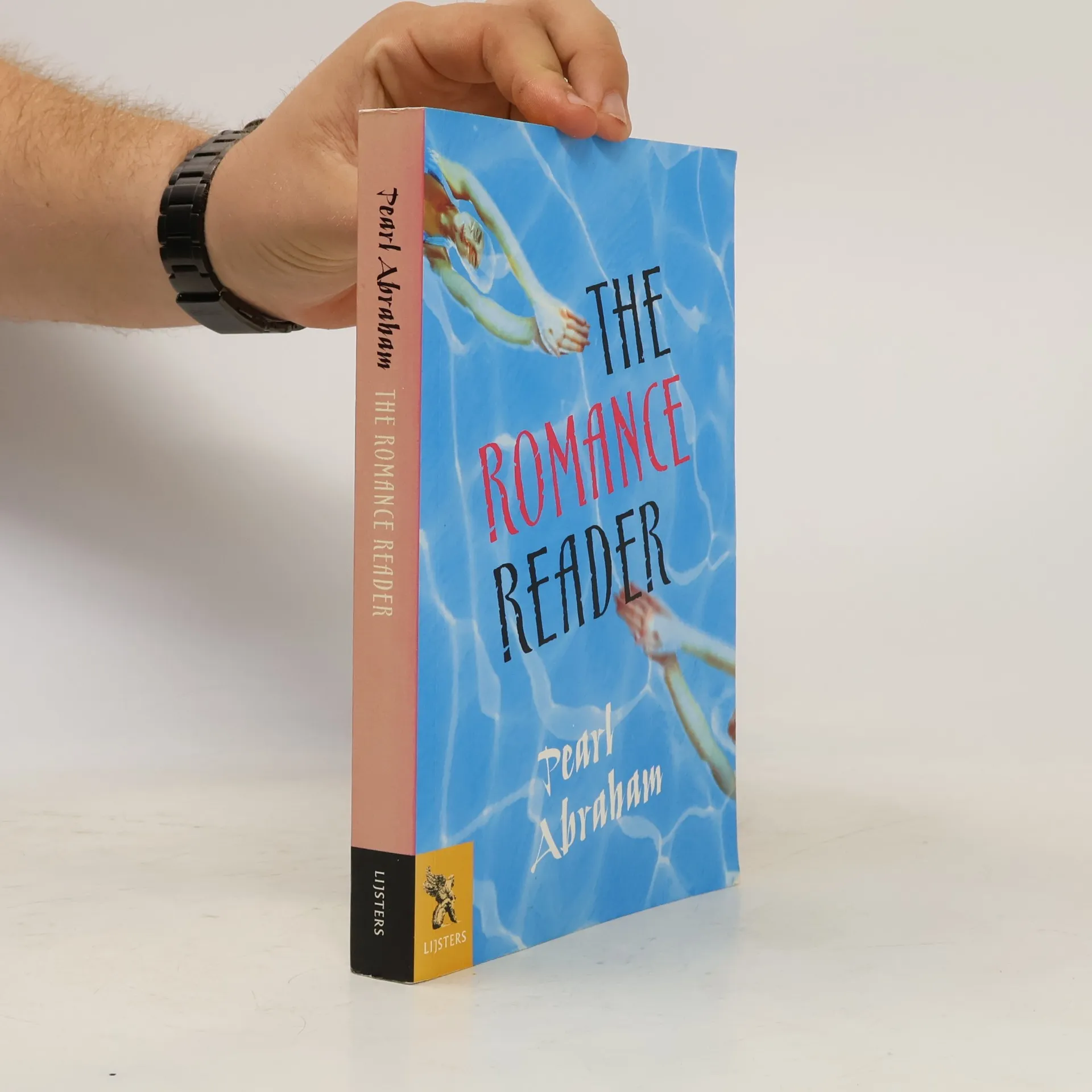
Een chassidische student in New York raakt gefascineerd door de verhalen van de 19e-eeuwse kabbalist Nachman van Bratslav.
A modern-day young man becomes obsessed with the life and teachings of the legendary nineteenth-century Chasidic master Nachman of Bratslava, a kabbalist, storyteller, and charismatic spiritual leader who developed a cult following, in a novel intertwined with a translation of Nachman's Yiddish tales, including his "Tales of the Seven Beggars." Reprint.
/ 9789029075688 / Literature translated into Dutch / Nederlands / Dutch / Néerlandais / Niederländisch / paperback / 22 x 14 cm / 350 .pp /
Bloemlezing van verhalen en romanfragmenten over zeventien bijzondere joodse vrouwenfiguren in de wereldliteratuur. Samenstelling en inleiding door Pearl Abraham
Deena, who defied the wishes of her father, a Hasidic scholar, to marry the non-Hasidic Daniel, must come to terms with betrayals, the nature of commitment, and her own spiritual needs and values. Reprint. Tour. NHT.
In one of the most exciting debuts in years, Pearl Abraham--who grew up in a Hasidic community herself--presents the story of Rachel, a girl caught between the strictly controlled world of ultra Orthodox Judaism and the sedictive yearnings of her own heart. Both a coming-of-age story and a brave, beautifully rendered expose of a hidden, insular world . . . heartrending.--Elle.