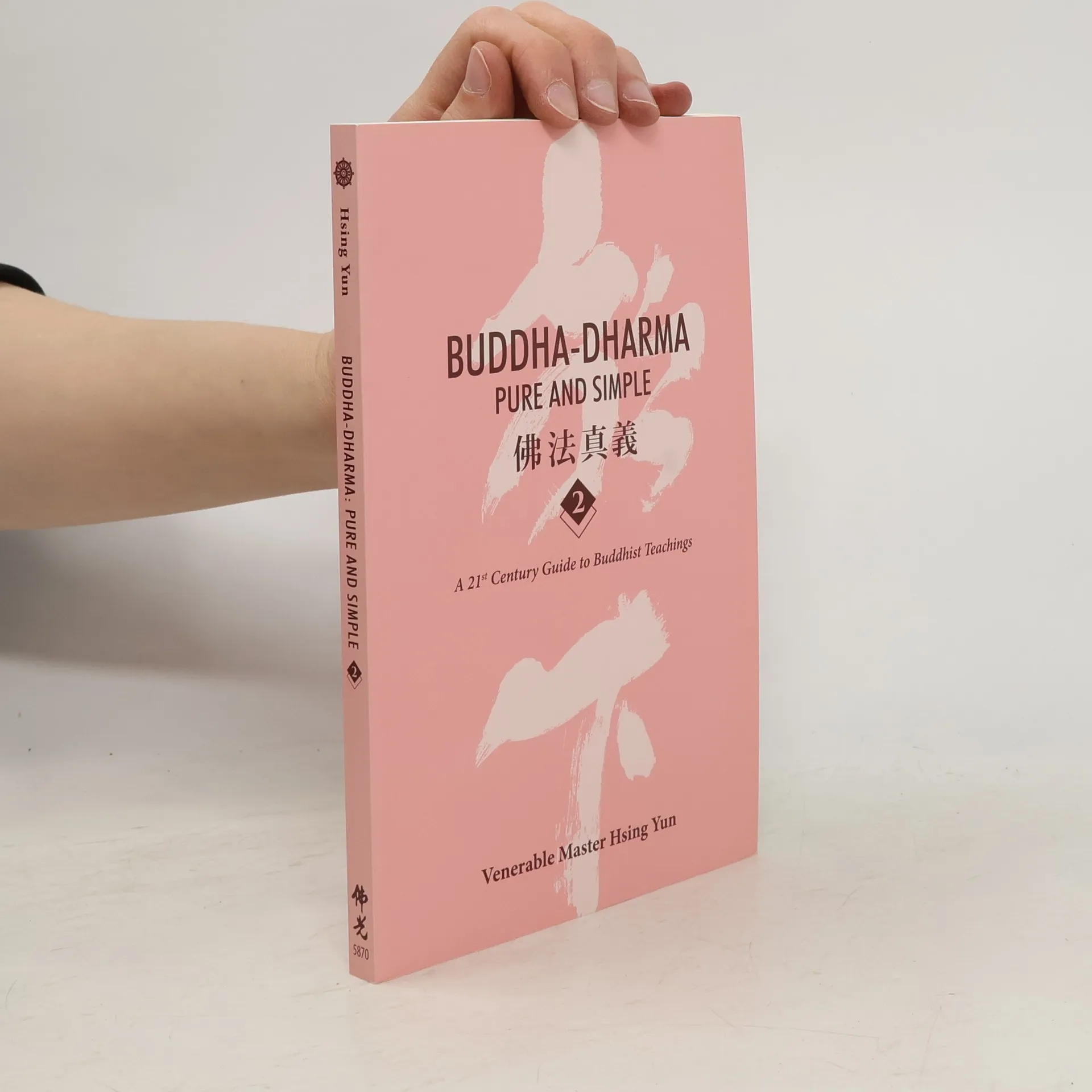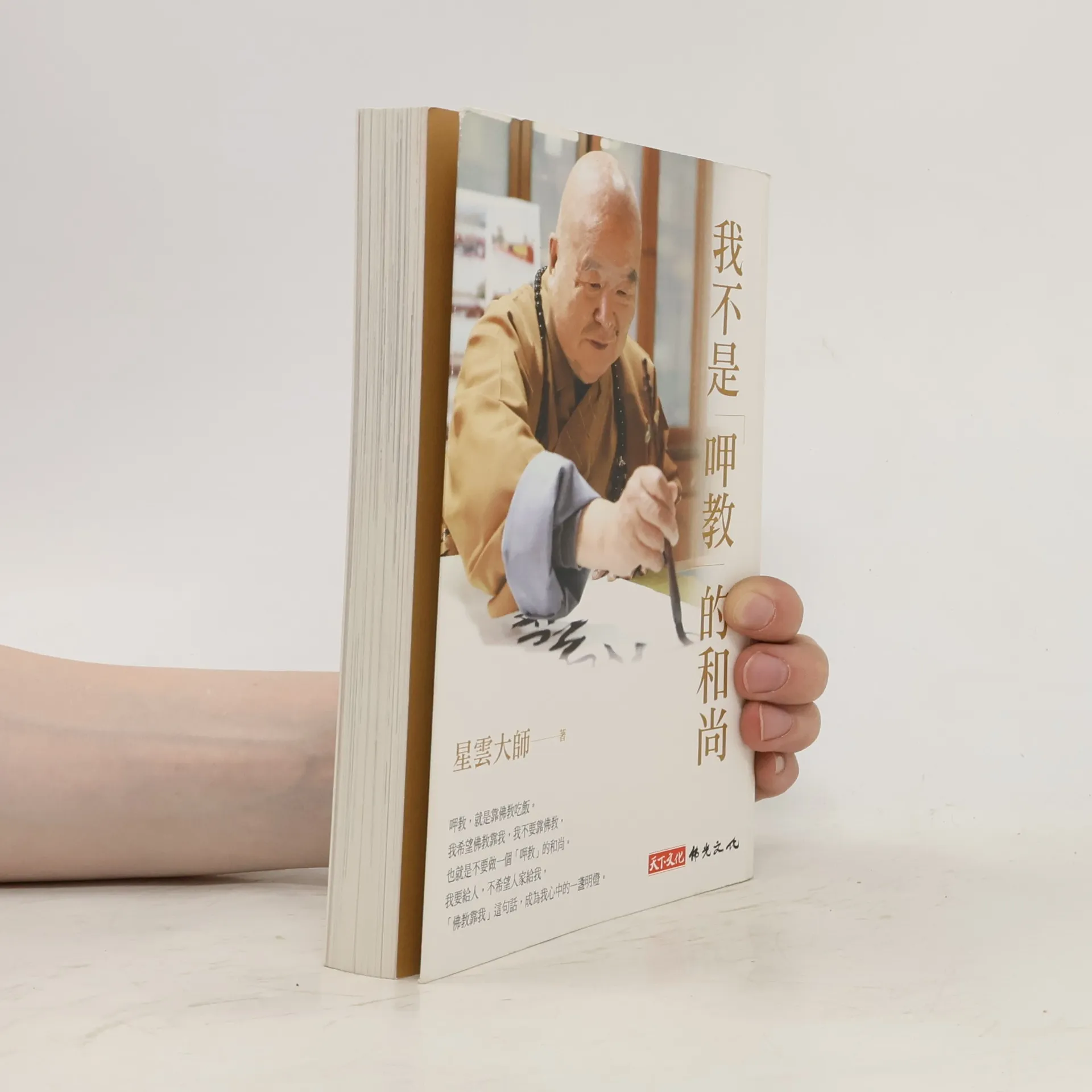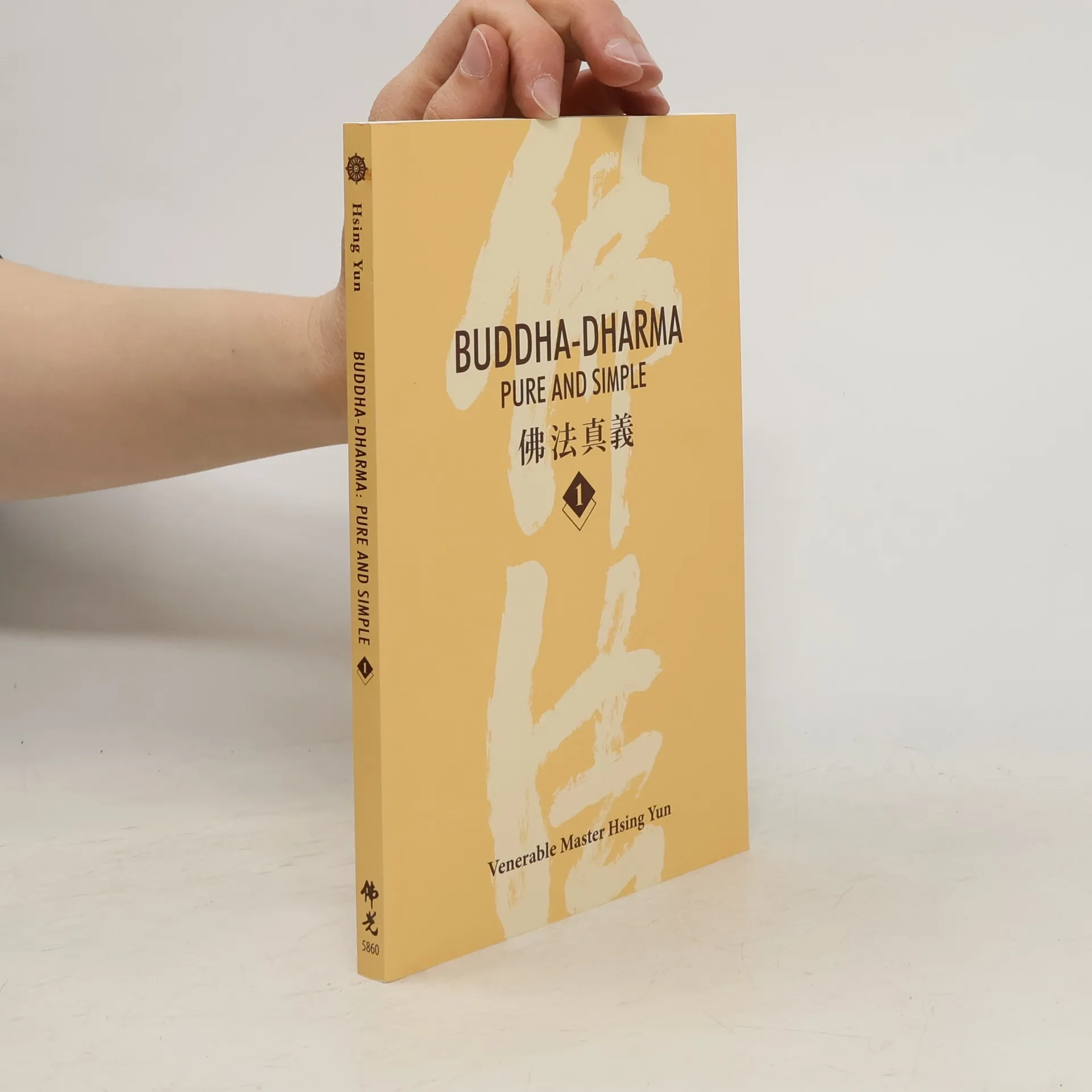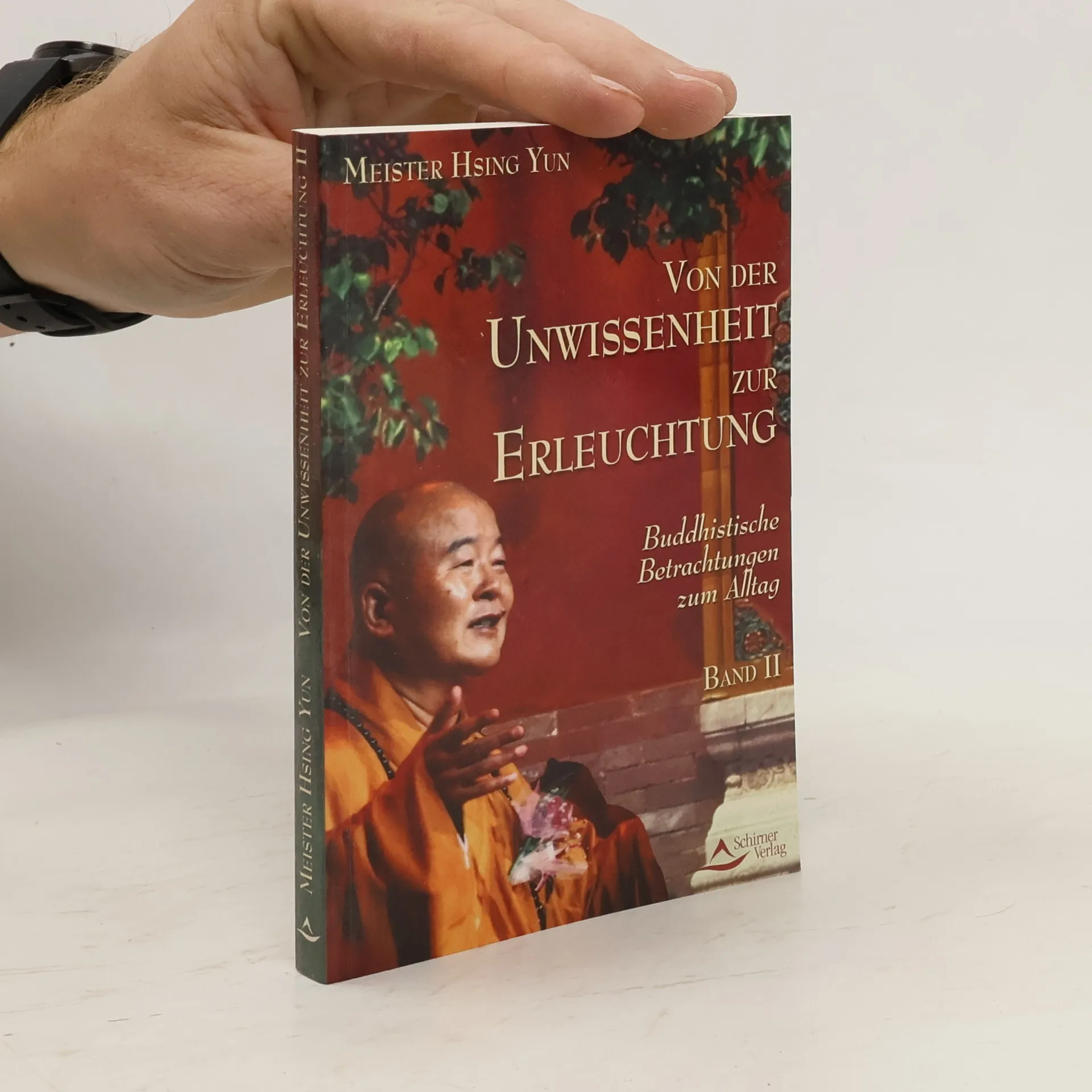
Hsing Yun Pořadí knih
Hsing Yun je významný buddhistický mnich, který prosazuje filozofii „humanistického buddhismu“. Jeho práce se snaží přizpůsobit prastaré buddhistické principy potřebám moderního světa, což z něj činí klíčovou postavu v reformě buddhismu. Hsing Yun je známý svým aktivním zapojením do zakládání klášterů, univerzit a škol po celém světě a podporou mezináboženského dialogu, čímž se stal jedním z předních představitelů globálního buddhistického hnutí.


- 2016
- 2015
- 2012
In Bells, Gongs, and Wooden Fish, Venerable Master Hsing Yun grants voices to the objects of daily monastic life to tell their stories in this collection of first-person narratives. From monastic shoes to robes and alms bowls, these everyday objects tell the story of their lives and the life of Buddhism from their own perspective. Originally published in 1953, the collected sketches are both lyrical and satiric. The collection of inanimate speakers describe and criticize the state of Chinese Buddhism in the early twentieth century in which educating the laity is an afterthought and the day-to-day activities of monastics are dominated by funerary rites. Bells, Gongs, and Wooden Fish showcases the beginnings of Master Hsing Yun's work as a Buddhist reformer, and describes a path to revolutionize, modernize, and humanize Buddhism that resonates to this day.
- 2003
- 2002
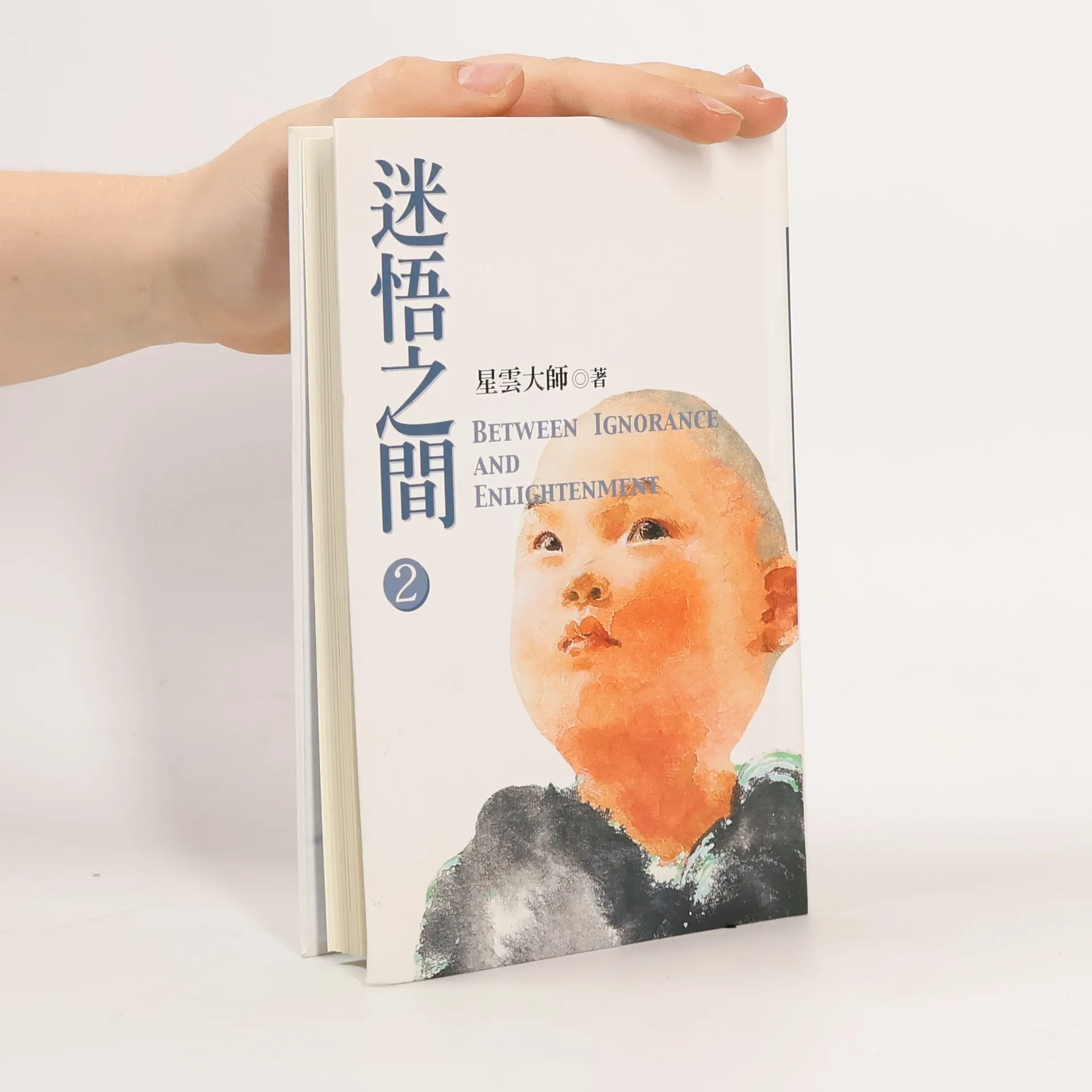
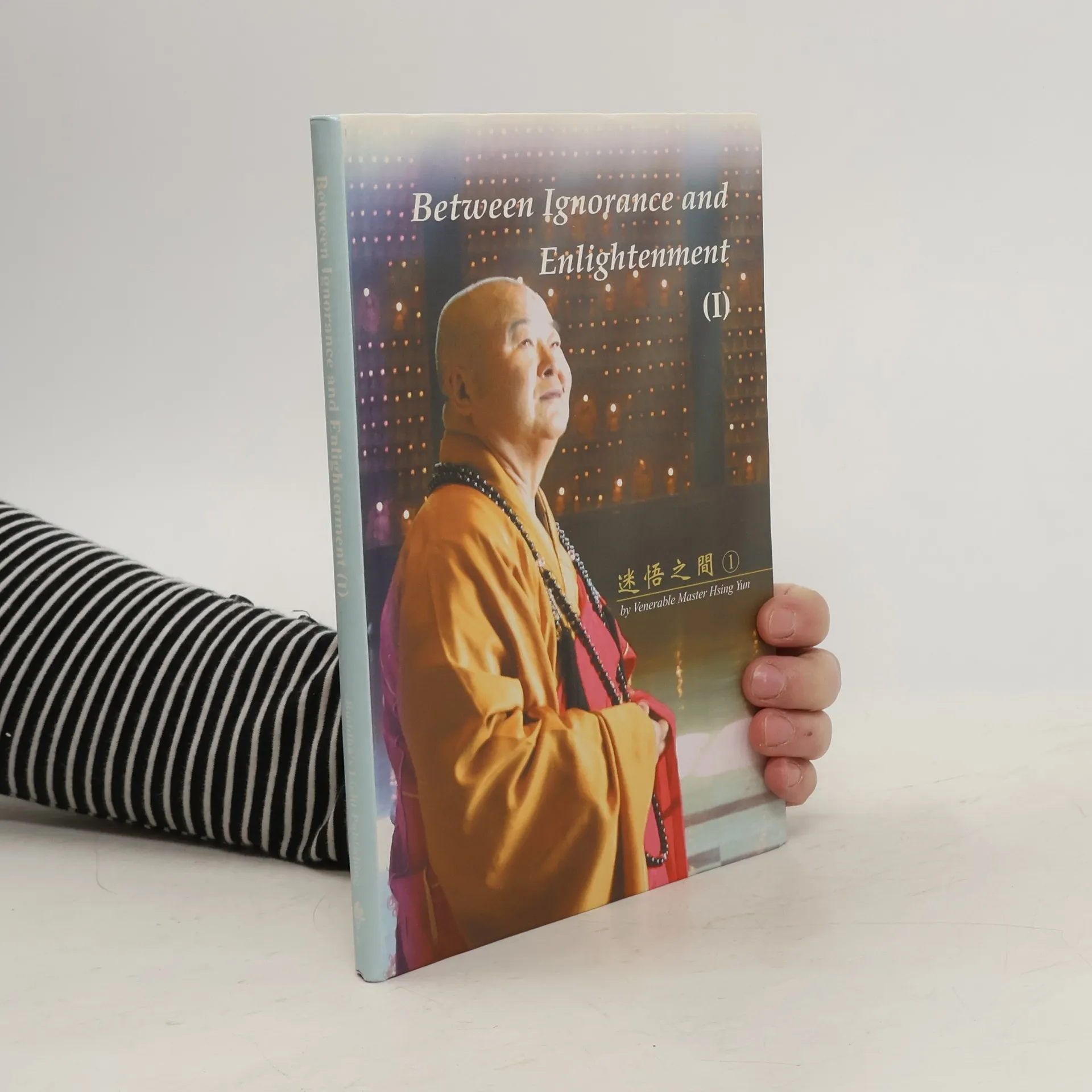
Between Ignorance and Enlightenment
- 160 stránek
- 6 hodin čtení
- 2001
- 2000
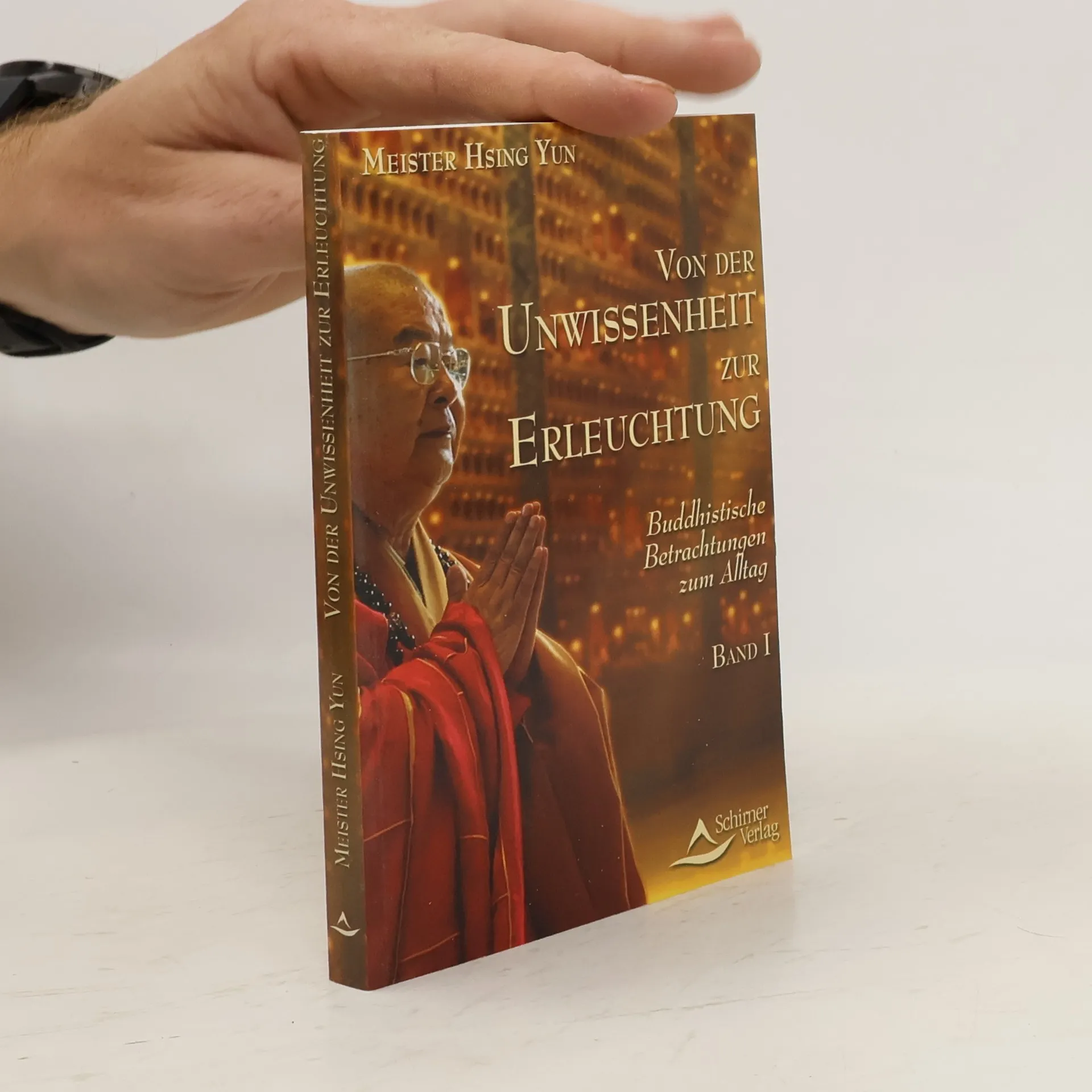
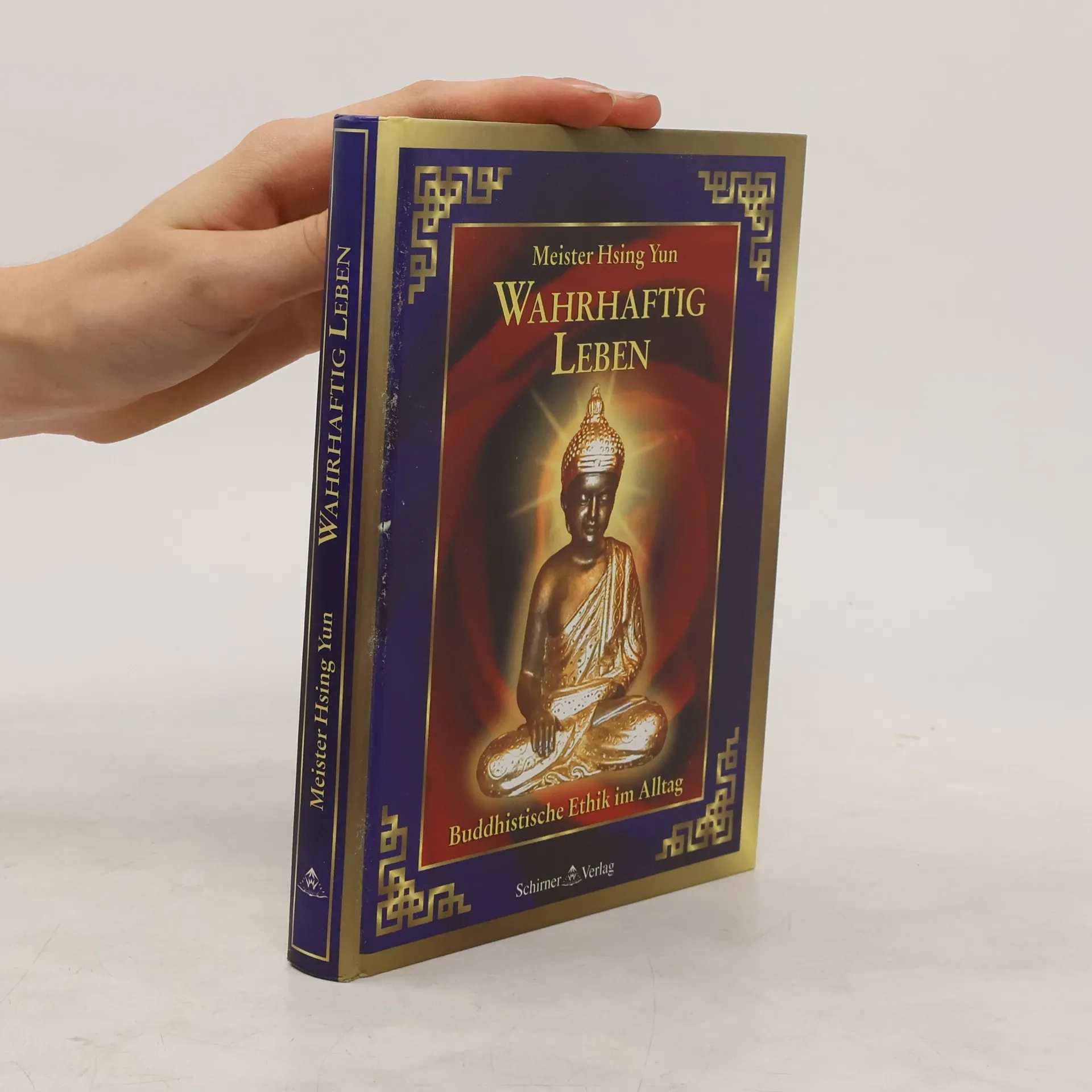
Ziel dieses Buches ist es, Sie einzuladen, darüber nachzudenken, was es bedeutet, ein wahrhaftiges Leben zu führen. Dazu gibt Meister Hsing Yun Ihnen praktische Ratschläge, die auf der buddhistischen Lehre beruhen. In jedem der dreiunddreißig Kapitel behandelt er ein Schwerpunktthema und jedes ist in sich abgeschlossen. Wann immer eines der angesprochenen Themen in ihrem Leben aktuell wird, können Sie also gezielt ein Kapitel herausgreifen und sich beraten lassen
- 1998
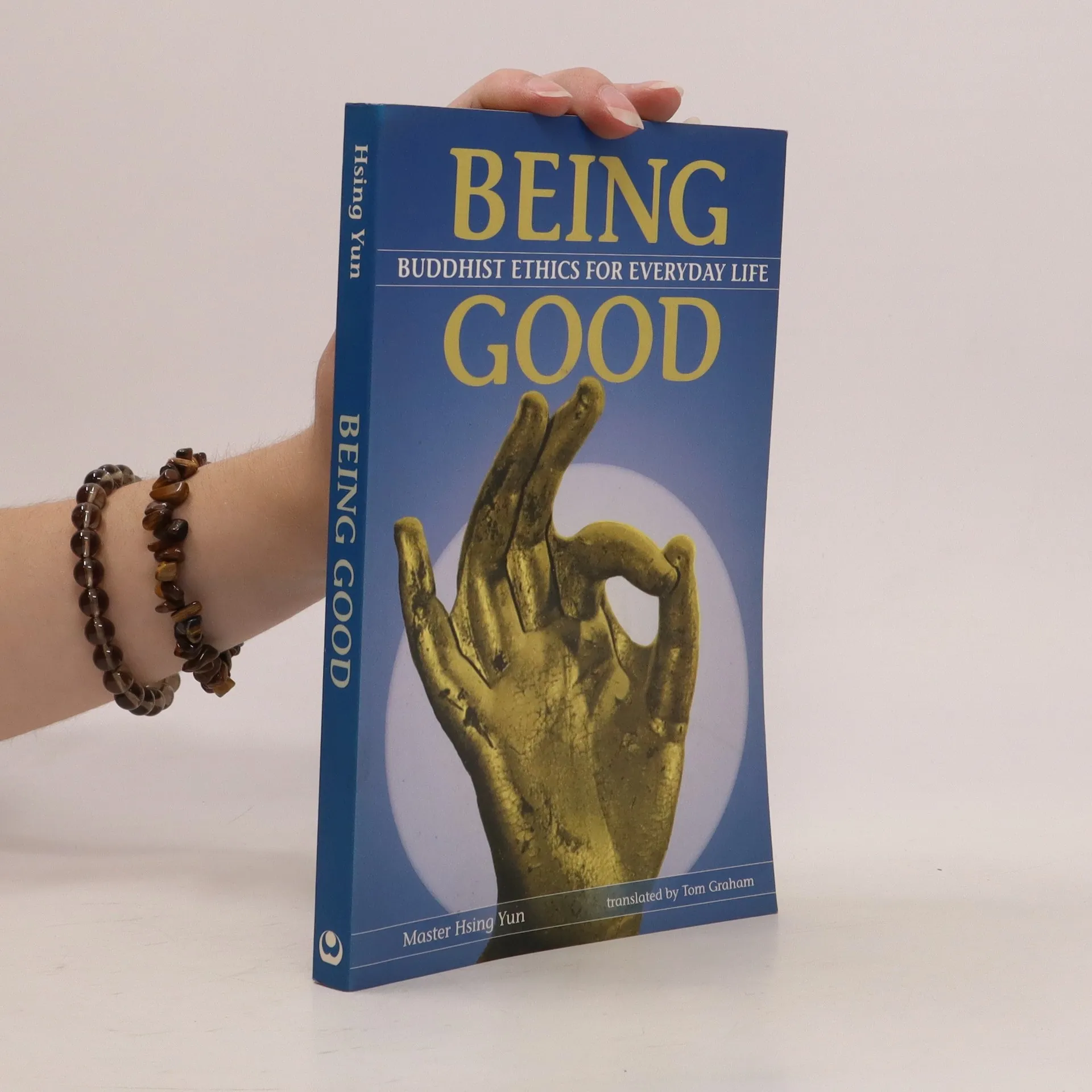
Being good. Buddhist Ethics for Everyday Life
- 176 stránek
- 7 hodin čtení
The aim of this book is simple: to invite readers to consider what it means to lead a good life, and to offer practical advice, based on the Buddhist teachings, as to how this can be accomplished. In each of more than thirty brief essays, Master Hsing Yun treats a specific moral or ethical issue, using quotations from the rich treasury of the Buddhist scriptures as a point of departure for his discussion. Among the topics he considers are control of the body and of speech, overcoming greed, ending anger, patience under insult, how to manage wealth, how to get along with others, what it means to practice Buddhism, and the blessings and joys of that practice. The Buddhist precepts are introduced as guideposts along this path of liberation, and friendship, gratitude, and service to others are presented as essential elements of a common quest to discover and to embody our innate goodness and humanity.