

Knihobot

Richard W. Wrangham

    1. leden 1948

    Richard Wrangham je autor, jehož práce zkoumá evoluci lidstva prostřednictvím antropologických a behaviorálních studií. Jeho výzkum se zaměřuje na klíčové momenty v lidské historii, jako je role vaření při formování našich těl a myslí, a na složitou povahu lidské agrese. Wrangham využívá své rozsáhlé znalosti primatologie k osvětlení biologických základů lidského chování a vývoje a nabízí fascinující pohled na to, co nás činí lidmi.

    Die Zähmung des Menschen
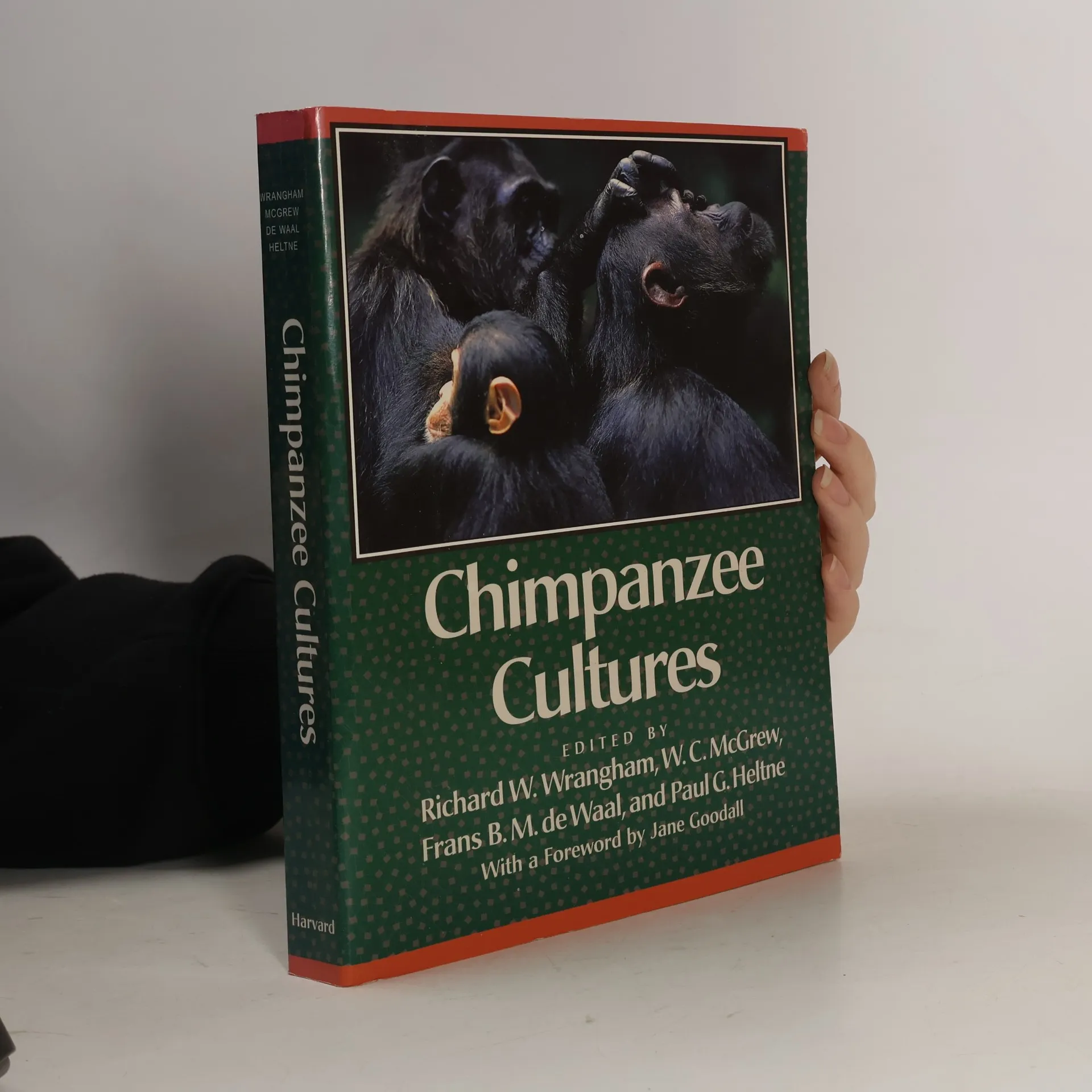
    Demonic Males
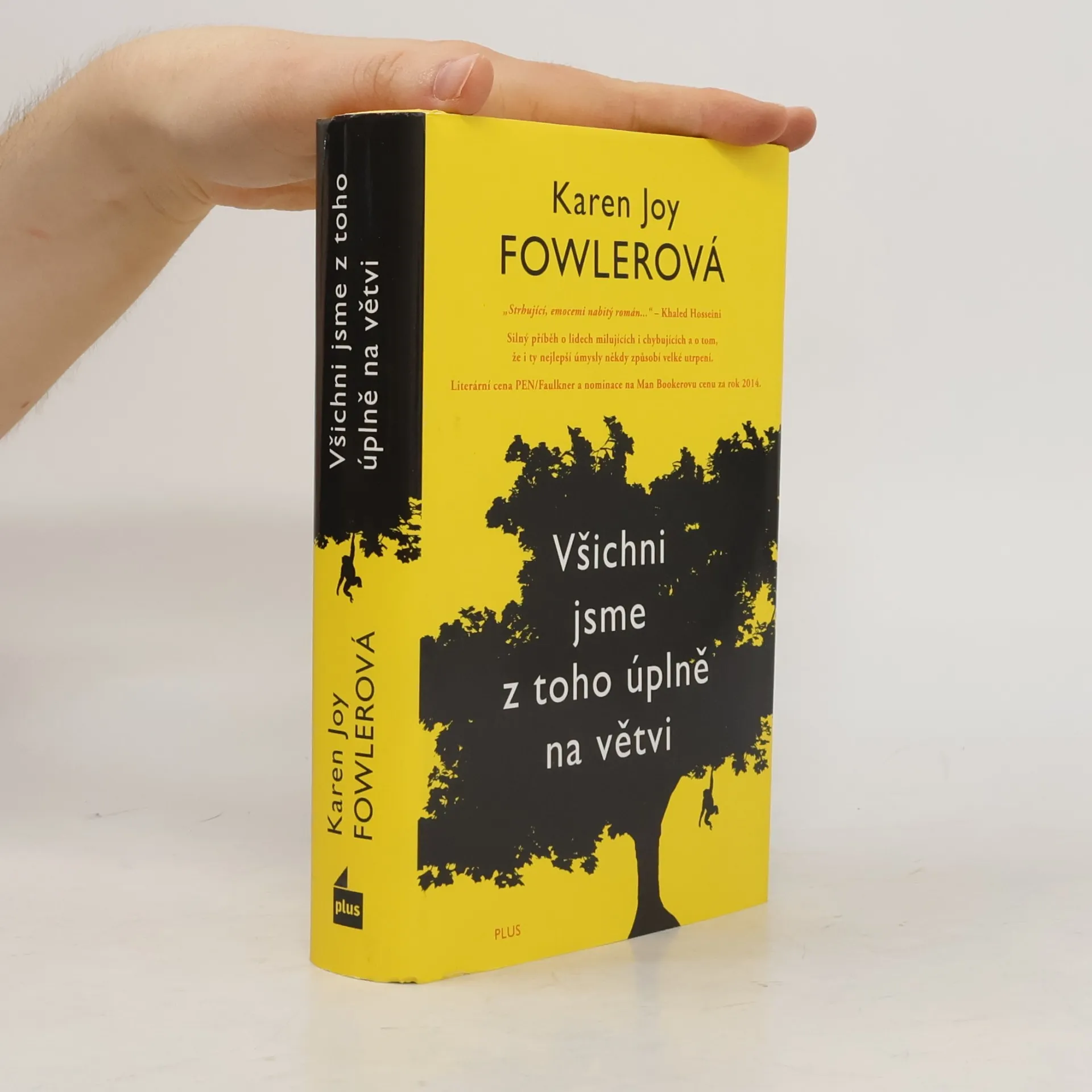
    Všichni jsme z toho úplně na větvi
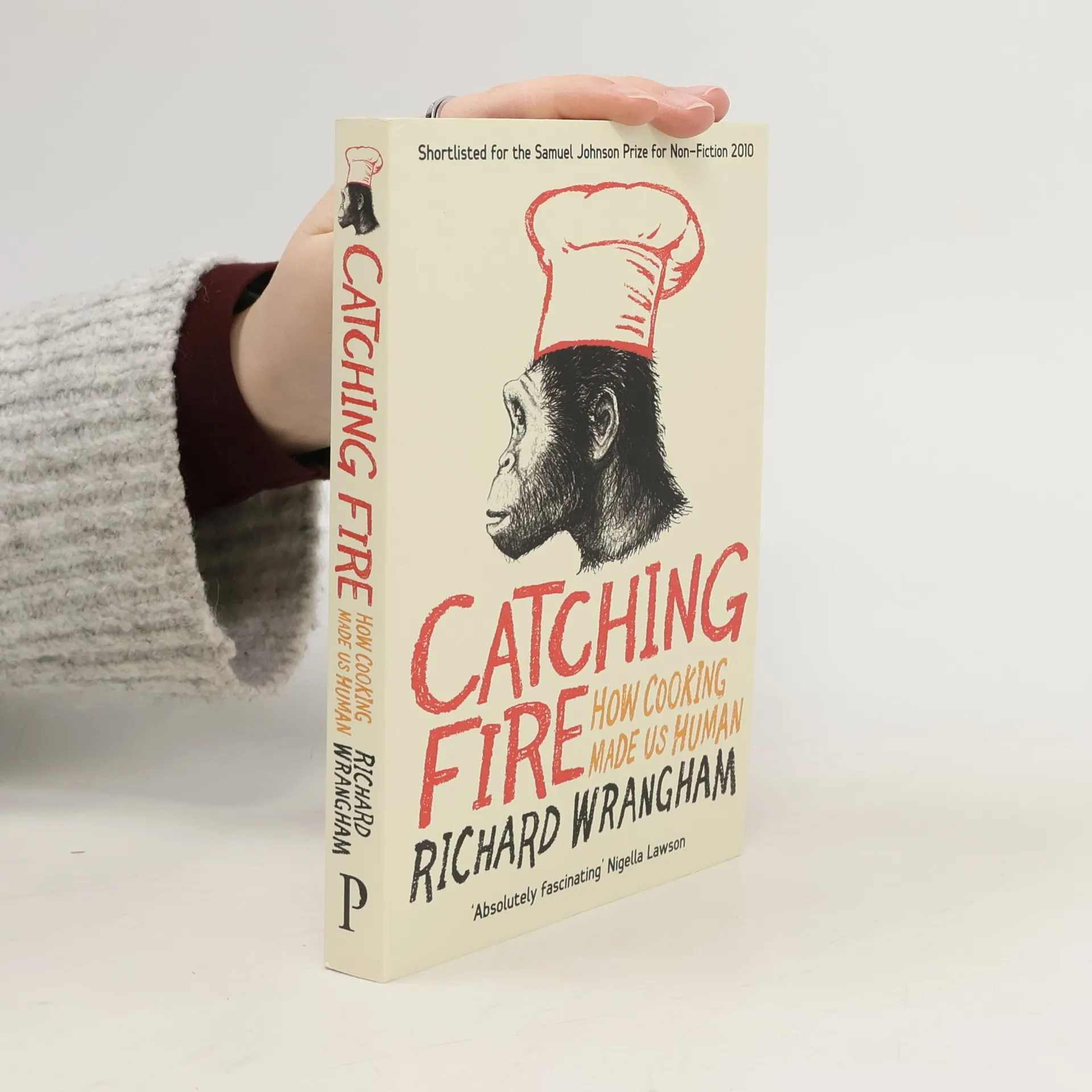
    Catching Fire
    Demonic Males: Apes and the Origins of Human Violence
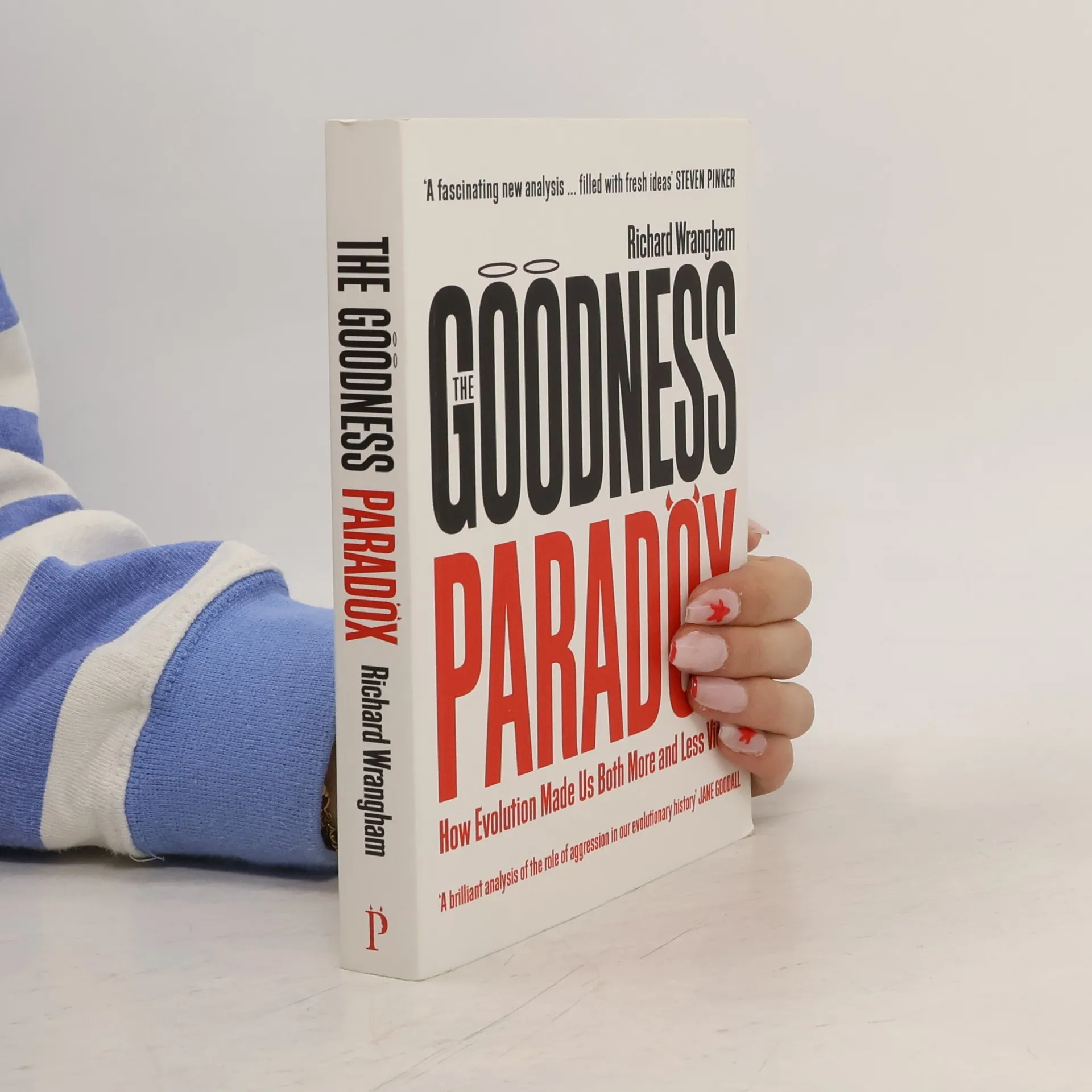
    Goodness Paradox
    • Goodness Paradox

      • 400 stránek
      • 14 hodin čtení

      It may not always seem so, but day-to-day interactions between individual humans are extraordinarily peaceful. That is not to say that we are perfect, just far less violent than most animals, especially our closest relatives, the chimpanzee and their legendarily docile cousins, the Bonobo. Perhaps surprisingly, we rape, maim, and kill many fewer…

      Goodness Paradox
      4,2
    • Whatever their virtues, men are more violent than women. Why do men kill, rape, and wage war, and what can be done about it? Drawing on the latest discoveries about human evolution and about our closest living relatives, the great apes, "Demonic Males" offers some startling new answers to these questions.

      Demonic Males: Apes and the Origins of Human Violence
      4,1
    • Argues that it was cooking that caused the transformation of our ancestors from apelike beings to Homo erectus. This title focuses on the idea: the habit of eating cooked rather than raw food permitted the digestive tract to shrink and the human brain to grow, helped structure human society, and created the male-female division of labour.

      Catching Fire
      3,9
    • Jako malá holka byla Rosemary pořádně upovídaná. Když chtěla rodičům něco vyprávět, prosili ji, ať začne raději rovnou uprostřed příběhu, aby se vůbec někdy dobrala jeho konce. Teď je Rosemary mladá vysokoškolačka, která toho moc nenamluví. A hlavně nemluví o své rodině. Ani my vám zatím příliš neprozradíme: snad je to, že ačkoli je Rosemary je dnes jedináček, dříve mívala sestru ve stejném věku, skoro dvojče, a staršího bratra. Oba sourozenci se ale z jejího života už dávno vytratili. Jak a proč k tomu došlo, představuje velké rodinné tajemství. Na její sestře Fern bylo totiž něco opravdu výjimečného a zvláštního. A Rosemary je odhodlaná vypovědět teď její příběh; začíná zprostředka a vrací k začátku. A ve třetině knihy na čtenáře čeká velké překvapení...

      Všichni jsme z toho úplně na větvi
      3,6
    • Die Zähmung des Menschen

      • 496 stránek
      • 18 hodin čtení

      »Eine neue, bestechende Analyse menschlicher Gewalt, voller neuer Ideen und packender Zeugnisse von unseren Vettern, den Primaten, unseren historischen Vorfahren und unseren gegenwärtigen Nachbarn.« Steven Pinker Die Erfindung der Todesstrafe hat uns zum Menschen gemacht – das ist die aufsehenerregende Theorie des Harvard-Anthropologen und Schimpansenforschers Richard Wrangham. Demnach zähmten sich unsere Vorfahren selbst, indem sie dafür sorgten, dass nur noch diejenigen Gruppenmitglieder sich fortpflanzen konnten, die sozial eingestellt waren. Aggressives Verhalten wurde mit dem Tod bestraft und dadurch aus dem Genpool entfernt. Anhand zahlreicher anthropologischer Studien und seinen eigenen Beobachtungen an Menschenaffen und indigenen Völkern zeigt Wrangham, wie wir im Laufe der Evolution durch die Anwendung tödlicher Gewalt zu den zivilisierten Wesen wurden, die wir heute sind. Er führt uns auch vor Augen, dass diese Entwicklung zugleich den Grundstein für unsere schlimmsten Gräueltaten gelegt hat.

      Die Zähmung des Menschen
      5,0