

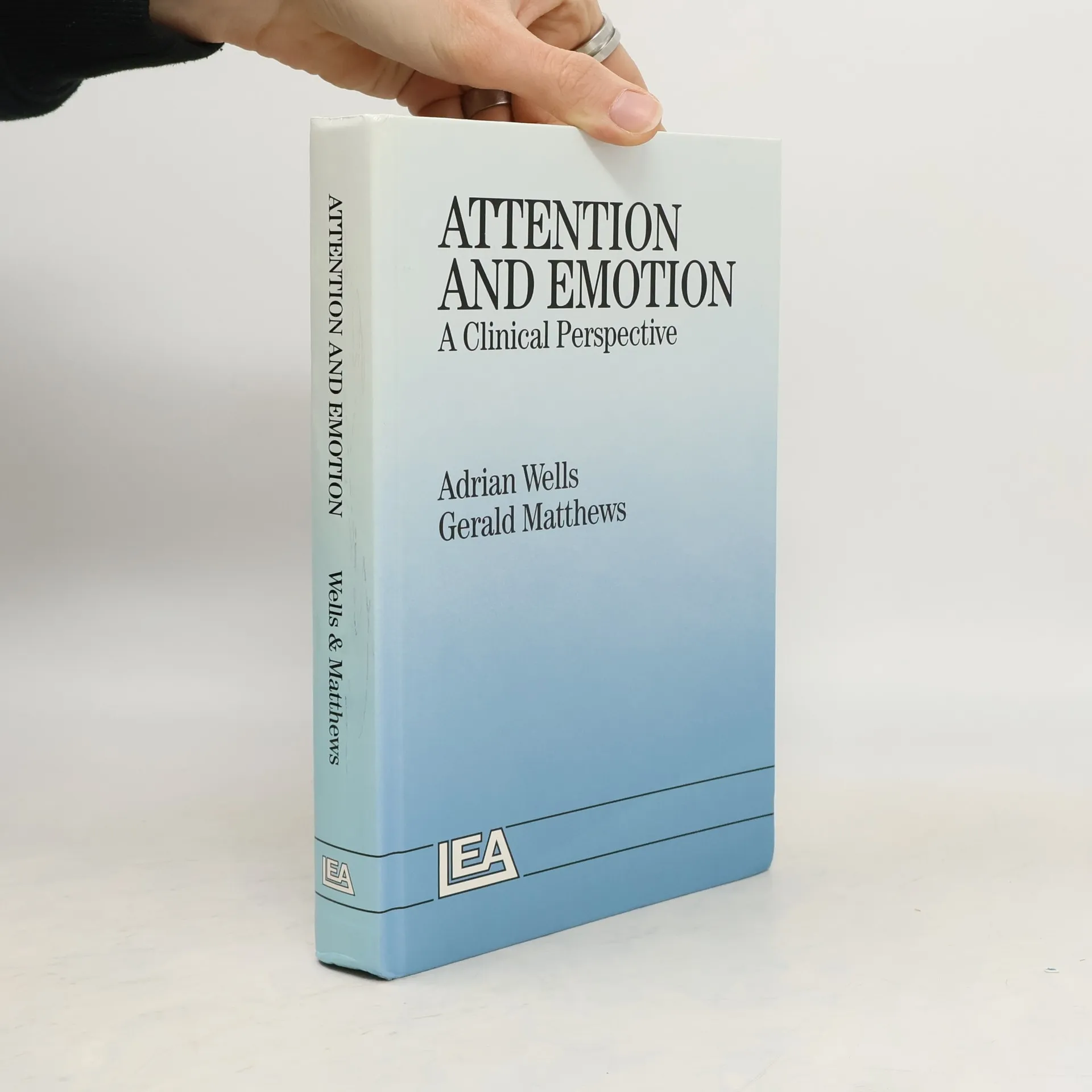
This text critically reviews the literature on attention and emotion, and offers an integrative cognitive attentional model of the development and maintenance of emotional disorders. It highlights the similarities and differences between disorders and offers specific new treatment implications. The book contains numerous summary sections so that readers less familiar with the cognitive literature can follow the main issues without being overwhelmed. The central aims of this work are: to review critically models of attention and their application to attentional processes in emotional disorders; To develop an integrative theoretical framework and model for conceptualizing attentional processes associated with the aetiology and maintenance of emotional stress reactions; and to discuss the implications for clinical practice of attentional theories of emotional dysfunction.
Gerald Matthews Knihy

Human Performance : cognition, stress and individual differencies
- 416 stránek
- 15 hodin čtení
Human Performance provides the student and researcher with a comprehensive and accessible review of performance, in the real world and essential cognitive science theory. Four main sections cover both theoretical and practical issues: Section One outlines the perspectives on performance offered by contemporary cognitive science, including information processing and neuroscience perspectives. Section Two presents a multi-level view of the performer as biological organism, information-processor and intentional agent. It reviews the development of the cognitive theory of performance through experimental studies and also looks at practical issues such as human error. Section Three reviews the impact of stress factors such as noise, fatigue and illness on performance. Section Four assesses individual and group differences in performance with accounts of ability, personality and aging.
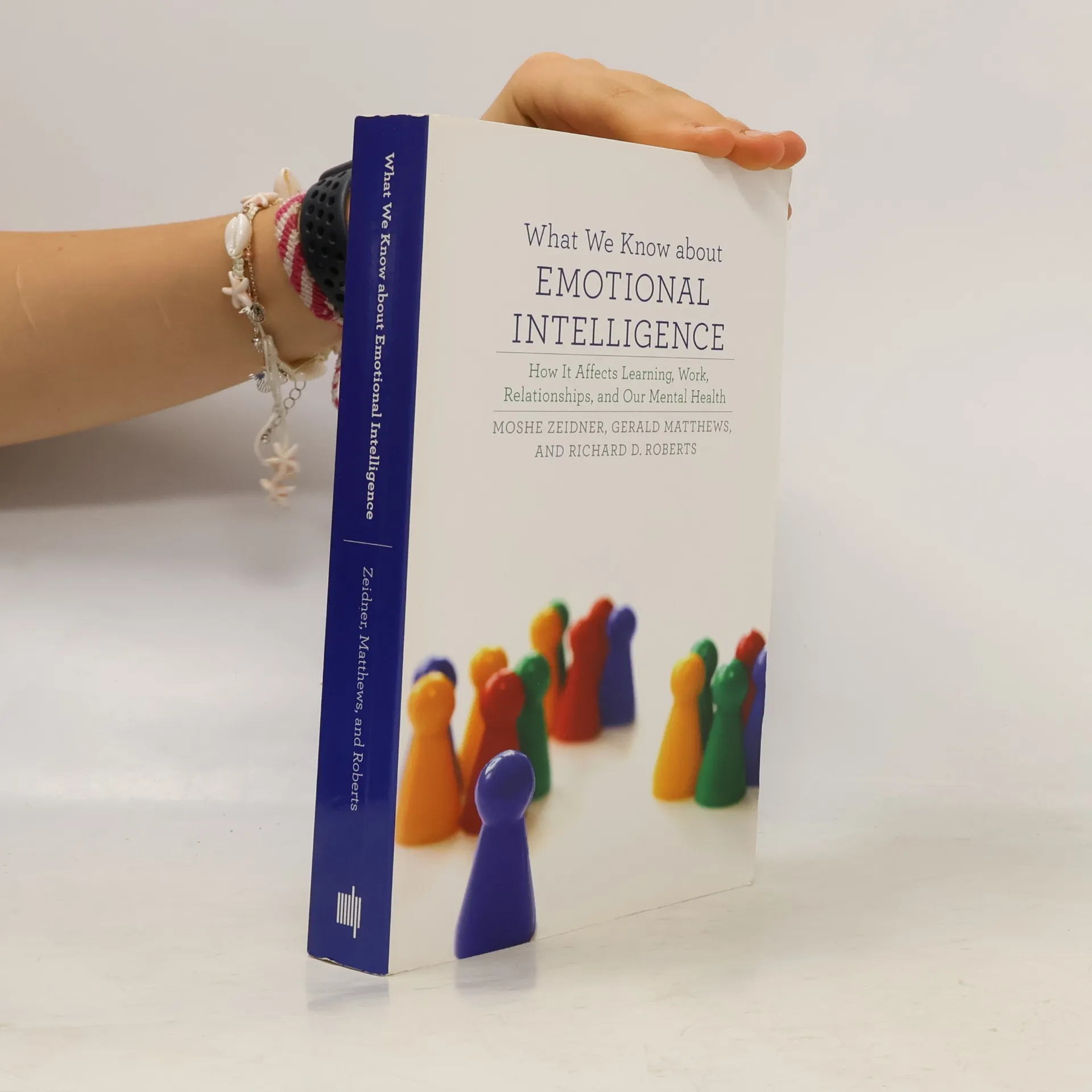
What We Know About Emotional Intelligence
How It Affects Learning, Work, Relationships, And Our Mental Health
- 441 stránek
- 16 hodin čtení
Sorting out the scientific facts from the unsupported hype about emotional intelligence. Emotional intelligence (or EI)--the ability to perceive, regulate, and communicate emotions, to understand emotions in ourselves and others--has been the subject of best-selling books, magazine cover stories, and countless media mentions. It has been touted as a solution for problems ranging from relationship issues to the inadequacies of local schools. But the media hype has far outpaced the scientific research on emotional intelligence. In What We Know about Emotional Intelligence , three experts who are actively involved in research into EI offer a state-of-the-art account of EI in theory and practice. They tell us what we know about EI based not on anecdote or wishful thinking but on science. What We Know about Emotional Intelligence looks at current knowledge about EI with the goal of translating it into practical recommendations in work, school, social, and psychological contexts.
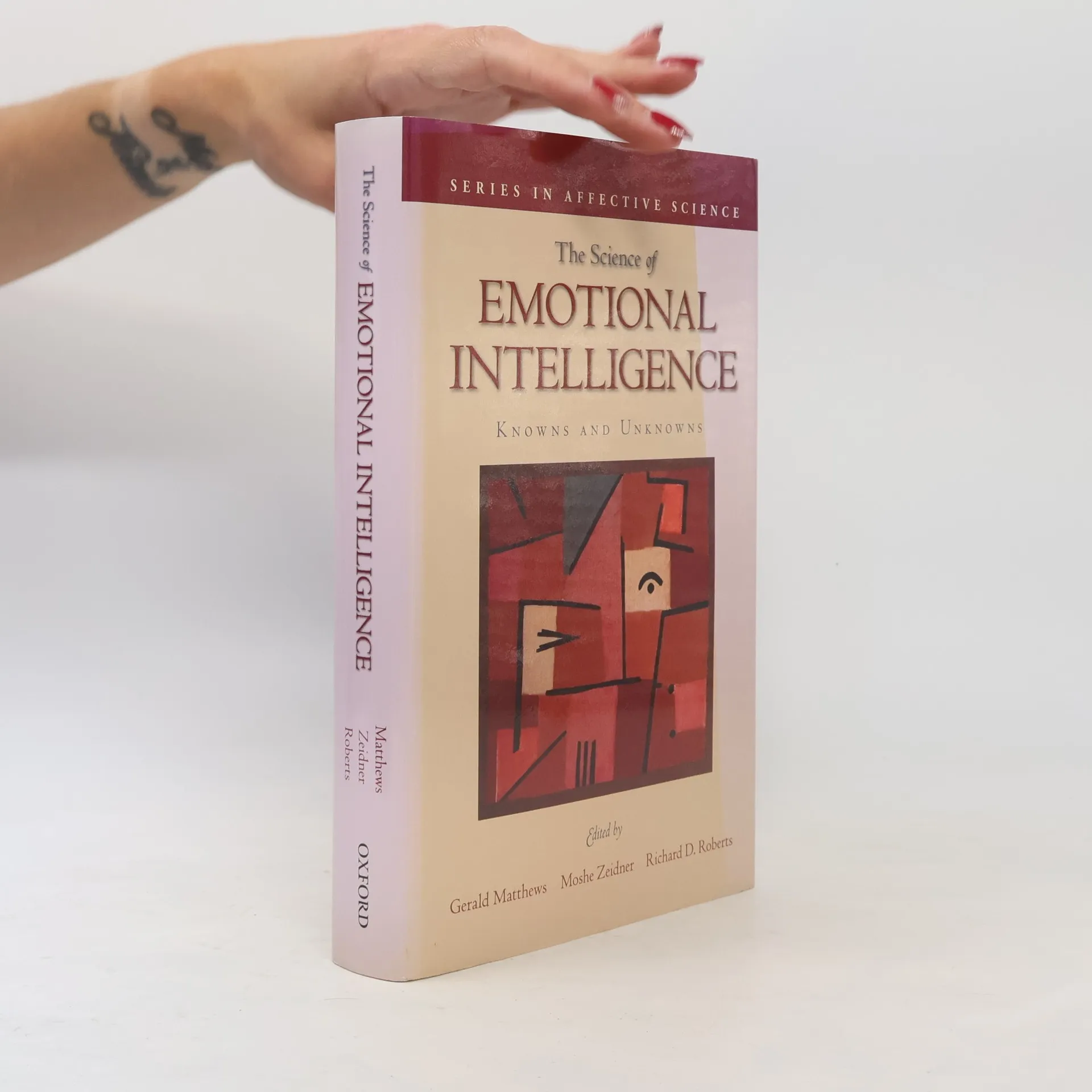
Series in Affective Science: The Science of Emotional Intelligence
Knowns and Unknowns
- 528 stránek
- 19 hodin čtení
During the past decade, emotional intelligence has been subjected to both scientific and public scrutiny. Numerous articles have been published on the topic in both academic journals and the popular press, testifying to the potential usefulness of emotional intelligence in psychology, business, education, the home, and the workplace. However, until now, there has been no systematic synthesis that grounds emotional intelligence in contemporary theory, while simultaneously sorting scientific approaches from popular fads and pseudoscience.Bringing together leading international experts from a variety of sub-disciplines, this volume aims to integrate recent research on emotional intelligence. The contributors address a set of focused questions concerning theory, measures, and How does emotional intelligence relate to personality? What is the optimal approach to testing emotional intelligence? How can emotional intelligence be trained? In the final section of the book, the volume editors distill and synthesize the main points made by these experts and set forth an agenda for building a science of emotional intelligence in the future.Science of Emotional Intelligence will be an invaluable resource for researchers and professionals in psychology, education, the health sciences, and business.