

Exploring the Zhina uprising in Iran, Hamid Dabashi delves into the complexities of revolutionary success and failure. He examines the bold actions and tragic outcomes of the movement, prompting readers to reconsider how revolutions are evaluated. Through this retelling, the book challenges conventional narratives and encourages a deeper understanding of the dynamics at play in social upheaval.
Hamid Dabashi Pořadí knih (chronologicky)
15. červen 1951
Hamid Dabashi je přední světový kulturní kritik a uznávaný autor, který se ve své práci zaměřuje na perskou literaturu a íránskou kulturu. Jeho rozsáhlé dílo, které zahrnuje mnoho knih a esejí, zkoumá témata od středověkého a moderního islámu po světové umění a filozofii. Dabashi se snaží o rozbití omezujících evropských orientalistických a amerických oborových studií, čímž íránská studia otevírá širšímu okruhu zájemců. Je také zakladatelem projektu na ochranu palestinské kinematografie a aktivně se zasazuje o transnacionální umění a nezávislý světový film.

The book highlights the unique contributions of Dabashi, a distinguished scholar in Iranian cinema and Persian literature. It emphasizes his singular perspective and the depth of his analysis, distinguishing him from other academics in the field. Through his work, readers gain insights into the intricate relationship between culture and film in Iran, showcasing Dabashi's exceptional role in shaping the discourse around these subjects.
On Edward Said
- 250 stránek
- 9 hodin čtení
An intimate intellectual, political and personal portrait of Edward Said, one of the 20th centuries' leading public intellectuals.
Moving beyond the Eurocentric approach to travel narratives, this comprehensive and transformative account of the adventures of more than a dozen Persian travelers in the nineteenth century re-discovers and reclaims the world as seen through their rich travelogues, removing the colonial borders within which their narratives had been placed.
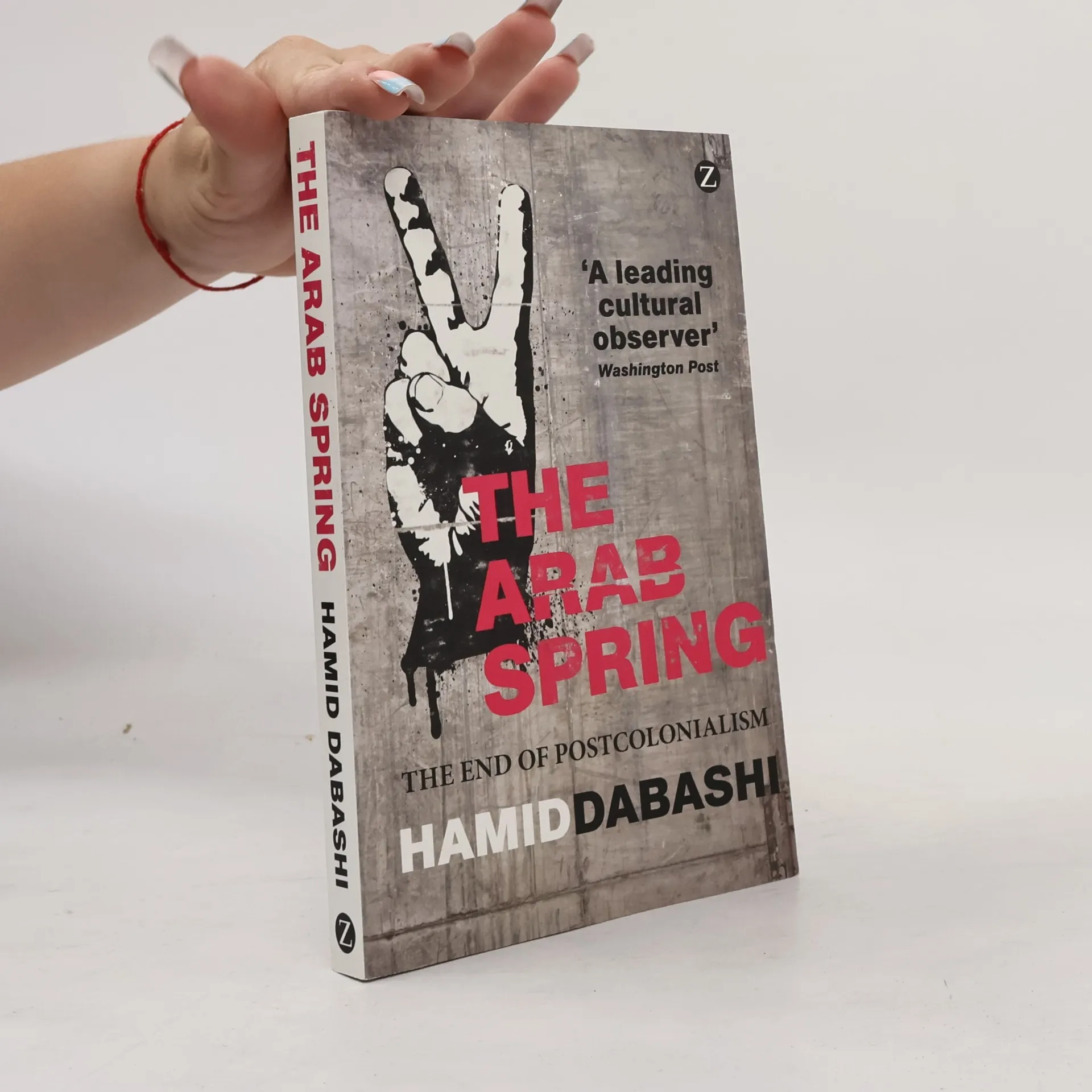
In this landmark book, Hamid Dabashi argues that the revolutionary uprisings from Morocco to Iran and from Syria to Yemen were driven by a 'delayed defiance' - a point of rebellion against domestic tyranny and globalized disempowerment alike - that signifies no less than the end of Postcolonialism.
Shirin Neshat la Ultima Palabra / The Last Word
- 252 stránek
- 9 hodin čtení
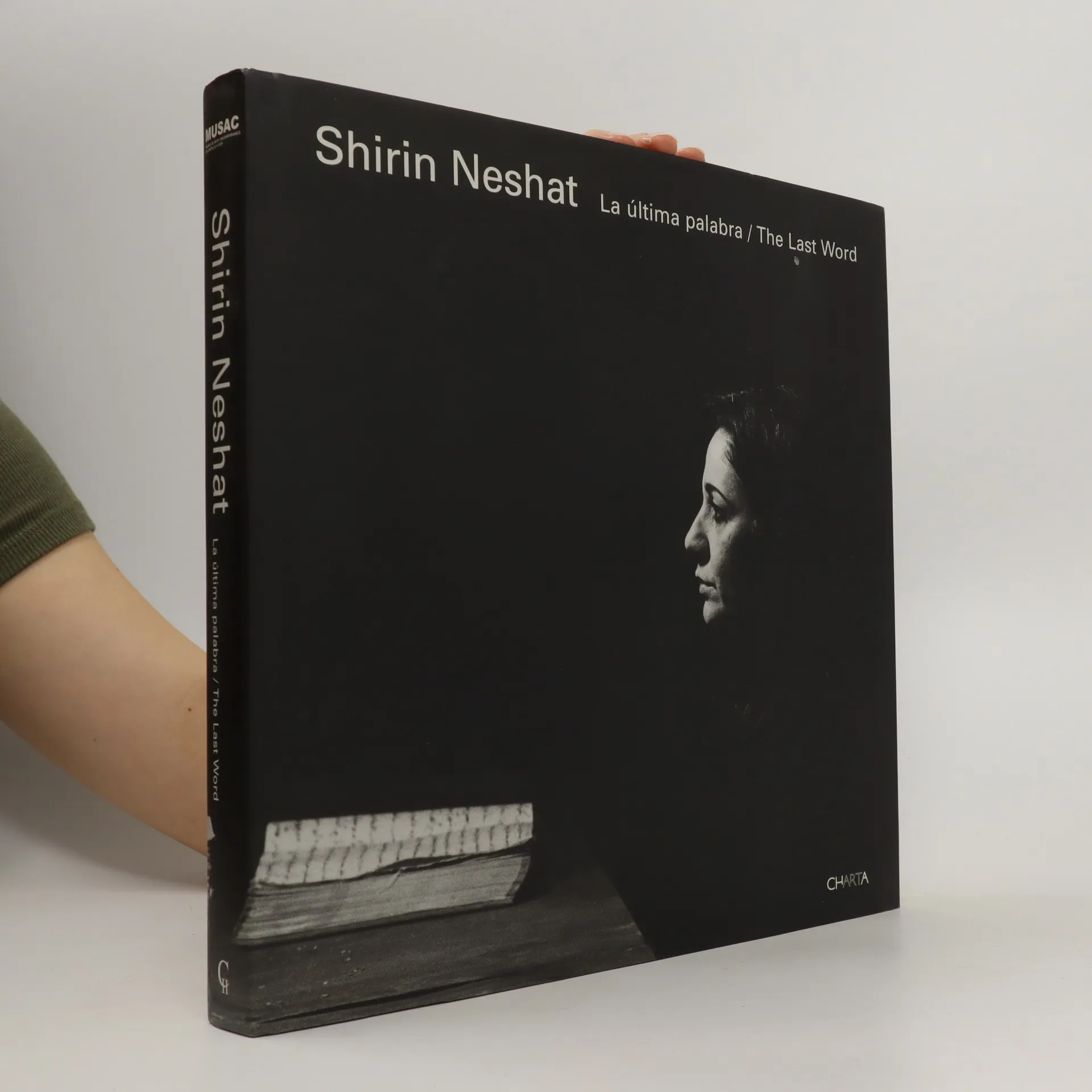
The first monograph to thoroughly document Shirin Neshat's video production, The Last Word provides both a beautiful reminder of her work's color and intensity and a crucial tool for her increasing number of fans and scholars. Neshat, who studied in the United States and has lived in New York for many years, found international success following the explosive release of her images of Muslim women wrapped in chadors with verses by rebel Persian poetesses traced on their faces, hands and feet. She became renowned when her short film Turbulent was awarded the Leone d'Oro at the 1999 Venice Biennale. With her camera persistently focused on the veiled women of the Muslim world, Neshat has continued to make striking and courageous work of rare beauty and intensity, and has presented it to continuing acclaim. She goes fearlessly into the widening gulf between conformism and revolt, submission and compliance, that characterizes the women of the Muslim world, seeking out images from the far sides of the divide that will both narrow the distance and help viewers sound its depths. The Last Word is a necessity for those who would approach, informed, the poetic works and the fierce commitment of an extraordinary artist.