

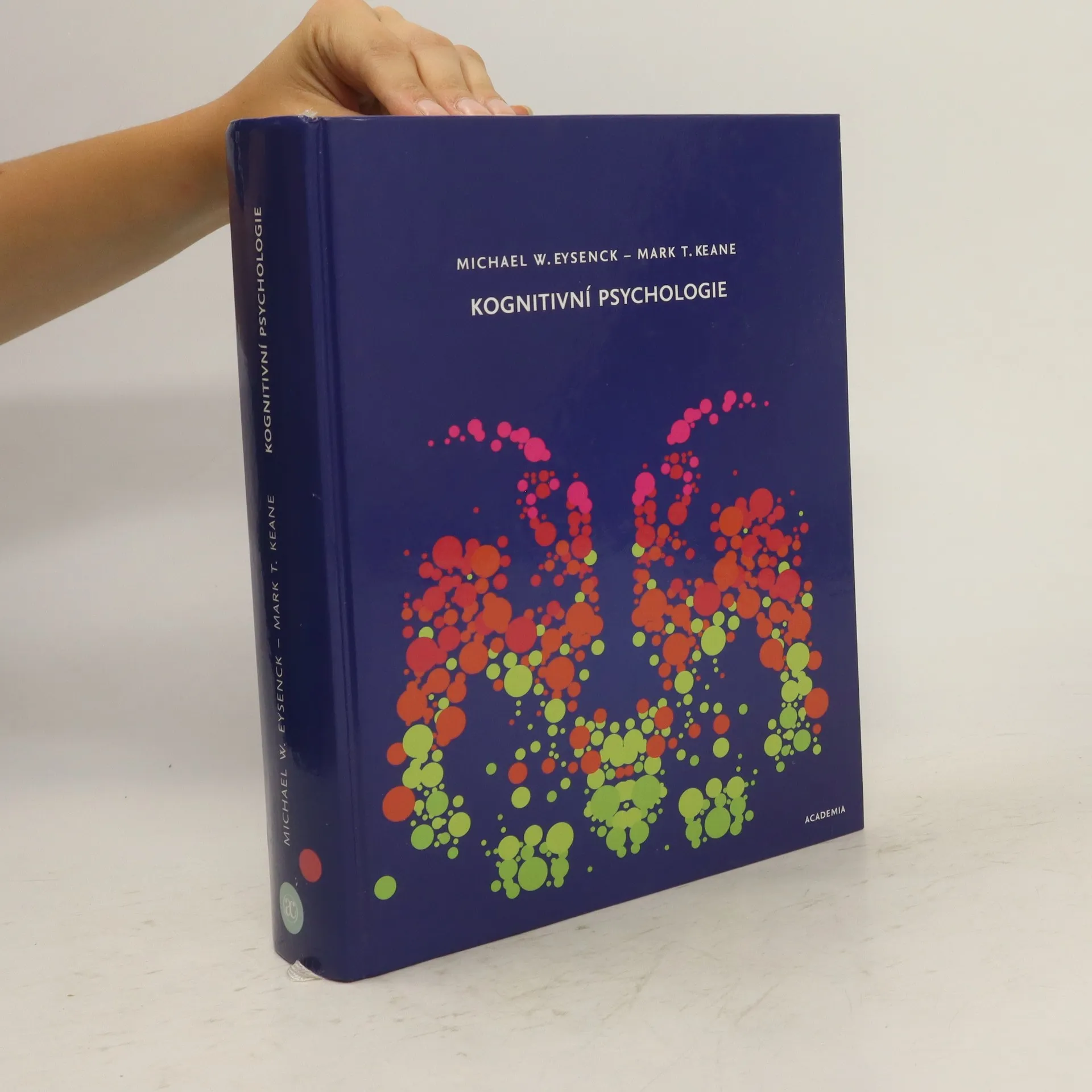
Kniha světově uznávaných autorů představuje souhrnnou práci o jednom z nejširších a nejvýznamnějších psychologických oborů – kognitivní psychologii – a je určena především ke studiu. Práce reflektuje nejnovější výzkumné výsledky v této oblasti a obsahuje i informativní diskusi o teoretickém, empirickém a metodologickém kontextu vývoje kognitivní psychologie. Prezentuje jak základy kognitivní psychologie, tak všechny významné teorie, přístupy, metody a poznatky. Ty jsou vysvětleny, hodnoceny a shrnuty tak, aby si čtenář mohl vytvořit i vlastní kritický názor. Díky těmto charakteristikám je Eysenckova a Keanova Kognitivní psychologie, která vyšla anglicky již v pěti vydáních, „příručkou“ takového druhu, že ji čtenáři budou chtít mít stále „po ruce“. Text je navíc doplněn množstvím názorných obrázků a grafů. Kromě studentů psychologie a psychologů zaujme publikace nepochybě i pedagogy, lékaře, lingvisty, fyziology a odborníky na informační technologie.
Michael William Eysenck Knihy

Psychology. an integrated approach
- 829 stránek
- 30 hodin čtení
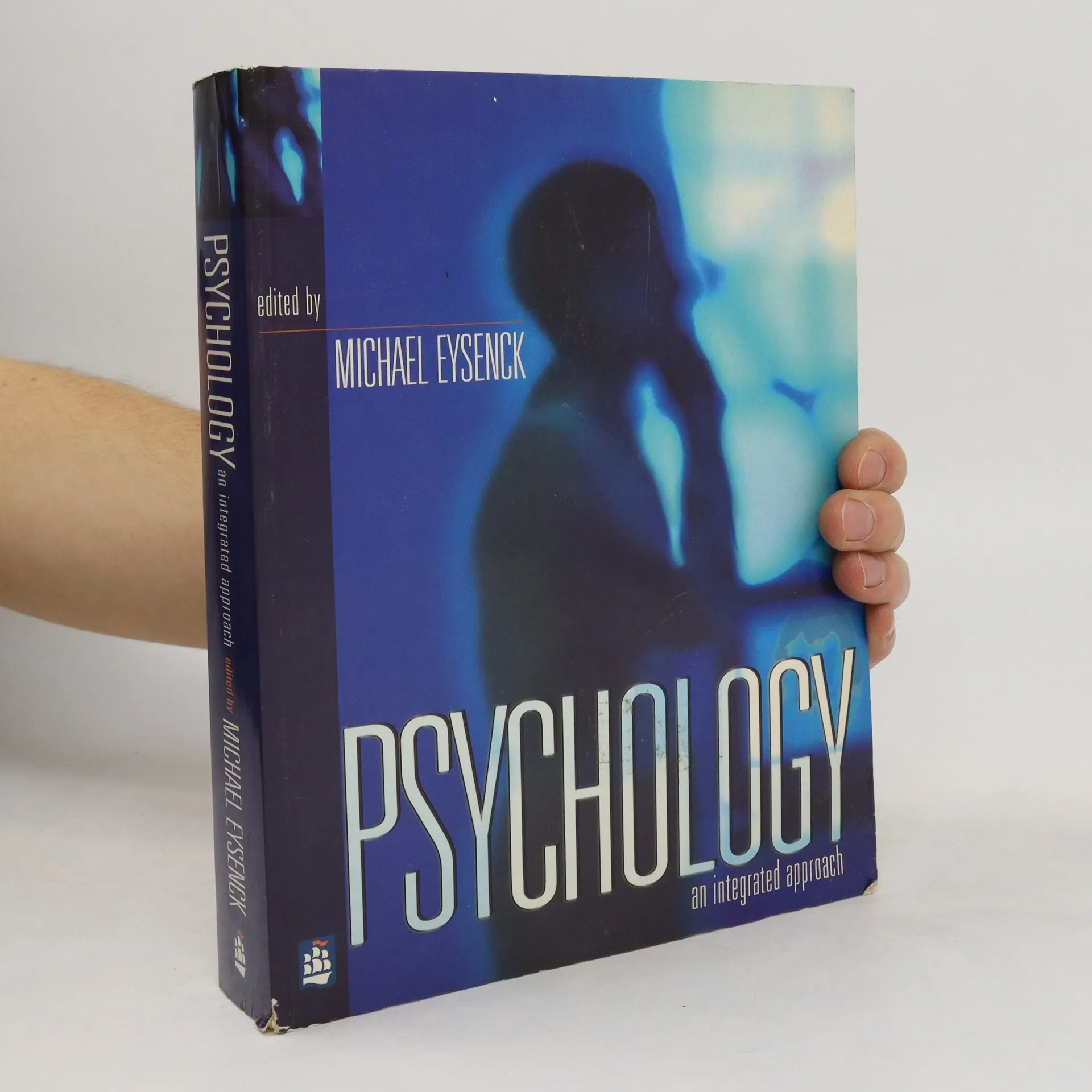
An Integrated Approach is an exciting new introductory text for all students of psychology. It provides a comprehensive account of the discipline combined with the most up-to-date research and coverage of contemporary debates. Written by Michael Eysenck in conjunction with an international team of distinguished psychologists, An Integrated Approach combines an accessible style with indepth coverage and will prove invaluable for students and lecturers alike. Contributors Peter Bryant (Oxford University), Hugh Coolican (Nene College), Tim Dalgleish (MRC Applied Psychology Unit, Cambridge), Therese van Elderen (Leiden University), Michael Frese (Amsterdam University), Evanthia Lyons (University of Surrey), Andrew McLeod (Royal Holloway), Stan Maes (Leiden University), Helena Matute (Bilbao University), Lynne Millward (Surrey University, Edmund Rolls (Oxford University), Peter E Smith (Goldsmiths College), Fred Toates (Open University).
AI vs Humans
- 352 stránek
- 13 hodin čtení
The great majority of books on artificial intelligence are written by AI experts who understandably focus on its achievements and potential transformative effects on society. In contrast, AI vs Humans is written by two psychologists (Michael and Christine Eysenck) whose perspective on AI (including robotics) is based on their knowledge and understanding of human cognition.This book evaluates the strengths and limitations of people and AI. The authors’ expertise equips them well to consider this by seeing how well (or badly) AI compares to human intelligence. They accept that AI matches or exceeds human ability in many spheres such as mathematical calculations, complex games (e.g., chess, Go, and poker), diagnosis from medical images, and robotic surgery.However, the human tendency to anthropomorphise has led many people to claim mistakenly that AI systems can think, infer, reason, and understand while engaging in information processing. In fact, such systems lack all those cognitive skills and are also deficient in the quintessentially human abilities of flexibility of thinking and general intelligence.At a time when human commitment to AI appears unstoppable, this up-to-date book advocates a symbiotic and co-operative relationship between humans and AI. It will be essential reading for anyone interested in AI and human cognition.
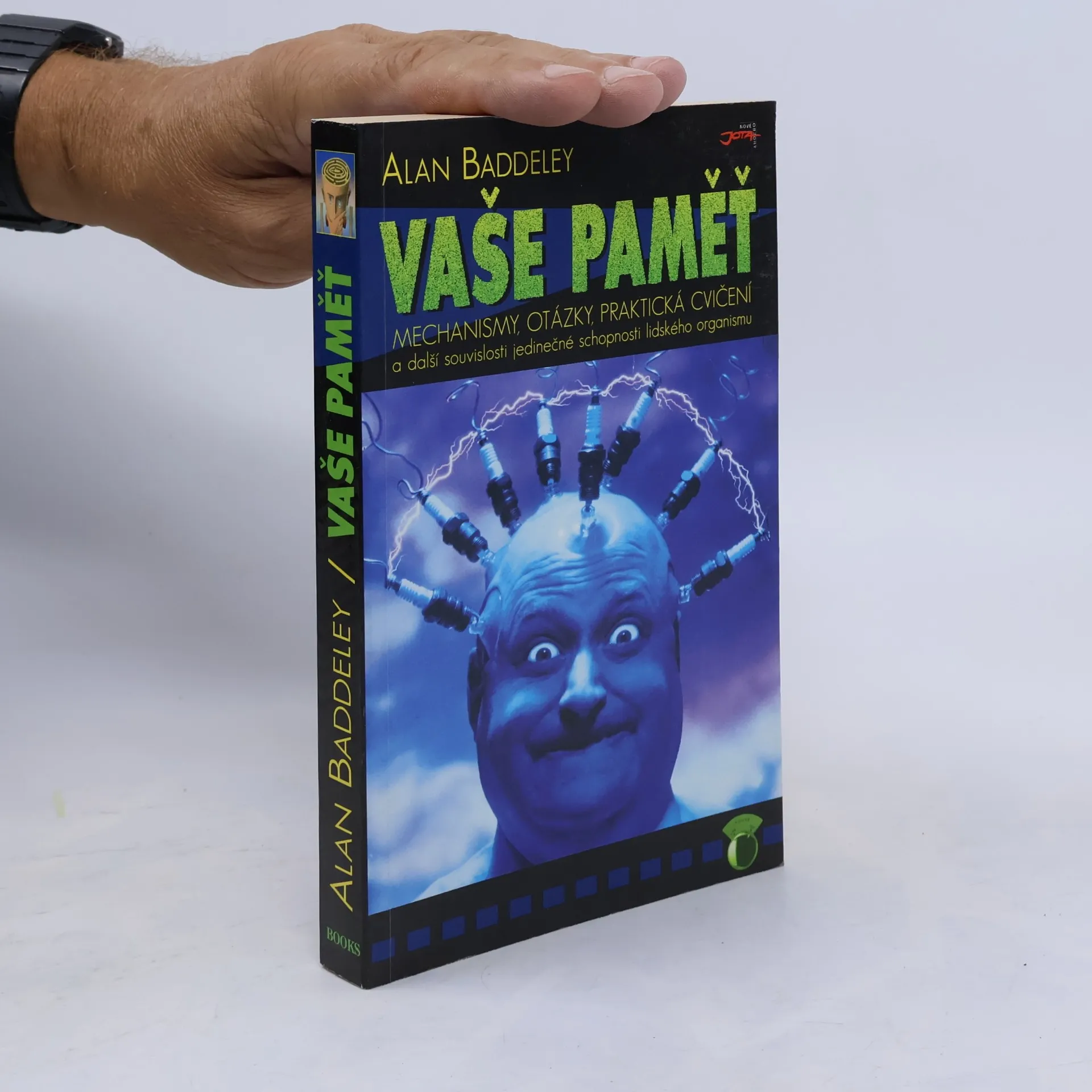
Kniha přináší informace, mechanismy, otázky a praktická cvičení o lidské paměti, jejím fungování, o procesu učení a schopnosti zapamatování si.
Simply Psychology
- 464 stránek
- 17 hodin čtení
Simply Psychology, 4th edition, is an engaging and reader-friendly introduction to the key principles of psychology. Organized around the major approaches to the subject, it covers biological, developmental, social, and cognitive psychology, as well as individual differences.
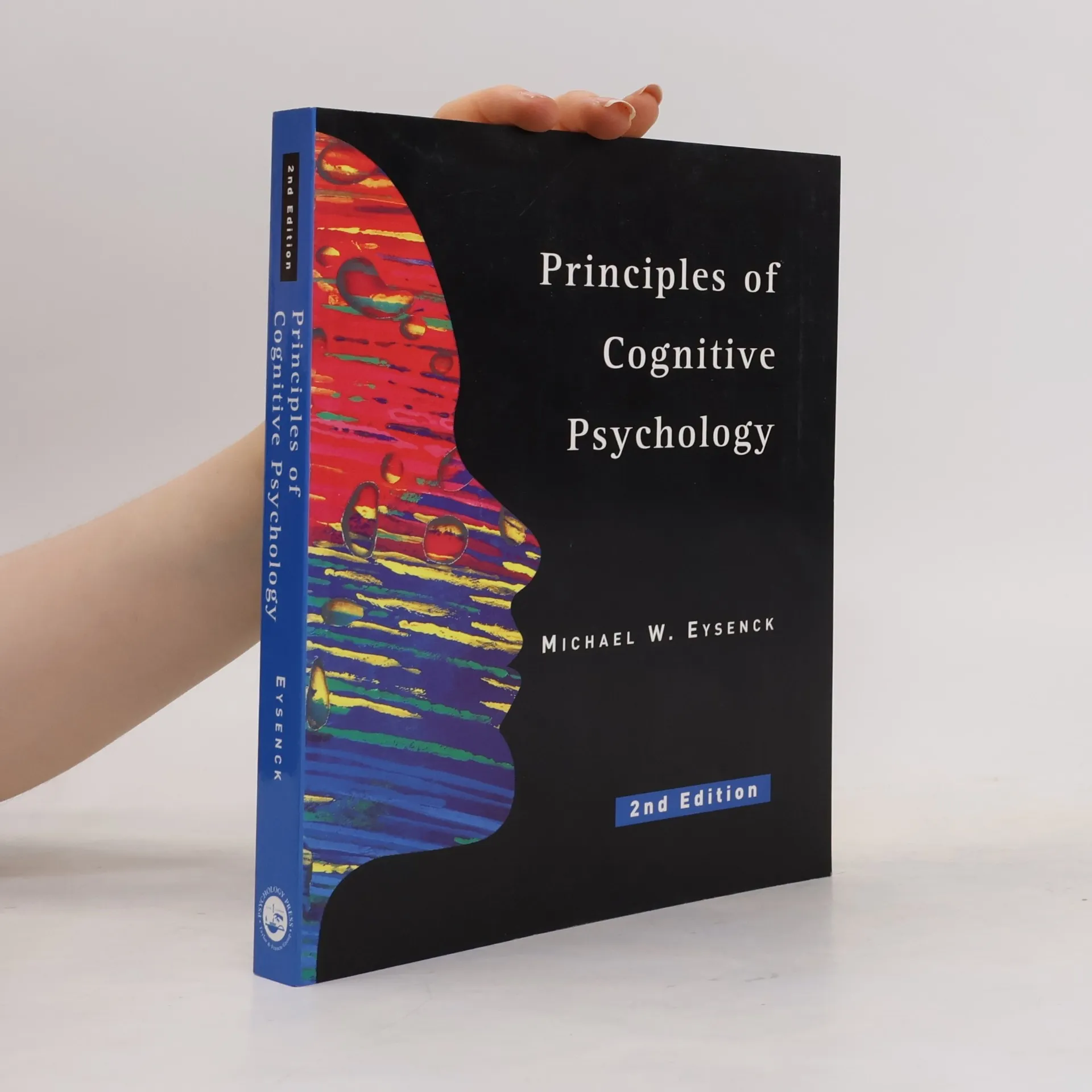
Principles of Cognitive Psychology: 2nd Edition
- 448 stránek
- 16 hodin čtení
This is a title in the modular "Principles of Psychology Series," designed for A-level and other introductory courses. Cognitive psychology is a large and expanding area within psychology as a whole. However, there are certain topics, such as perception, memory, language and reasoning, which are generally regarded as being of fundamental importance. It is this core of cognitive psychology which is the focus of this book. If you have ever wondered how we perceive the world, or use language, or remember information, then this book aims to provide insights into our performance of these activities.
Der durchsichtige Mensch
- 219 stránek
- 8 hodin čtení
