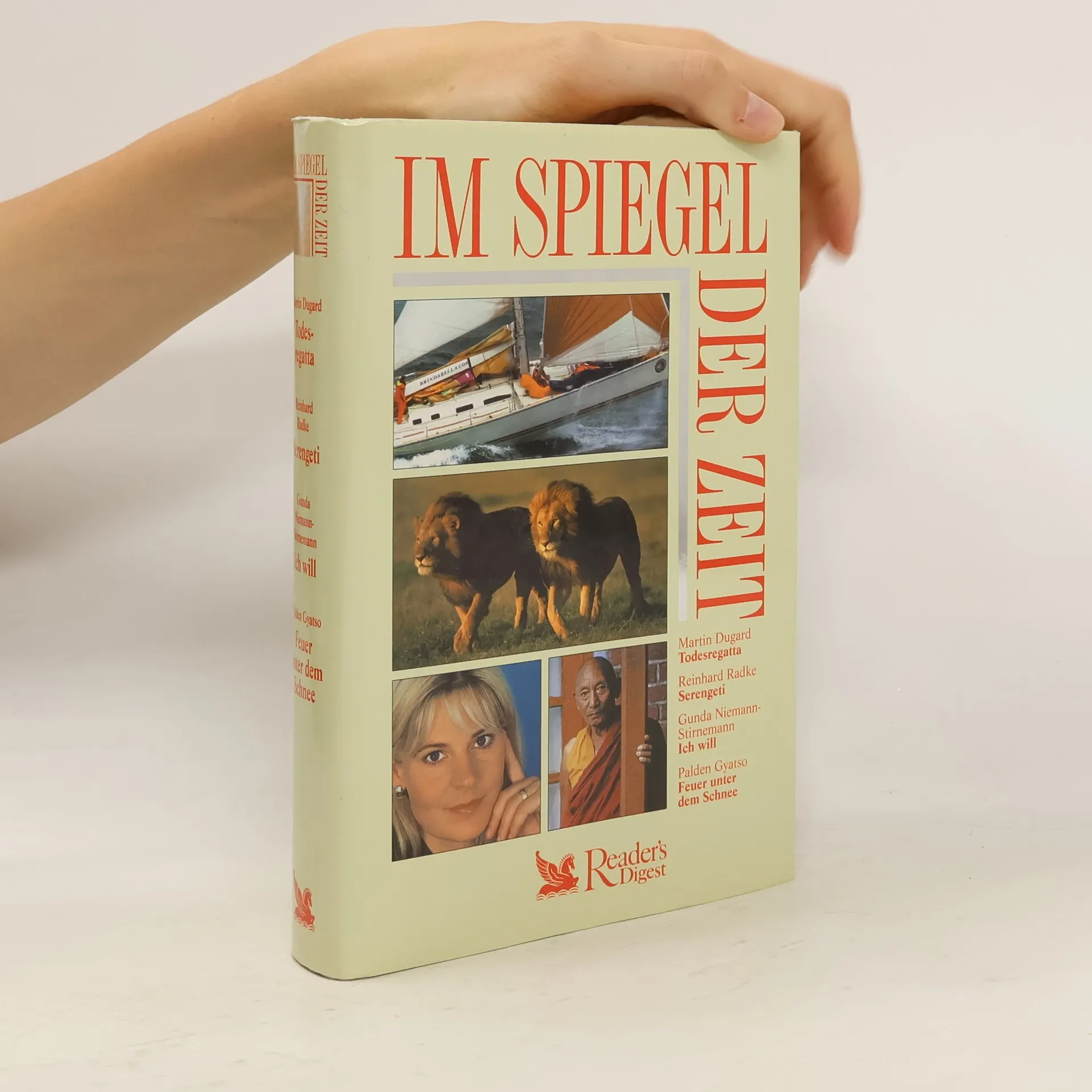
Im Spiegel der Zeit. Todesregatta. Serengeti. Ich will. Feuer unter dem Schnee.
- 549 stránek
- 20 hodin čtení

Palden Gyatso byl tibetským buddhistickým mnichem, jehož život formovalo dlouholeté uvěznění a mučení v čínských táborech. Navzdory nelidským podmínkám si uchoval oddanost buddhistickému učení. Po propuštění se stal svědkem čínské okupace Tibetu a šířil povědomí o svém utrpení a tibetském odboji. Jeho autobiografie zachycuje sílu ducha tváří v tvář útlaku.
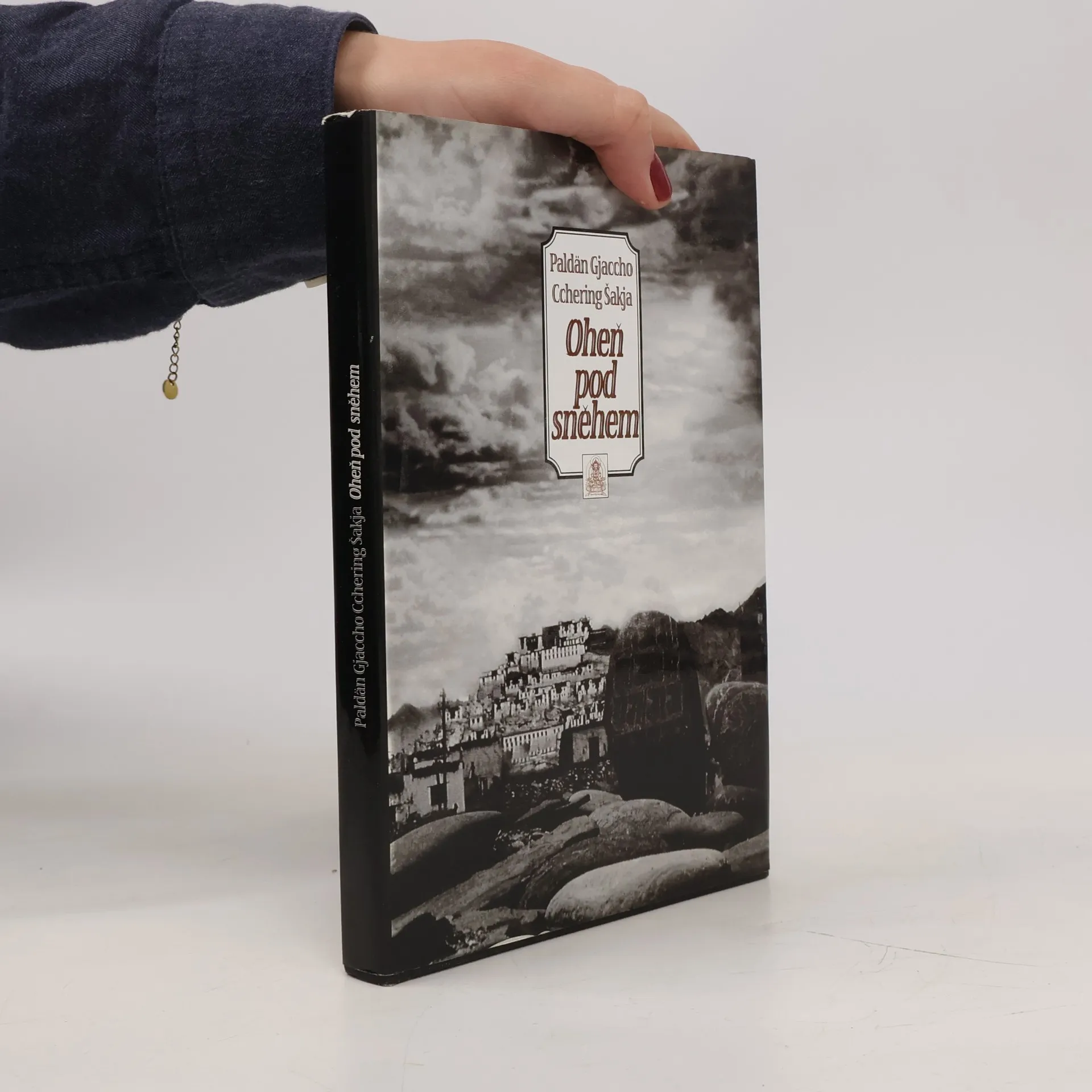


Born in 1933 in a Tibetan village, Palden Gyatso became a monk and studied at the prestigious Drepung Monastery. His life took a drastic turn with the Chinese invasion of Tibet in 1950, leading to severe political and cultural repression. In 1959, he was imprisoned and tortured for thirty-three years due to his beliefs. After escaping to India in 1992, he has dedicated himself to exposing the harsh realities of Chinese oppression and honoring the resilience of Tibetan culture amidst ongoing challenges.
In 1960 werd de Tibetaanse monnik Palden Gyatso gevangengenomen door de Chinese bezetters van zijn land. Hij was toen in de twintig en zou meer dan dertig jaar in gevangenissen doorbrengen - vernederd, gemarteld en steeds onder de meest erbarmelijke omstandigheden. Nadat hij door Amnesty International was geadopteerd als gewetensgevangene, werd Palden Gyatso in 1992 eindelijk vrijgelaten. In 'Het vuur onder de sneeuw' vertelt Palden Gyatso het verhaal van zijn land en zijn volk, en van hun lange onderdrukking - een verhaal dat gruwelijk maar ook fascinerend en inspirerend is: hoe een klein, afgesloten land te lijden krijgt onder een grote agressor en hoe een koppig individu zich ondanks alles staande houdt en geestelijk groeit.
If you've ever wondered what it's like to walk in the shoes of a Tibetan monk, you're in for a shocker. Palden Gyatso followed his heart into the monastery at the age of 10 to study under his uncle, also a monk. By his mid-20s, when he should have been preparing for a higher degree, he instead found himself behind the bars of a Chinese communist prison. For the next 30 years, he would endure interrogations, deprivation, starvation, beatings, and psychological torture. When he was finally released in 1992, he fled the country, managing to smuggle out not only the names of his fellow prisoners but Chinese instruments of torture to show the world. With the help of translator Tsering Shakya, Palden Gyatso has crafted his story into a fluid yet surprisingly dispassionate account of his time in prison. Still, it is almost impossible not to be swept along on waves of pity, horror, and compassion as he suffers unspeakably at the hands of his tormentors. To understand the plight of one Tibetan monk is to step behind the eyes of an entire people. --Brian Bruya