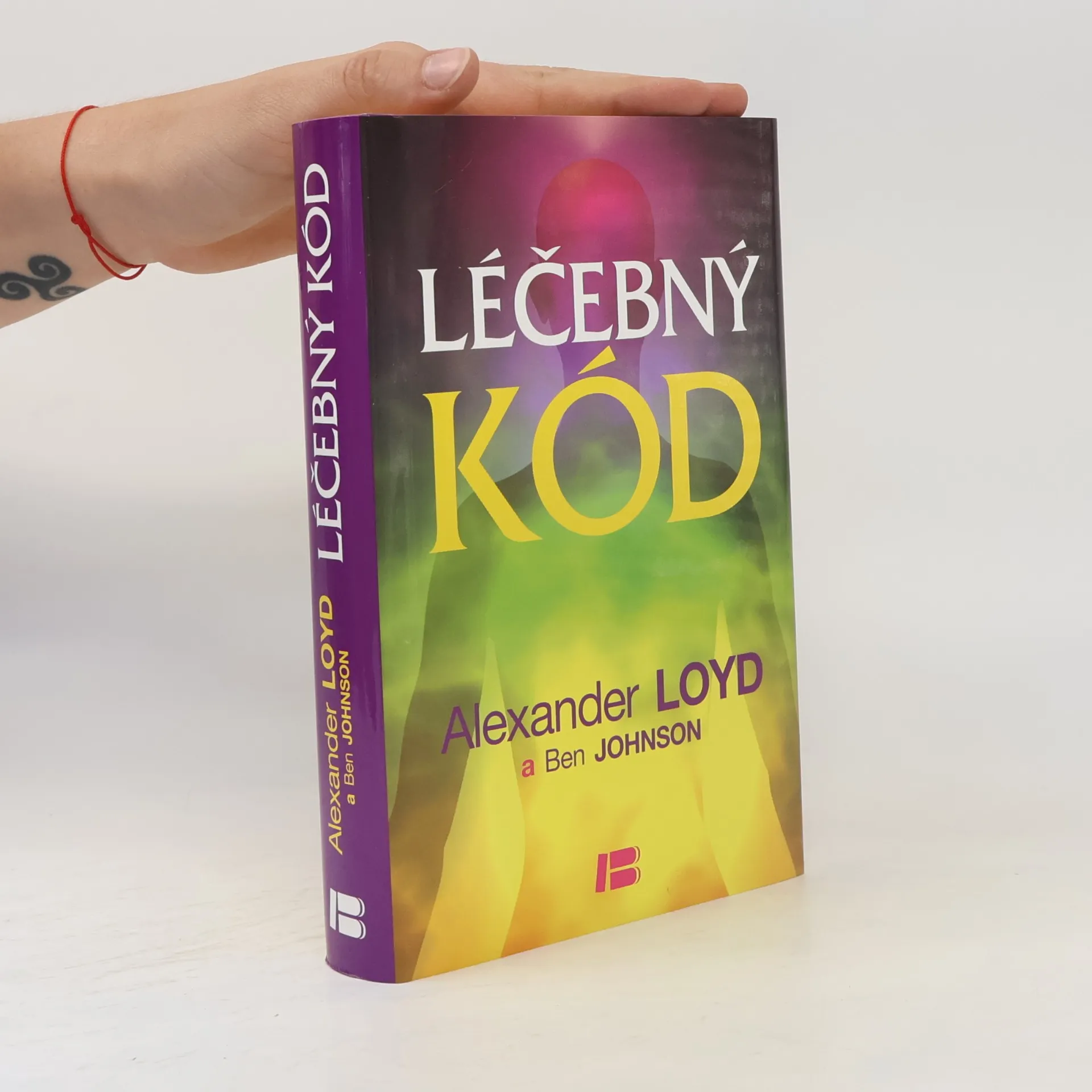
Metoda léčebných kódů byla Alexi Loydovi doslova vnuknuta při návratu domů ze semináře, a jak sám v úvodu knihy píše, byla to odpověď na dvanáct let trvající hledání léku na těžké deprese jeho manželky. Zrodila se tak zcela unikátní léčebná metoda, kterou může člověk provádět sám a využívat ji k léčení téměř všech fyzických i psychických nemocí a také k odstranění problémů týkající se vztahů a kariéry. Alex Loyd popisuje tuto metodu velmi svěžím a snadno pochopitelným způsobem a její účinnost dokládá výpověďmi lidí, jimž zcela zásadně změnila život. Systém léčebných kódů vychází z kvantové fyziky a jeho základem je odstranění problému přímo v jeho zdroji, nikoli pouhých symptomů. Je to metoda snadná a její základní cvičení trvá pouhých šest minut, ale svědectví mnoha klientů Dr. Loyda jasně dokazují, že i za tak krátkou chvíli se člověk může zbavit stresu vyvolaného destruktivními buněčnými vzpomínkami, jež způsobují vznik různých nemocí a dalších problémů. Stačí otevřít knihu a pustit se do toho!
Ben Jonson Knihy
Benjamin Jonson byl anglický renesanční dramatik, básník a herec. Současník Williama Shakespeara, je nejlépe známý svými satirickými hrami, zejména díly Volpone, The Alchemist a Bartholomew Fair, které jsou považovány za jeho nejlepší, a svými lyrickými básněmi. Jonson, muž s rozsáhlým vzděláním a zdánlivě nenasytnou chutí k polemikám, měl bezkonkurenční vliv na jakobinské a karolinské dramaturgii a básníky.



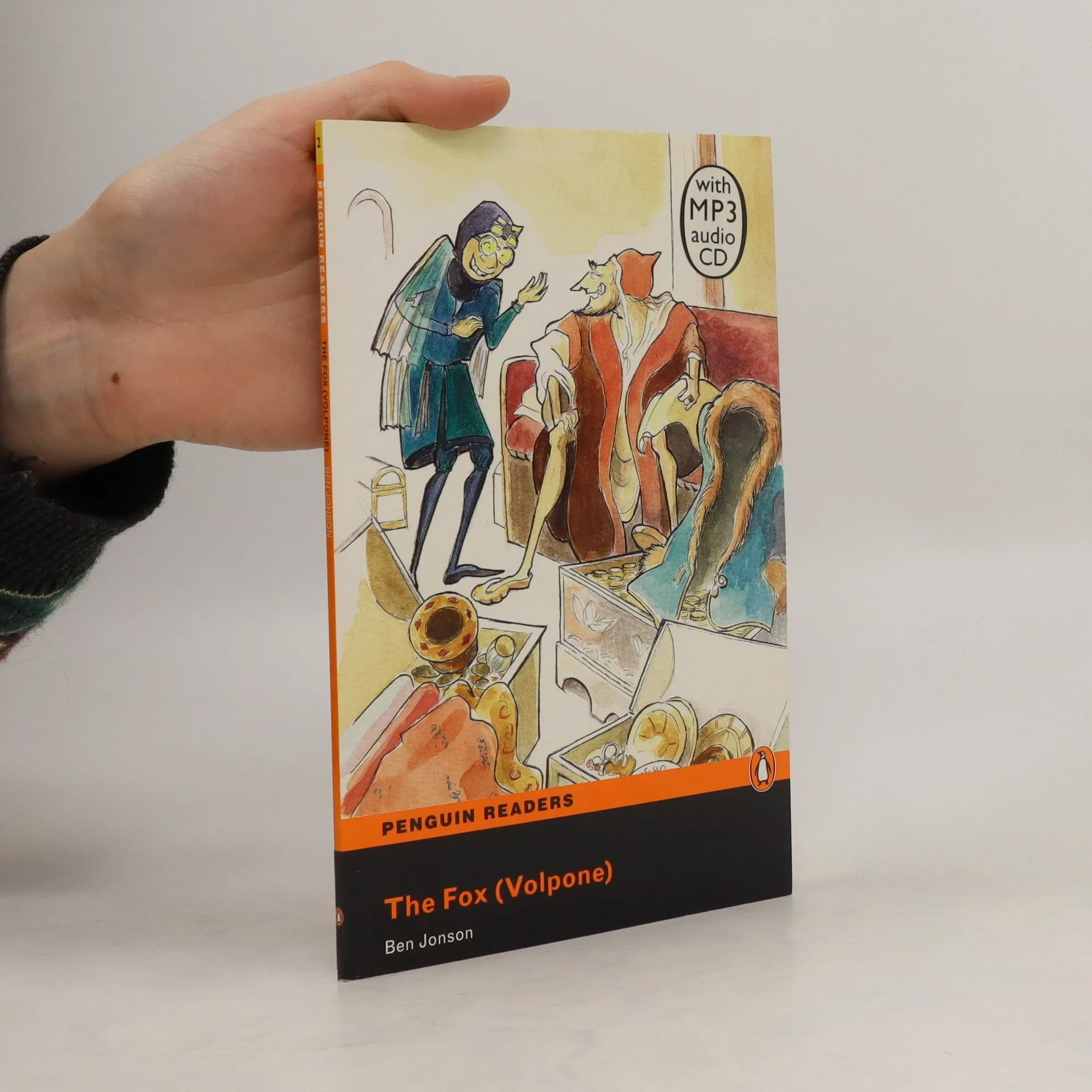
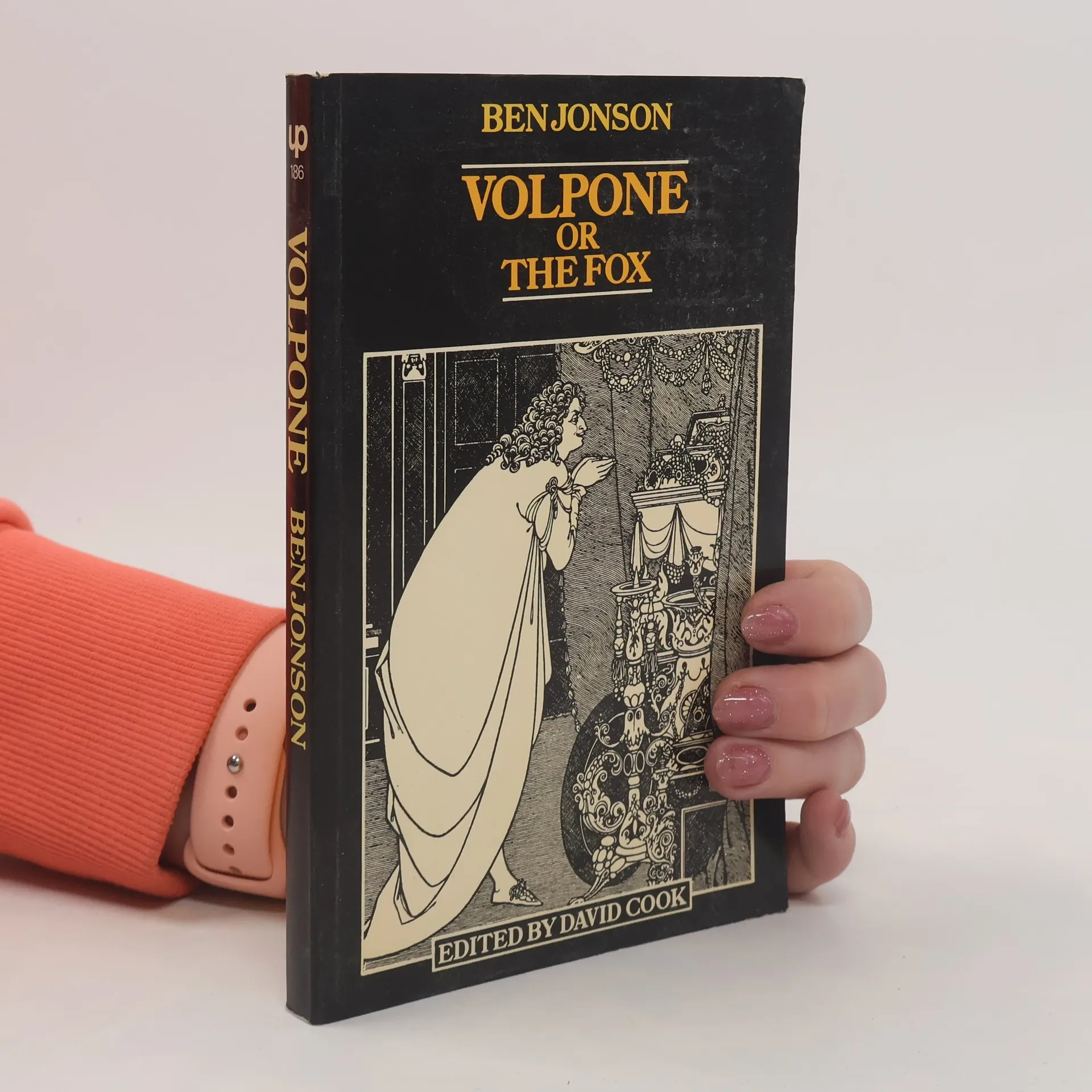
The Fox
- 48 stránek
- 2 hodiny čtení
This funny play is about rich people. These people always want more money, so Volpone and his servant play a game. People think Volpone is dying. They bring beautiful things for him. They want his money after he dies. But what will happen to Volpone's money? Who will win - and who will lose?
The book explores the life and works of Benjamin Jonson, a pivotal figure in English literature known for his innovative contributions to comedy and poetry. He popularized the comedy of humours and is celebrated for his satirical plays such as Every Man in His Humour, Volpone, The Alchemist, and Bartholomew Fair. Jonson's influence on stage comedy and his mastery of lyric and epigrammatic poetry solidify his status as the second most significant English dramatist of the early 17th century, following Shakespeare.
The five plays in this collection are Everyman in his Humour, the tragedy Sejanus, Volpone, The Alchemist, and Bartholomew Fair. They represent the full range and complexity of Jonson's art as a playwright. The text is the modernized version of Herford and Simpson's edition (OUP 1925-52), with full annotation.
Every Man in His Humour
- 112 stránek
- 4 hodiny čtení
The play provides a humorous yet sharp depiction of early 17th-century London society, showcasing characters from diverse social backgrounds. As they interact and confront the challenges of urban life, their stories reveal the intricacies and absurdities of human behavior, making it a timeless exploration of social dynamics and personal quirks.
The Unfortunates
- 176 stránek
- 7 hodin čtení
A gift "book in a box" by one of Britain's greatest modern writers, hailed as "a triumph" by The New York Times Book Review.
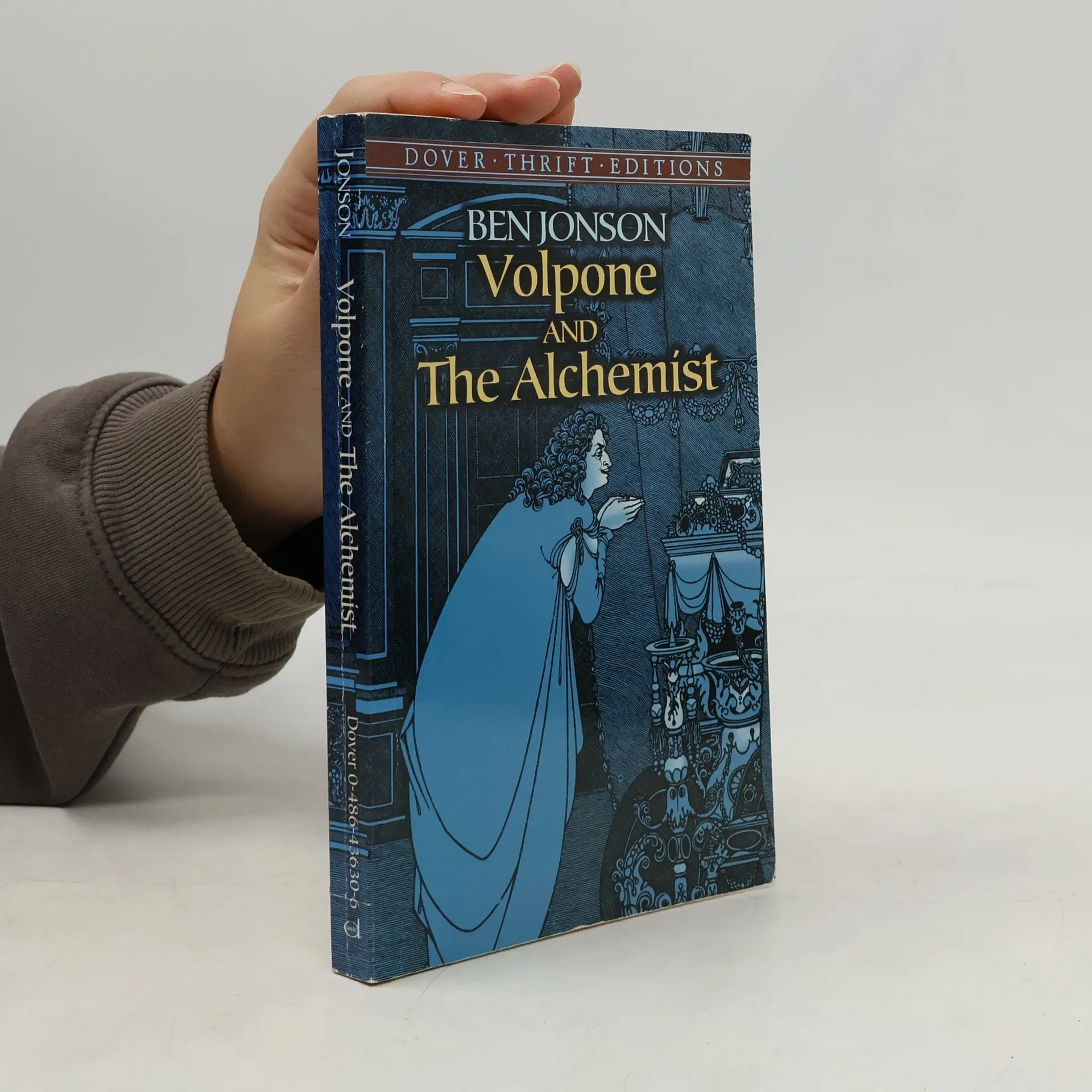
Dover Thrift Editions: Volpone and The Alchemist
- 256 stránek
- 9 hodin čtení
Much-studied and frequently performed, these comedies by the great Elizabethan playwright Ben Jonson satirize the greed, mendacity, gullibility, and pretension of seventeenth-century London society. Both plays abound in colorful characters, ingenious plotting, biting wit, and sharp insight into human nature.In Volpone (1605), a crafty rich man attempts to augment his wealth by feigning a mortal illness. His wealthy neighbors, spying the opportunity for an inheritance, vie with each other in courting the “dying” man’s favor. The Alchemist (1610) comprises a likewise avaricious cast, headed by a butler and prostitute who join forces with a swindler claiming to possess the philosopher's stone. The trio hosts a parade of eager victims whose hypocrisy and greed place them on a moral footing similar to that of the tricksters. Both plays offer sparkling examples of their author's novel approach to satire and his distinctive blend of savagery, humor, moralism, and a powerful sense of the absurd.
Bartholomew Fair
- 154 stránek
- 6 hodin čtení
The book explores the life and work of Benjamin Jonson, an influential English playwright and poet known for his significant contributions to stage comedy and poetry. It highlights his role in popularizing the comedy of humours and showcases his most notable works, including satirical plays like Every Man in His Humour and Volpone. Jonson's artistry earned him recognition as one of the foremost English dramatists of his time, second only to Shakespeare, particularly during the reign of James I.
Three Comedies
- 500 stránek
- 18 hodin čtení
Shakespearers"s nearest rival created in Volpone and The Alchemist hilarious portraits of cupidity and chicanery, while in Bartholomew Fair he portrays his fellow Londoners at their most festive-and most bawdy.
The sharpest, funniest comedy about money and morals in the 17th century is still the sharpest and funniest about those things in the 21st. The full, modernised play text is accompanied by incisive commentary notes which communicate the devastating comic energy of Volpone's satire. The introduction provides a firm grounding in the play's social and literary contexts, demonstrates how careful close-reading can expand your enjoyment of the comedy, shows the relevance of Jonson's critique to our modern economic systems, and provides a clear picture of how the main relationships in the play function on the page and stage. Supplemented by a plot summary and annotated bibliography, it is ideal for students of Jonson, city comedy and early modern drama.
The Alchemist
- 248 stránek
- 9 hodin čtení
This beautifully produced, unabridged edition of The Alchemist, Ben Jonson's most celebrated comedy, is an essential addition to any bibliophile's library.
Epicoene; Or, The Silent Woman
- 228 stránek
- 8 hodin čtení
The book explores the life and contributions of Benjamin Jonson, an influential English playwright and poet known for shaping the comedy of humours. His notable works include satirical plays such as Every Man in His Humour, Volpone, The Alchemist, and Bartholomew Fair, alongside his lyric and epigrammatic poetry. Regarded as the second most significant English dramatist after Shakespeare during the reign of James I, Jonson's artistry has left a lasting legacy on both poetry and stage comedy.
This book is a reproduction of a historical work, published by Megali, which focuses on making literature more accessible for individuals with impaired vision through large print. The initiative underscores the importance of inclusivity in reading and preserving historical texts for a wider audience.
Focusing on accessibility, this publication is a reproduction of a historical work presented in large print, catering specifically to readers with impaired vision. The Megali publishing house is dedicated to making literature more accessible, ensuring that important texts remain available to a wider audience.
Focusing on accessibility, this book is a reproduction of a historical work presented in large print, catering specifically to individuals with impaired vision. Published by Megali, a house dedicated to making literature more accessible, it emphasizes the importance of preserving historical texts while ensuring they are readable for all.
This work is a reproduction of a historical text, specifically designed in large print to enhance accessibility for individuals with impaired vision. The publishing house Megali focuses on making such texts available, ensuring that important historical works are easier to read for a broader audience.
This book is a reproduction of a historical work, published by Megali, a house dedicated to creating large print editions. The focus on accessibility aims to assist readers with impaired vision, ensuring they can enjoy and engage with significant literary contributions from the past.
This book offers hundreds of tips on improving your chess and chess study. As the Perpetual Chess Podcast host, USCF Master Ben Johnson has spent hundreds of hours talking chess with many of the world's top players and most accomplished trainers. In the popular Adult Improver Series, he has spoken with dozens of passionate amateurs who have elevated their games significantly while pursuing chess as a hobby. Guests like former World Champion Viswanathan Anand and YouTube Stars IM Levy Rozman and GM Hikaru Nakamura have shared insights and told memorable stories. And Ben has learned just as much from the many dedicated amateurs who applied their considerable professional (non-chess) experience to their chess learning. In Perpetual Chess Improvement, Ben looks for common ground and shared principles in all chess advice given on the podcast.
A quintesstential selection of the dramatic work of Ben Jonson, this edition features the plays Poetaster, Sejanus, The Devil is an Ass, and New Inn. Jonson's work is renowned for its wit and biting religions and social commentary these four plays are no exception. The plays featured in this edition have been freshly edited from the earliest printed texts. The introduction focuses on the interaction between poet and state authority, and the need for new productions of these rarely performed classics from our dramatic heritage.
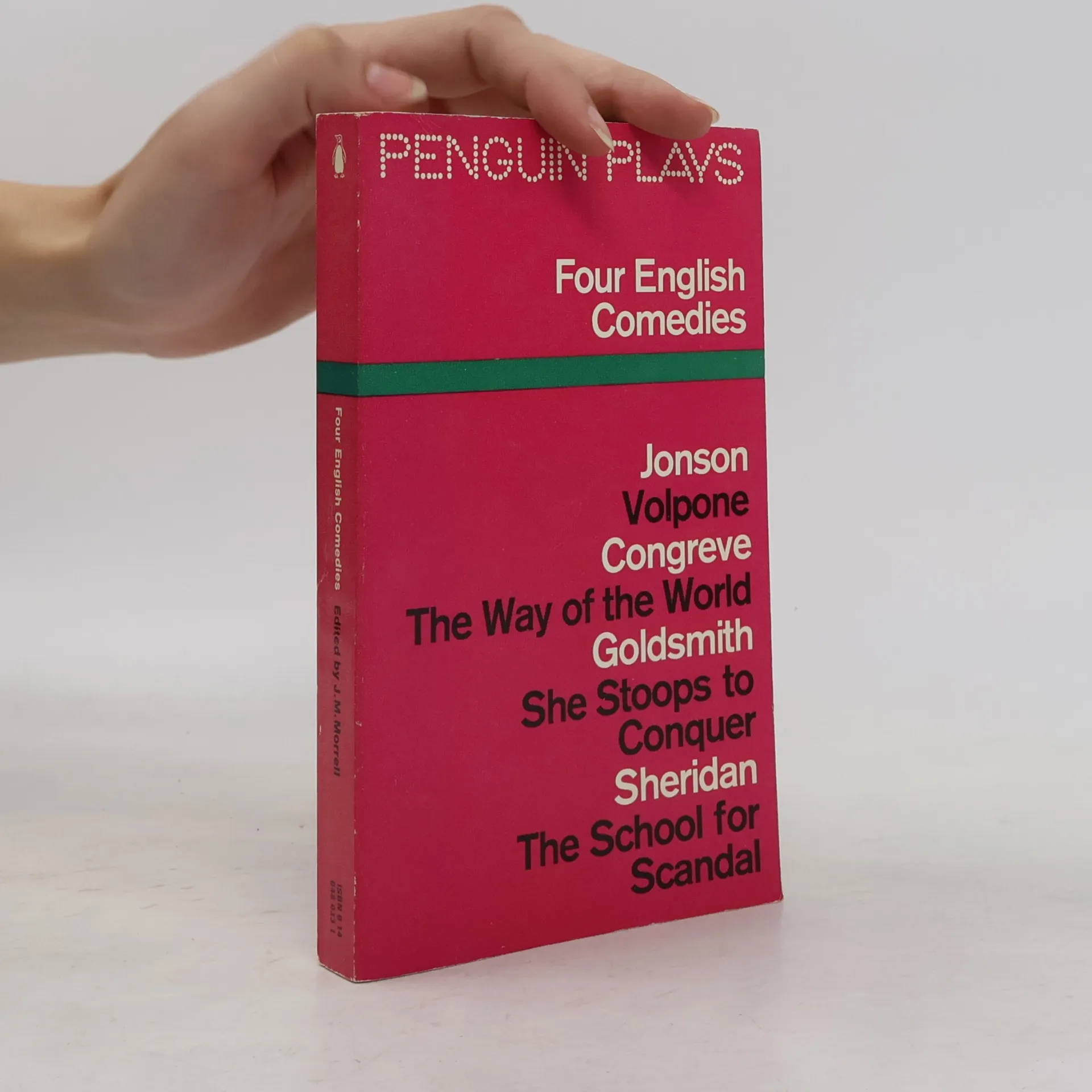
Penguin Plays: Four English Comedies of the 17th and 18th Centuries
Volpone; The Way of The World; She Stoops to Conquer; The School For Scandal
- 416 stránek
- 15 hodin čtení
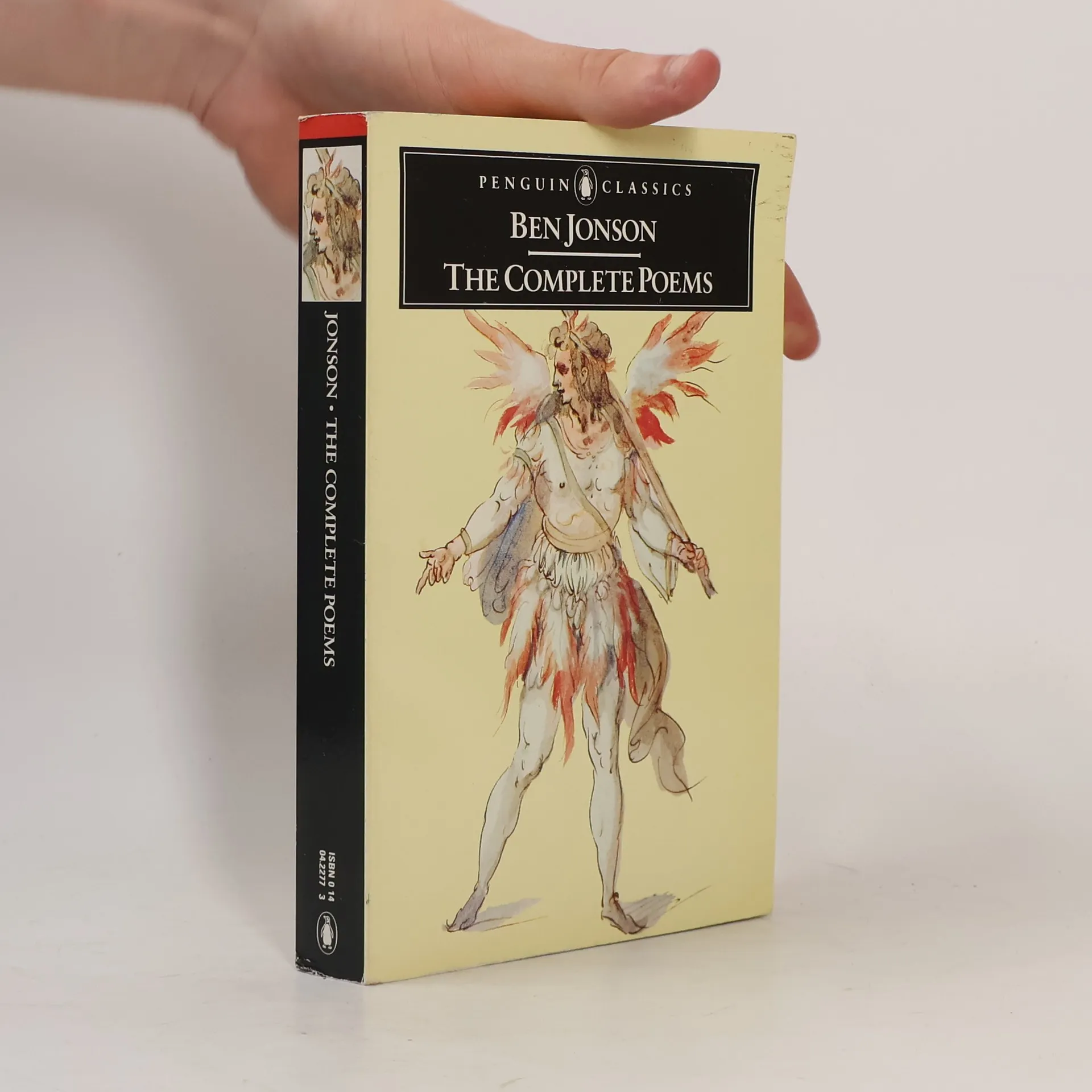
The Complete Poems
- 640 stránek
- 23 hodin čtení
Contains poetry Ben Jonson, one of the greatest English playwrights of the 17th century and also a lyric poet. The poems included are: Epigrams, The Forest and Underwoods, On My First Son, Song to Celia, On Poet-Ape, and An Ode to Himself. They offer a celebration of both one man's life, and of an age.
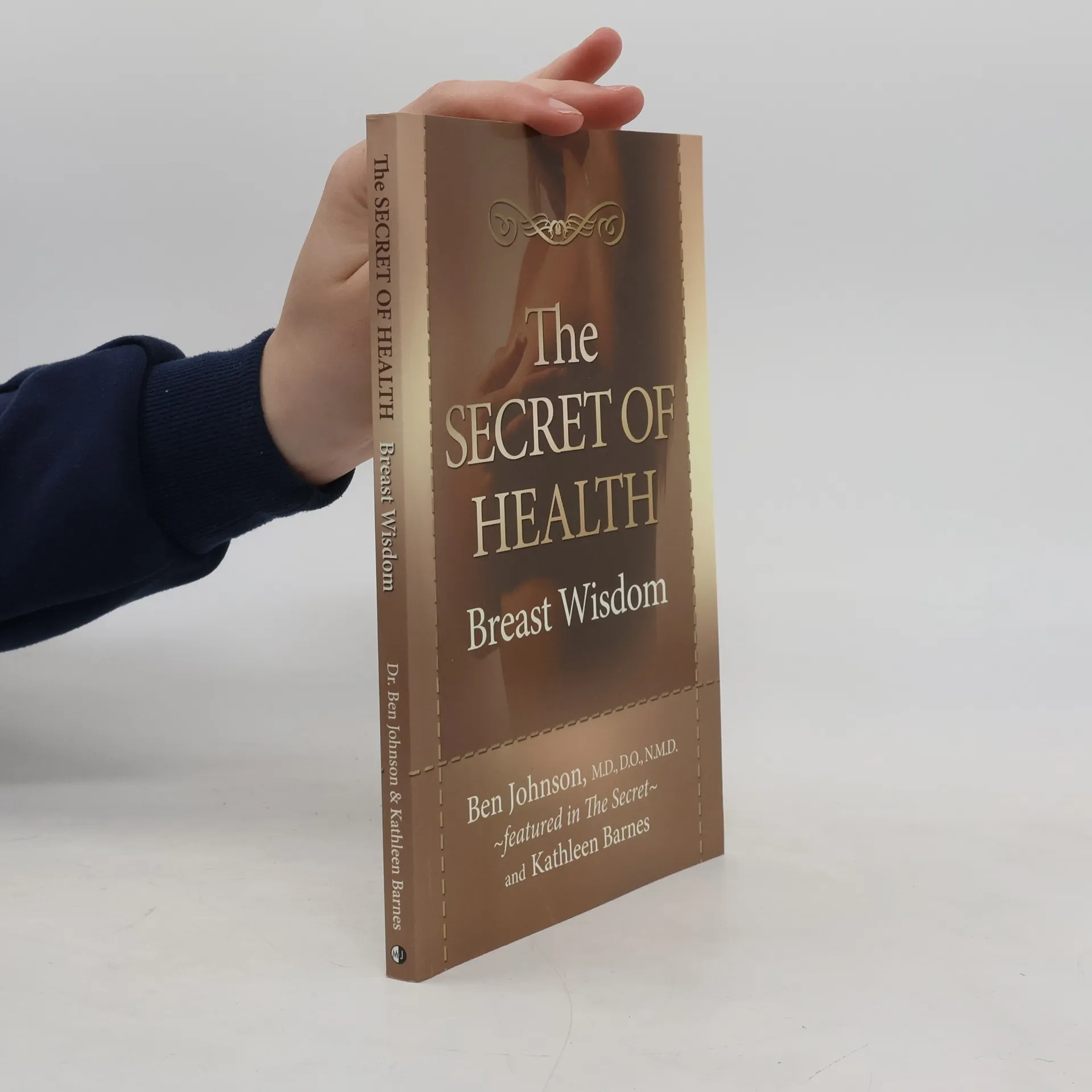
Focusing on the principles of the Law of Attraction, this book combines motivational insights with practical guidance for breast health. It offers readers strategies for maintaining wellness and recovering from breast disease, making it a valuable resource for those seeking both inspiration and actionable advice.
»Dem Shakespeare fehlts an Kunst!«
Ben Jonson über sich und die Literatur seiner Zeit
- 128 stránek
- 5 hodin čtení
Il dottor Sottile, l'alchimista
- 98 stránek
- 4 hodiny čtení
Uno dei capolavori assoluti di Jonson e del teatro comico di tutti i tempi, L'Alchimista è nota come la commedia dell'intreccio più perfetto che mai sia stato escogitato. Siamo nell'Inghilterra del seicento, la peste è alle porte, chi può scappa, Londra è nelle mani dei servi, dei delinquenti. Tra questi il noto Facciatosta incaricato dal suo padrone di controllare la casa durante la sua fuga, approfitta dello smarrimento generale e stringendo un patto con un suo pari, il famoso Dottor Sottile, "alchimista-mago-truffatore in grande stile" e della sua degna comare Dora attirano nella casa abbandonata uomini e donne di ogni rango e di ogni età, ingannandoli con oroscopi e carte astrali, profetizzando fortune, vincite al gioco e amori senza fine. Fonti di questa commedia sono il Poenolus e la Mostellaria di Plauto. Ciò che questa regia tende maggiormente a sottolineare è la capacità a delinquere di alcuni personaggi e la masochistica predisposizione ad essere raggirati di altri. Non sarà difficile ad una platea moderna riconoscere, pur se in abiti e in un contesto secentesco alcuni ciarlatani con i quali quotidianamente ci si imbatte sugli schermi televisivi e sulle pagine dei giornali. Infine l'Alchimista presenta una incredibile serie di personaggi a partire da Facciatosta spietata figura di truffatore fino al Dott. Sottile, personalità dalle mille sfumature, di forte presa sul pubblico tanto da entrare nel linguaggio comune.