


In "Being in Flux," Rein Raud challenges traditional realist ontologies by proposing a radical process ontology. He argues that objects are fields of dynamic tensions rather than fixed entities. The book explores identity, time, and agency through various philosophical lenses, making it essential for students and scholars in philosophy and the humanities.
Rein Raud Knihy
Rein Raud je autorem, jehož dílo čerpá z hlubokého porozumění literárním teoriím a klasické japonské filozofii. Jeho próza se vyznačuje promyšlenou strukturou a často se zabývá otázkami identity a kulturního střetu. Raudova schopnost propojit akademické poznatky s poutavým vyprávěním činí jeho knihy obohacující pro každého čtenáře. Jeho styl je zároveň precizní i poetický, odrážející jeho rozsáhlé znalosti literatury a myšlení.


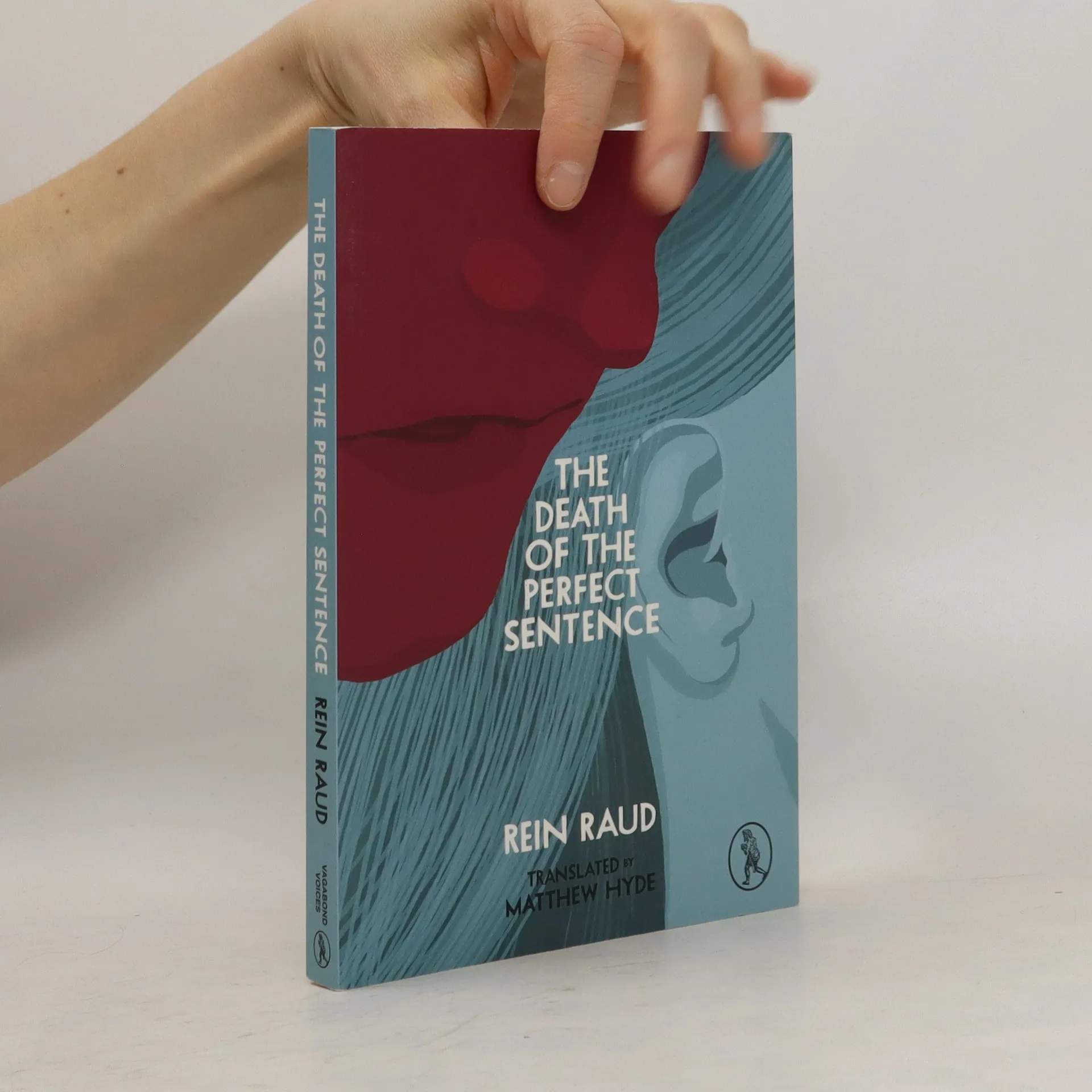
The Death of the Perfect Sentence
- 192 stránek
- 7 hodin čtení
This thoughtful spy novel cum love story is set mainly in Estonia during the dying days of the Soviet Union, but also in Russia, Finland, and Sweden. A group of young pro-independence dissidents devise a scheme for smuggling copies of KGB files out of the country, and their fates become entangled, through family and romantic ties, with security services never far behind them. Multiple viewpoints evoke the curious minutiae of everyday life, offer wry observations on the period through personal experience, and ask universal questions about how interpersonal relationships are affected when caught up in momentous historical changes. This sometimes wistful examination of how the Estonian Republic was reborn speaks also of the courage and complex chemistry of those who pushed against a regime whose then weakness could not have been known.
Asian Worldviews
- 330 stránek
- 12 hodin čtení
This book aims to introduce readers to the rich intellectual traditions of Asia, encompassing India, China, Japan, Korea, Tibet, and Southeast Asia, which have historically influenced one another and share significant aspects of their heritage. It serves as both an introductory textbook for future specialists and a resource for those interested in fields outside Asian studies, such as religious studies, Western philosophy, and political science. No prior knowledge of the region's history or cultures is required, and the text avoids specific debates while minimizing the use of names and terms. Just as familiarity with figures like St. Augustine, Aristotle, and Marx is expected in Western contexts, readers should also recognize key concepts and names presented in bold from various Asian perspectives. The book strives for balanced coverage across different teachings, schools, and figures typically included in introductory intellectual histories. Notably, it gives more attention to authors and ideas often overlooked in similar works, such as feminist theorists, ensuring a more comprehensive exploration of the intellectual landscape.