The author unmasks modern politics and reveals the great men and women of ideas behind it. What can Samuel Butler's ideas teach us about the oddity of how we choose to organise our societies? How did Frederick Douglass not only expose the horrors of slavery, but champion a new approach to abolishing it? Why should we tolerate snobbery, betrayal and hypocrisy, as Judith Shklar suggested? From Rousseau to Rawls, fascism to feminism and pleasure to anarchy, this is a mind-bending tour through the history of ideas which will forever change your view of politics today
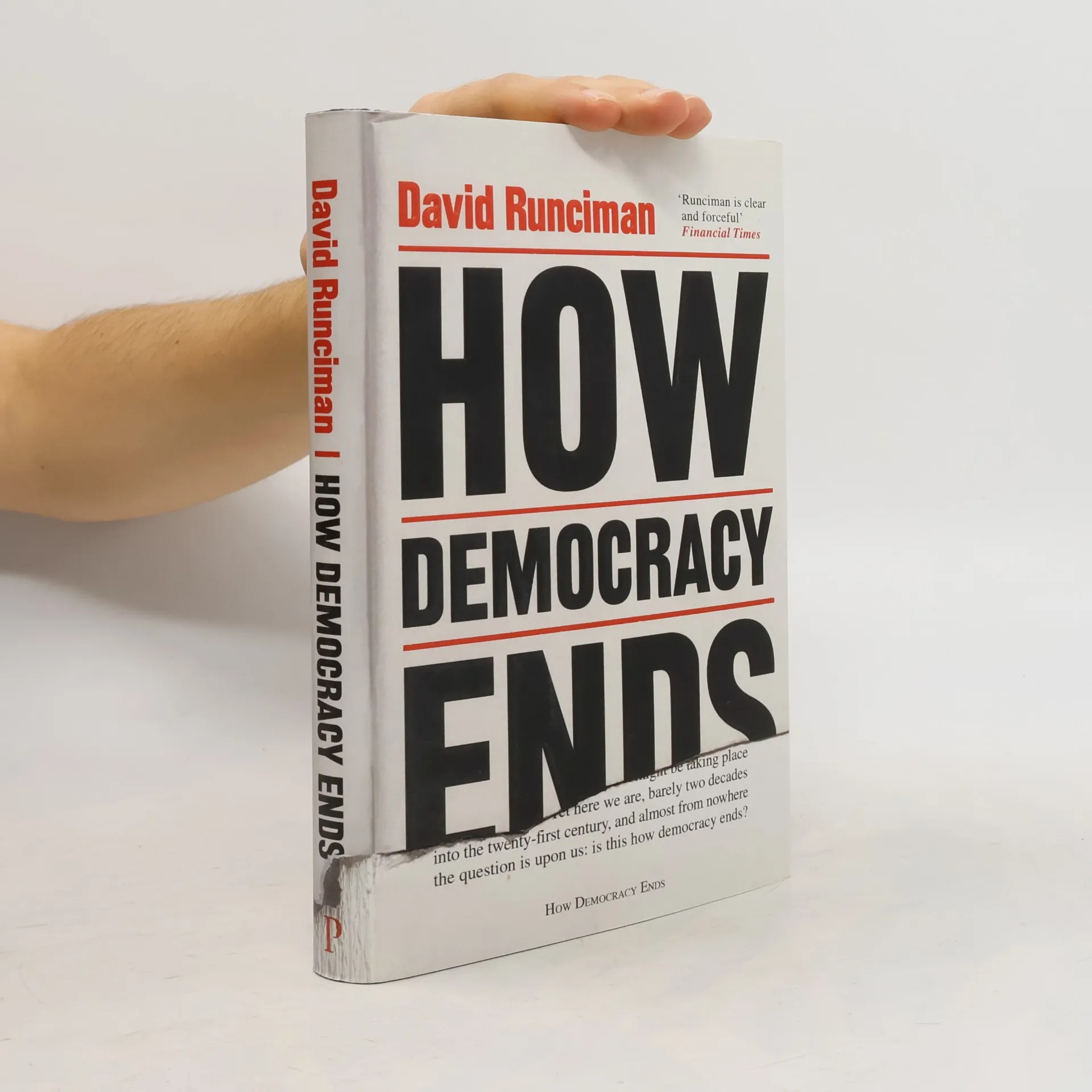
Presented in pellucid prose free of the jargon of academic political science,
How Democracy Ends is a strikingly readable and richly learned contribution to
understanding the world today ... surely one of the most luminously
intelligent books on politics to have been published for many years. John Gray
New Statesman
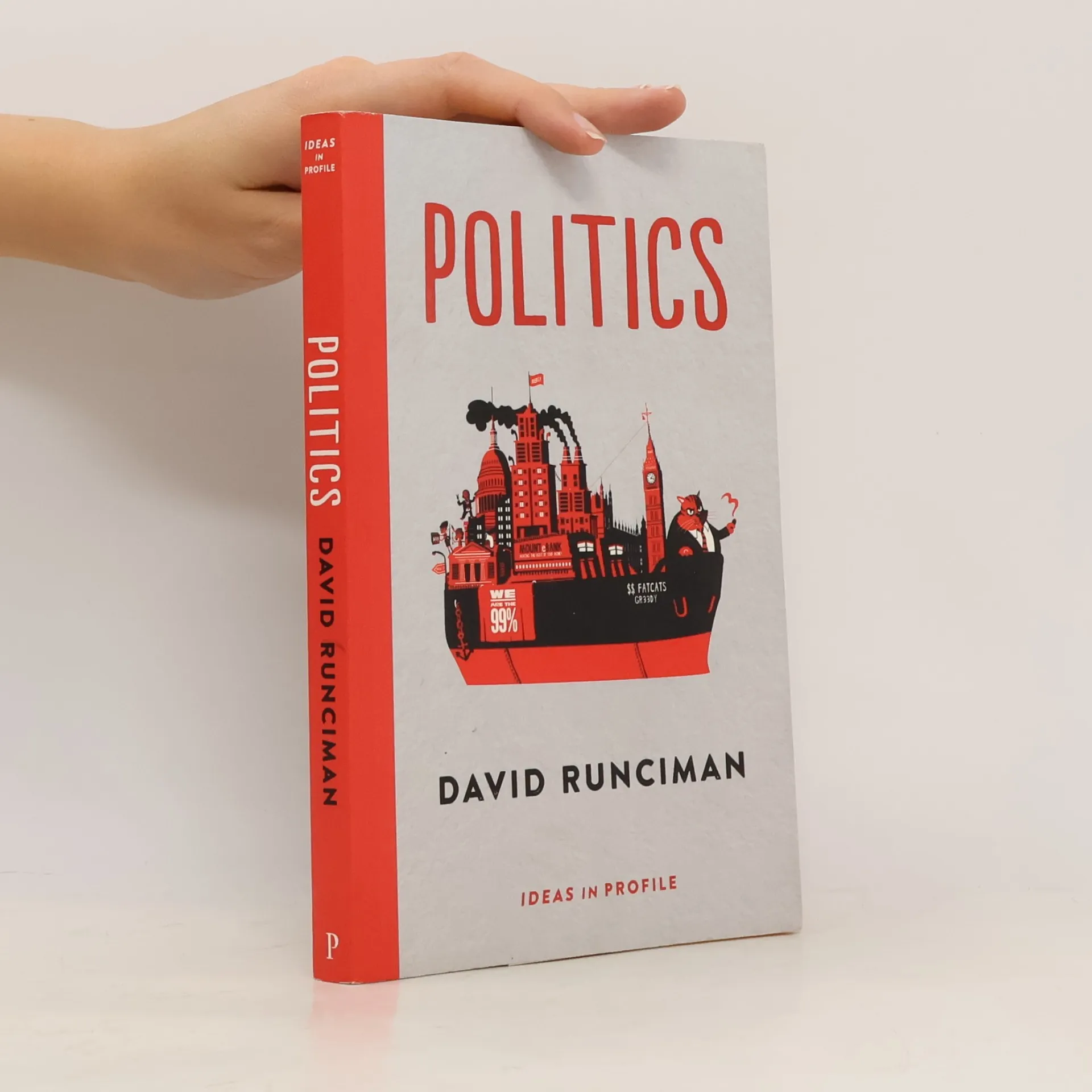
In the first title of an exciting new series one of the world's leading political scientists asks the big questions about politics: what is it, why we do we need it and where, in these turbulent times, is it heading? From the gap between rich and poor to the impact of social media, via Machiavelli, Hobbes and Weber, Runciman's comprehensive short introduction is invaluable to those studying politics or those who want to know how life in Denmark became more comfortable than in Syria.Fusing animation and images from the award winning animators behind RSA Animates, beautifully adapted to both print and digital formats, the Ideas in Profile series boldly reinvents what introductions can and should be in the twenty-first century. Concise, clear, relevant, entertaining, original and global in scope, Politics makes essential reading - and viewing for students and general readers.
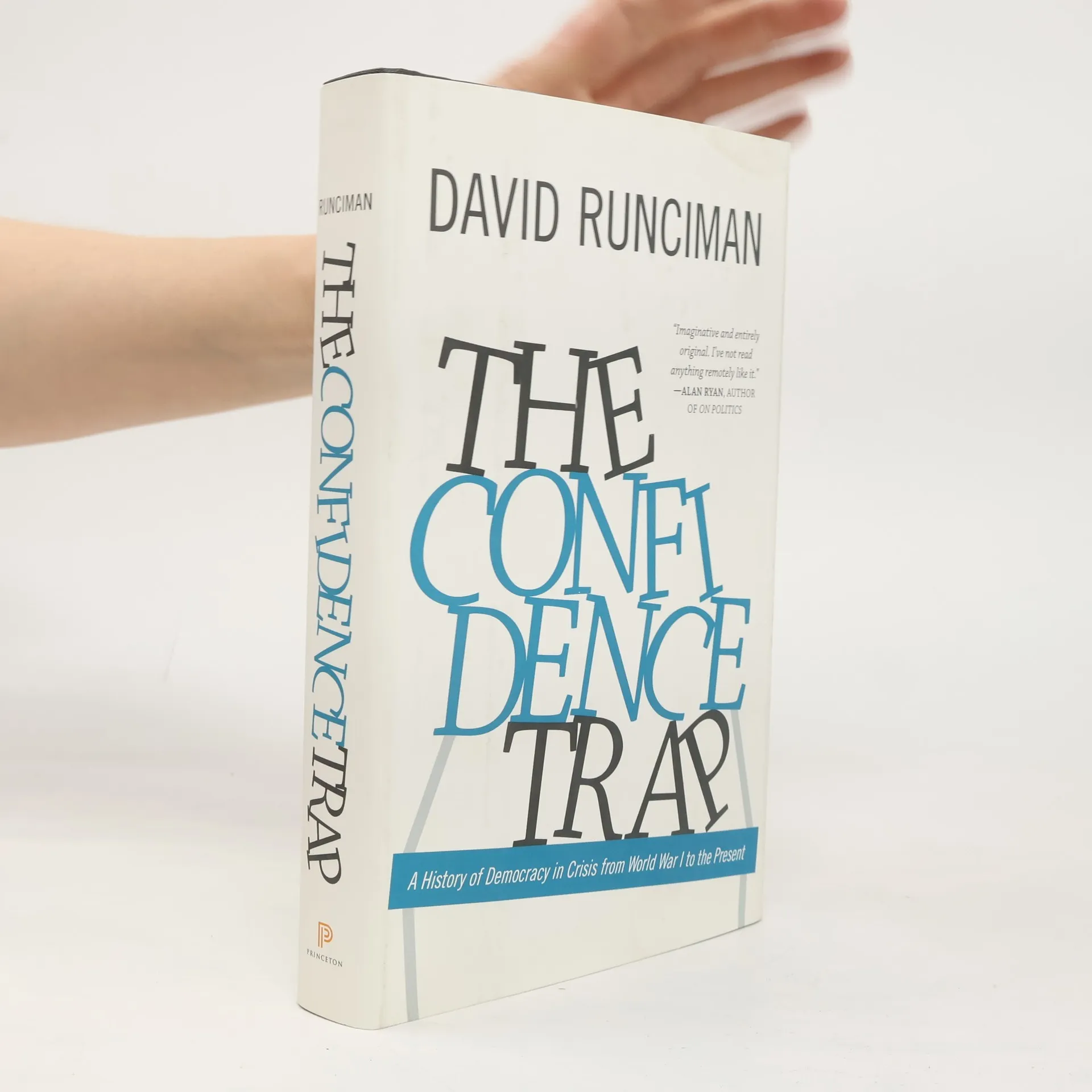
A History of Democracy in Crisis from World War I to the Present
408 stránek
15 hodin čtení
Why do democracies oscillate between success and failure? The current financial crisis exemplifies this pattern, where progress often precedes setbacks. In this compelling narrative, David Runciman explores modern democracy through pivotal crises, spanning from the First World War to the 2008 economic crash. Focusing on global history, particularly the United States, the book examines how democracy has weathered various threats, including the Great Depression, the Cuban missile crisis, Watergate, and the collapse of Lehman Brothers. It also highlights the confusion arising from unexpected victories, such as the defeat of German autocracy in 1918 and communism in 1989. Runciman pays close attention to influential politicians and thinkers, including Woodrow Wilson, Nehru, Adenauer, Fukuyama, and Obama. The narrative reveals that while democracies are adept at recovering from emergencies, they struggle to prevent them. The lessons learned often breed complacency, fostering a dangerous belief that democracies can endure any crisis. This "confidence trap" risks leading to an insurmountable crisis, if it hasn't already occurred. Today, democracy faces serious challenges, including debt, the war on terror, the rise of China, and climate change. To survive, it must find a way to escape this confidence trap.
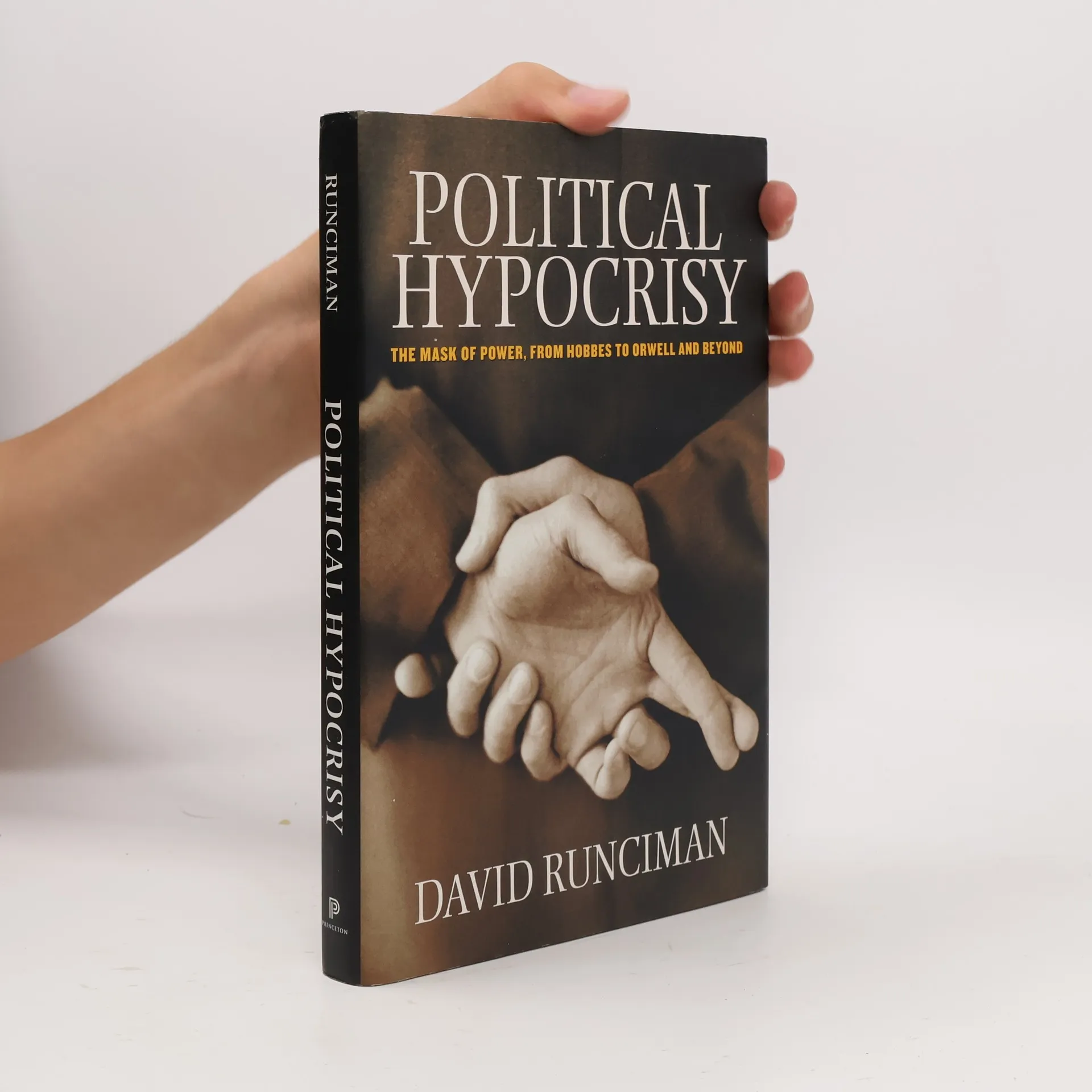
The Mask of Power, from Hobbes to Orwell and Beyond
288 stránek
11 hodin čtení
What kind of hypocrite should voters choose as their next leader? While this question may seem cynical, David Runciman argues that it is more naive to believe politics can be entirely sincere. The most dangerous political hypocrisy lies in claiming to have a politics devoid of it. This timely exploration delves into the complexities of sincerity and truth in politics, offering insights on how to navigate these issues without succumbing to hypocrisy ourselves. Runciman draws lessons from influential thinkers like Hobbes, Mandeville, Jefferson, Bentham, Sidgwick, and Orwell, applying their ideas to various hypocritical politicians from Oliver Cromwell to Hillary Clinton. He contends that we must accept hypocrisy as an inherent aspect of politics but should not resign ourselves to it or embrace it cynically. Instead of striving to eliminate all forms of hypocrisy or seeking perfectly authentic politicians, we should differentiate between harmless and harmful hypocrisies, focusing our concerns on the most damaging types. Written in an engaging style, this book reshapes our understanding of political hypocrisy and prompts us to reconsider the limits of truthfulness in politics, as well as when and how we should expect honesty from our leaders.
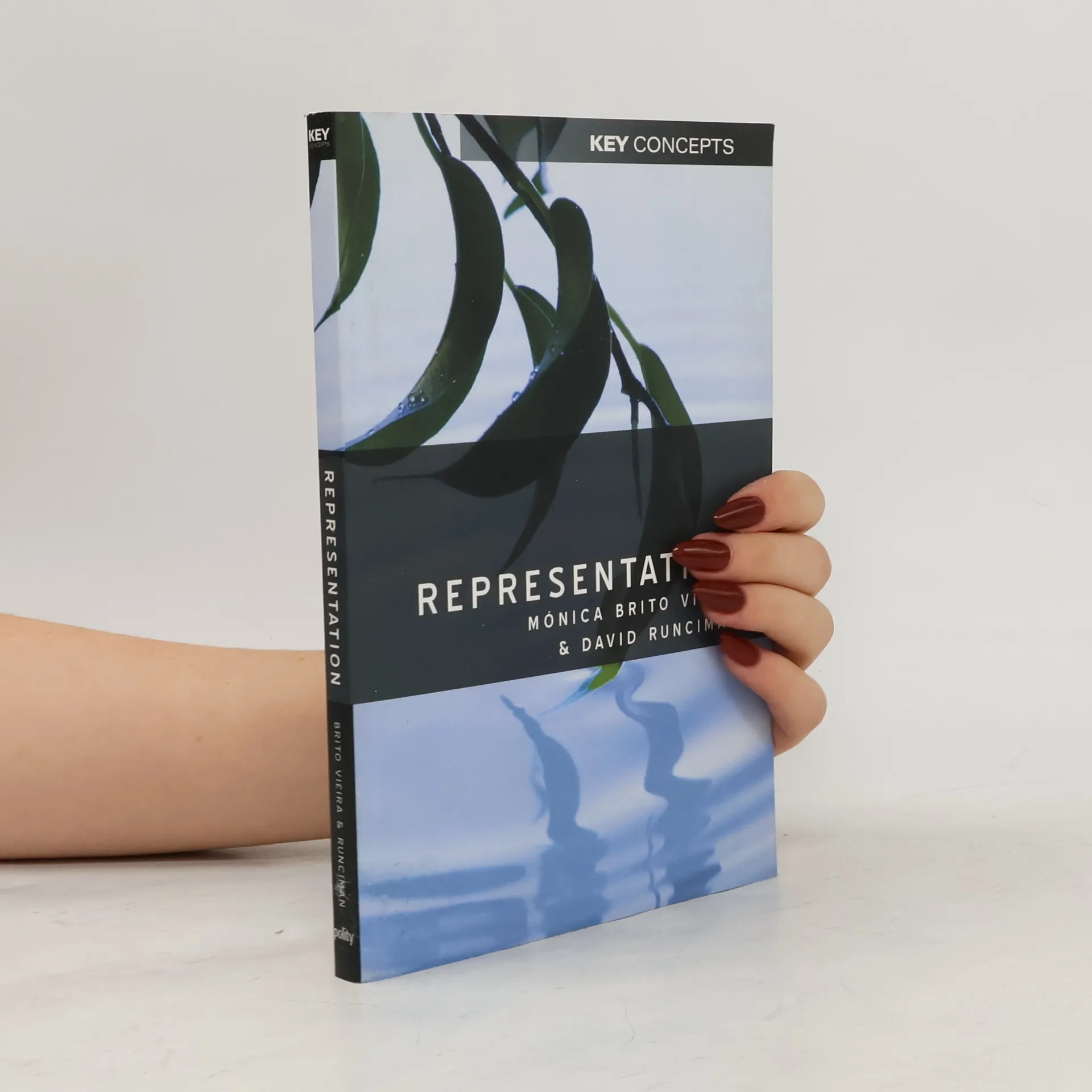
Representation is the foundational idea in almost all areas of political life. This introductory text examines the historical roots of representation from ancient Rome to the present day, analysing the different varieties of representation and how they can help us think creatively about current and future challenges facing the world.
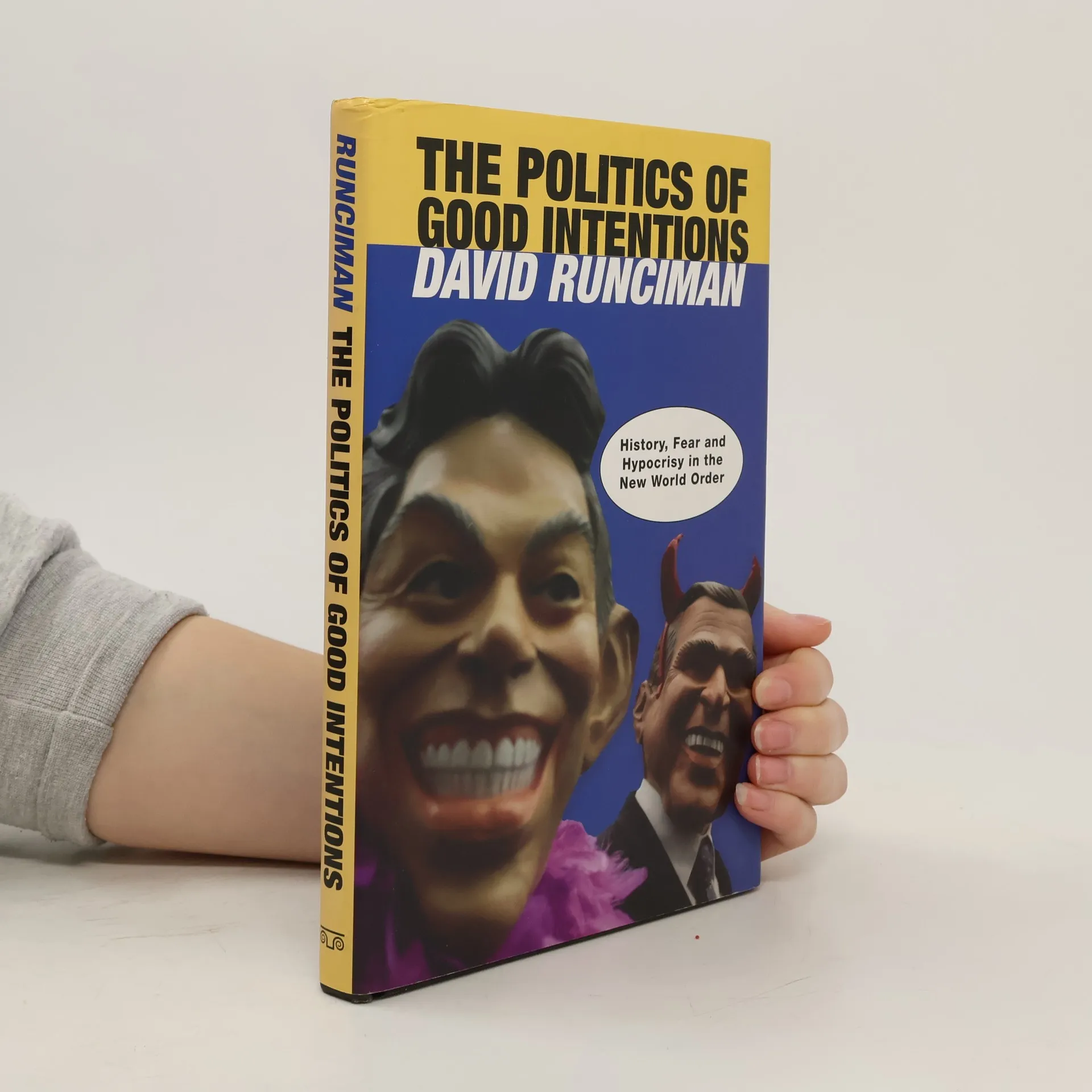
This book explores Tony Blair's desire for historical judgment on early 21st-century political controversies, particularly his alliance with George W. Bush. It contextualizes recent events like the war on terror and Iraq within modern history, critiquing how politicians manipulate history to shape a new world order while emphasizing the importance of understanding contemporary politics in historical terms.
Focusing on the evolution of English political thought between 1900 and 1933, this book explores the concept of pluralism and its influence on the state's identity. It examines how various political ideas and movements shaped the understanding of governance and individual rights during this transformative period, highlighting key thinkers and their contributions to the discourse surrounding state personality and pluralistic governance.