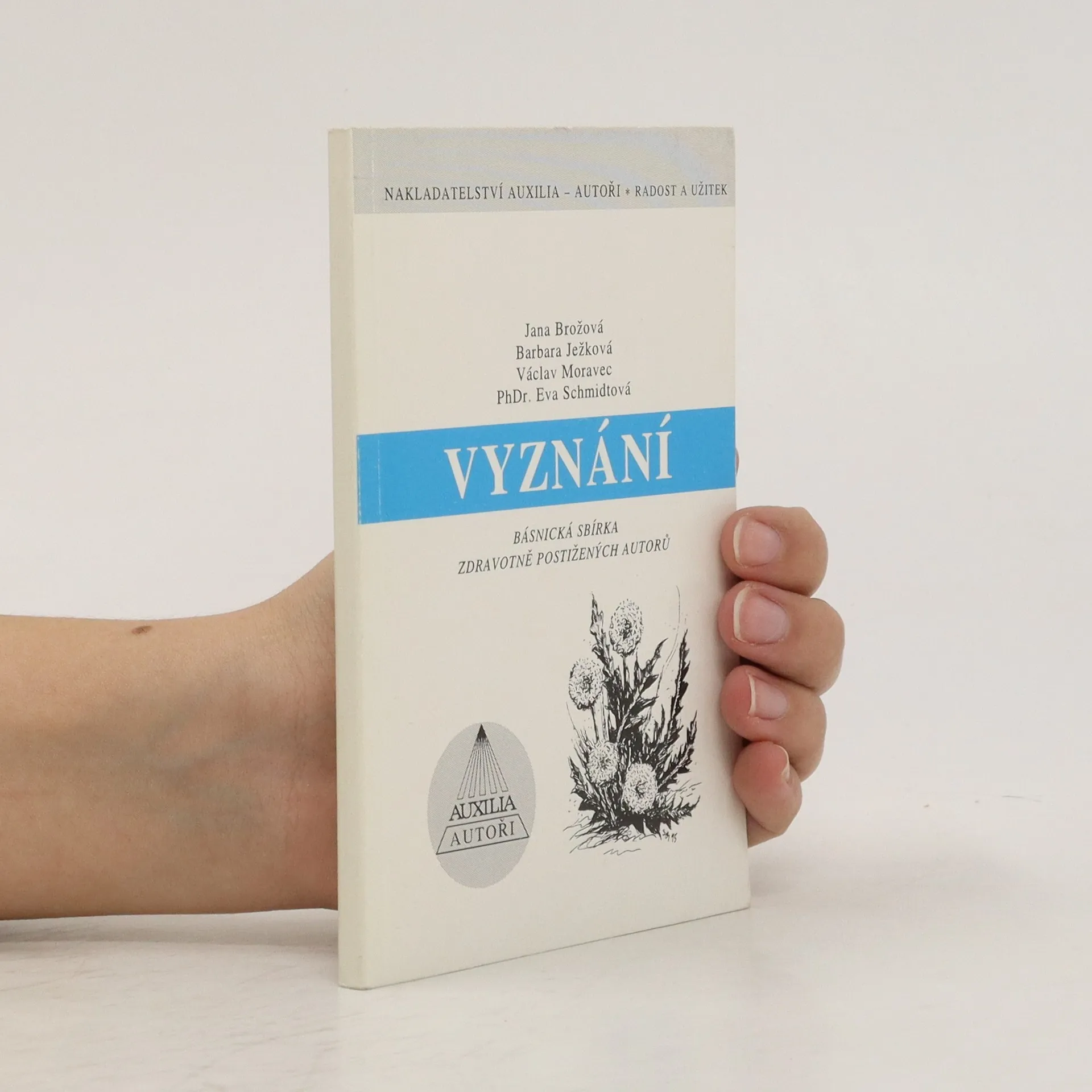
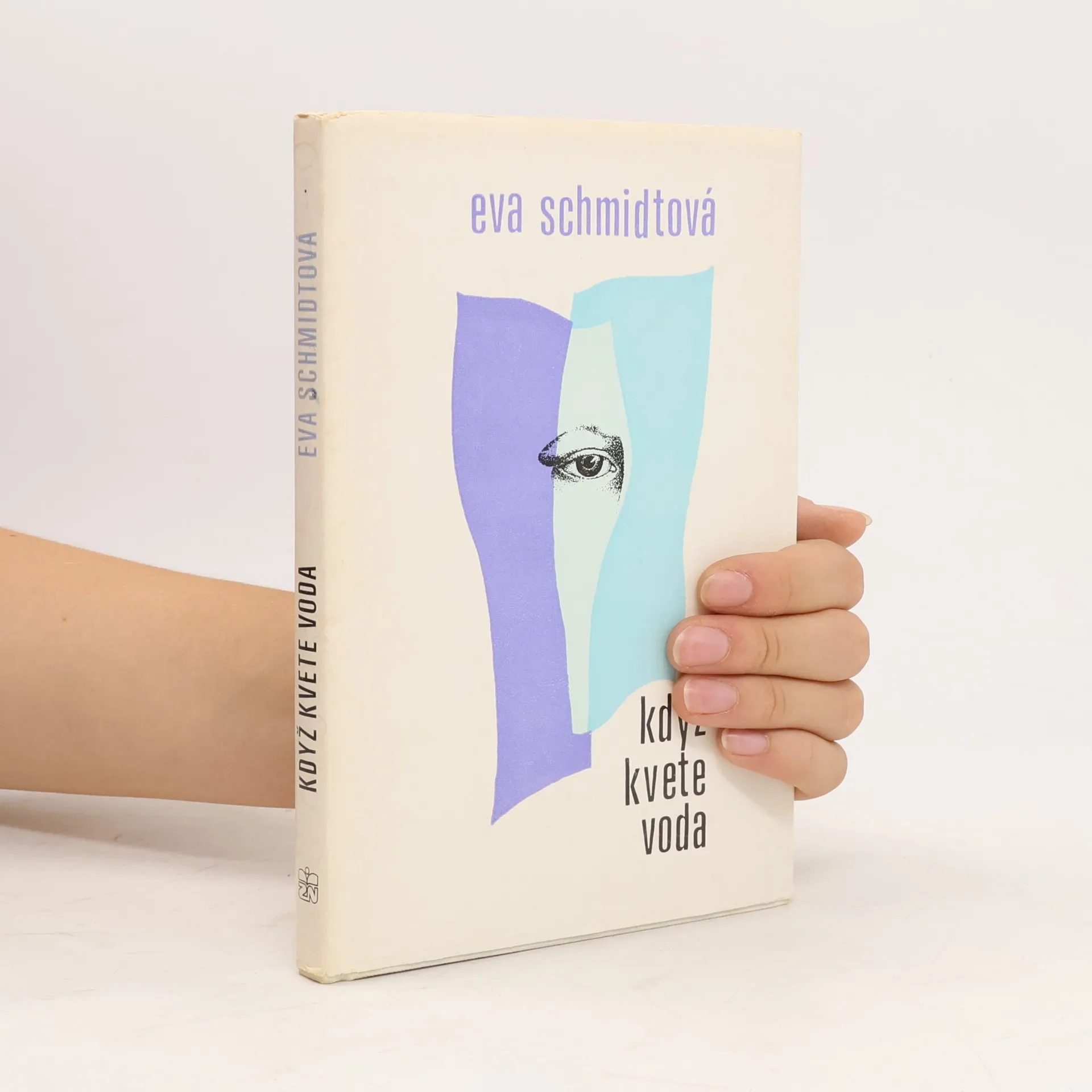
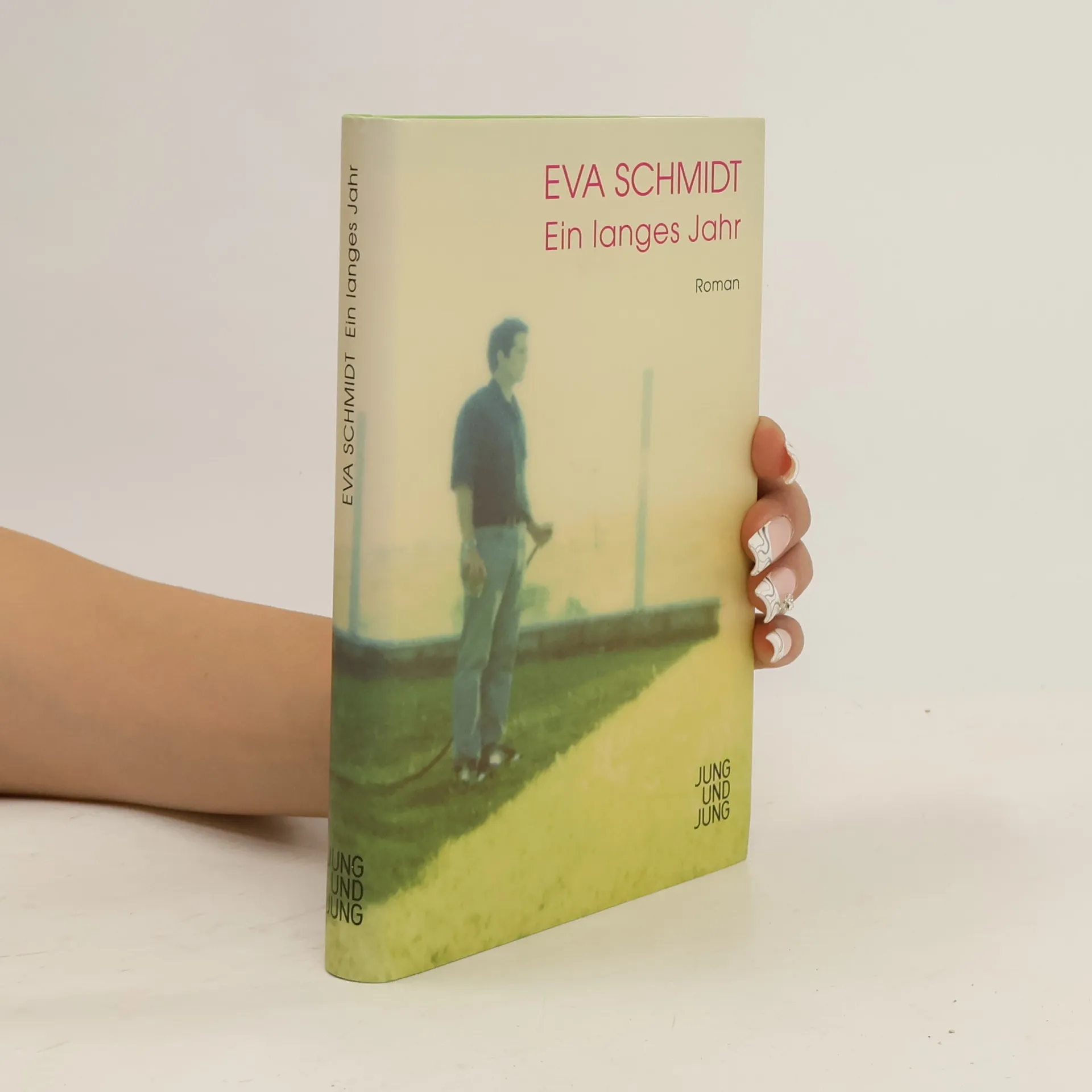
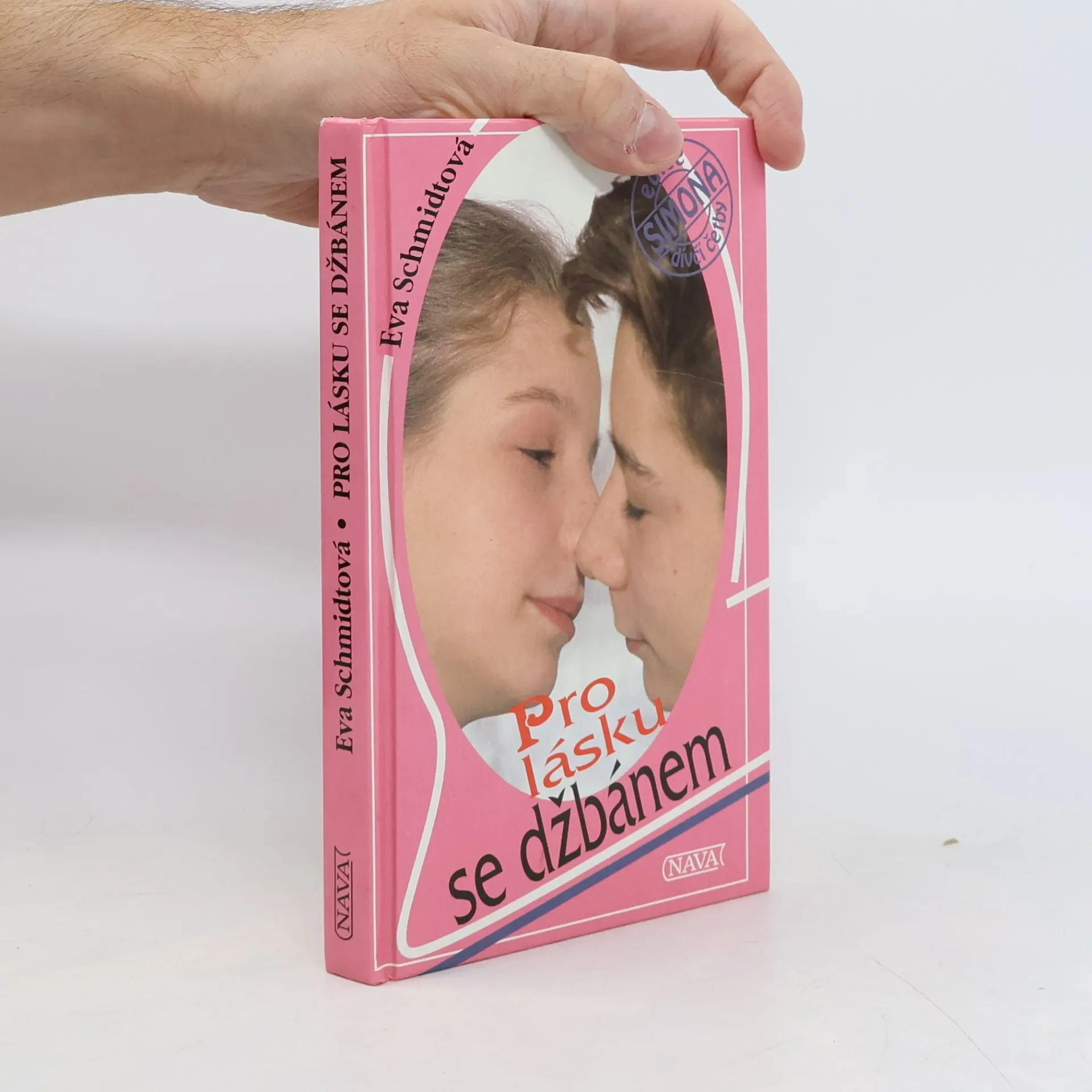
Pro lásku se džbánem
- 167 stránek
- 6 hodin čtení
Příběh studentky medicíny Kristýny,která rozhoduje o svém životním osudu.


Eva Schmidt čerpá ze svých životních zkušeností a víry při psaní křesťanských románů. Její díla se vyznačují hlubokým duchovním poselstvím, které má čtenáře povzbudit a inspirovat k víře v Ježíše Krista. Autorka se zaměřuje na témata spojená s komunitou a osobním duchovním růstem, přičemž její styl je přístupný a srdečný. Prostřednictvím svých příběhů Eva Schmidt zprostředkovává čtenářům naději a posilu ve víře.
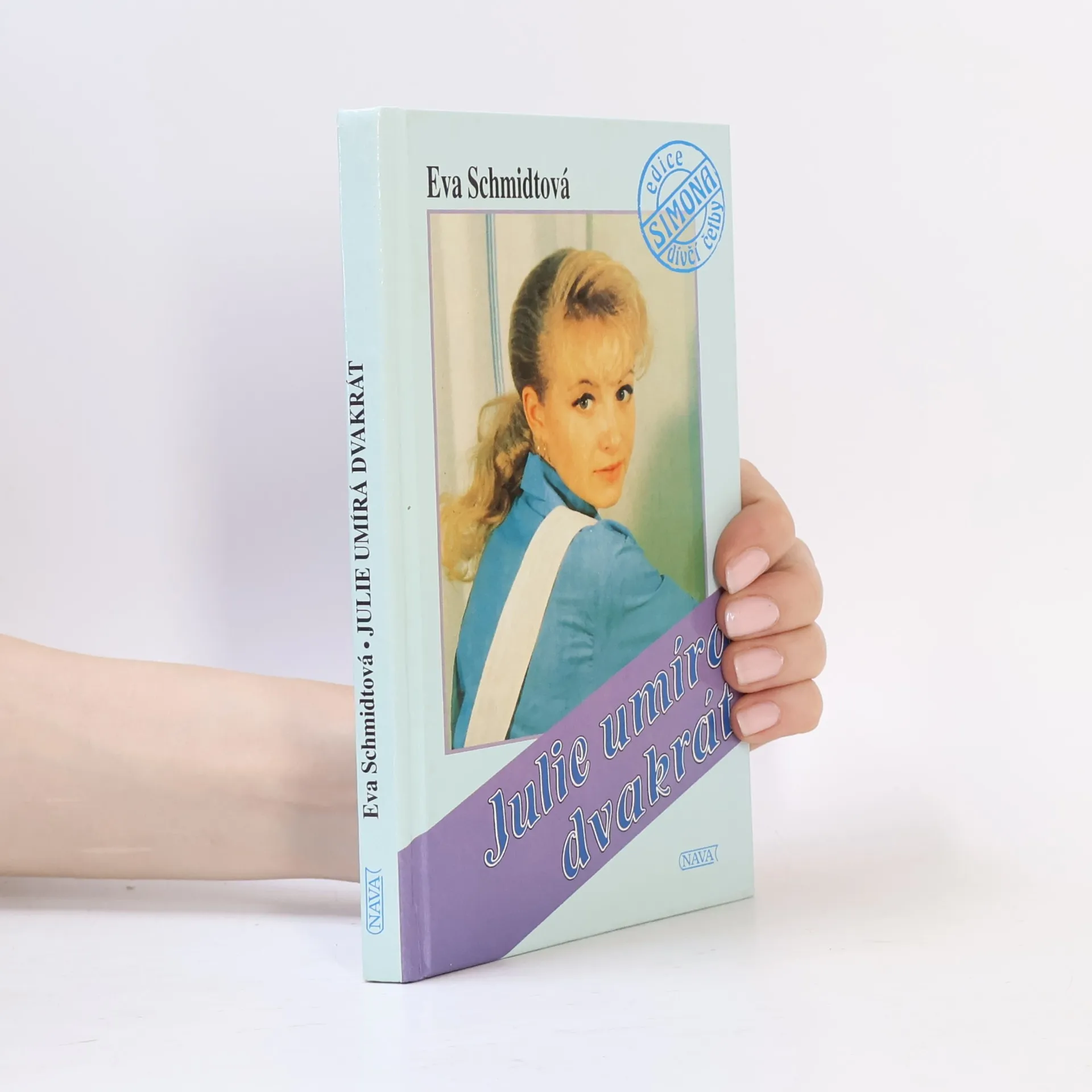
Příběh studentky medicíny Kristýny,která rozhoduje o svém životním osudu.
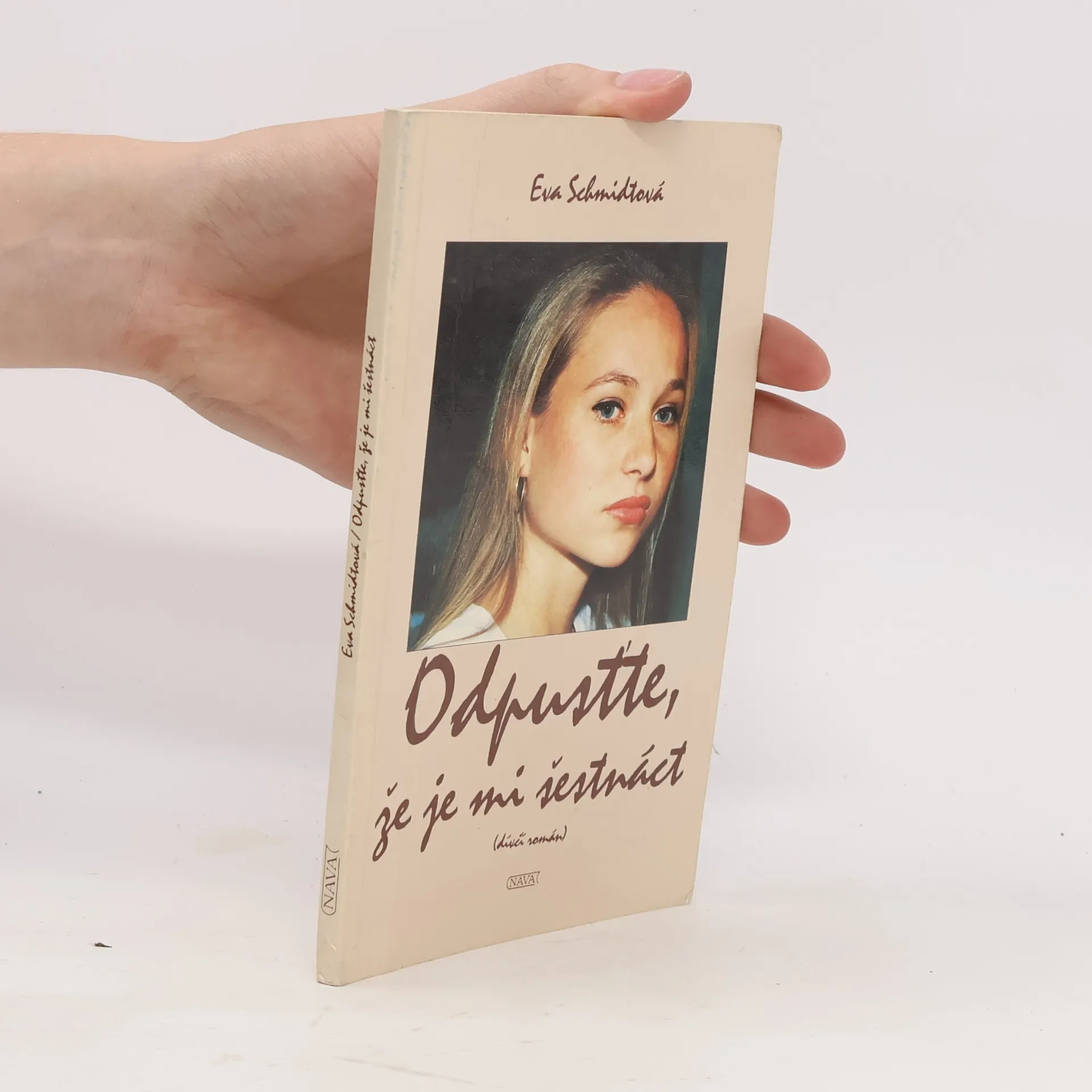
Příběh mladé dívky, která po škole nastupuje do svého prvního zaměstnání a musí zde řešit spousty problémů.
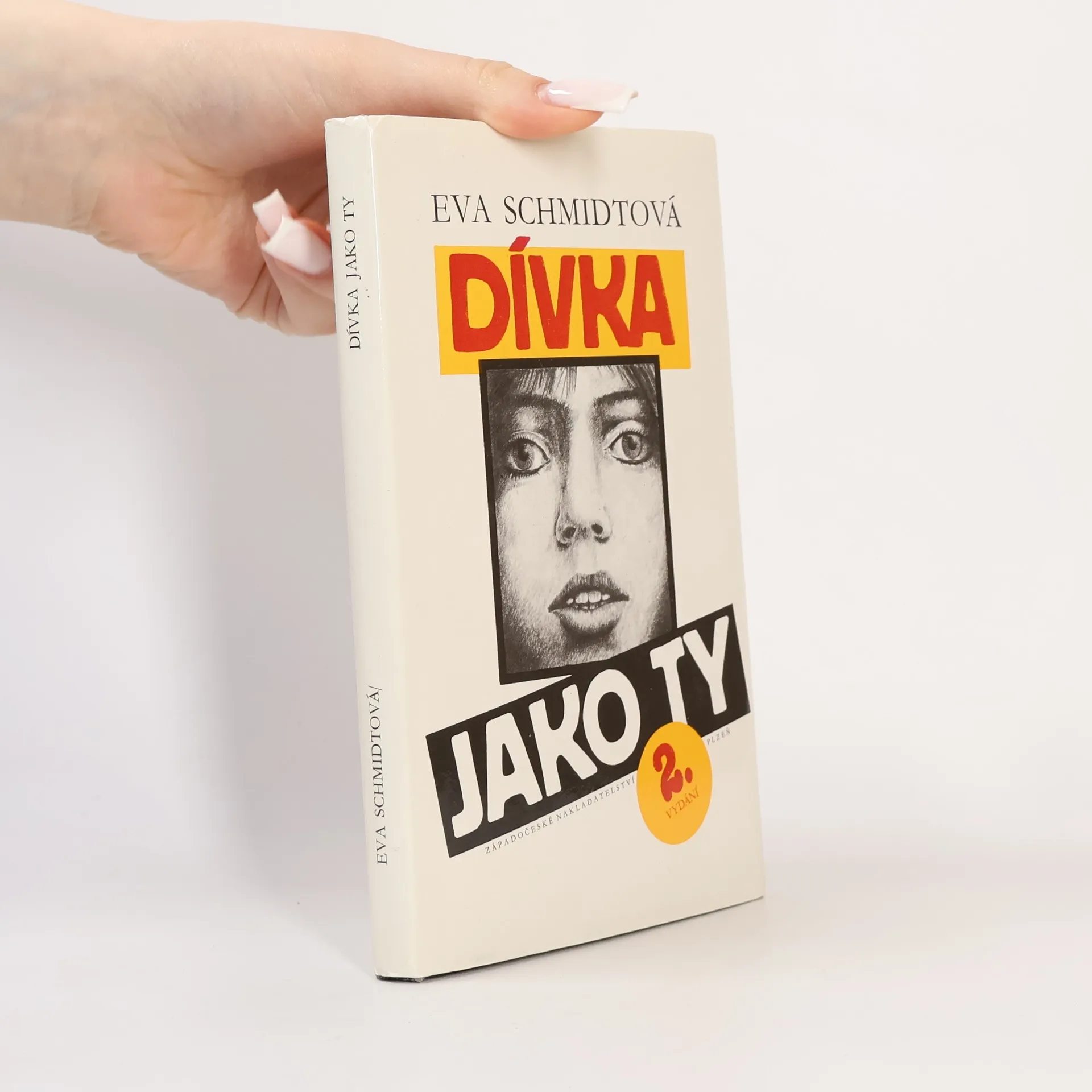
Námětem tohoto příběhu je láska ke dvěma chlapcům šestnáctileté blondýnky a konflikty se stárnoucí vychovatelkou...
Detektivka z prostředí kojeneckého ústavu se soustřeďuje na vykreslení složitých vztahů mezi pracovníky ústavu, které vedou k nenávisti a posléze k násilné smrti
Major drawings from his early work are devoted to illustrations or the study of horses#x92; bodies, and in his first painting of an animal, #x93;Portrait with Horses#x94;, painted in 1939, a person is depicted - supposedly Freud himself - together with four horses. The exhibition #x93;Lucian Freud and Animals#x94; in the Museum für Gegenwartskunst Siegen begins with these early pieces. Here, for the very first time ever, an exhibition is focusing on Lucian Freud#x92;s animal representations as a stand-alone exhibition theme. 00As Lucian Freud himself stated, he #x93;portrayed#x94; dogs and birds. Their body structure, their facial expression, the look in their eyes, and especially the quality of their fur and feathers are observed, drawn, and painted with vigorous attention to detail. Both animal species, particularly dogs, accompanied Freud throughout his life and were present in his studio on a daily basis. Freud also painted deceased animals, such as a lifeless chicken in the painting 'Chicken on a bamboo table', and later also dead bats. Another early piece with a surrealistic picture composition, 'Quince on a blue table#x94;, depicts the stuffed head of a zebra that the artist kept in his studio
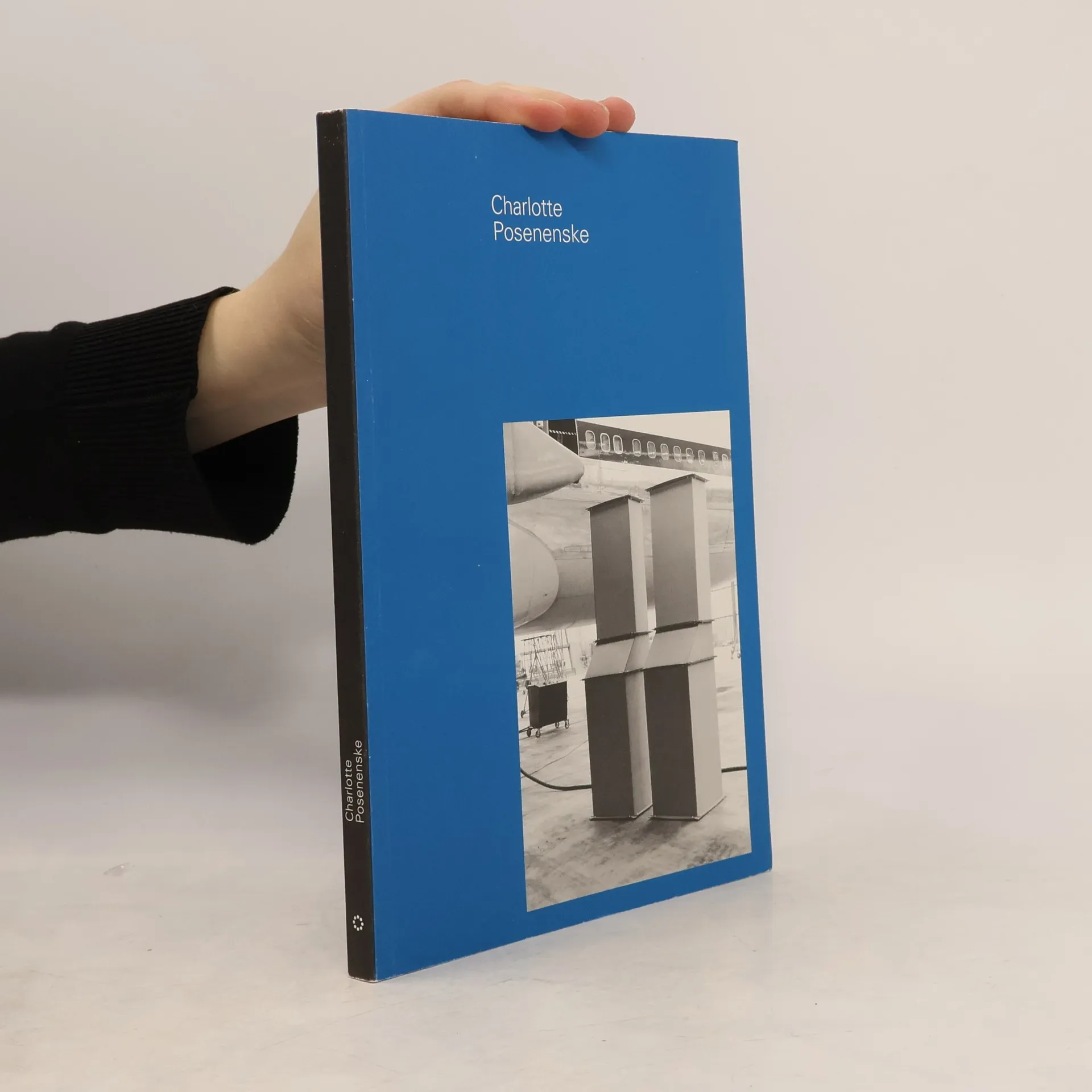
Charlotte Posenenske gehört zu den bedeutendsten Künstlerinnen der 1960er Jahre in Deutschland. Ihre stark auf Architektur bezogenen Objekte und Skulpturen betonen das Moment von Variabilität und Bewegung, wobei unterschiedliche Materialien wie Alu- und Stahlblech oder Pappe zum Einsatz kommen. Das Spiel mit Größenverhältnissen und die Reflexion des künstlerischen Arbeits- und Autorenbegriffs sowie der Rolle der BetrachterInnen sind wesentliche Aspekte des künstlerischen Ansatzes von Charlotte Posenenske. Die Ausstellung un der Katalog versammeln erstmals Arbeiten aus allen wichtigen Werkphasen der Künstlerin und lässt so ihre in kurzer Zeit vollzogene Entwicklung vom Bildraum der Malerei in den tatsächlichen Raum nachvollziehbar werden, eine Entwicklung, die u. a. durch Posenenskes Auseinandersetzung mit der Minimal Art beeinflusst wurde: Malerei aus den späten 1950er und frühen 1960er Jahren, Streifenbilder und Plastische Bilder aus der Mitte der 1960er Jahre, Reliefs (1967), die sowohl im Innen- als auch im Außenraum präsentierten Vierkantrohre (1967) und Drehflügel (1967/68), die letzte realisierte Werkgruppe, bevor Posenenske 1968 aufhörte, künstlerisch zu arbeiten.
Die KRACHKULTUR bringt bahnbrechende Literatur aus der ganzen Welt. Große Autoren und neue Stimmen. Leise und laute. Zu heiklen Themen wie Heimat und Sexismus, und zu den schönen Momenten im Leben, die im Alltag untergehen. Die spannende Literaturzeitschrift für heute. Jedes Heft sorgt für Debatten, von FAZ bis Neues Deutschland. Die Süddeutsche sagt, die KRACHKULTUR tanzt „niemandes Pfeife nach“. FAZ Woche nennt sie „ein kleines Mirakel“. Der Bayerische Rundfunk mahnt: „Nicht versäumen!“ Für das Hamburger Abendblatt ist die Krachkultur gar „Pflichtlektüre für Literaturkenner“. Und Welt kompakt urteilt: „Es gibt in KRACHKULTUR kaum einen Beitrag, sei es Gedicht, Story oder Essay, der sich nicht der Lektüre lohnte.“ Die KRACHKULTUR wird mit Texten die Welt nicht aus den Angeln heben – aber sie rüttelt sie manchmal gehörig durch. Im aktuellen Heft steht ein Interview mit Colson Whitehead, der für Underground Railroad und Die Nickel Boys gleich zweimal den Pulitzer-Preis erhielt. Außerdem geht es um das Frauenbild im Deutschrap, ein Violine spielendes Wunderkind in der DDR, Beethovens Sterbezimmer und einen mehr oder weniger echten Tag im Leben von Bob Dylan. Mit dabei sind Skandalautor Tom Kummer, Pop-Literat Eckhart Nickel, der große englische Lyriker Philip Larkin und Bestseller-Biologe Josef H. Reichholf.
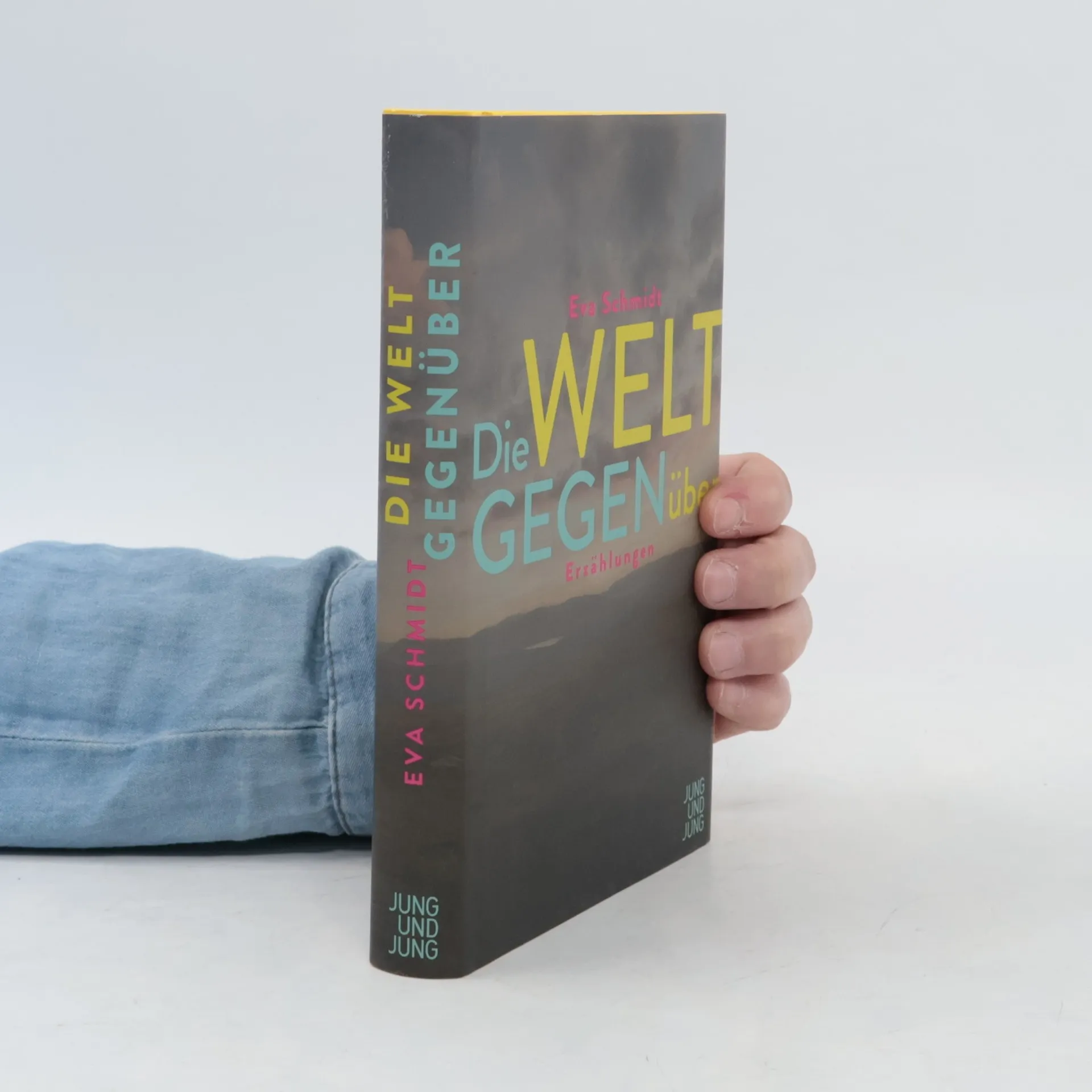
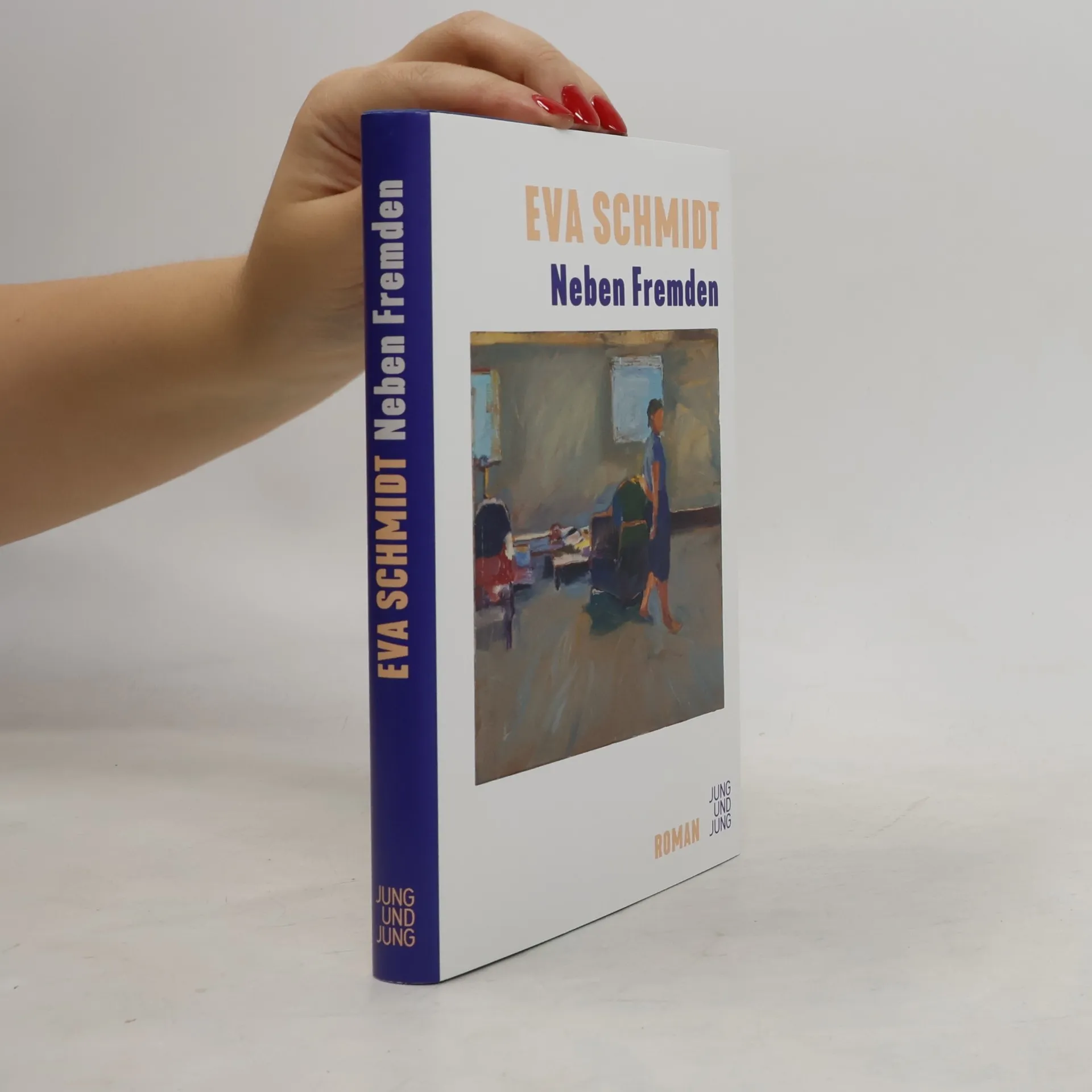
Benjamin lebt mit seiner Mutter allein, die Wohnung in der Siedlung am See ist klein, den Hund, den er gerne hätte, kriegt er nicht. Als er Joachim davon erzählt, will der sich einen schenken lassen, am besten zwei, aber Benjamin findet, Hunde sind fast wie Menschen und kein Geschenk. Eines Tages begegnet Benjamin Herrn Agostini, einem alten Mann aus der Nachbarschaft, auch er wollte sein Leben lang einen Hund. Früher als er ist seine Frau nach einem Sturz ins Pflegeheim umgezogen, jetzt hat er endlich einen, Hemingway heißt er. Aber Herr Agostini ist nicht mehr gut auf den Beinen, er weiß nicht, was aus »Hem« werden soll. Ähnlich wie Karin, die gerne wüsste, wer sich um ihren Hund kümmert, wenn ihr was zustößt, wie sie sagt. Karin ist krank, sie hat Schmerzen, niemand weiß davon. Im Baumarkt kauft sie eine Leiter, vom Nachbarn borgt sie eine Bohrmaschine … Eva Schmidt erzählt so mitfühlend und bedacht, so teilnehmend und zurückhaltend von den kleinen Dingen des Lebens, als wären sie groß, von den großen, als wären sie klein. Sie erzählt davon, wie wir leben, allein und miteinander, und wie wir uns dabei zuschauen.
Die Menschen, von denen Eva Schmidt in ihren Büchern erzählt, sind Nachbarn, Menschen, die neben anderen Menschen leben, einander nah genug, um sich einsam zu fühlen, weit genug voneinander, um sich zu beobachten: aus Neugier, aus dem Bedürfnis nach Berührung oder Intimität, aus Lust an der Überschreitung. Es sind Menschen, die nachts allein in einem Auto am Straßenrand sitzen, Menschen am Fenster, wenn gegenüber das Licht angeht, Menschen, die im Gespräch ausweichen und lieber wieder von ihren Hunden sprechen, solche, die länger als andere den Vögeln am Himmel nachschauen. Von ihnen erzählt Eva Schmidt mit Empathie und Zurückhaltung, nüchtern und beteiligt zugleich. Der Blick, den sie auf ihre Figuren hat, und die Sprache, in der sie lebendig werden, sind provozierend klar. So klar, dass darin nach und nach Ahnungen spürbar und Risse erkennbar werden: leise Irritationen, die noch das Alltäglichste in unserem Leben in eine gespenstische Atmosphäre kippen lassen und in ein Erschrecken darüber, wie allein wir sind.
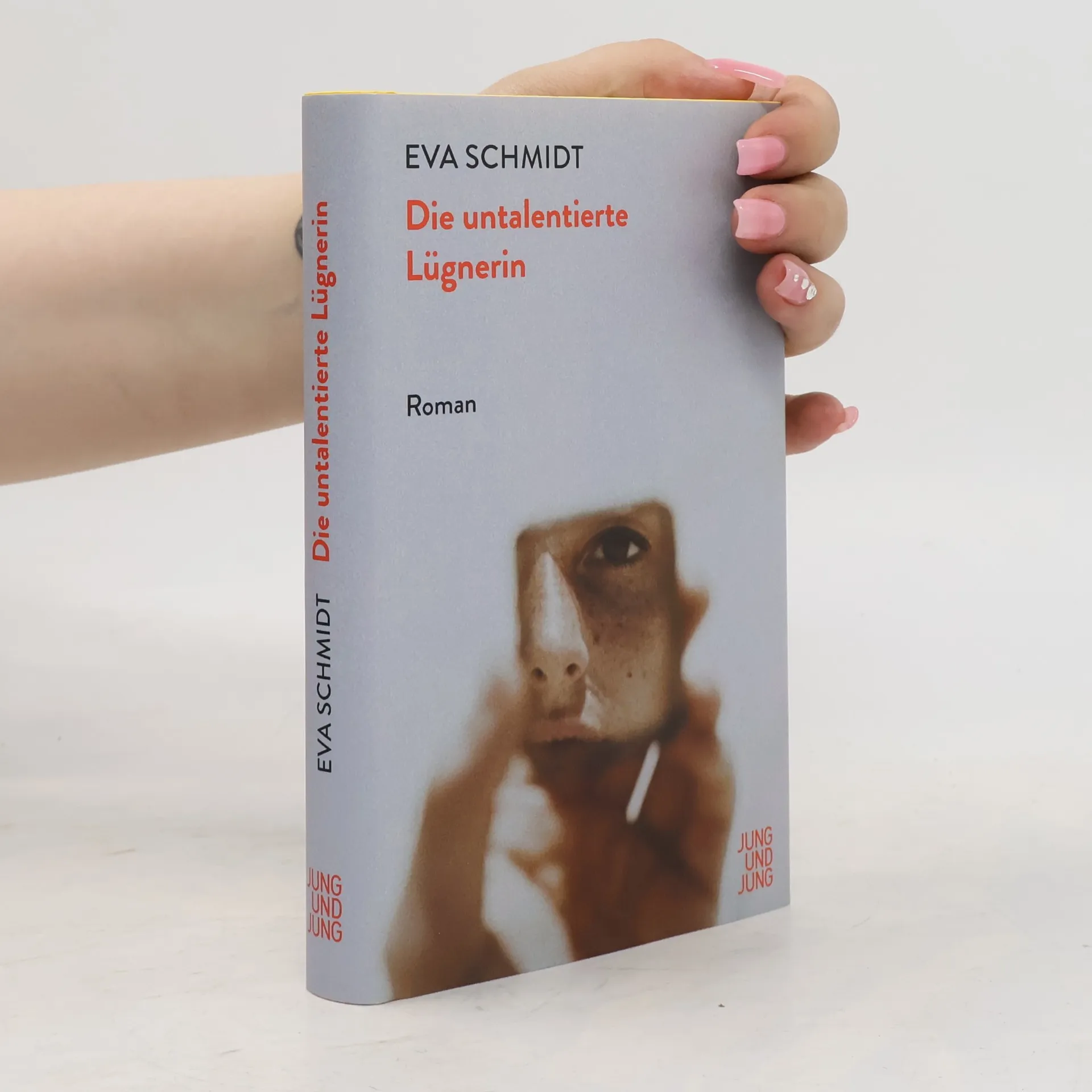
Nachdem ihr Versuch, Schauspielerin zu werden, gescheitert ist, kehrt Maren zurück an den Ort ihrer Kindheit. Mit ihrer bevormundenden Mutter, einer so egozentrischen wie erfolglosen Künstlerin, und ihrem Stiefvater Robert, einem reichenUnternehmer, der für alle und alles aufkommt, lebt sie in dem luxuriösen Haus am See. Als die Spannungen zwischen Maren und ihrer Mutter zunehmen, bietet ihr Robert die Firmenwohnung an. Dort findet sie bald heraus, dass er offenbar einDoppelleben führt, dass er ihre Mutter nie geliebt hat, dass so vieles anders sein könnte in ihrer kleinen Welt, als es schien. Und dass der Zwang zu lügen stärker wird, je mehr sie weiß. So wie es hinter der stillen Oberfläche ihrer Sätze rumort, so monströs sind die scheinbar alltäglichen Verhältnisse, von denen Eva Schmidt hier erzählt, so berührend wirkt der kühle Ton, den sie anschlägt: ein Psychogramm ohne Psychologie, ein gleichermaßen feinsinniger wie aufregender Roman über den Wunsch nach Nähe und die Sehnsucht nach Grenzüberschreitung.
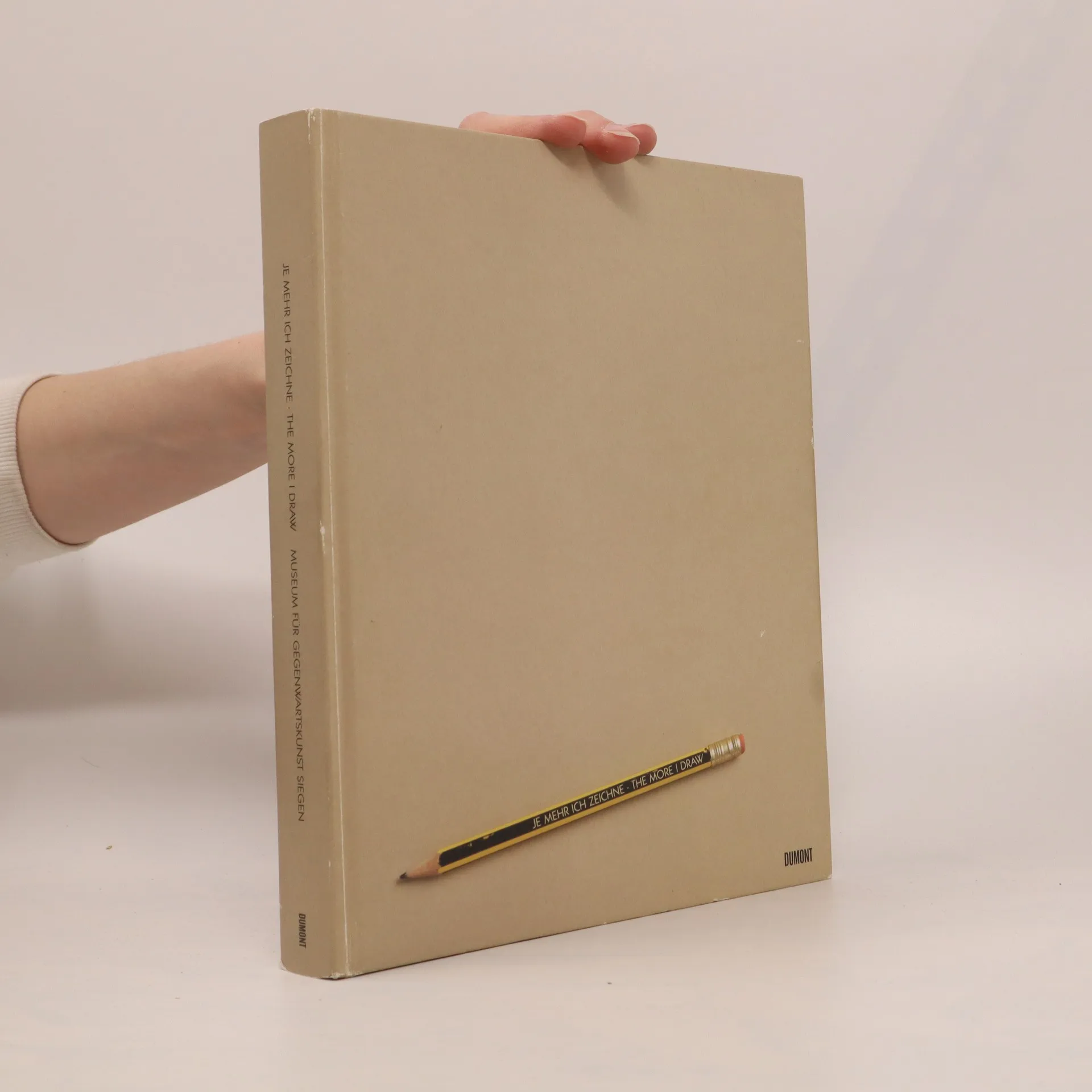
Der Zeichnung - klassischerweise Bleistift auf Papier - ist eine gewisse Schnelligkeit eigen, Spontaneität und Einfachheit. Oft ist die Zeichnung eine Verschränkung von Schrift und Bild, auch eine Findung von Notationsweisen. Oft bleibt es nicht bei einer einzigen Zeichnung: es werden mehrere, auch unzählig viele, eine Serie, ein Buch oder gar ein Animationsfilm. Träger ist ein Blatt Papier, eine Wand oder auch der Boden. Einflüsse populärer Kunstformen wie Graffiti und Comic gehören dazu. "Je mehr ich zeichne" gibt einen Überblick zur Praxis des Zeichnens seit den sechziger Jahren bis heute. Mit 50 internationalen KünstlerInnen werden zeichnerische Tendenzen der Gegenwart vorgestellt.
How the World Is and How It Could Be
'Niemand ist eine Insel' ist ein geflügeltes Wort, das ebenso selbstverständlich wie plakativ klingt und erst beim längeren Nachdenken komplizierter wird. Es ist einem text des englischen Dichters und Theologen John Donne entnommen, der den Zusammenhalt der sozialen Gemeinschaft durch gegenseitige Anteilnahme veranschaulicht. 'Niemand ist eine Insel' hieß die Ausstellung – sechzehn voneinander unabhängige künstlerische Projekte – die im Herbst 2003 in Bremen stattfand. Sie artikulierte die Tendenz, dass Kunst im öffentlichen Raum der Stadt sich zunehmend der Mittel der Kooperation und Kommunikation bedient; bezeichnen diese Beriffe doch grundlegende Eigenschaften eines Diskurses, mit dem Öfentlichkeit hergestellt wird.
nach ausgewählten Schwerpunkten
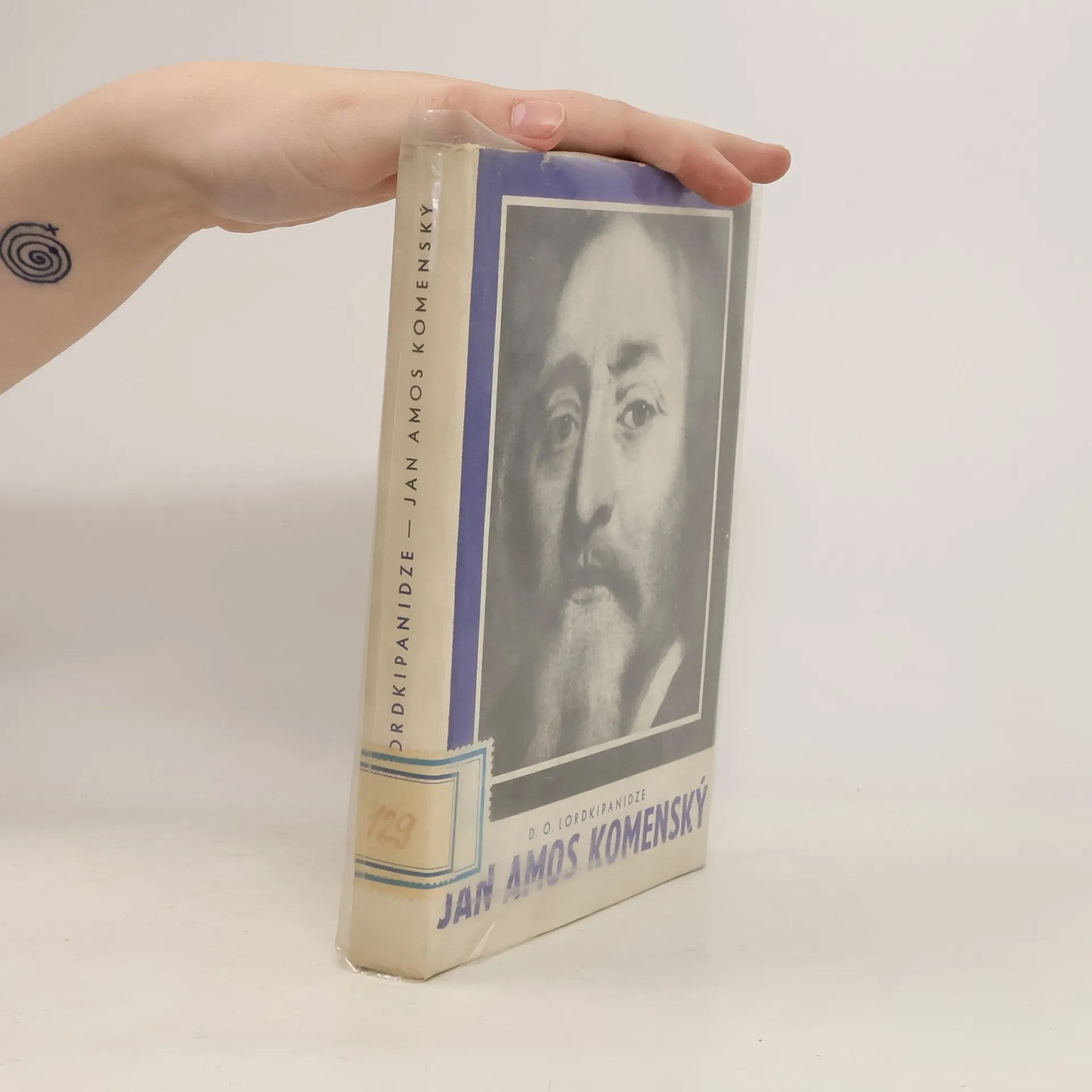
Pädagogisch-didaktische Grundlegung und Unterrichtsmodelle für Gymnasium und Realschule
Eva Schmidt erzählt so eindringlich wie nüchtern von Abschied und Verlust, aber auch von der Suche nach Verbundenheit und Nähe. Rosa war Krankenpflegerin, seit sie in Pension ist, hat sie nur mehr wenig mit Menschen zu tun. Die einzige Freundin ist eine ehemalige Kollegin, die Nachbarn halten sie auf Distanz, dabei möchte sie nur helfen. Das Verhältnis zur Mutter war nie gut, es wird nicht besser, seit diese auf Hilfe angewiesen ist und die Tochter mehr und mehr zu vereinnahmen versucht. Und auch einen Mann gibt es, aber der ist verheiratet. Als er überraschend stirbt, bleibt Rosa nur der Campingbus, den er ihr einmal geschenkt hat. Doch was soll sie damit? Ist er eine Chance auf ein anderes Leben, vielleicht die letzte? Als sie den Aufbruch wagt, erreicht sie ein Brief von ihrem Sohn, der vor Jahren den Kontakt zu ihr abgebrochen hat. Er wollte nichts mehr mit ihr zu tun haben – nun weiß sie immerhin, wo er lebt.