

A wondrously written book of literary criticism and philosophy that maps the relationship between poetry and natural history, connecting verse from poets such as Shakespeare and Rainer Maria Rilke to the work of scientists and theorists like Francis Bacon and Michael Polanyi. Taking its bearings from the Greek myth of Orpheus, whose singing had the power to move the rocks and trees and to quiet the animals, Elizabeth Sewell’s The Orphic Voice transforms our understanding of the relationship between mind and nature. Myth, Sewell argues, is not mere fable but an ancient and vital form of reflection that unites poetry, philosophy, and natural science: Shakespeare with Francis Bacon and Giambattista Vico; Wordsworth and Rilke with Michael Polanyi. All these members of the Orphic company share a common perception that “discovery, in science and poetry, is a mythological situation in which the mind unites with a figure of its own devising as a means toward understanding the world.” Sewell’s visionary book, first published in 1960, presents brilliantly illuminating readings of A Midsummer Night’s Dream and Rilke’s Sonnets to Orpheus, among other masterpieces, while deepening our understanding not only of poetry and the history of ideas but of the biological reach of the mind.
Elizabeth Sewell Knihy
Elizabeth Missing Sewell byla autorkou, která se ponořila do hlubin náboženské víry a vzdělávání. Její díla, ovlivněná oxfordským hnutím, se zabývala morálními a duchovními tématy, často skrze příběhy určené mladým ženám. Sewell věřila v sílu vzdělání a založila školu pro dívky ze střední třídy, čímž spojila svou literární kariéru s praktickým vzdělávacím úsilím. Její psaní odráží snahu o hlubší pochopení duchovního života a jeho vlivu na jednotlivce.
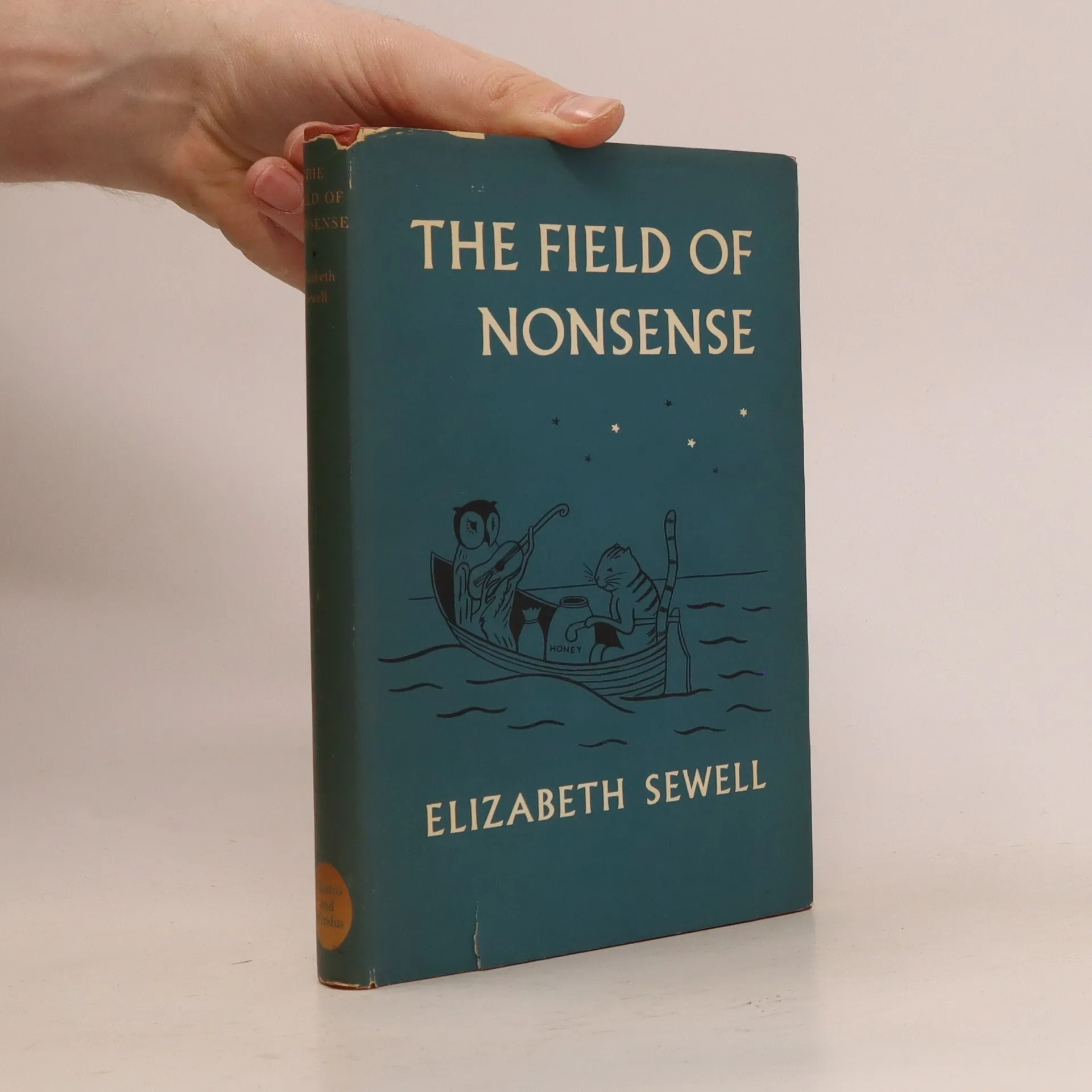

The book is a reprint of a classic work originally published in 1857, offering readers a chance to experience the historical context and themes present in the text. Its enduring relevance and significance in literature are highlighted, making it an essential read for those interested in the era and its cultural impact. The reprint aims to preserve the original's authenticity while making it accessible to contemporary audiences.