Judea Pearl je izraelsko-americký vědec v oboru informatiky a filozof, který je známý především prosazováním pravděpodobnostního přístupu k umělé inteligenci a vývojem Bayesovských sítí. Jeho práce zásadně ovlivnila způsob, jakým uvažujeme o kauzalitě, učení a uvažování v nejistých podmínkách. Pearl přinesl revoluční pohled na umělou inteligenci, který se zaměřuje na pochopení příčinných vztahů, nikoli pouze na korelaci. Jeho inovativní metody a teoretické práce nadále formují pole umělé inteligence a naše chápání složitých systémů.
Many of the concepts and terminology surrounding modern causal inference can
be quite intimidating to the novice. Judea Pearl presents a book ideal for
beginners in statistics, providing a comprehensive introduction to the field
of causality.
Models, Reasoning and Inference. Ausgezeichnet: ACM Turing Award for Transforming Artificial Intelligence 2011
486 stránek
18 hodin čtení
The book delves into the evolution of causation from a vague concept to a robust mathematical theory, highlighting its applications across various disciplines such as statistics, AI, and economics. Judea Pearl integrates different approaches to causation, providing accessible mathematical tools for exploring causal relationships and statistical associations. This revised edition addresses complex issues and recent advancements, making it valuable for students and professionals alike. Pearl's significant contributions to AI research are also recognized, enhancing the book's credibility in the field.
This paper summarizes recent advances in causal inference and highlights the necessary shifts from traditional statistical analysis to causal analysis of multivariate data. It emphasizes the foundational assumptions of causal inferences, the language used to express these assumptions, and the conditional nature of causal and counterfactual claims, along with the methods developed to assess them. The discussion is grounded in a general theory of causation based on the Structural Causal Model (SCM), which integrates various approaches to causation and offers a coherent mathematical framework for analyzing causes and counterfactuals. The paper explores mathematical tools for addressing three types of causal queries: (1) the effects of potential interventions (causal effects or policy evaluation), (2) probabilities of counterfactuals (including "regret," "attribution," and "causes of effects"), and (3) direct and indirect effects (mediation). Additionally, it defines the formal and conceptual relationships between structural and potential-outcome frameworks, presenting tools for a combined analysis that leverages the strengths of both. These tools are illustrated through analyses of mediation, causes of effects, and probabilities of causation.
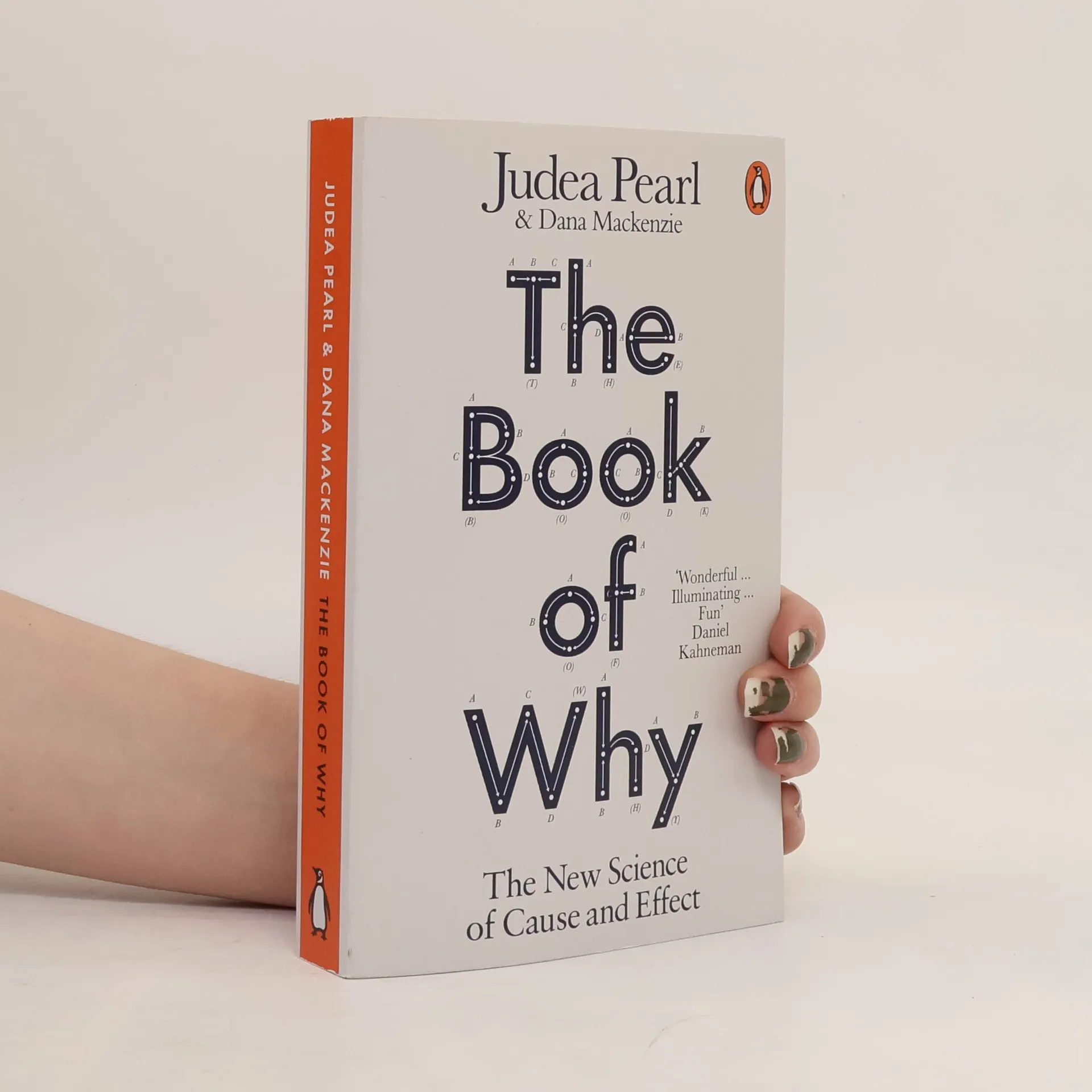
'Correlation does not imply causation.' This mantra was invoked by scientists for decades in order to avoid taking positions as to whether one thing caused another, such as smoking and cancer and carbon dioxide and global warming. But today, that taboo is dead. The causal revolution, sparked by world-renowned computer scientist Judea Pearl and his colleagues, has cut through a century of confusion and placed cause and effect on a firm scientific basis. Now, Pearl and science journalist Dana Mackenzie explain causal thinking to general readers for the first time, showing how it allows us to explore the world that is and the worlds that could have been. It is the essence of human and artificial intelligence. And just as Pearl's discoveries have enabled machines to think better, The Book of Why explains how we can think better.