

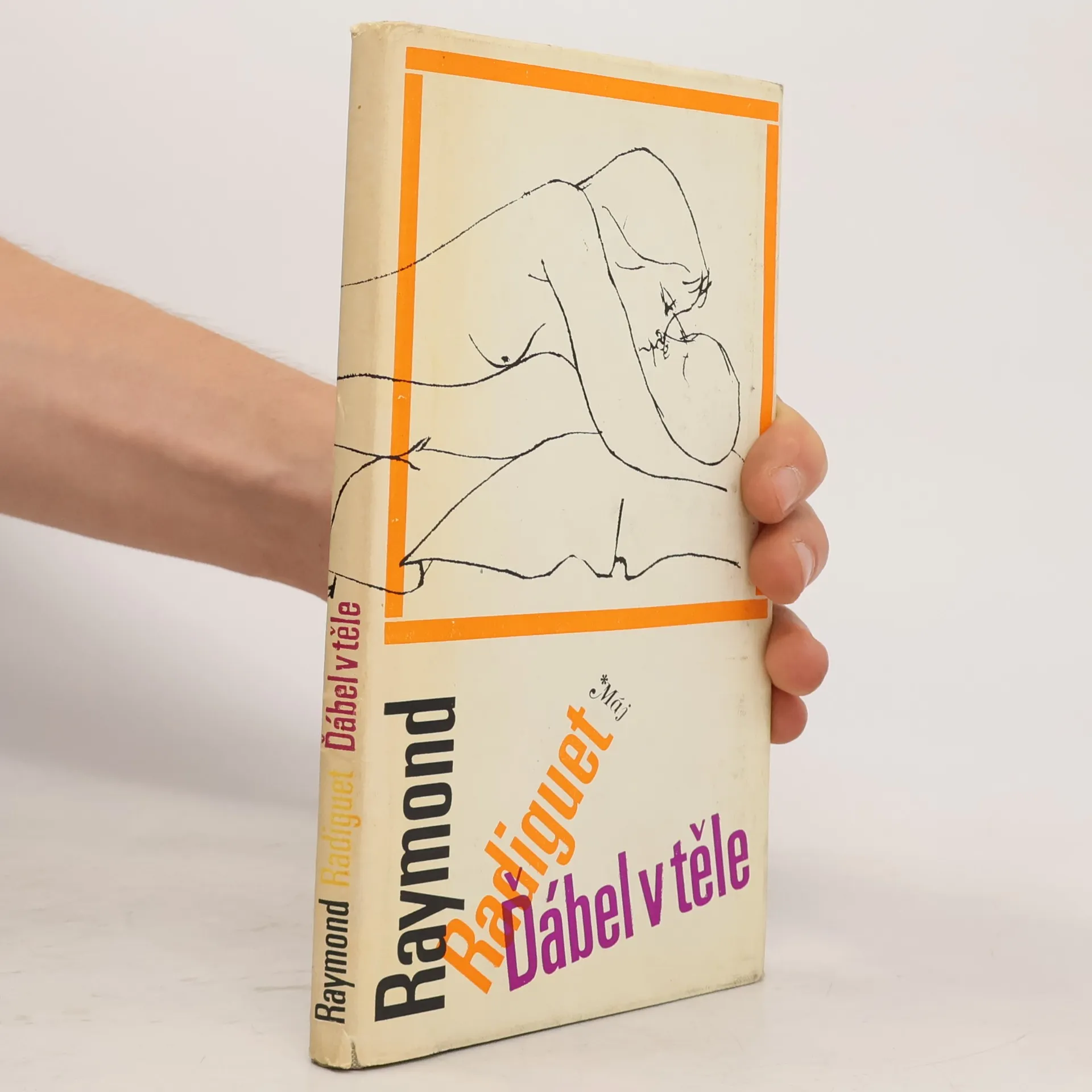
Za první světové války, těch čtyř let velkých prázdnin, poznává 16letý František o dvě léta starší Martu, snoubenku a později ženu frontového vojáka. Scházejí se, milují se, na nic nedbají. František trápí Martu i sebe, nedorostl ještě své lásky, muž a dítě se v něm ustavičněmísí.
Vicente Molina Foix Pořadí knih (chronologicky)
18. říjen 1946
Tento autor se vyznačuje hlubokým zkoumáním lidské psychiky a složitosti mezilidských vztahů. Jeho stylistická obratnost se projevuje v pečlivě propracovaných větách a sugestivních obrazech, které čtenáře vtahují do vyprávění. Díla jsou často prodchnuta filozofickými úvahami a existenciálními otázkami, které podněcují k zamyšlení. Autor zkoumá témata identity, paměti a hledání smyslu v moderním světě.

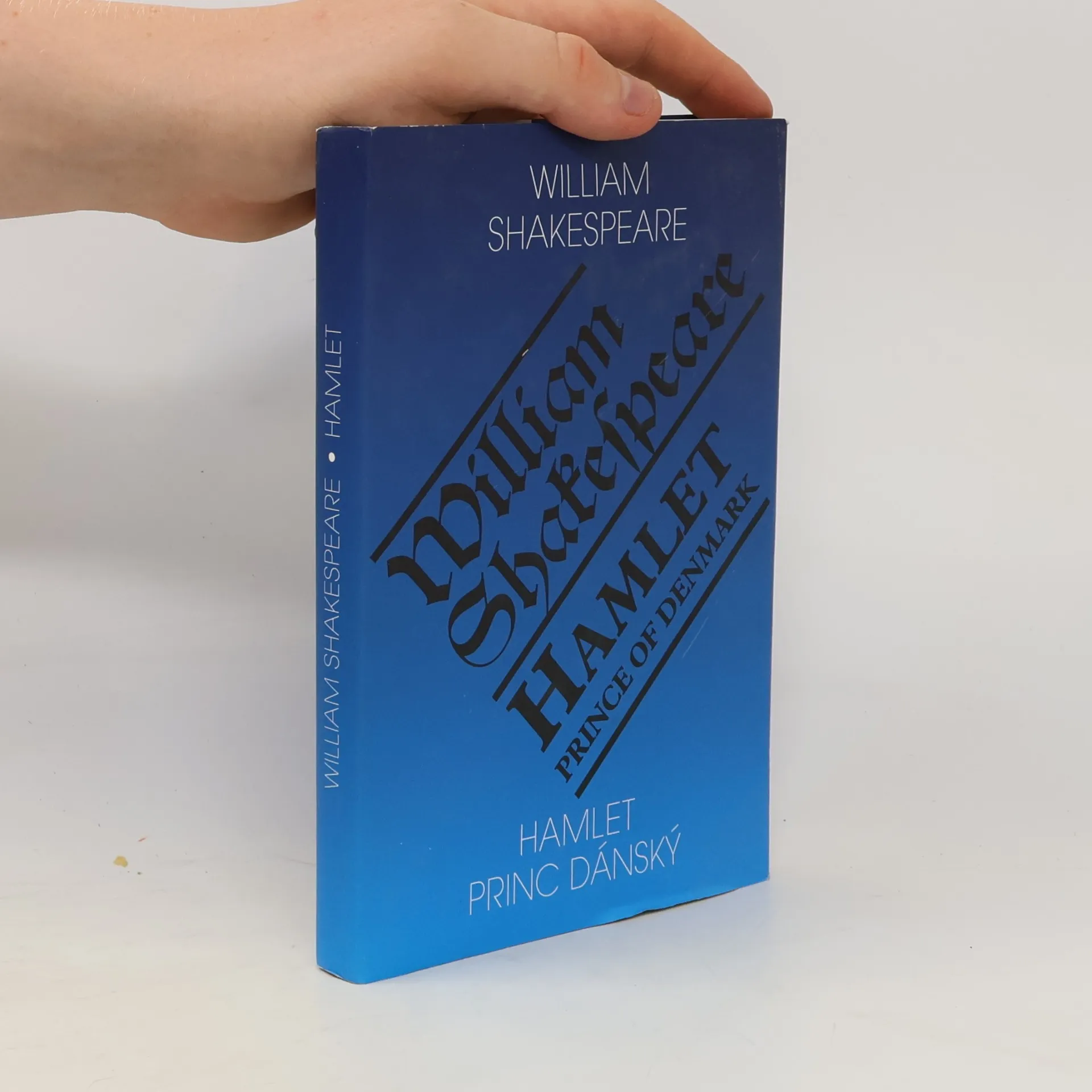
Hamlet, princ dánský. Hamlet, prince of Denmark
- 253 stránek
- 9 hodin čtení
Filozofické dílo, detektivka, horor? Největší divadelní hra světového písemnictví je sondou do lidské duše, v níž rozum a cit, pravda a zdání bojují o život každého z nás.
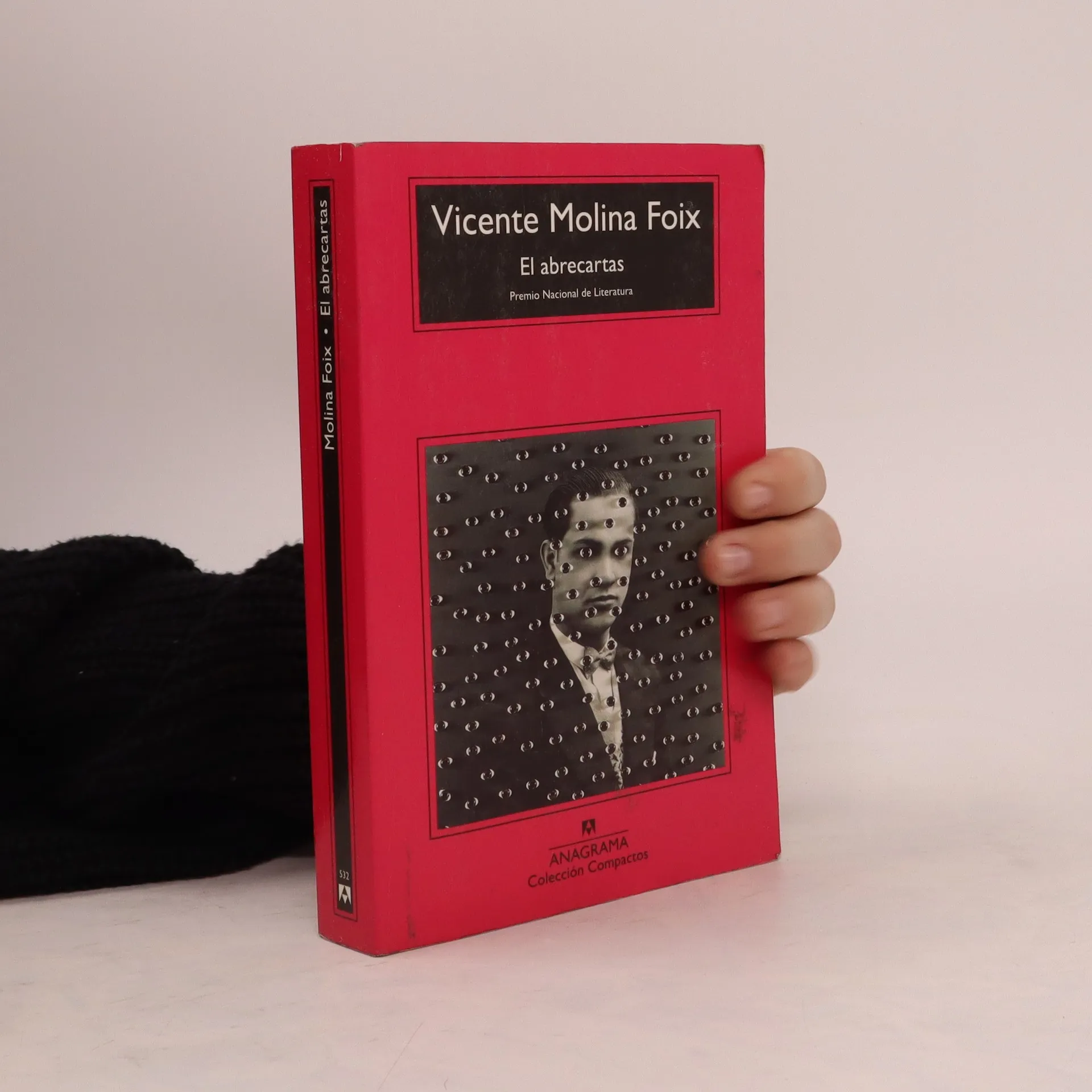
El abrecartas
- 447 stránek
- 16 hodin čtení
El abrecartas se inicia con las cartas que un amigo de infancia de Federico García Lorca le escribe al poeta, quien, aún vivo, inspira en la lejanía sus anhelos y sus sueños. A partir de ese primer episodio el lector seguirá el curso de lo que el propio Molina Foix llama «novela en cartas», una obra en la que cada capítulo forma parte de un único argumento desarrollado a través de unos protagonistas que en lugar de hablarse se escriben. Es también una ambiciosa novela-río subterránea en la que los últimos cien años de la vida española aparecen reflejados en el sugestivo entrecruzamiento de la Historia con las historias privadas de un grupo de víctimas, supervivientes, «vividores», apóstoles de la modernidad, muchachas «modernas» y «malditos». Esos hombres y mujeres se mezclan a su vez con ciertas personalidades relevantes –Lorca, Vicente Aleixandre, María Teresa León, Rafael Alberti, Eugenio D’Ors, entre otros–, figuras evocadas de esta poderosa sinfonía coral en la que lo íntimo se une a lo colectivo y la desolada tragedia de los perdedores queda a menudo resaltada por el humor grotesco de unos informes policiales que revelan en toda su siniestra palabrería la «prosa oficial» del franquismo.
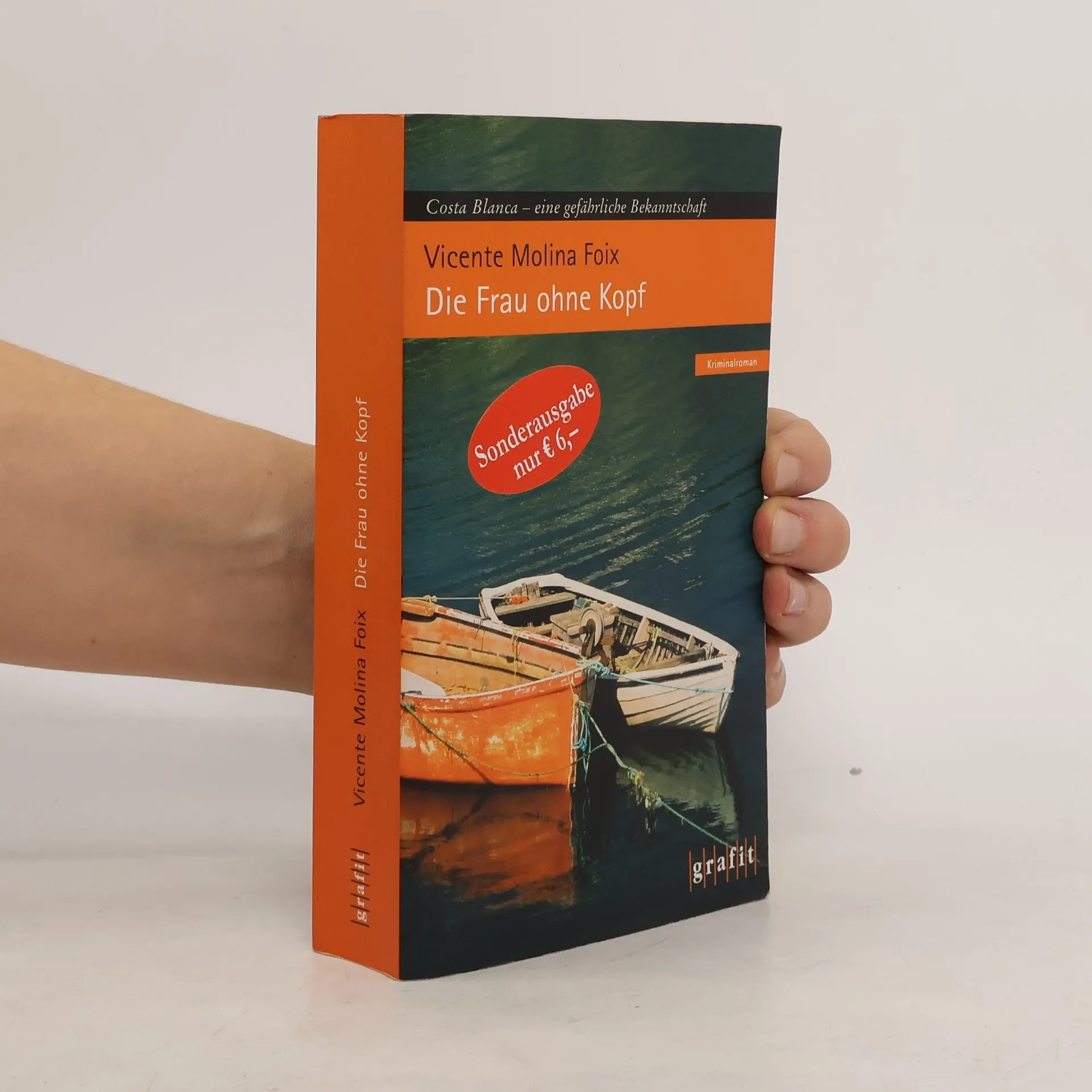
Der Madrider Privatdetektiv Carlos Sanchiz erholt sich in einem kleinen Ort an der spanischen Ostküste von einer Seelenkrise. Dort trifft er auf die geheimnisvolle Catalina Borrás, die ihm ihre Lebensgeschichte erzählt und ihn um Hilfe bittet. Carlos wird in einen mysteriösen Fall verwickelt, als er eine Leiche untersucht und in ein Netz aus Gefahr und Intrigen gerät.
La Quinzaine soviétique
- 270 stránek
- 10 hodin čtení