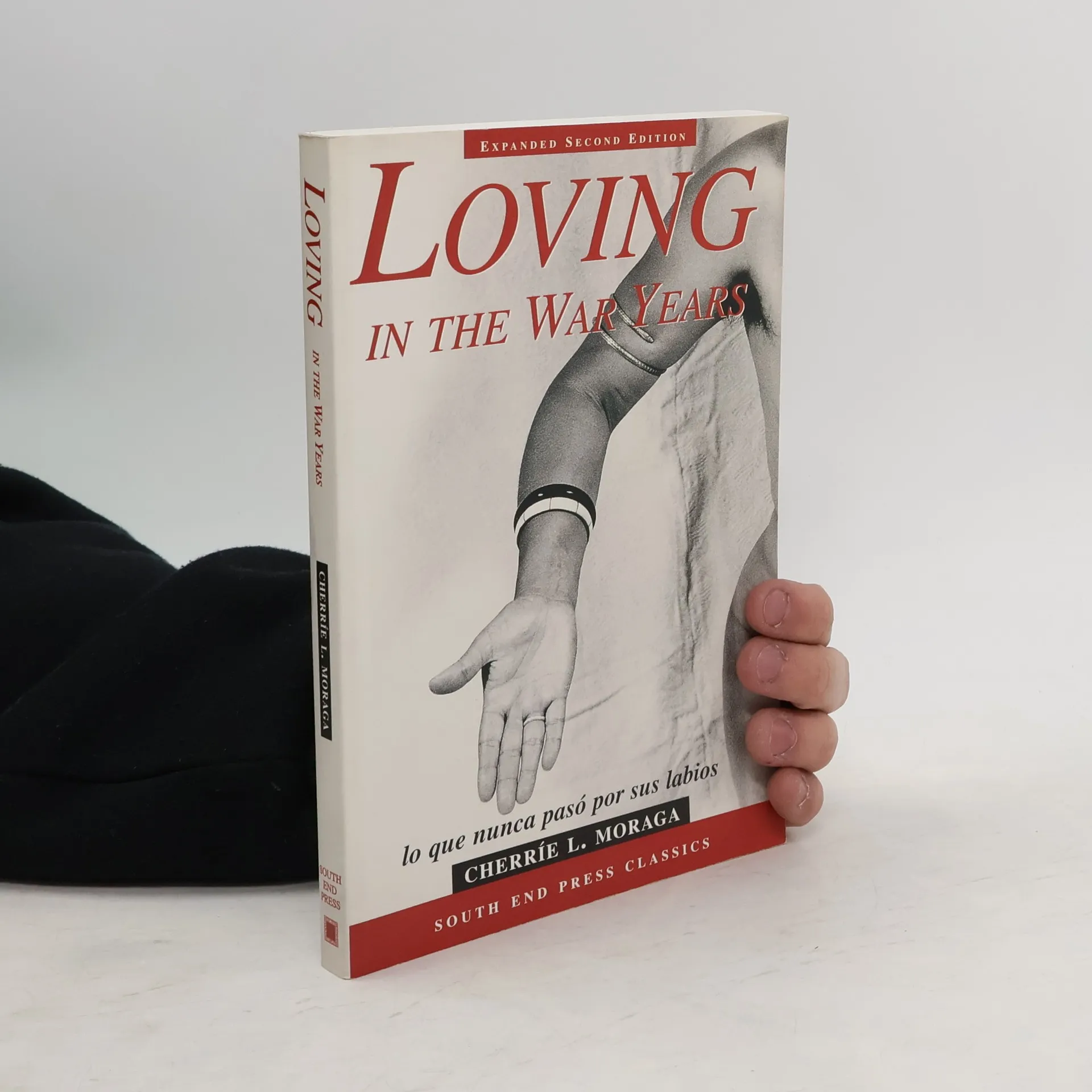
From the celebrated editor of This Bridge Called My Back, Cherrie L. Moraga
charts her own coming-of-age alongside her mother's decline and also tells the
larger story of the Mexican American diaspora.
'Moraga demonstrates her virtuosity as a poet; and, as a poet, she brings to her nonfiction essays images so hard, honest, and disturbing that her political analysis is breathtakingly personal and immediate.' San Francisco ChronicleThis new edition of Moragaâ__s seminal work on identity, sexuality, history, and the politics of Chicana feminism includes a new Introduction, three new chapters, and new poetry from Moraga. Weaving together poetry and prose, Spanish and English, family history and political theory, Loving in the War Years has been a classic in the feminist and Chicano canon since its 1983 release.
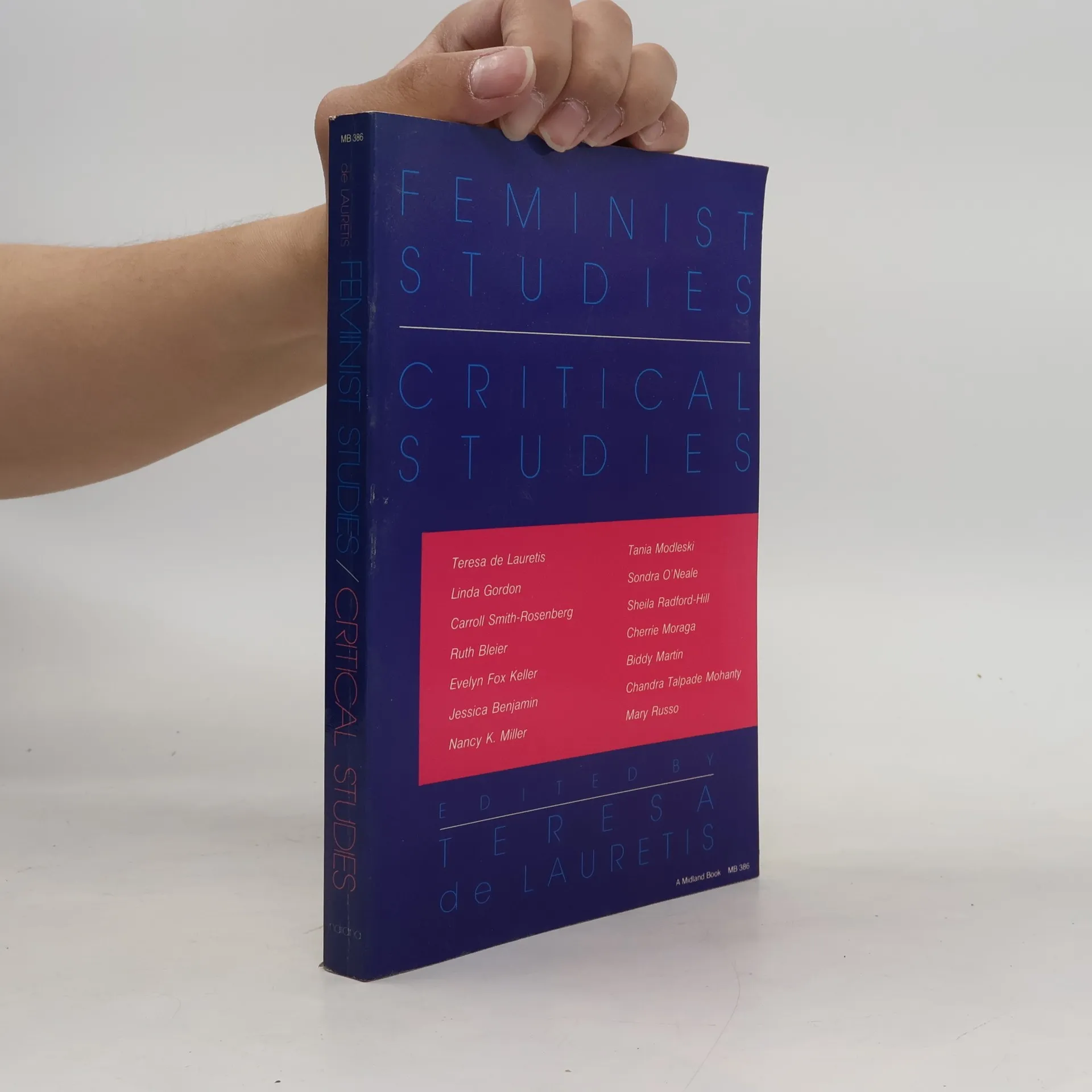
"This wonderful book does nothing less than to create the next stage of feminist thought." ―Catharine R. Stimpson"De Lauretis provides a way of thinking about feminism that accepts rather than tries to resolve differences, that refuses fixed definitional categories and insists instead on the contradictory and changing meaning of gendered identities." ―The Women's Review of Books"This is not a new collection but it is still one of the best." ―Exceptional Human ExperienceThe essays in this collection represent very recent developments in feminist research and writing in the areas of history, scientific discourse, literary criticism, and cultural theory.The contributors Teresa de Lauretis, Linda Gordon, Carroll Smith-Rosenberg, Ruth Bleier, Evelyn Fox Keller, Jessica Benjamin, Nancy K. Miller, Tania Modleski, Sondra O'Neale, Sheila Radford-Hill, Cherrie Moraga, Biddy Martin, Chandra Talpade Mohanty, and Mary Russo.
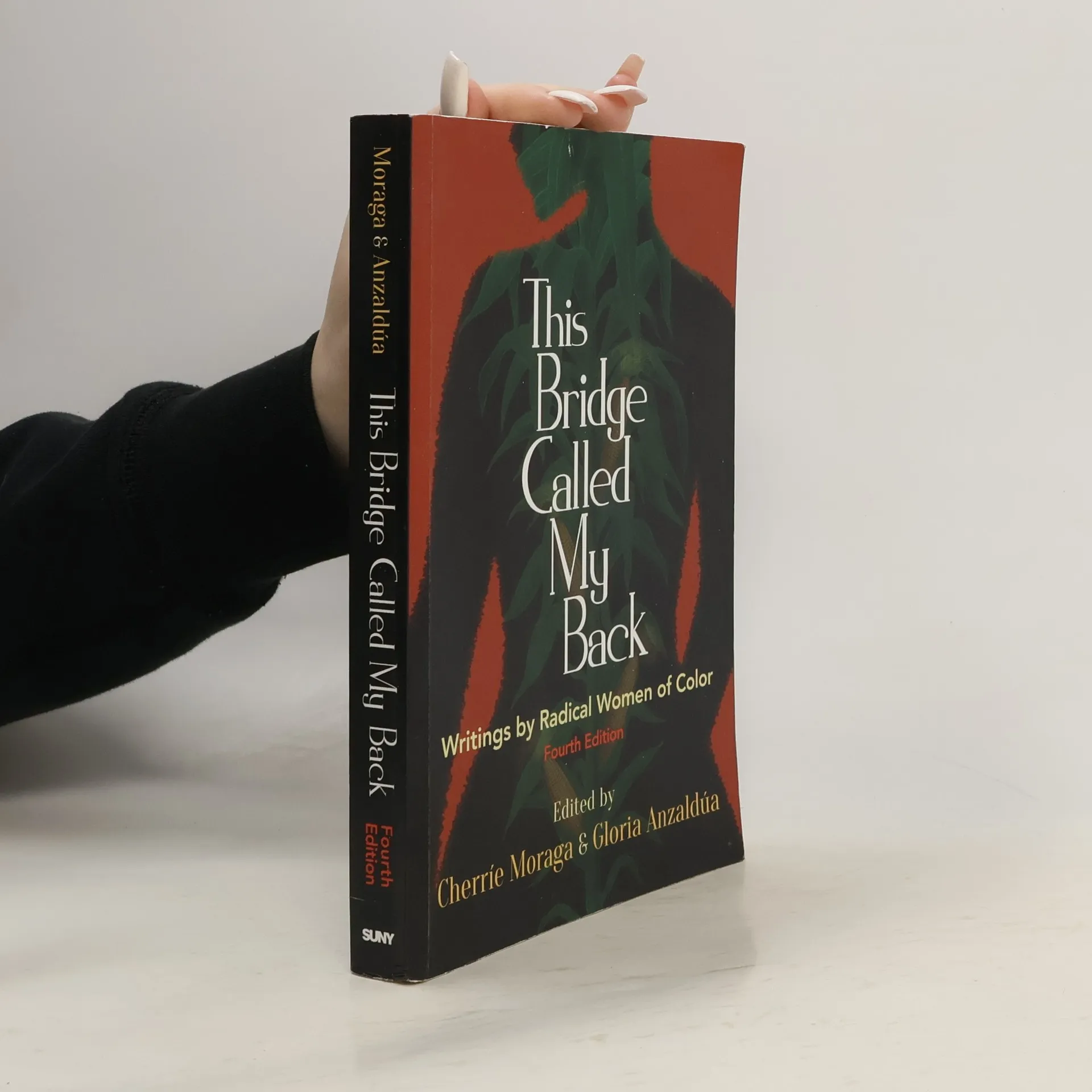
Writings by Radical Women of Color - Fourth Edition
334 stránek
12 hodin čtení
Originally released in 1981, This Bridge Called My Back is a testimony to women of color feminism as it emerged in the last quarter of the twentieth century. Through personal essays, criticism, interviews, testimonials, poetry, and visual art, the collection explores, as coeditor Cherríe Moraga writes, “the complex confluence of identities—race, class, gender, and sexuality—systemic to women of color oppression and liberation.” Reissued here, nearly thirty-five years after its inception, the fourth edition contains an extensive new introduction by Moraga, along with a previously unpublished statement by Gloria Anzaldúa. The new edition also includes visual artists whose work was produced during the same period as Bridge , including Betye Saar, Ana Mendieta, and Yolanda López, as well as current contributor biographies. Bridge continues to reflect an evolving definition of feminism, one that can effectively adapt to, and help inform an understanding of the changing economic and social conditions of women of color in the United States and throughout the world.