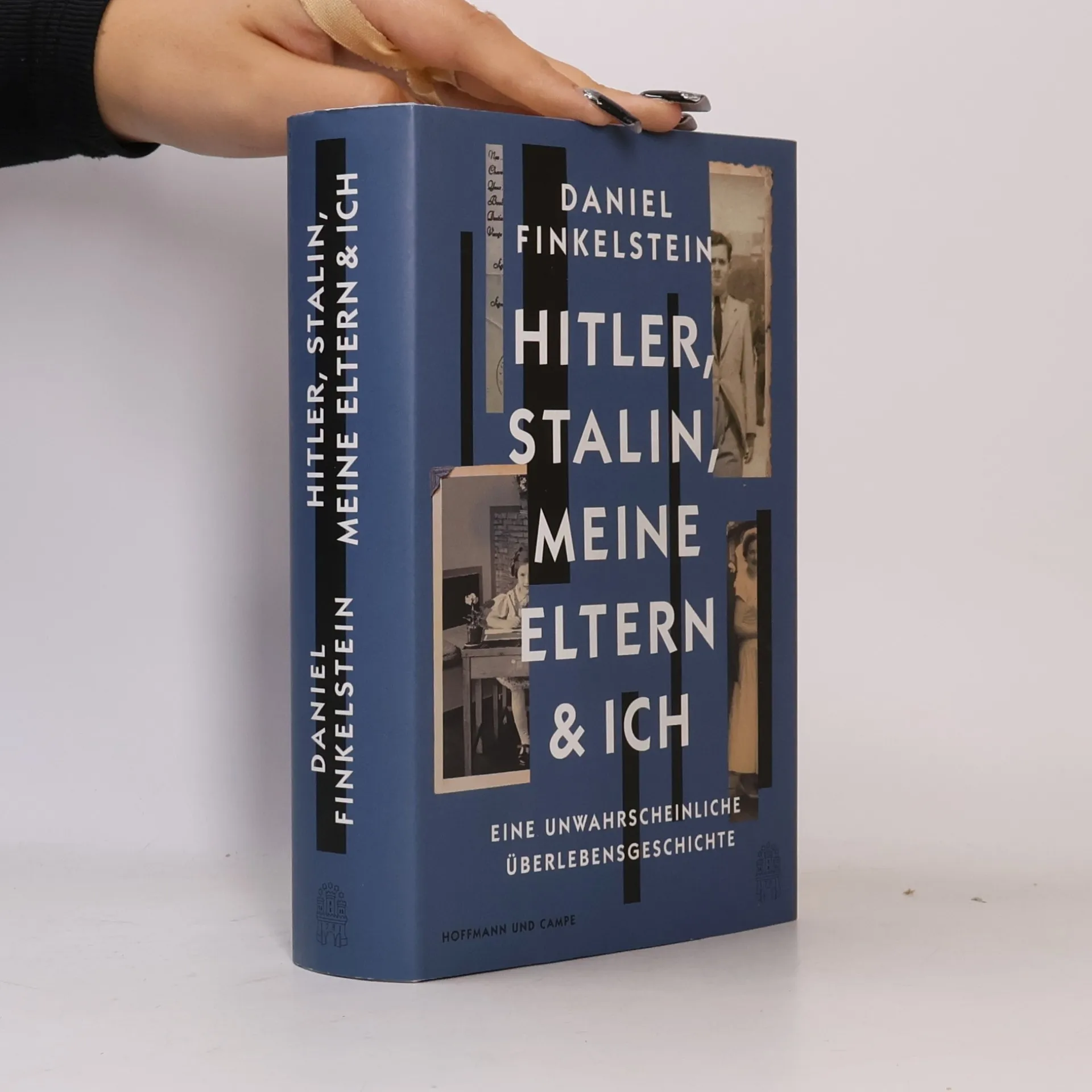
'Epic, moving and important' Robert Harris From longstanding political
columnist and commentator Daniel Finkelstein, a powerful memoir exploring both
his mother and his father's devastating experiences of persecution, resistance
and survival during the Second World War.
Hitler, Stalin, and the Miraculous Survival of My Family
416 stránek
15 hodin čtení
The narrative unfolds through the harrowing experiences of two families during World War II, highlighting their resilience amidst the horrors inflicted by both Hitler and Stalin. Daniel Finkelstein chronicles the extraordinary survival of his parents, Mirjam and Ludwik, who faced unimaginable trials, from Bergen-Belsen to forced labor in Kazakhstan. The book combines personal testimonies, letters, and historical research, revealing a poignant tale of courage, ingenuity, and the enduring spirit of love against a backdrop of immense suffering and loss.
'How long does a column take? Well it's 1,150 words and it usually takes
between two and three hours to write down. But in reality it has taken me
somewhere between three hours and the entirety of my life since I was eight
years old.'
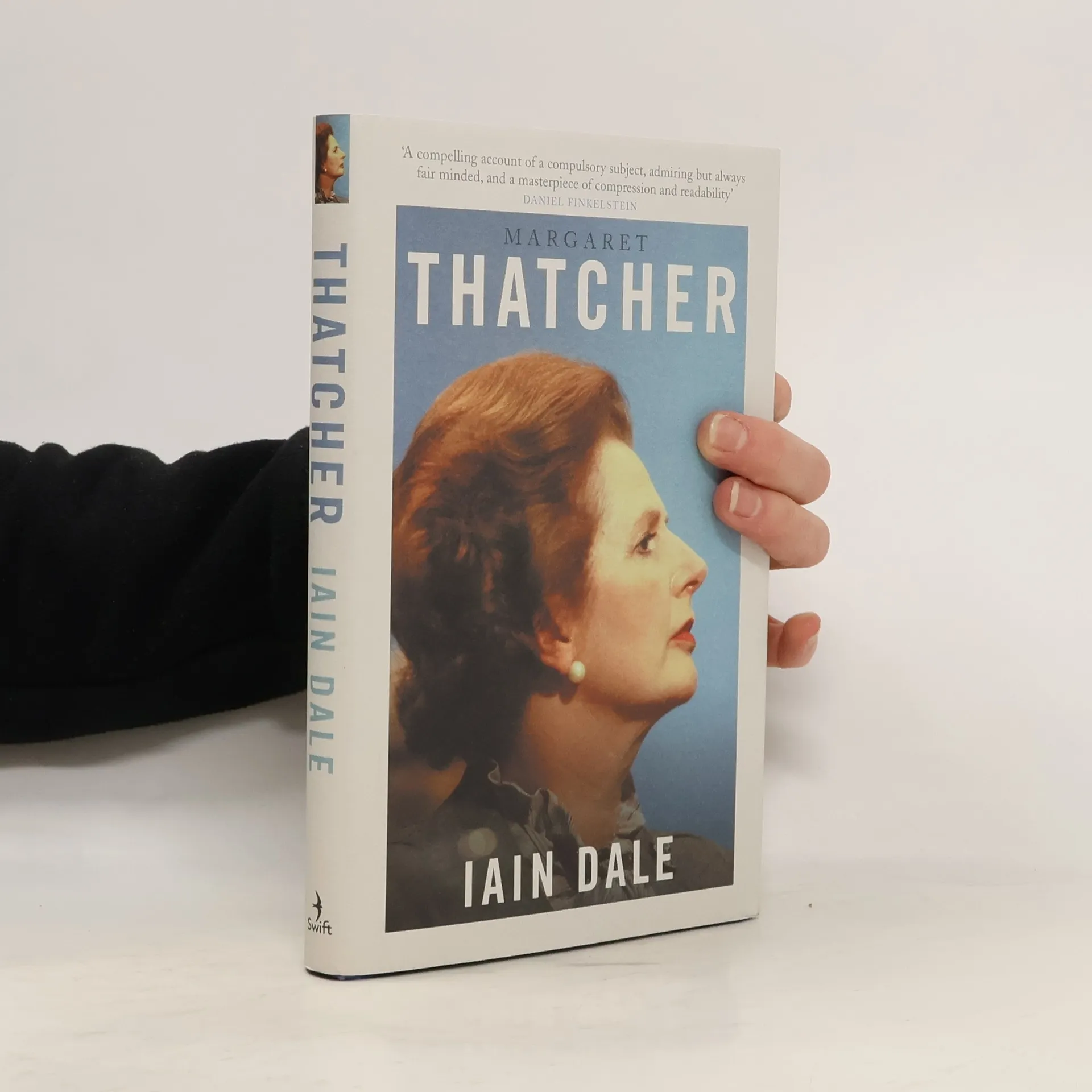
A compelling account of a compulsory subject, this biography presents a nuanced portrait of Margaret Thatcher, a politician marked by contradictions. She was a conviction politician and pragmatist, known for her tough exterior yet capable of deep emotion during personal or national crises. While often perceived as a quasi-dictatorial cabinet leader, she allowed her ministers considerable autonomy, more so than her successors. Initially a social conservative, she embraced classical laissez-faire liberalism but was open to state intervention when necessary. Iain Dale's engaging short biography captures her complexities and illustrates how her 1979 election marked a pivotal moment in British history. Known as the 'Iron Lady' by the Soviets, Thatcher was a significant figure on the international stage, leading Britain through the Falklands War, playing a key role in defeating Communism, and navigating challenges with the European Economic Community. Domestically, she initiated a consensus on the limited role of the state, shaping an economic landscape dominated by the private sector—a settlement now being reexamined. This biography serves as an introduction to Thatcher for new generations who may not recall her time in office but are experiencing the long-lasting impact of her policies.
Daniel Finkelsteins bedeutendes Buch ist ein eindringliches Porträt seiner Mutter und seines Vaters und ihrer erschütternden Erfahrungen von Verfolgung, Widerstand und Überleben im Zweiten Weltkrieg. Daniels Mutter Mirjam wurde in Berlin geboren. Ihr Vater Alfred Wiener war der Erste, der erkannte, was für eine Gefahr von Hitler für die Juden ausging. Ab 1933 katalogisierte er die Nazi-Verbrechen minutiös. Er floh mit der Familie nach Amsterdam und verlegte seine Bibliothek nach London. Aber noch vor der Übersiedlung von Frau und Kindern marschierten die Deutschen in Holland ein und schickten sie nach Bergen-Belsen. Daniels Vater Ludwik kam in Lwiw als einziges Kind einer wohlhabenden jüdischen Familie zur Welt. Nach der Aufteilung Polens durch Hitler und Stalin 1939 wurde die Familie von den Kommunisten zusammengetrieben und zur Zwangsarbeit in einen sibirischen Gulag geschickt. Ludwik arbeitete in einer Kolchose und überlebte die eisigen Winter in einem winzigen Haus aus Kuhdung.