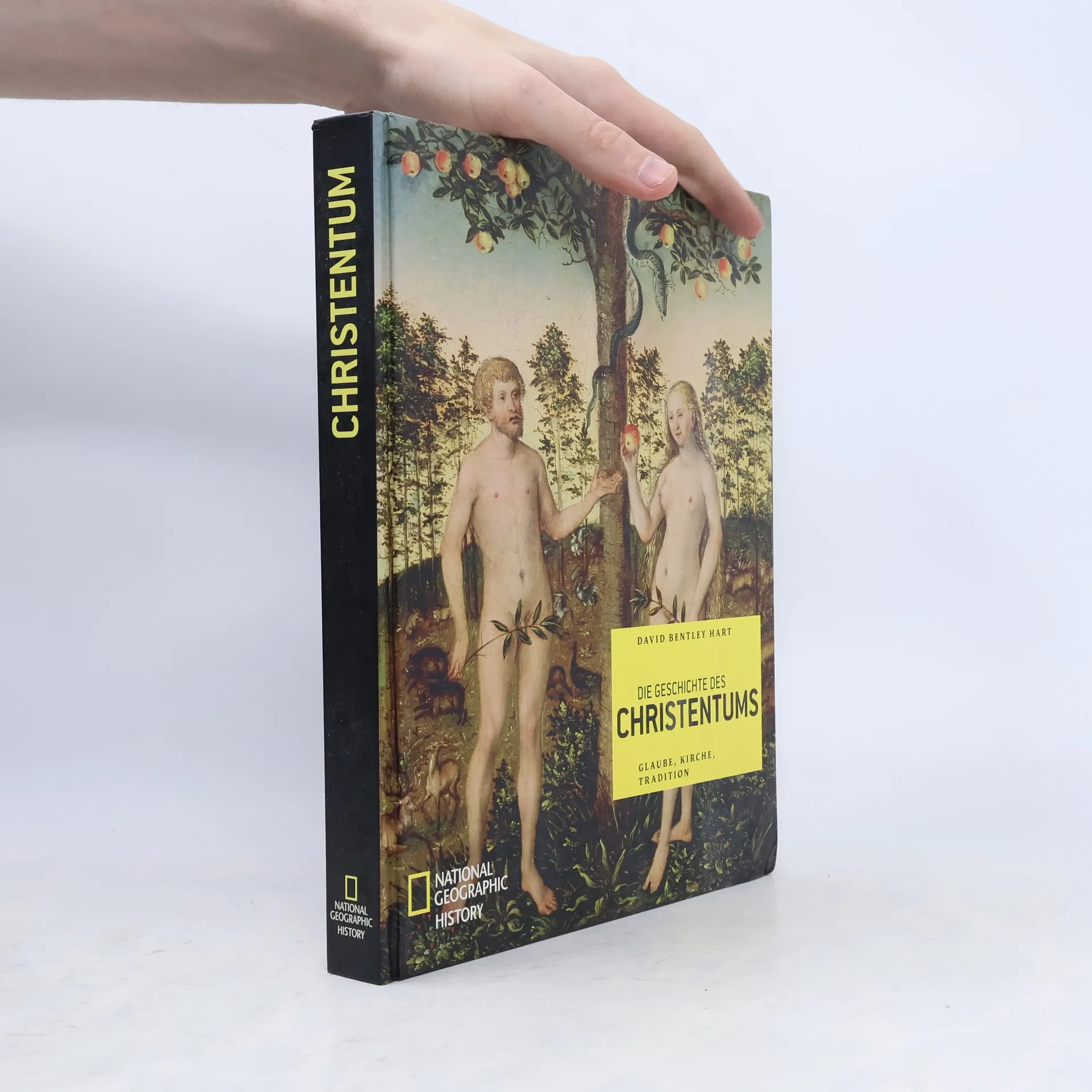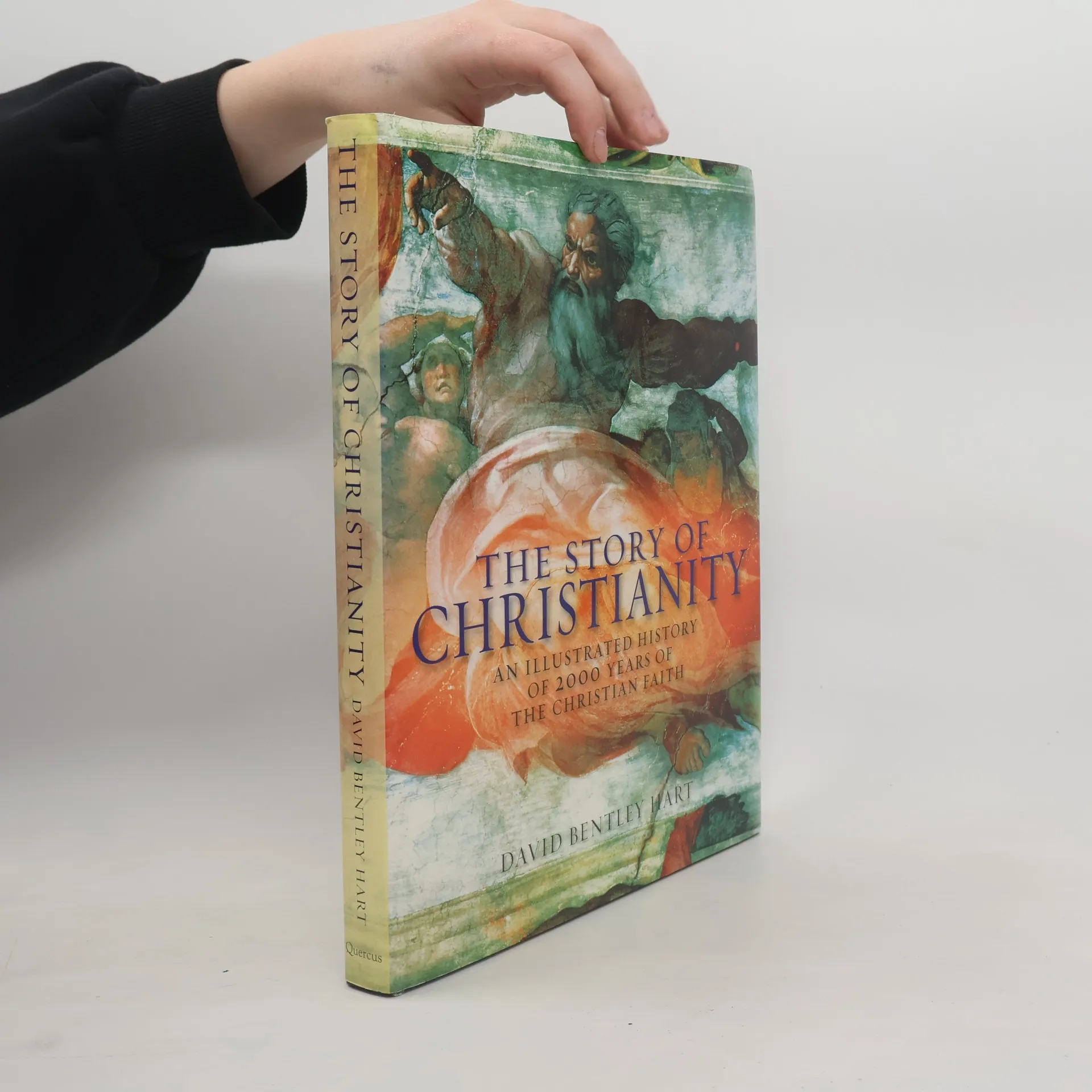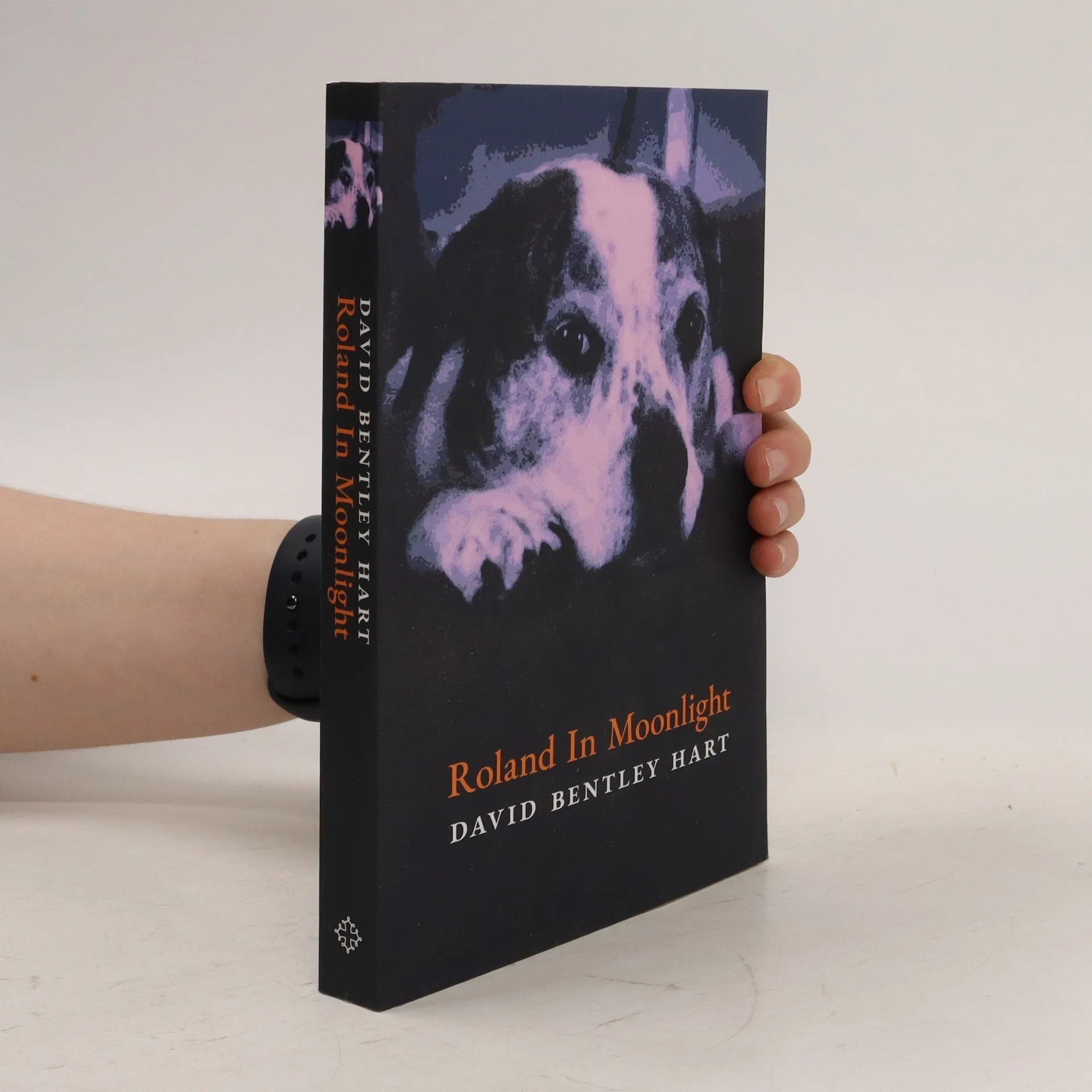
David Bentley Hart je učencem religionistiky z Východní pravoslavné církve a také filozofem, spisovatelem a kulturním komentátorem. Jeho práce se zaměřuje na hluboké otázky víry, rozumu a povahy reality. Prostřednictvím svých spisů zkoumá vzájemné propojení teologie a filozofie a snaží se osvětlit duchovní rozměr lidské existence. Hartova jedinečná schopnost spojovat akademickou hloubku s přístupným psaním z něj činí významného hlasatele současného myšlení.
This work delves into the intricate mystery of consciousness through the lens of a renowned philosopher, blending various genres to challenge conventional thinking. It invites readers to engage with profound questions about the nature of awareness, perception, and existence, offering innovative insights that transcend traditional philosophical boundaries. The exploration not only stimulates intellectual curiosity but also encourages a deeper understanding of the self and the universe.
The second edition of this acclaimed New Testament translation features a compelling new preface and over a thousand textual revisions, enhancing its clarity and impact. David Bentley Hart invites readers to rediscover the texts with a fresh perspective, emphasizing their originality and relevance.
David Bentley Hart provides a profound exploration of the supernatural within Christian theology, particularly focusing on its resurgence in Roman Catholic thought. His meditations address the complex relationship between nature and supernature, challenging a specific Thomistic interpretation while advocating for a model that aligns more closely with Eastern and patristic traditions, as well as progressive medieval and modern Catholic thought. Hart argues for the near-total elimination of distinctions between the natural and supernatural realms in the lives of spiritual beings, promoting a radical monistic view of Christian metaphysics grounded in credal orthodoxy. As a prominent theologian, Hart resists the revival of “two-tier Thomism” prevalent in Anglophone theology. Through this rigorous examination, he delves into metaphysics of participation, high Trinitarianism, Christology, and the soteriological concept of theosis, drawing logical conclusions that challenge conventional perspectives. This work is likely to engage readers interested in theological metaphysics and offers insights from traditions like Vedanta, suggesting that Christian philosophers, theologians, and scholars can still learn significantly from these perspectives.
In this carefully argued essay, leading theologian David Bentley Hart
critiques common understandings of Christian tradition by offering a
compelling portrayal of a living tradition held together by apocalyptic
expectation--the promised transformation of all things in God.
The narrative explores the profound connection between humans and dogs, highlighting the unique relationship between David Bentley Hart and his dog, Roland. This account delves into their interactions, revealing insights into companionship, loyalty, and the shared experiences that transcend species. Through their bond, the story reflects on the deeper meanings of love and understanding that can exist between humans and animals.
Set in a clockwork universe marked by oppressive surveillance, the story follows Michael Ambrosius as he navigates a coming-of-age journey disrupted by a mysterious child from the stars. Drawing inspiration from the Gnostic Hymn of the Pearl, the narrative delves into themes of good versus evil, reality versus illusion, and the quest for truth in a deluded world. Hart's imaginative tale combines dark fantasy with humor and adventure, exploring friendship, loyalty, and the rescue of true goodness amidst chaos.
One of America's most eminent contemporary writers on religion reflects on the
state of theology at the borders of other fields of discourse. The book
advances many of David Bentley Hart's larger theological projects, developing
and deepening numerous dimensions of his previous work.
From one of the most revered scholars of religion, an incisive explanation of how the word "God" functions in the world's great faiths Despite the recent ferocious public debate about belief, the concept most central to the discussion--God--frequently remains vaguely and obscurely described. Are those engaged in these arguments even talking about the same thing? In a wide-ranging response to this confusion, esteemed scholar David Bentley Hart pursues a clarification of how the word "God" functions in the world's great theistic faiths. Ranging broadly across Judaism, Christianity, Islam, Vedantic and Bhaktic Hinduism, Sikhism, and Buddhism, Hart explores how these great intellectual traditions treat humanity's knowledge of the divine mysteries. Constructing his argument around three principal metaphysical "moments"--being, consciousness, and bliss--the author demonstrates an essential continuity between our fundamental experience of reality and the ultimate reality to which that experience inevitably points. Thoroughly dismissing such blatant misconceptions as the deists' concept of God, as well as the fundamentalist view of the Bible as an objective historical record, Hart provides a welcome antidote to simplistic manifestoes. In doing so, he plumbs the depths of humanity's experience of the world as powerful evidence for the reality of God and captures the beauty and poetry of traditional reflection upon the divine.
In The Story of Christianity, acclaimed theologian David Bentley Hart provides a sweeping and informative portrait of a faith that has shaped the western world and beyond for over 2,000 years. From the persecutions of the early church to the papal-imperial conflicts of the Middle Ages, from the religious wars of 16th- and 17th-century Europe to the challenges of science and secularism in the modern era, and from the ancient Christian communities of Africa and Asia to the 'house churches' of contemporary China, The Story of Christianity triumphantly captures the complexity and diversity of Christian history.