
Focusing on accessibility, this publication from Megali aims to provide historical works in large print format, catering specifically to readers with impaired vision. The commitment to enhancing readability ensures that these important texts remain available to a wider audience, preserving their historical significance while facilitating easier engagement with the material.
Edgar Jepson Knihy
Edgar Jepson byl anglický spisovatel, známý především svým dobrodružným a detektivním žánrem, ale jeho fantastické a nadpřirozené příběhy jsou dodnes připomínány. Jeho styl se vyznačoval svižným vyprávěním a vytvářením napínavých zápletek, které čtenáře vtáhly do světa plného záhad a akce. Jepson se také věnoval překladatelství, čímž obohatil literární krajinu o významná díla. Jeho odkaz žije v dílech jeho potomků, kteří navázali na jeho spisovatelské dědictví.
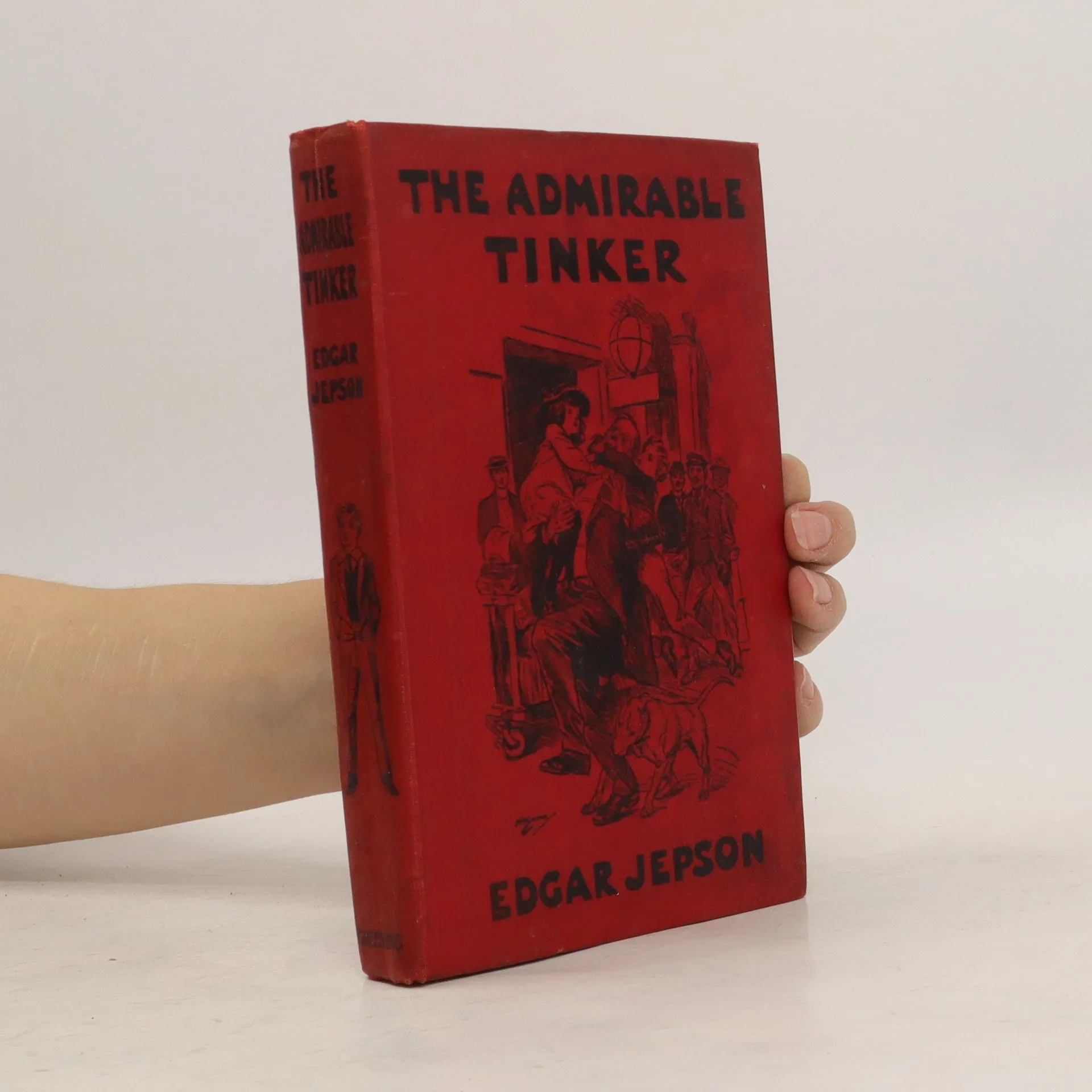



The Terrible Twins
- 160 stránek
- 6 hodin čtení
This classical work highlights the significance of preserving literary heritage for future generations. Through modern formatting, retyping, and redesigning, the book offers clear and readable text, ensuring accessibility. As a notable piece within English literature, it reflects the enduring importance of its themes and narratives throughout human history. The effort to republish it in a contemporary format underscores its value as a cultural artifact.
The Man With the Black Feather
- 116 stránek
- 5 hodin čtení
Gaston Leroux, a French journalist and detective fiction author, is renowned for "The Phantom of the Opera" and "The Mystery of the Yellow Room," a classic locked-room mystery. His works often explore themes of despair and intrigue, as illustrated by a haunting encounter in a newspaper waiting room.
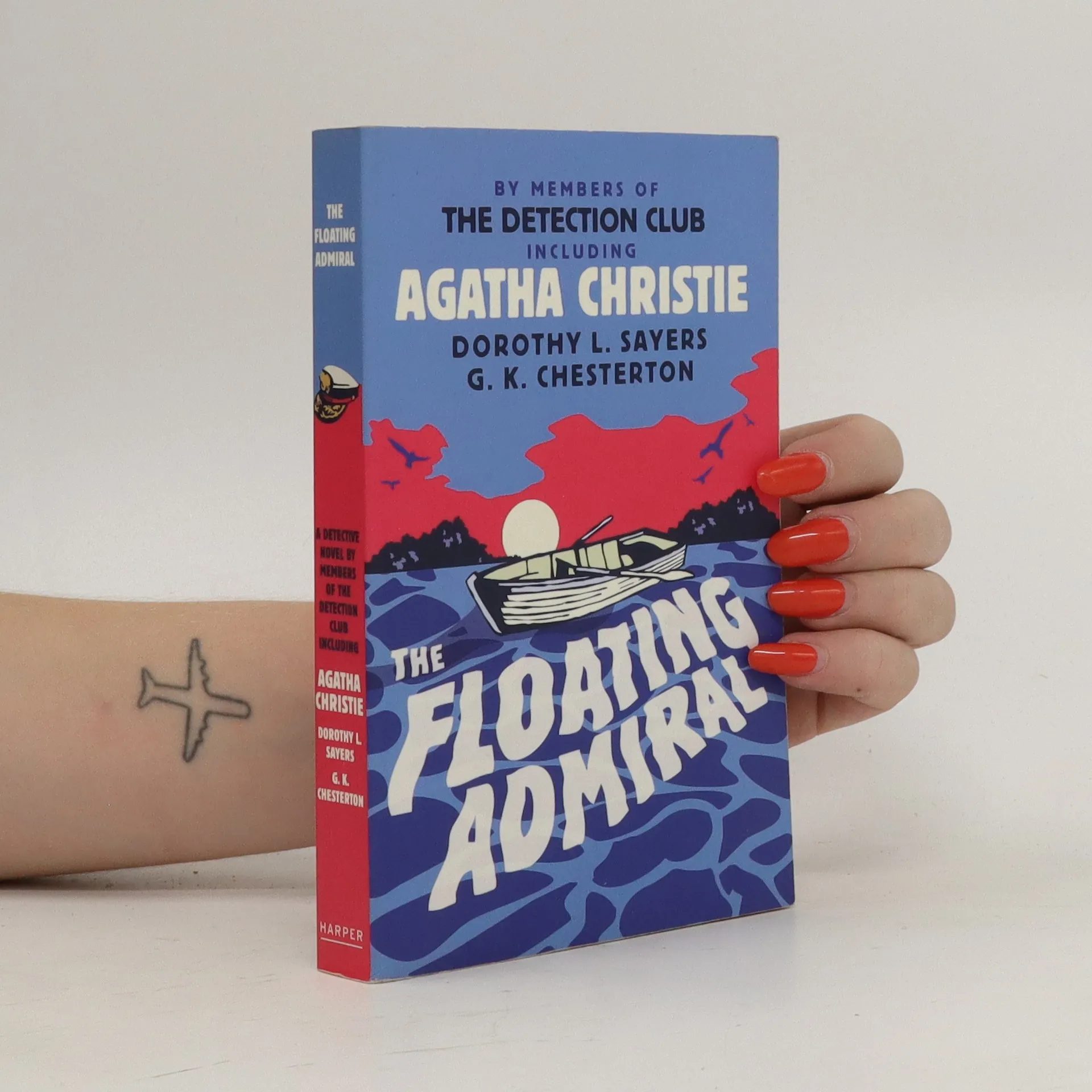
Detection Club: The Floating Admiral
- 330 stránek
- 12 hodin čtení
In the quiet seaside town of Whynmouth, Inspector Rudge seldom faces murder cases. However, his routine is shattered when an old sailor arrives with a rowing boat carrying a fresh corpse, stabbed in the chest. The investigation reveals multiple challenges; the vicar, owner of the boat, seems to be hiding crucial information, and the victim's niece has mysteriously vanished. The case grows increasingly complex, raising doubts about the victim's identity and the number of people involved in this extraordinary crime. Inspector Rudge grapples with the intricacies of the situation, questioning whether he will ever uncover the truth. In 1931, a group of crime writers, including Agatha Christie and Dorothy L. Sayers, collaborated on a unique literary project under the Detection Club. Each author contributed a chapter in a game of literary consequences, with G.K. Chesterton providing a paradoxical prologue and Anthony Berkeley resolving the story. The authors also submitted their own solutions in sealed envelopes, revealed at the book's conclusion, with Agatha Christie's clever resolution noted as particularly outstanding. The contributors included notable figures such as Canon Victor Whitechurch, G.D.H. Cole, and Ronald Knox, among others.