

Knihobot

Alva Noë

    Alva Noë se ve své práci zabývá teorií vnímání a vědomí. Jeho zájem se rozšiřuje i na fenomenologii, teorii umění a na myšlení Ludwiga Wittgensteina. Zkoumá původ analytické filozofie a její spojitosti s kognitivními vědami a filozofií mysli. Jeho přístup nabízí jedinečný pohled na to, jak vnímáme svět a jak se formuje naše vědomí.

    The Entanglement
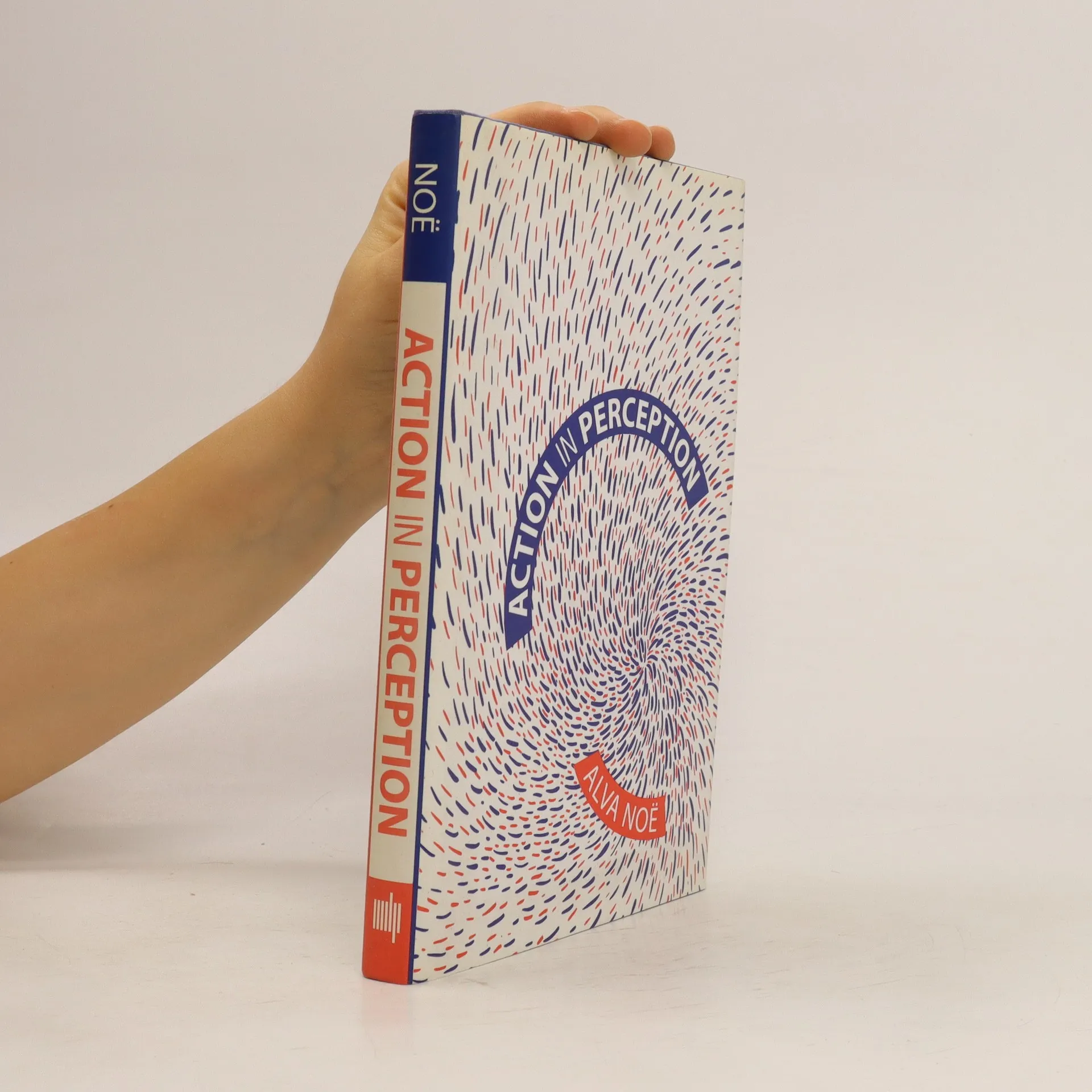
    Action in Perception
    Strange Tools
    • Strange Tools

      • 304 stránek
      • 11 hodin čtení
      3,9(7)Ohodnotit

      What is art, and why does it matter to us? Traditionally, we turn to works of art to explore these questions. However, Alva Noë argues that our focus on the objects themselves hinders our understanding of art's impact on us. He posits that art is not merely a phenomenon needing explanation but rather a mode of research that investigates our humanity—a "strange tool." Art challenges us, urging us to make sense of our experiences rather than simply providing satisfaction. Through a range of provocative examples from art history, Noë illustrates art's transformative power. For instance, choreographers highlight how bodily movement shapes our organization, while painting transcends mere representation, questioning the role of images in our lives. He contends that reducing art to aesthetic triggers or framing it solely through neurobiology and evolutionary theory is insufficient. Engaging with art allows us to study ourselves in innovative ways, revealing the deep connections between art and philosophy. By reframing the dialogue around artists and their work, this exploration serves as a bold and thought-provoking contribution to contemporary discourse.

      Strange Tools
    • Action in Perception

      • 289 stránek
      • 11 hodin čtení
      3,9(218)Ohodnotit

      An argument that perception is something we do, not something that happens to us: not a process in the brain, but a skillful bodily activity.

      Action in Perception
    • "In The Entanglement, philosopher Alva Noë explores the inseparability of life, art, and philosophy, and argues that we have radically underestimated the significance of this long recognized but underappreciated reality, what he refers to as the "entanglement." The core of The Entanglement is the idea that human existence is inextricably aesthetic and philosophical. In the first half of the book, Noë offers a detailed examination of pictures and seeing, writing and speech, and choreography and dancing, which serve as case studies and the base in which the phenomenon of entanglement is set. In later chapters, Noë deepens this analysis by exploring the nature of the aesthetic itself, and its place in our lives, examining what the entanglement can teach us about science, and, in particular, the project of applying science in the domain of the human. In these later chapters he covers a range of topics, including sex, gender, and the body, psychology and AI, the problem of style, and the nature of 'nature.' Drawing on his work in perception, consciousness, and the philosophy of art, Noë offers a new model for thinking about the nature of the human, the limits to what a natural science of the human can do on its own, and the irreplaceable importance of art and philosophy for the larger project of studying and understanding ourselves"--

      The Entanglement