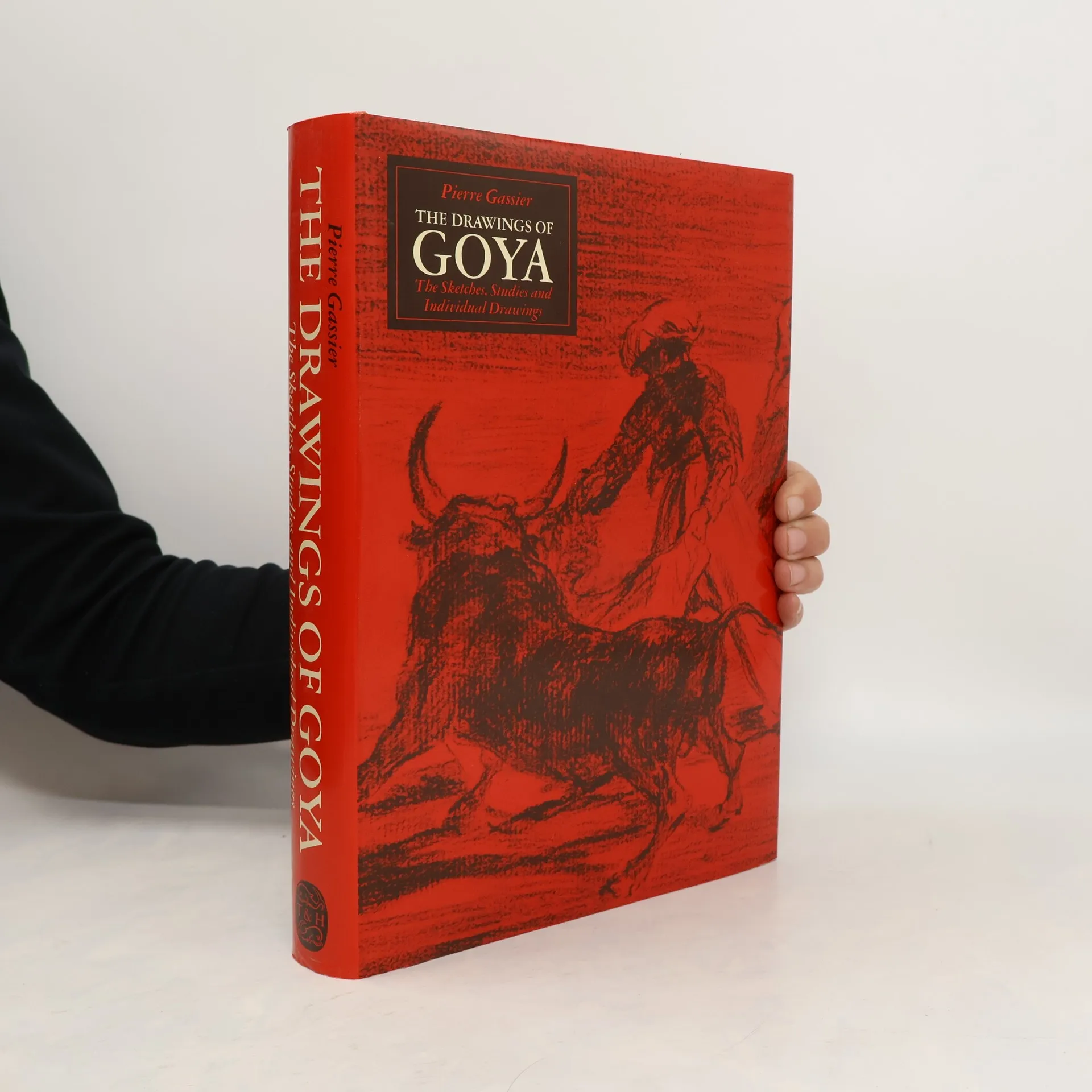
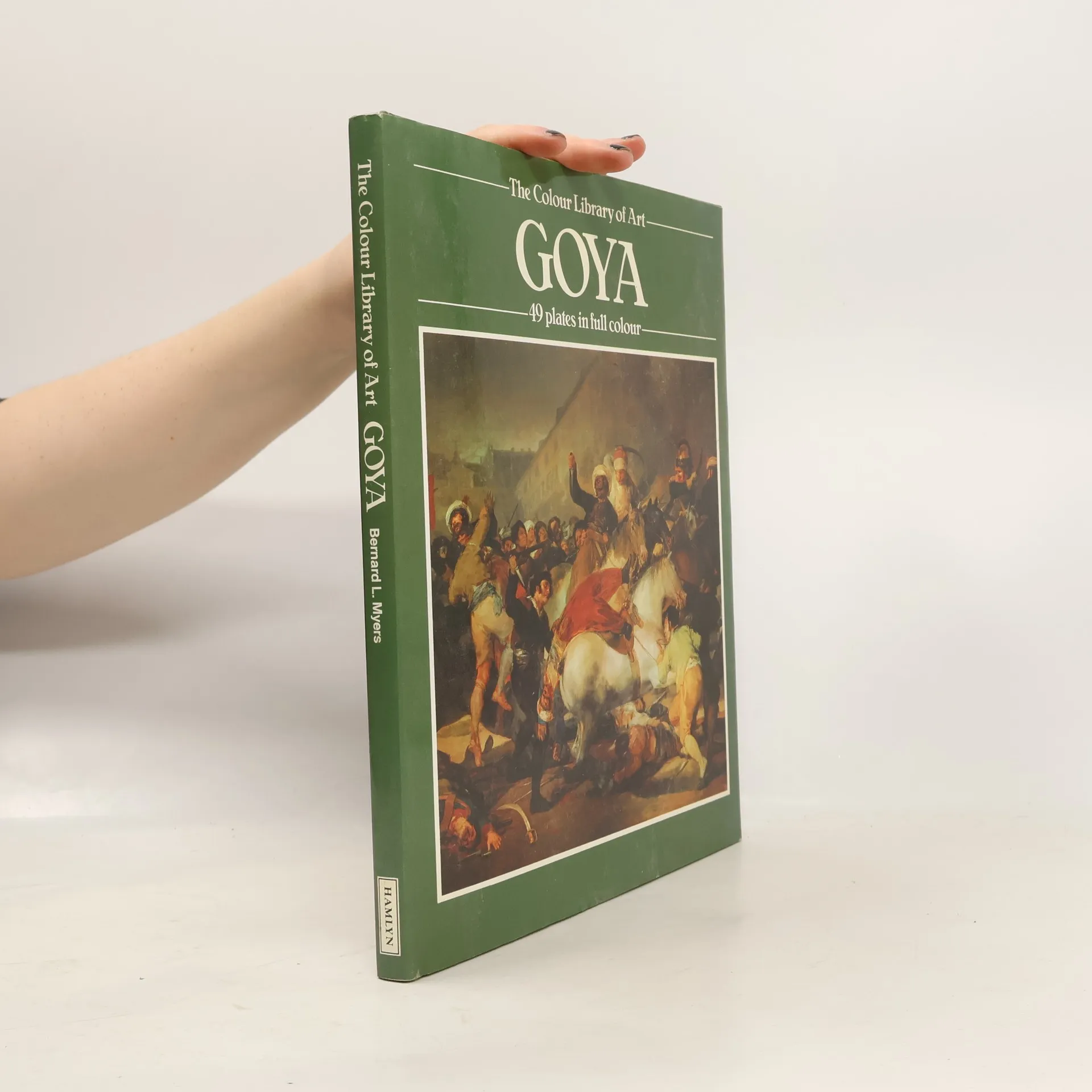
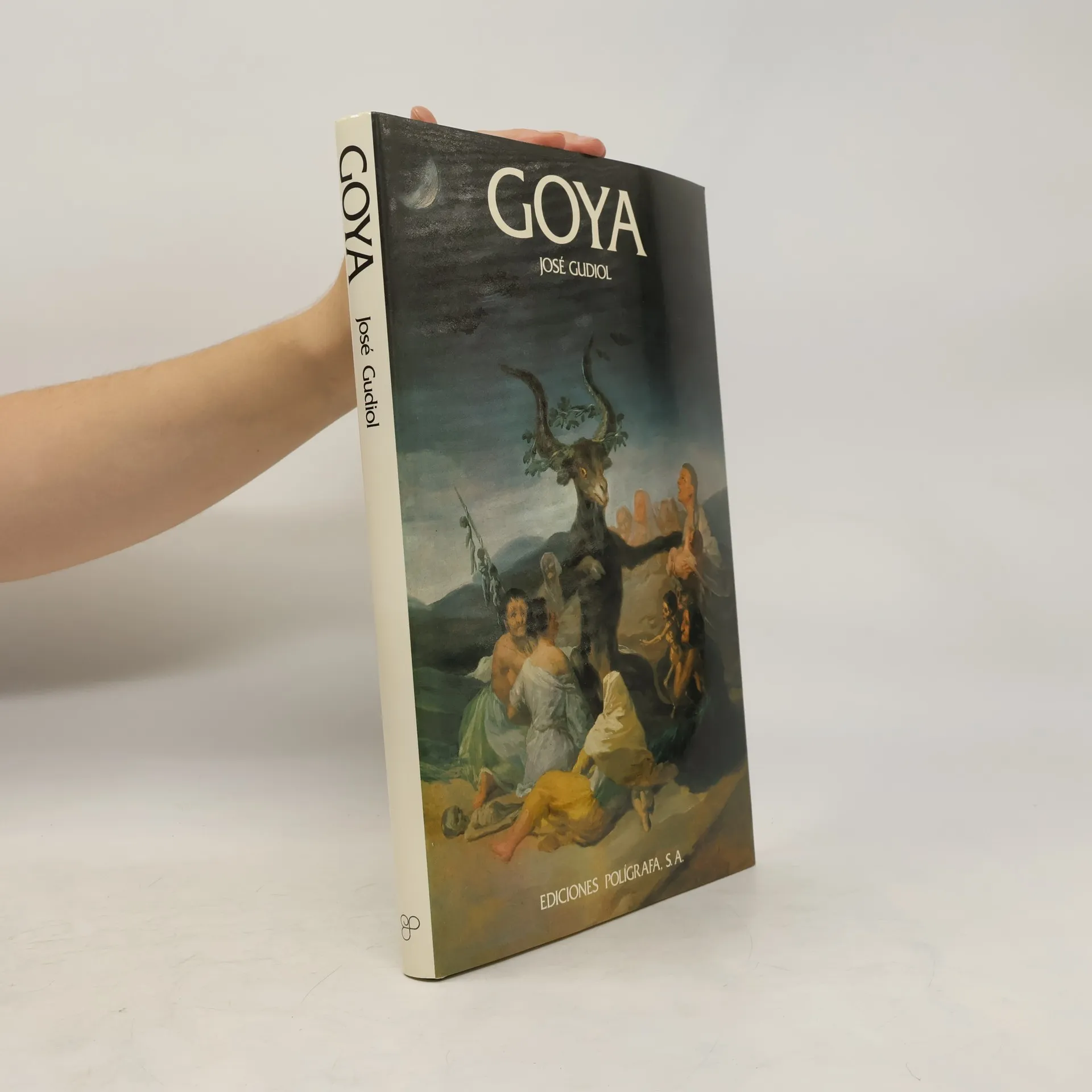
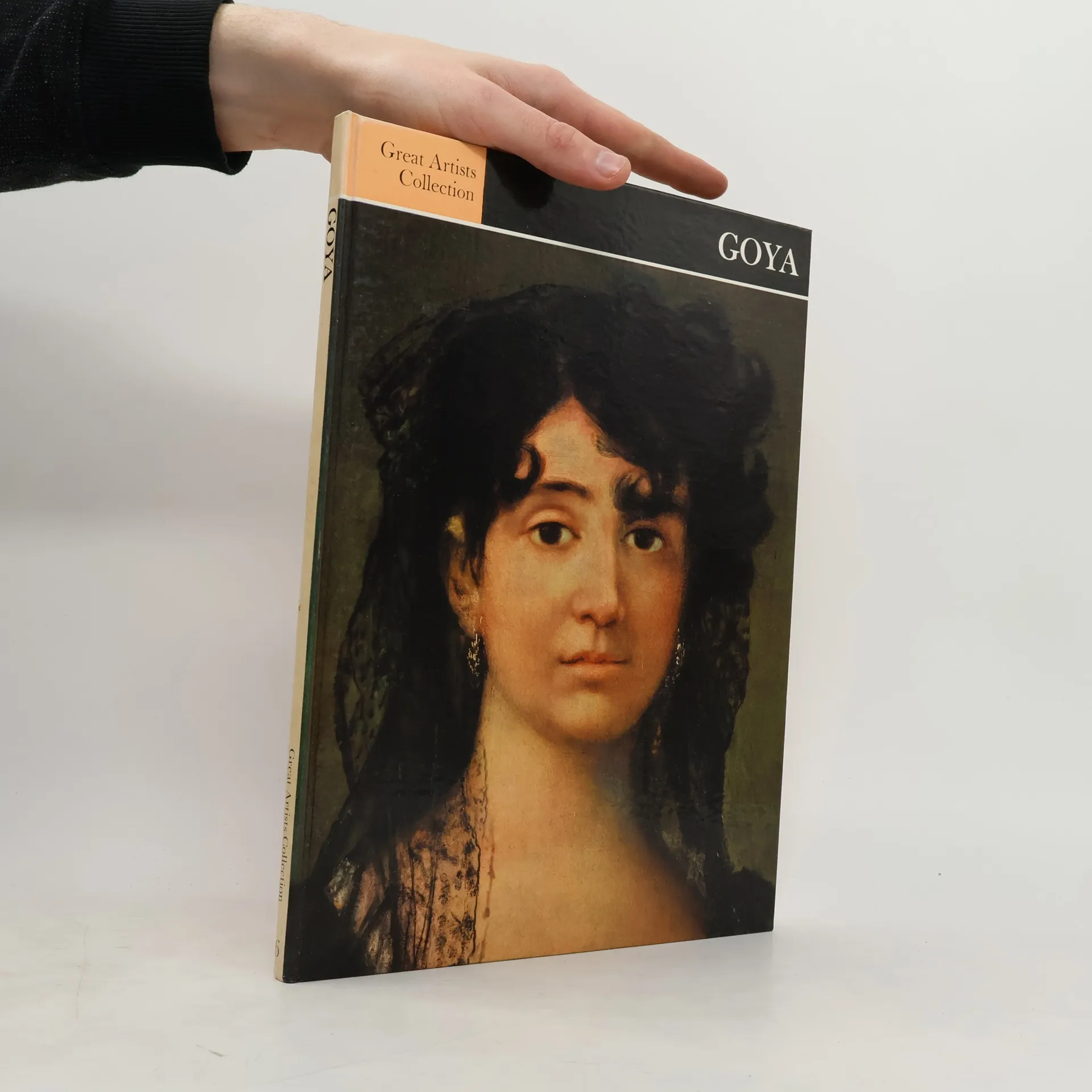
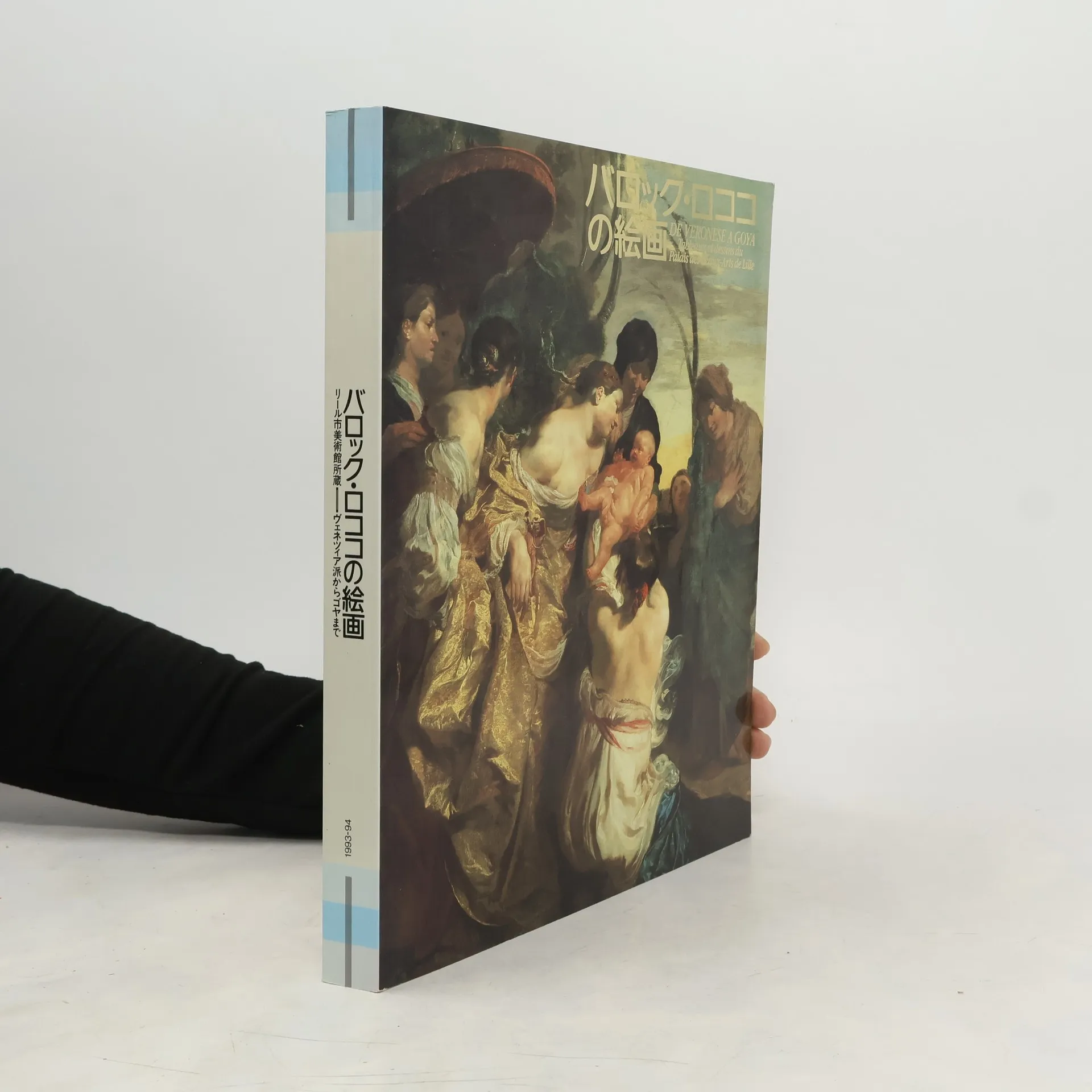
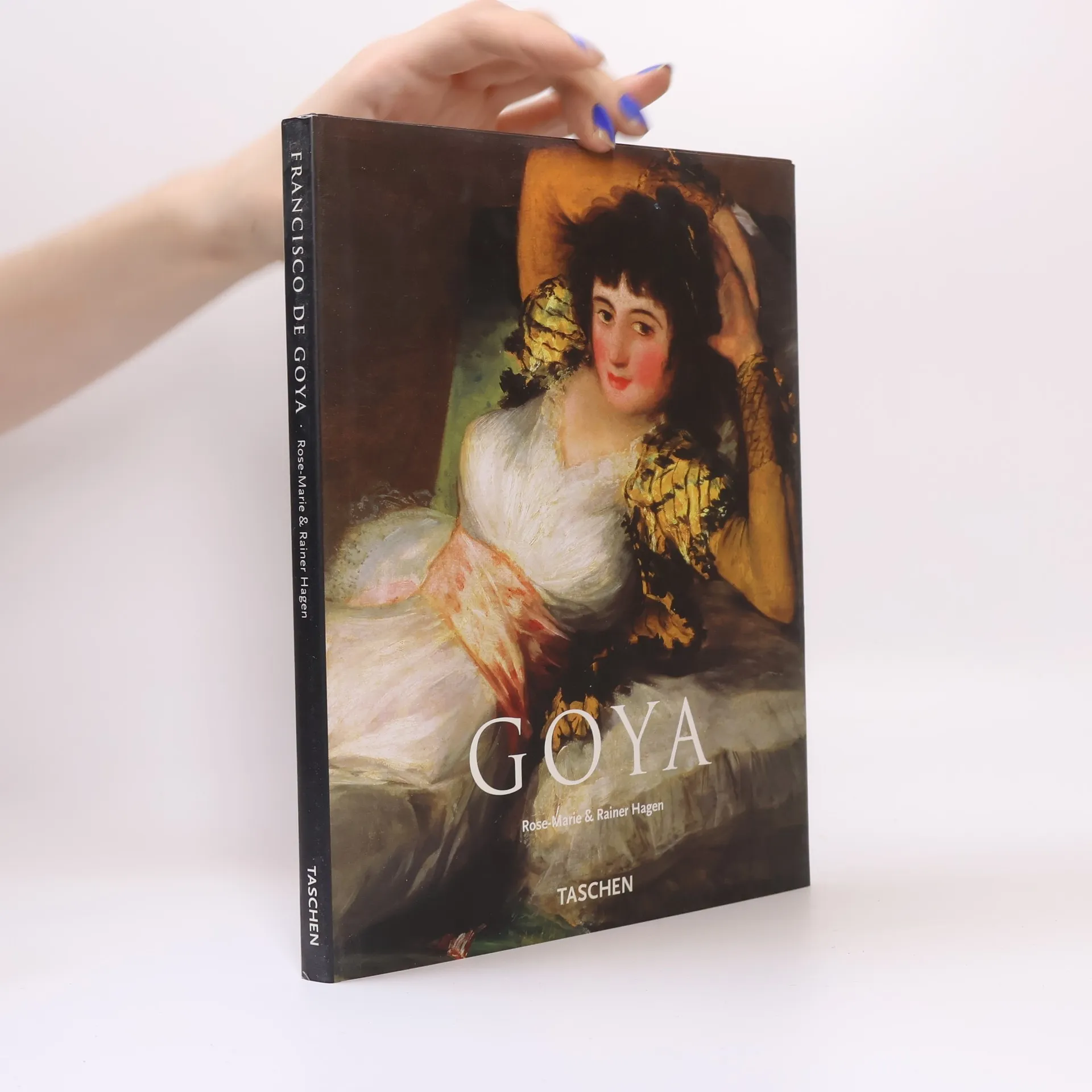
Oslnivý rozsah a rozmanitost velkého španělského malíře 19. století se projevuje v jeho dílech, která zahrnují portréty šlechty, žánrové scény a fantastické obrazy monster.
Francisco Goya Knihy
30. březen 1746 – 16. duben 1828
Francisco José de Goya y Lucientes byl klíčovou postavou na pomezí starých mistrů a moderních umělců. Jeho umění, které sloužilo jako kronika historie, se vyznačovalo podvratným a subjektivním přístupem. Goya svým odvážným zacházením s barvou a inovativními technikami položil základy pro budoucí generace malířů. Jeho práce představuje jedinečné spojení historického komentáře s hluboce osobním uměleckým výrazem, které dodnes inspiruje a provokuje.


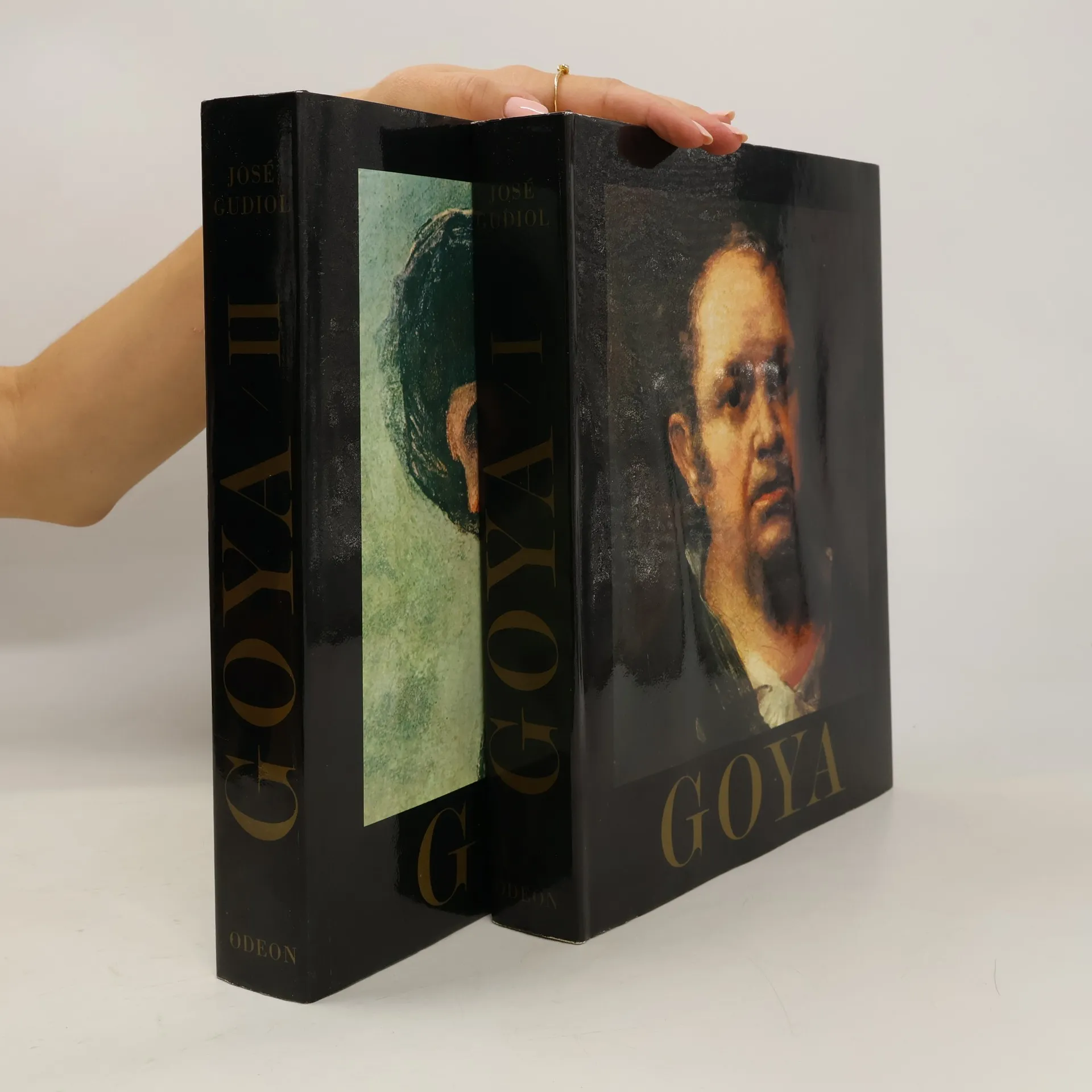
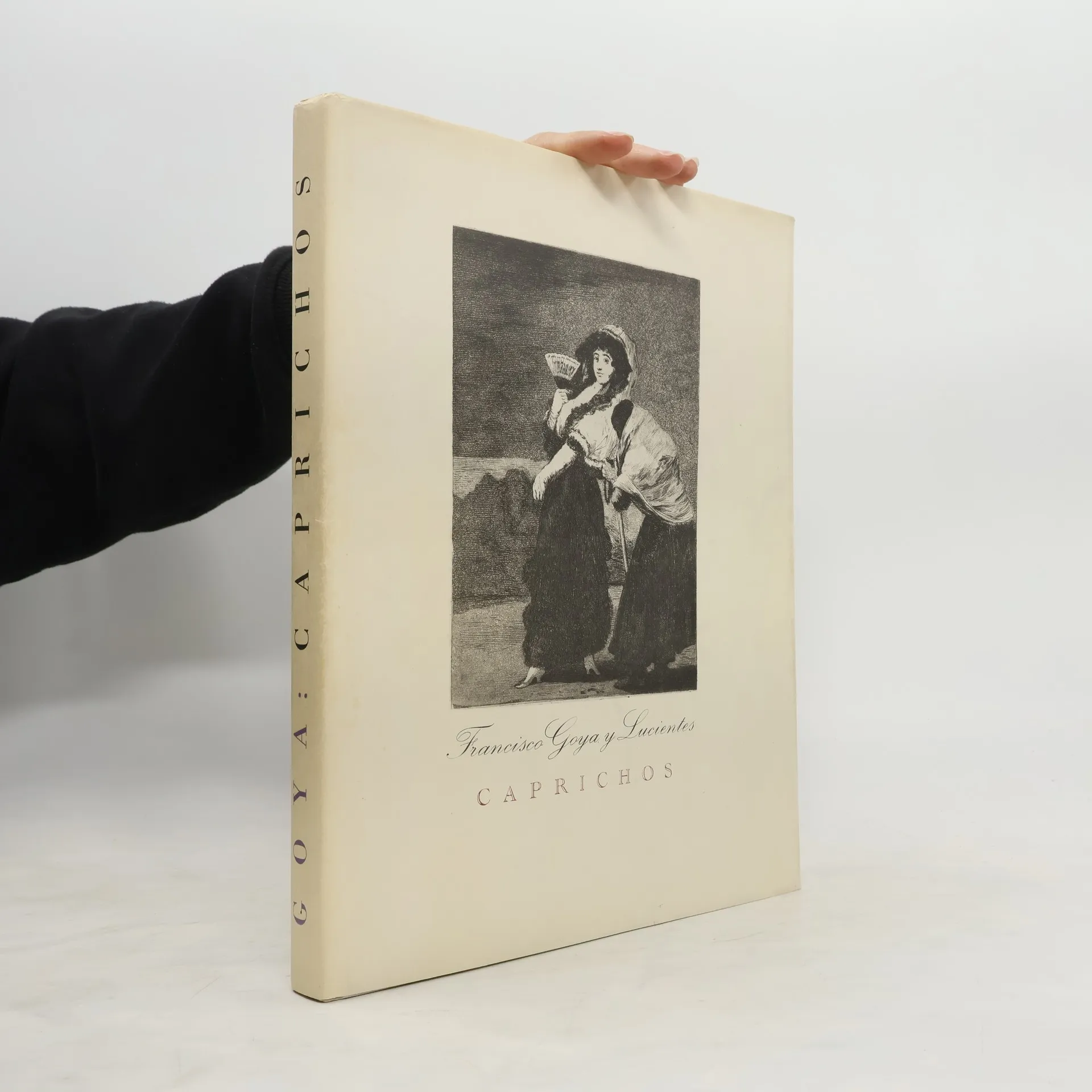
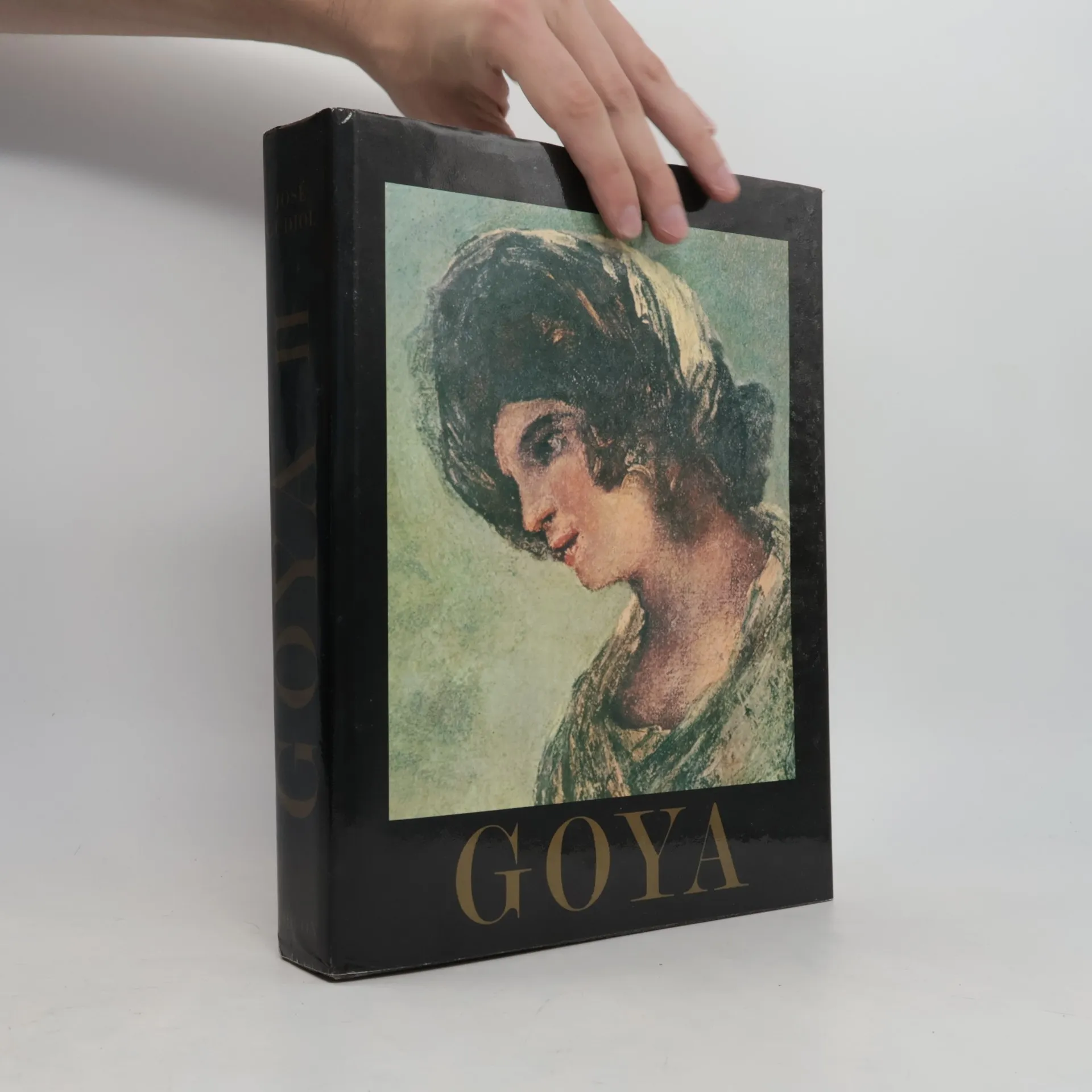
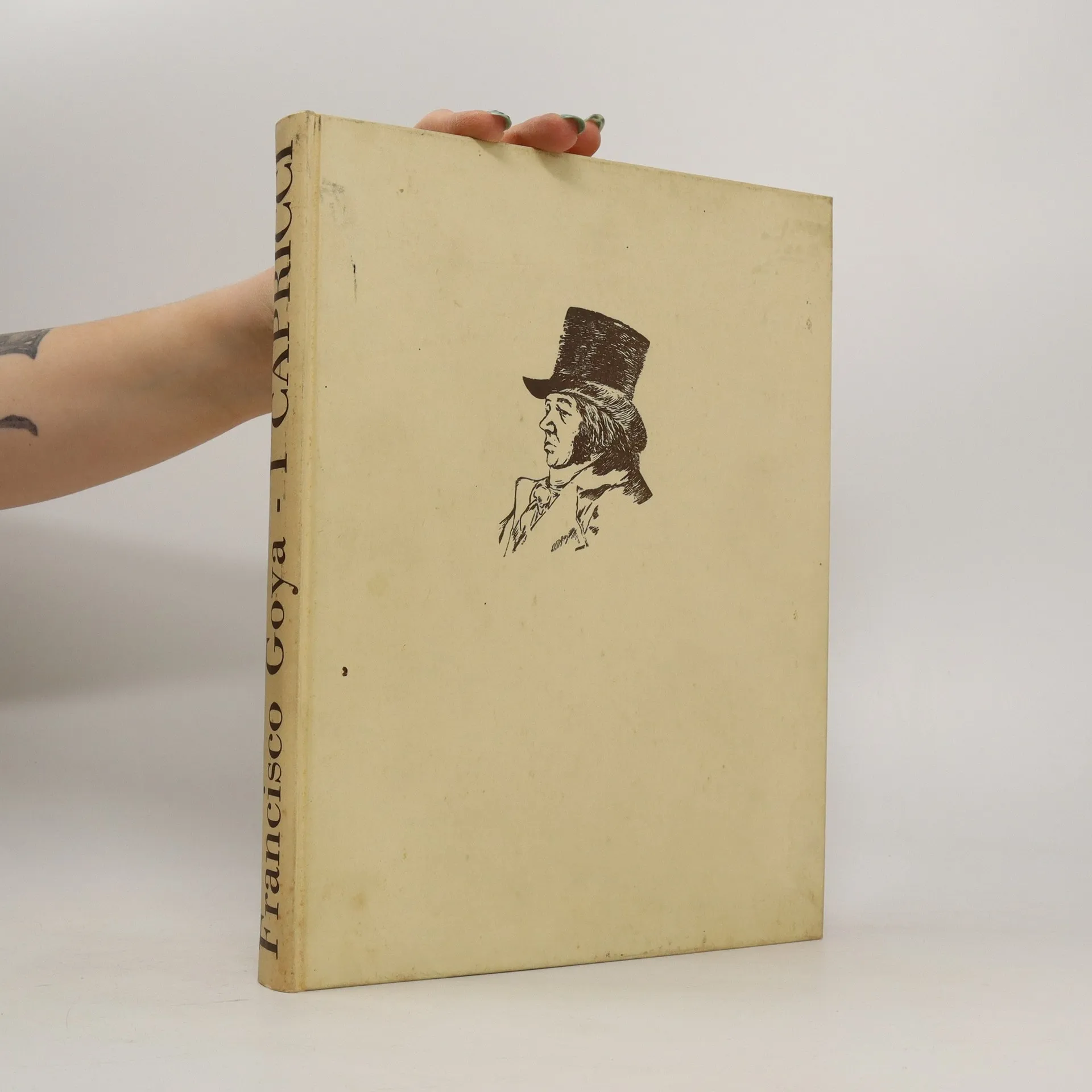
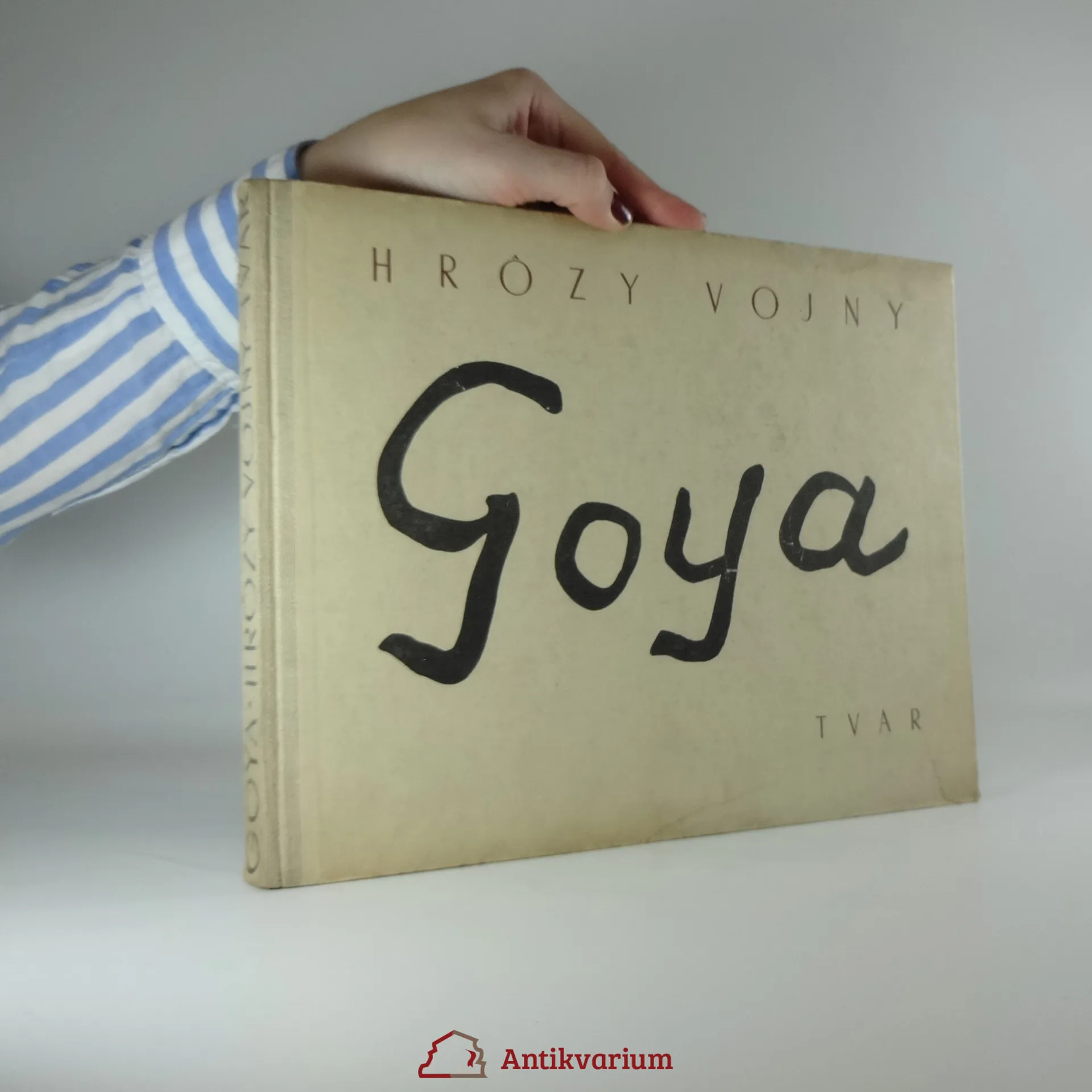
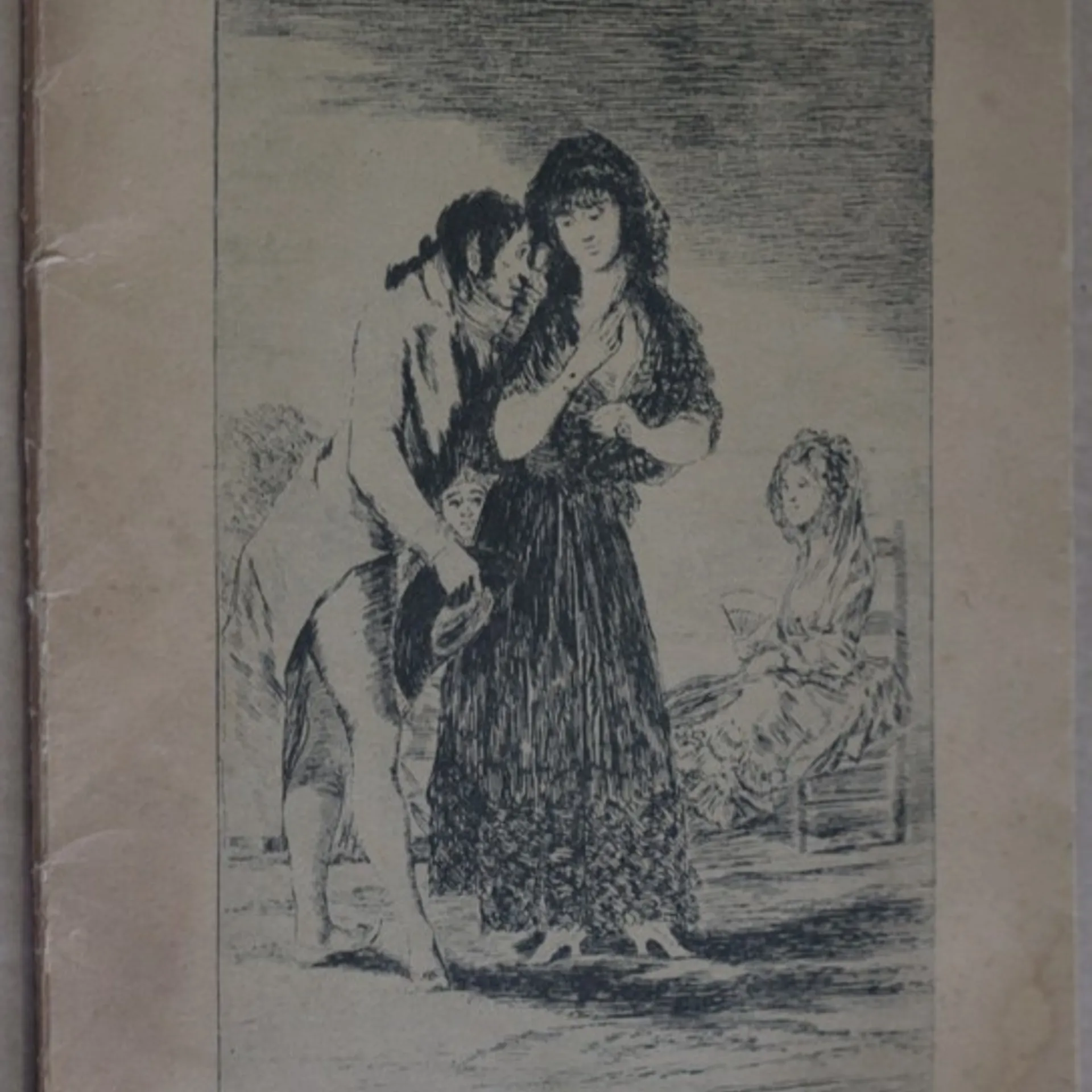
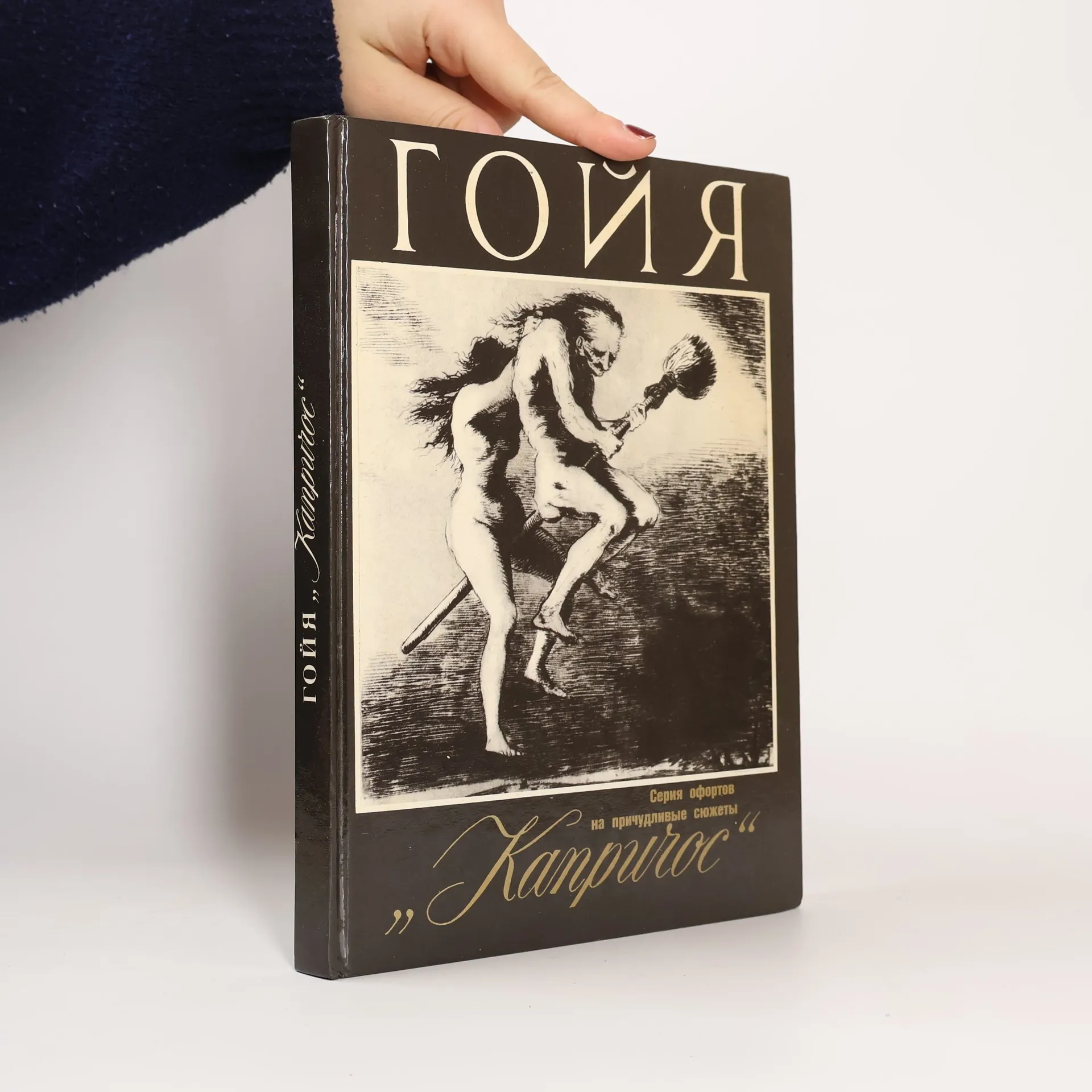
Monografie o životě a díle slavného malíře, jednoho z nejvýraznějších představitelů španělské kultury. Zatím co jeho obrazy zůstávaly skryty v domácích sbírkách, v palácích a kostelích, "Caprichos" pronikaly na veřejnost již za Goyova života (po prvé vyšly roku 1799) a byly nejvíce rozšířeny. Je to soubor osmdesáti grafických kreseb, reprodukovaných ve skutečné velikosti a označených titulky podle vlastního Goyova komentáře.
English, French (translation)
This exhibition presents an extensive collection of Goya's artwork, featuring key pieces from private collections that have never been displayed before. Co-produced with the Fondation Beyeler, it offers a rare opportunity to explore the depth of Goya's influence and creativity, showcasing his masterpieces outside of Spain.
1970. Paperback Edition. 39 pages. Illustrated paper cover. Contains colour and black and white illustrations. Clean pages and illustrations with light tanning and mild foxing throughout.Pencil markings to half title page. Binding remains firm. Paper covers have mild edge-wear with slight rubbing to surfaces and curling to corners. Lettering is bright and clear. Moderate sunning to spine and edges with crushing to spine ends. Visible wear marks to boards.
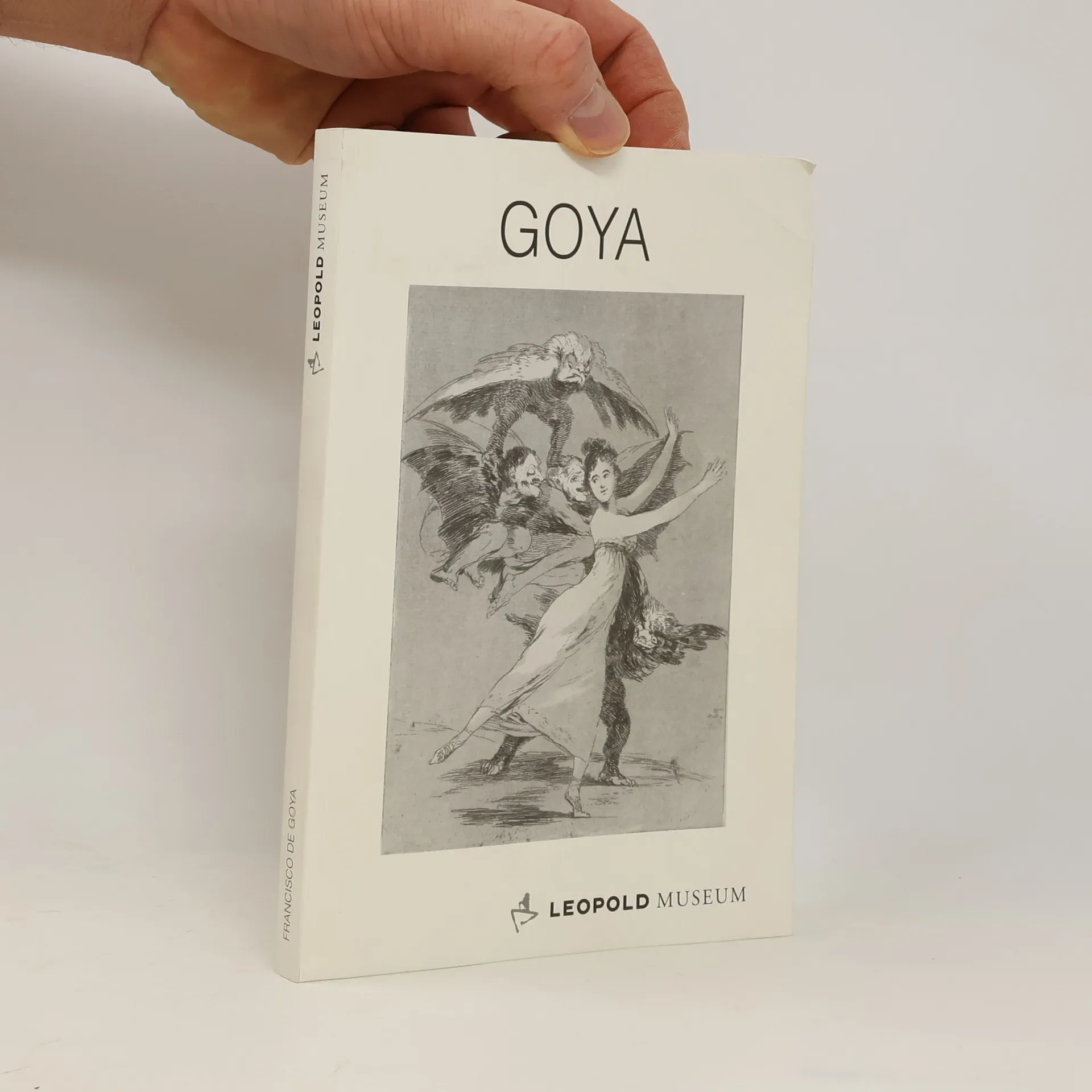
Goya
- 127 stránek
- 5 hodin čtení
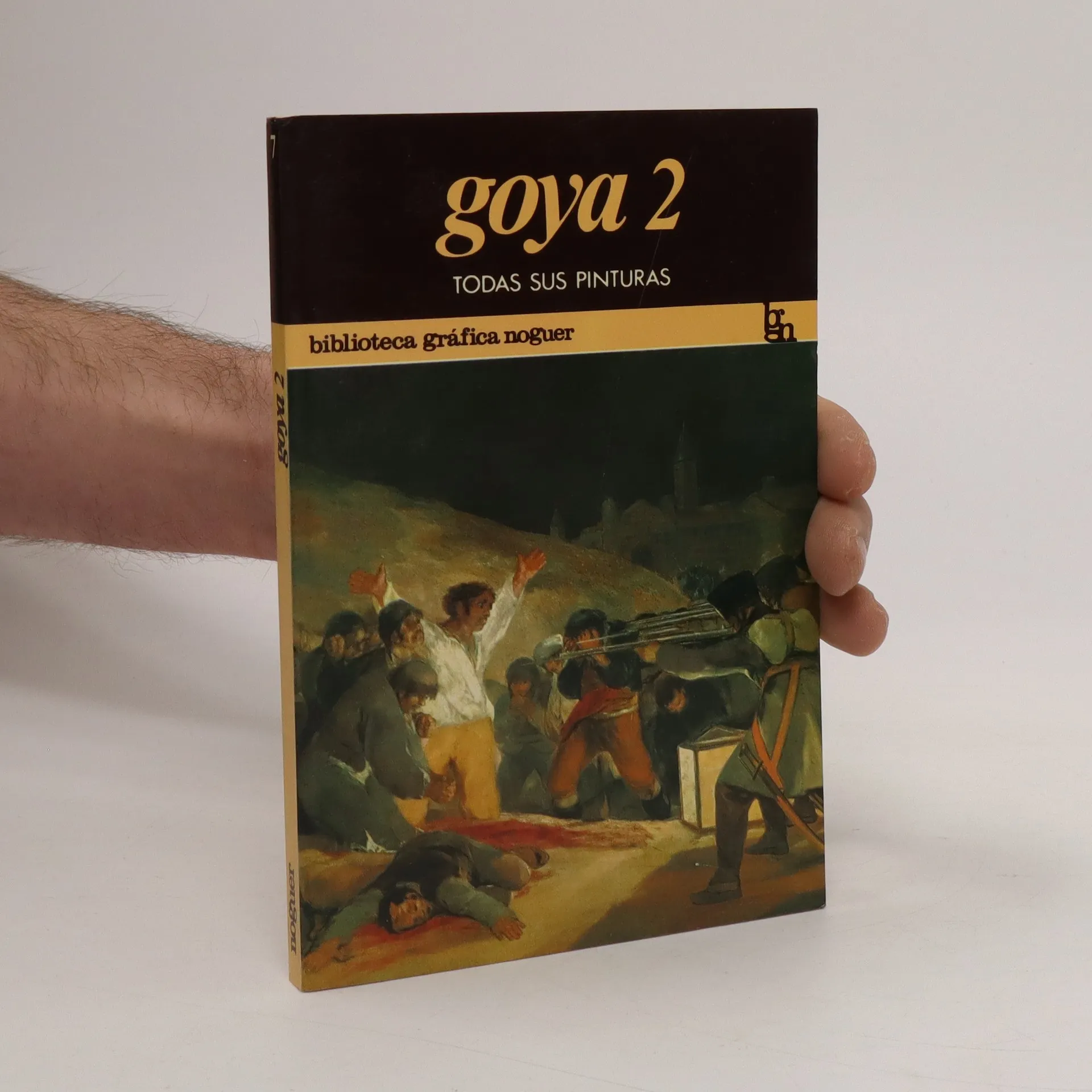
Francisco Goya is a universal figure of Spanish art, one of its greatest figures, at least in the inmense breadth of his range, whether in iconography or in technique, in expression or in image.Goya was endowed with a very rare gift for the interpretation and communication of plastic values, but also for the discovery and re-creation of beauty and human meaning in the most arid elements of nature. His inexhaustible vitality enable him to make interesting any type of pictorial or graphic representation, presenting with equal intensity the terrible and the dramatic, or infusing depth into the banal and superficial themes which at times.
Goya
- 48 stránek
- 2 hodiny čtení
This book is part of the Phaidon Colour Library Series, a series of introductory books on the great masters and movements in art. Each volume contains an extensive essay and 48 full-page color plates of the most significant works in the movement or by the artist, accompanied by extensive notes and comparative illustrations. Books in the series are highly regarded for their insight and authority, and deliver a concise and palatable overview of the subject or artist at hand. Books from the Colour Library are perfect sourcebooks for art students seeking to brush-up their knowledge, or museum-goers looking to supplement an afternoon trip.
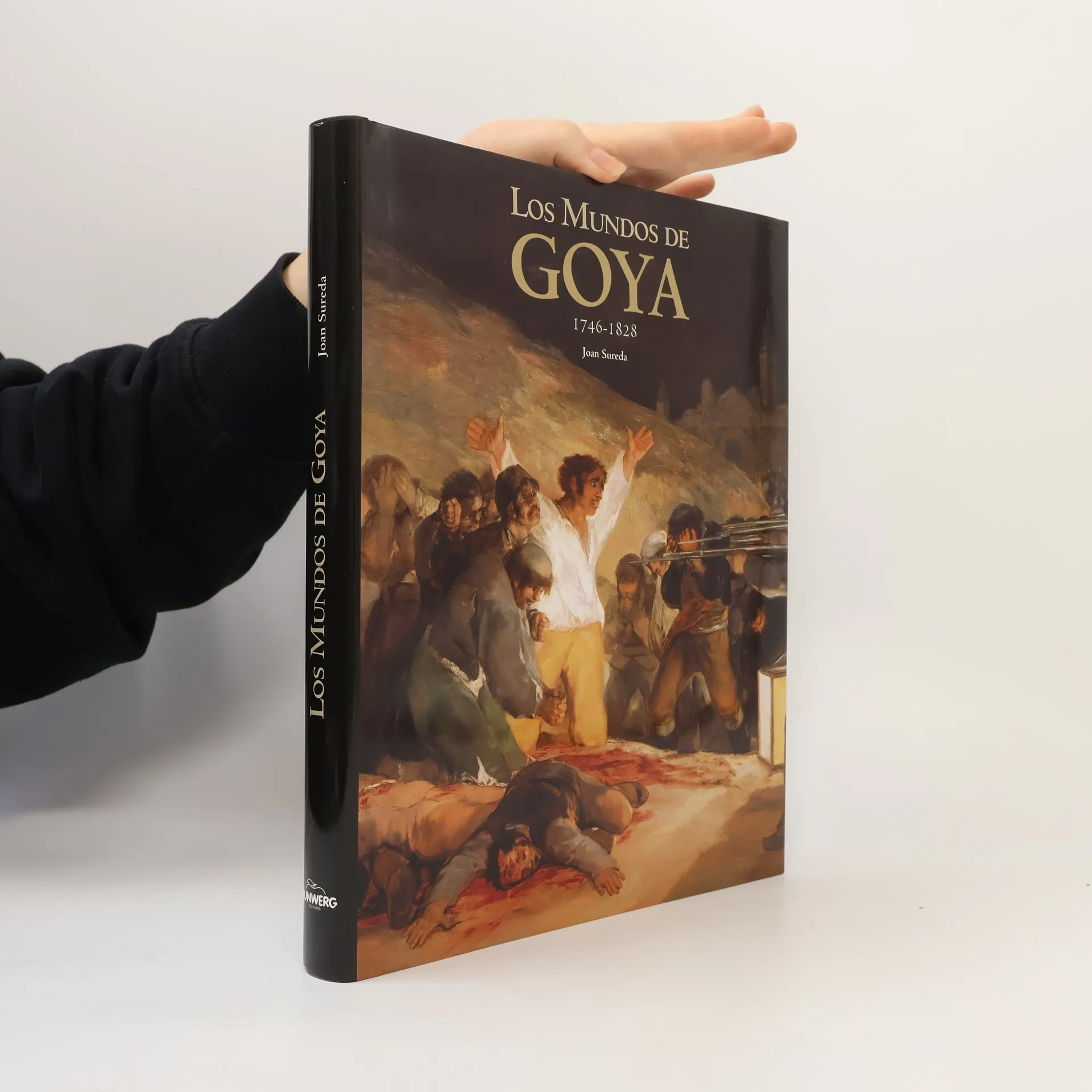
Los mundos de Goya, 1746-1828
- 383 stránek
- 14 hodin čtení
Joan Sureda nos propone una visión renovada y rigurosa del gran artista español a través de dos recorridos visuales y literarios un estudio cronológico y un análisis transversal de los grandes temas comunes en la obra de Goya (la guerra, la mujer, la fiesta, el poder, la religión, etc.…)
Masters of Spanish Painting: El Greco, Goya, Velazquez and Others
- 36 stránek
- 2 hodiny čtení
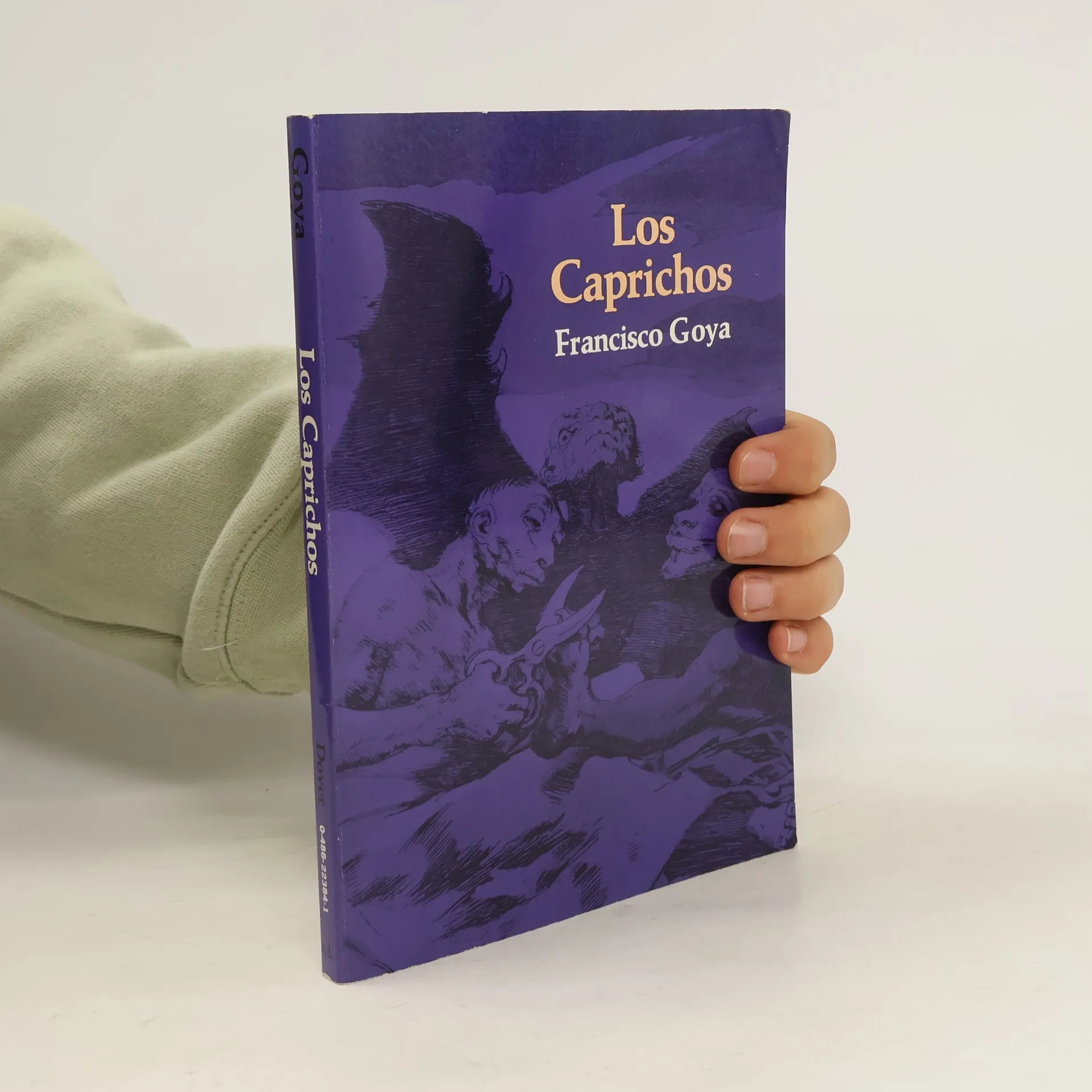
Los Caprichos
- 192 stránek
- 7 hodin čtení
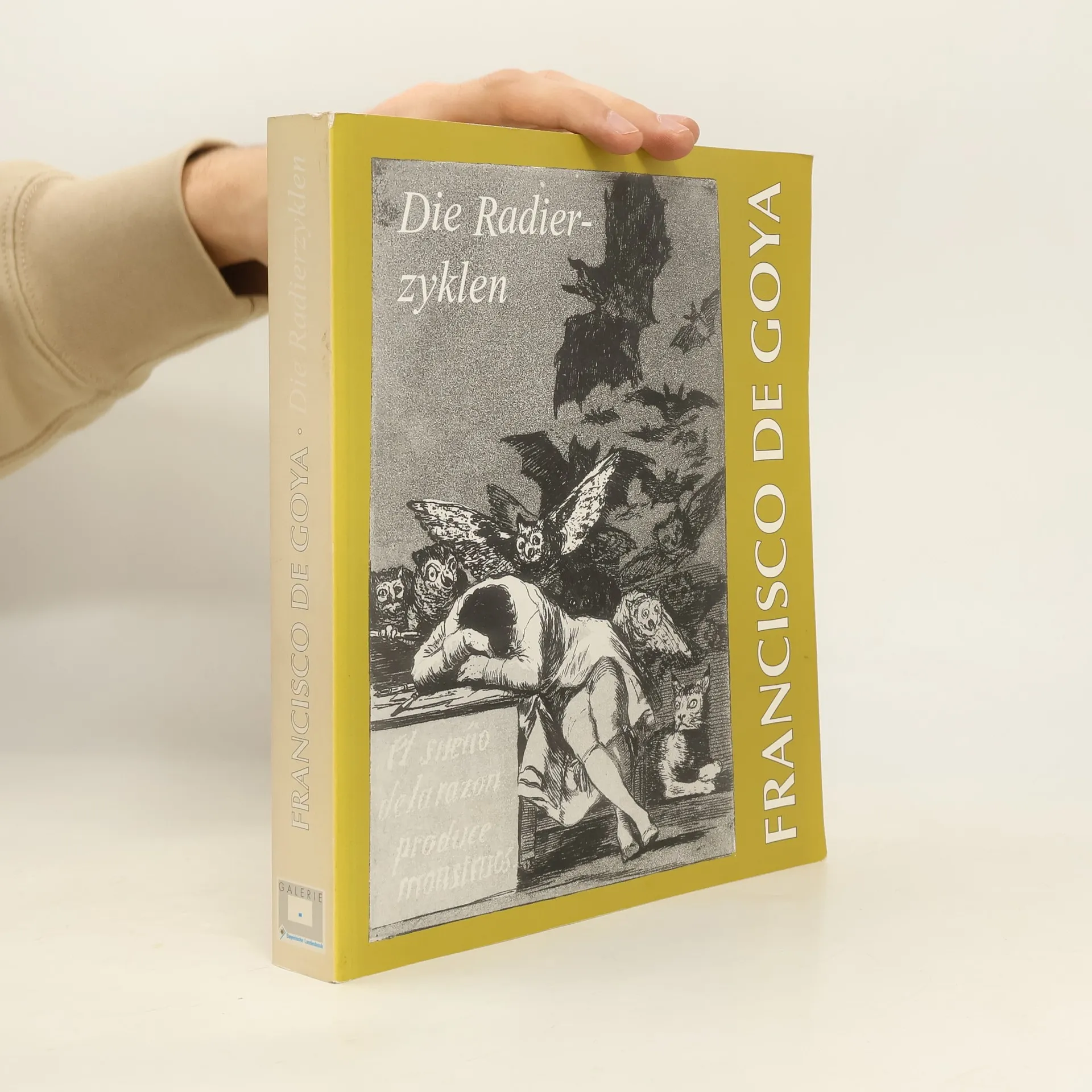
After a serious illness in 1792, Goya spent five years recuperating and preparing himself for the burst of creativity that was to follow. He read deeply in the French revolutionary philosophers. From Rousseau he evolved the idea that imagination divorced from reason produces monsters, but that coupled with reason "it is the mother of the arts and the source of their wonders." In Spain he saw a country that had abandoned reason, and he peopled Los Caprichos with the grotesque monsters that result from such an action. Plate after plate shows witches, asses, devils, and other strange creatures, many of which are caricatures of members of the society against which Goya was fighting.The plates were first published in 1799. There are still in existence, however, six extremely rare sets of artist's proofs, considered by most who have managed to see them as infinitely superior to the work actually published. Now, for the first time, this edition reproduces one of these sets of 80 prints, together with the "Prado" manuscript, a commentary on the plates.
An "exhibition of the graphic work of Goya"--Page 3.
Goya & Paul Nizon
- 79 stránek
- 3 hodiny čtení
Goya. Los caprichos : Dibujos y aguafuertes
- 323 stránek
- 12 hodin čtení
30x22. 321 pgs. Ilustraciones en b/n y en color.
Postkartenbuch Francisco de Goya
- 21 stránek
- 1 hodina čtení
Träume und Alpträume - Briefe
- 264 stránek
- 10 hodin čtení
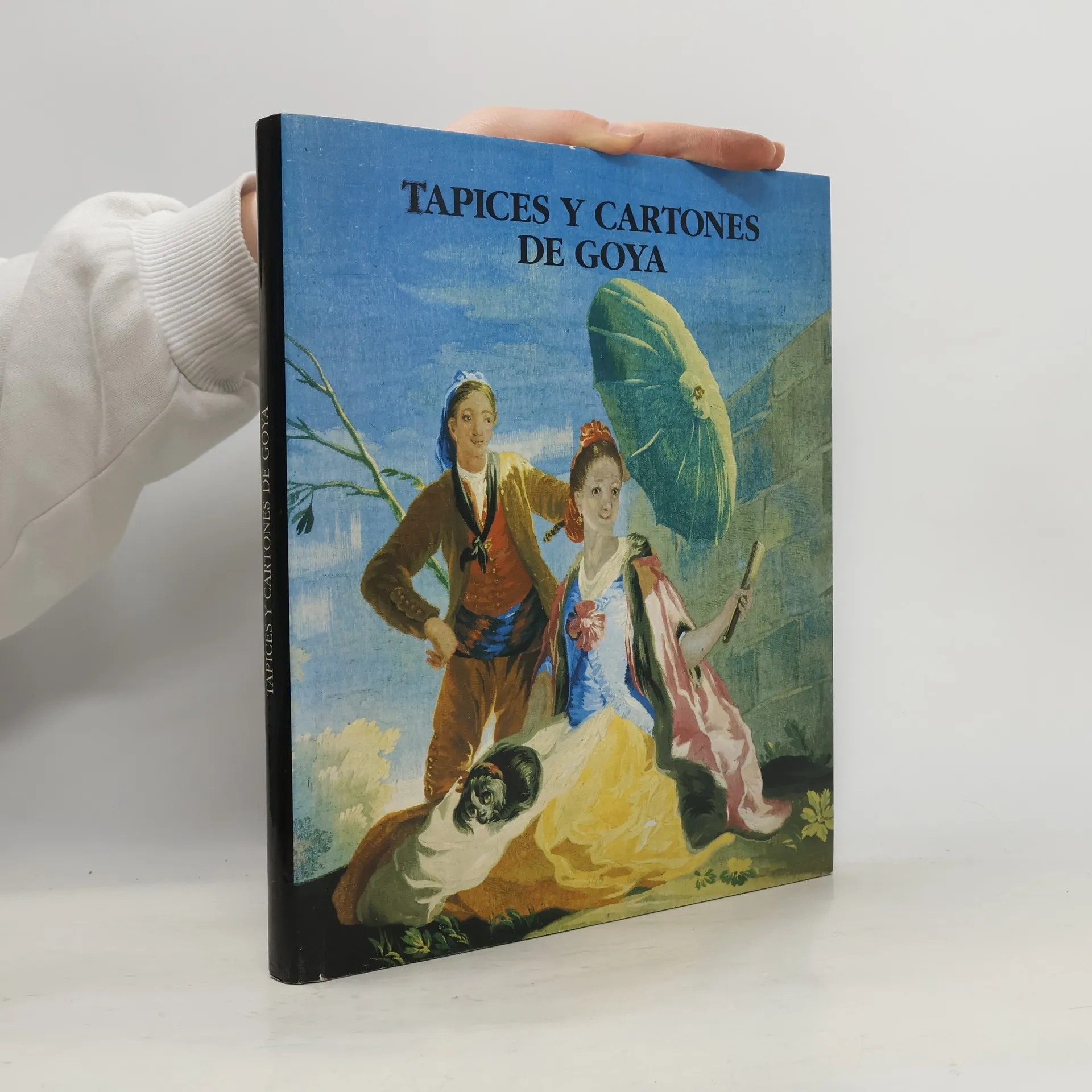
Tapices y cartones de Goya. Goya 250 aniversario
- 201 stránek
- 8 hodin čtení
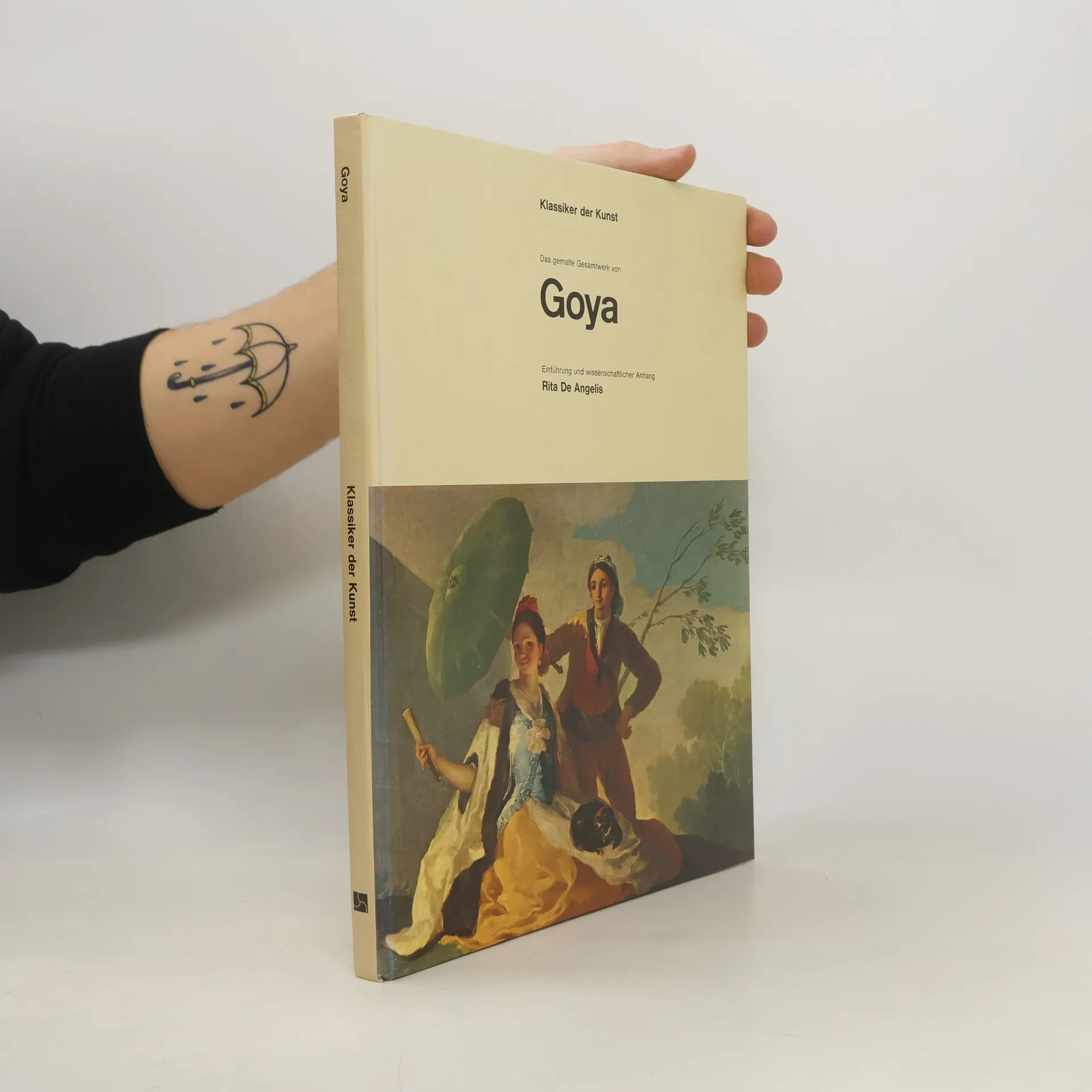
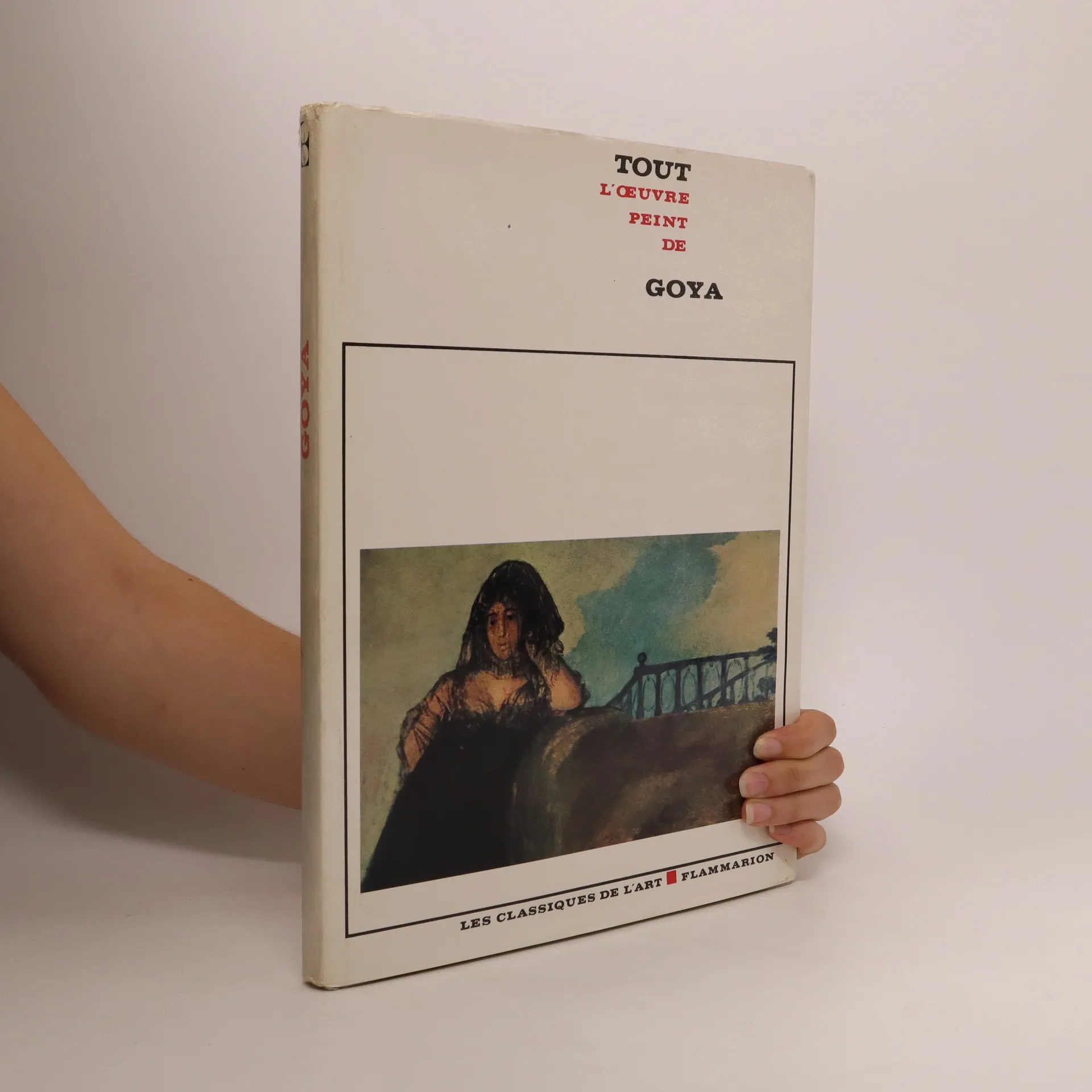
Das gemalte Gesamtwerk von Goya
- 144 stránek
- 6 hodin čtení
Francisco de Goya - Aufklärer ohne Hoffnung
- 178 stránek
- 7 hodin čtení
Francisco de Goya - Radierungen
- 168 stránek
- 6 hodin čtení
Wanderausstellung. 1996-1998, Hoechst, Ludwigshafen, - Tegernsee, Salzburg, Goch, Freiburg i.B., Dortmund
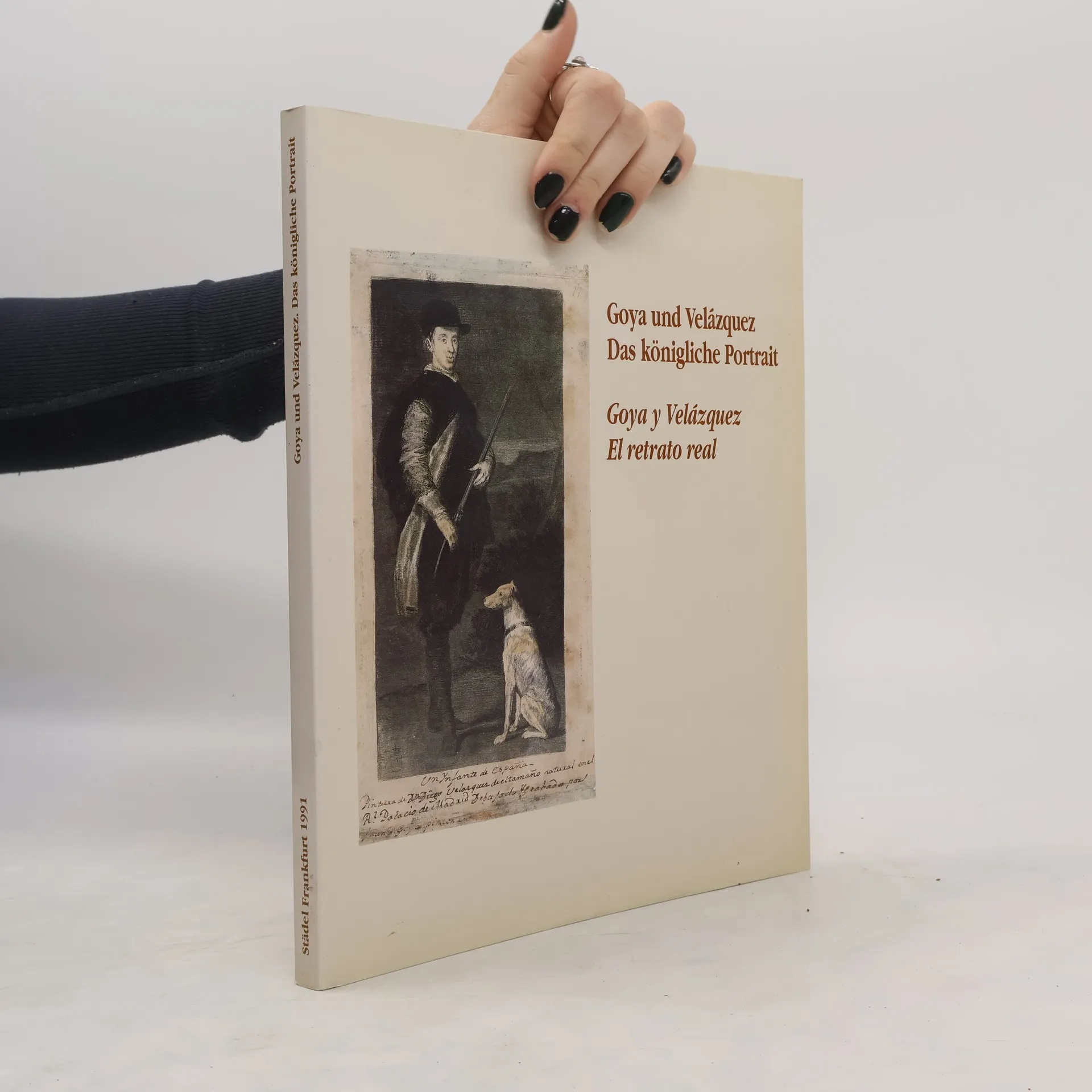
Goya und Velázquez, das königliche Portrait
- 144 stránek
- 6 hodin čtení
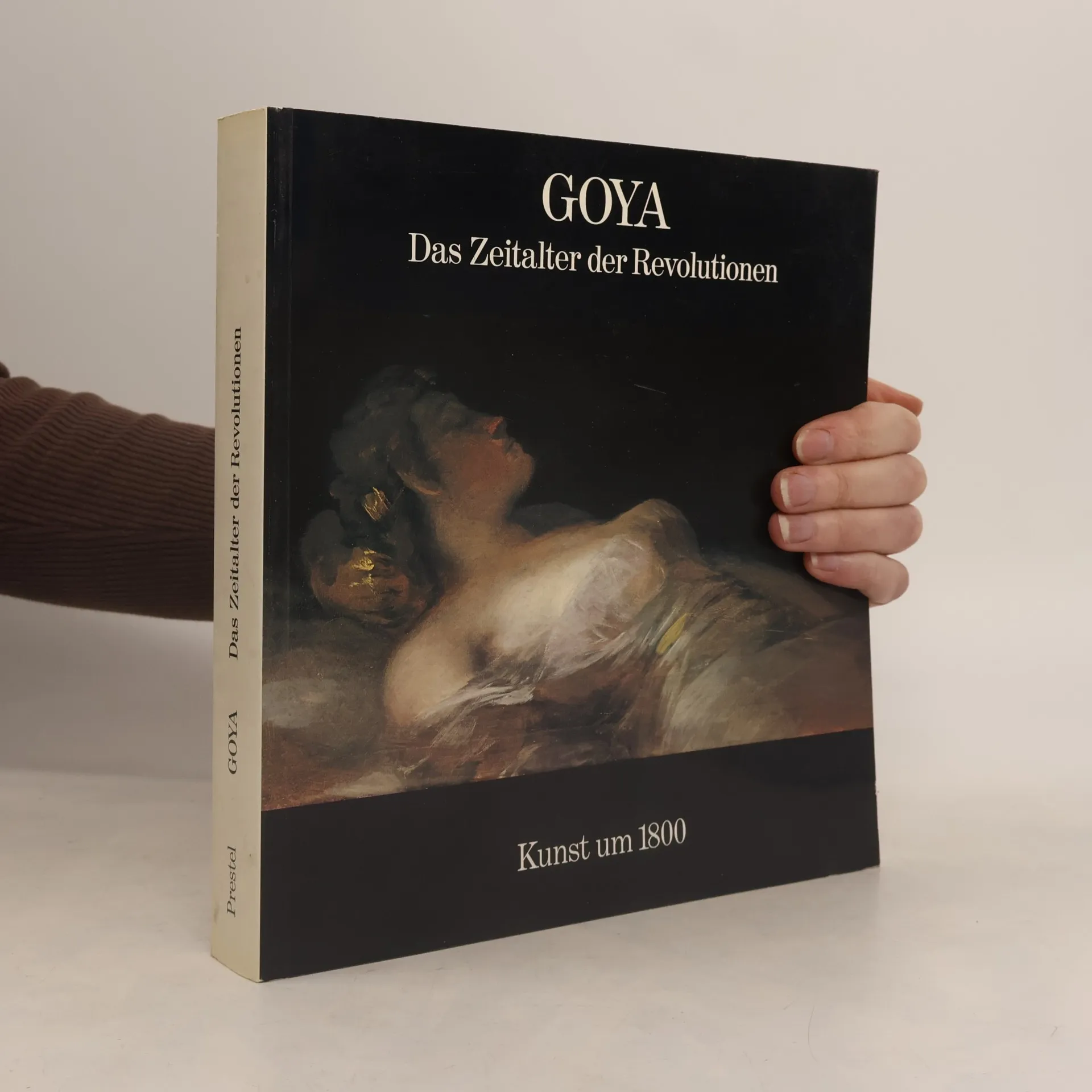
Goya : das Zeitalter der Revolutionen : 1789-1830
- 550 stránek
- 20 hodin čtení
Gemälde
- 154 stránek
- 6 hodin čtení
Francisco de Goya
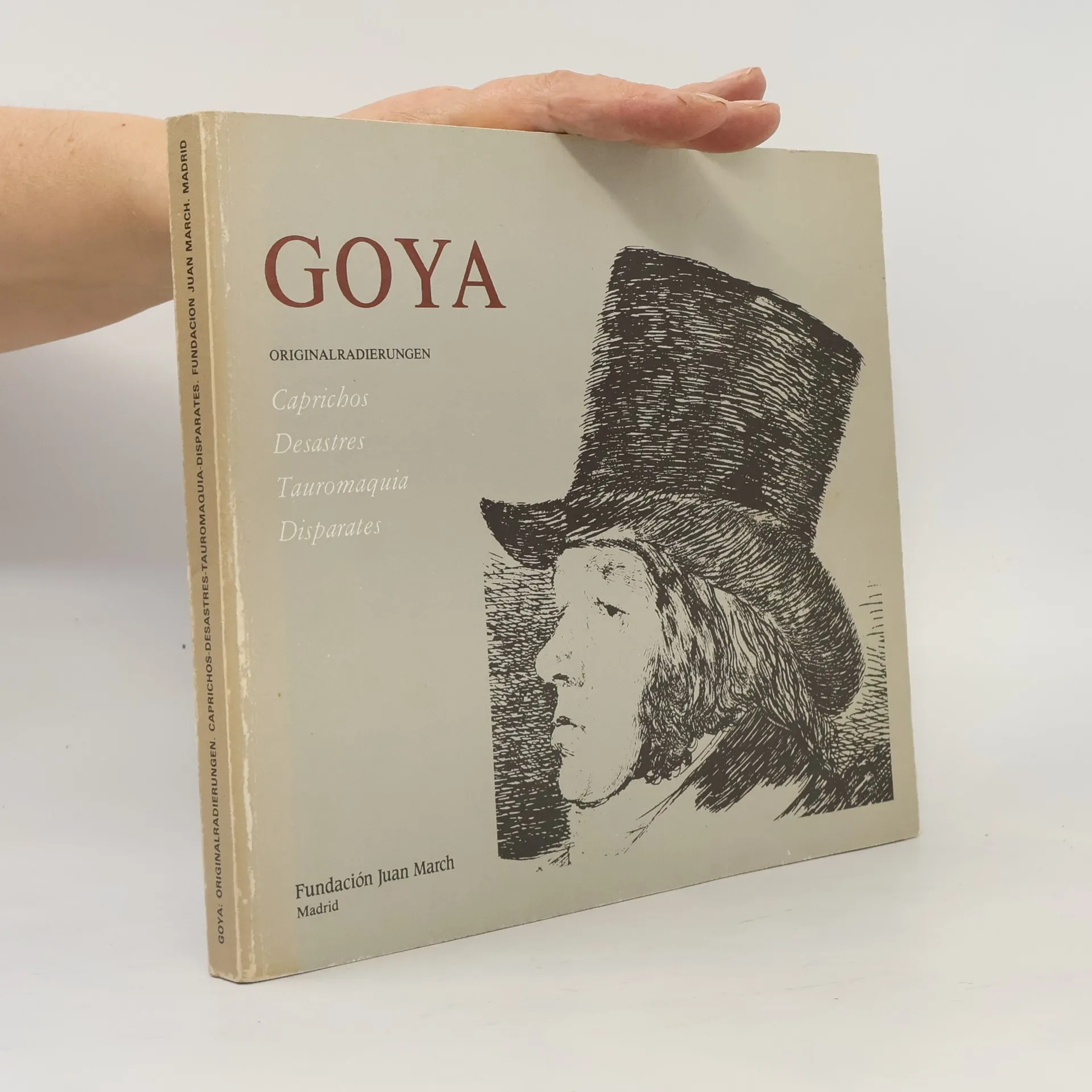
Radierungen nach Velazquez, Los Caprichos, Los Desastres de la Guerra, La Tauromaquia, Los Disparates
- 175 stránek
- 7 hodin čtení
Briefe an Martin Zapater
- 239 stránek
- 9 hodin čtení
Goya
Eine Bildbiographie