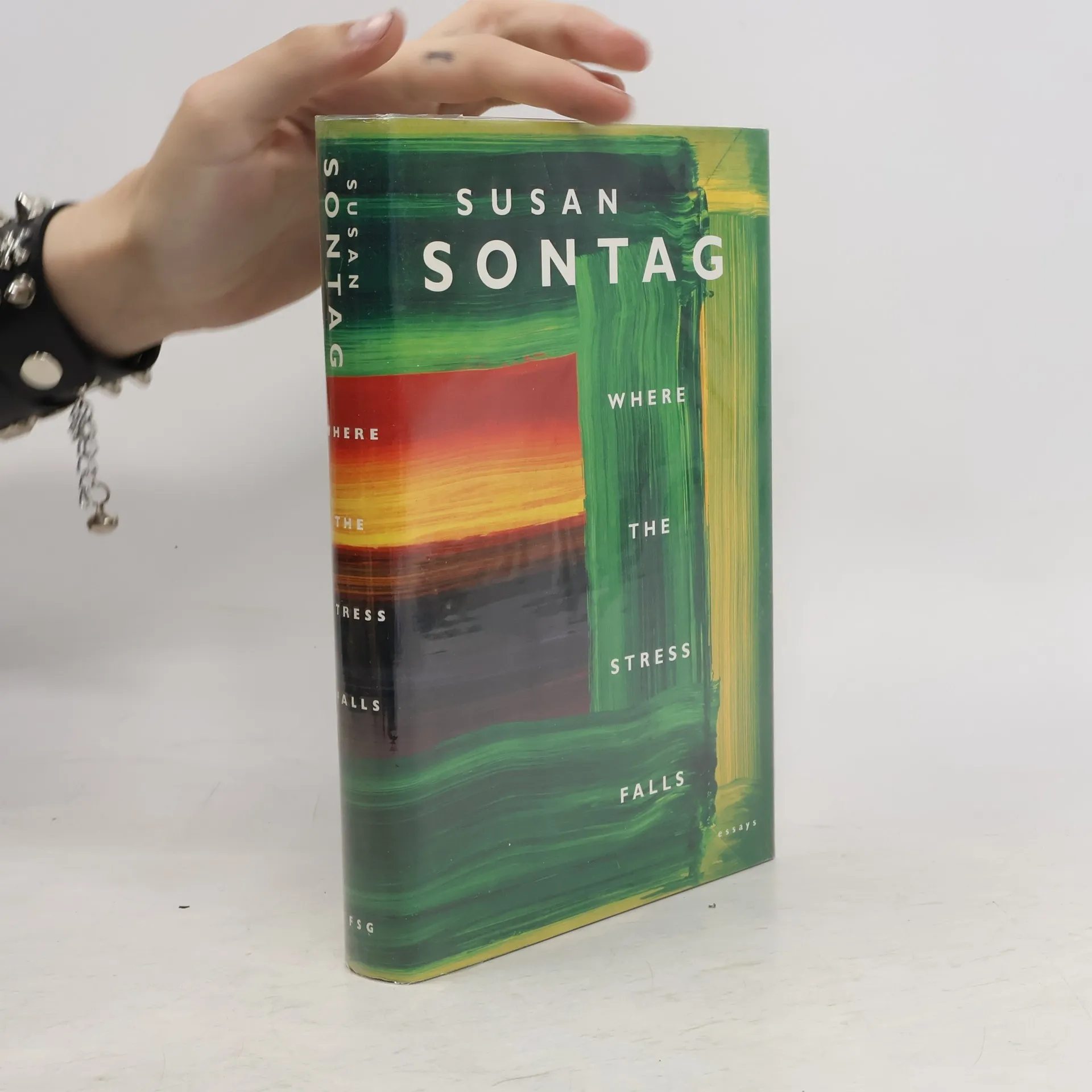
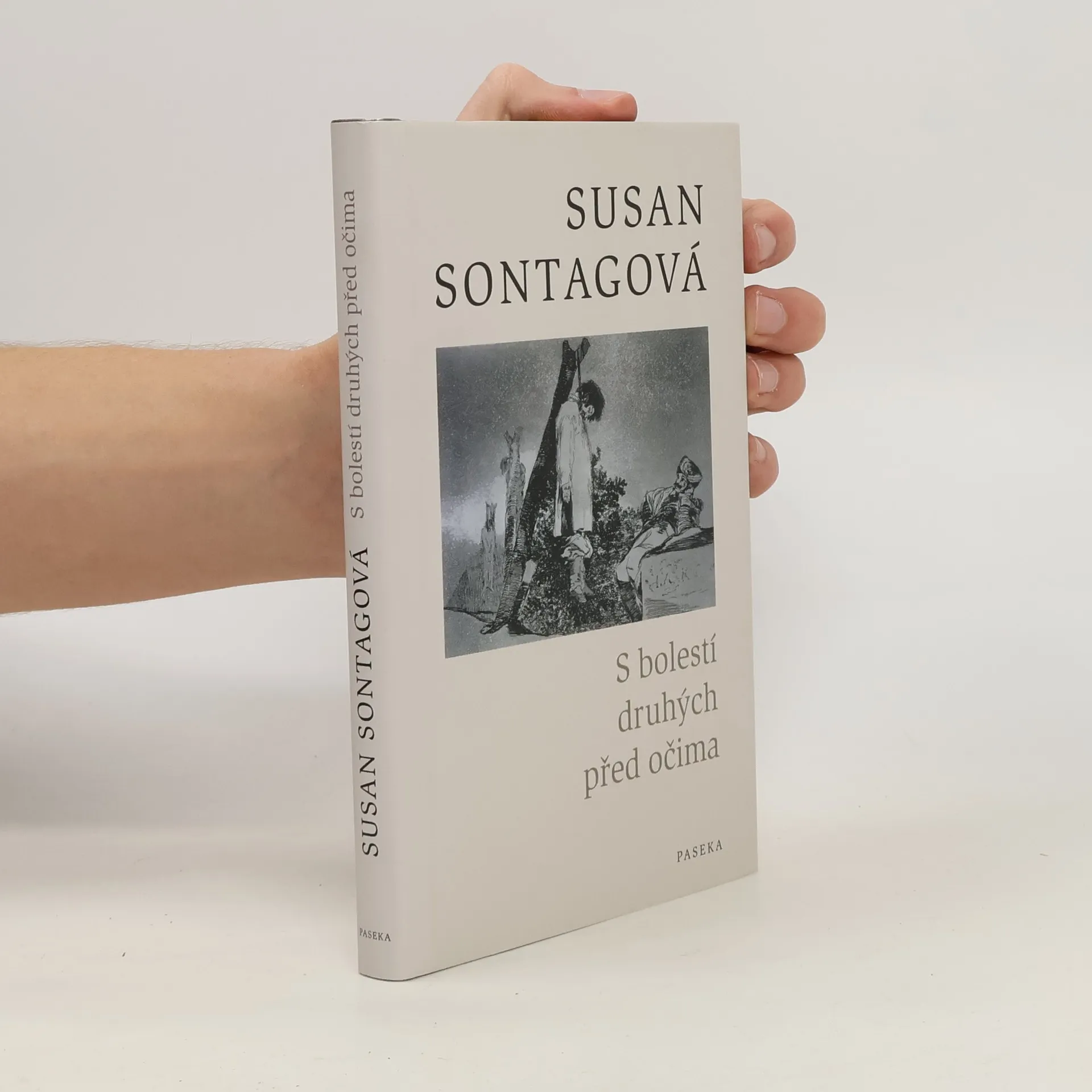
Jaký účinek má na způsob, jímž vnímáme okolní svět, každodenní přísun záběrů válečných konfliktů a lidského utrpení vůbec a k jaké emocionální a skutkové reakci nás podobné výjevy, zprostředkovávané televizní či počítačovou obrazovkou, v delší perspektivě vedou? Vyvolává pravidelný kontakt s obrazy bolesti druhých soucit, apatii, nebo dokonce sám násilí podněcuje? Přední americká autorka a kritička se ve svém nejnovějším knižním eseji zamýšlí nad dějinami zobrazování a vnímání násilí, bolesti a utrpení, jejich politickou a mediální manipulací i nad někdejšími vlastními úvahami o médiu fotografie a dospívá k novým, nezřídka krajně znepokojivým závěrům.
Susan Sontag Knihy
16. leden 1933 – 28. prosinec 2004
Susan Sontag byla vlivnou americkou spisovatelkou, esejistkou a myslitelkou, jejíž dílo se zabývalo širokým spektrem témat, od fotografie a médií po nemoc a politiku. Její psaní se vyznačovalo pronikavou analýzou kultury a společnosti a zkoumáním vztahu mezi uměním, ideologií a lidskou zkušeností. Sontag byla známá svým intelektuálním nasazením a angažovaností v otázkách lidských práv, což se odráželo i v jejích textech. Její eseje a eseje zpochybňovaly konvenční myšlení a vybízely čtenáře k hlubšímu zamyšlení nad světem kolem nich.


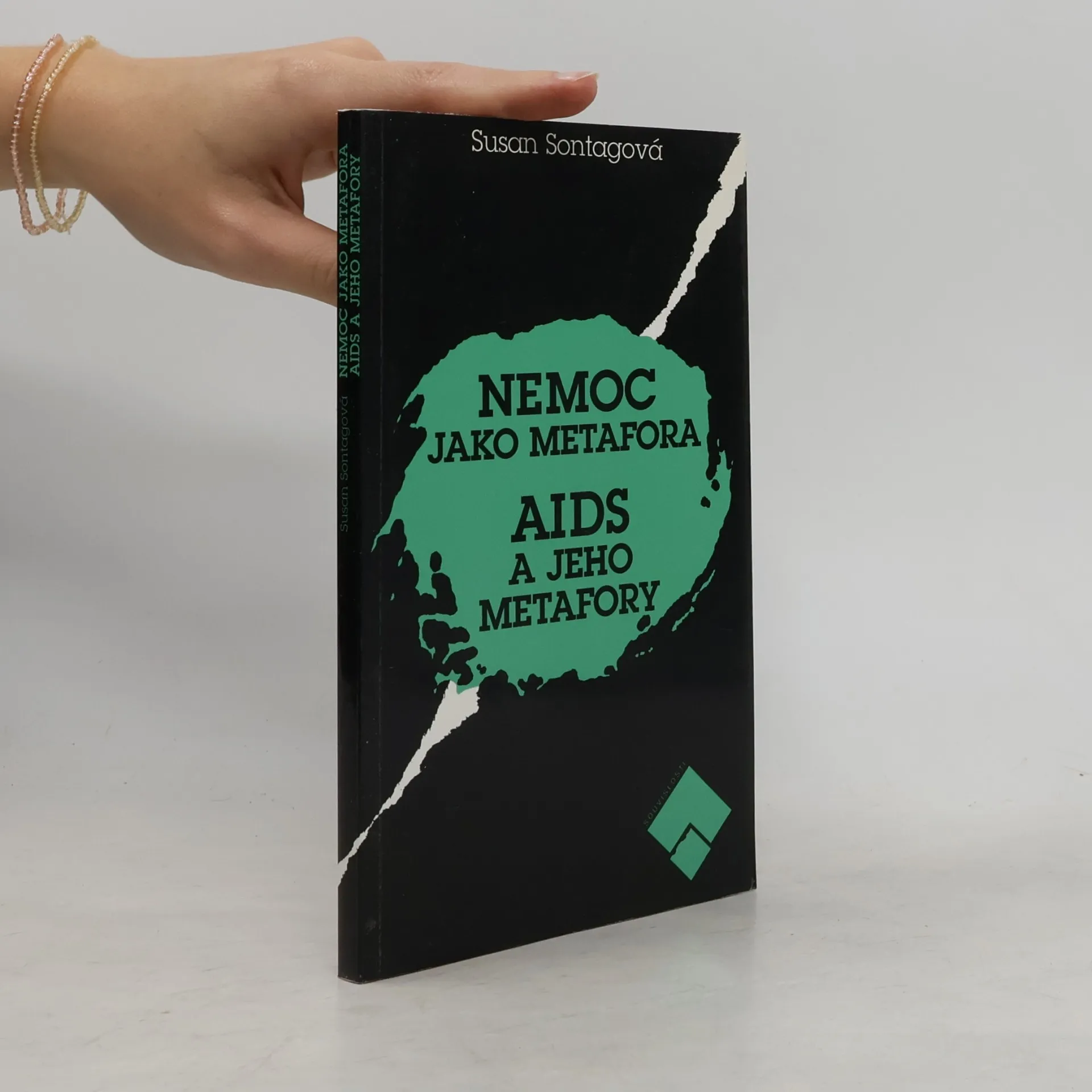
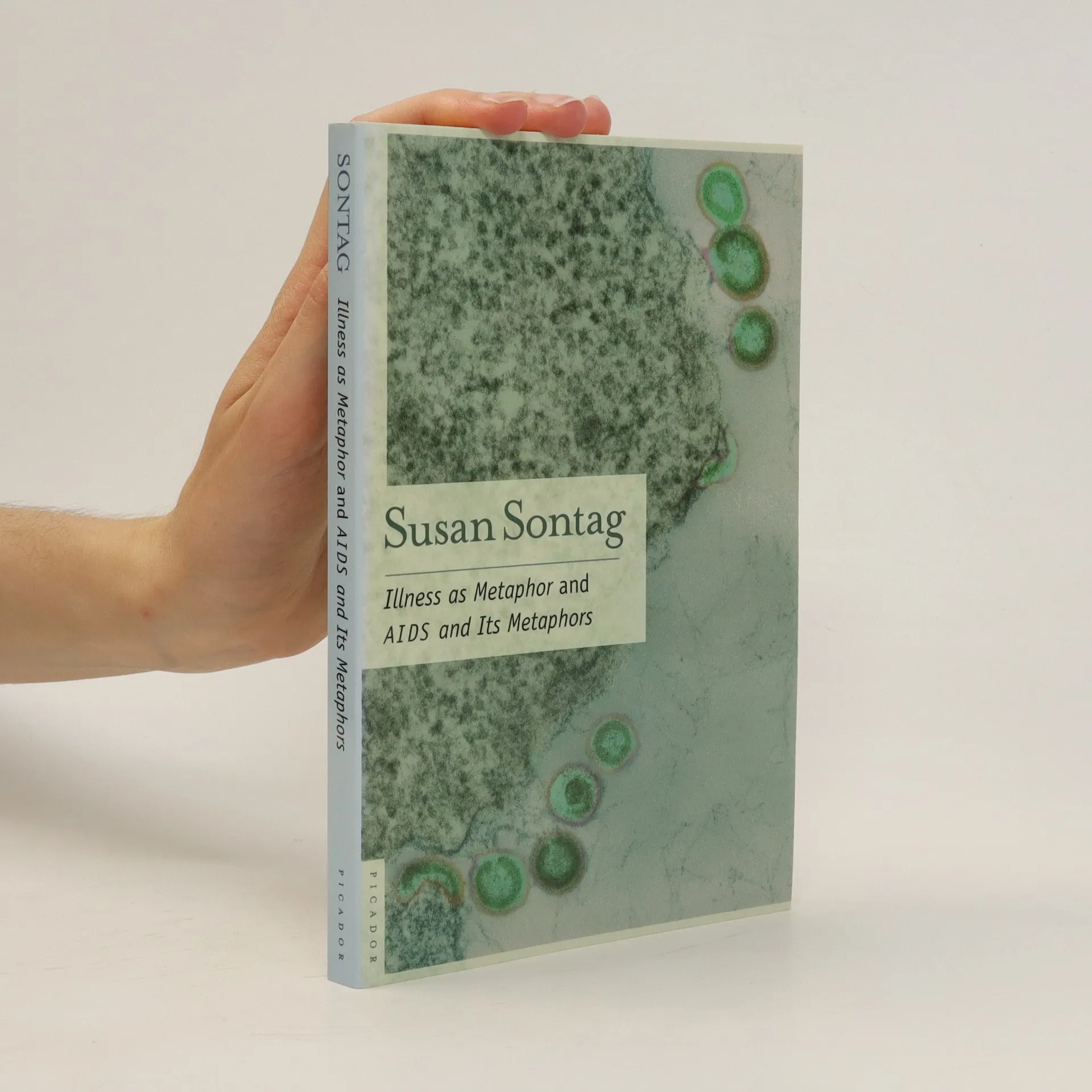
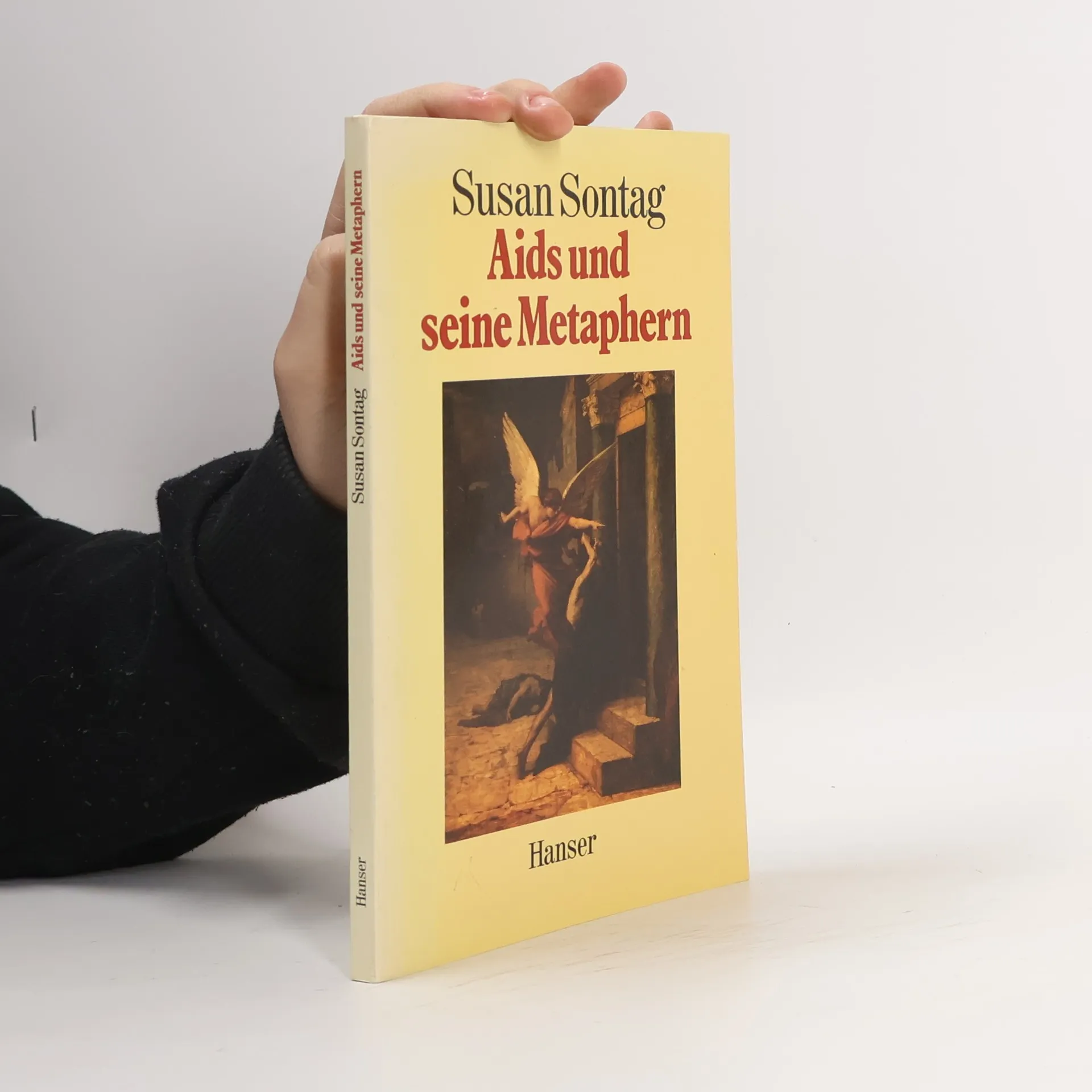
Americká kritička a esejistka pohlíží ve dvojici (Nemoc jako metafora, 1978; AIDS a jeho metafory, 1988) dnes již klasických esejů na fenomén nemoci a zamýšlí se nad jeho metaforickým užíváním i zneužíváním v uměleckém, politickém i sociálním kontextu v průběhu historie. Přesvědčivé a čtivé pojednání si klade za cíl zbavit lidské choroby především jejich hrůzné a zavádějící symboliky a odstraněním uměle vytvořených mýtů a mystifikací přispět k „zdravějšímu přístupu k nemoci“.
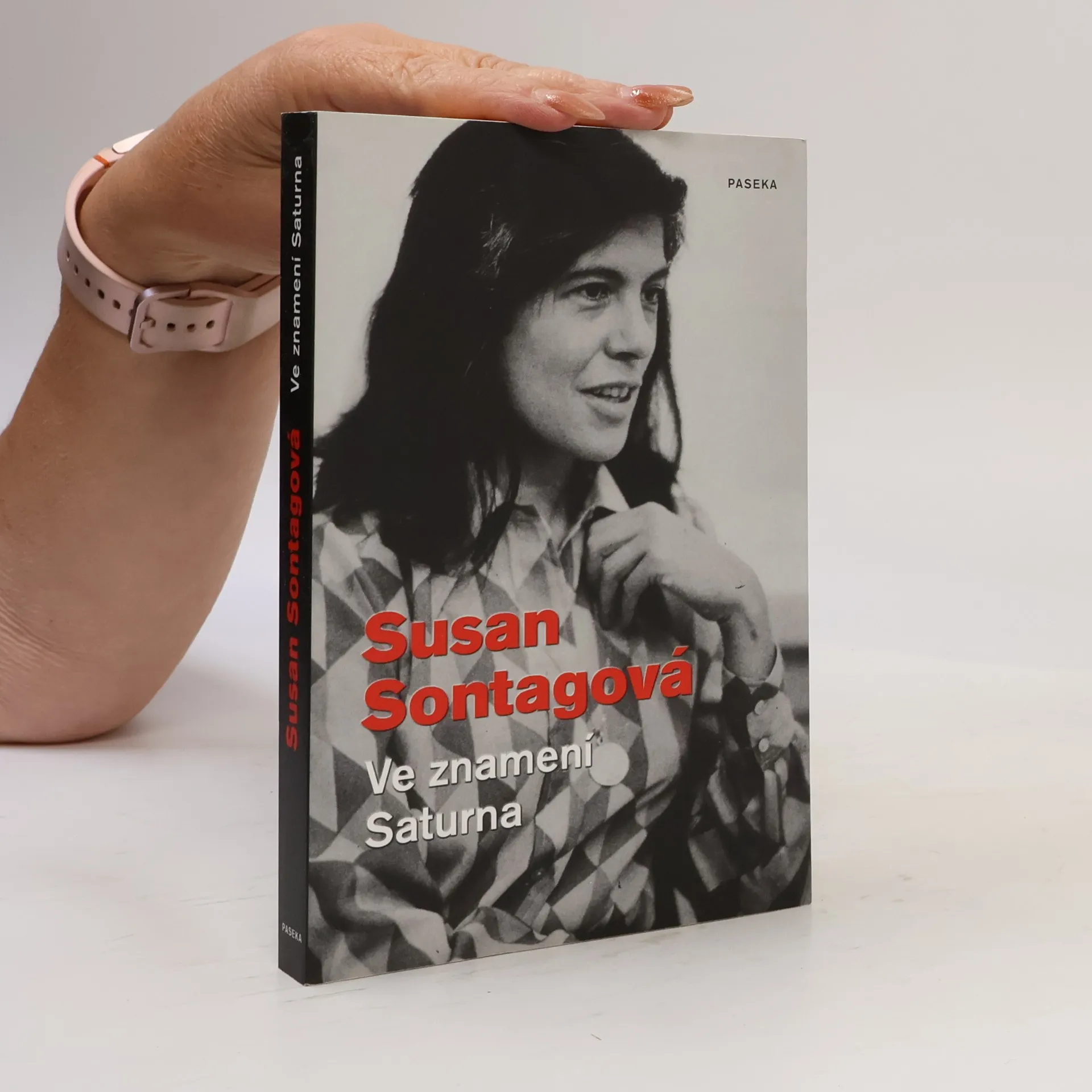
Významná americká spisovatelka a kritička, českým čtenářům zatím známá především svými eseji na téma nemoci a dějin fotografie, se v sedmi živě psaných, inspirativních textech zamýšlí zejména nad osobnostmi a dílem dramatika Antonina Artauda a literárního kritika a filosofa Waltera Benjamina, jejichž tvůrčí krédo a kritický přístup k obecně uznávaným hodnotám ovlivnily i její intelektuální postoje. Významnou součástí svazku, zahrnujícího to nejlepší z autorčiny esejistické tvorby sedmdesátých let, je rovněž kritická reflexe díla německé režisérky a fotografky Leni Riefenstahlové a kultu fašistického umění obecně a podrobný rozbor experimentálního filmového portrétu Adolfa Hitlera od Hanse-Jürgena Syberberga.
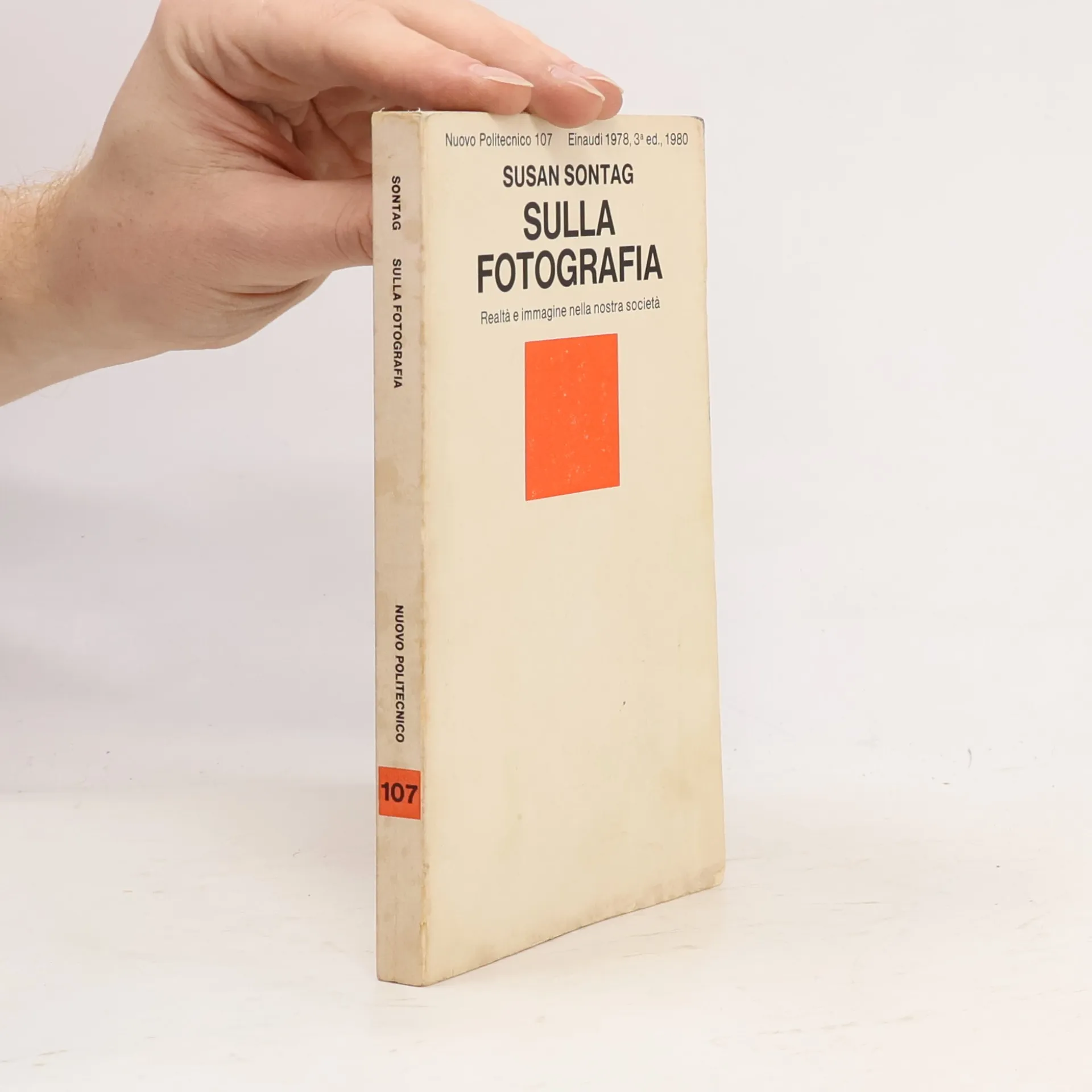
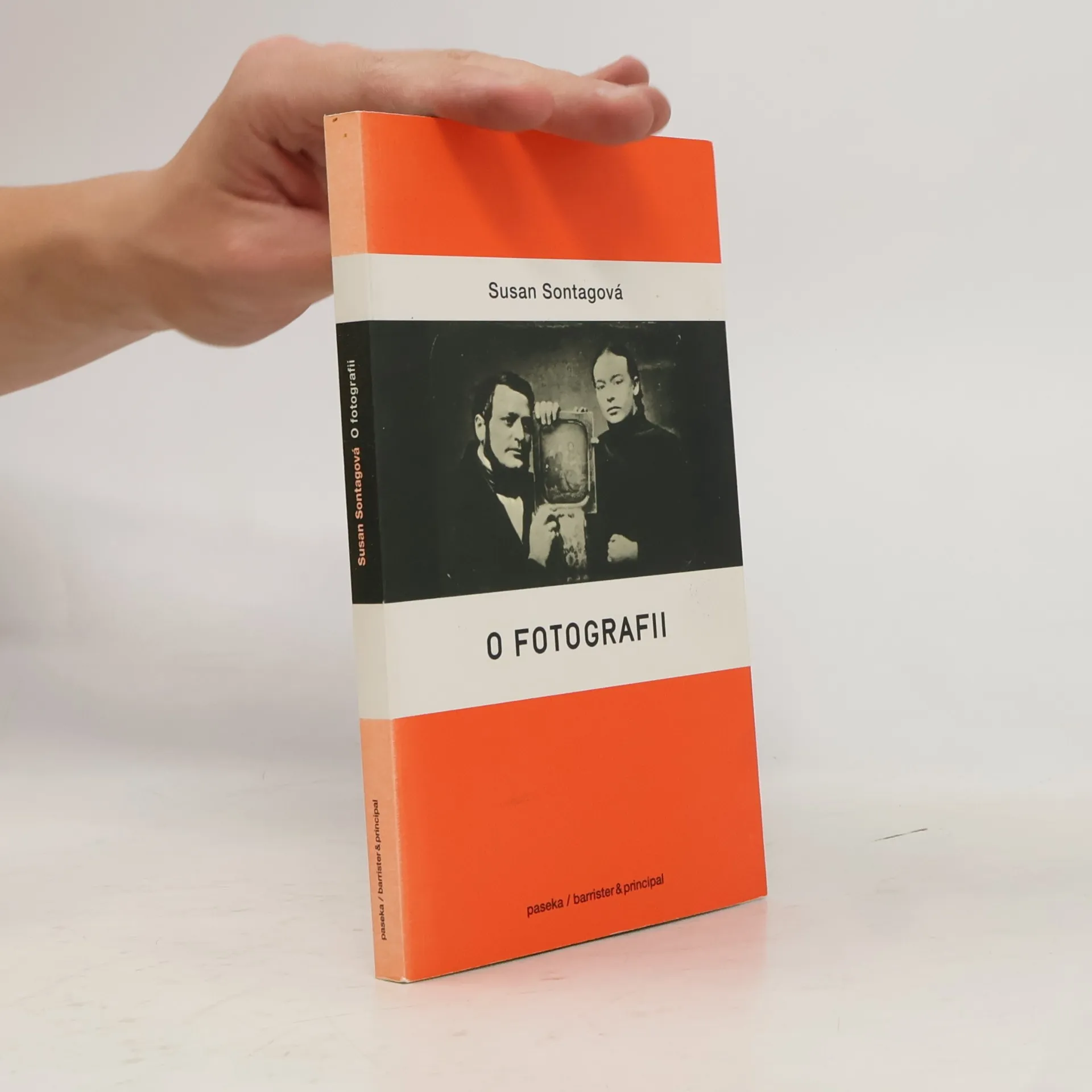
Dnes již klasická studie významné americké autorky rozebírá v sedmi kapitolách fenomén fotografie a jeho roli v moderní společnosti počínaje vynálezem daguerrotypie až k dominantní úloze fotografického obrazu ve světě ovládaném masovými sdělovacími prostředky. Autorce se na relativně malé ploše podařilo čtenářsky přístupnou, esejistickou formou postihnout široké spektrum sociologických, historických i estetických aspektů fotografie a její kniha je dnes považována za jeden ze základních a nejoriginálnějších textů věnovaných danému tématu.
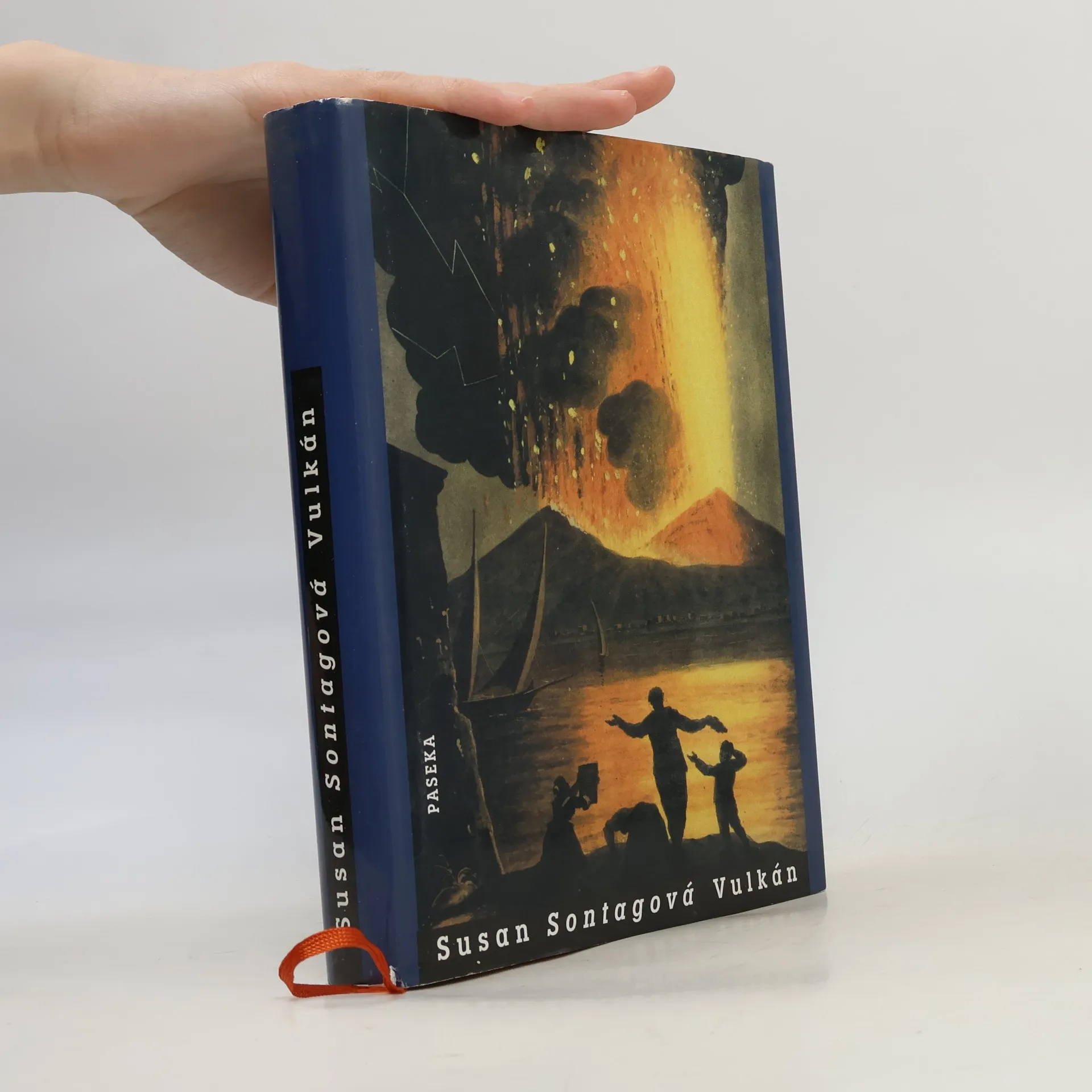
Autorka známá českým čtenářům zatím spíše jako pronikavá esejistka a kritička rozehrává na širokém plátně své historické romance osudové drama Williama Hamiltona, jeho ženy Emmy a admirála Nelsona na barvitě zachyceném pozadí Neapole závěru 18. století. Příběh citově chladného aristokrata a diplomata, vášnivého sběratele umění a amatérského přírodovědce, jeho mladé druhé ženy a jejího ambiciózního a krutosti se nestranícího milence nezapře autorčino bohaté myšlenkové zázemí, zcela jistě však zaujme svou nápaditostí, plastičností, smyslem pro humor a ironii i nezapomenutelným panoptikem barvitě vykreslených postav.
Susan Sontag: Later Essays
- 865 stránek
- 31 hodin čtení
This collection presents the later writings of a provocative critic, showcasing essays and speeches from the last quarter-century of her life. It covers a wide array of subjects, including the AIDS epidemic, 9/11, the Iraq war, and the allure of Fascism, alongside reflections on painting, dance, music, and film. The works feature literary portraits of notable figures such as Walter Benjamin, Roland Barthes, and Jorge Luis Borges, reflecting her passionate curiosity and expansive intellect. With unwavering focus and intensity, she challenges our understanding of human life, as highlighted in her acceptance speech for the Jerusalem Prize in 2000. Her experience in war-torn Sarajevo while staging Waiting for Godot becomes a profound meditation on culture and human dignity, emphasizing what people in conflict zones feel they have lost. Additionally, "AIDS and Its Metaphors" builds on the themes of her earlier work, "Illness as Metaphor," while "Regarding the Pain of Others" addresses the moral complexities of depicting violence and atrocity through photography. This collection serves as a testament to her enduring impact and insight into the human experience.
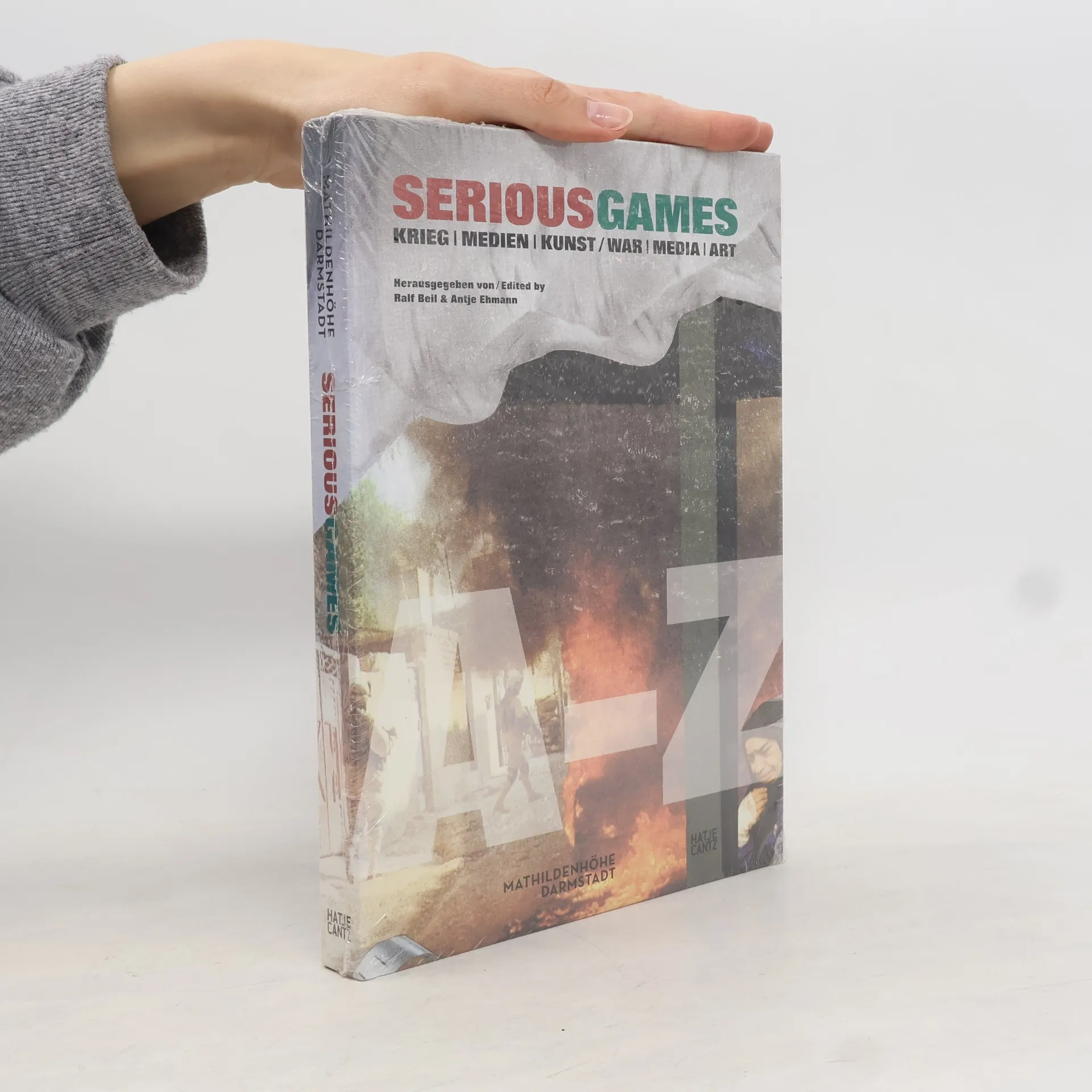
Serious Games - Zur Ausstellung in der Mathildenhöhe Darmstadt, 2011. Dtsch.-Engl.
- 207 stránek
- 8 hodin čtení
Im Irak-Krieg 1992 fiel die Kriegsführung mit der Berichterstattung zusammen: Das zivile Fernsehen zeigte Bilder, die kurz zuvor noch auf militärischen Kontroll-Monitoren zu sehen waren. Mittlerweile liefern Dienststellen der US-Armee komplette Datensätze für Computerspiele. Virtuelle Wüstenlandschaften mit Betonpisten und Strommasten prägen heute die Fantasie von Kindern und Jugendlichen wie früher einmal die Tunnel und Bergdörfer von Spielzeugeisenbahnen. Das lexikalisch aufgebaute Kompendium untersucht die permanente Umwandlung von Kriegsbildern zu Unterhaltungsbildern und damit die Militarisierung der Imagination. Es geht darum, welche Bilder Kriege erzeugen und wie diese in der Kunst der Gegenwart aufgegriffen und gespiegelt werden. Beleuchtet wird diese Frage anhand von Fotografien, Videos, Computerspielen, Gemälden und Rauminstallationen, unter anderem von Peggy Ahwesh, Oliver van den Berg, Kota Ezawa, Harun Farocki, Jean-Luc Godard, Richard Hamilton, Walid Raad, Martha Rosler, Allan Sekula und Hito Steyerl. Ausstellung: Mathildenhöhe Darmstadt 27.3.–24.7.2011
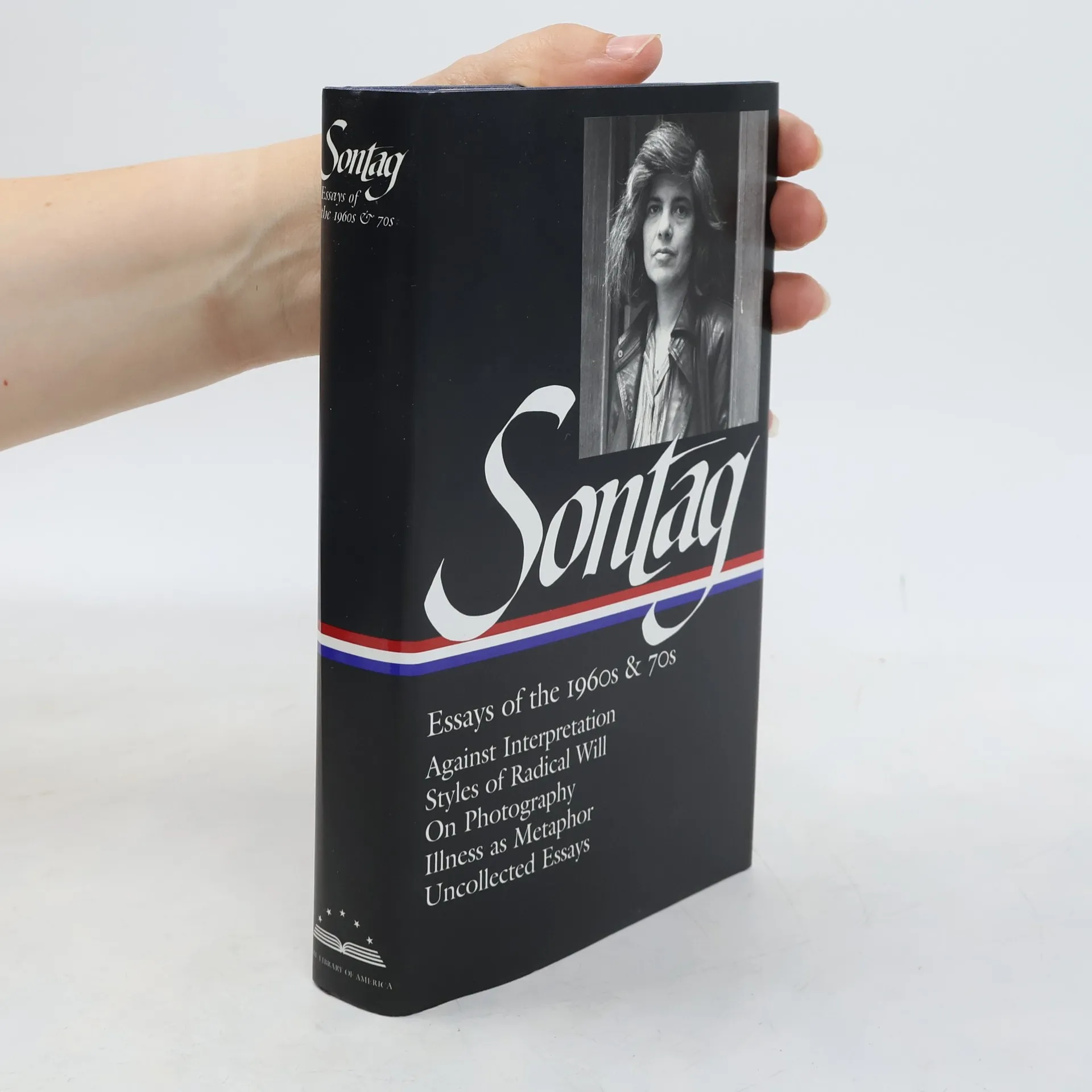
Susan Sontag: Essays of the 1960s & 70s (LOA #246)
- 875 stránek
- 31 hodin čtení
With the publication of her first book, Against Interpretation, in 1966, Susan Sontag placed herself at the forefront of an era of cultural and political transformation. "What is important now," she wrote, "is to recover our senses ... In place of a hermeneutics we need an erotics of art." She would remain a catalyzing presence, whether writing about camp sensibility, the films of Jean-Luc Godard and Alain Resnais, her experiences as a traveler to Hanoi at the height of the Vietnam War, the aesthetics of science-fiction and pornography, or a range of modern thinkers from Simone Weil to E.M. Cioran. She opened dazzling new perspectives on any subject she addressed, whether the nature of photography or cultural attitudes toward illness. This volume, edited by Sontag's son David Rieff, presents the full texts of four essential books: Against Interpretation, Styles of Radical Will (1969), On Photography (1977), and Illness as Metaphor (1978). Also here as a special feature are six previously uncollected essays including studies of William S. Burroughs and the painter Francis Bacon and a series of reflections on beauty, aging, and the emerging feminist movement.
Notes on Camp
- 64 stránek
- 3 hodiny čtení
"These two classic essays were the first works of criticism to break down the boundaries between 'high' and 'low' culture, and made Susan Sontag a literary sensation."--Back cover
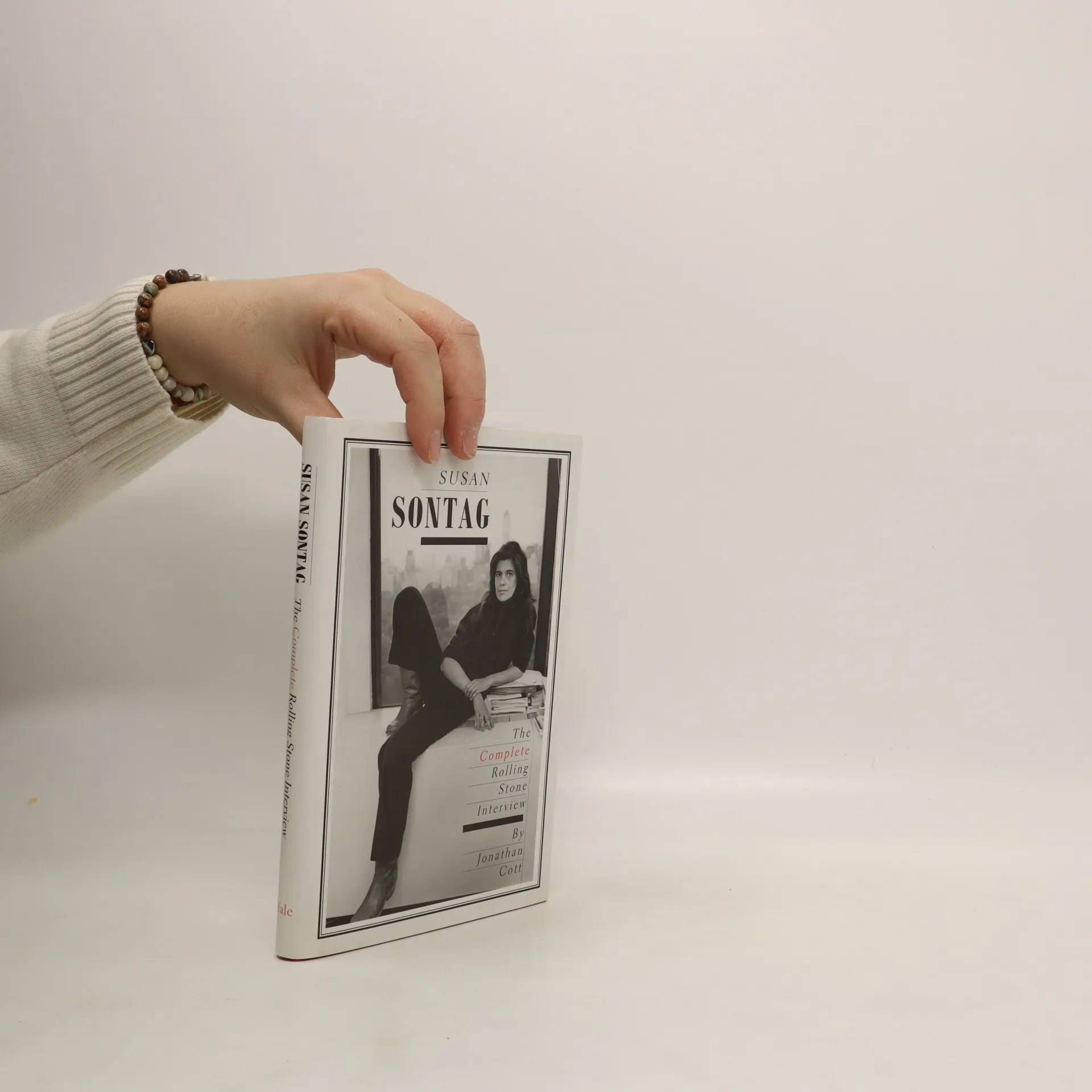
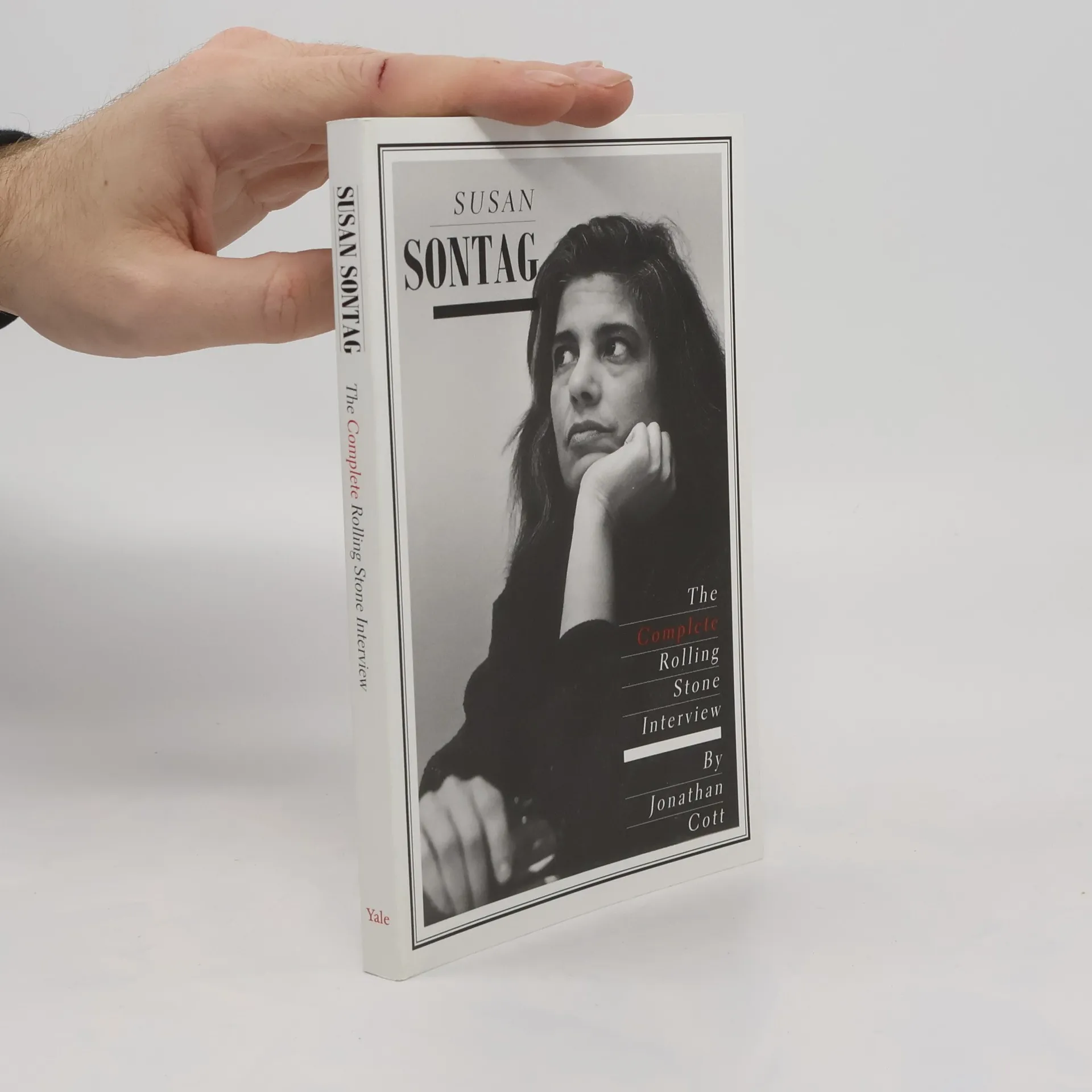
Susan Sontag : the complete Rolling Stone interview
- 145 stránek
- 6 hodin čtení
Susan Sontag, one of the most internationally renowned and controversial intellectuals of the latter half of the twentieth century, still provokes. In 1978 Jonathan Cott, a founding contributing editor of Rolling Stone magazine, interviewed Sontag first in Paris and later in New York. Only a third of their twelve hours of discussion ever made it to print. Now, more than three decades later, Yale University Press is proud to publish the entire transcript of Sontag’s remarkable conversation, accompanied by Cott’s preface and recollections. Sontag’s musings and observations reveal the passionate engagement and breadth of her critical intelligence and curiosities at a moment when she was at the peak of her powers. Nearly a decade after her death, these hours of conversation offer a revelatory and indispensable look at the self-described "besotted aesthete" and "obsessed moralist." Sontag proclaims a personal credo, declaring: "Thinking is a form of feeling; feeling is a form of thinking."
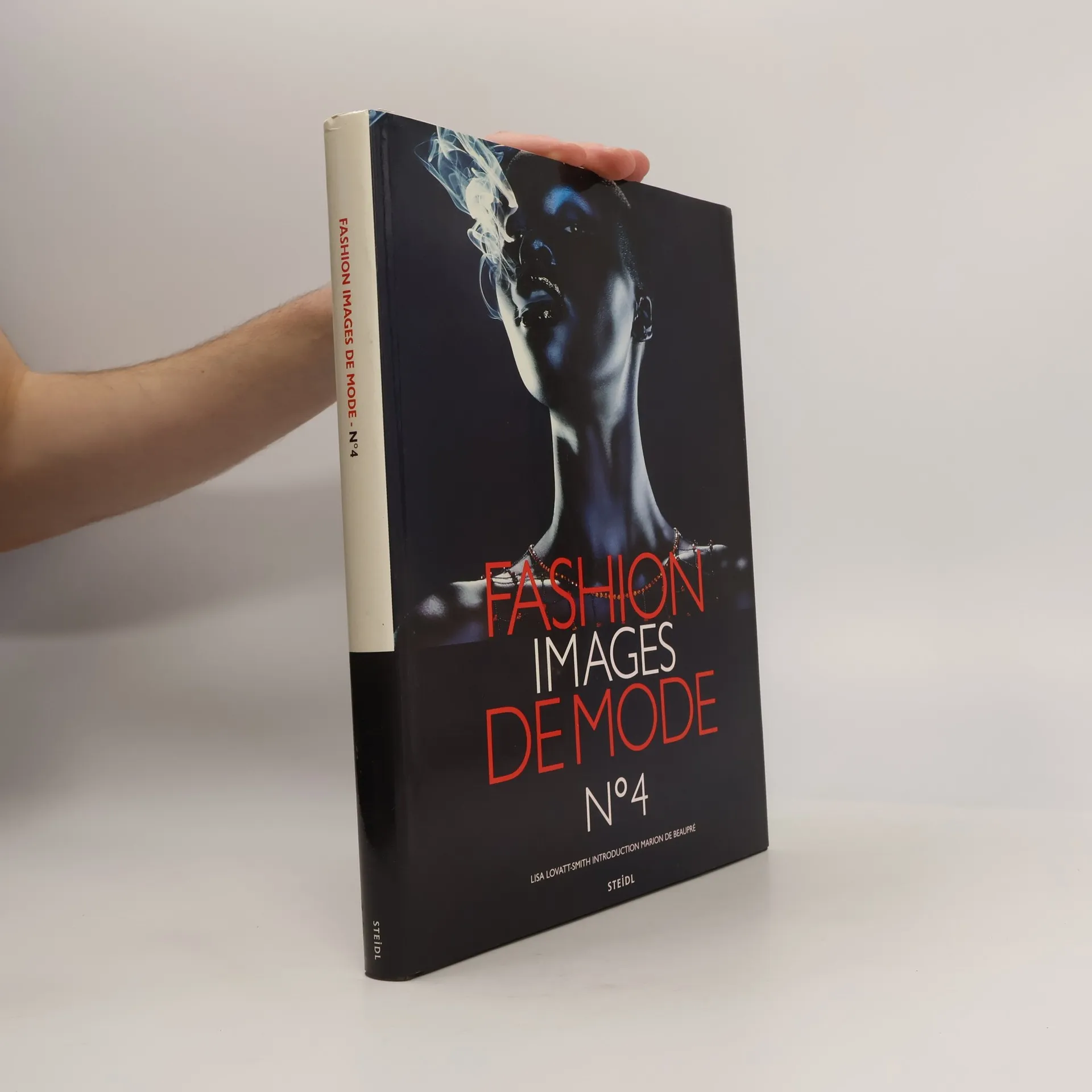
Fashion Images de Mode No. 4
- 192 stránek
- 7 hodin čtení
Fashion photography's pervasive presence has brought the intimate aesthetics of post-80s realism into everybody's lives. This year's Fashion Images de Mode, the fourth volume of an annual series, showcases emerging as well as established photographers. Editor Lisa Lovatt-Smith presents photographs which capture the new directions in current fashion media, such as an increasingly subjective photographer's eye and a heightened reliance on digital image manipulation. This edition includes an introduction by renowned writer Susan Sontag, an essay by Patrick Remy, and sections devoted to prominent photographers Steve Hiett, Phil Poynter, Sean Ellis, Anette Aurell, Ellen Von Unwerth, Mario Sorrenti, Melodie McDaniel, Nathaniel Goldberg, Terry Richardson, Jack Pierson, Peter Lindbergh, David La Chapelle, and Mario Testino.
Susan Sontag holds a unique position in Modern American letters as a significant critic and a writer whose novels and short fiction are finally receiving due recognition. Her work exhibits an essential unity across various forms, a quality particularly evident in this curated selection of her writings. This compilation offers a chronological sampling that reflects her career and highlights the themes she cherishes. It includes excerpts from her two novels, *The Benefactor* and *Death Kit*, as well as her short story collection, *I, etcetera*. Notable essays from the 1960s, such as "Against Interpretation," "Notes on Camp," and "On Style," which helped shape cultural perspectives of that era, are featured alongside selections from her later essay collections, *Styles of Radical Will* and *Under the Sign of Saturn*. Additionally, a segment from her acclaimed *On Photography* is included. Reading these works in chronological order reveals surprising connections between different literary forms and thematic developments. The collection also features a candid interview where Sontag discusses her broader concerns and creative journey. Concluding with "Writing Itself," a previously uncollected essay on Roland Barthes, this volume serves both as a self-portrait and a key to understanding one of the most important writers of our time.
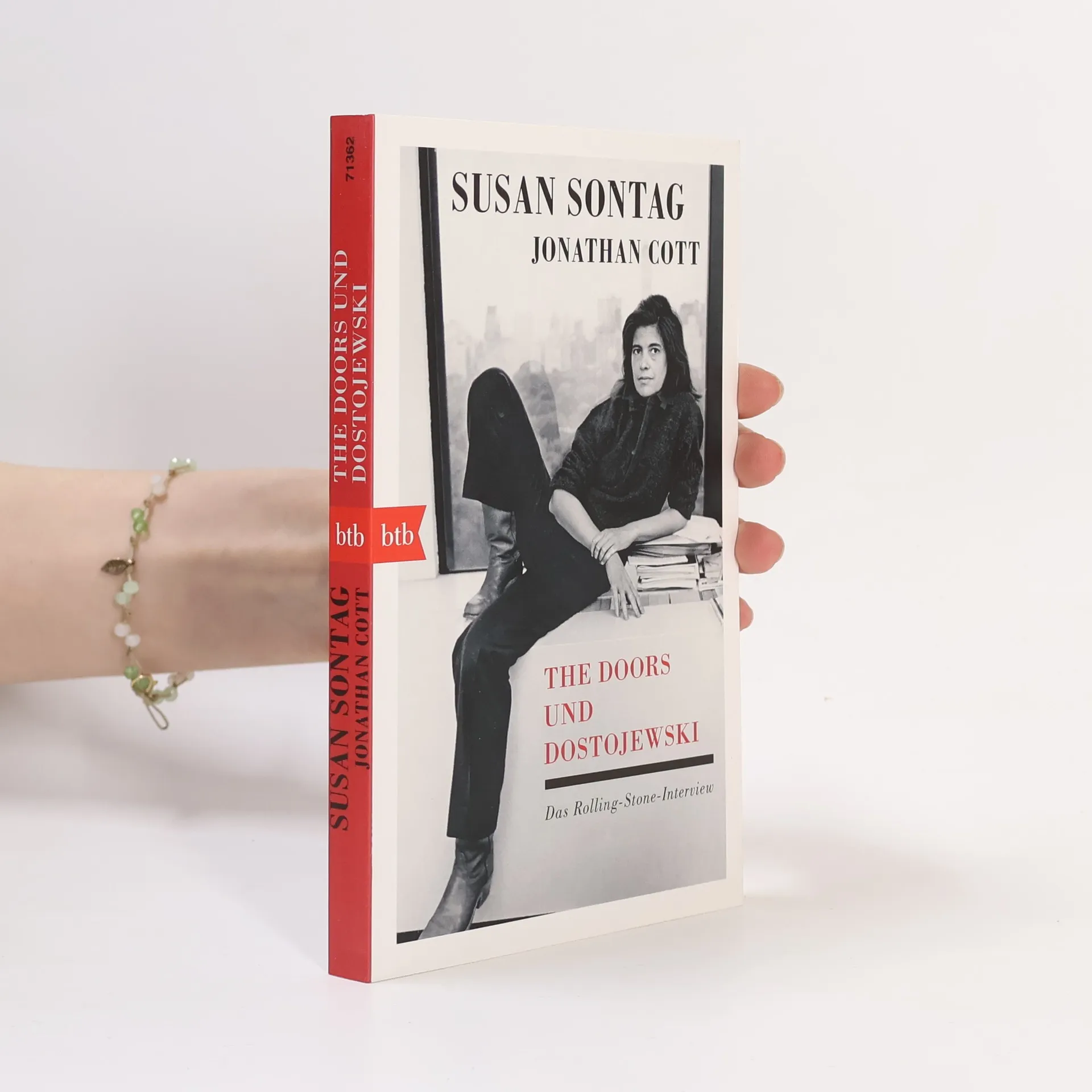
In 1978, Susan Sontag and Jonathan Cott met for an interview, first in Sontag's Paris apartment and later in her New York loft. The result is a multifaceted portrait of Sontag as a profound and agile thinker, unafraid to tackle a wide range of topics—feminism, fascism, aesthetics, ideology, Chuck Berry, and Friedrich Nietzsche—while disregarding the divide between high and pop culture: "Rock 'n' Roll changed my life." Sontag also provides insights into her personal life, discussing her role as a mother, her marriage, and her battle with cancer, which inspired her pivotal work, Illness as Metaphor. The conversation touches on her significant essays, including Art and Anti-Art and On Photography. Even humor, not typically associated with Sontag, finds its place in this book, offering a well-rounded view of her intellect and personality.
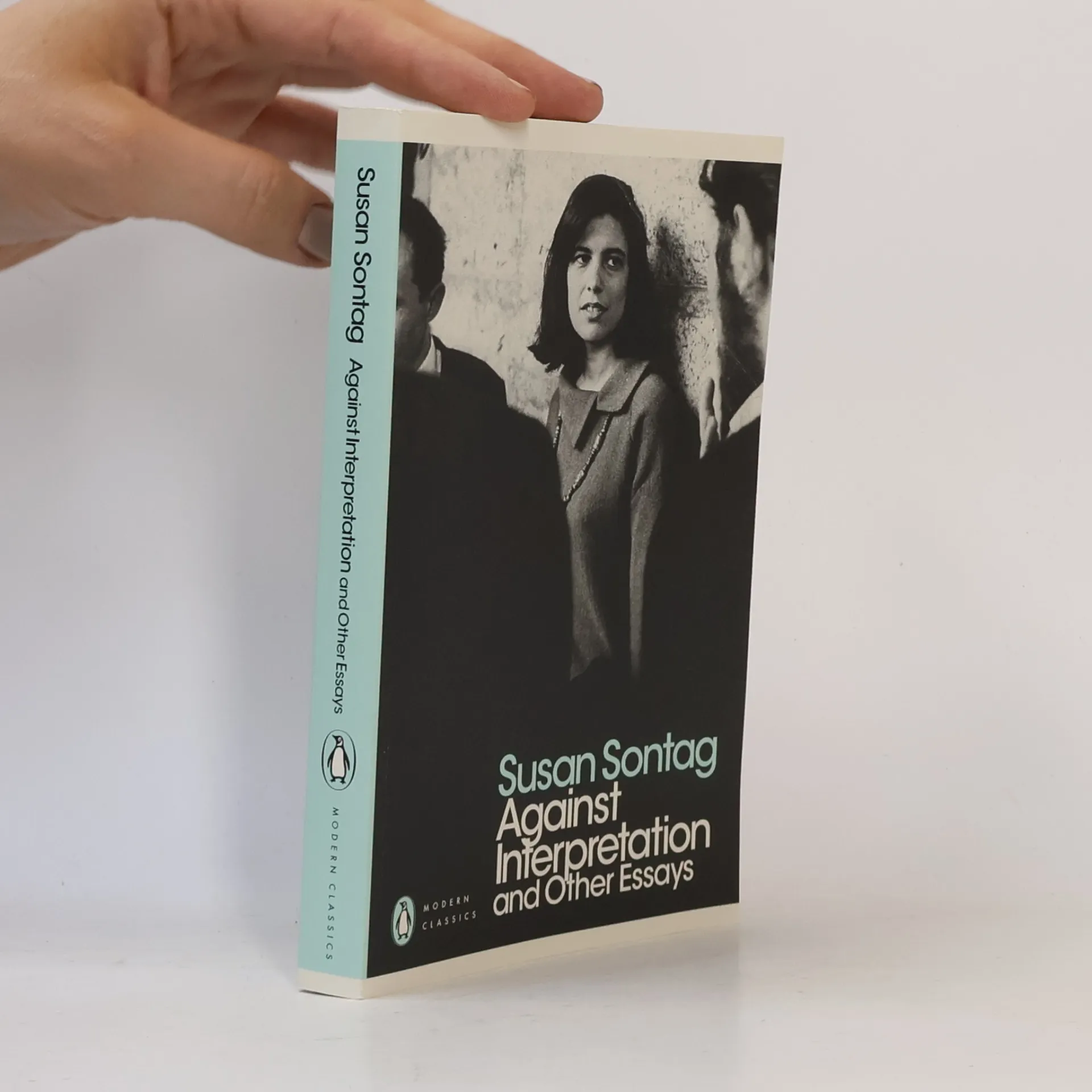
ESSAYS, JOURNALS, LETTERS & OTHER PROSE WORKS. Against Interpretation was Susan Sontag's first collection of essays and is a modern classic. Originally published in 1966, it has never gone out of print and has influenced generations of readers all over the world. It includes some of Sontag's best-known works, among them 'On Style', 'Notes on 'Camp'', and the titular essay 'Against Interpretation', where Sontag argues that modern cultural conditions have given way to a new critical approach to aesthetics. 'A dazzling intellectual performance.' Vogue.
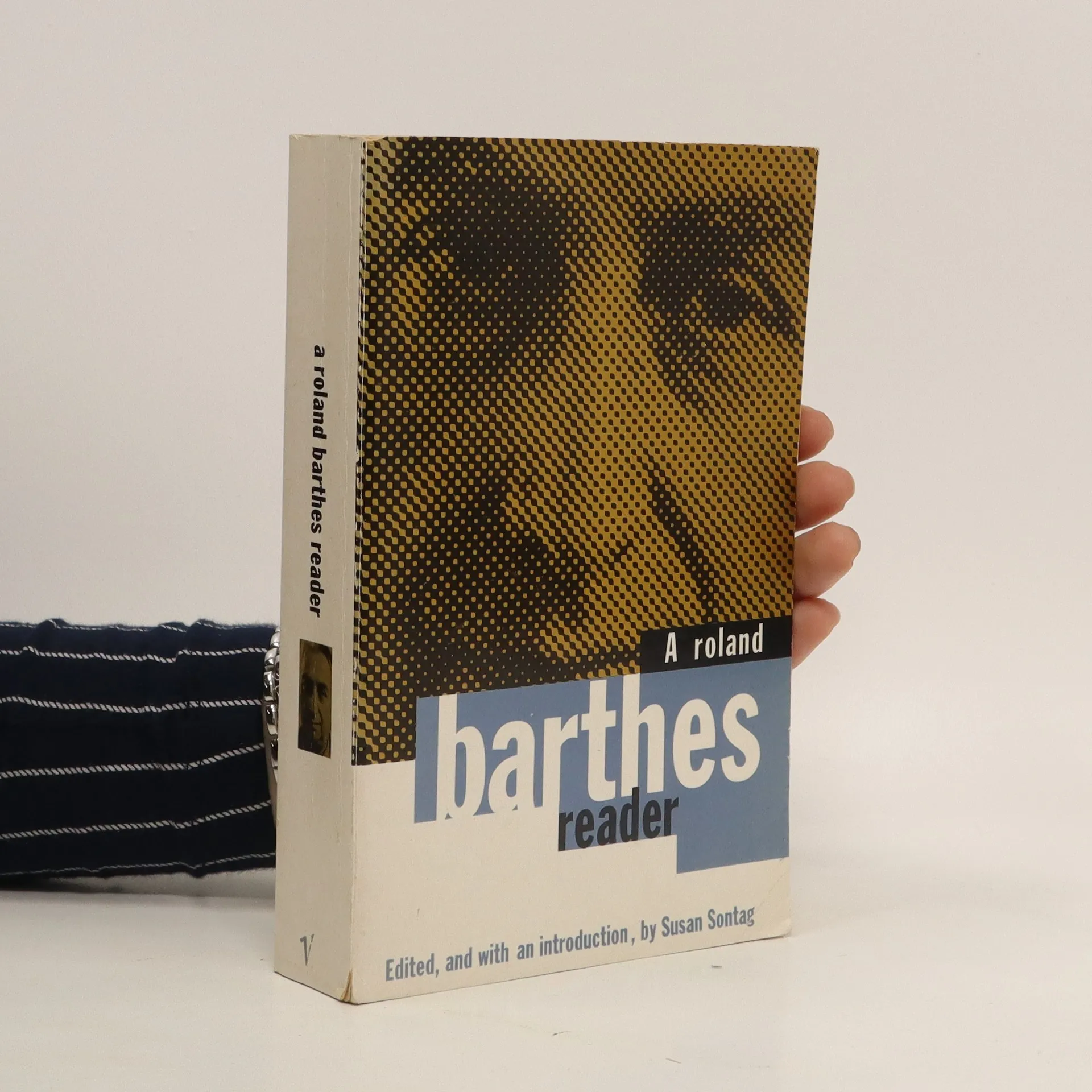
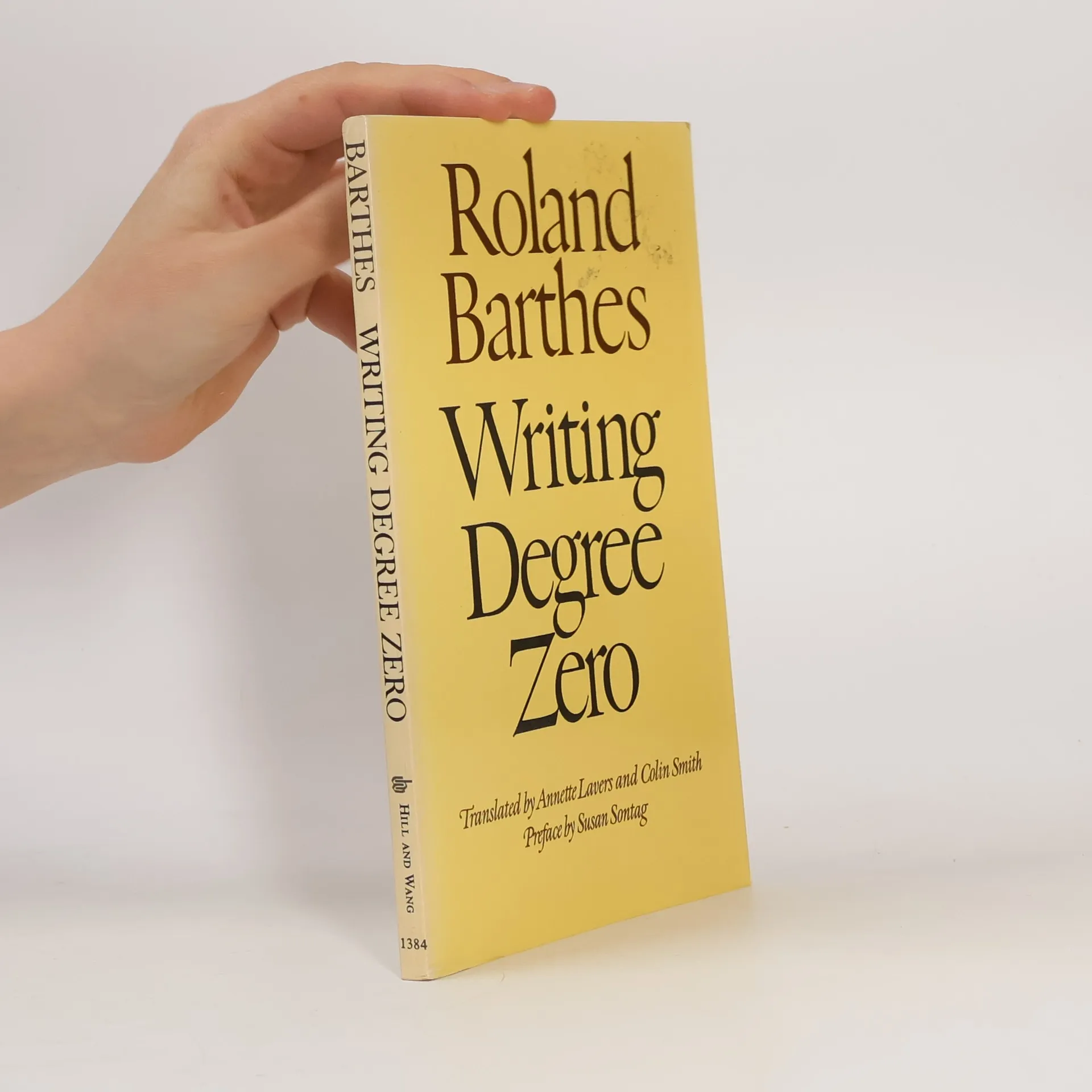
An introduction to the thinking of the French intellectual, Roland Barthes, as applied to such diverse topics as Gide, Garbo, striptease, photography and the Eiffel Tower. The pieces in this collection were written over a period of three decades.
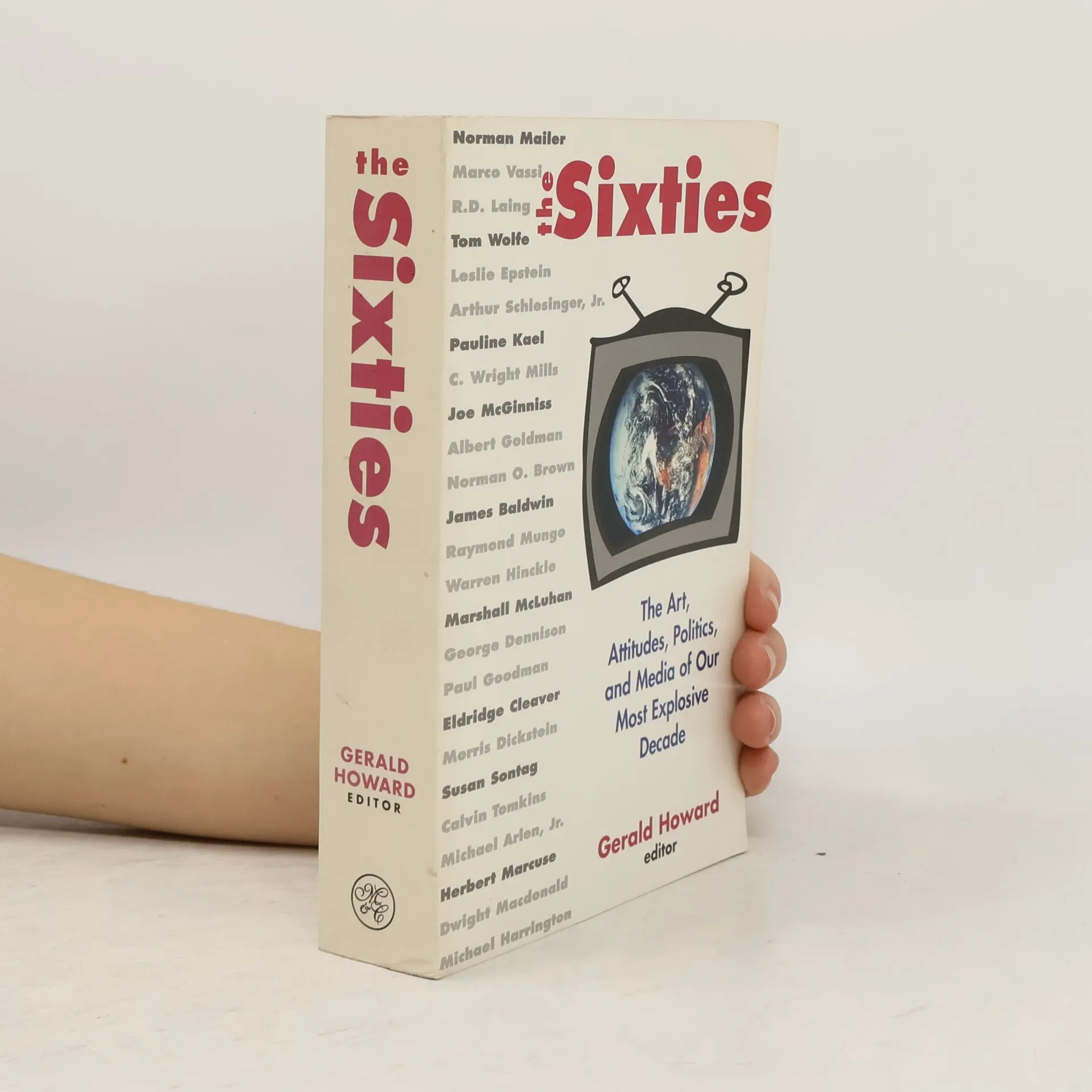
Gathers essays written during the sixties by such people as Norman Mailer, Marshall McLuhan, Tom Wolfe, Eldridge Cleaver, and others about the changes in art, politics, and the media during that decade
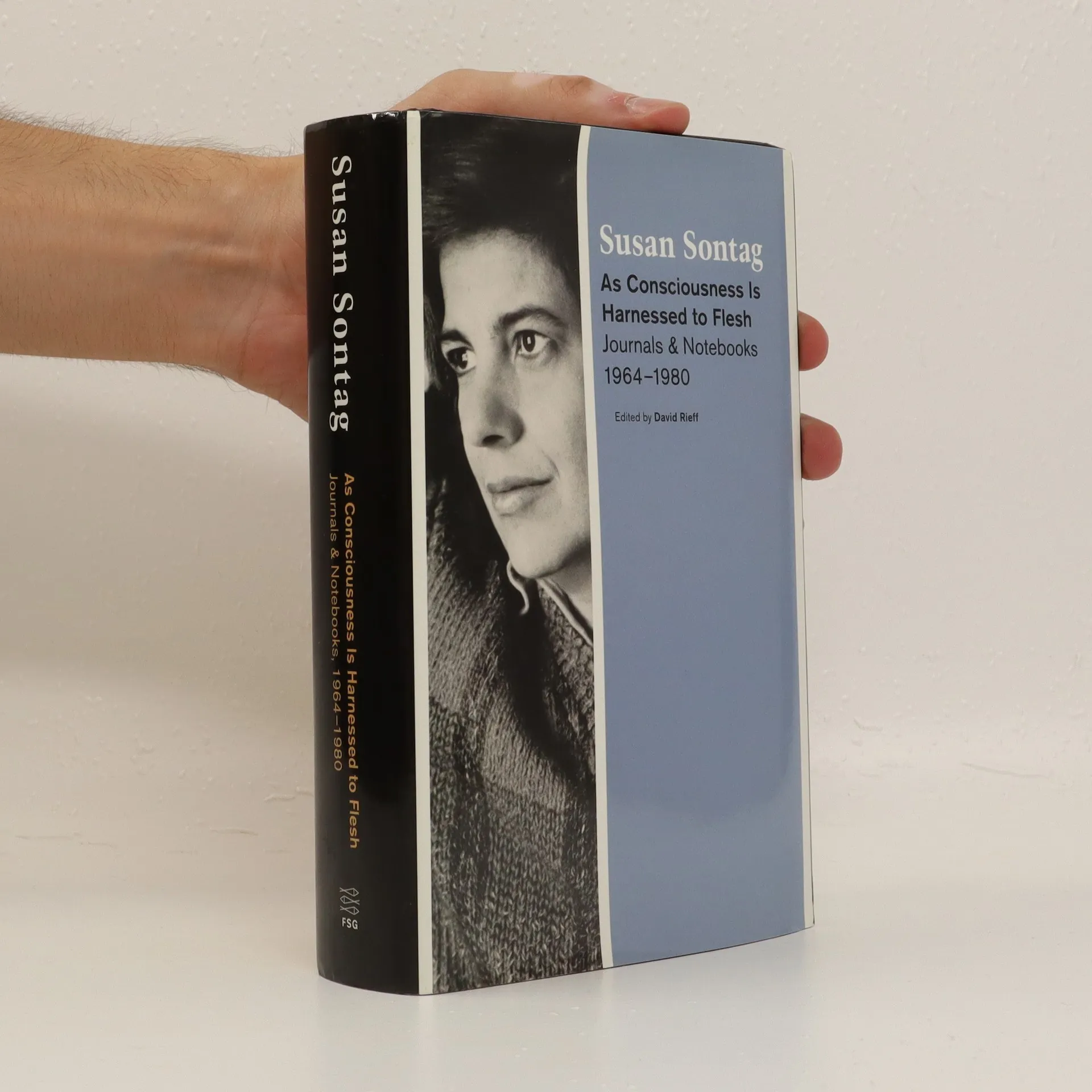
This second of three volumes begins in the middle of the 1960s and traces Sontag's evolution from fledgling participant in the artistic and intellectual world to renowned critic.
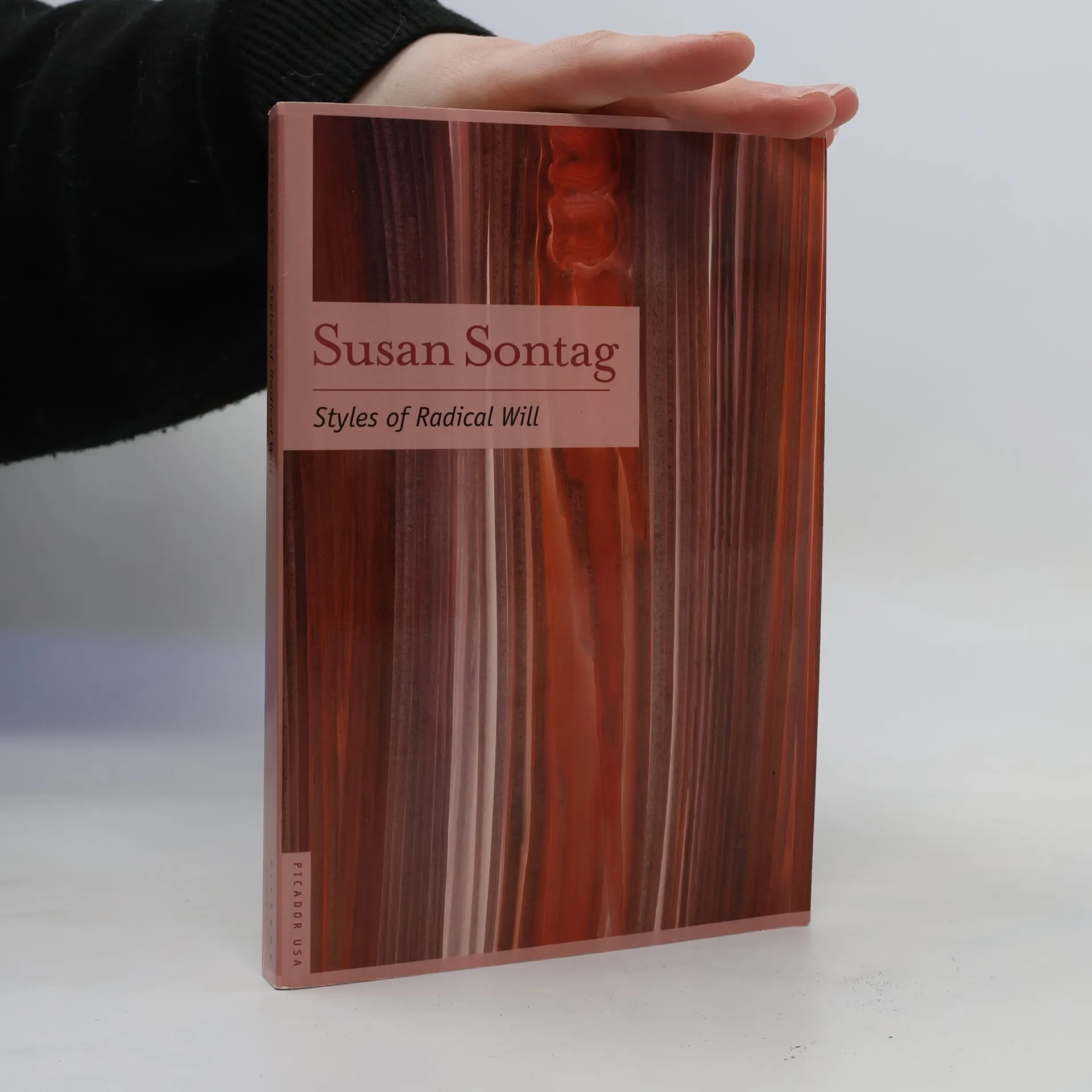
Styles of Radical Will , Susan Sontag's second collection of essays, extends the investigations she undertook in Against Interpretation with essays on film, literature, politics, and a groundbreaking study of pornography.
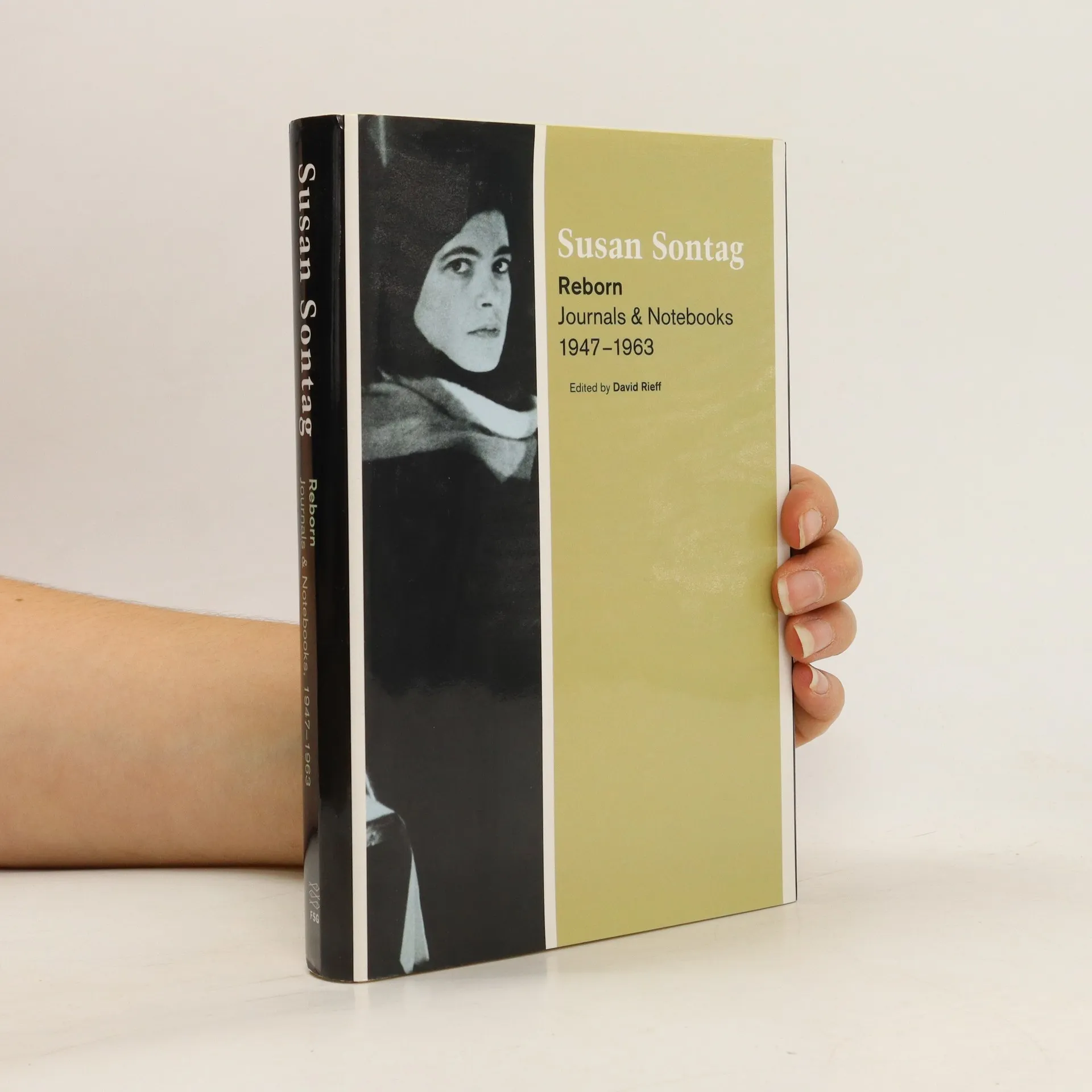
Reborn. Journals & Notebooks 1947-1963
- 336 stránek
- 12 hodin čtení
Presents excerpts from the early writings of the author, with reflections on her meetings with influential writers and intellectuals, her literary ambitions, and her criticisms of other writers.
Pedro Páramo
- 152 stránek
- 6 hodin čtení
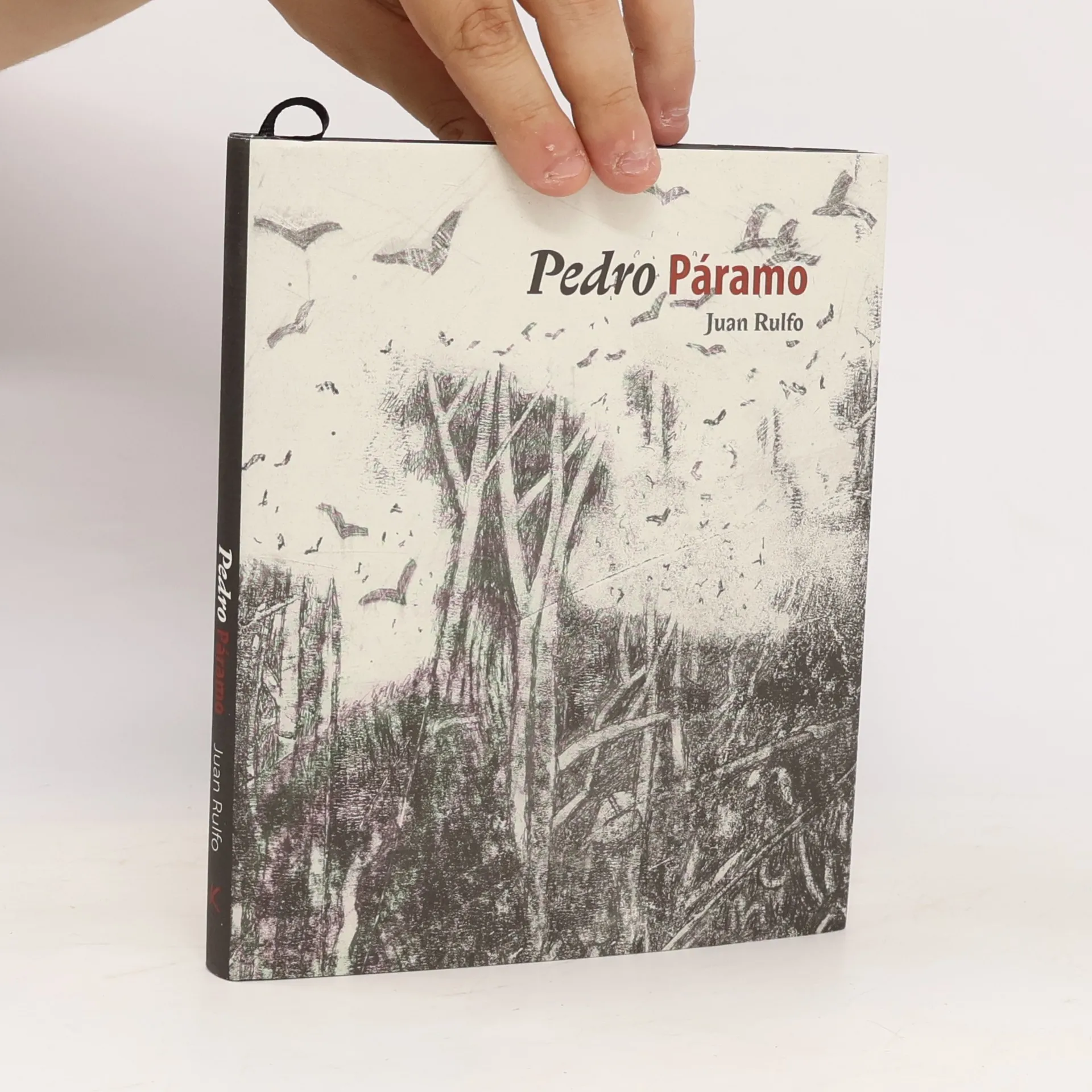
Juan Preciado se na přání své umírající matky vrací do její rodné vesnice. Namísto kdysi rajské Comaly však nalézá jen vyprahlé místo a postupně odhaluje, že život zde není nic víc než pouhá vzpomínka. Neskutečné se prolíná s každodenním a v mytickém prostoru se ruší protiklad života a smrti. Příběh se koncentruje kolem ambivalentní postavy Pedra Párama, jenž bezohledně vládne celému kraji a současně trpí nešťastnou láskou k Susaně San Juan. Nejedná se však o běžné líčení tragického života mexického velkostatkáře – vyprávění se skládá z útržků dialogů a monologů těžko identifikovatelných hlasů, chronologický sled událostí je narušován vzpomínkami a vkládanými rozhovory z minulosti. Novela, jež měla původně nést titul Šepoty, je komponována z hlasů zemřelých, předestírá perspektivu pověrčivých mexických venkovanů a překypuje symbolickými figurami a odkazy. Pedro Páramo se brzy po svém vydání stal zásadním dílem hispanoamerické literatury, jehož vliv nacházíme u autorů, jako jsou Gabriel García Márquez, Mario Vargas Llosa či Julio Cortázar.
Two decades of indispensable work by a great American writer. Thirty-five years after her first collection of essays, Sontag has chosen more than 40 longer and shorter pieces that illustrate a deeply felt, kaleidoscopic array of interests, passions, observations, and ideas.
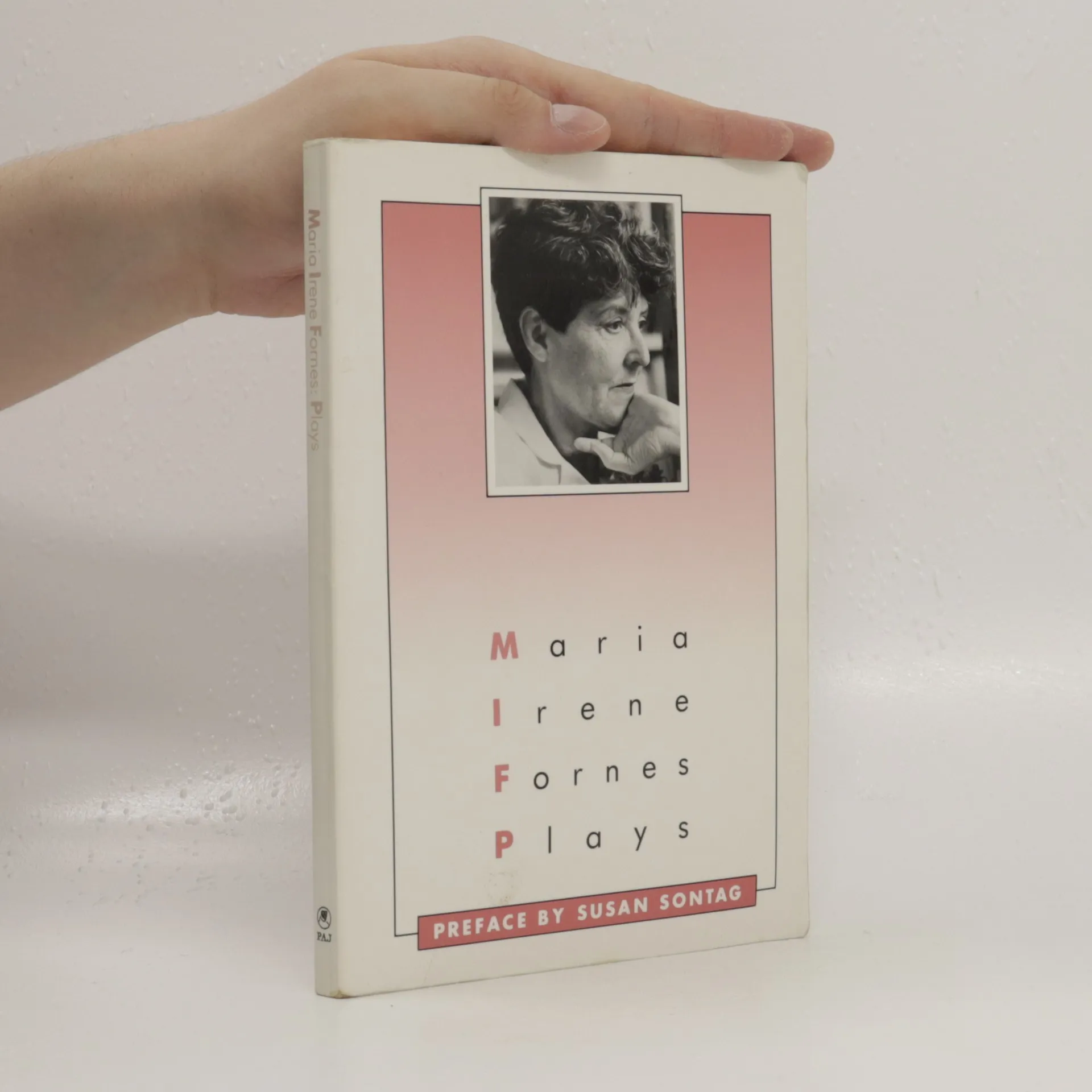
Plays
- 152 stránek
- 6 hodin čtení
Sarita: Tells the story of the fiery-tempered Sarita Fernandez, who is gradually torn apart by her sexual desires and moral values to the point of insanity.
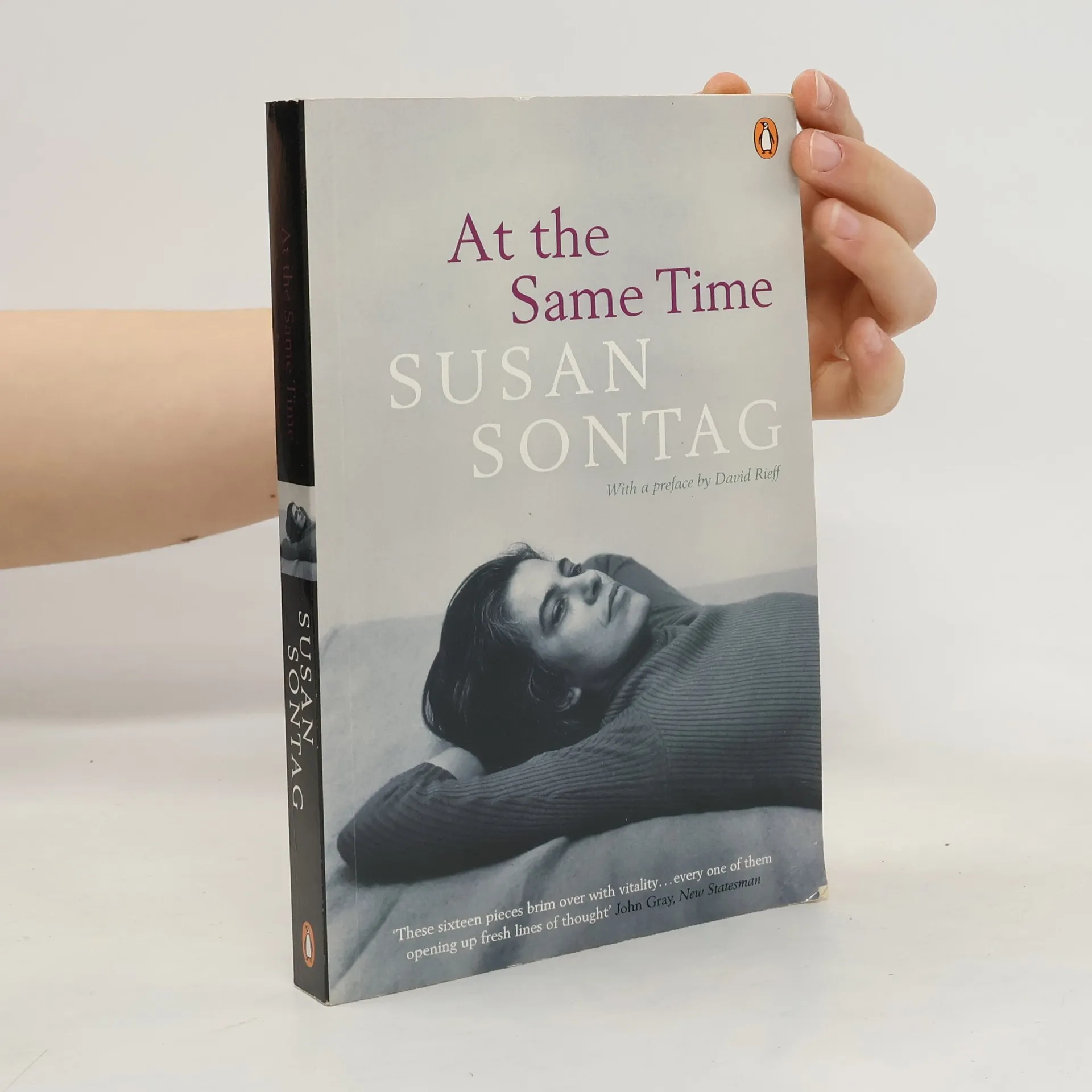
At the Same Time
- 236 stránek
- 9 hodin čtení
Contains sixteen essays. Reflecting on literature, photography and art, post 9/11 America and political activism, this title includes these essays that encompass the themes that dominated the author's life and work, revealing why she remains one of the twentieth century's pre-eminent writers and thinkers.
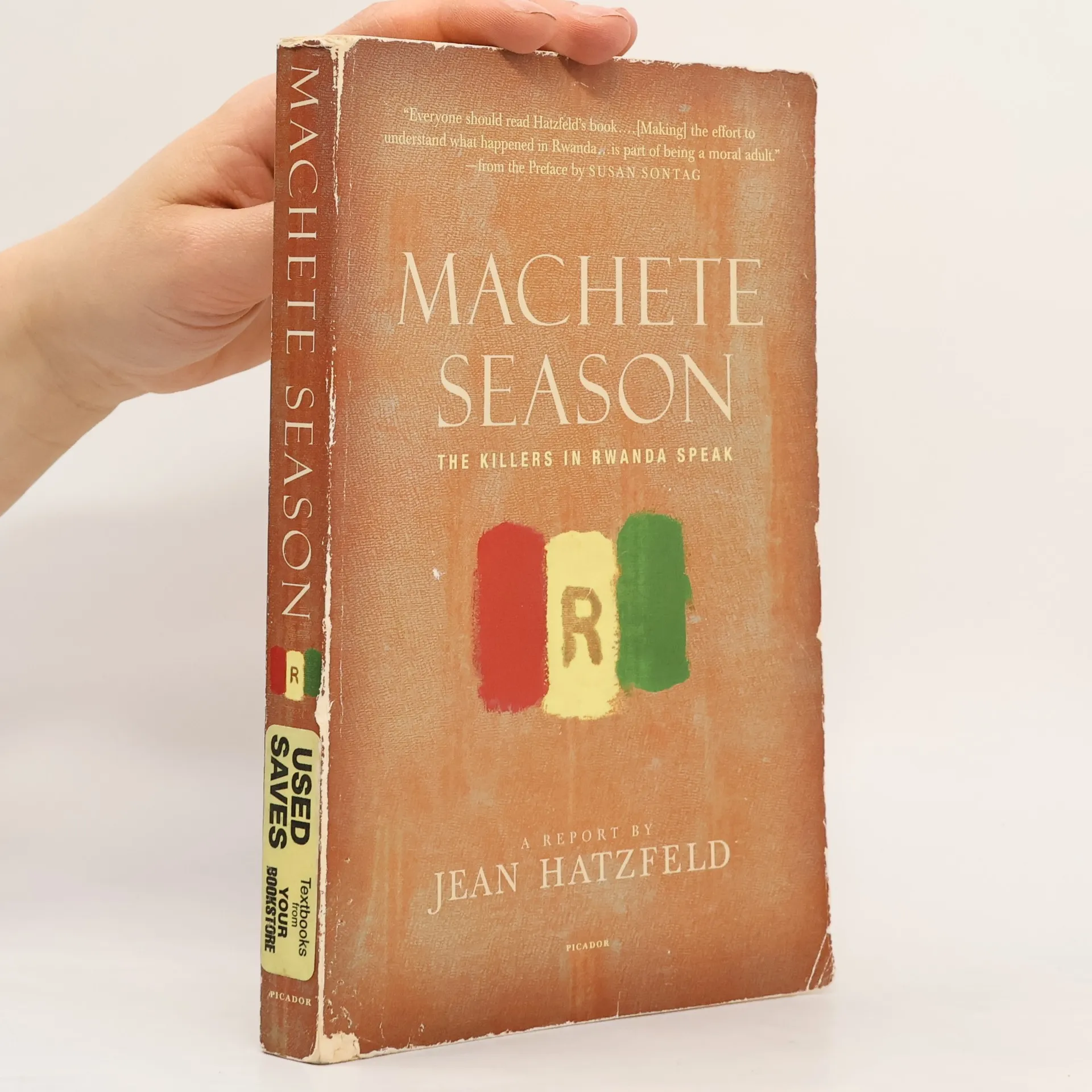
During the spring of 1994, in a tiny country called Rwanda, some 800,000 people were hacked to death, one by one, by their neighbors in a gruesome civil war. Several years later, journalist Jean Hatzfeld traveled to Rwanda to interview ten participants in the killings, eliciting extraordinary testimony from these men about the genocide they perpetrated. As Susan Sontag wrote in the preface, Machete Season is a document that "everyone should read . . . [because making] the effort to understand what happened in Rwanda . . . is part of being a moral adult."
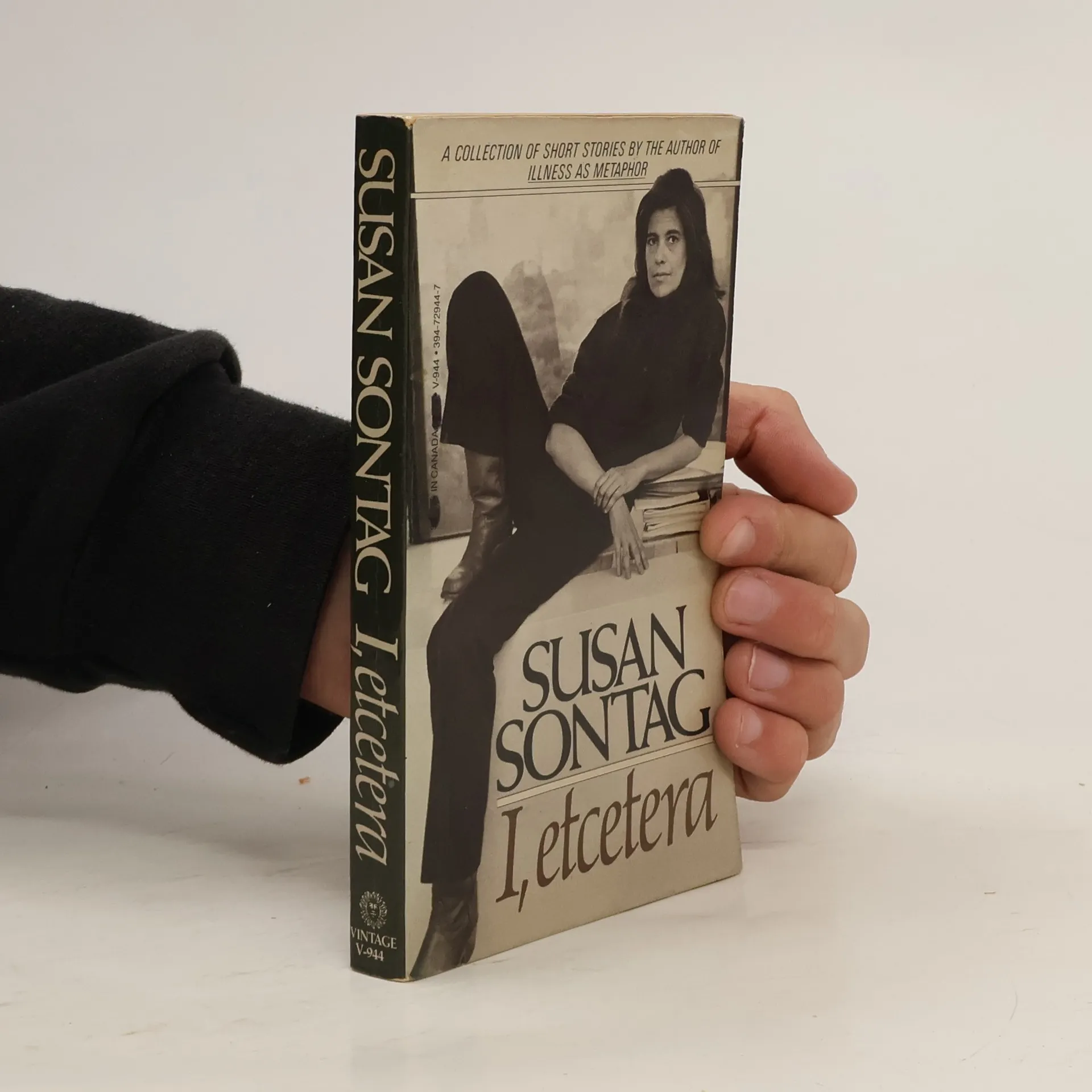
I, Etcetera
- 246 stránek
- 9 hodin čtení
En 1978 vieron la luz en forma de libro por primera vez los relatos que Susan Sontag fue publicando en las revistas más importantes de la época. Muestran a una escritora que se aleja de la cotidianidad y se maneja con soltura entre atmósferas opresivas, que baraja temas como el amor, el conocimiento, la relación con el presente o la dificultad de establecer límites entre el bien y el mal. Una nueva muestra de la apertura de caminos literarios que Sontag, Premio Príncipe de Asturias de las Letras 2003, se propuso como ineludible norma intelectual.
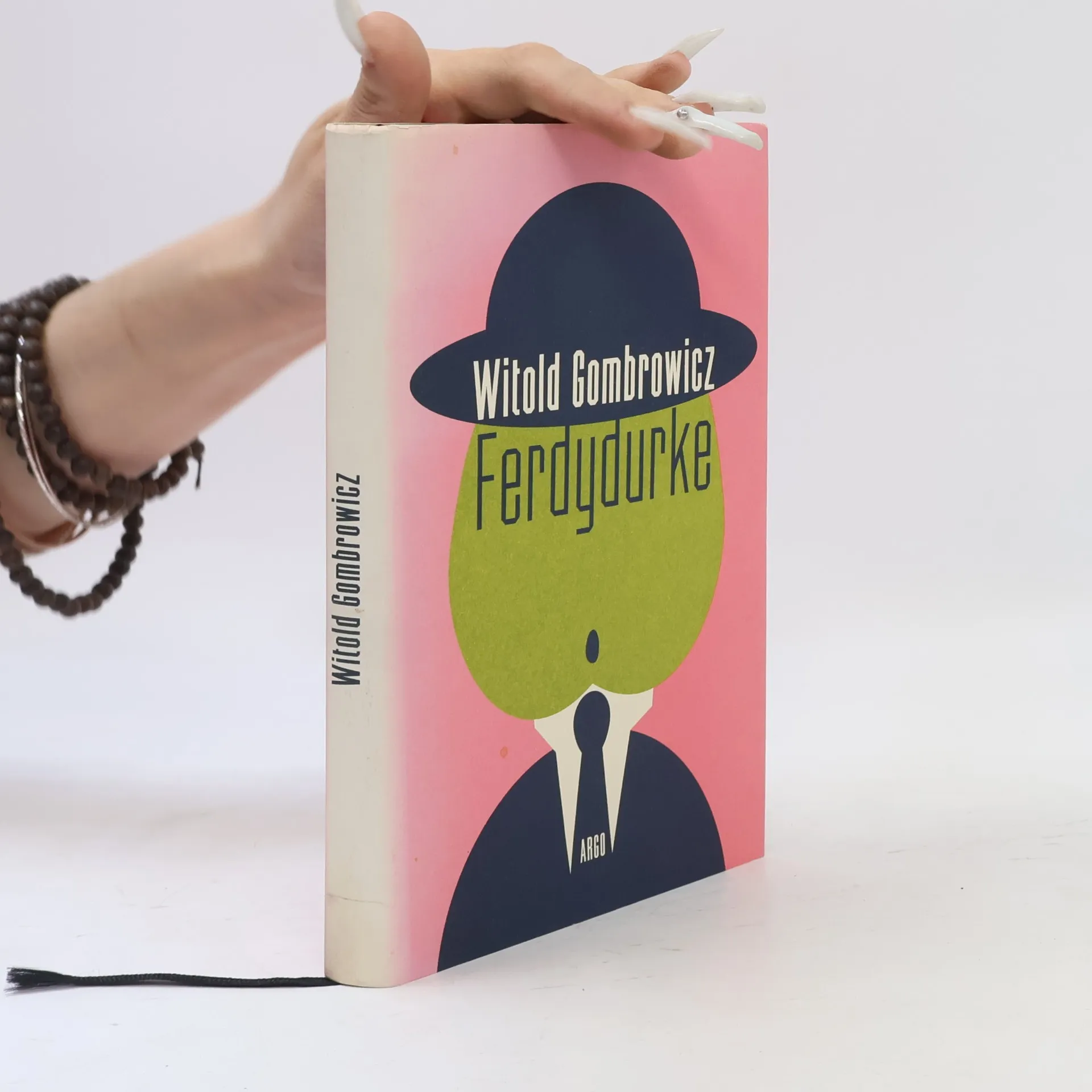
Moderní, černohumorná a bytostně ironická klasika od autora, jehož Milan Kundera považuje za velikána literatury dvacátého století. Ferdydurke je třicátník, který se pod dohledem šíleného doktora filozofie Pimka mění v puberťáka, který musí znovu projít všemi strázněmi dospívání, aby si potvrdil, že život je jednou dlouhou sérií všelijakých ponížení a trapných situací. Witold Gombrowicz se sepsáním tohoto románu, v němž se vysmál všem formám přetvářky, přiřadil k takovým osobnostem světového románu, jako byli Franz Kafka, Robert Musil, Samuel Beckett nebo Hermann Broch.
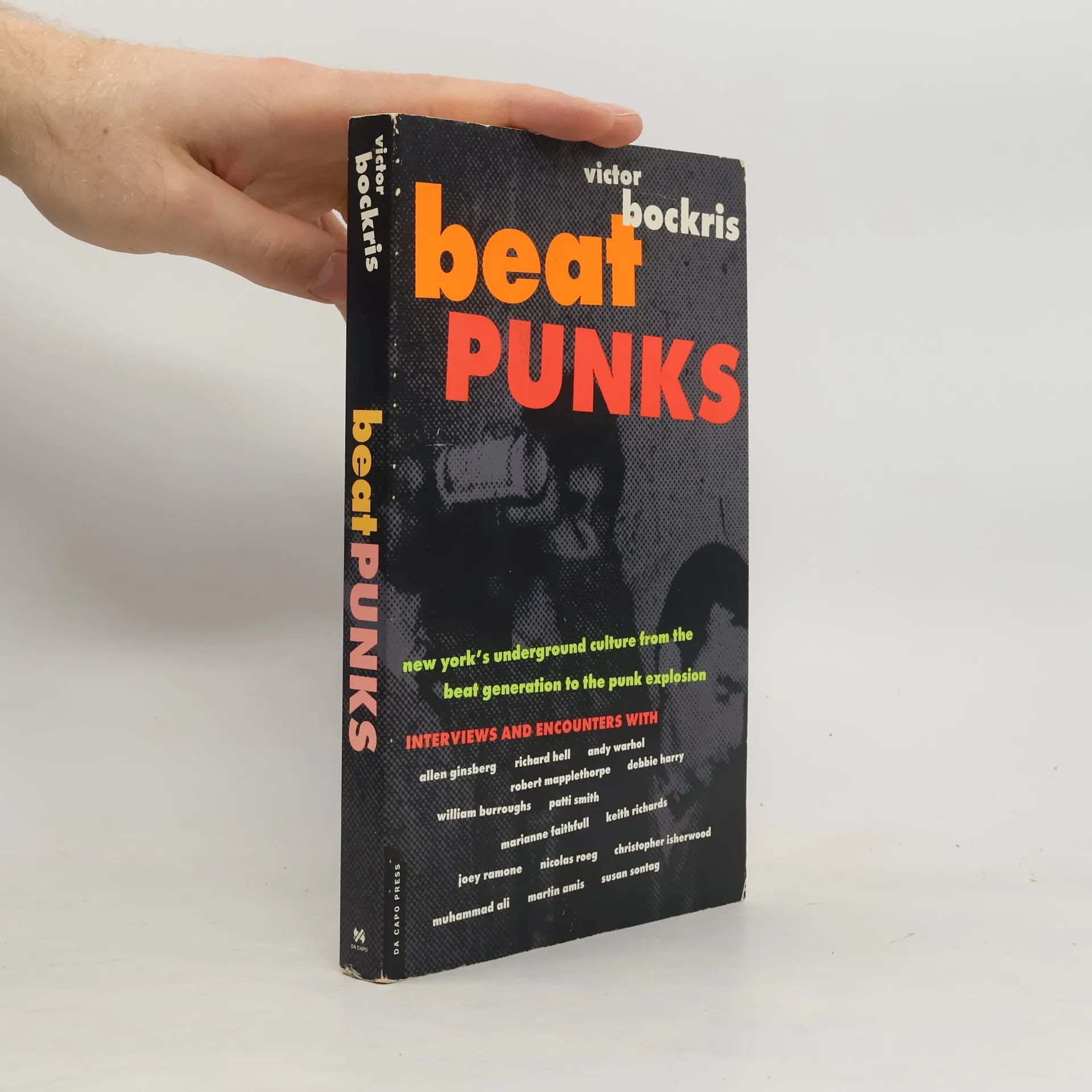
Beat Punks
- 336 stránek
- 12 hodin čtení
Here, accompanied by dozens of unique photographs, are the very best of Victor Bockris's infamous interviews, essays, and observations on the stars of downtown Manhattan in the 1970s and 1980s. The internationally acclaimed biographer Bockris was there as a witness, friend, collaborator, and co-conspirator. Some of the stars were founding members of Beat or Punk, others were just passing through. But all of them—rockers, rebels, artists, and intellectuals—revealed more to Bockris than they did to any other writer: Allen Ginsberg, Richard Hell, Andy Warhol, Robert Mapplethorpe, Debbie Harry, William Burroughs, Patti Smith, Marianne Faithfull, Keith Richards, Terry Southern, Martin Amis, and Susan Sontag. Bockris's conclusion—that Punk owed the Beats a big debt and that the Beats were in turn re-animated by the Punks—is argued from the perspective of someone who was in the thick of it, and who loved every minute of it.
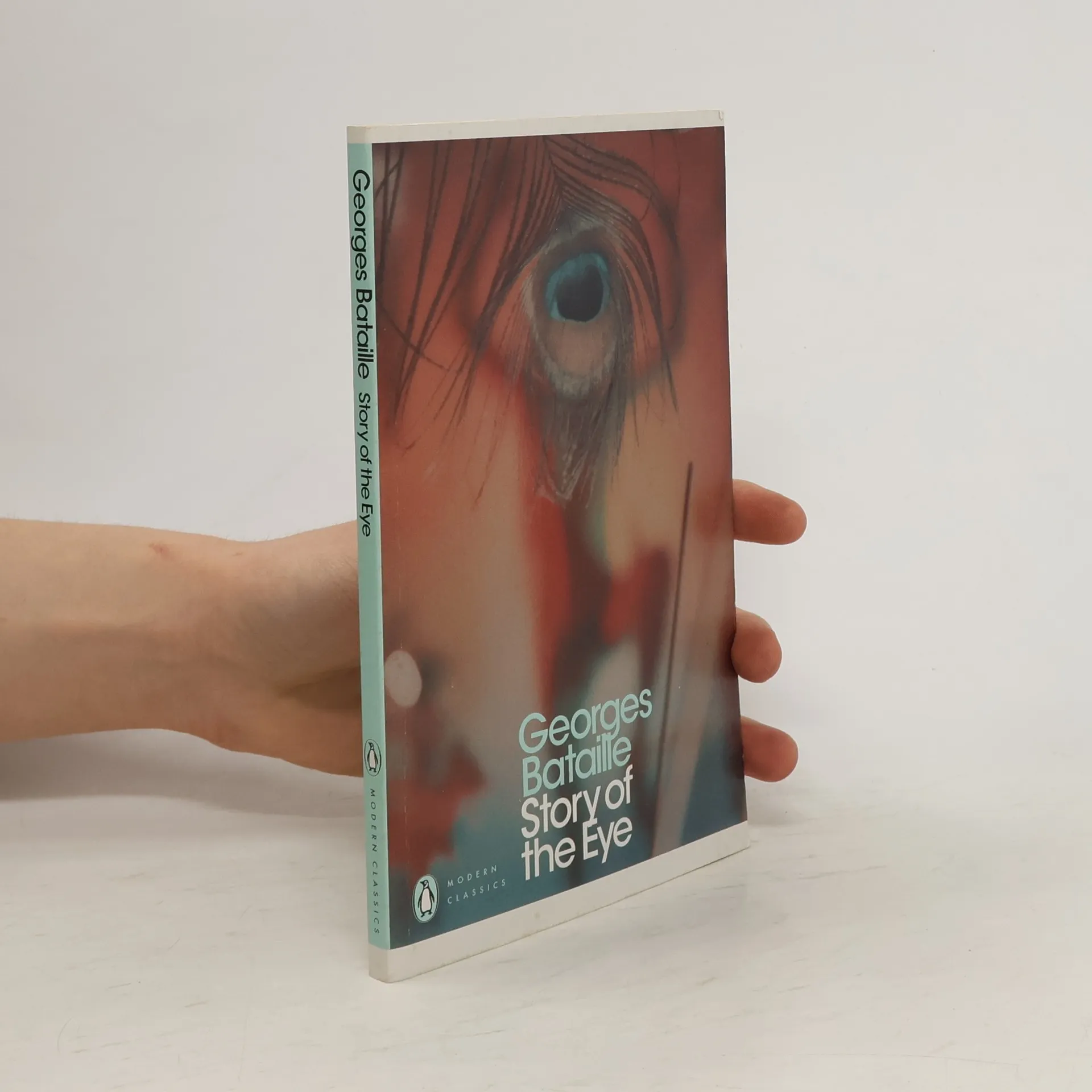
Story of the eye
- 127 stránek
- 5 hodin čtení
Bataille's first novel, published under the pseudonym 'Lord Auch', is still his most notorious work. In this explicit pornographic fantasy, the young male narrator and his lovers Simone and Marcelle embark on a sexual quest involving sadism, torture, orgies, madness and defilement, culminating in a final act of transgression. Shocking and sacrilegious, Story of the Eye is the fullest expression of Bataille's obsession with the closeness of sex, violence and death. Yet it is also hallucinogenic in its power, and is one of the erotic classics of the twentieth century. This edition also includes Susan Sontag's superb study of pornography as art, 'The Pornographic Imagination', as well as Roland Barthes' essay 'The Metaphor of the Eye'.Georges Bataille (1897-1962), French essayist and novelist, was born in Billom, France. He converted to Catholicism, then later to Marxism, and was interested in psychoanalysis and mysticism, forming a secret society dedicated to glorifying human sacrifice. Leading a simple life as the curator of a municipal library, Bataille was involved on the fringes of Surrealism, founding the Surrealist magazine Documents in 1929, and editing the literary review Critique from 1946 until his death. Among his other works are the novels Blue of Noon (1957) and My Mother (1966), and the essays Eroticism (1957) and Literature and Evil (1957).
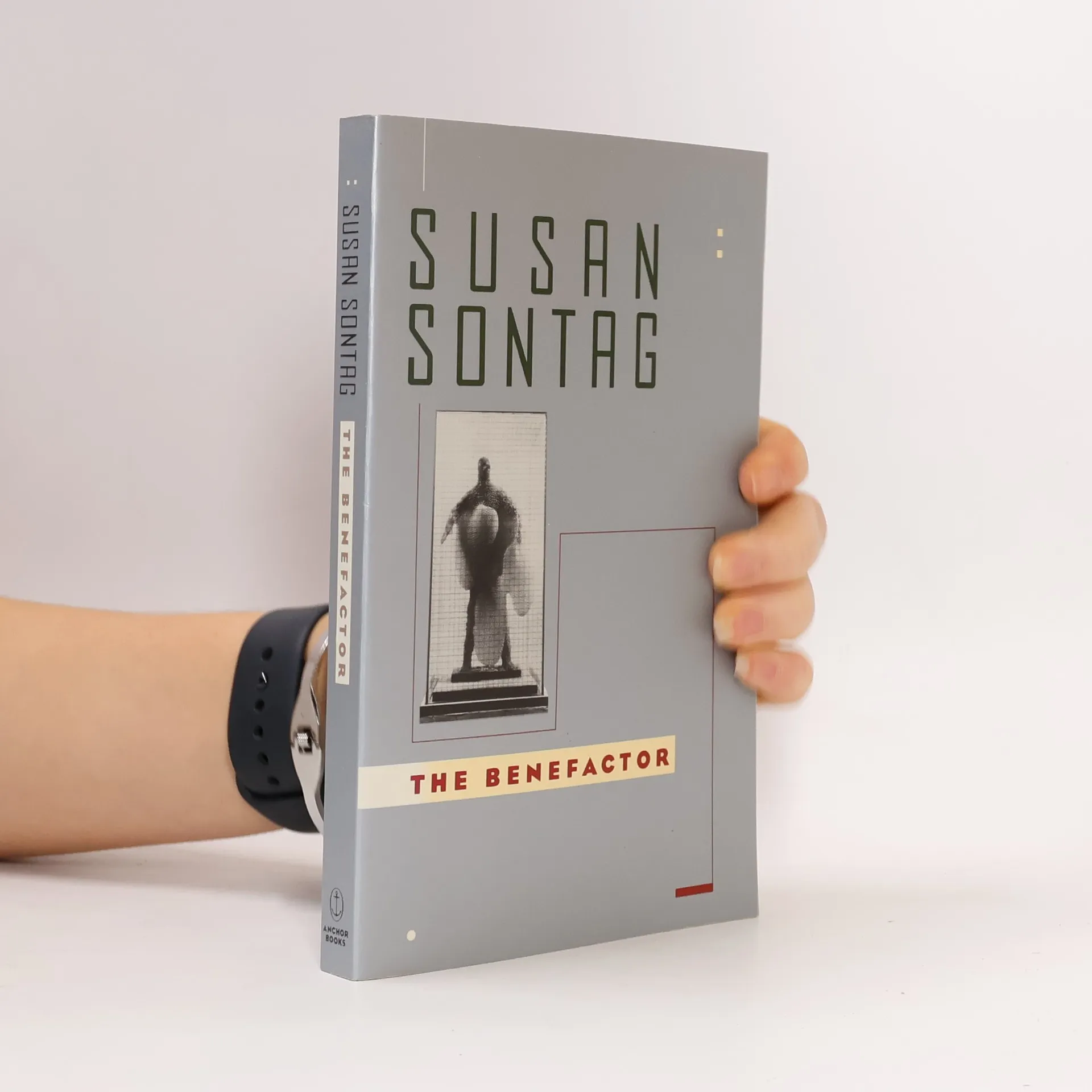
The Benefactor
- 273 stránek
- 10 hodin čtení
Sontag's first novel, it is a fascinating, knowing, acerbic portrait of Hippolyte, a latterday Candide whose violently imaginative dream life becomes indistinguishable from his surprising experiences in the "real world."
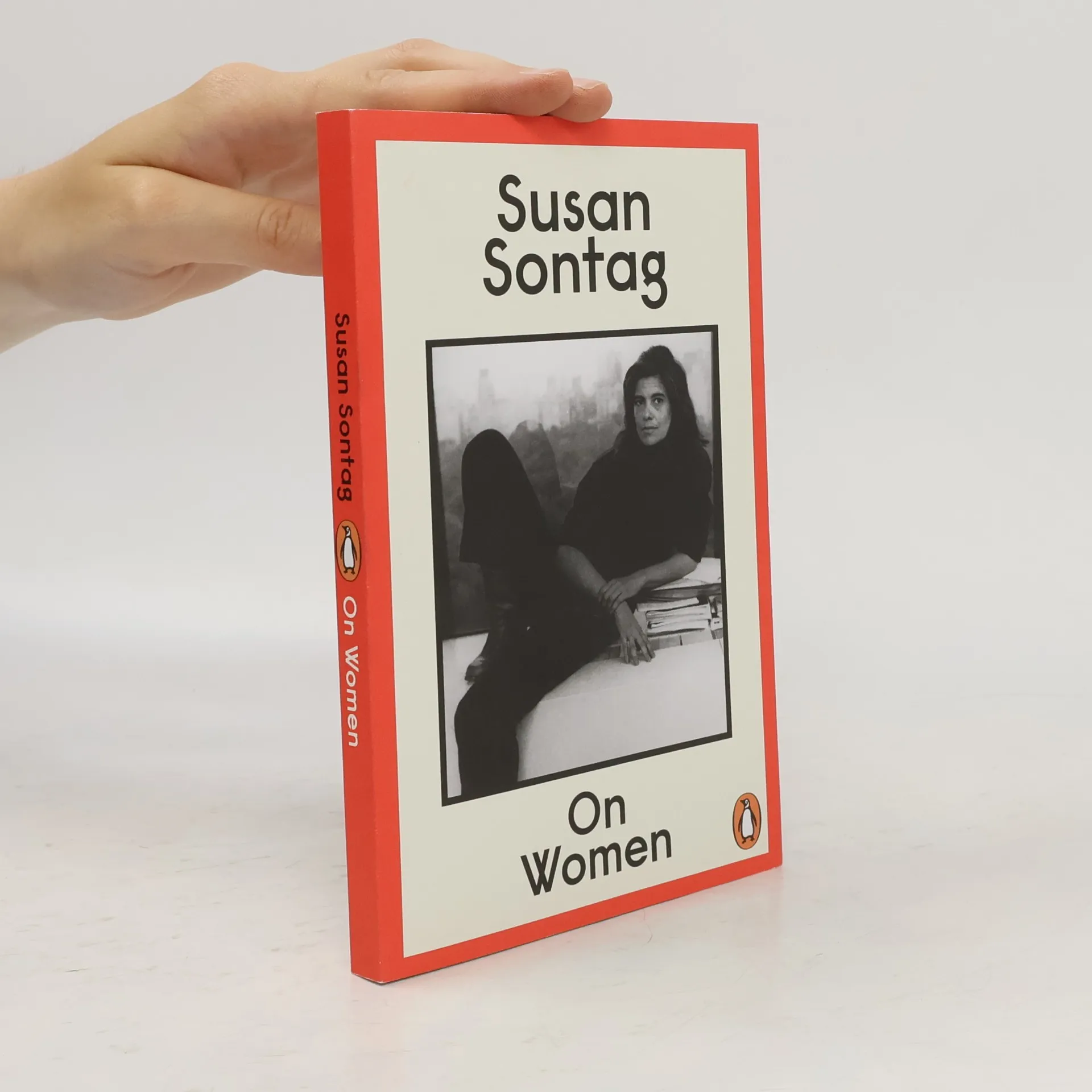
On Women
- 208 stránek
- 8 hodin čtení
'A brilliant, glittering intelligence' Sunday Times On Women brings together Susan Sontag's most fearless and incisive writing on women, a crucial aspect of her work that has not until now received the attention it deserves Written during the height of second-wave feminism, Sontag's essays remain strikingly relevant to our contemporary conversations. At times powerfully in sync and at others powerfully at odds with them, they are always characteristically original in their examinations of the 'biological division of labour', the double-standard for ageing and the dynamics of women's power and powerlessness. As Merve Emre writes in her introduction, On Women offers us 'the spectacle of a ferocious intellect setting itself to the task at hand: to articulate the politics and aesthetics of being a woman in the United States, the Americas and the world.' 'Boldly provocative' iNews 'On Women demonstrates a powerful mind and equally forceful personality' The Herald
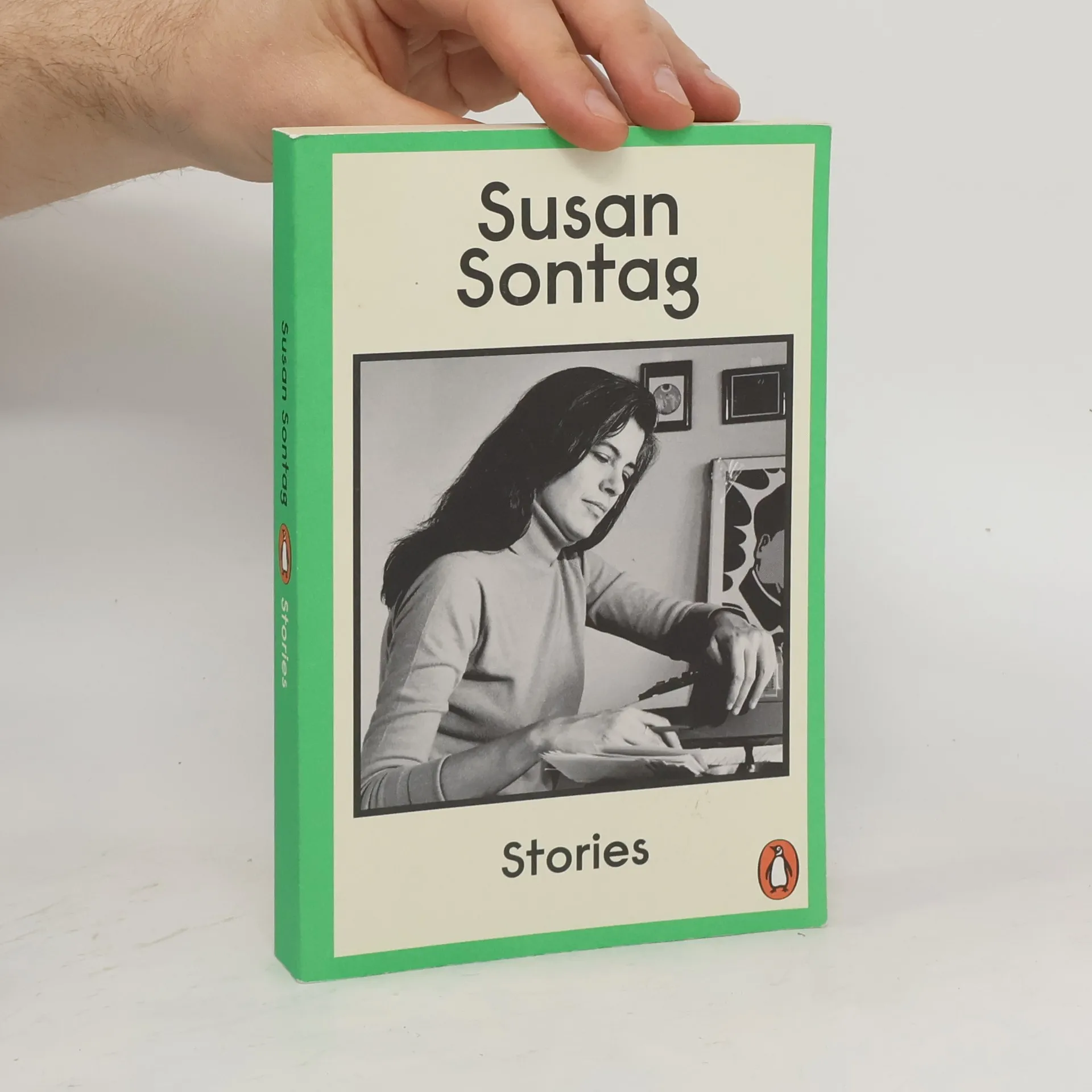
Stories
- 336 stránek
- 12 hodin čtení
'Magnificent... Her famous seriousness pervades throughout... What's striking is the astonishing scope, potential and possibility Sontag saw in short fiction' Financial Times The complete collected short stories of Susan Sontag, one of the most brilliant and influential writers of the twentieth century Susan Sontag is most often remembered as a brilliant essayist - inquisitive, analytical, fearlessly outspoken. Yet all throughout her life, she also wrote short stories: fictions which wrestled with those ideas and preoccupations she couldn't address in essay form. These short fictions are allegories, parables, autobiographical vignettes, each capturing an authentic fragment of life, dramatizing Sontag's private griefs and fears. Stories collects all of Sontag's short fiction for the first time. This astonishingly versatile collection showcases its peerless writer at the height of her powers. For any Sontag fan, it is an unmissable testament to her creative achievements. 'Sontag is one of the most influential critics of her generation' New York Review of Books
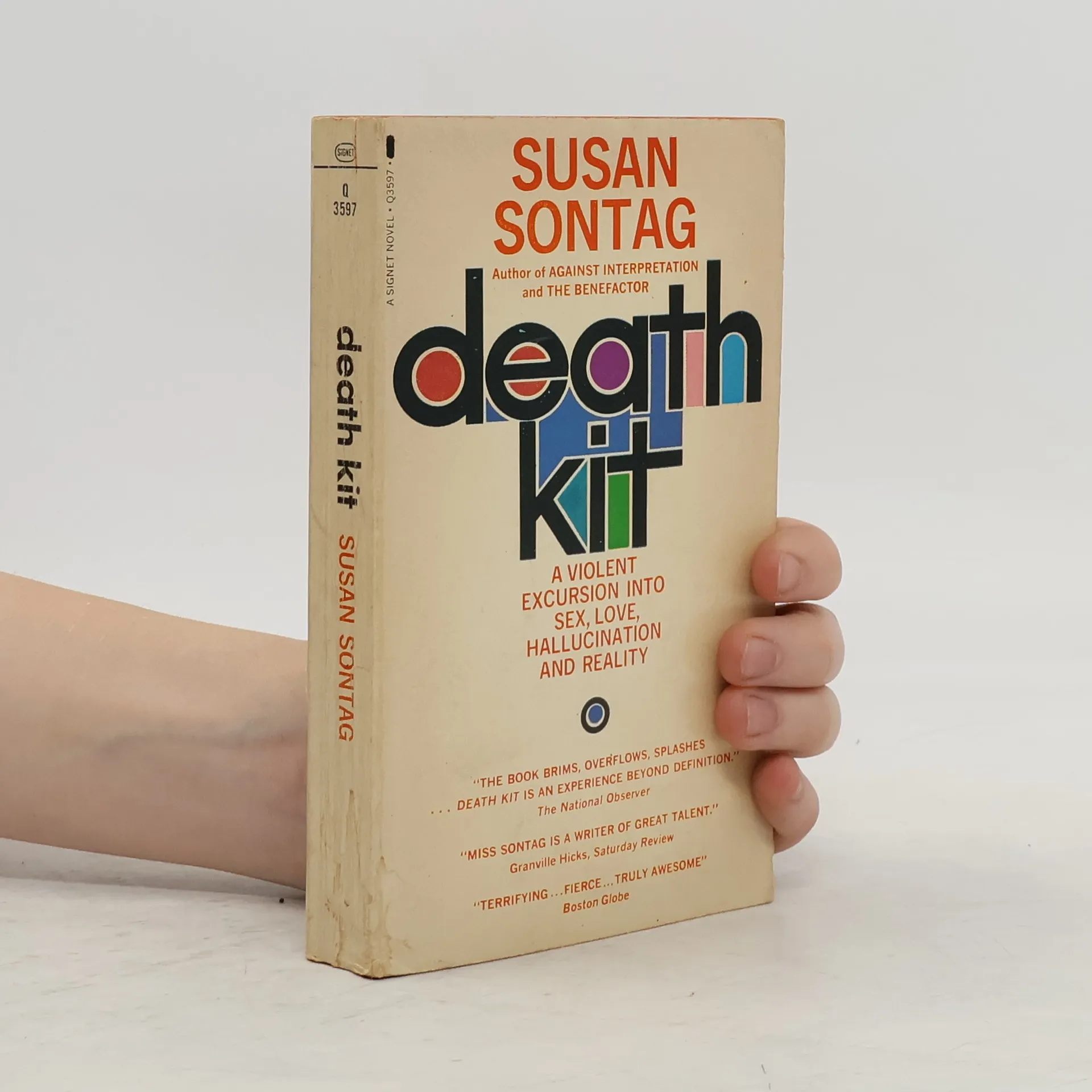
'In Death Kit Susan Sontag has written a terrifying black novel with the fierce unsettling thrust of a Kafkaesque fable. It is a truly awesome book, forged from a stark form in which staccato sentences and near-documentary observations are fused into a brilliantly sustained style' Boston Globe
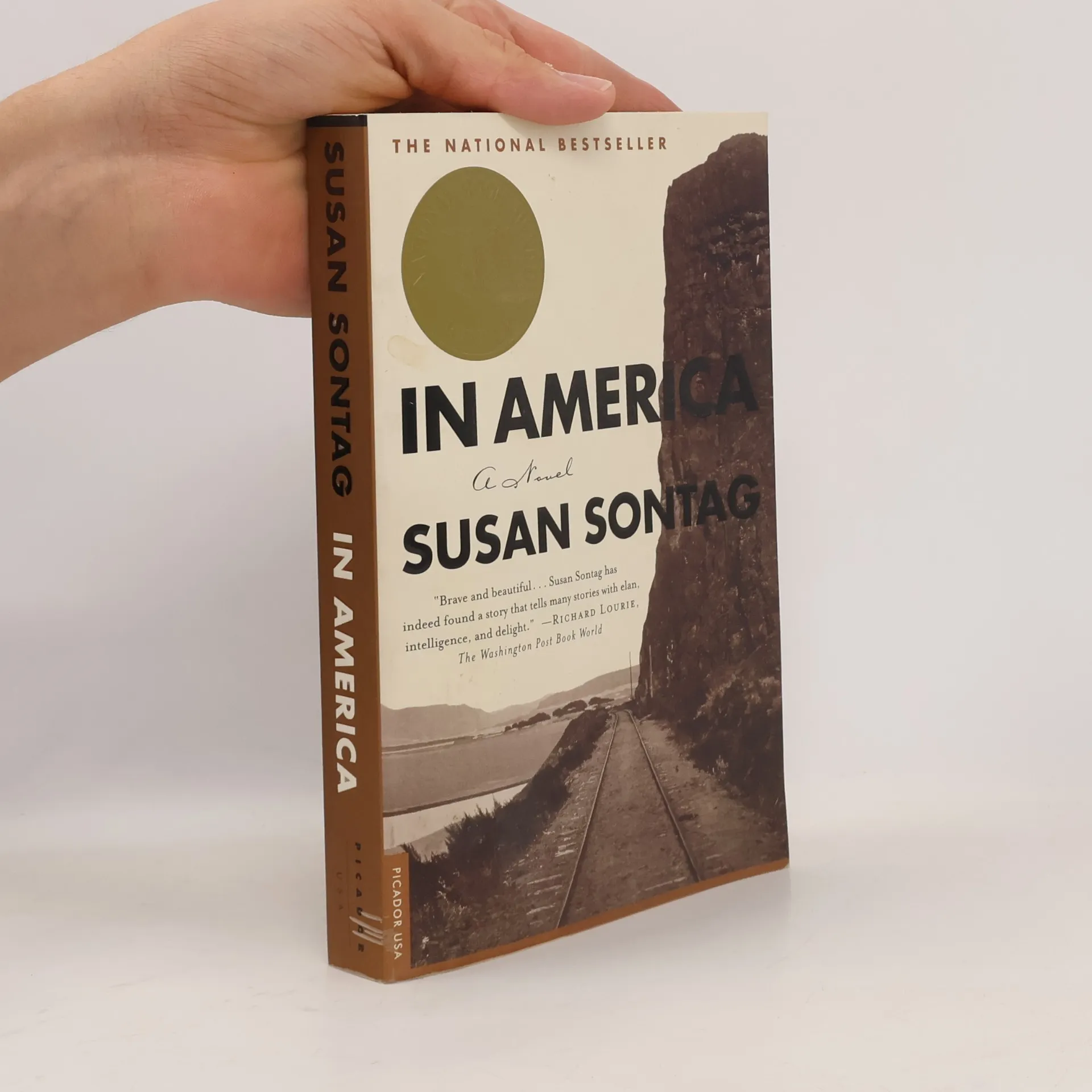
In America
- 398 stránek
- 14 hodin čtení
Set against the backdrop of America's transition to modernity, the narrative weaves a rich tapestry of characters and events that reflect contemporary issues. Susan Sontag masterfully blends historical elements with modern themes, offering a thought-provoking exploration of identity and society. Through her vivid storytelling, the novel invites readers to reconsider the past and its relevance to current realities, creating a compelling and resonant fictional world.
Presents excerpts from the early writings of the author, with reflections on her meetings with influential writers and intellectuals, her literary ambitions, and her criticisms of other writers.
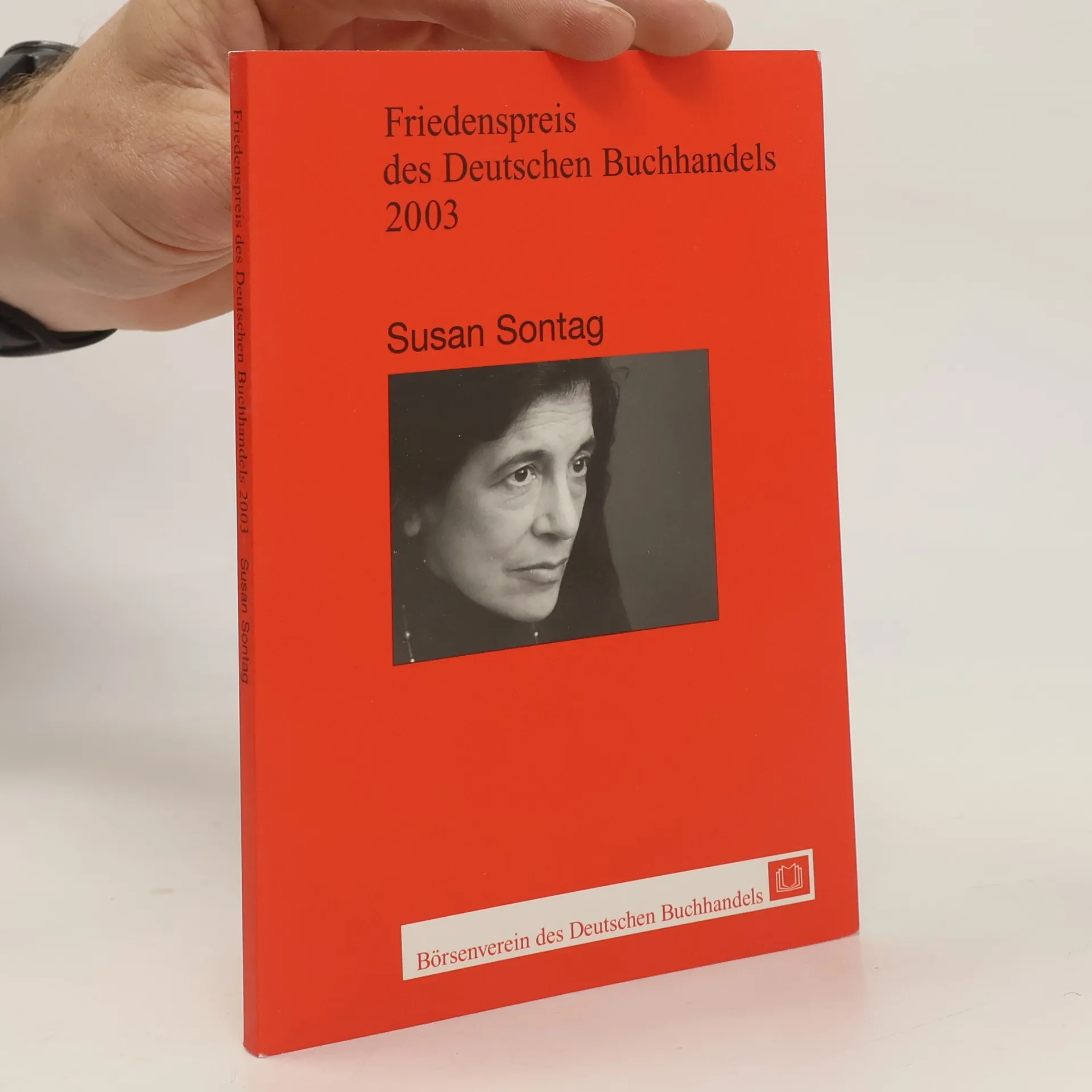
Friedenspreis des Deutschen Buchhandels 2003
- 64 stránek
- 3 hodiny čtení
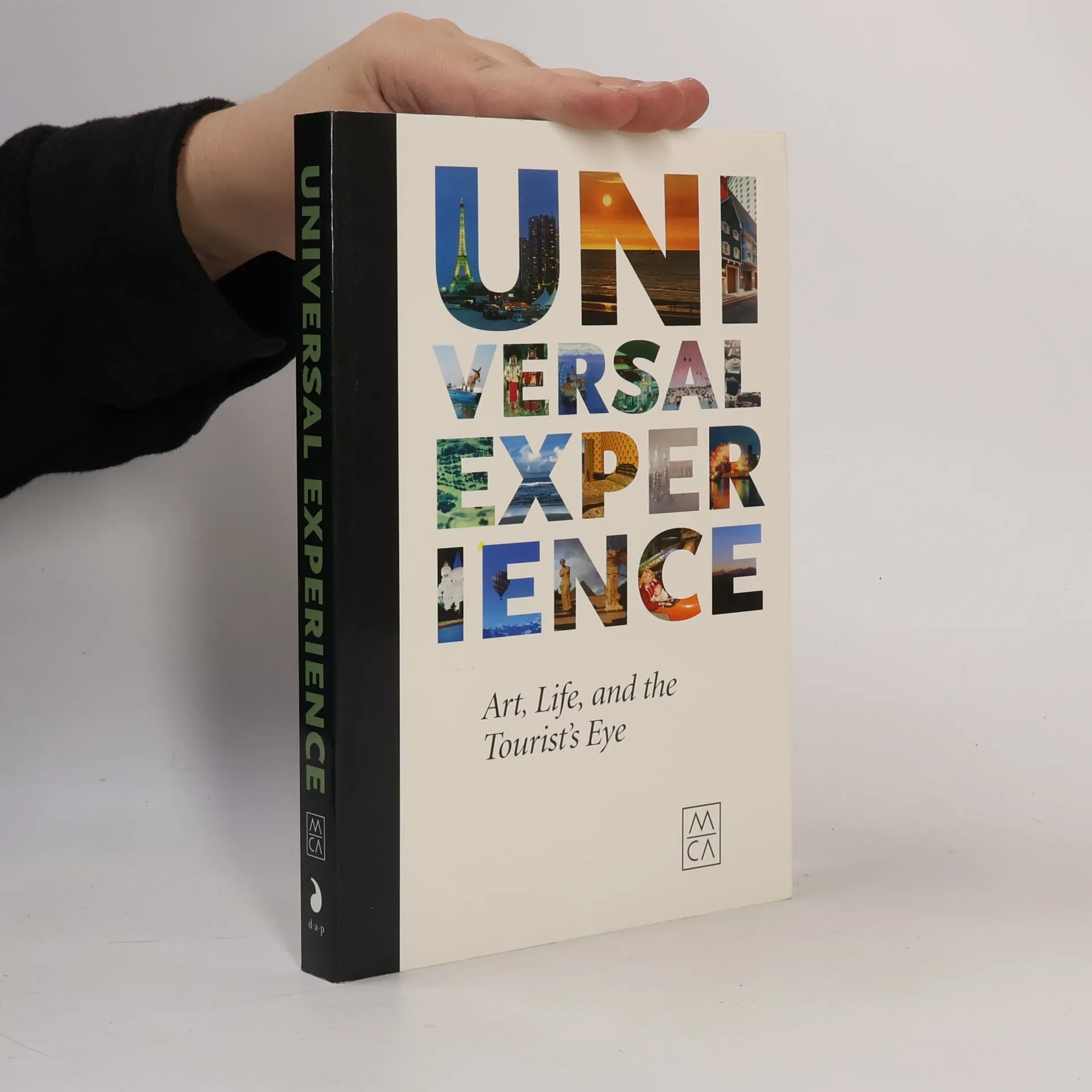
"Tourism, the largest industry in the world, is a significant force in contemporary society, with far-reaching economic, cultural, and geopolitical importance. Rather than seeking to represent tourism or travel itself, Universal Experience: Art, Life, and the Tourist's Eye considers art, history, and the social construction of places, spaces, and identities from the heightened perception of the tourist. Functioning as a guide book, a reader, and a souvenir, this lavish catalogue of the exhibition presents over 275 illustrations of thought-provoking artworks as icons and as tourist sites for exploration. A wide-ranging anthology of texts presents divergent routes and avenues through which to explore the symbols and cultural conventions created, deciphered, and disseminated by an increasingly mobile, international group of artists."--Jacket
Begegnung mit einer intellektuellen Ikone. »Die meisten meiner Gedanken entwickle ich im Gespräch. « 1978 treffen sich Susan Sontag und Jonathan Cott zum Interview. Erst in Sontags Pariser Wohnung, dann in ihrem Loft in New York. Entstanden ist ein vielseitiges Gespräch, das Susan Sontag als Denkerin zeigt, vor der kaum ein Thema sicher war, Feminismus, Fotografie, Ästhetik, Ideologie, Chuck Berry und Friedrich Nietzsche, und die sich keinen Deut um die Trennung von Hoch- und Popkultur scherte: »Rock ‚n‘ Roll hat mein Leben verändert.« Auch in ihr Privatleben gewährt sie Einblick und erzählt von ihrer Krebserkrankung, die sie zu einer ihrer wichtigsten Publikationen, Krankheit als Metapher, veranlasste.
Women
- 256 stránek
- 9 hodin čtení
The celebrated photographer turns her lens to a favorite topic, women, sharing her portraits of Hillary Rodham Clinton, Eudora Welty, Martina Navratilova, Jerry Hall, Jodie Foster, Rosie O'Donnell, a Navajo weaver, an architect, an astronaut, a rancher, a body builder, a soldier, and many others. 150,000 first printing. Tour.
Aids und seine Metaphern
- 100 stránek
- 4 hodiny čtení
1978 schrieb Susan Sontag über die Metaphern und Mythen, die bestimmte Krankheiten umgeben, insbesondere Krebs, und wie diese das Leiden der Patienten erheblich verstärken und oft davon abhalten, eine angemessene Behandlung zu suchen. Indem sie die Fantasien rund um Krebs entmystifiziert, zeigt Sontag Krebs als das, was er ist – einfach eine Krankheit. Krebs ist ihrer Meinung nach kein Fluch, keine Strafe, sicherlich keine Schande und ist hochgradig heilbar, wenn die richtige Behandlung erfolgt. Fast ein Jahrzehnt später, mit dem Ausbruch einer neuen, stigmatisierten Krankheit, die von Mystifizierungen und strafenden Metaphern geprägt ist, schrieb Sontag eine Fortsetzung zu ihrem Werk, in der sie das Argument des früheren Buches auf die AIDS-Pandemie ausdehnt. Diese beiden Essays, die nun zusammen veröffentlicht werden, haben einen enormen Einfluss auf das Denken von medizinischen Fachleuten und vor allem auf das Leben vieler Tausender von Patienten und Pflegekräften.
Über Frauen
- 208 stránek
- 8 hodin čtení
Die intellektuelle Ikone Susan Sontag über Gleichheit, weibliches Altern, Schönheit und Sexualität – „Eine brillante, schillernde Intelligenz“ (The Times) Was bedeutet es, eine Frau zu sein? Der neue Essayband von Susan Sontag stellt genau diese Frage. Erstmals versammelt ein Buch ihre wichtigsten Texte zu ästhetischen, politischen und ökonomischen Aspekten des Frauseins. Und „beim heutigen Lesen kann man nur staunen über deren ihrer Zeit vorauseilendes Genie“ (The New Yorker). Sontag schreibt über Gleichheit, weibliches Altern, Schönheit, Sexualität und Macht und zeigt sich als Vordenkerin und Visionärin im Kampf um echte Gleichberechtigung. „Solange sich nicht ändert, wer Macht hat und was Macht ist, gibt es keine Befreiung, sondern nur Beschwichtigung“, konstatiert sie. „Über Frauen“ wehrt sich gegen jede Form von Beschwichtigung und ist in seinen Beobachtungen und Forderungen aktueller denn je für jeden feministischen Diskurs.
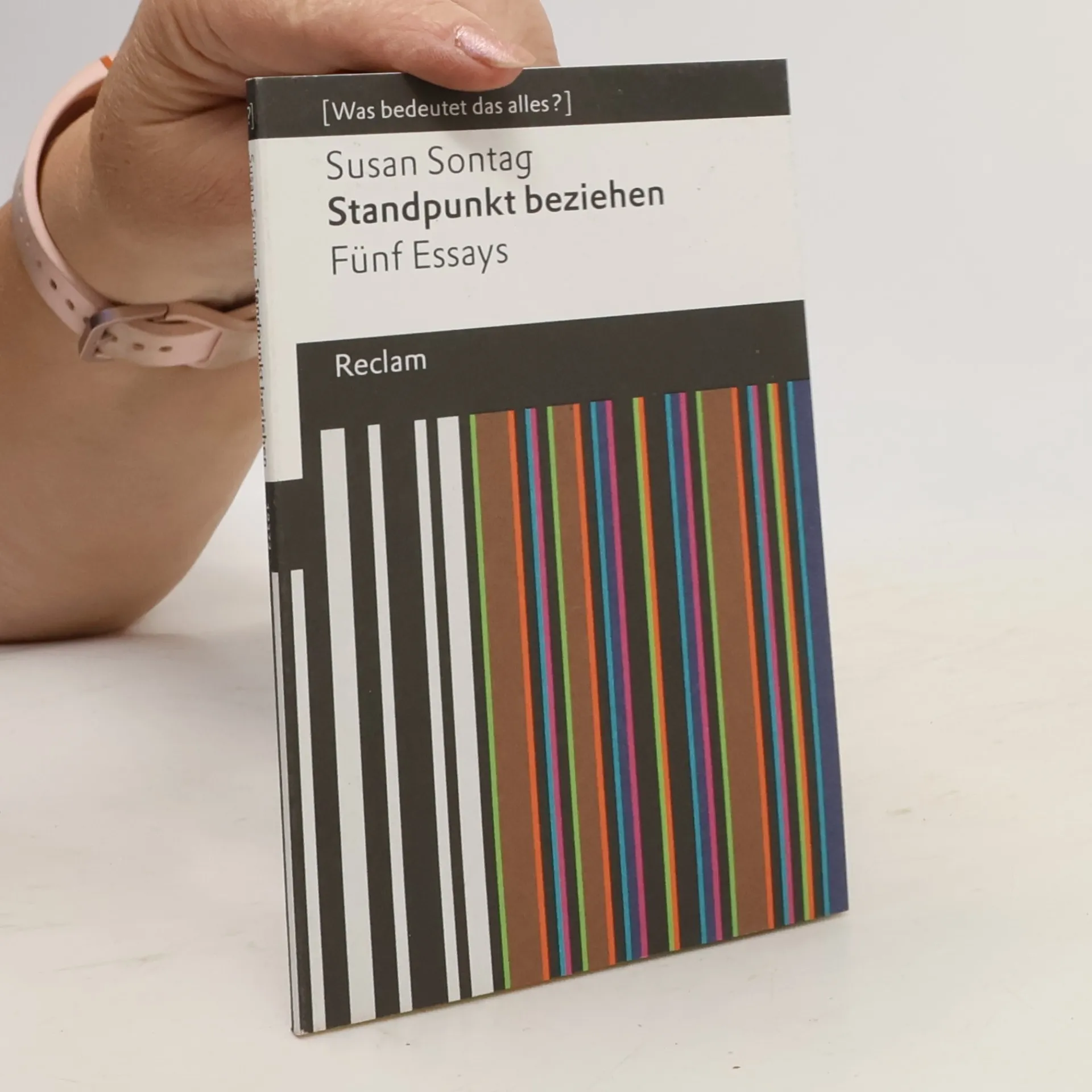
Standpunkt beziehen
- 64 stránek
- 3 hodiny čtení
Susan Sontag (1933–2004) war die vielleicht wichtigste Stimme des intellektuellen Amerika. Besonders beeindruckend ist ihr Mut, sich gegen eingefahrene Sichtweisen zu stemmen, immer einen eigenen Standpunkt zu beziehen. Der Band versammelt wichtige kulturtheoretische Essays: »Gegen Interpretation«, »Über Schönheit« sowie »Fotografie. Eine kleine Summa«. Hinzu kommen zwei explizit politische Texte: »Das Foltern anderer betrachten« und vor allem »Der 11.9.01«, ein hellsichtiger Angriff gegen die irrationale Politikerrhetorik unmittelbar nach 9/11, für den sie in heftigster Weise attackiert wurde.
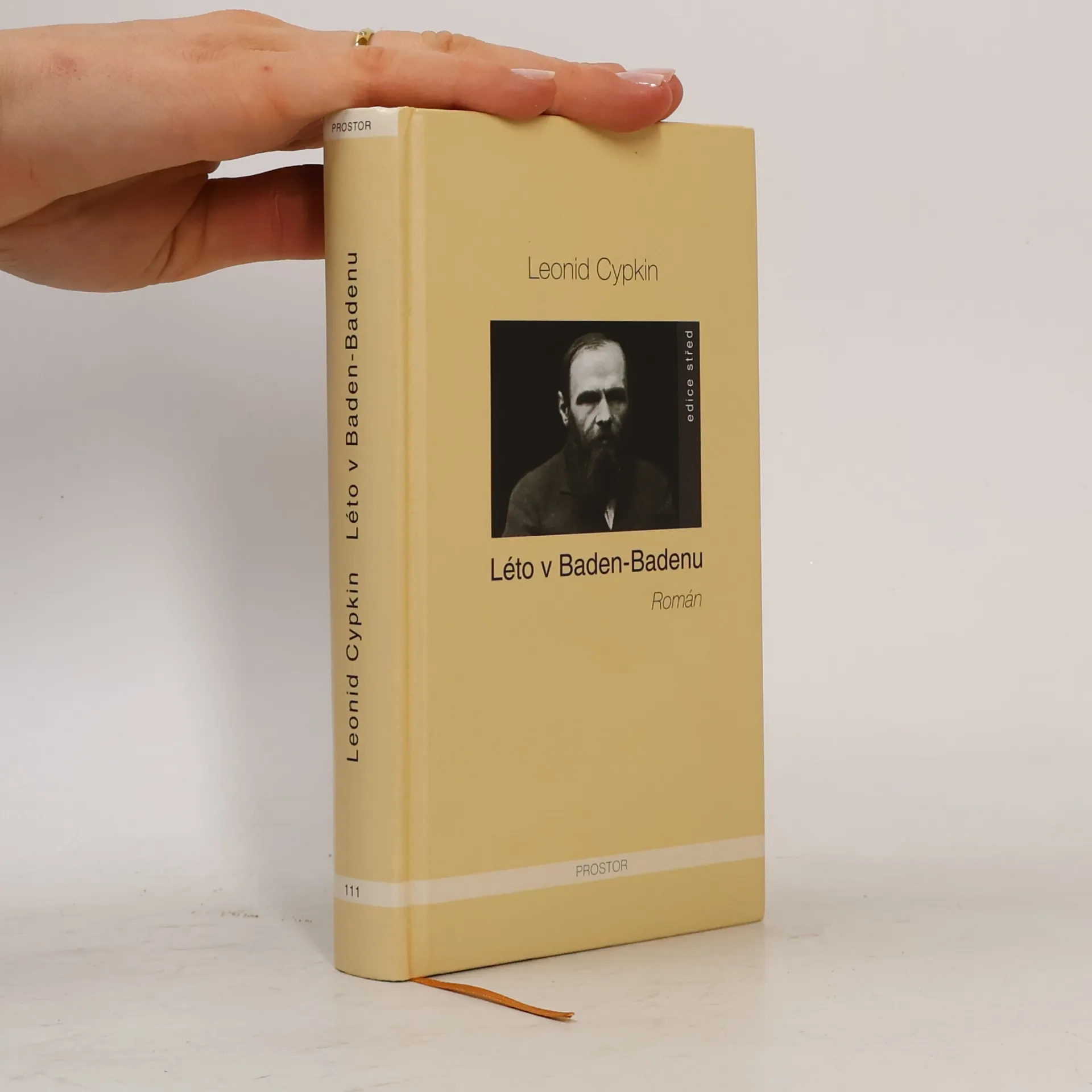
V románu se fascinujícím způsobem odvíjí cesta vypravěče z Moskvy do Leningradu, která se prolíná s osudy Fjodora Michajloviče Dostojevského a jeho ženy Anny Grigorjevny. Po svatbě v roce 1867 odjíždějí do Evropy, kde stráví čtyři roky plné finančních a existenčních problémů, rodinného štěstí a bouřlivých hádek. Čtenář zažívá Dostojevského žárlivost, epileptické záchvaty a komplikované vztahy s lokajmi a I. S. Turgeněvem, stejně jako jeho vášeň pro ruletu, která manželům přináší existenční potíže. Autor-vypravěč se snaží pochopit Dostojevského antisemitismus a xenofobii, zejména vůči Němcům a Polákům. Prolínají se zde dojmy vypravěče z jeho cesty s Dostojevského životem, přičemž přemýšlí o postavách Dostojevského děl a o době, ve které žije. Román končí příjezdem vypravěče do zimního Leningradu, kde se zdržuje, aby navštívil místa spojená s Dostojevským, včetně jeho posledního bydliště. Autor, Leonid Cypkin, byl obdivovatelem Dostojevského a při psaní vycházel z Deníku a Vzpomínek Anny Grigorjevny. Ačkoli se román dotýká Dostojevského biografie, je to především oslava lásky k jeho dílu a lásky Anny k jejímu muži.
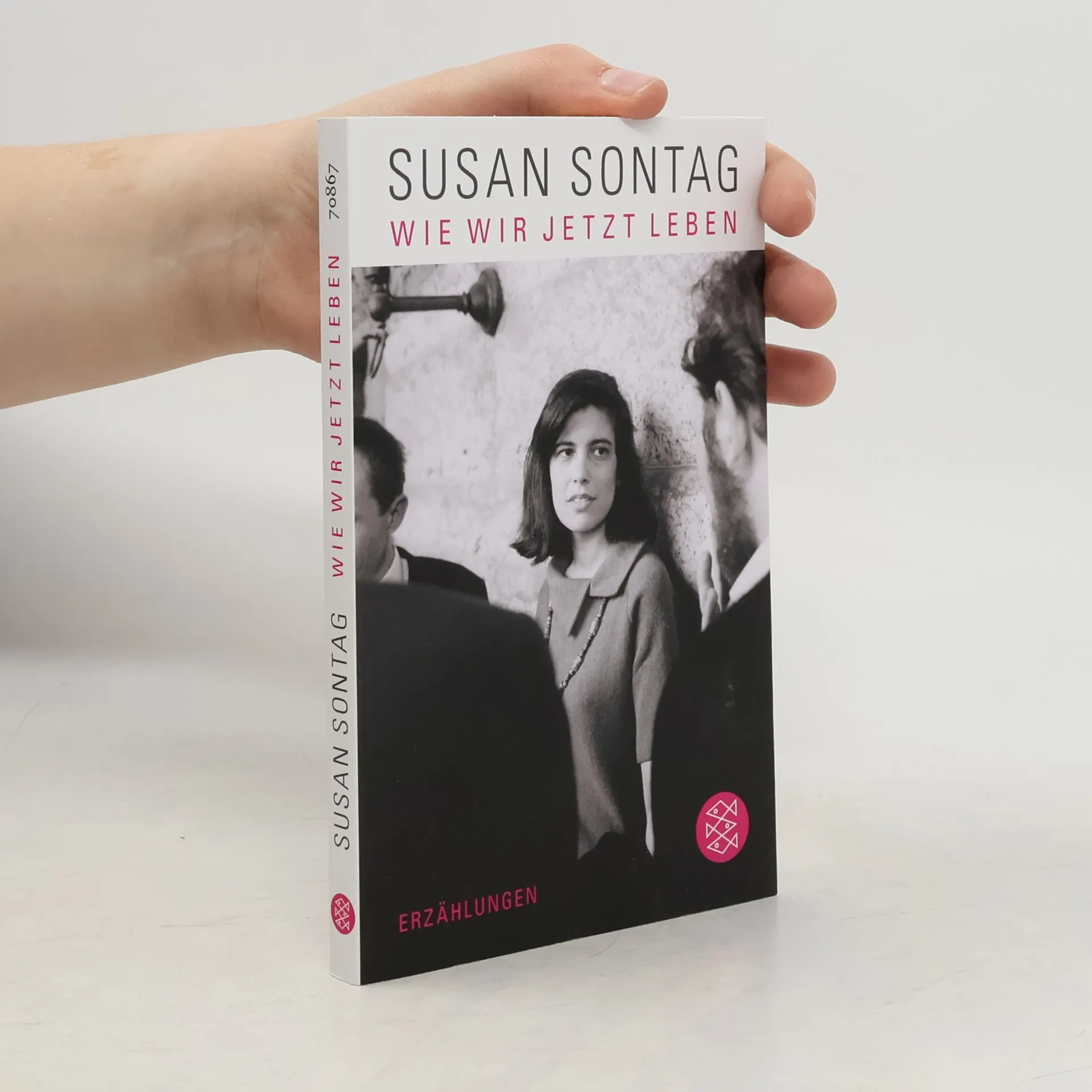
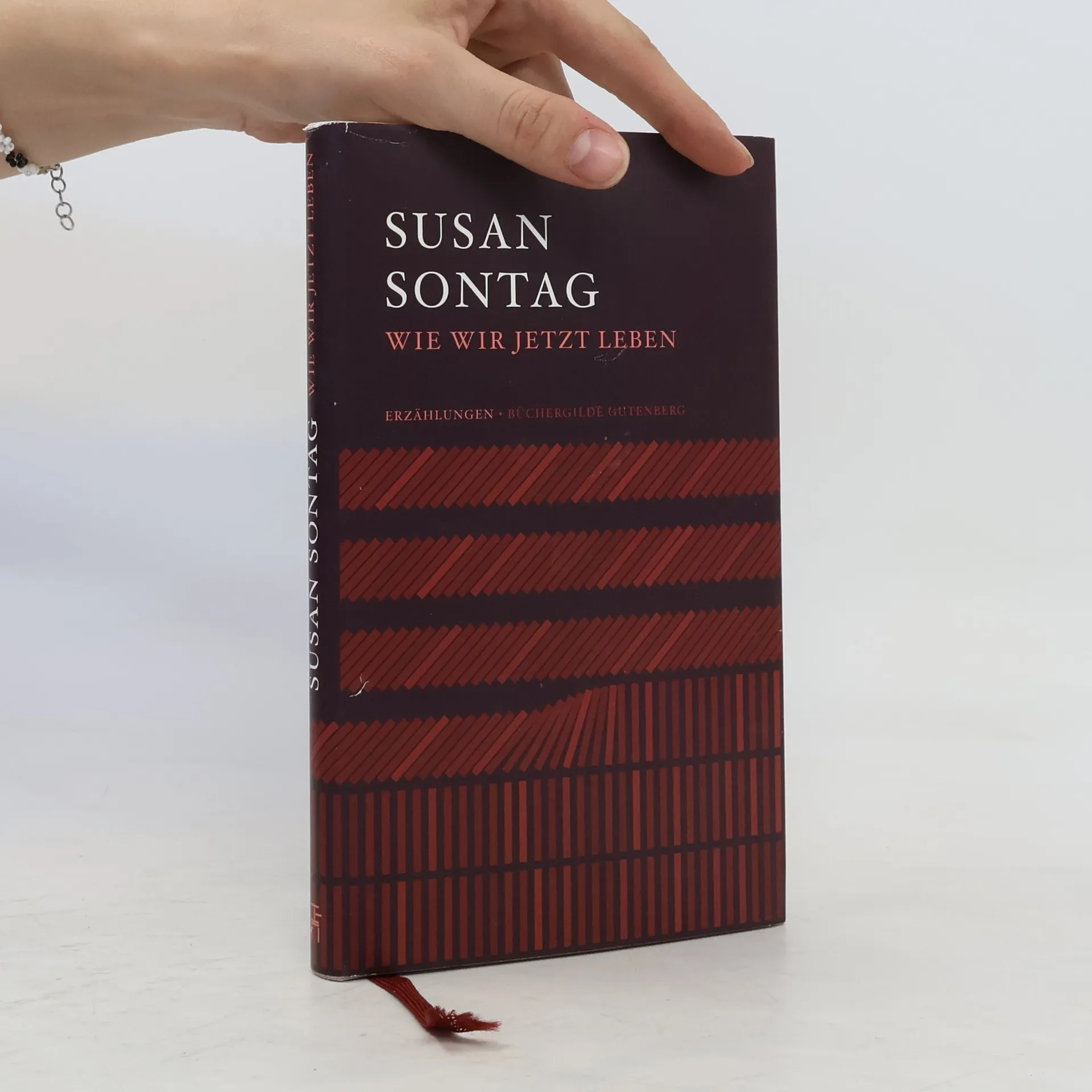
»Ihre Prosa gibt ein schmerzhaftes Gefühl von Ungewissheit preis.« The New Yorker Susan Sontags wichtigste Erzählungen erstmals auf Deutsch – darunter die Beschreibung ihres Besuchs bei Thomas Mann Es sind Lebensthemen, die Susan Sontag in ihren Erzählungen bewegen: Mit 14 besucht sie Thomas Mann in seinem kalifornischen Exil – mit hinreißender Ironie beschreibt sie die Verletzlichkeit ihres jugendlichen Ichs. Jahre später erfährt Sontag von der AIDS-Diagnose eines engen Freundes – ihre Ängste und Hoffnungen werden zum Stimmenchor des intellektuellen New York. Und lange nach ihren berühmten Essays über Fotografie beschäftigt sie sich wieder mit dem Verhältnis von Bildern und Realität – in der Geschichte von einem Vogel und einem Nachkommen Noahs. Dieser Band versammelt wichtige Erzählungen der großen amerikanischen Autorin endlich auf Deutsch. Sie zeigen sie von ihrer persönlichsten Seite. Mit einem Nachwort von Verena Lueken.
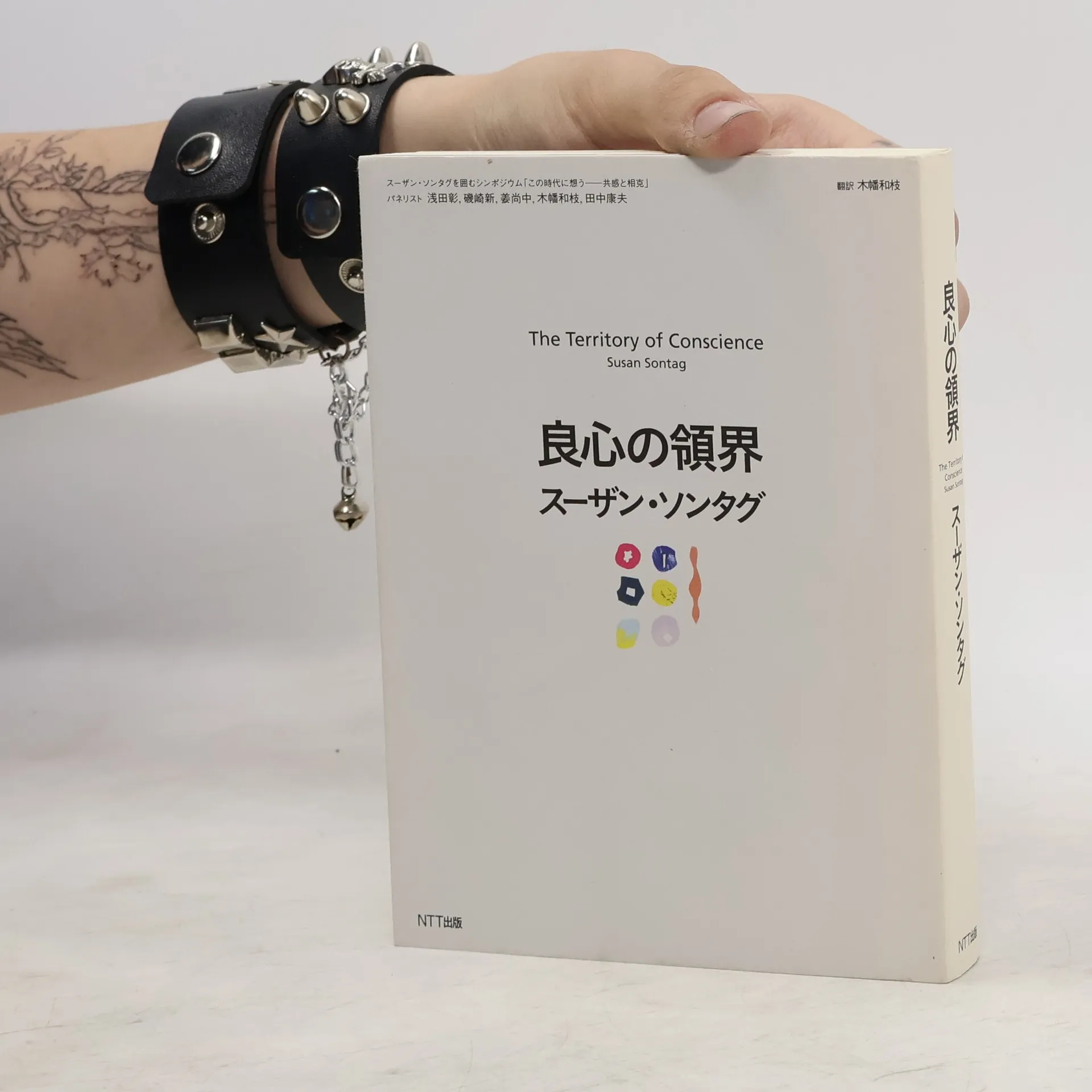
スーザン・ソンタグを囲むシンポジウム「この時代に想う―共感と相克」(パネリスト=浅田彰、磯崎新、姜尚中、木幡和枝、田中康夫)ほか、最新のテクスト、インタヴュー、講演の記録。
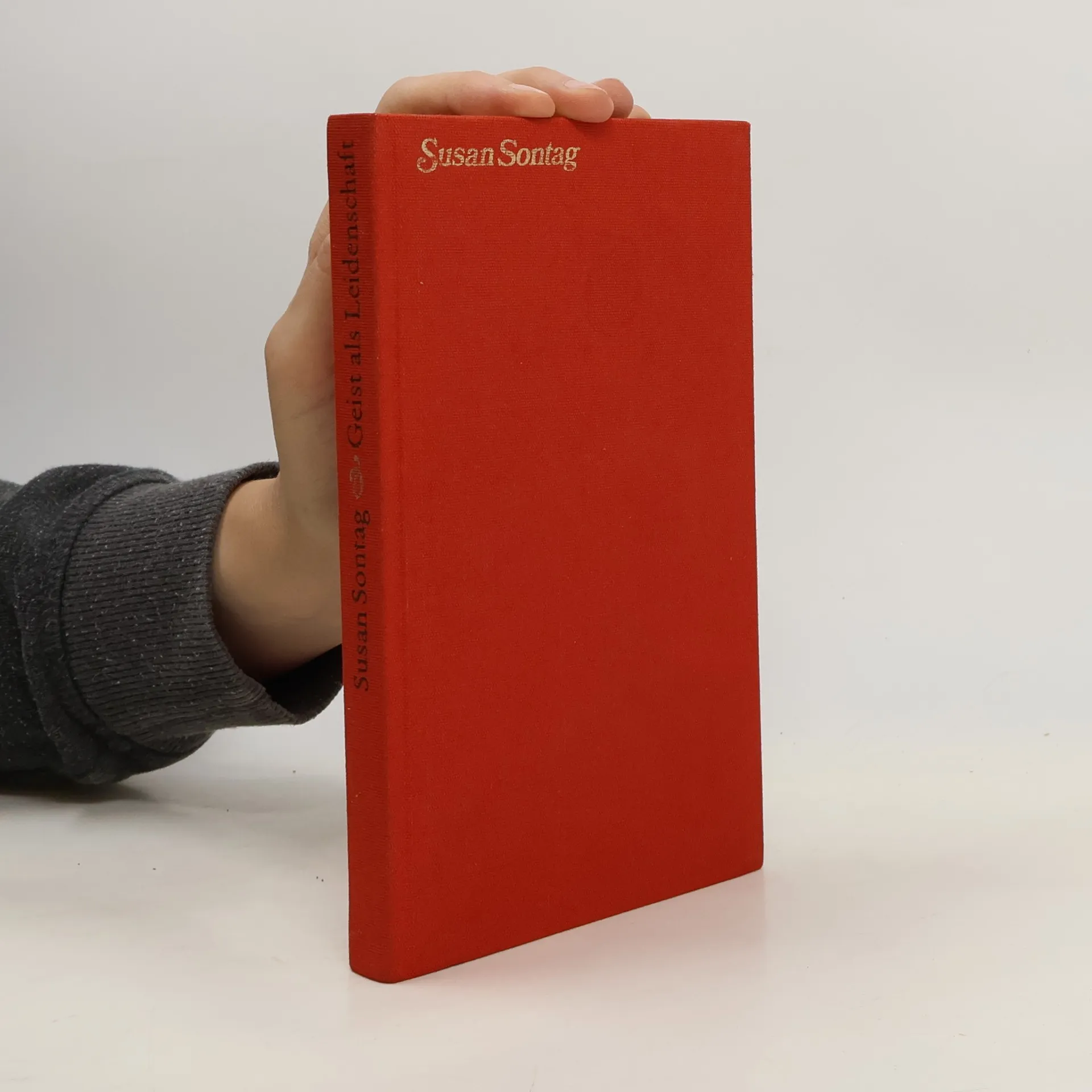
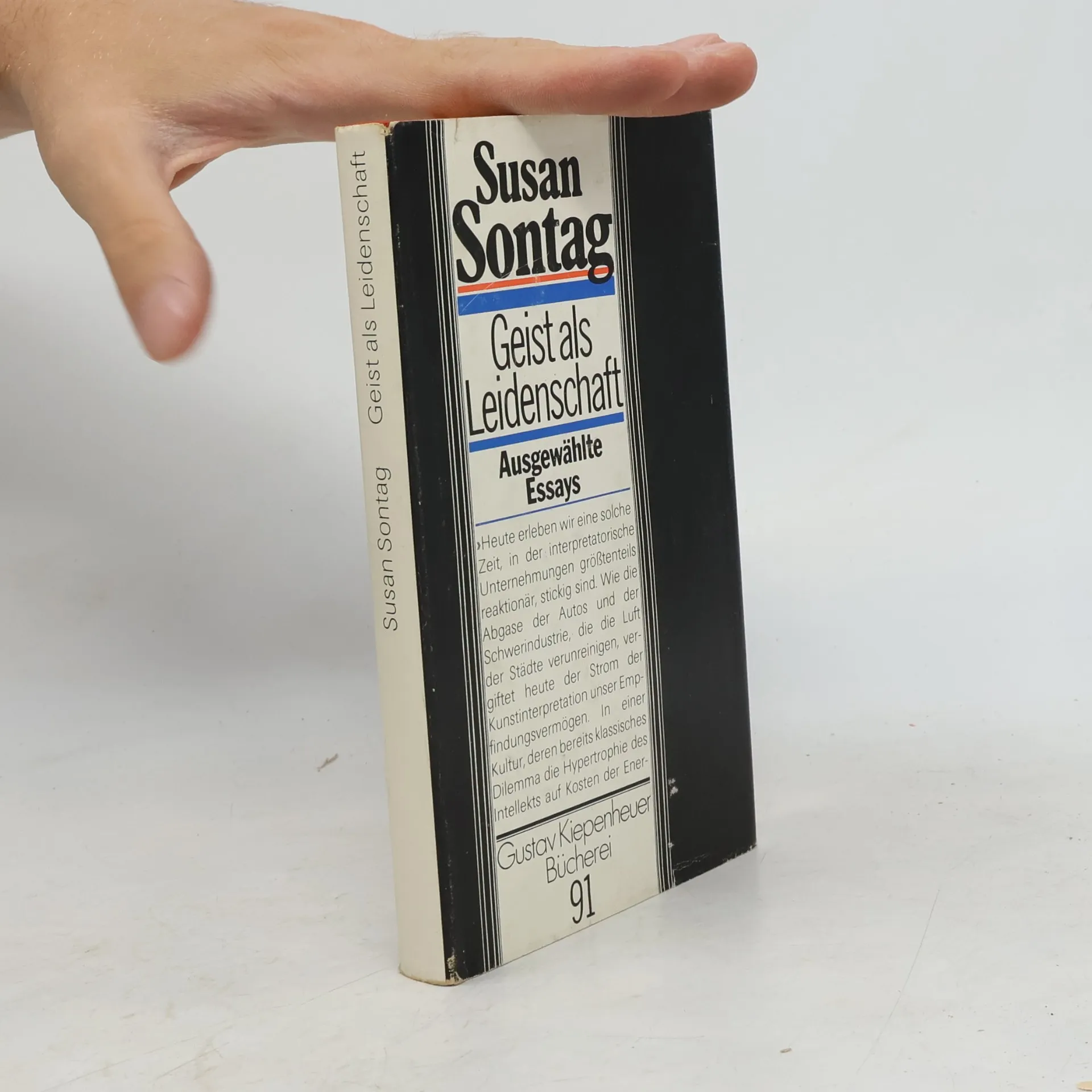
Geist als Leidenschaft
- 297 stránek
- 11 hodin čtení
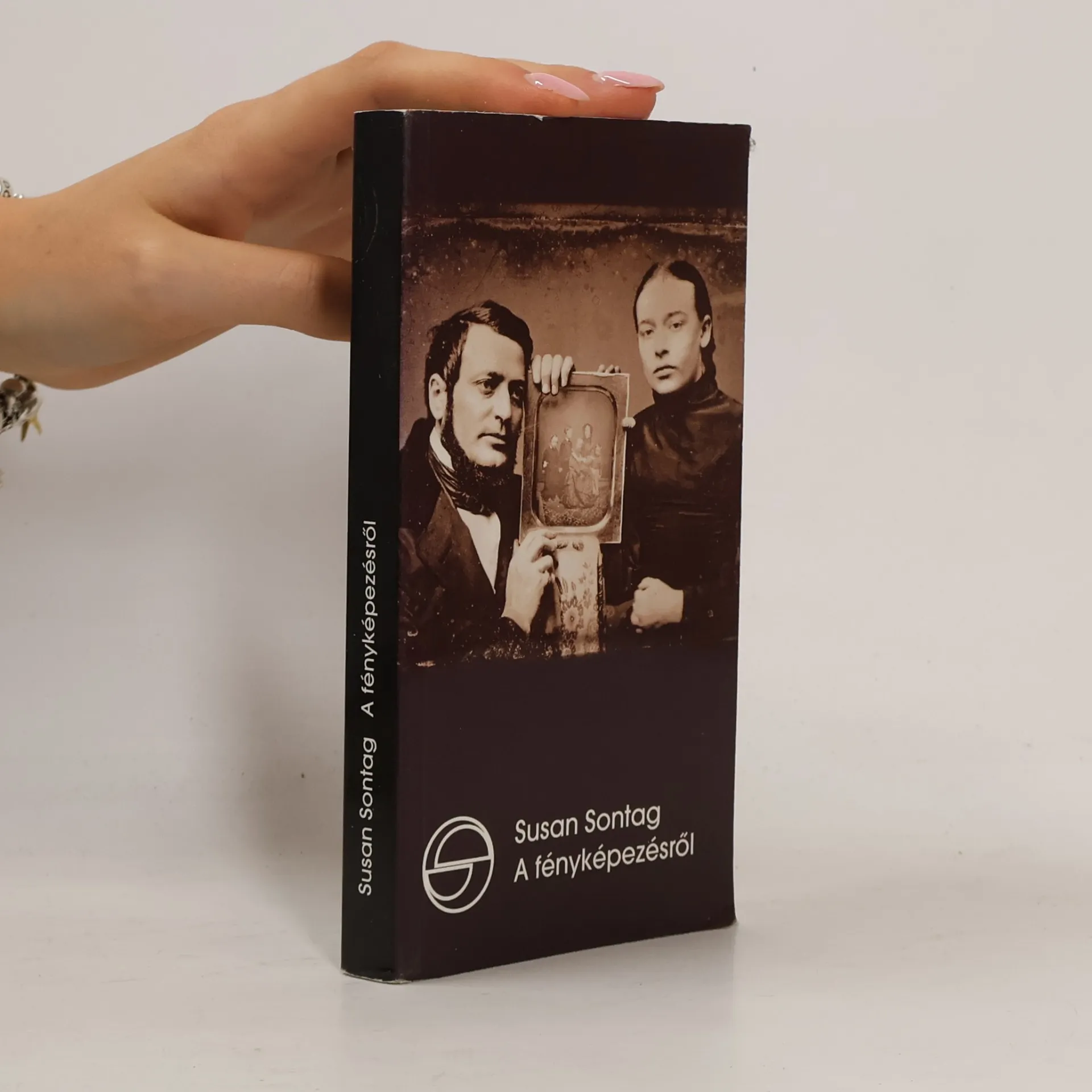
Ebben a hat esszét tartalmazó kötetében a folytonosan a tapasztalat és a valóság közé állított fényképek erejét és a fényképezést mint kulturális jelenséget vizsgálja. A világ fényképen megörökített darabkái megtévesztően részletesek és élesek, állítja Sontag, e képek mégis pusztán a világ látszatát nyújtják, és a mindenütt jelenvalóság hamis érzetét keltik. A fénykép révén szerezhető tudás látszattudás, a fényképezés látszat-birtokbavétel. Az igény, hogy fényképekkel alátámasztott valósághoz és fényképekkel felfokozott élményekhez jussunk, a fogyasztói magatartás esztétikai megnyilvánulása, a képi kábítószer élvezete viszont a tudatrombolás egyik hatékony formája. A könyv 1973-as első megjelenése óta a téma alapművévé vált, és meghatározta a fényképezésről szóló viták kereteit. Ez akkor is igaz, ha Sontag időközben A szenvedés képei című 2003-as esszékötetében újragondolta a fényképek önálló véleményre ösztönző, erőszakot gerjesztő vagy fásultságba taszító hatását.
Geist als Leidenschaft
Ausgewählte Essays zur modernen Kunst und Kultur
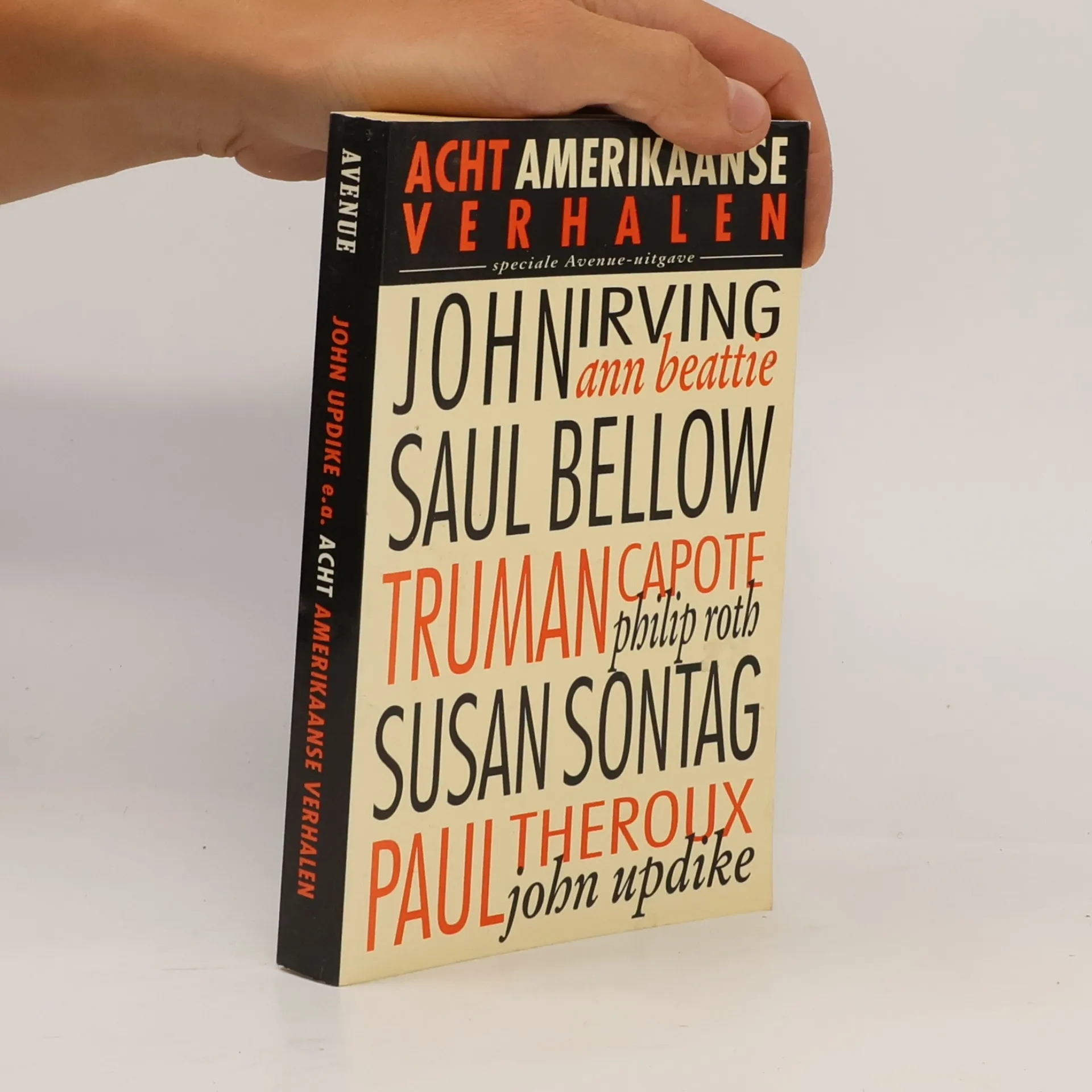
Acht Amerikaanse Verhalen
- 225 stránek
- 8 hodin čtení
Speciale Avenue-uitgave
Io, eccetera
- 248 stránek
- 9 hodin čtení
Operazione pace
- 116 stránek
- 5 hodin čtení
So leben wir jetzt
- 32 stránek
- 2 hodiny čtení
Verhalen uit de wereldliteratuur over levensbeschouwelijke thema's.