

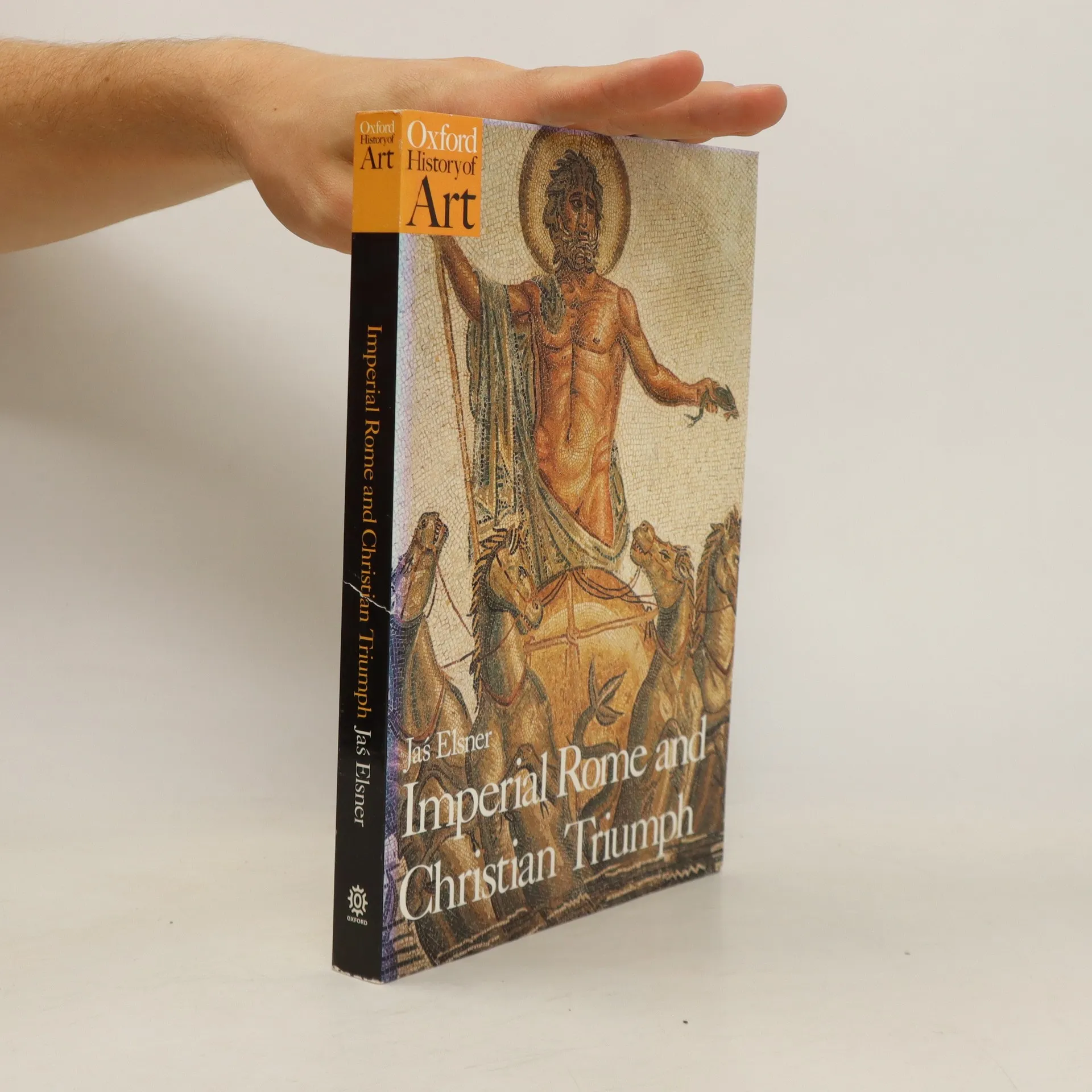
Western culture experienced significant developments during the transition from antiquity to the middle ages, particularly in the visual arts, which reflected and influenced these changes. This book investigates two interconnected periods of transformation within the Roman Empire: the 'Second Sophistic' (c. AD 100-300), marked by a revival of Hellenism, and late antiquity (c. AD 250-450), characterized by the empire's shift to Christianity. It examines vases, murals, statues, and masonry in relation to themes such as power, death, society, acculturation, and religion. By addressing reception, viewing, and the culture of spectacle alongside traditional art-historical topics like imperial patronage and stylistic evolution, the author presents a fresh perspective on a culturally rich period that laid the groundwork for later European art. The work is praised for its unique approach, offering a compelling visual and comparative analysis that elegantly explores the theme of visuality and desire. It captures a vibrant atmosphere of creativity and innovation, balanced by the persistence of traditional motifs and techniques, and continually surprises readers by presenting familiar material in new ways.
Jaś Elsner Knihy
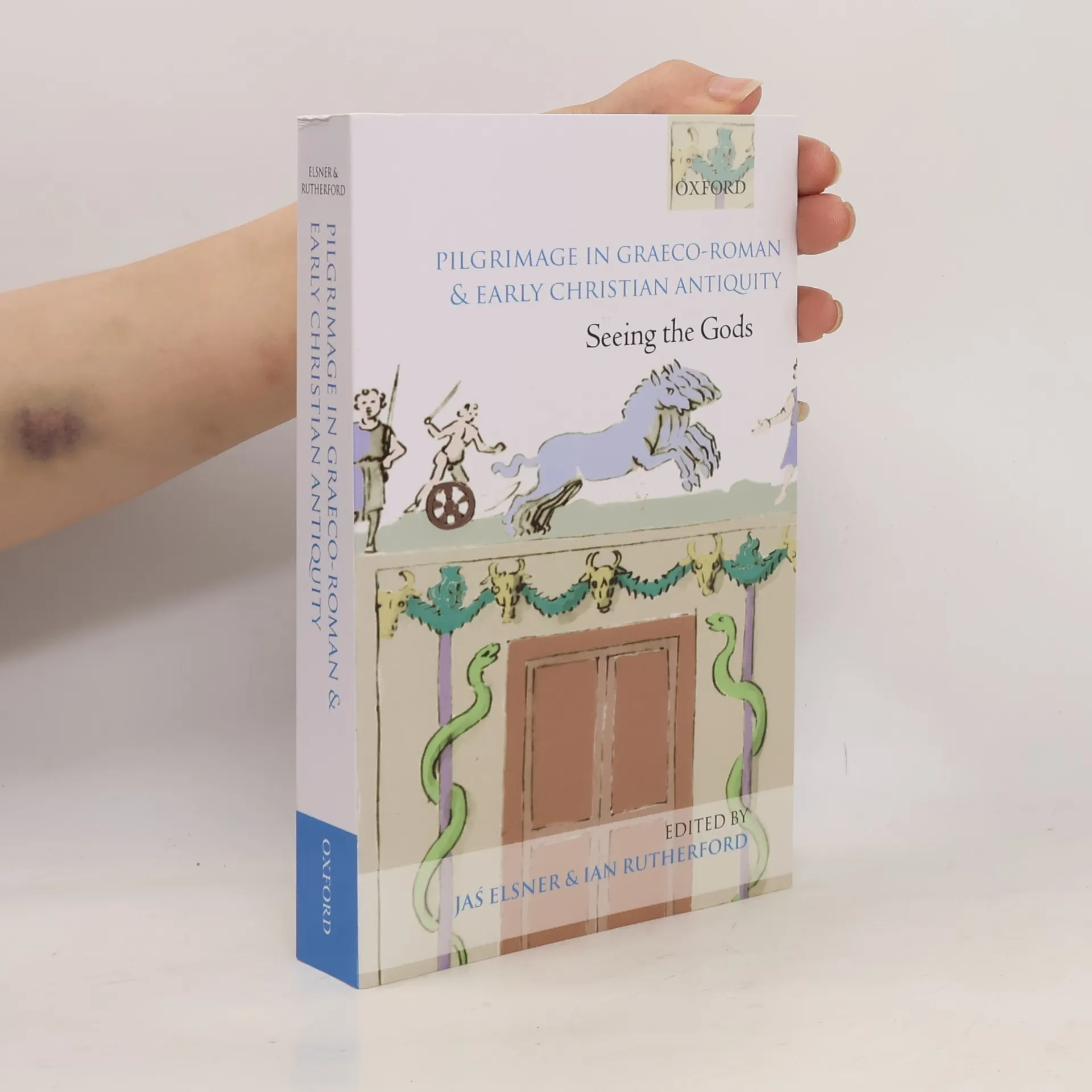
This book presents a range of case-studies of pilgrimage in Graeco-Roman antiquity, drawing on a wide variety of evidence. It rejects the usual reluctance to accept the category of pilgrimage in pagan polytheism and affirms the significance of sacred mobility not only as an important factor in understanding ancient religion and its topographies but also as vitally ancestral to later Christian practice.
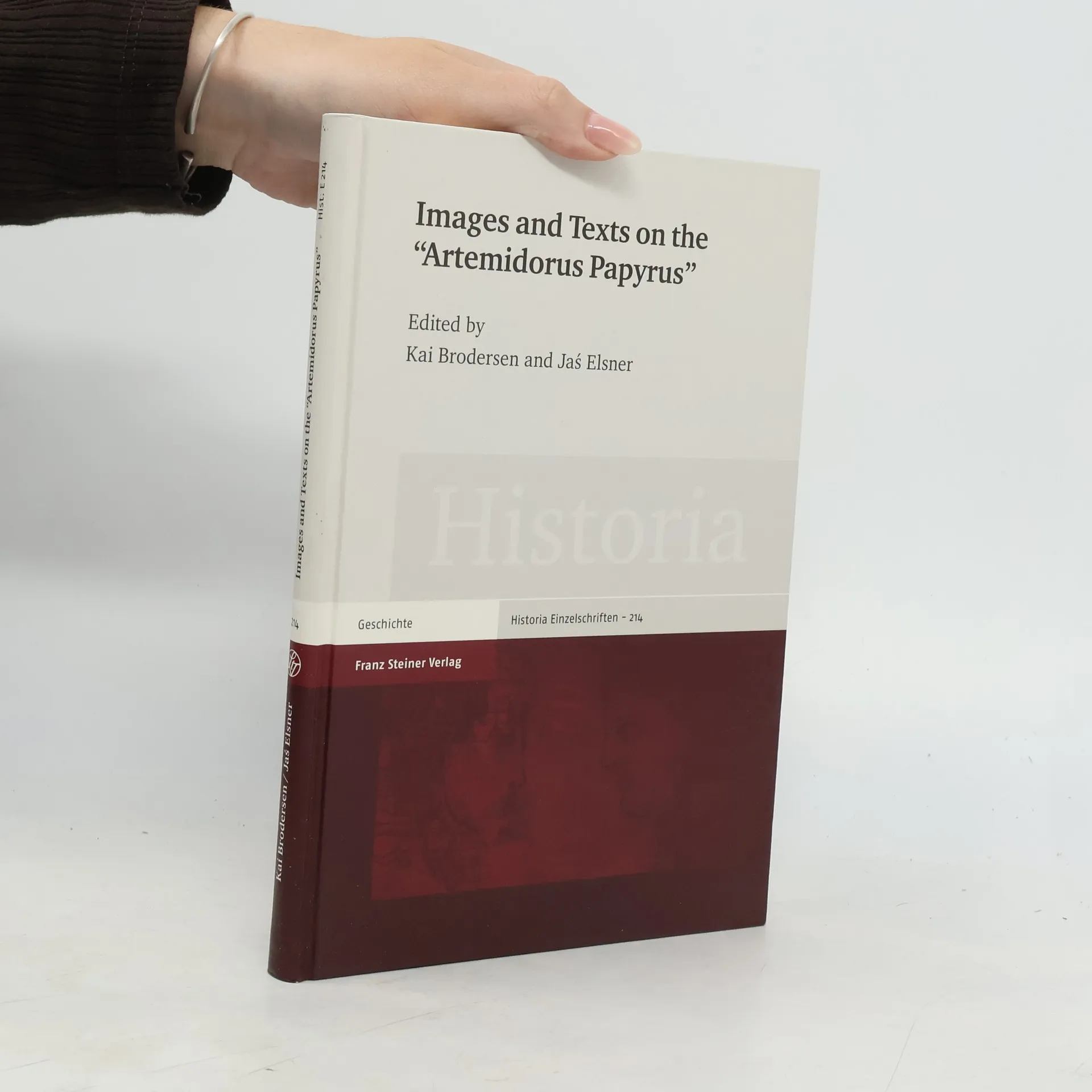
Historia Einzelschriften - 214: Images and Texts on the Artemidorus Papyrus
- 171 stránek
- 6 hodin čtení
The „Artemidorus Papyrus“ (P. Artemid.), first published in 2008, is potentially the most significant new discovery in recent years for a range of fields within Classics: the history of drawing in the Greco-Roman world and more generally issues in the history of art, the history of ancient mapping, and the history of geographical writing in Hellenistic Egypt. Its spectacular and unprecedented collection of images and texts has been the subject of lively and impassioned debate. At a recent conference at St John's College, Oxford, an international panel of scholars discussed the artefact, the images, the map and the texts on the papyrus.