

Rachel Aviv – eine der derzeit wichtigsten Essayistinnen der USA – stellt radikale Fragen zu unserem Umgang mit psychischen Krankheiten. Als Sechsjährige hört Rachel Aviv plötzlich auf zu essen und wird zu Amerikas jüngster Anorexiepatientin. Doch typisch anorektische Verhaltensmuster erwirbt sie erst in der Klinik: Sie sieht sie sich bei älteren Mitpatientinnen ab. Wie wäre ihr Leben verlaufen, fragt sie sich als Erwachsene, wäre sie länger in der Klinik geblieben und hätte sich nachhaltiger mit ihrer Diagnose identifiziert? Ausgehend von dieser persönlichen Erfahrung erkundet Rachel Aviv in sechs sehr unterschiedlichen Fallgeschichten, wie uns die Art und Weise, mit der wir psychische Probleme einordnen und diagnostizieren, verändert. Mit großer Empathie erzählt Aviv von Menschen in psychischen Ausnahmezuständen und macht dabei die Facetten von Identität sichtbar, die durch das Raster psychiatrischer Konzepte fallen.
Rachel Aviv Pořadí knih (chronologicky)
Rachel Avivová se jako autorka na volné noze zabývá složitými etickými a sociálními problémy, přičemž se zaměřuje na zranitelné jedince a systémové nedostatky. Její reportáže se vyznačují hlubokým zkoumáním lidské psychiky a etických dilemat, často odhalujících skryté pravdy o společenských institucích. Avivová využívá své odborné znalosti v oblasti medicíny a žurnalistiky k tomu, aby nabídla pronikavý pohled na témata, jako je lékařská etika a spravedlnost. Její práce je poznamenána silným důrazem na empatii a snahou dát hlas těm, jejichž příběhy jsou často opomíjeny.

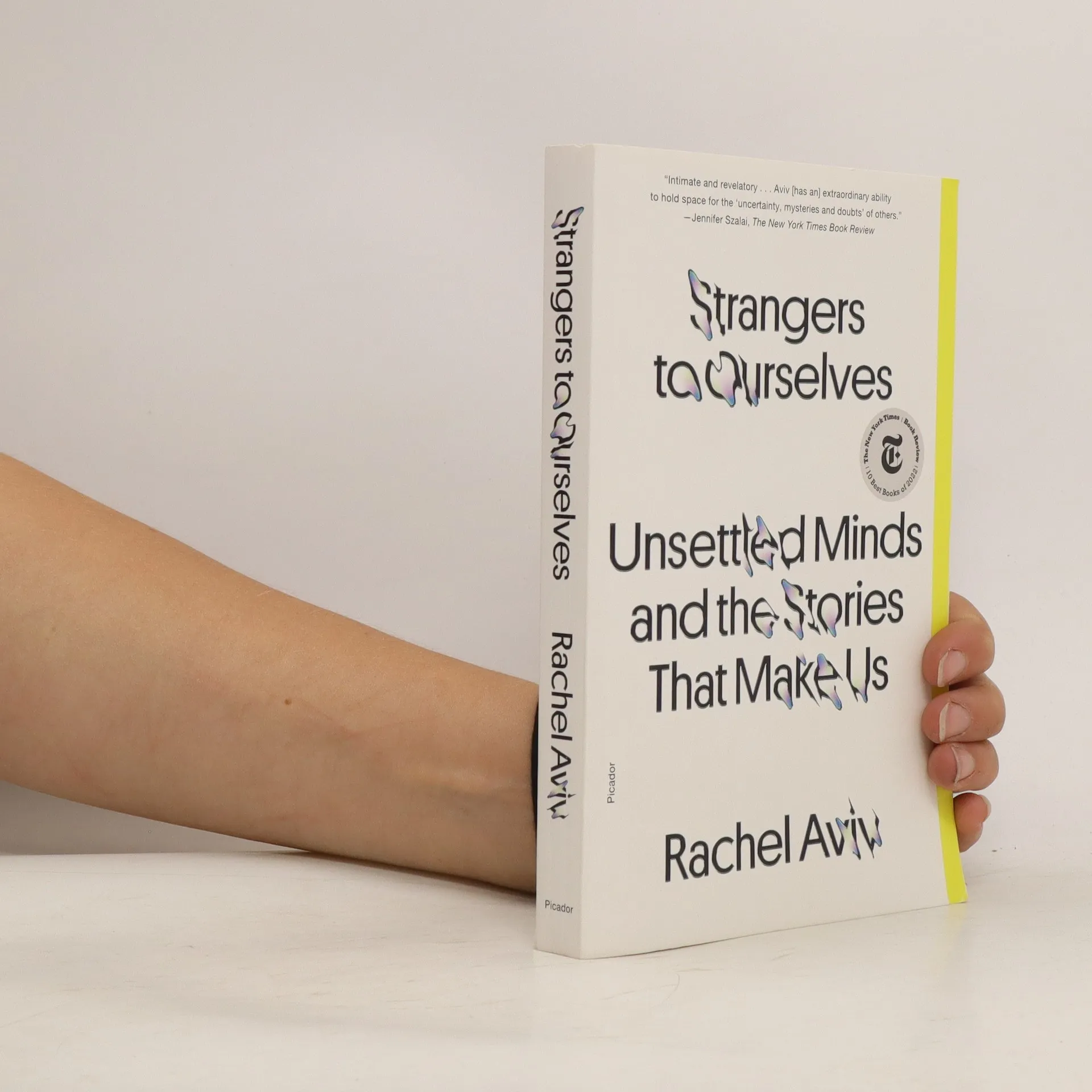
Strangers to Ourselves
- 288 stránek
- 11 hodin čtení
"The highly anticipated debut from the acclaimed award-winning New Yorker writer Rachel Aviv compels us to examine how the stories we tell about mental illness shape our sense of who we are"--