

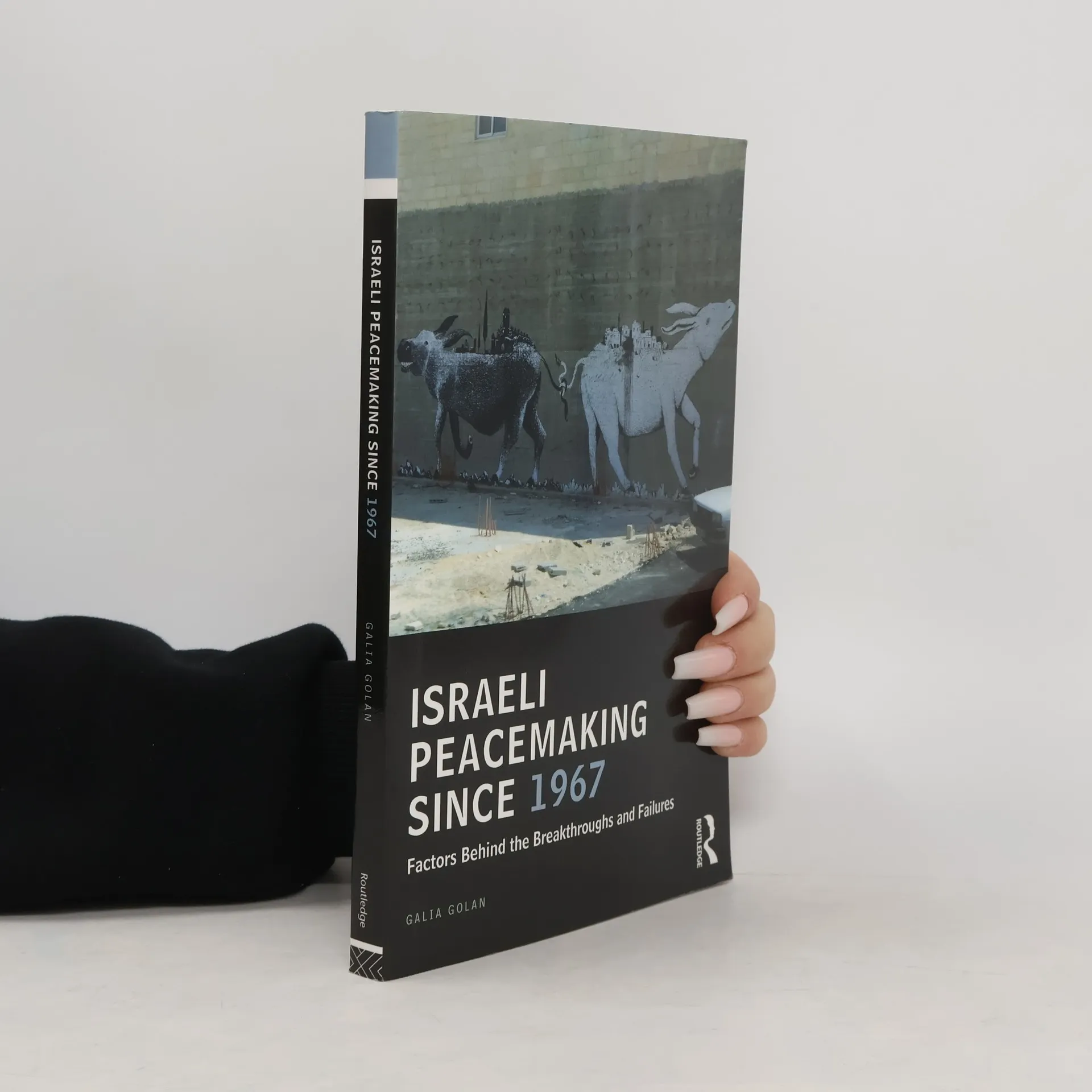
Focusing on the peace process following the Arab-Israeli conflict of 1967, this book analyzes both the significant breakthroughs and the notable failures encountered in attempts to resolve this complex and longstanding issue. It delves into the challenges faced by negotiators and the implications of their efforts on the broader context of the conflict, providing insights into the dynamics that continue to influence peace initiatives today.
Galia Golan Knihy


This book studies in detail the reform regime of Alexander Dubcek from the assumption of power in the Party by reform-minded communists in January 1968 until Gustav Husik replaced Dubcek as First Secretary. The reform regime survived only eight months of genuine rule but it persisted for a further eight months after the Soviet invasion in an agonizing struggle for survival. One of the most impressive but little-known developments in the era of reform rule was the attempt by the Czechoslovaks to perpetuate the 'Prague Spring', to salvage something of the programme for reform, and maintain public faith in the face of Soviet occupation. Dr Golan's book (a sequel to The Czechoslovak Reform Movement, Cambridge 1971) examines the nature and effects of reform rule in nearly every area of society: the economy, the trade unions and social organizations, national and religious minorities, the cultural world, the Party, government, the legal and security systems, Slovakia, and the field of foreign Policy.
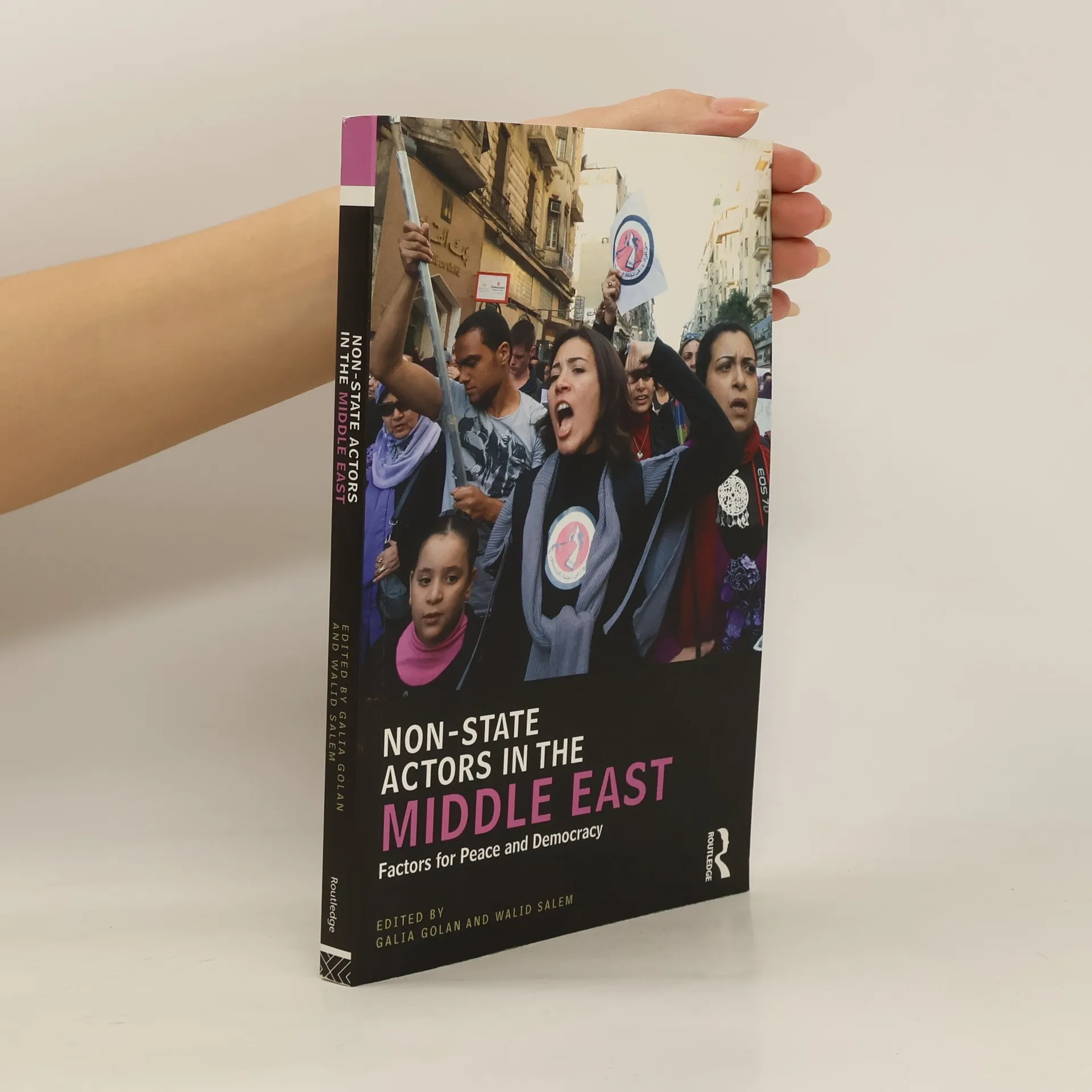
Non-State Actors in the Middle East. Factors for Peace and Democracy
- 240 stránek
- 9 hodin čtení
As the recent revolutions in the Middle East have demonstrated, civil society in this part of the world is on the move. The increasingly important role of non-state actors - a phenomenon of globalization- has characterized developments throughout the region, affecting the struggle for democracy and for peace. This volume brings together scholars primarily form the region to analyse the varied activities and contributions of NGOs, the private sector and the new media, from Morocco to Iran, along with the involvement of diaspora groups. The chapter on facebook in the recent Egyptian revolution captures the role of this new media while the study on similar technology in Iran outlines the barriers raised by the authorities in the current struggles there. Even the fledgling process of democratization in Saudi Arabia is driven by non-state actors while the veteran women's movements in the Maghreb serve as an example for the post-Arab spring era in those countries. Providing one of the first assessments of the role of non-state actors in the Middle East, this book will be essential reading for students of Political Science, Sociology and Civil Society, amongst others.
The Soviet Union and National Liberation Movements in the Third World
- 384 stránek
- 14 hodin čtení
The Soviet Union and National Liberation Movements in the Third World (1988) is a systematic comparison of Soviet theory about, and actual behaviour toward, movements for national liberation in the Third World.
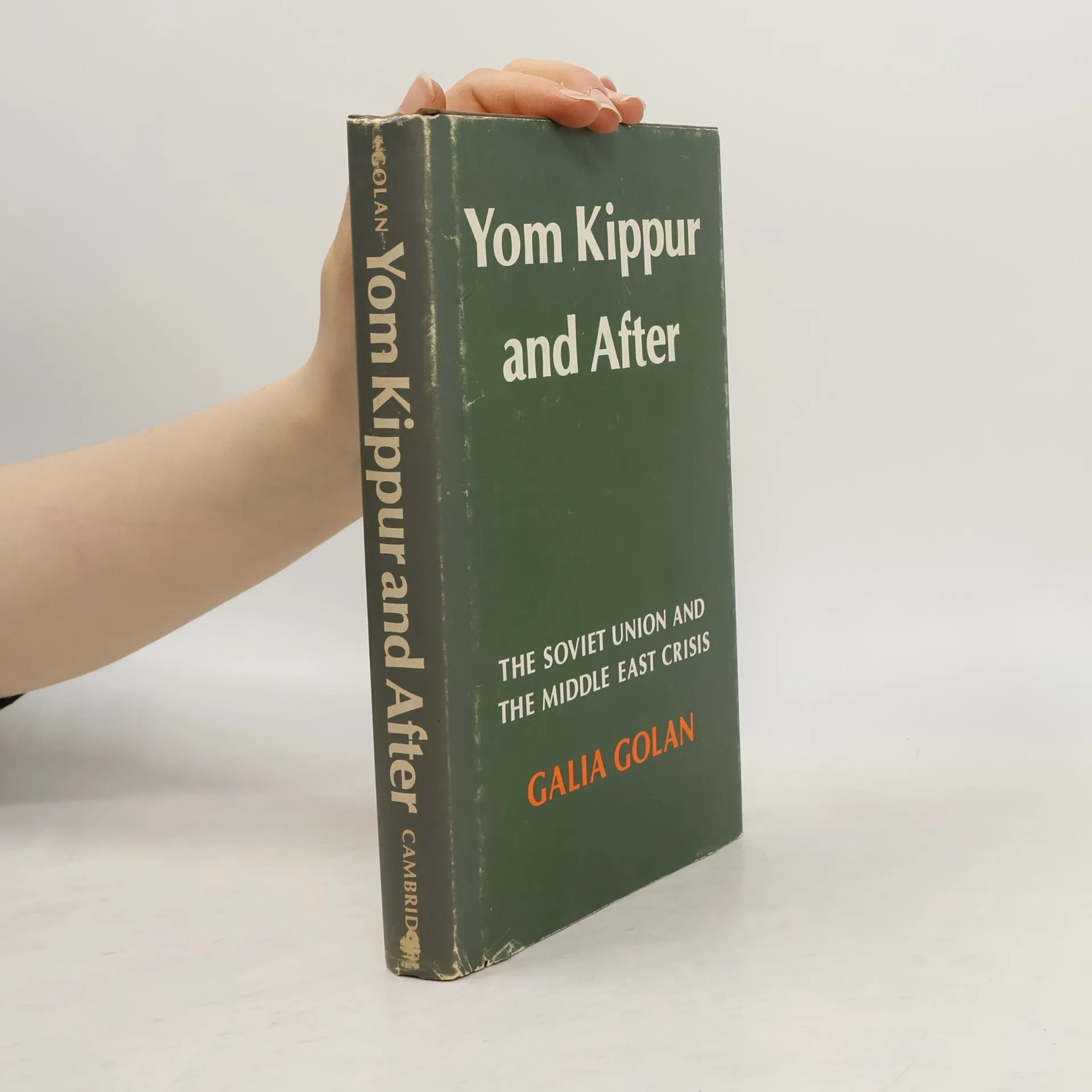
Cambridge Russian, Soviet and Post-Soviet Studies - 19: Yom Kippur and After
The Soviet Union and the Middle East Crisis
- 359 stránek
- 13 hodin čtení
This 1977 book was undertaken with the purpose of determining the degree of Soviet involvement in the Middle East crisis, from the expulsion of the Soviet advisers from Egypt in 1972, through the planning stage of the war and the war itself, up to the disengagement agreements which in fact finally brought the war to a close. Dr Golan first investigates Soviet interests in the region, particularly in connection with the Arab–Israeli conflict, and the relationships of these regional interests - be they strategic, political, economic or ideological - to Soviet global interests. There follows a detailed study of Soviet policy towards the Middle East crisis as seen through Soviet relations with the Arab states and the Palestinians, Soviet propaganda to the Arab world, Soviet–American relations, Soviet domestic and international problems related to Middle East policy, and, more specifically, the Soviet attitude towards a settlement of the Arab–Israeli conflict.