

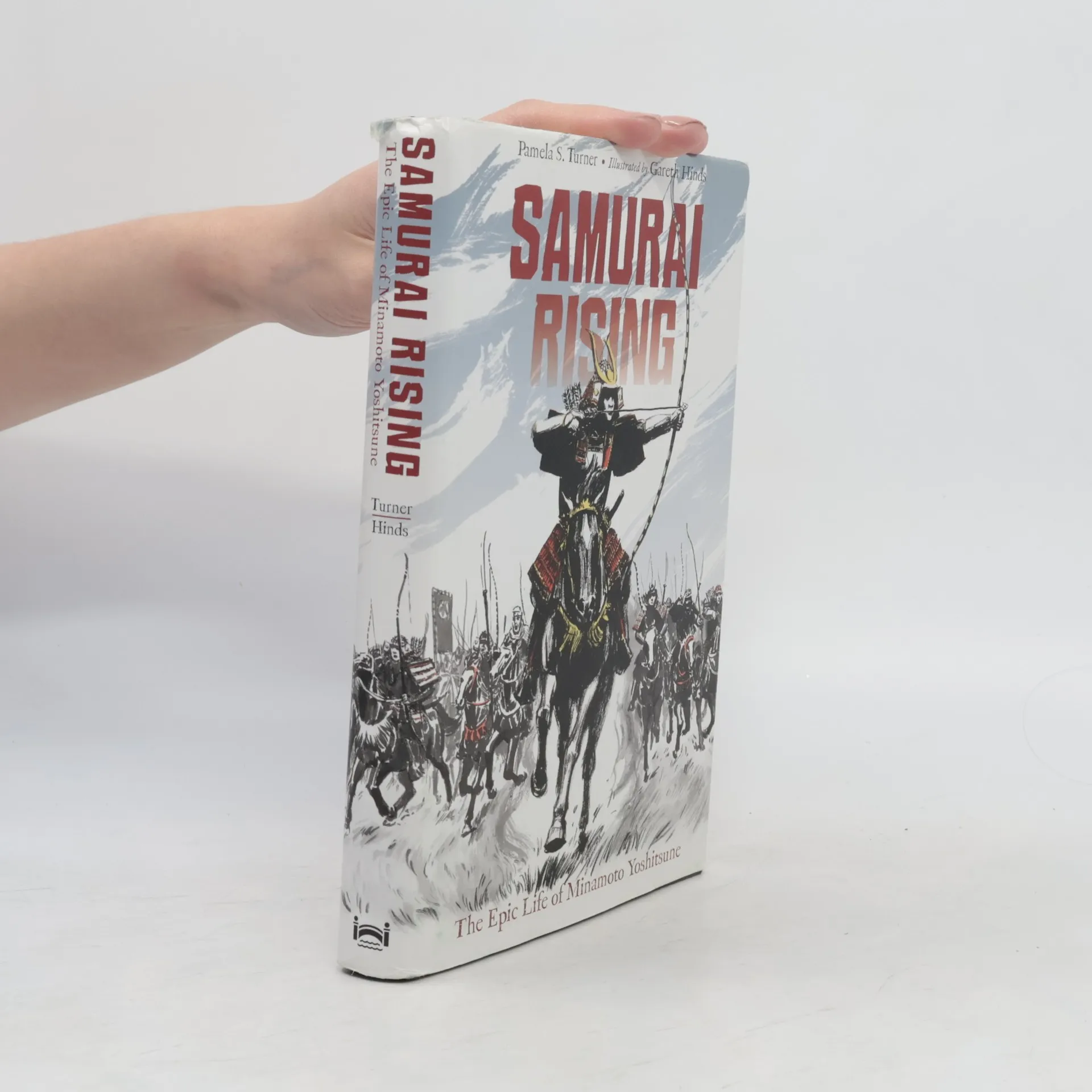
Samurai Rising The Epic Life of Minamoto Yoshitsune
- 236 stránek
- 9 hodin čtení
Child exile. Teenage runaway. Military genius. Immortal hero.Yoshitsune had little going for him. Exiled to a monastery, he had no money, no allies, and no martial training. He wasn't big or strong or good-looking. His only assets were brains, ambition, and a dream. But childhood dreams can change history.At the age of fifteen, Yoshitsune escaped. Blow by painful blow, he learned the art of the sword. Fall after bruising fall, he mastered mounted archery. He joined his half brother Yoritomo in an uprising against the most powerful samurai in Japan.This is a story of insane courage and daring feats, bitter rivalry and fatal love. Based on one of the great works of Japanese history and literature, SAMURAI RISING takes a clear-eyed, very modern look at the way of the samurai--and at the man who became the most famous samurai of all.