

A wide-ranging history tracing the birth of biopolitics in Enlightenment thought and its aftermath. In Enlightenment Biopolitics, historian William Max Nelson pursues the ambitious task of tracing the context in which biopolitical thought emerged and circulated. He locates that context in the Enlightenment when emancipatory ideals sat alongside the horrors of colonialism, slavery, and race-based discrimination. In fact, these did not just coexist, Nelson argues; they were actually mutually constitutive of Enlightenment ideals. In this book, Nelson focuses on Enlightenment-era visions of eugenics (including proposals to establish programs of selective breeding), forms of penal slavery, and spurious biological arguments about the supposed inferiority of particular groups. The Enlightenment, he shows, was rife with efforts to shape, harness, and “organize” the minds and especially the bodies of subjects and citizens. In his reading of the birth of biopolitics and its transformations, Nelson examines the shocking conceptual and practical connections between inclusion and exclusion, equality and inequality, rights and race, and the supposed “improvement of the human species” and practices of dehumanization.
William G. McLean Pořadí knih (chronologicky)

Marbury v. Madison
- 176 stránek
- 7 hodin čtení
Relates the story behind Marbury v Madison and explains why it is a foundational case for understanding the US Supreme Court. Nelson reveals how John Marshall deftly avoided a dangerous political confrontation between the executive and judicial branches by upholding the rule of law, and how he... číst celé
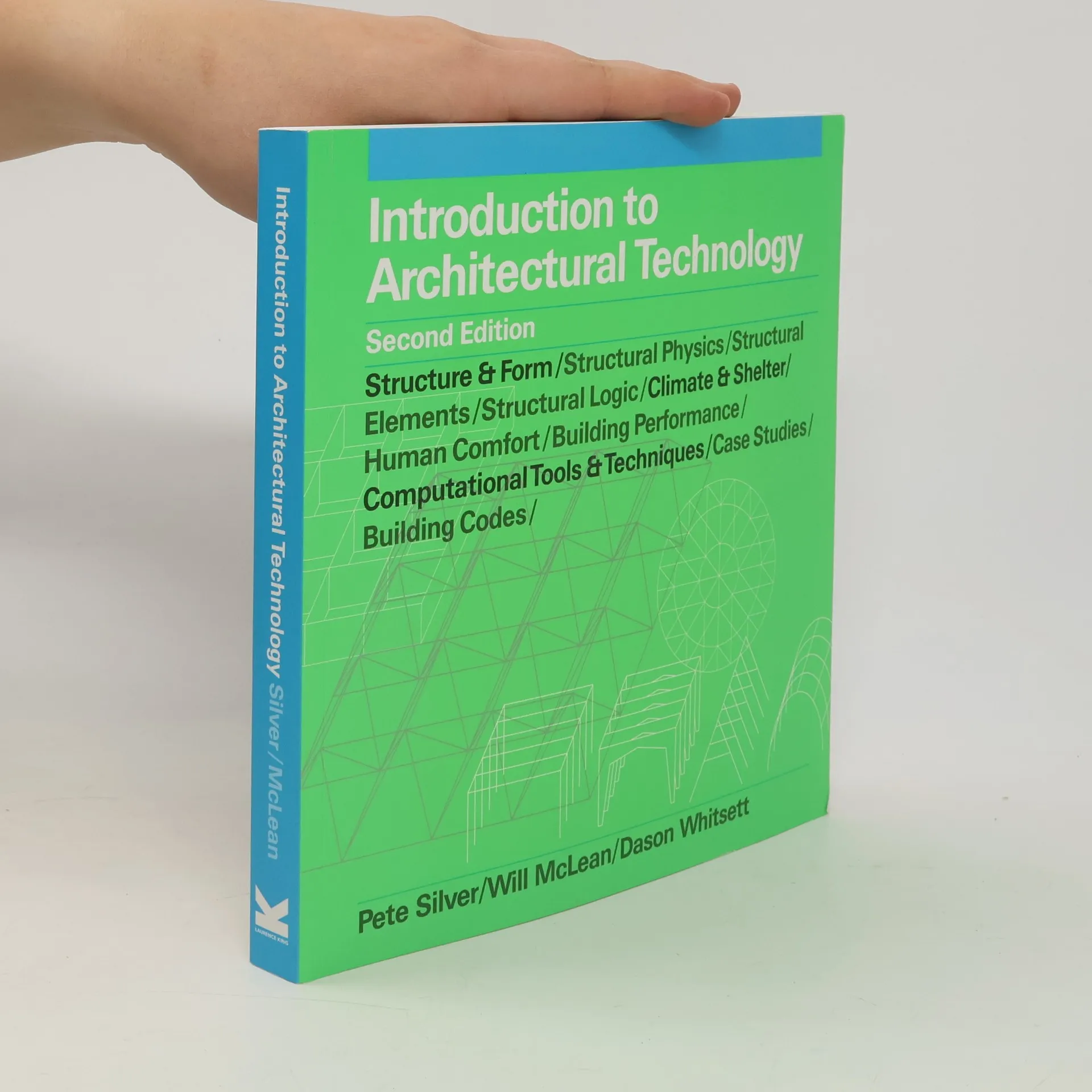
Introduction to Architectural Technology
- 208 stránek
- 8 hodin čtení
This book provides an accessible introduction for architecture students to all aspects of architectural technology: structural physics, structural elements and forms, heating, lighting, environmental control, and computer modeling. It will also help students to integrate their design thinking with appropriate structural and environmental solutions. The book explains the relationships between physical phenomena, materials, building elements, and structural types using simple classification systems and real world examples. In addition, it explores current computer techniques for assisting students to predict the structural and environmental behavior of buildings. It also uses historical precedents to explain how the success of a technology is directly related to its cultural context. This second edition includes new sections on environmental design, Building Information Modeling (BIM), and two new case studies. Written by three experienced teachers, this book will be invaluable for those contemplating the study of architecture and for those already embarked on such a course.