Knihobot

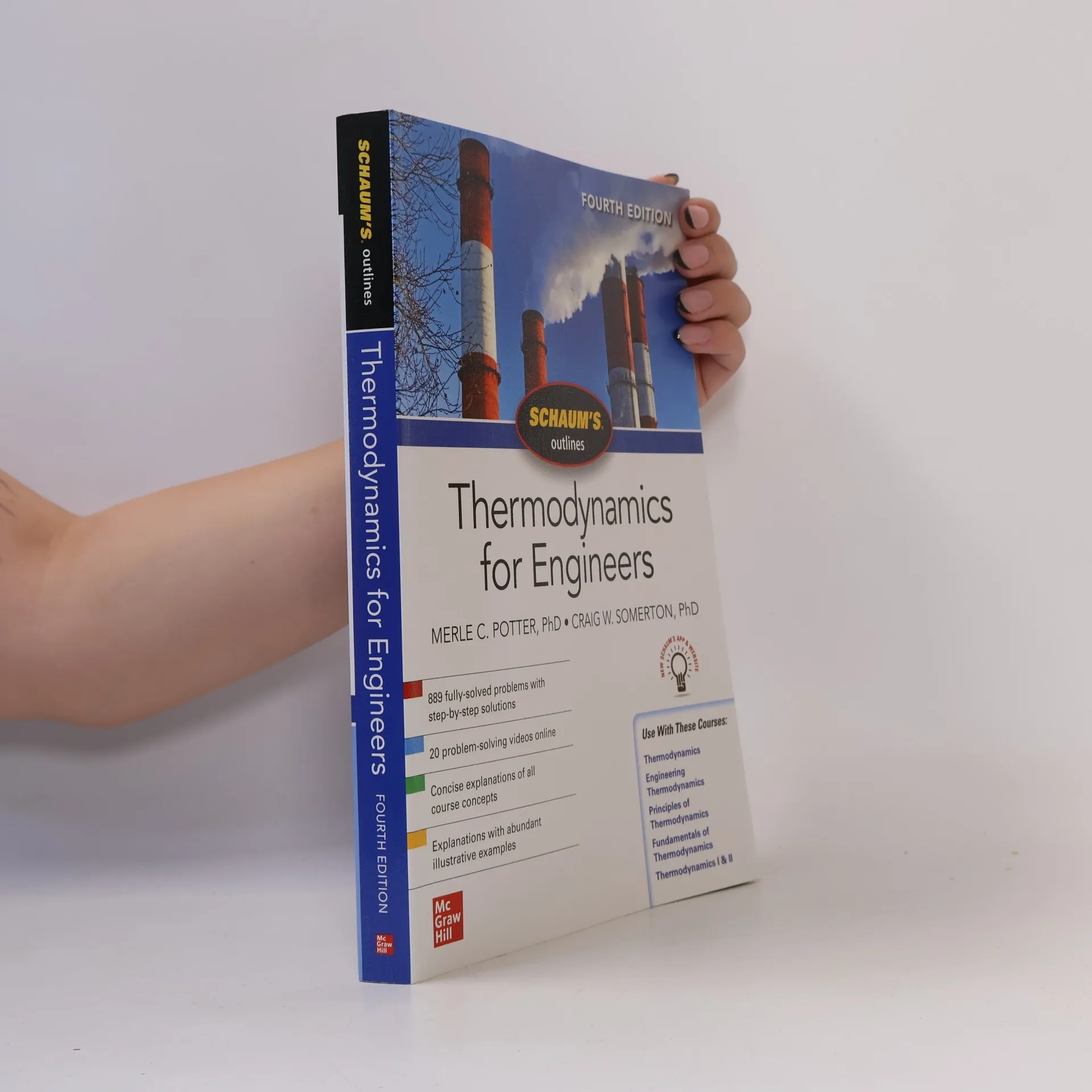
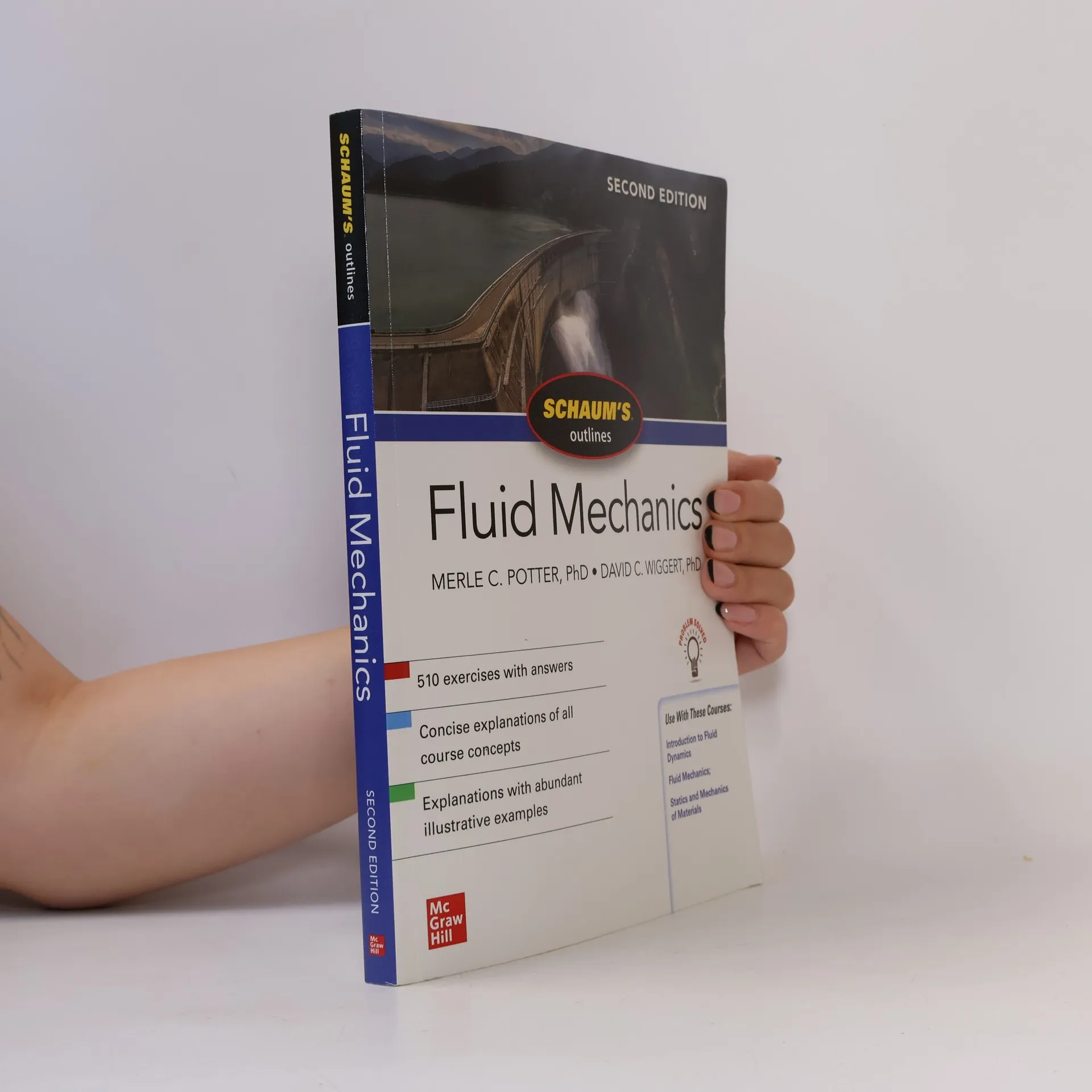
Merle C. Potter

    Schaum's Outline of Thermodynamics for Engineers, 2ed
    Enlightenment Biopolitics
    Applied Fluid Mechanics
    Marbury v. Madison
    • Marbury v. Madison

      • 176 stránek
      • 7 hodin čtení
      4,0(3)Ohodnotit

      Relates the story behind Marbury v Madison and explains why it is a foundational case for understanding the US Supreme Court. Nelson reveals how John Marshall deftly avoided a dangerous political confrontation between the executive and judicial branches by upholding the rule of law, and how he... číst celé

      Marbury v. Madison
    • Applied Fluid Mechanics

      Sixth Edition

      • 654 stránek
      • 23 hodin čtení

      Focusing on fluid mechanics, this textbook serves as a second course for mechanical and civil engineering students. It covers essential topics like pipe flow, channel flow, and the Navier-Stokes equations, while emphasizing practical applications. Designed specifically for civil engineering, it includes in-depth discussions on open channel flow and turbomachinery, and for mechanical engineering, it addresses potential and compressible flows. The text simplifies complex concepts like laminar flow and turbulence through clear explanations and numerous examples, making it accessible for students.

      Applied Fluid Mechanics
    • A wide-ranging history tracing the birth of biopolitics in Enlightenment thought and its aftermath. In Enlightenment Biopolitics, historian William Max Nelson pursues the ambitious task of tracing the context in which biopolitical thought emerged and circulated. He locates that context in the Enlightenment when emancipatory ideals sat alongside the horrors of colonialism, slavery, and race-based discrimination. In fact, these did not just coexist, Nelson argues; they were actually mutually constitutive of Enlightenment ideals. In this book, Nelson focuses on Enlightenment-era visions of eugenics (including proposals to establish programs of selective breeding), forms of penal slavery, and spurious biological arguments about the supposed inferiority of particular groups. The Enlightenment, he shows, was rife with efforts to shape, harness, and “organize” the minds and especially the bodies of subjects and citizens. In his reading of the birth of biopolitics and its transformations, Nelson examines the shocking conceptual and practical connections between inclusion and exclusion, equality and inequality, rights and race, and the supposed “improvement of the human species” and practices of dehumanization.

      Enlightenment Biopolitics
    • Confusing textbooks? Missed lectures? Not enough time? Fortunately for you, there's 'Schaum's Outlines'. More than 40 million students have trusted Schaum's to help them succeed in the classroom and on exams. Schaum's is the key to faster learning and higher grades in every subject.

      Schaum's Outline of Thermodynamics for Engineers, 2ed