

John Swinton je skotský teolog, který se výrazně podílel na rozvoji teologie postižení. Jeho práce zkoumá vztah mezi spiritualitou, zdravím a postižením, přičemž se snaží pochopit hlubší teologické otázky související s lidskou zkušeností. Svintonův přístup je zakořeněn v jeho zkušenostech jako ordinovaného ministra a akademika, což mu umožňuje propojit teoretické poznatky s praktickými implikacemi pro život.
The author draws on his experiences with individuals facing intellectual disabilities, mental health challenges, and dementia to explore profound questions about faithfulness, discipleship, and community. This unique perspective enriches his theological insights, inviting readers to consider how diverse ways of seeing the world can deepen their understanding of spirituality and human connection.
The exploration of evil delves into its true nature, challenging the perception that it is solely associated with monstrous figures or horrific acts. Instead, it suggests that everyone may unknowingly participate in acts of evil, contributing to harm, particularly to the vulnerable. The book emphasizes the importance of recognizing and understanding these hidden aspects of evil to effectively resist and combat it. By bringing awareness to our own potential complicity, it advocates for a proactive stance against the insidious influences of evil in our lives.
John Swinton describes his place of formation walking alongside people living
with intellectual disabilities, mental health challenges and dementia, and how
it has gifted him with the opportunity to ask different theological questions
of the Christian tradition; questions that emerge from the lives of people who
see the world differently.
Lenten readings and reflections consider how to love in truth, love the
vulnerable and the suffering, embrace difference, care for our world, love
ourselves, and love to the very end.
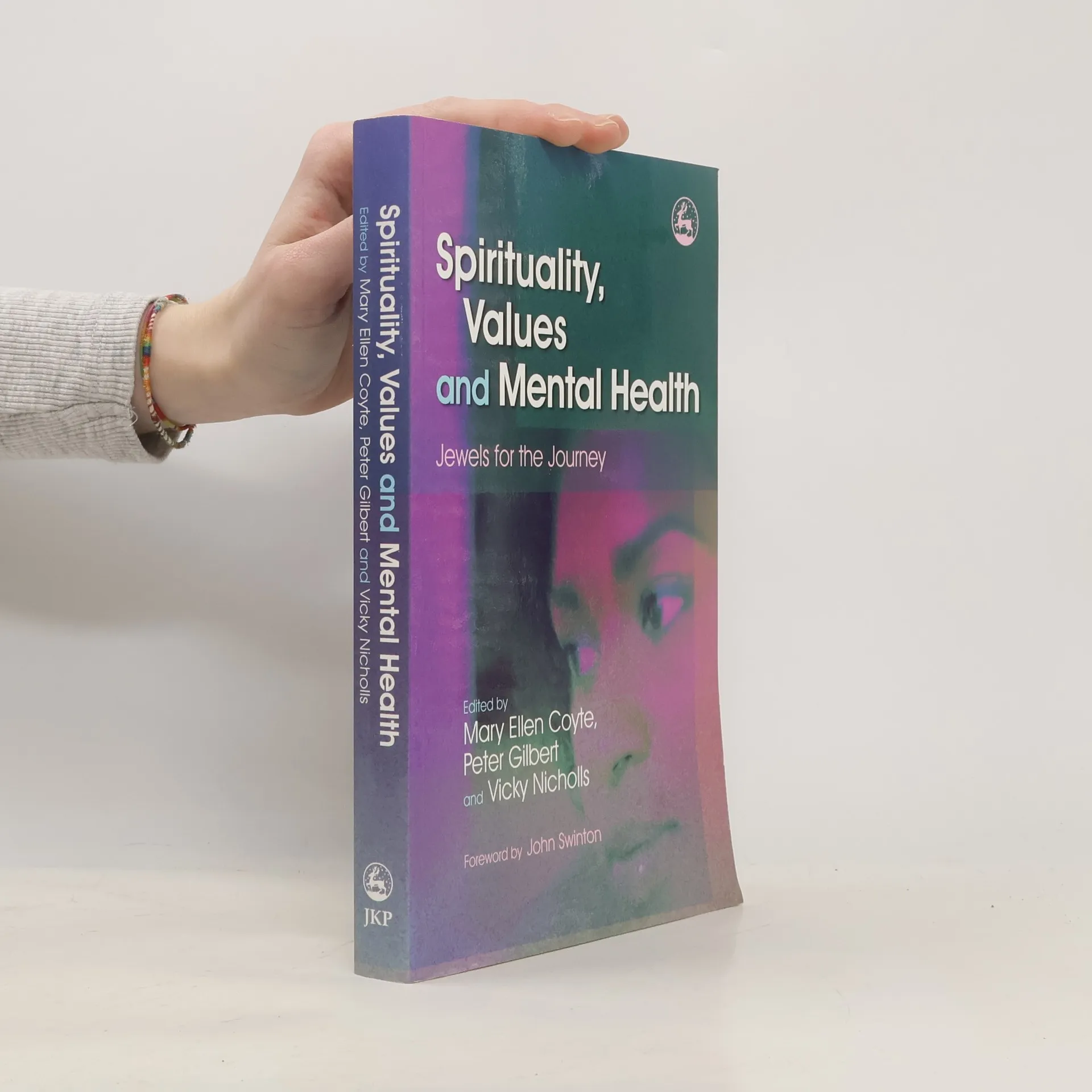
Spirituality, religious belief and inclusive faith communities are important for mental well being but mental health practitioners have few guidelines for acknowledging these issues when working with service users. Spirituality, Values and Mental Health gathers together personal and professional contributions from mental health professionals, carers and mental health service users and survivors. It addresses the stigma that can surround both mental health and spirituality and explores the place of the spiritual in mental health care, teasing out its implications for research, education, training and good practice. This book is a welcome source of ideas and common-sense that is essential reading for mental health practitioners, carers and service users, chaplains, faith leaders, faith communities, as well as students and professionals working in the field of spirituality and mental health.