

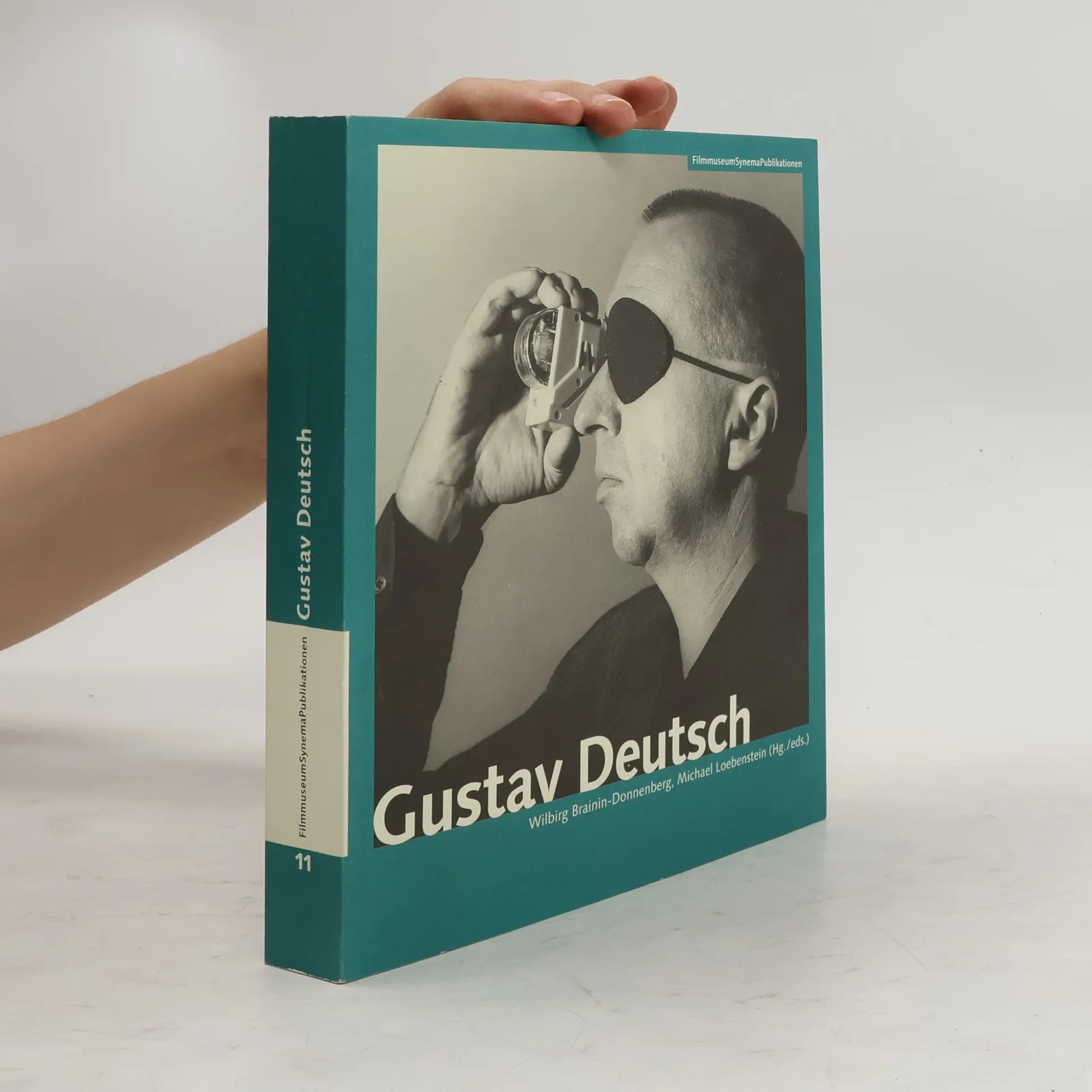
Since the 1990s, "found footage film" has flourished internationally. Among the filmmakers that gained prominence in this context of "applied media archaeology" is Gustav Deutsch, an outstanding case. His work—including the series Film Is or Welt Spiegel Kino —has been shown widely at film festivals and in the contemporary art world. The first monograph to follow his entire thrity-year career, Gustav Deutsch explore the artist as he works in film, video, and installation, featuring essay contributions by Linda Williams, Tom Gunning, Scott MacDonald, Nico de Klerk, and Alexander Horwath.
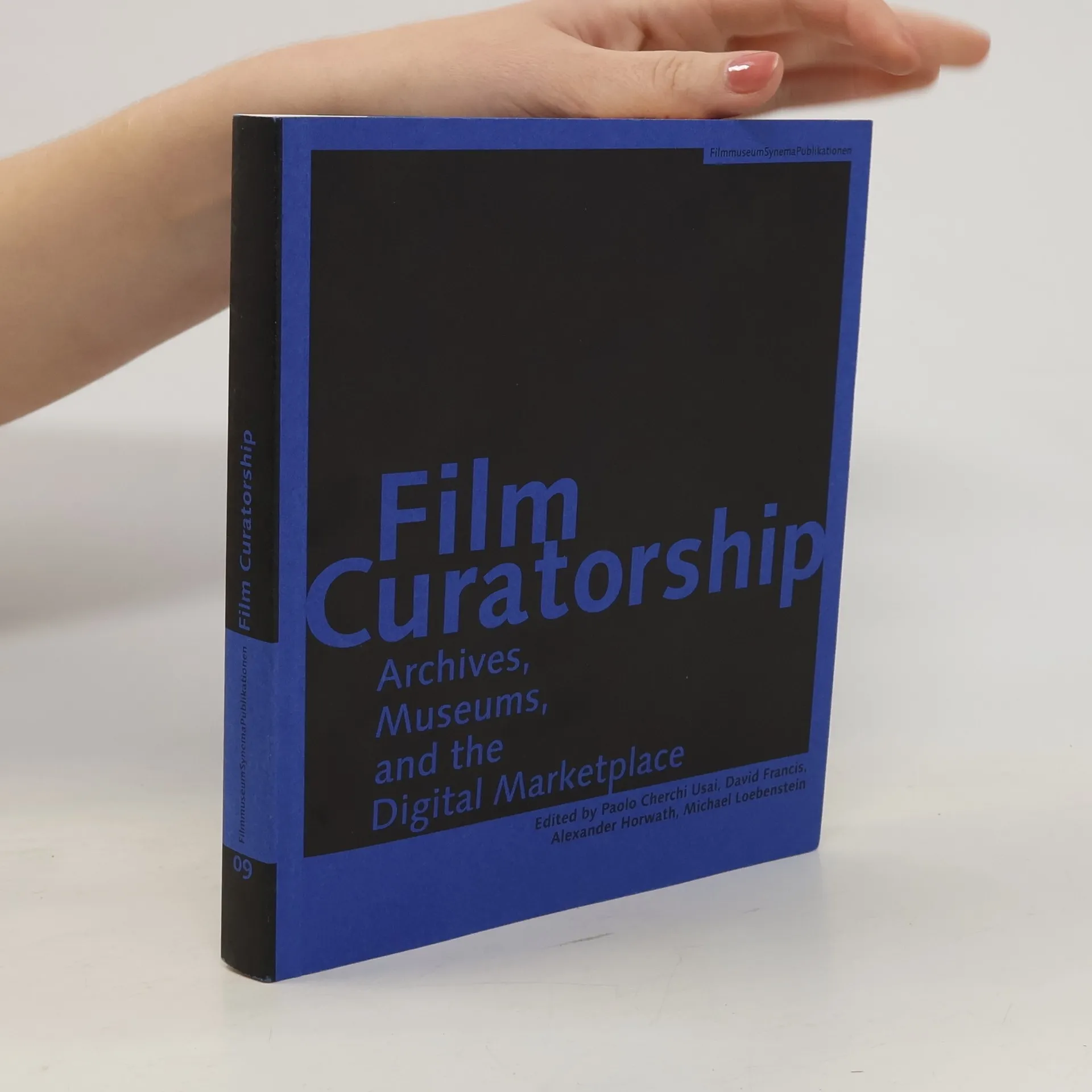
What are the major issues and challenges film archives, cinémathèques, and film museums are bound to face in the digital age, and at a time when there is an expectation of access on demand? What is curatorship, and what does it imply in the context of film preservation and presentation? Is there a concept of the “film artifact” that transcends the idea of film as “content” or “art” in the information age?Film Curatorship is an a collective text, a montage of dialogues, conversations, and exchanges among four professionals representing three generations of film archivists and curators. It calls for an open philosophical and ethical debate on fundamental questions the profession must come to terms with in the twenty-first century.This book is jointly published with Le Giornate del Cinema muto, Pordenone, Italy.
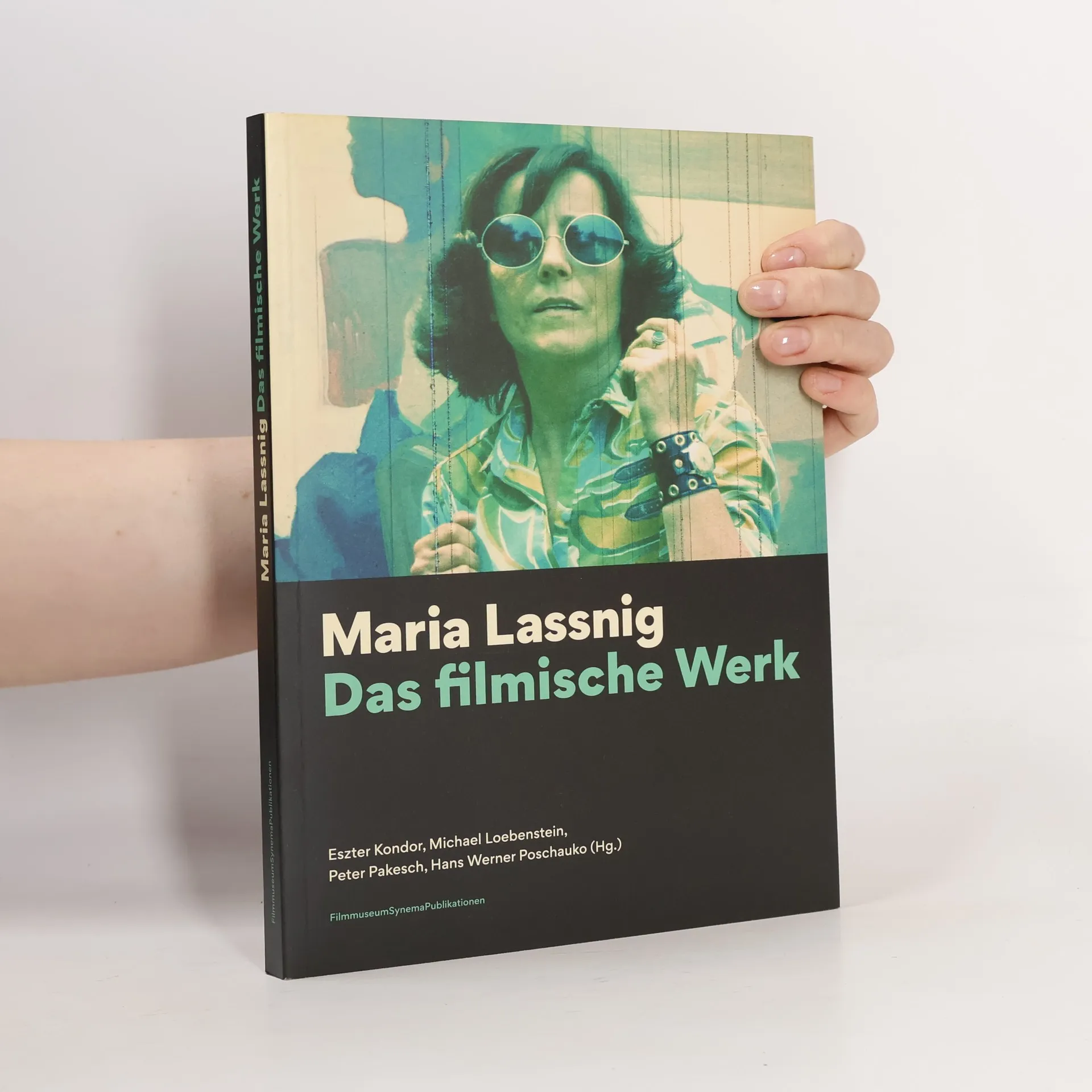
Maria Lassnig (1919-2014) is internationally recognized as one of the most
important painters of the twentieth and twenty-first centuries. This
publication provides the first comprehensive index of Lassnig's film works,
offering insight into the filmmaker's world of ideas through a wide selection
of Lassnig's own, previously unpublished notes.
Maria Lassnig (1919–2014) is internationally recognized as one of the most important painters of the 20th and 21st centuries. The leitmotif of her painting, the act of rendering her “body awareness” visible found additional expression in film in the early 1970s. During her time in New York, Lassnig studied animation at the School of Visual Arts and began to film in 8mm and 16mm. While several of these New York films have long since been part of her canonical works (e.g. Selfportrait, Iris, Couples, Shapes ), many remained unfinished. These "films in progress" can be regarded as autobiographical notes as well as an artistic experiment featuring many of Lassnig’s recognizable sujets and methods. In 2018, this filmic legacy was restored and in many cases completed according to Lassnig’s original concept and instructions by two close collaborators, artists Hans Werner Poschauko and Mara Mattuschka, and presented to great international acclaim.This German-language publication provides the first comprehensive index of Lassnig’s film works, offering insight into the filmmaker’s world of ideas through a wide selection of Lassnig’s own previously unpublished notes. It also includes a selection of Lassnig's "films in progress" on DVD. Two essays by James Boaden and Stefanie Proksch-Weilguni place Lassnig’s work in the context of the US-American film avant-garde of the 1970s, while conversations with Mara Mattuschka, Hans Werner Poschauko and the restoration team shed a light on the rediscovery of Lassnig’s fascinating films.