
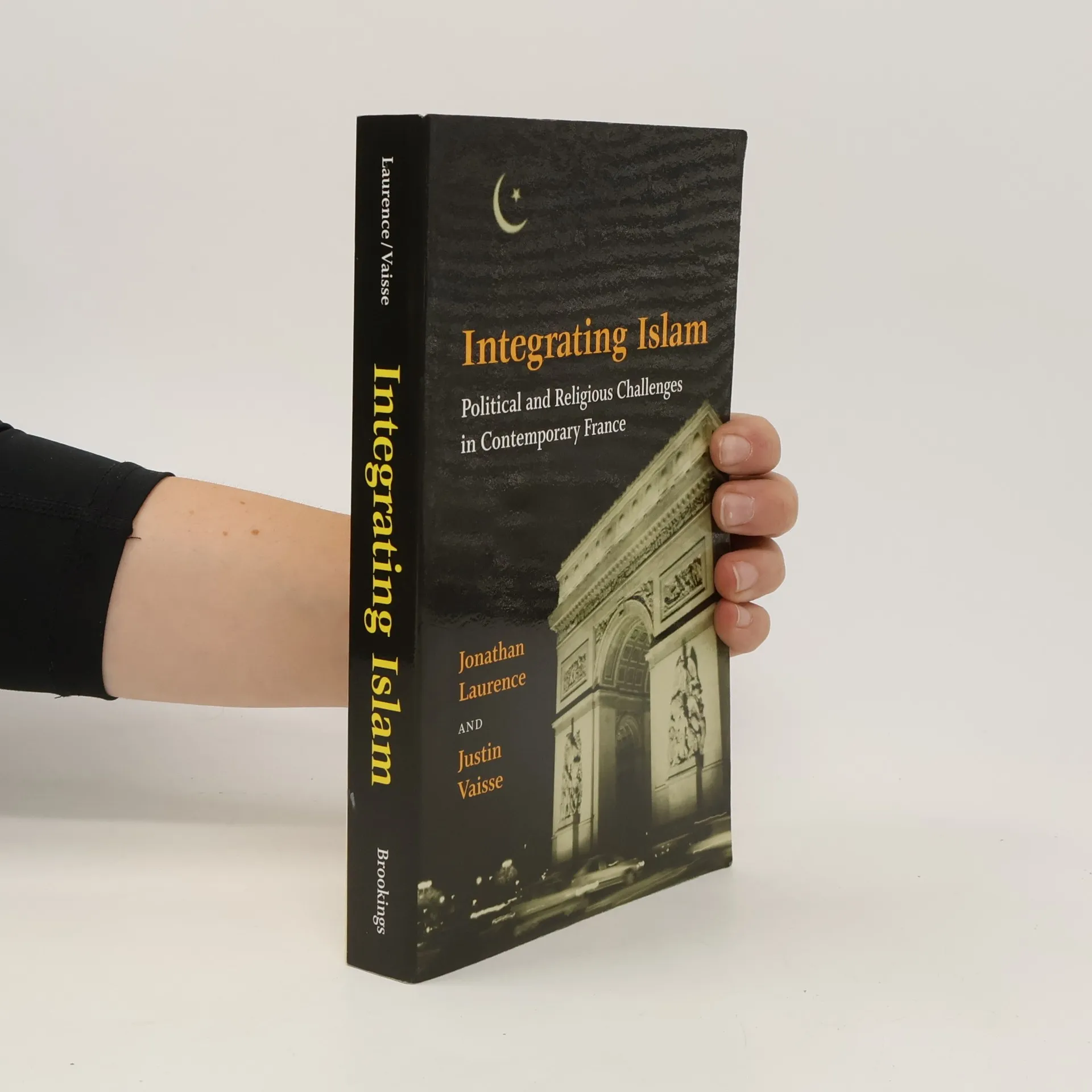
"Portrays the more complex reality of Muslim integration into French politics and society. Special attention devoted to the policies developed by successive French governments to encourage integration and discourage extremism"--Provided by publisher.
How do centralized, institutional religions reconcile their diminished power with the rise of the modern state? This work explores the mutual acceptance of religious communities and secular law, focusing on the parallels between Roman Catholicism and Sunni Islam. Both traditions trace their origins to powerful religio-political entities: the Papacy and the Caliphate. For centuries, these institutions governed vast territories, creating laws and managing populations. However, they faced similar challenges: the collapse of empires, the emergence of national states, and significant migrations from their traditional bases. The author posits that Catholicism’s historical journey can provide insights for contemporary Sunni Muslim leadership in navigating their relationship with modern governance. The survival of the Vatican as a micro-state has allowed it to influence Catholic practice globally. Similarly, the argument suggests that Muslim-majority states should maintain oversight over mosques, imam training, and religious education to align Islam with secular law and state authority. This analysis draws on extensive archival research from Vatican and Ottoman sources, along with interviews with officials involved in Islamic affairs and public religious education across various cities in North Africa, Turkey, and Europe.