

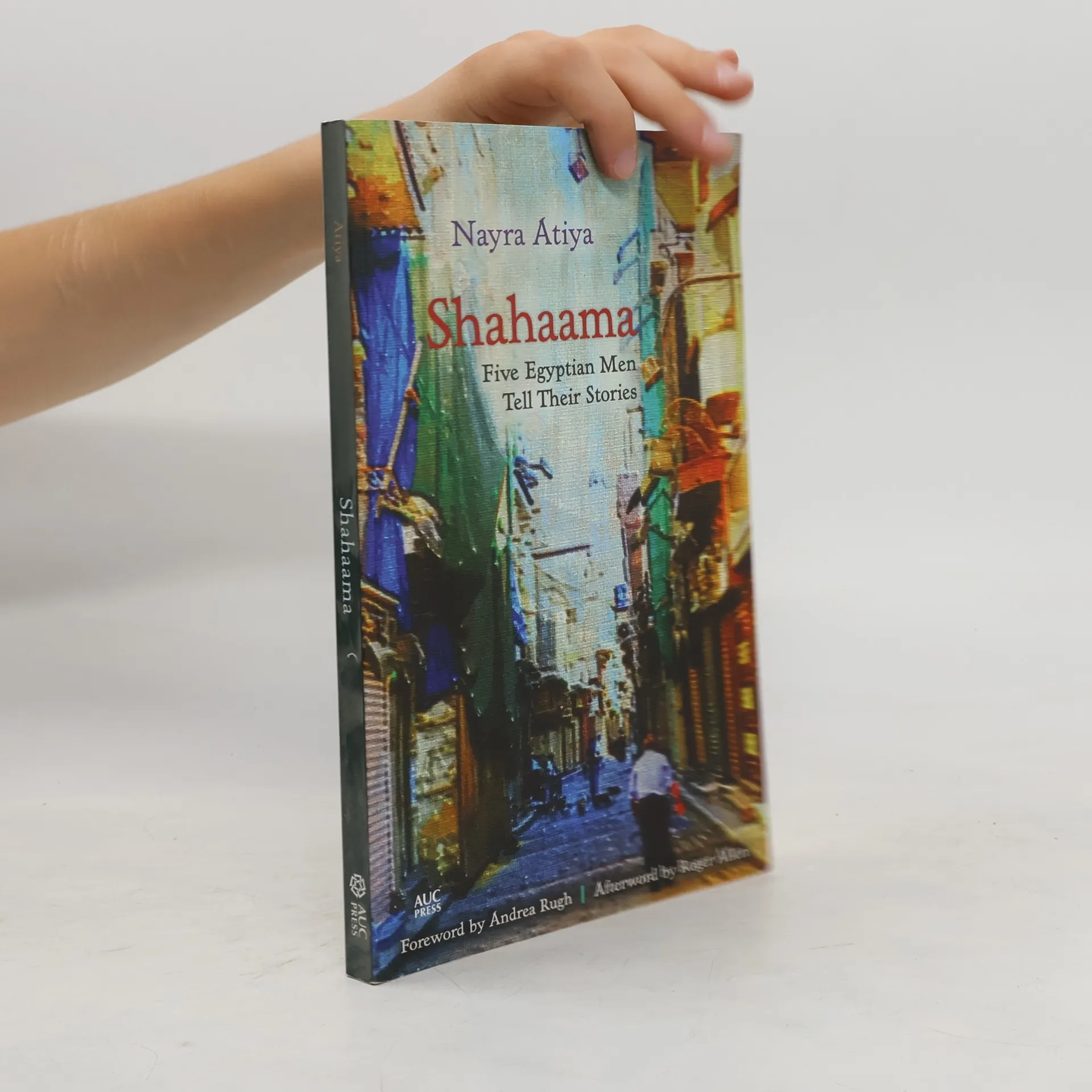
Between the late 1970s and the early 1980s, Nayra Atiya gathered the oral histories of five Egyptian men: a fisherman, an attorney, a scholar, a business- man, and a production manager. Through personal interviews over the course of several years, Atiya intimately captured the everyday triumphs and struggles of these young men in a rapidly changing Egyptian society. These tender stories of childhood experiences in the rural countryside, of the rigors of schooling, and of the many challenges in navigating adulthood shed light on both the rich diversity of Egyptian society and the values and traditions that are shared by all Egyptians. The concept of shahaama--a code of honor that demands loyalty, generosity, and a readiness to help others--is threaded throughout the narratives, reflecting its deeply rooted presence in Egyptian culture. Moving beyond leaden stereotypes of the oppressive Middle Eastern male, these candid self-portraits reveal the complexity of male identity in contemporary Egyptian society, highlighting the men's desires for economically viable lives, the same desires that fuel the many Egyptians today working toward revolutionary change.
Nayra Atiya Knihy
Nayra Atiya is an American oral historian, writer, and translator. Her work delves into the lives and narratives of ordinary people, particularly focusing on Egyptian voices and experiences. Through her distinctive approach, she brings forth compelling personal stories that illuminate broader societal themes and cultural insights. Her dedication to preserving and sharing these human experiences makes her a significant chronicler of contemporary life.
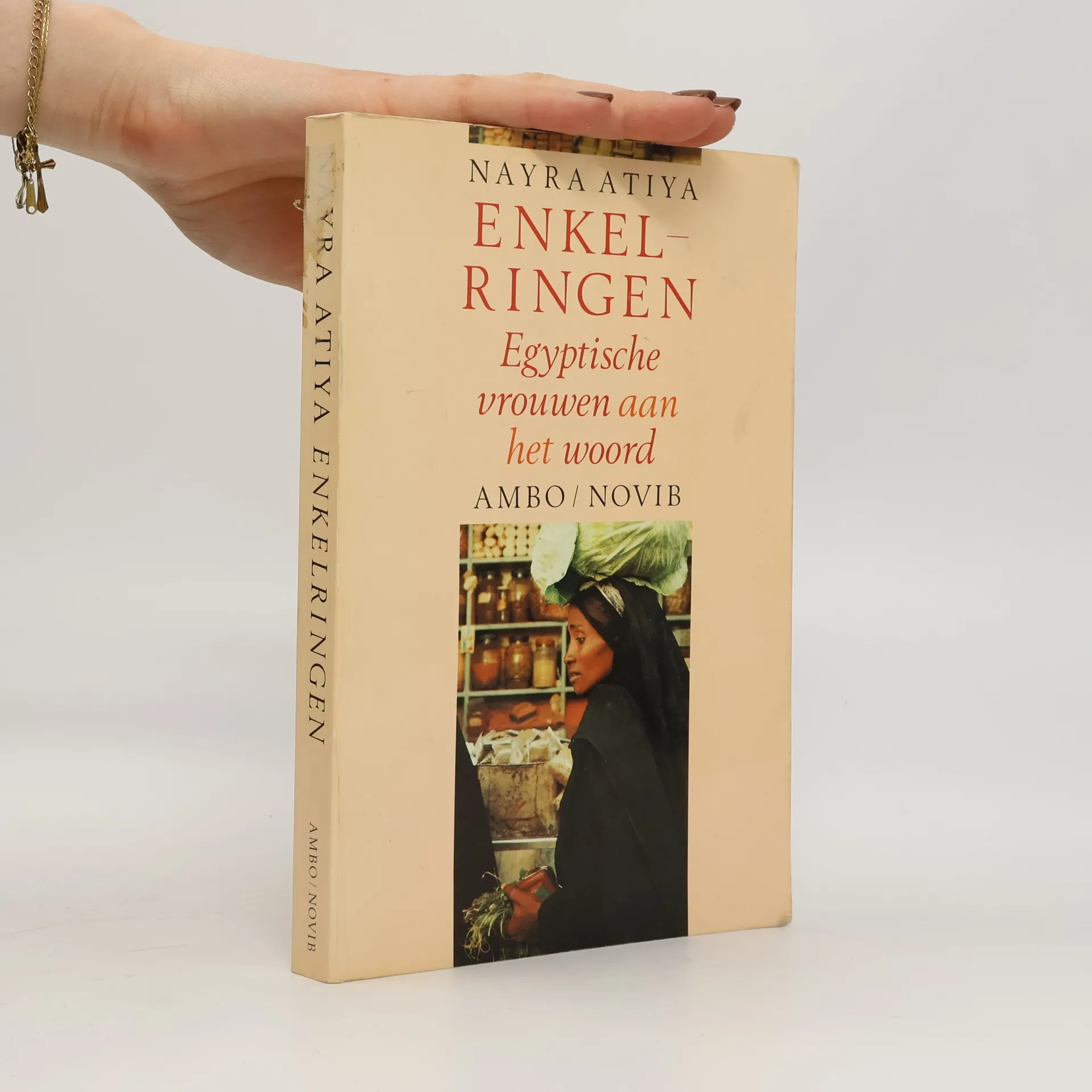
Enkelringen
Egyptische vrouwen aan het woord
Vijf vrouwen uit Caïro delen hun ervaringen over de zorgen en vreugden van hun leven. Een vrouw beschrijft hoe haar man haar nooit heeft gedwongen om te werken, uit oprechte bezorgdheid voor haar welzijn. Ze gelooft dat een man die goed voor zijn vrouw zorgt, haar niet toestaat om alleen uit te gaan, omdat dat als een schande wordt beschouwd. Een andere vrouw stelt dat een beroep voor een vrouw niet alleen financiële onafhankelijkheid betekent, maar ook een stem in belangrijke zaken. Ze waarschuwt dat als een man de enige steun is, dit de geest van de vrouw kan breken, waardoor ze een slavin wordt. Een derde vrouw reflecteert op het huwelijk met blanke mensen, en hoe ze liever met iemand van haar eigen soort zou trouwen, omwille van de schaarste aan geschikte partners. Een andere vrouw vertelt over de traditionele overtuiging dat besnijdenis noodzakelijk is om meisjes te beheersen, zodat ze niet te veel van hun echtgenoten vragen. Tot slot beschrijft een vrouw de pijn van een eerste vrouw die geen kinderen krijgt en de wraakgevoelens die ontstaan als haar man opnieuw trouwt. Deze verhalen onthullen de complexe dynamiek van vrouwelijkheid en relaties in hun cultuur.