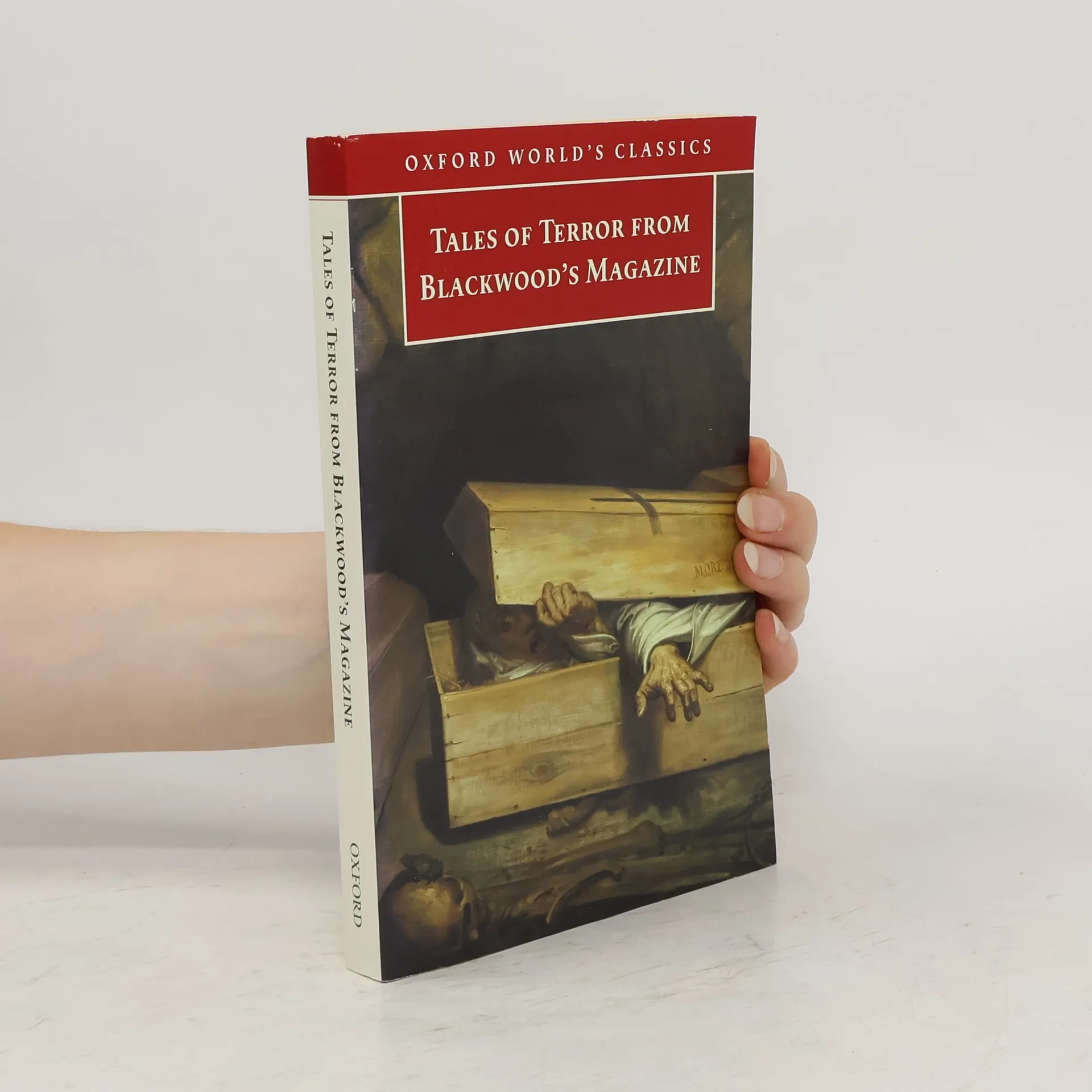
The tales of terror and hysteria published in the heyday (1817-32) of "Blackwood's Edinburgh Magazine" became a literary legend in the 19th century. This edition selects some of the best and most representative tales from the magazine's first 15 years including work by Walter Scott and John Galt
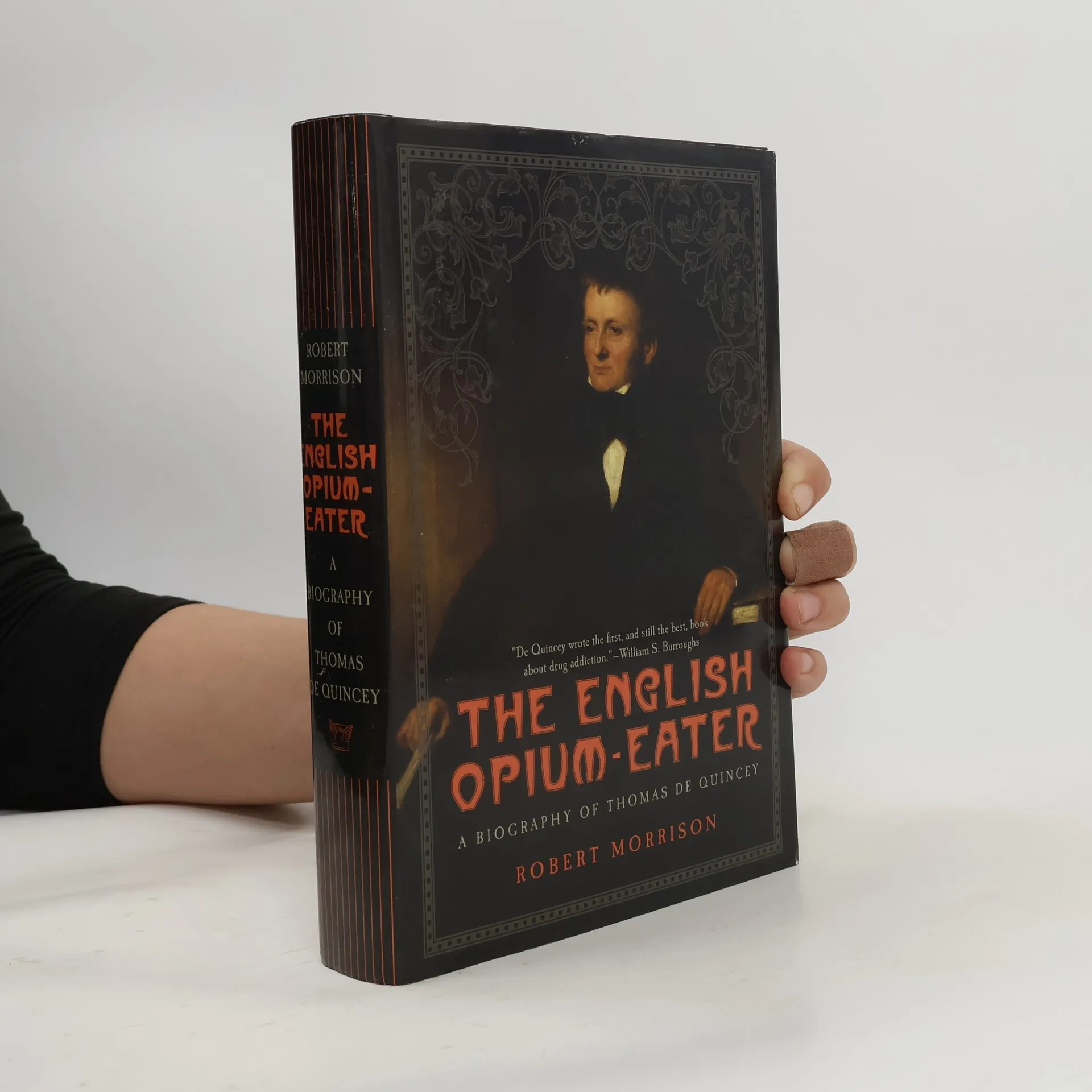
Author of the famed and scandalous Confessions of an English Opium-Eater , Thomas De Quincey (1785-1859) has long lacked a full-fledged biography. His friendships with leading poets and men of letters in the Romantic and Victorian periods—including William Wordsworth, Samuel Taylor Coleridge and Thomas Carlyle—have long placed him at the center of nineteenth century literary studies. He was a man who engaged with nearly every facet of literary culture, including the roles played by publishers, booksellers, and journalists in literary production, dissemination and evaluation. His writing was a tremendous influence on Edgar Allan Poe, Charles Dickens, and William Burroughs. De Quincey is a fascinating (and topical) figure for other reasons, too: a self-mythologizing autobiographer whose attitudes to drug-induced creativity and addiction strike highly resonant chords for a contemporary readership. Robert Morrison’s biography passionately argues for the critical importance and enduring value of this neglected icon of English literature.
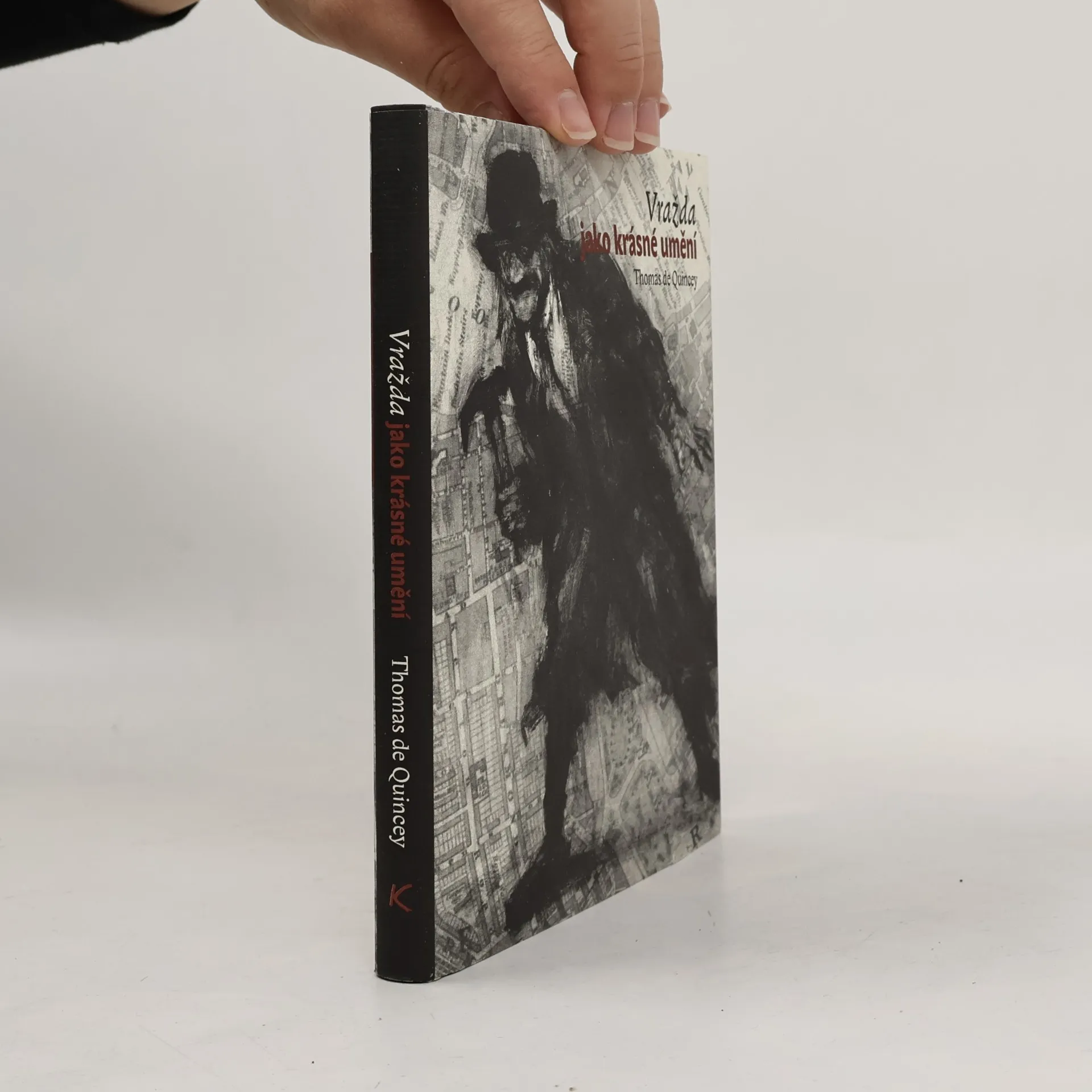
Pokud odhlédneme od morální stránky, můžeme na vraždu nahlížet z estetického
hlediska jako na umělecký akt. Jak zločinec ve svém díle navázal na dosavadní
tradici? V čem byl jeho výkon inovativní? Využil dostatečně potenciál
vražedných nástrojů? Jak pracoval s kompozicí? Vražda jako krásné umění
Thomase de Quinceyho je dílo morbidní a černohumorně zábavné. Ve formě
stylizovaných přednášek v gentlemanském klubu popisuje několik děsivých
zločinů, současně však s ironií pojmenovává sklony moderní společnosti vyžívat
se v násilí. V až brutálně konkrétní příběhové části de Quincey líčí příběh
Johna Williamse, jehož případ (dvě vyvražděné domácnosti za noc) představuje
jistý prototyp geniálního vraha. Zároveň však danou epizodu vypravěč podává
jako hororové drama, jež staví zabijáka do zcela jiného světla. Vražda jako
krásné umění pro svůj jedinečný styl a humor dodnes zůstala jedním z
nejoblíbenějších de Quinceyho esejů.