

Merve Emre je docentkou angličtiny na Oxfordské univerzitě, kde se její práce zaměřuje na literární kritiku a teorii. Její psaní se zabývá otázkami čtenářství a literární produkce, zejména ve vztahu k dobovým společenským a kulturním posunům. Emre se ve své esejiistice a kritice snaží prozkoumat způsoby, jakými jsou literární hodnoty vytvářeny a jak ovlivňují naše chápání literatury. Její přístup je analytický a pronikavý, často zkoumá méně tradiční aspekty literární historie a kultury.
In the late nineteenth and early twentieth centuries, radical women's
movements and the avant-gardes were often in contact with one another. Jill
Richards argues that these movements were deeply interconnected. Rather than
focus on the demand for the vote, The Fury Archives turns to the daily
practices and social worlds of feminist action.
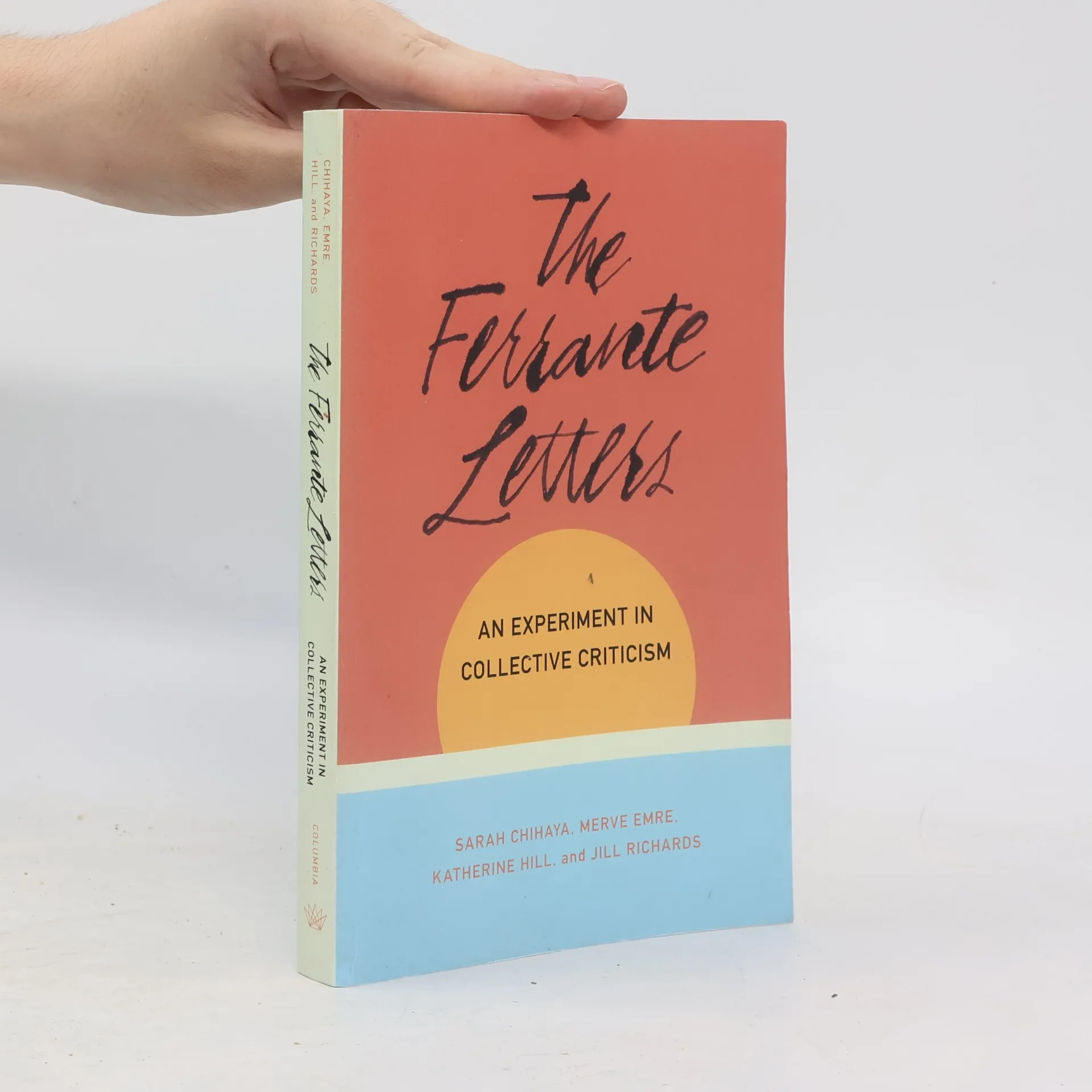
In The Ferrante Letters, four critics create a series of epistolary readings
of the Neapolitan Quartet that also develops new ways of reading and thinking
together. In a series of intertwined, original, and daring readings of Elena
Ferrante's work and her fictional world, they strike a tone that falls between
the seminar and the book club.
Literature departments are staffed by, and tend to be focused on turning out, "good" readers--attentive to nuance, aware of history, interested in literary texts as self-contained works. But the vast majority of readers are, to use the author's tongue-in-cheek term, "bad" readers. They read fiction and poetry to be moved, distracted, instructed, improved, engaged as citizens. The author of this book argues that we should think of such readers not as non-literary but as paraliterary--thriving outside the institutions we take as central to the literary world. She traces this phenomenon to the postwar period, when literature played a key role in the rise of American power. At the same time as American universities were producing good readers by the hundreds, many more thousands of bad readers were learning elsewhere to be disciplined public communicators, whether in diplomatic and ambassadorial missions, private and public cultural exchange programs, multinational corporations, or global activist groups. As we grapple with literature's diminished role in the public sphere, she suggests a new way to think about literature, its audience, and its potential, one that looks at the civic institutions that have long engaged readers ignored by the academy.
"Virginia Woolf's groundbreaking novel, in a lushly illustrated hardcover edition with illuminating commentary from a brilliant young Oxford scholar and critic. "Mrs. Dalloway said she would buy the flowers herself." So begins Virginia Woolf's much-beloved fourth novel. First published in 1925, Mrs. Dalloway has long been considered Woolf's masterpiece. A pivotal work of literary modernism, its simple plot-centered on an upper-class Londoner preparing to give a party-is complicated by Woolf's satire of the English social system. For decades, Woolf's rapturous style and vision of individual consciousness have challenged and inspired readers, novelists, and scholars alike. In this annotated volume based on the original British edition, acclaimed essayist and Oxford don Merve Emre mines Woolf's diaries and notes on writing to take us into the making of Mrs. Dalloway, revealing the novel's artistry and astonishing originality. Alongside her generous commentary, Emre offers hundreds of illustrations and little-known photographs from Woolf's life. The result is not only an essential volume for students and Woolf devotees, but an incomparable gift to all lovers of literature"-- Provided by publisher