


Bryan Caplan je profesor ekonomie, který se zaměřuje na témata veřejné ekonomie a kriticky zkoumá předpoklady racionálních voličů. Svou prací zpochybňuje tradiční modely veřejné volby a navrhuje vlastní koncept „racionální iracionality“. Věnuje se také analýze komunismu a jeho historických dopadů a zkoumá filozofické aspekty libertarianismu a volného trhu.
Tato kniha přináší alternativní teorii, proč a jak demokracie selhávají. Její ústřední myšlenkou je, že voliči nejsou pouze neznalí, nýbrž jsou – doslova – iracionální, což se bezprostředně promítá i do výsledků kolektivního rozhodování. Ekonomové a kognitivní psychologové zpravidla vycházejí z toho, že každý člověk „zpracovává informace“, jak nejlépe je schopen. Jak nám však ukazuje zdravý rozum, lidský úsudek silně ovládají i emoce a ideologie, a nikoliv jen strohá fakta a jejich „zpracovávání“.
Unikátní ekonomický komiks o přínosu otevřených hranic a ekonomické migrace obyvatel Země, jehož autorem je Bryan Caplan, jeden z nejpopulárnějších ekonomů současnosti a autor bestsellerů Mýtus racionálního voliče, Selfish Reasons to Have More Kids a The Case Against Education. Spojil se v něm se Zachem Weinersmithem, ilustrátorem oblíbeného…
American policy-makers have long been locked in a heated battle over whether, how many, and what kind of immigrants to allow to live and work in the country. Those in favor of welcoming more immigrants often cite humanitarian reasons, while those in favor of more restrictive laws argue the need to protect native citizens. But economist Bryan Caplan adds a new, compelling perspective to the immigration debate: He argues that opening all borders could eliminate absolute poverty worldwide and usher in a booming worldwide economy—undeniably benefiting all of humanity. With a clear and conversational tone, exhaustive research, and vibrant illustrations by Zach Weinersmith, Open Borders makes the case for unrestricted immigration easy to follow and hard to deny.
The greatest obstacle to sound economic policy is not entrenched special
interests or rampant lobbying, but the popular misconceptions, irrational
beliefs, and personal biases held by ordinary voters. This title looks at how
people who vote under the influence of false beliefs ultimately end up with
government that delivers lousy results.
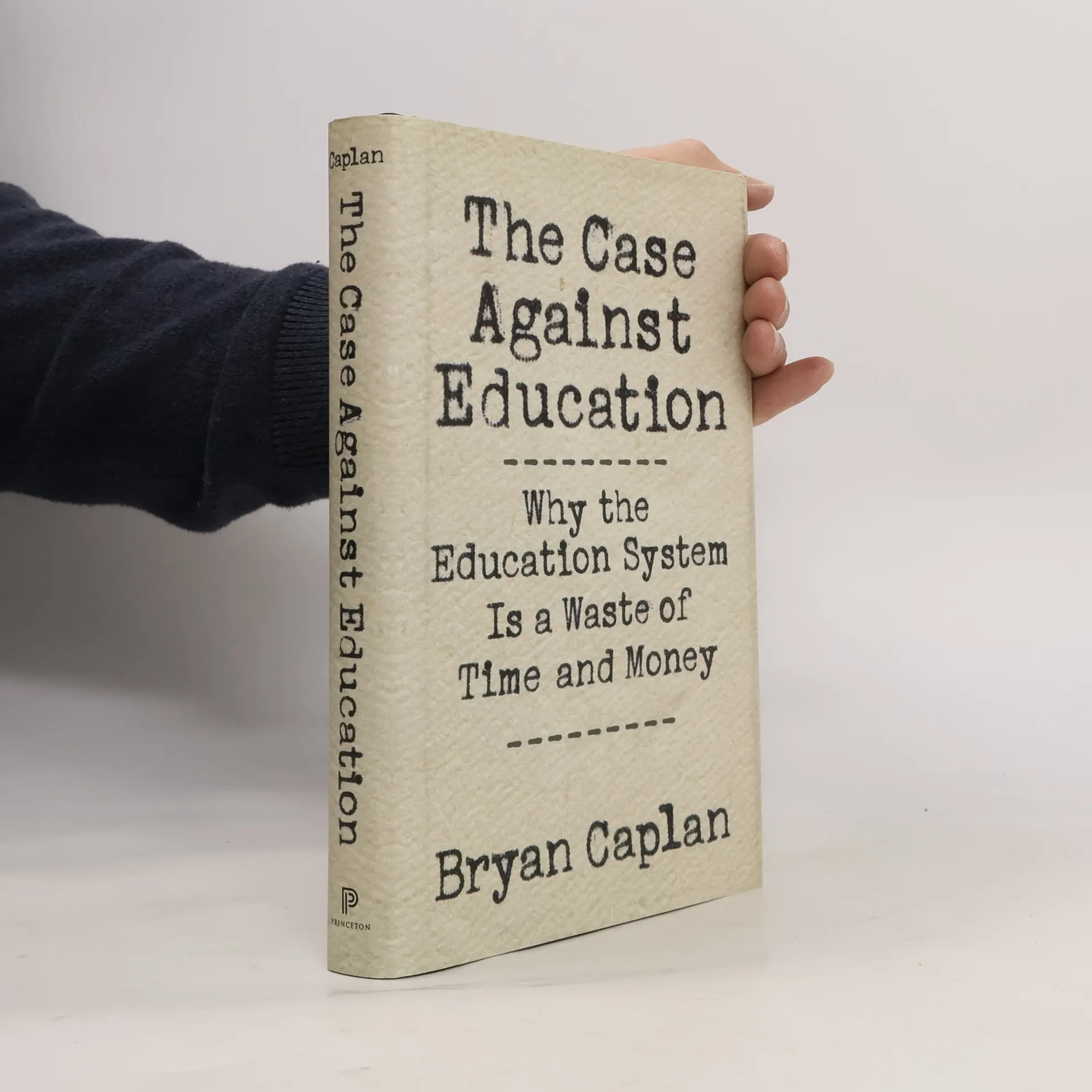
Education, while immensely popular and lucrative, is grossly overrated. In this provocative exploration, Bryan Caplan argues that its main role is not to enhance skills but to certify intelligence, work ethic, and conformity—essentially signaling the traits of a good employee. He examines why students seek easy grades and forget much of what they learn, how increased access to education has not improved job prospects for the average worker but led to credential inflation, and why employers often reward costly schooling that is rarely utilized. Caplan highlights that the labor market values grades over knowledge and explains how the need to impress employers grows as competitors gain more education. He identifies graduation as a key conformity signal and notes that even the least useful degrees can signify employability. He proposes two major policy responses: first, educational austerity, advocating for significant cuts in education funding to address this wasteful competition; second, promoting vocational education, as practical skills hold greater social value than merely teaching students to outperform peers. Caplan urges a shift from romanticized views of education to a focus on research and common sense, offering a critical perspective on the current educational landscape.
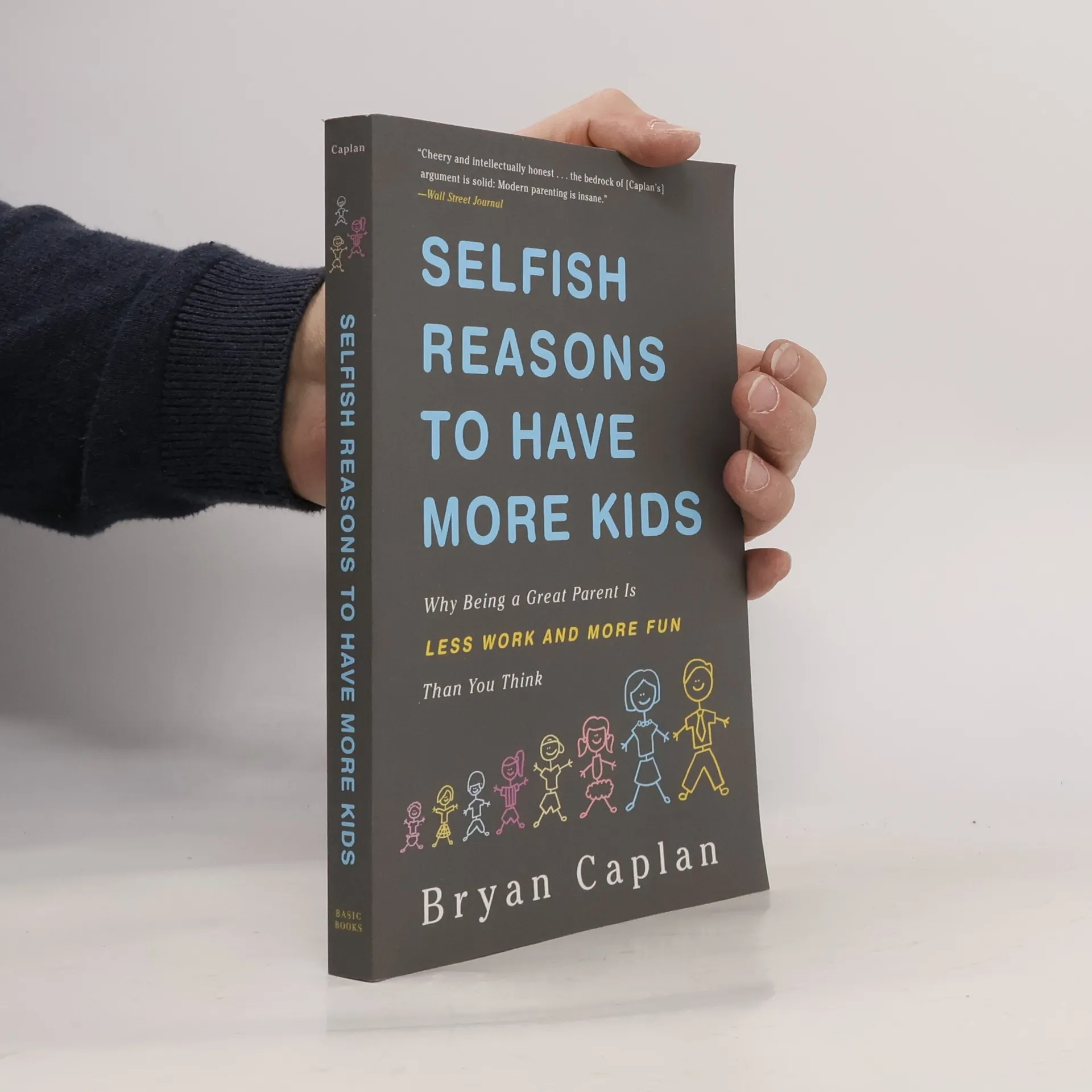
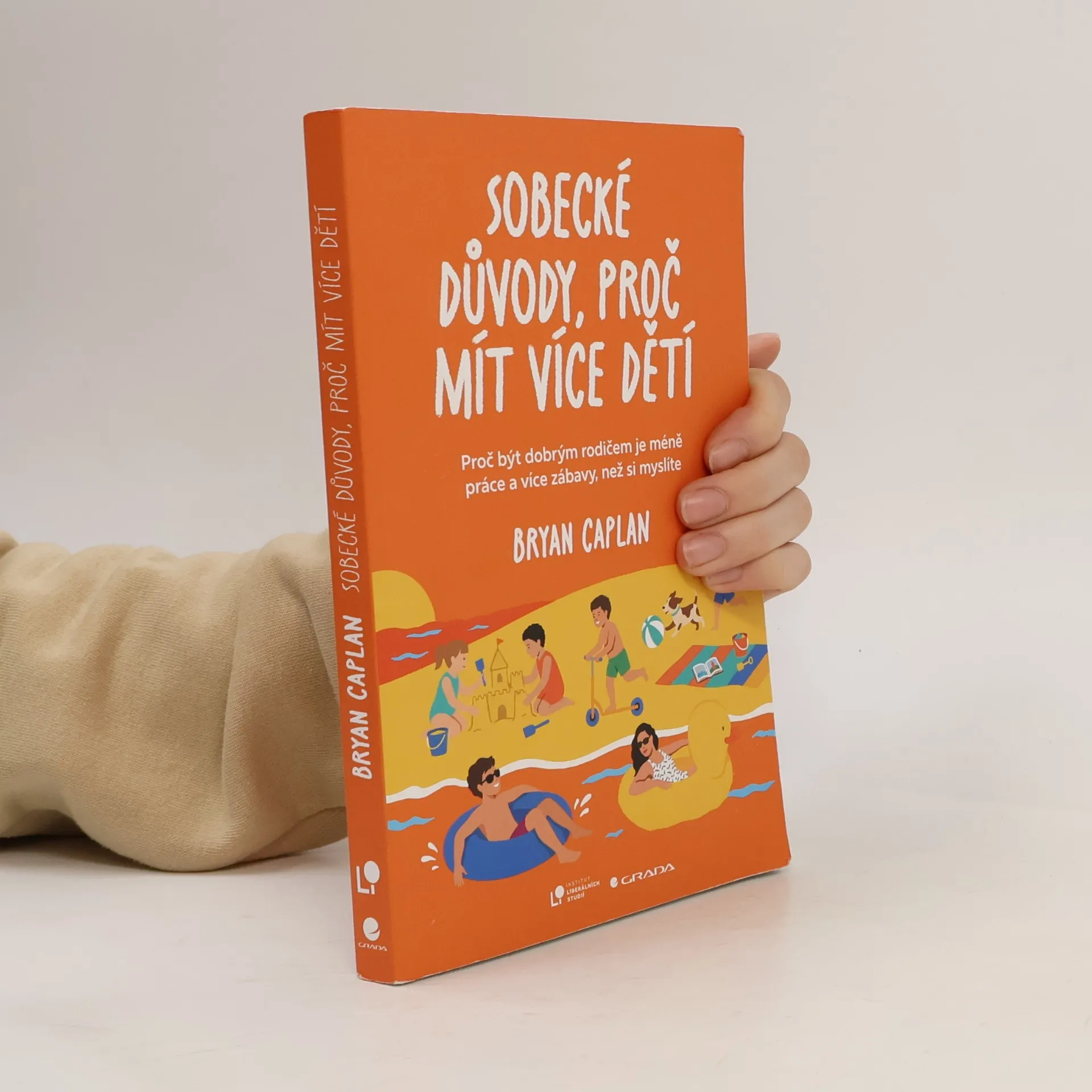
We've needlessly turned parenting into an unpleasant chore. Parents invest more time and money in their kids than ever, but the shocking lesson of twin and adoption research is that upbringing is much less important than genetics in the long run. These revelations have surprising implications for how we parent and how we spend time with our kids. The big lesson: Mold your kids less and enjoy your life more. Your kids will still turn out fine. Selfish Reasons to Have More Kids is a book of practical big ideas. How can parents be happier? What can they change--and what do they need to just accept? Which of their worries can parents safely forget? Above all, what is the right number of kids for you to have? You'll never see kids or parenthood the same way again.
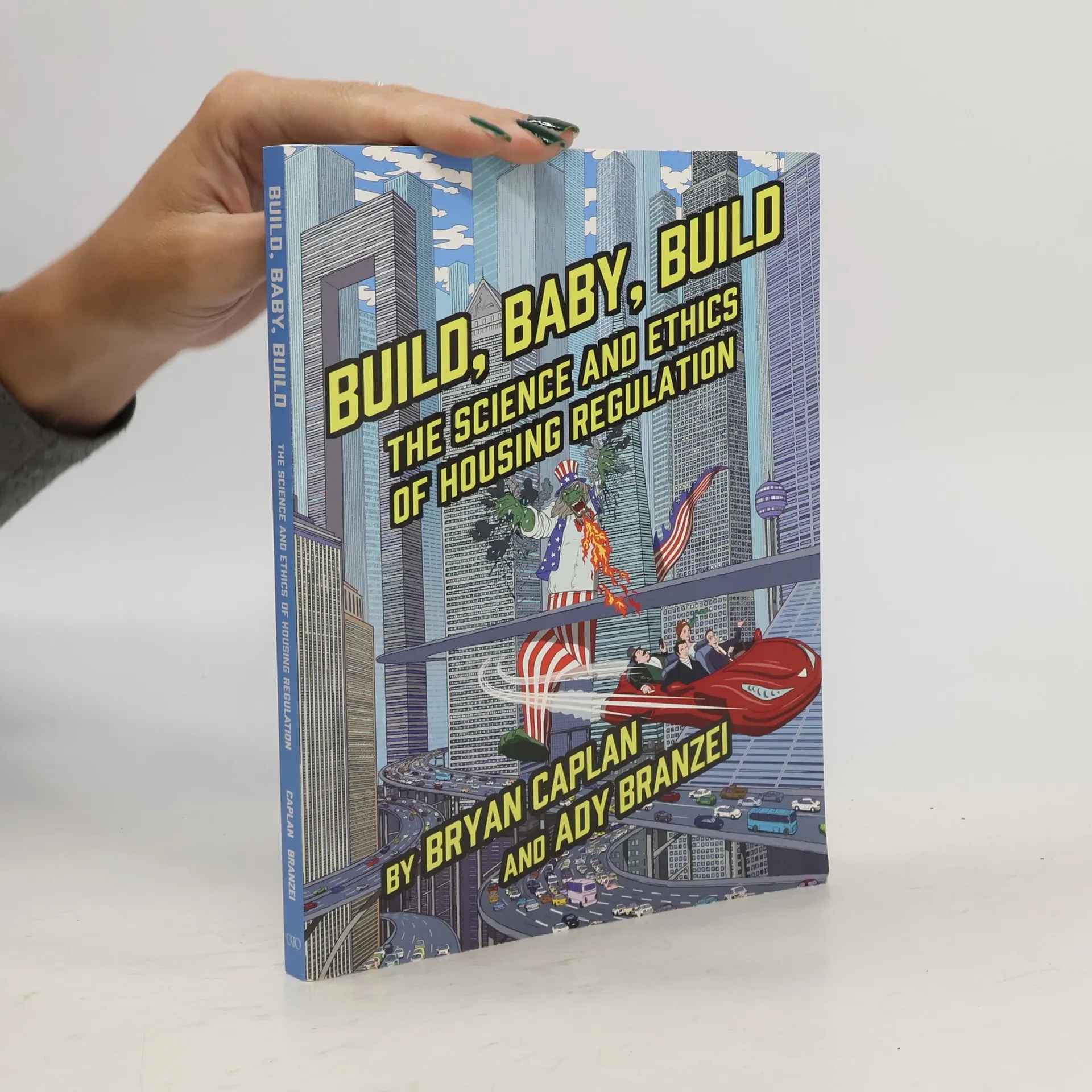
Exploring the impact of housing regulations, Bryan Caplan argues for radical deregulation to alleviate high housing prices in desirable areas. He contends that restrictive policies are the root cause of low supply, and that freeing property owners to build more could halve housing costs. The book outlines potential benefits such as reduced inequality, enhanced social mobility, economic growth, and environmental improvements. Combining engaging graphics with thorough research, it critiques current housing policies and advocates for transformative change in the housing market.
W dyskusjach politycznych regularnie pojawia się – i zawsze rozbudza emocje –
kwestia imigracji: ilu i jakiego rodzaju imigrantom pozwalać na życie i pracę
na terenie naszego kraju? Zwolennicy imigracji zazwyczaj przywołują argumenty
humanitarne; jej przeciwnicy zwracają uwagę na konieczność dbania o interes i
kulturę rodzimych obywateli. Tymczasem ekonomista Bryan Caplan ukazuje
zagadnienie imigracji w zupełnie nowym świetle. Jak przekonuje, otwarcie
granic mogłoby zakończyć koszmar absolutnego ubóstwa na całym globie, a
jednocześnie podwoić światową produktywność – na czym ogromnie skorzystałaby
cała ludzkość. Caplan posługuje się przystępnym językiem i prowadzi swój wywód
w trybie luźnej rozmowy z Czytelnikiem, przeplatając omówienia publikacji
naukowych z wyrafinowanym humorem. Całość przedstawiona jest w formie komiksu
z fascynującymi ilustracjami słynnego rysownika Zacha Weinersmitha. „Otwarte
granice. Co nauka i etyka mówią nam o imigracji” to książka pełna argumentów,
które łatwo zrozumieć, a trudno odeprzeć!