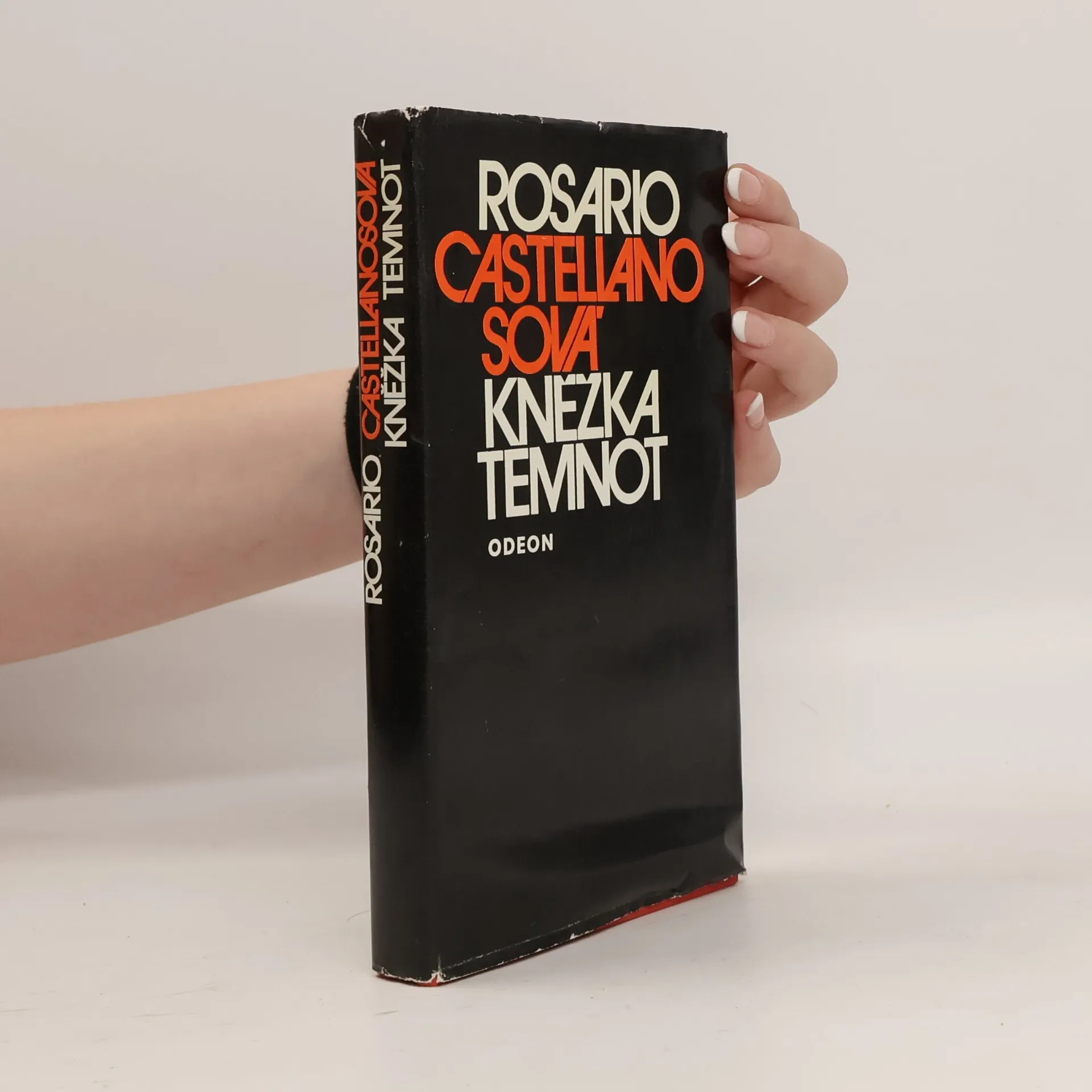
Román mexické autorky vypráví o dramatickém osudu prosté indiánky, která obnovila kult dávných bohů a podnítila svůj kmen ke vzpouře proti rančerům. Na tomto dějovém základě odhaluje autorka způsob života i mentalitu původních obyvatel Ameriky, kteří byli v 20. stol. vypuzeni na okraj společnosti a kterým byl přisouzen určitý způsob života, s nímž se však nemohou smířit. Kniha nenásilně ukazuje, jak složité jsou sociálně rasové problémy Latinské Ameriky a jak jejich nedořešenost zůstává v některých zemích (Mexiku) brzdou pokroku a celkové prosperity.
Rosario Castellanos Figueroa Knihy
25. květen 1925 – 7. srpen 1974
Rosario Castellanos byla jednou z nejvýznamnějších mexických literárních osobností minulého století. Její dílo se s hlubokým porozuměním věnuje tématům kulturního a genderového útlaku. Prostřednictvím poezie, esejů a románů, které často čerpaly z jejího vlastního života a postavení domorodých obyvatel, otevřela cestu mexické literatuře pro ženy. Její literární odkaz, proslulý svým feministickým náhledem a zkoumáním sociálních nerovností, rezonuje dodnes.


The Nine Guardians
- 312 stránek
- 11 hodin čtení
Set against the backdrop of Mexico's tumultuous history, the novel explores the interplay of magic and conflict among gods and humans. It delves into themes of rising Indian resentment, childhood jealousies, and ancient myths, including the intriguing figures of dzulúms and the Nine Guardians. The story captures the isolation and tension of a small, struggling landowning class as they desperately cling to their power. Irene Nicholson's translation brings Rosario Castellanos' powerful narrative to life, immersing readers in this rich cultural tapestry.
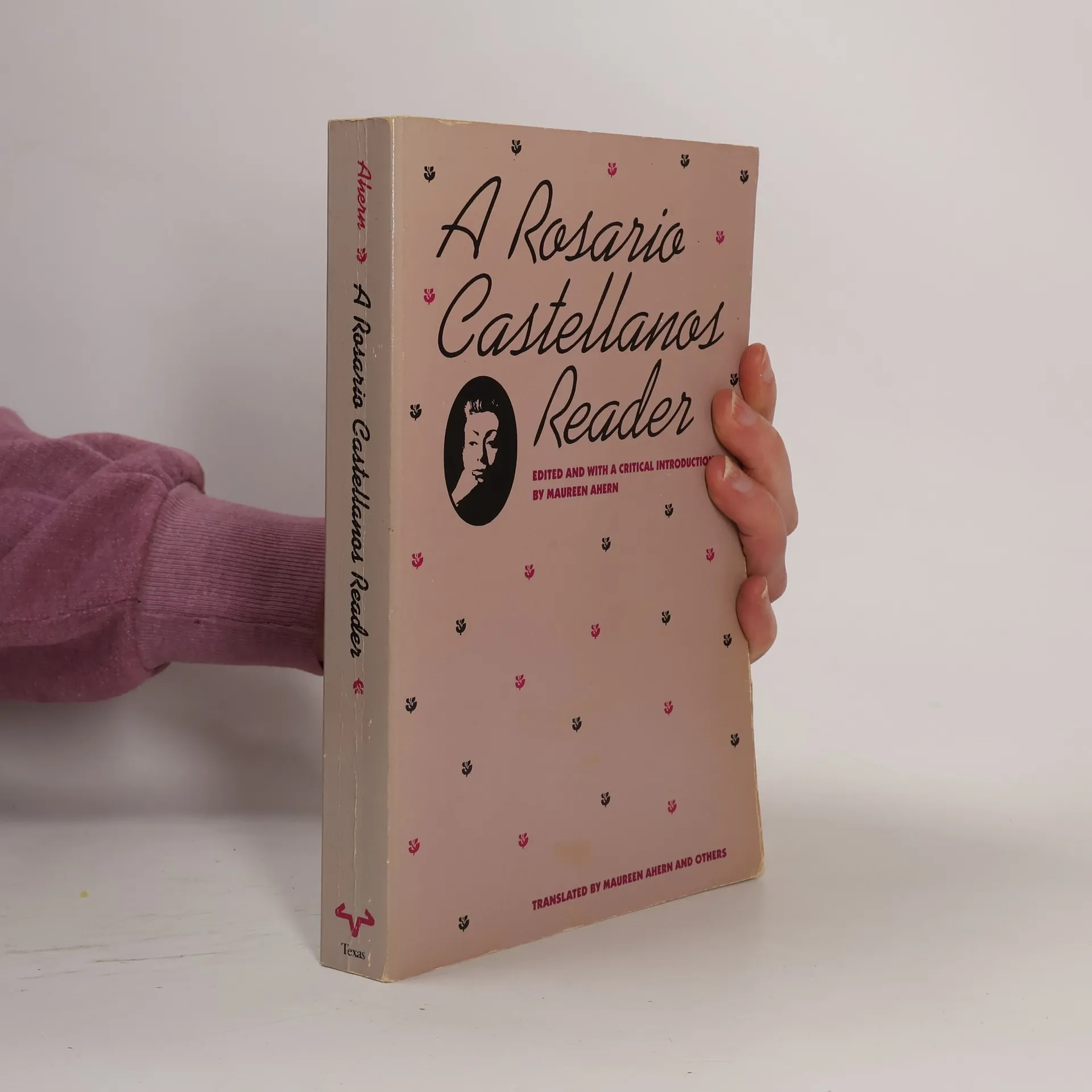
A Rosario Castellanos Reader
An Anthology of Her Poetry, Short Fiction, Essays, and Drama
- 400 stránek
- 14 hodin čtení
Thinker, writer, diplomat, feminist Rosario Castellanos was emerging as one of Mexico's major literary figures before her untimely death in 1974. This sampler of her work brings together her major poems, short fiction, essays, and a three-act play, The Eternal Feminine. Translated with fidelity to language and cultural nuance, many of these works appear here in English for the first time, allowing English-speaking readers to see the depth and range of Castellanos' work. In her introductory essay, "Reading Rosario Contexts, Voices, and Signs," Maureen Ahern presents the first comprehensive study of Castellanos' work as a sign or signifying system. This approach through contemporary semiotic theory unites literary criticism and translation as an integral semiotic process. Ahern reveals how Castellanos integrated women's images, bodies, voices, and texts to feminize her discourse and create a plurality of new signs/messages about women in Mexico. Describing this process in The Eternal Feminine, Castellanos observes, "...it's not good enough to imitate the models proposed for us that are answers to circumstances other than our own. It isn't even enough to discover who we are. We have to invent ourselves."
Das dunkle Lächeln der Catalina Diaz
- 408 stránek
- 15 hodin čtení
Im gebirgigen Hochland von Chiapas in Südmexiko scheint seit der Conquista die Zeit stehen geblieben zu sein: Noch immer gehört das Land mit seinen Kaffee- und Zuckerrohrplantagen den weißen Großgrundbesitzern, und noch immer leben die Chamula-Indios, die Nachfahren der Mayas, in Armut und Rechtlosigkeit. Trotzdem versuchen die Indios unter der Führung der Seherin Catalina den Aufstand gegen die reiche Familie Cifuentes – eine Rebellion, die selbst in ihrem Scheitern noch die dunkle Größe der alten, archaischen Kulturhandlungen wiederaufleben läßt. '. ein fesselnder Roman, der in die Welt voller Mythen und Magie führt.' Brigitte
Der Mythus des Staates
- 410 stránek
- 15 hodin čtení
Das Manuskript zu diesem Buch hat Ernst Cassirer 1945, kurz vor seinem Tode, in der Emigration in New York abgeschlossen - eine der raren hellsichtigen zeitgenössischen philosophischen Auseinandersetzungen mit den Quellen und Grundlagen des politischen Irrationalismus, vor dessen damals akuter, organisierter Gewalttätigkeit (auch) Cassirer 1933 aus Deutschland hatte fliehen müssen. Allerdings ist dieses Buch nicht vor allem eine Abrechnung mit dem NS-System, sondern eine souveräne Beobachtung der Entstellungen des politischen und sozialen Verhaltens durch suggestive Autoritätsbilder und symbolische Befriedungsstrategien, deren folgenschweren Ausdruck Cassirer, mit guten Gründen, in der Verabsolutierung der Staatsmacht erblickt.
Die Tugend der Frauen von Comitán
- 114 stránek
- 4 hodiny čtení
Album de familia
- 160 stránek
- 6 hodin čtení
En los cuatro relatos que conforman Álbum de familia, el lector no puede escapar a una prosa profunda e irónica al presenciar la lección de cocina de una recién casada, al participar en una reunión dominguera en que se plantean todo tipo de relaciones sexuales y sociales, al contemplar la ceguera de una madre a la anormalidad que ella misma propició en sus hijos y, por último, al asomarse a los mundos plagados de ira y envidia de ciertas damas intelectuales. Una extraordinaria galería de personajes femeninos narrados estupendamente por la gran poetisa, narradora, dramaturga y ensayista mexicana.