Samuel Beckett, irský avantgardní spisovatel, s nekompromisním pohledem na lidskou přirozenost zachycuje tragikomické aspekty života, často s černým humorem. Jeho tvorba, která se postupně zjednodušovala, se vyznačuje minimalistickým stylem. Beckettova díla jsou považována za klíčová pro „teatro absurdna“ a jeho vliv na moderní i postmoderní literaturu je nezměrný.
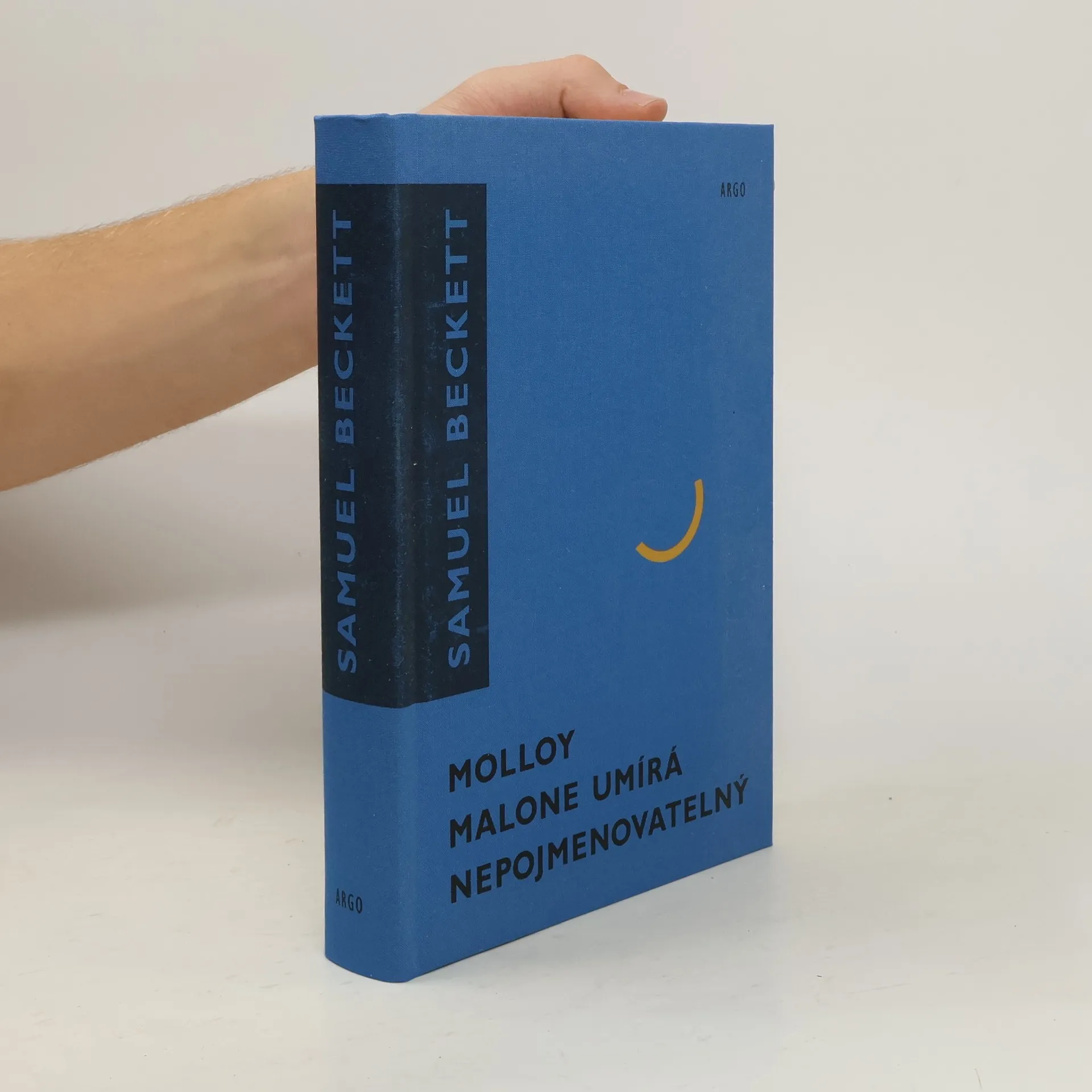
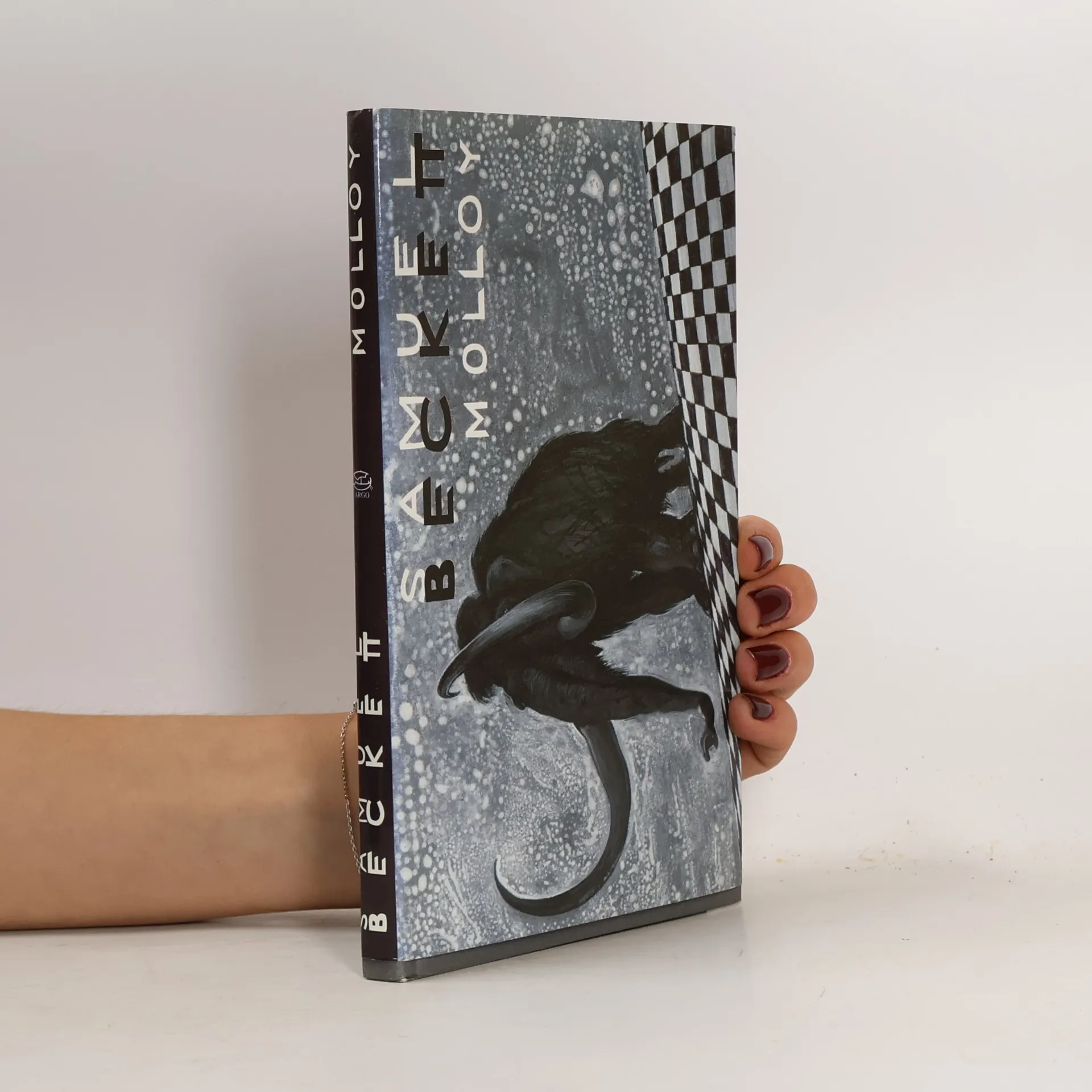
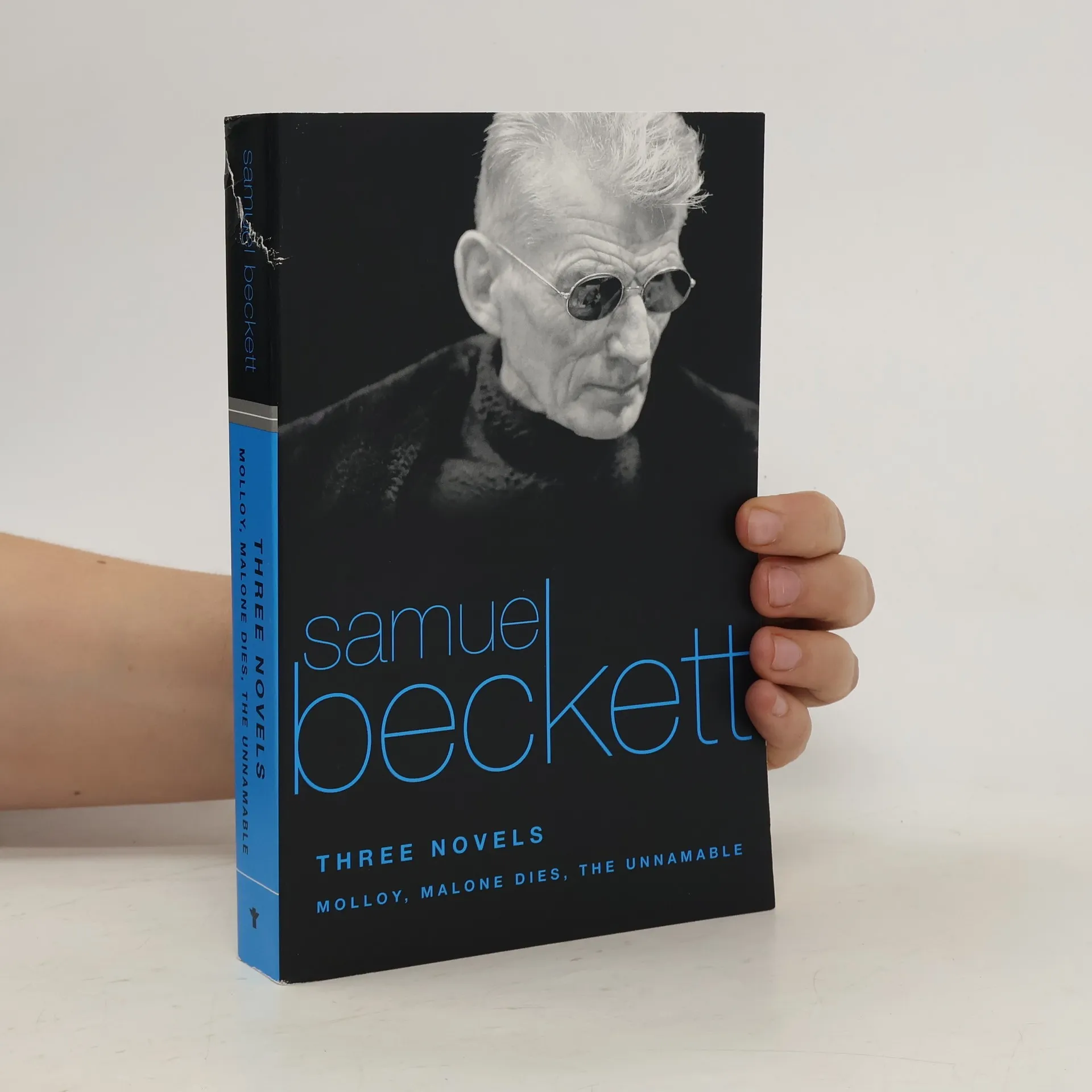
Trilogie autorových antirománů je poeticko-filozofickou úvahou o smyslu života. Trilogie Molloy, Malone umírá a Nepojmenovatelný má v Beckettově prozaickém díle stejně zásadní postavení jako Čekání na Godota či Konec hry v jeho díle určeném pro divadelní scénu. Radikální "antirománová" forma, spojená s rozpadem vypravěčského vědomí a stále vyhrocenější anonymitou, se jedinečným způsobem pojí se skeptickým a černým humorem. Nakladatelská anotace. Kráceno.
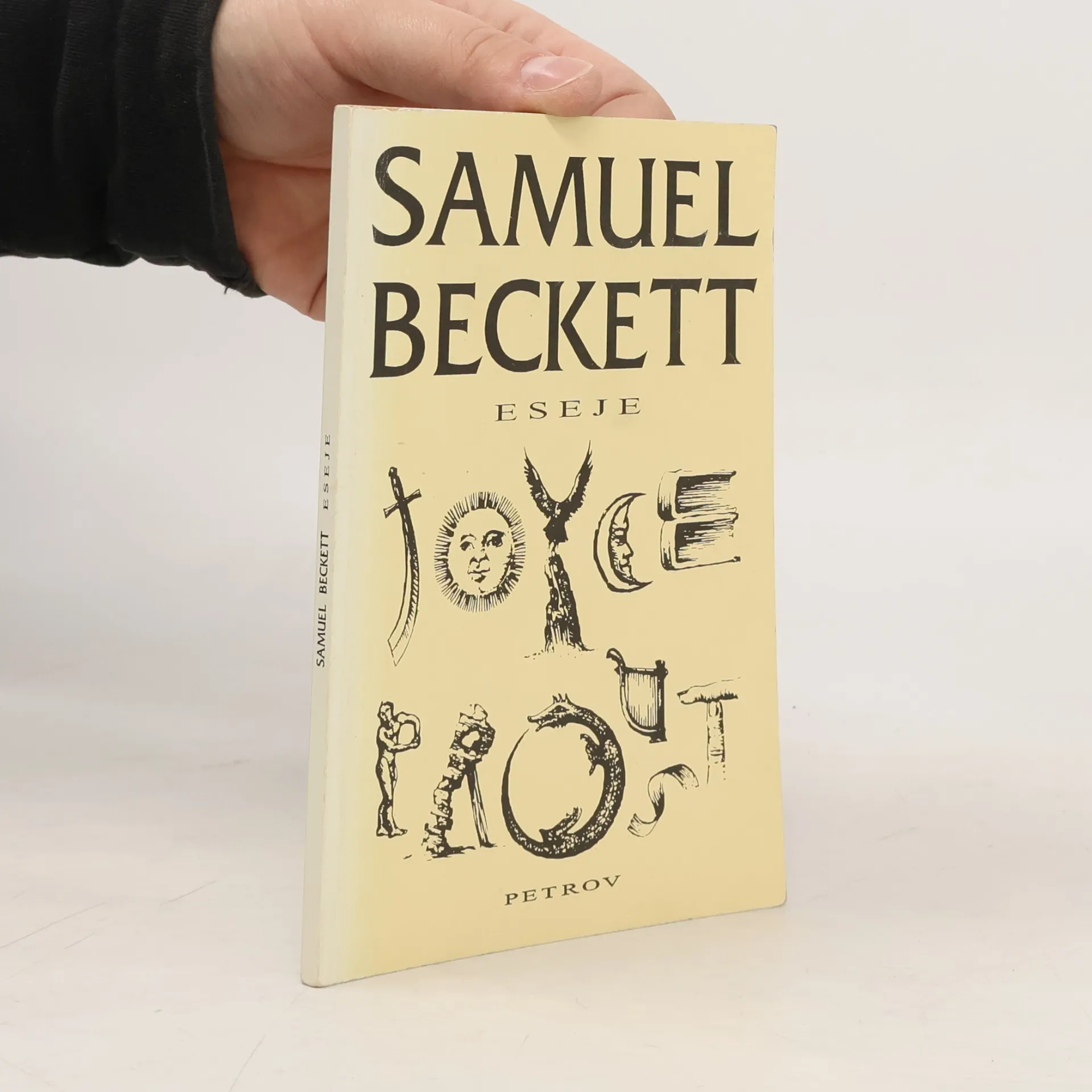
První esej je velmi zralou „kreativní vzpomínkou“ na studentská léta v Paříži, kde byl Beckett členem literárního kruhu seskupeného okolo Jamese Joyce. V té době průběžně vznikalo snad nejoriginálnější literární dílo tohoto století, nedokončené Joyceovo Work in Progress, kterému se Beckett ve svém eseji věnuje především.
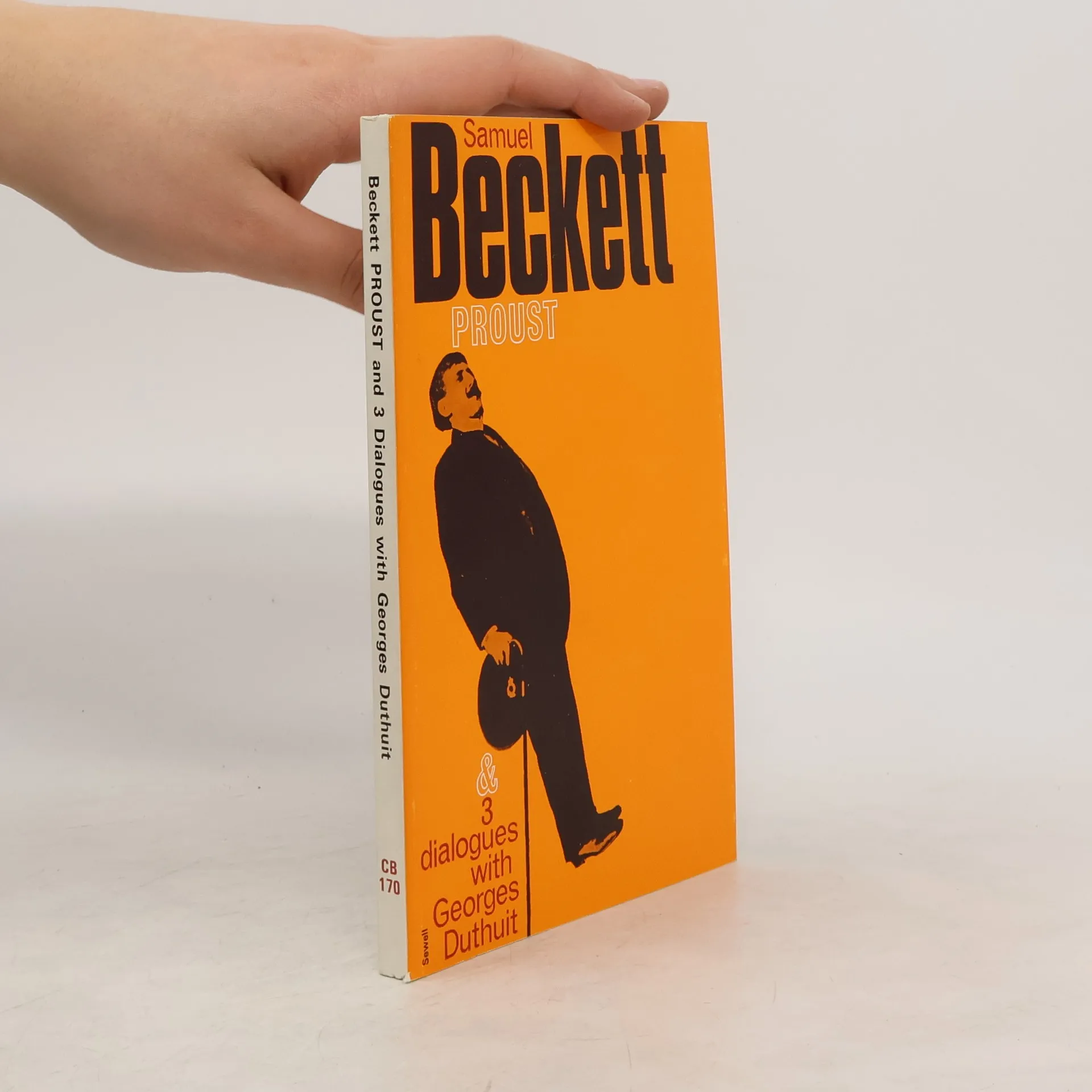
Esej o Proustovi vzniká o dva roky později, v roce1931, a je „mistrovskou lekcí literární interpretace“ z pera autora, jemuž nebylo v té době ještě pětadvacet let.
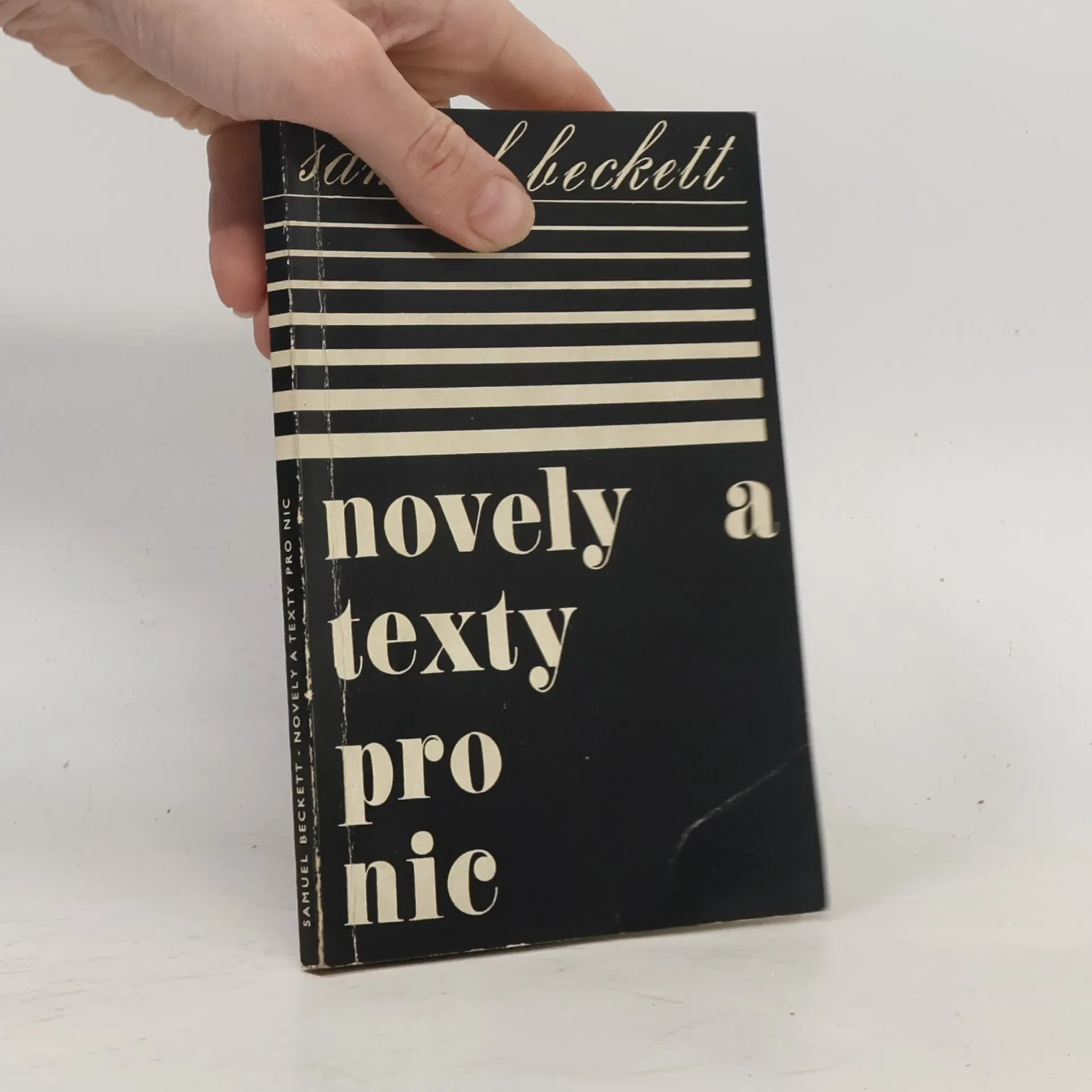
Kniha povídek francouzsky píšícího autora irského původu (známého svými dramaty "Čekání na Godota" a "Konec hry"). Fantastická vyprávění s filozofickými podtexty, jejichž problematika má blízko k otázkám kladeným existencialismem a jež stavbou, charakterem a pojetím organicky navazují naonu tradici literatury dvacátého století, představovanou jmény Kafka a Joyce.
Třetí část netradiční trilogie tzv. antirománů od jedné z největších literárních postav 20. století, která není jen základním dílem absurdní a experimentální prózy a samotným vrcholem Beckettovy tvorby, ale je naprosto originálním dílem svébytného myšlenkového a jazykového génia. Postupné mrzačení duševní, vyjádřené u Becketta symbolicky omezením tělesným po první části Molloy a druhé části Malone umírá v pomyslném třetím díle Nepojmenovatelný (z roku 1953) graduje: hlavní postava, či lépe řečeno mluvčí knihy je nejen bez jména, ale také bez ruky a nohy a později zcela bez údů a jeho trup vězí až po krk v jakési nádobě. V této knize nejvíc z celé trilogie využívá pro vyjádření daného obsahu zvláštní jazykové formy, aby už sám jazyk vyjadřoval to, co má být knihou řečeno.
Těžko dešifrovatelný text je vyprávěním o osamělém zmrzačeném muži, který vzpomíná na své dětství. Postava hlavního hrdiny se v románě objevuje dvakrát; osamělý mrzák a proti němu muž, putující kamsi se svým malým synem.
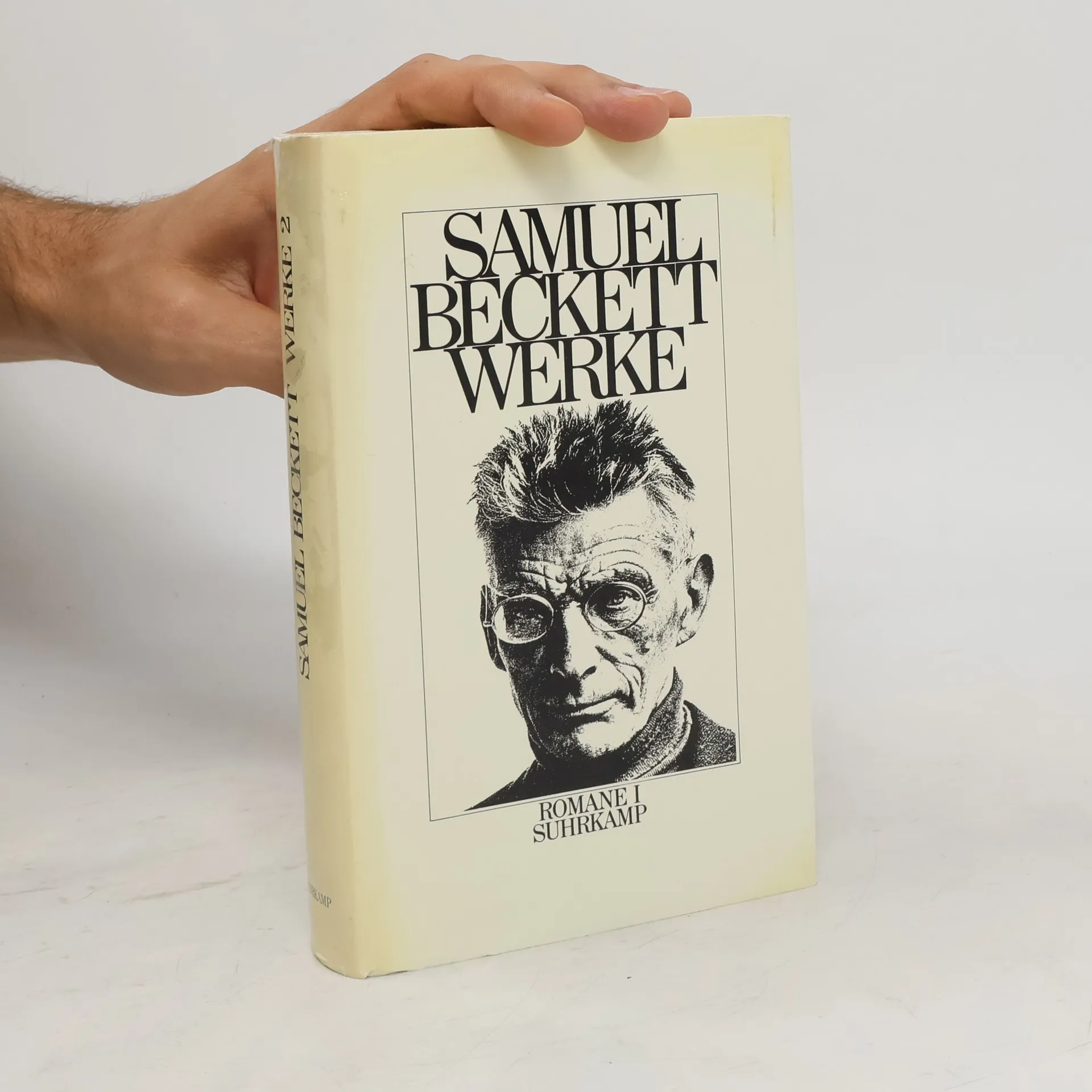
Poslední zcela zásadní dílo Samuela Becketta, které se dosud neobjevilo v českém překladu. Tso je druhý Beckettův román (po Murphym), který byl napsán na konci války, ale vyšel v angličtině poprvé v Paříži roku 1953. Podobně jako Murphy je mnohavrstevným portrétem člověka, který sám je ztělesněním mnoha myšlenek a názorů, vyjadřujícím svébytnou filozofii o lidských možnostech v moderní době, ale zároveň je naprosto skvělým dílem humoristickým. Tso patří k Beckettovým nejčtivějším a nejopěvovanějším románům.
Dva přátelé tuláci Estragon a Vladimír se sejdou na mýtině, kde čekají na Godota, který jim má něco důležitého sdělit. Nevědí ale dokonce, jestli opravdu mají čekat zde, v jakou hodinu, prostě nic. Jak tak čekají, krátí si dlouhou chvíli povídáním o hloupostech, přením se o to, zda-li ještě půjdou dále spolu, i nahlížením do bot a klobouků, aby v nich nezjistili nic. V jejich stereotypním chování, za nímž můžeme vidět klidně mnohé další dny, jenž pobíhaly stejně, je vyruší příchod bohatého Pozza a jeho otroka Luckyho...
Postapokalyptický obraz dožívání posledních existujících lidí v pustině zdevastovaného světa. Co lidského má ještě hodnotu, co má smysl udržovat, když prožíváme poslední dny lidstva bez naděje na budoucnost? Jsme skutečně i na konci bez naděje?
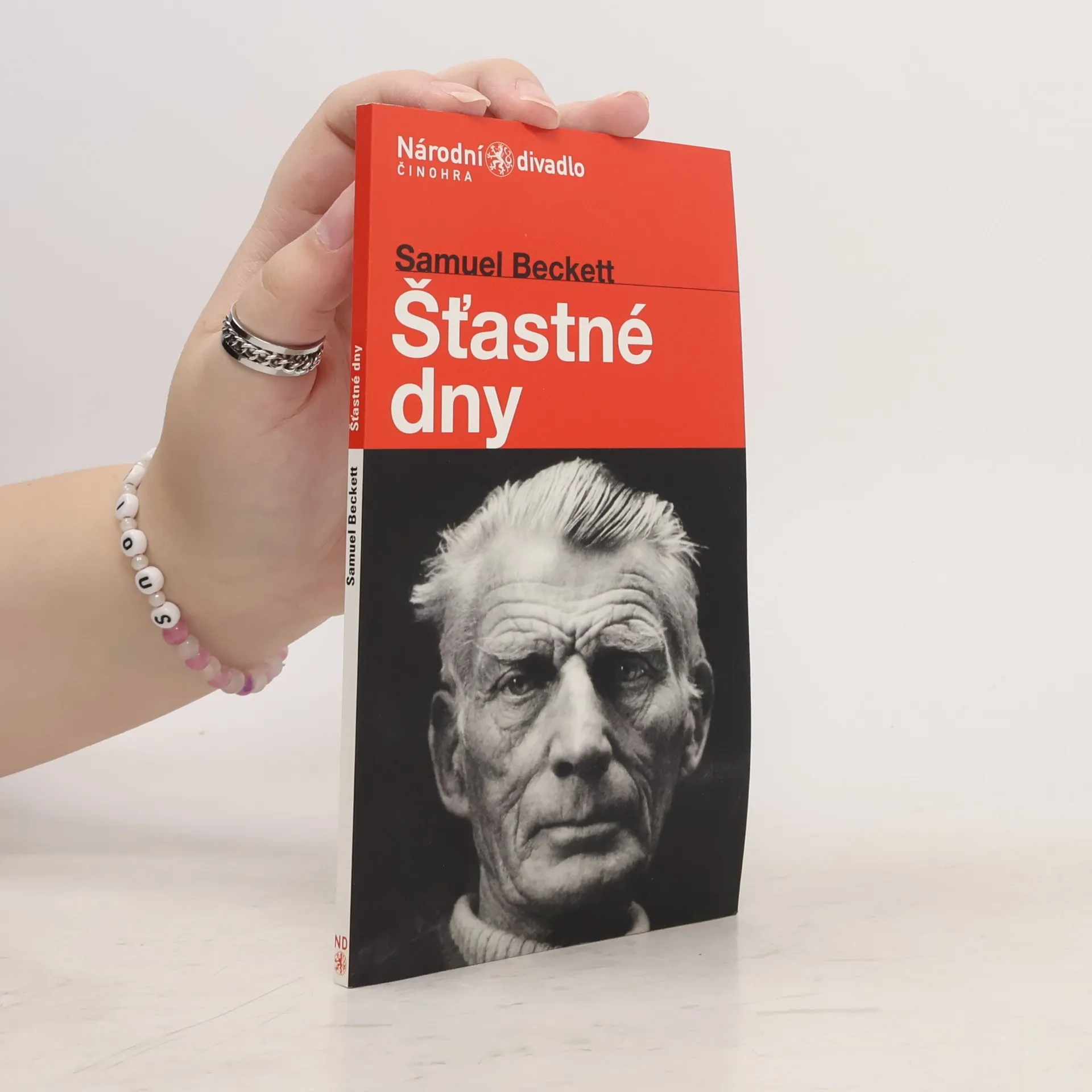
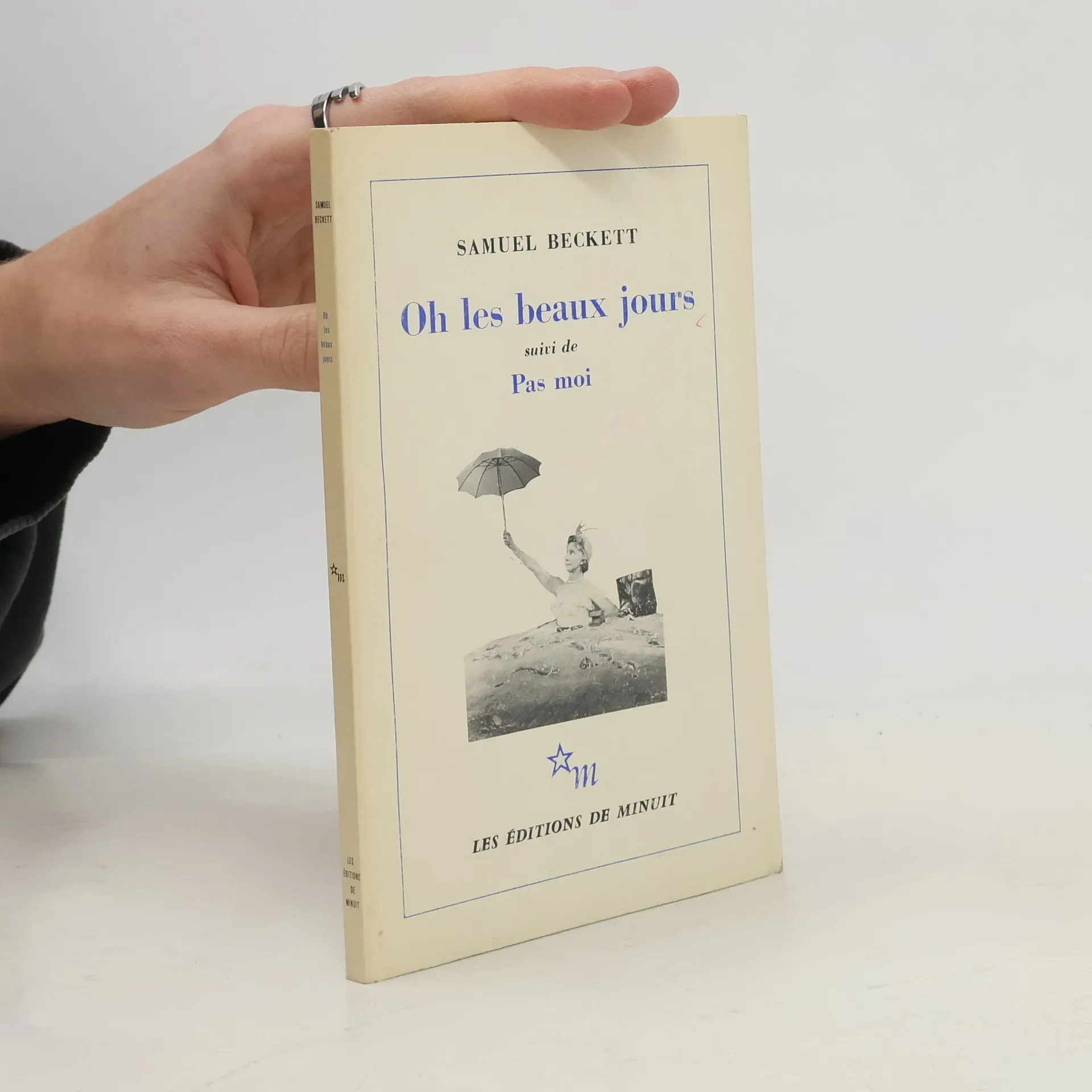
V Šťastných dnech Samuel Beckett pokračuje ve svém neúnavném hledání smyslu existence, zkoumá křehké vztahy, které spojují jednotlivce navzájem a každého s vesmírem, s časem minulým a přítomným. Tato hra, zbavená veškerého nadbytečného, nabízí pouze dva postavy: Winnu, ženu kolem padesátky, a Williho, muže kolem šedesátky. V prvním jednání je Winna pohřbena až po pas v hromadě země, ale stále má k dispozici ruce a několik majetků – zubní kartáček, tubu zubní pasty, malé zrcátko, revolver, kapesník, brýle; ve druhém jednání je pohřbena až po krk a může pohybovat pouze očima. Willie žije a pohybuje se – po čtyřech – za hromadou, objevuje se sporadicky a občas odpovídá na Winnin dlouhý monolog, ale vědomí jeho přítomnosti je pro ni zdrojem útěchy a inspirace, a bezpochyby předpokladem pro její „šťastné dny“.
Tato kniha byla napsána v roce 1945. Kniha je zvláštní tím, že sám autor zde vyjádřil svou tvůrčí volnost a dovedl skrýt autobiografické rysy. Je to příběh spojený s konkrétní osobou a Beckett souhlasil s vydáním textu až po její smrti, tedy 25 let od jeho napsání.
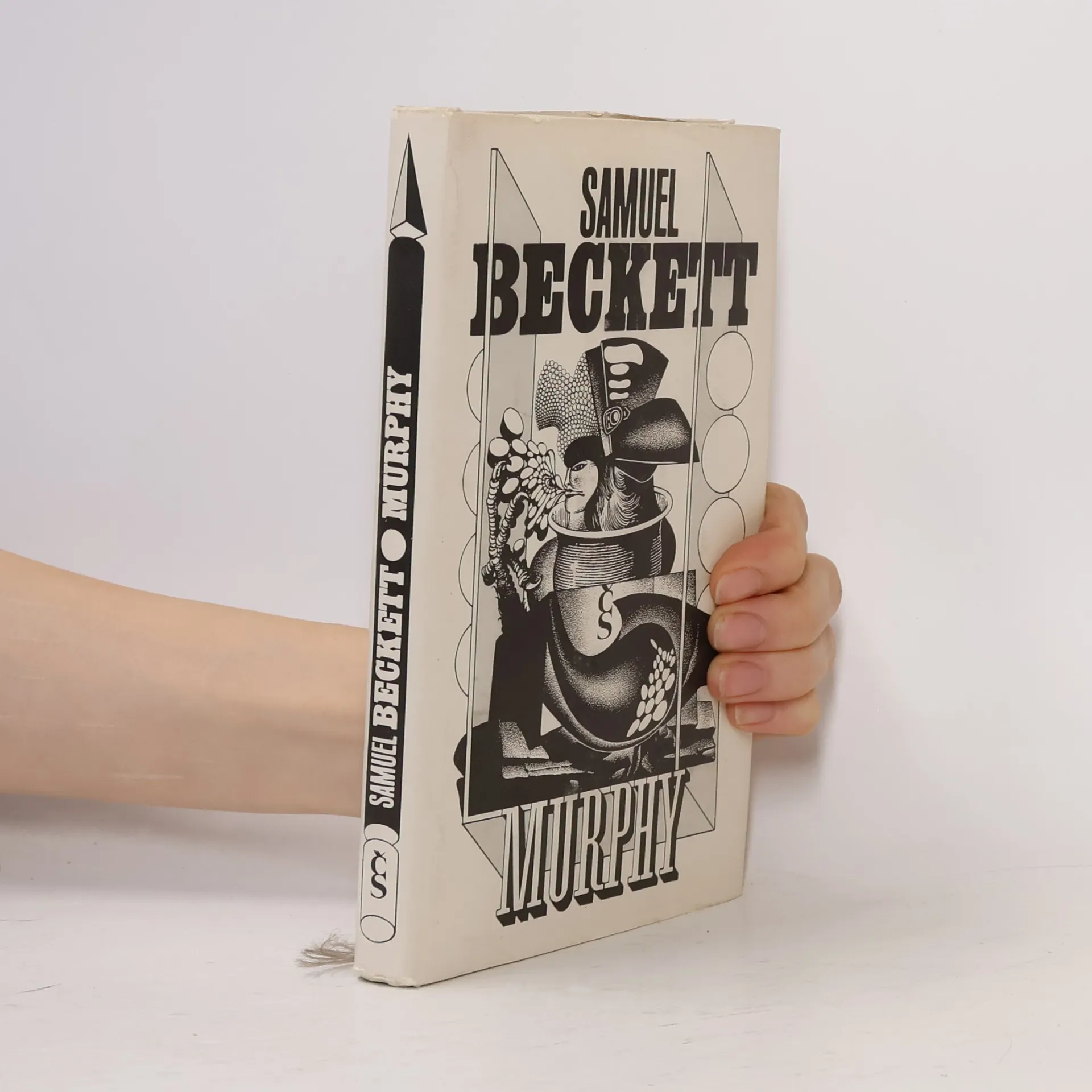
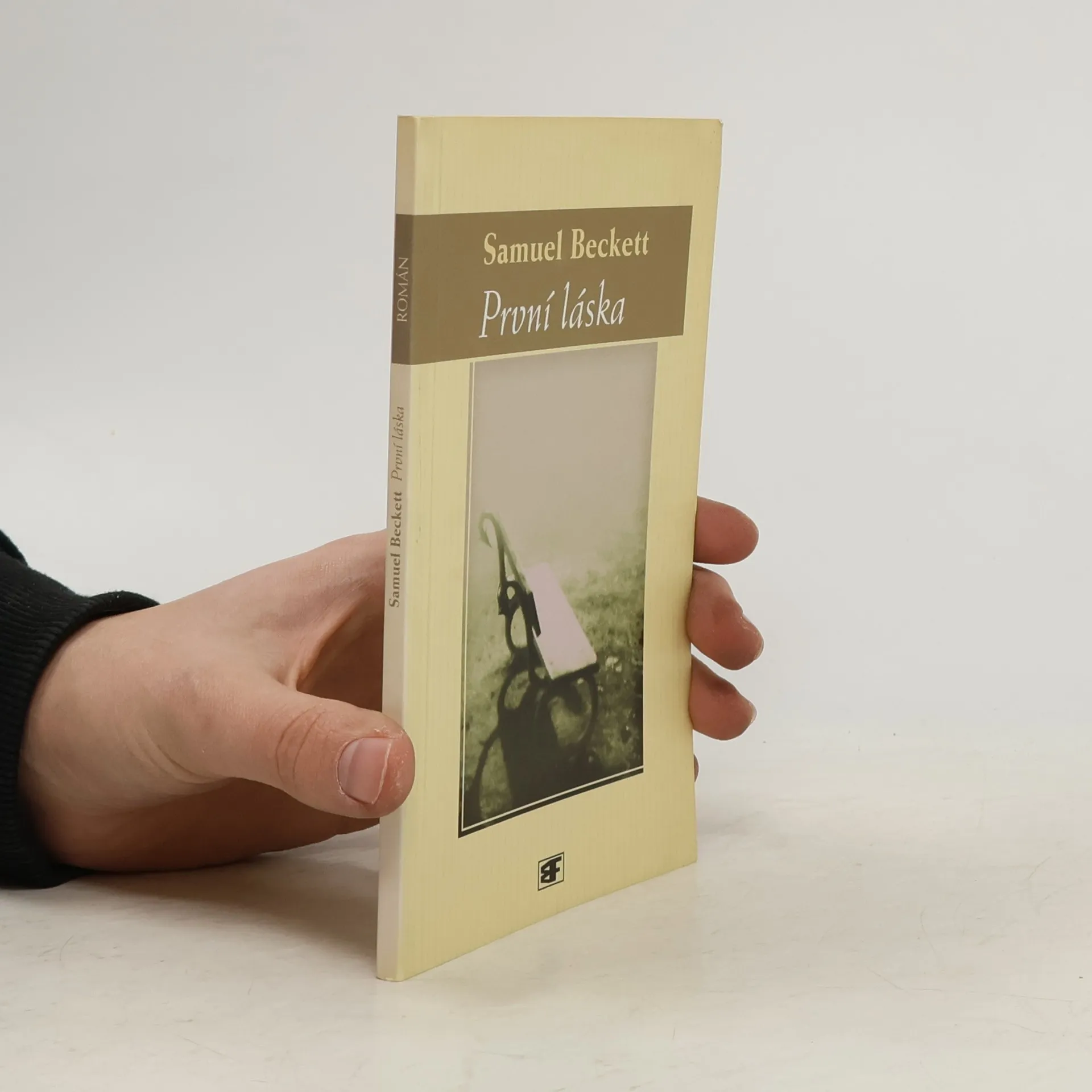
Román vypráví o bezdomovci, kterého vyštve vlastní rodina a nemá kam jít. Tudíž polehává každý letní den na lavičce v parku. Jednou tam přijde slečna Lulu, ale to jméno se bezdomovci nelíbilo, tak ji přejmenoval na Anne. Nejdříve ji nesnášel. Že ho prý rušila. Tak se bezdomovec sebere a odejde, ale po čase mu Anne začne chybět a on si uvědomí, že bez ní nemůže být...
Tři divadelní hry irského, anglicky mluvícího a francouzsky píšícího spisovatele a dramatika (nar. 1906), podílníka na vzniku francouzské divadelní avantgardy a spolutvůrce absurdního divadla. Své hrdiny přivádí do mezních, bezvýchodných situací, aby zachytil nejen bídu člověka, ale i jeho až do posledního dechu oživovanou snahu vzepřít se tíze života, řešit problémy, které mu v cestu kupí on a lidské i společenské vztahy. Doslov Petr Pujman.
This second volume of The Letters of Samuel Beckett opens with the War years, when it was often impossible or too dangerous to correspond. The surge of letters beginning in 1945, and their variety, are matched by the outpouring and the range of Beckett's published work. Primarily written in French and later translated by the author, the work includes stories, a series of novels (Molloy, Malone Dies, and The Unnamable), essays and plays - most notably Waiting for Godot. The letters chronicle a passionately committed but little known writer evolving into a figure of international reputation, and his response to such fame. The volume provides detailed introductions which discuss Beckett's situation during the War and his crucial move into the French language, as well as translations of the letters, explanatory notes, year-by-year chronologies, profiles of correspondents and other contextual information.
Die Mikrogramme von Robert Walser gelten als geheimnisvolle Manuskripte der deutschsprachigen Literatur. Sie entstanden zwischen 1924 und 1932 und reflektieren Walsers Erlebnisse in Bern und der Psychiatrie. Nach 19 Jahren Dechiffrierarbeit wurden alle 526 Blätter publikationsfähig. Walser selbst schätzte das Schreiben mit Bleistift.
This third volume of The Letters of Samuel Beckett focuses on the years when Beckett is striving to find a balance between the demands put upon him by his growing international fame, and his need for the peace and silence from which new writing might emerge. This is the period in which Beckett launches into work for radio, film and, later, into television. It also marks his return to writing fiction, with his first major piece for a decade, Comment c'est (How It Is). Where hitherto he has been reticent about the writing process, now he devotes letter after letter to describing and explaining his work in progress. For the first time Beckett has a woman as his major correspondent: a relationship shown in his intense and abundant letters to Barbara Bray. The volume also provides critical introductions, chronologies, explanatory notes and profiles of Beckett's main correspondents.
Edited by Paul Auster, this four–volume set of Beckett's canon has been designed by award-winner Laura Lindgren. Available individually, as well as in a boxed set, the four hardcover volumes have been specially bound with covers featuring images central to Beckett's works. Typographical errors that remained uncorrected in the various prior editions have now been corrected in consultation with Beckett scholars C. J. Ackerley and S. E. Gontarski."A man speaking English beautifully chooses to speak in French, which he speaks with greater difficulty, so that he is obliged to choose his words carefully, forced to give up fluency and to find the hard words that come with difficulty, and then after all that finding he puts it all back into English, a new English containing all the difficulty of the French, of the coining of thought in a second language, a new English with the power to change English forever. This is Samuel Beckett. This is his great work. It is the thing that speaks. Surrender." — Salman Rushdie, from his Introduction
This collection is a significant resource for understanding Samuel Beckett's contributions to drama. It offers insights into his creative process and the evolution of his theatrical works, making it essential for scholars and enthusiasts of Beckett's literature. The notebooks reveal the intricacies of his writing and the themes he explored, enriching the study of both his plays and the broader field of drama.
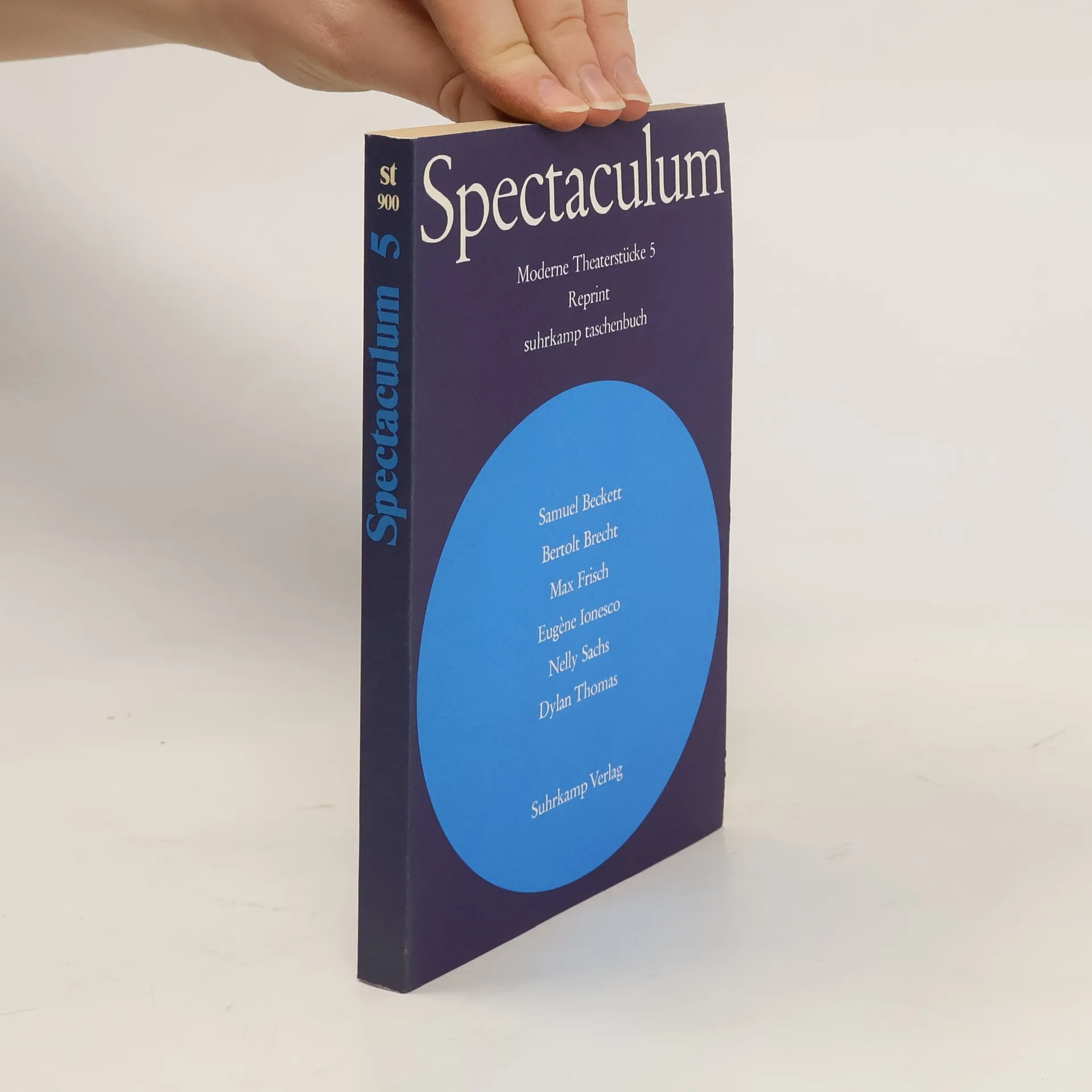
The present volume gathers all of Beckett's texts for theatre, from 1955 to 1984. It includes both the major dramatic works and the short and more compressed texts for the stage and for radio. 'He believes in the cadence, the comma, the bite of word on reality, whatever else he believes; and his devotion to them, he makes clear, is a sufficient focus for the reader's attention. In the modern history of literature he is a unique moral figure, not a dreamer of rose-gardens but a cultivator of what will grow in the waste land, who can make us see the exhilarating design that thorns and yucca share with whatever will grow anywhere.' - Hugh Kenner Contents: Waiting for Godot, Endgame, Happy Days, All That Fall, Acts Without Words, Krapp's Last Tape, Roughs for the Theatre, Embers, Roughs for the Radio, Words and Music, Cascando, Play, Film, The Old Tune, Come and Go, Eh Joe, Breath, Not I, That Time, Footfalls, Ghost Trio,...but the clouds..., A Piece of Monologue, Rockaby, Ohio Impromptu, Quad, Catastrophe, Nacht und Traume, What Where.
Nobel Prize winner Samuel Beckett is one of the most profoundly original writers of the twentieth-century. A tremendously influential poet and dramatist, Beckett spoke of his prose fiction as the "important writing", the medium in which his ideas were most powerfully distilled. Here, for the first time, his short prose is gathered in a definitive, complete volume, by leading Beckett scholar S.E. Gontarski.
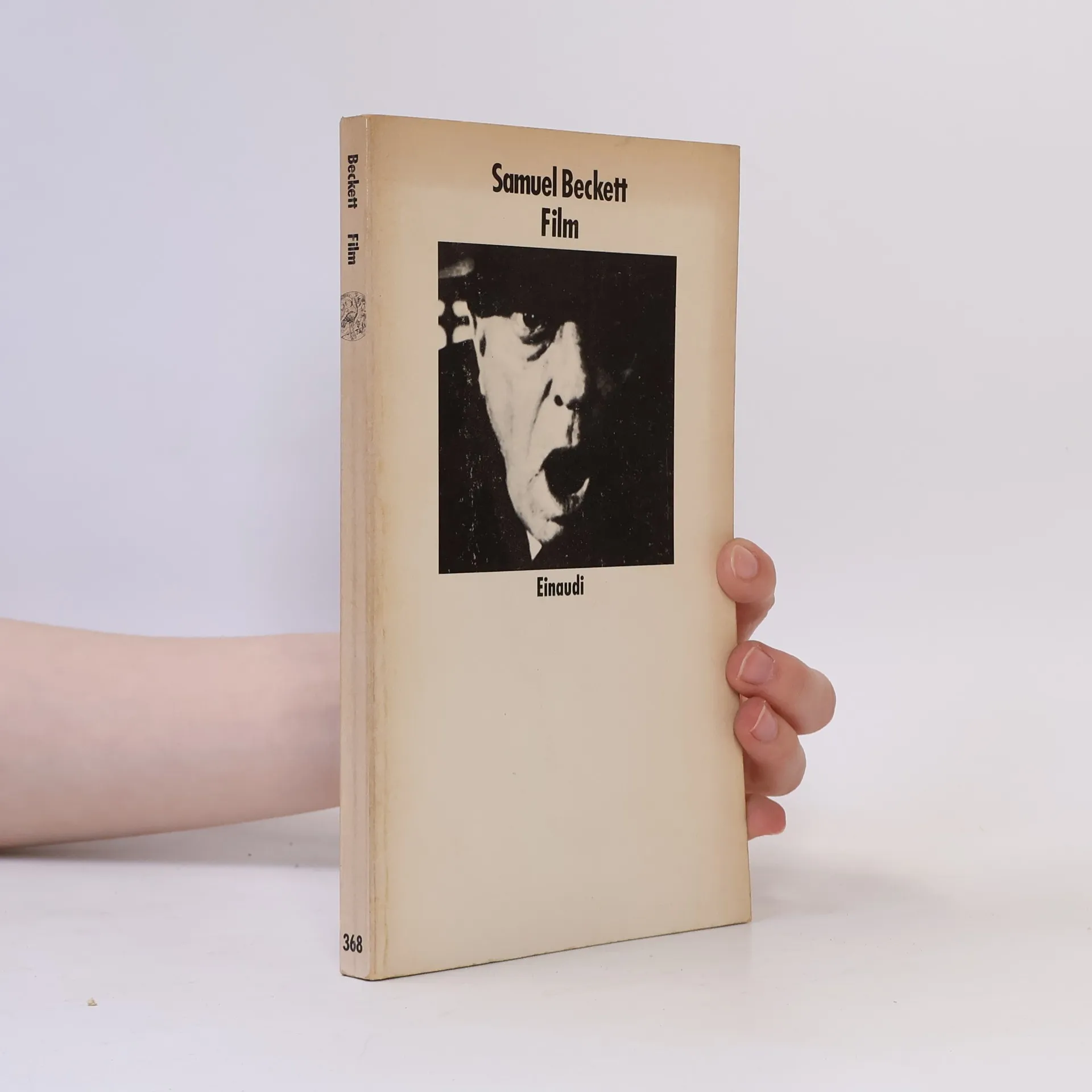
Film es la unica incursion de Samuel Beckett en el cine. Escrita en 1963, se rodo en Nueva York durante el verano de 1964; la dirigio Alan Schneider y la protagonizo Buster Keaton. Para el rodaje, Beckett realizo su unico viaje a los Estados Unidos, en julio de 1964.La pelicula no tiene dialogos y solo un sonido -un ligero "B sssh " -, parte de la teoria de Berkeley "Esse est percipi," o sea "ser es ser percibido": aun cuando se suprime toda percepcion exterior -ya sea esta animal, humana o divina- permanece la auto-percepcion. Sin embargo, pese a este principio filosofico, la pelicula, como toda la obra de Beckett, contiene elementos de comedia. Buster Keaton desempena el papel de un hombre que, huyendo por una calle practicamente desierta, se introduce en un portal, sube por las escaleras del edificio y entra en una habitacion -probablemente la suya-, donde cuidadosamente borra toda realidad exterior. Corre la cortina, tapa el espejo, echa al gato y al perro, cierra con llave la puerta, cubre la jaula del pajaro y la pecera y empieza a romper las fotos de su pasado. Sin embargo, el problema de la auto-percepcion sigue insoluble.
Few works of contemporary literature are so universally acclaimed as central to our understanding of the human experience as Nobel Prize winner Samuel Beckett’s famous trilogy. Molloy, the first of these masterpieces, appeared in French in 1951. It was followed seven months later by Malone Dies and two years later by The Unnamable. All three have been rendered into English by the author.
Samuel Beckett directed Krapp's Last Tape on four separate occasions: this
volume offers a facsimile of his 1969 Schiller-Theater notebook. Professor
Knowlson writes that in these notes 'we see Beckett simplifying, shaping and
refining, as he works towards a realization of the play that will function
well dramatically.
Beckett explores human alienation and loneliness in four works that include portraits of a solitary woman in a rocking chair and an old man, alone in the night, reflecting on the past and the people he loved
In the first of these two plays, an old man records his comments as he listens to a tape recording of his own observations on how life felt when he was 39. In the second, a man walking along the seashore recalls his dead father while other familiar voices speak to him from the past.
These four last prose fictions by Samuel Beckett were originally published individually, and their composition spanned the final decade of his life. In Company a solitary hearer lying in blackness calls up images from the far-off past. Ill Seen Ill Said meditates upon an old woman living out her last days alone in an isolated snow-bound cottage, watched over by twelve mysterious sentinels. In Worstward Ho, a breathless speaker unravels the sense of things, acting out the unending injunction to ‘Try again. Fail again. Fail better.’ And Stirrings Still, published in the Guardian a few months before Beckett’s death in 1989, is the last prose work and testament of ‘this great soothsayer of the age, and of the aged’ (Christopher Ricks).The present edition includes several short prose texts (Heard in the Dark I & II, One Evening, The Way, Ceiling) which represent work in progress or works ancillary to the composition of these late masterpieces.Edited by Dirk Van Hulle.
This volume contains all of the short fictions - some of them no longer than a page - written and published by Samuel Beckett between 1950 and the early 1970s.
A novel in three parts, written in short paragraphs, which tell (abruptly,
cajolingly, bleakly) of a narrator lying in the dark, in the mud, repeating
his life as he hears it uttered - or remembered - by another voice.
Contains all of Beckett's less-than-full-length works (or 'Dramaticules') for
the stage, radio, and television. Arranged in chronological order of
composition, this book presents shorter plays, which demonstrate the laconic
means and compassionate ends of Beckett's dramatic vision.
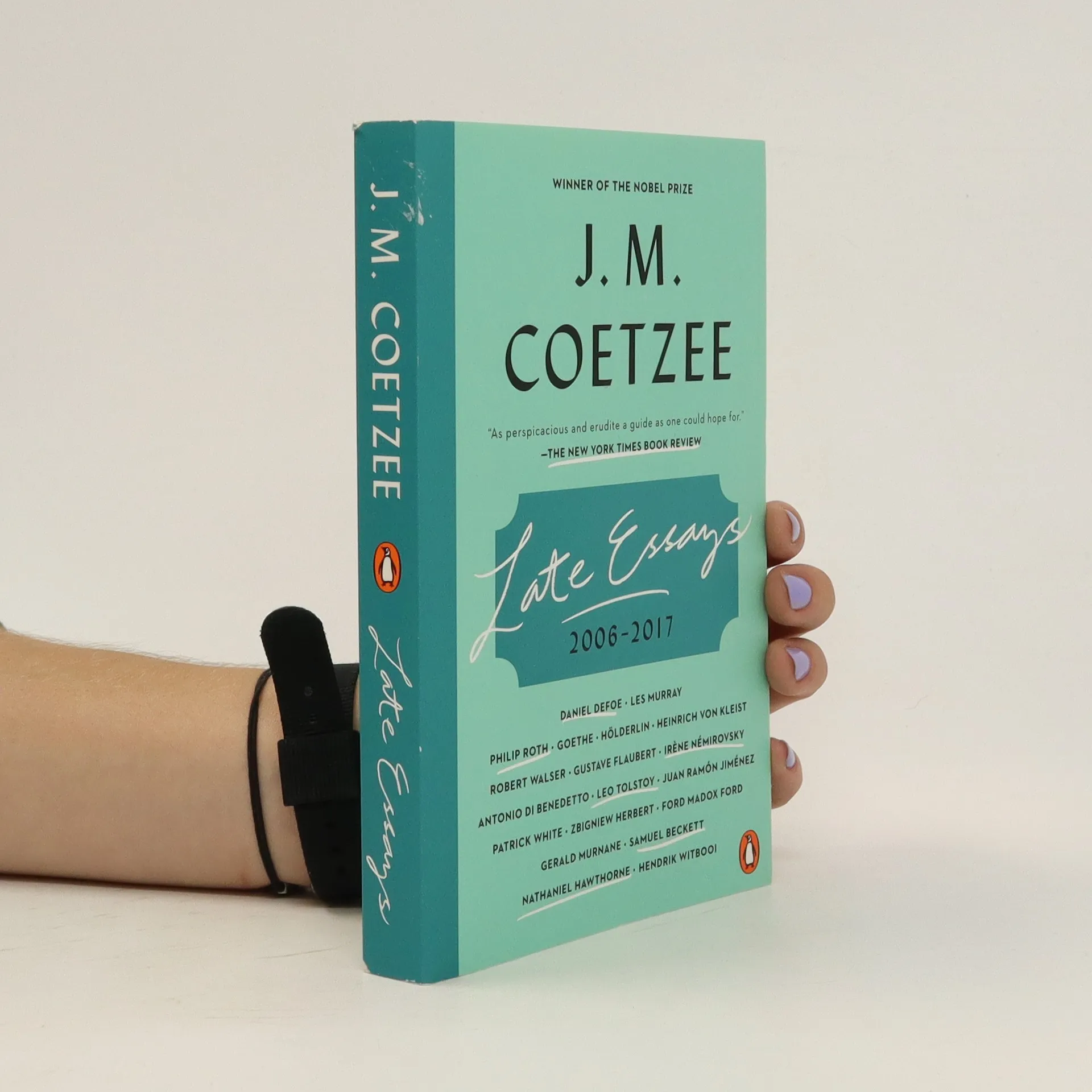
A new collection of twenty-three literary essays from the Nobel Prize–winning author. J. M. Coetzee’s latest novel, The Schooldays of Jesus, is now available from Viking. J. M. Coetzee is not only one of the most acclaimed fiction writers in the world, he is also an accomplished and insightful literary critic. In Late Essays: 2006–2016, a thought-provoking collection of twenty-three pieces, he examines the work of some of the world’s greatest writers, from Daniel Defoe in the early eighteenth century to Goethe and Irène Némirovsky to Coetzee’s contemporary Philip Roth. Challenging yet accessible, literary master Coetzee writes these essays with great clarity and precision, offering readers an illuminating and wise analysis of a remarkable list of works of international literature that span three centuries.
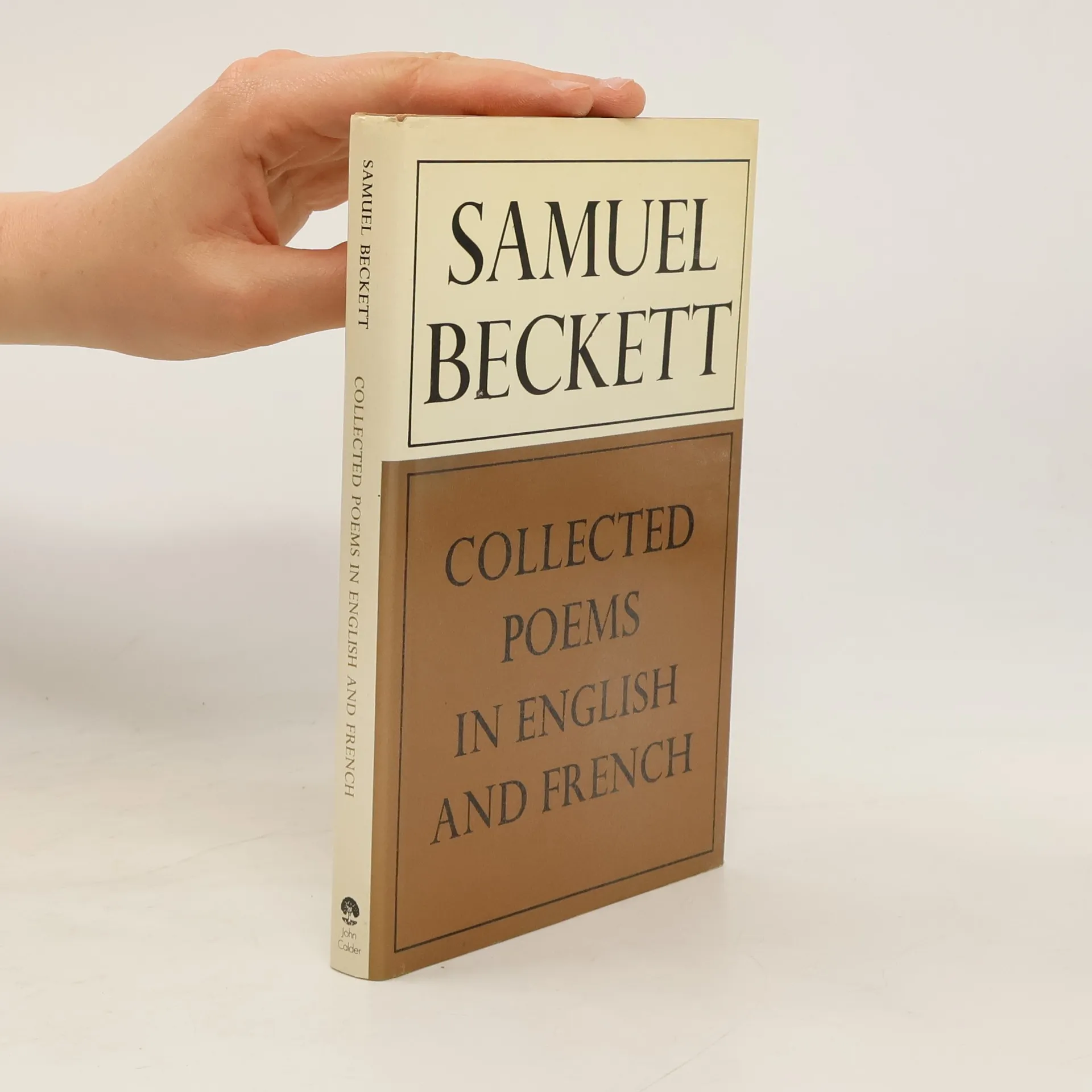
It was as a poet that Samuel Beckett launched himself in the little reviews of 1930s Paris, and as a poet that he ended his career. The Collected Poems is the most complete edition of Beckett's poetry and verse translations ever to be published, as well as the first critical edition. It establishes a significant new canon, and the commentary draws on a wide range of published sources, manuscripts and Beckett's extensive correspondence. The notes place each poem in context, detailing the history and circumstances of its composition; they indicate significant variants and help explain obscure turns of phrase and allusions (frequently sourced to Beckett's notebooks); they also identify resonances between poems and across Beckett's work as a whole. The commentary is written in a lively and engaging style and is intended equally for the general reader, the student of modernism and the Beckett specialist.
'Yes, I loved her, it's the name I gave, still give alas, to what I was doing
then. I had nothing to go by, having never loved before, but of course had
heard of the thing, at home, in school, in brothel and at church, and read
romances, in prose and verse, under the guidance of my tutor, in six or seven
languages, both dead and living, in which it was handled at length'
The plot concerns the efforts of a young member of the bourgeoisie, Victor Krap, to cut himself off from society and his family--while at the same time accepting hand-outs from his mother. --Wikipedia.com
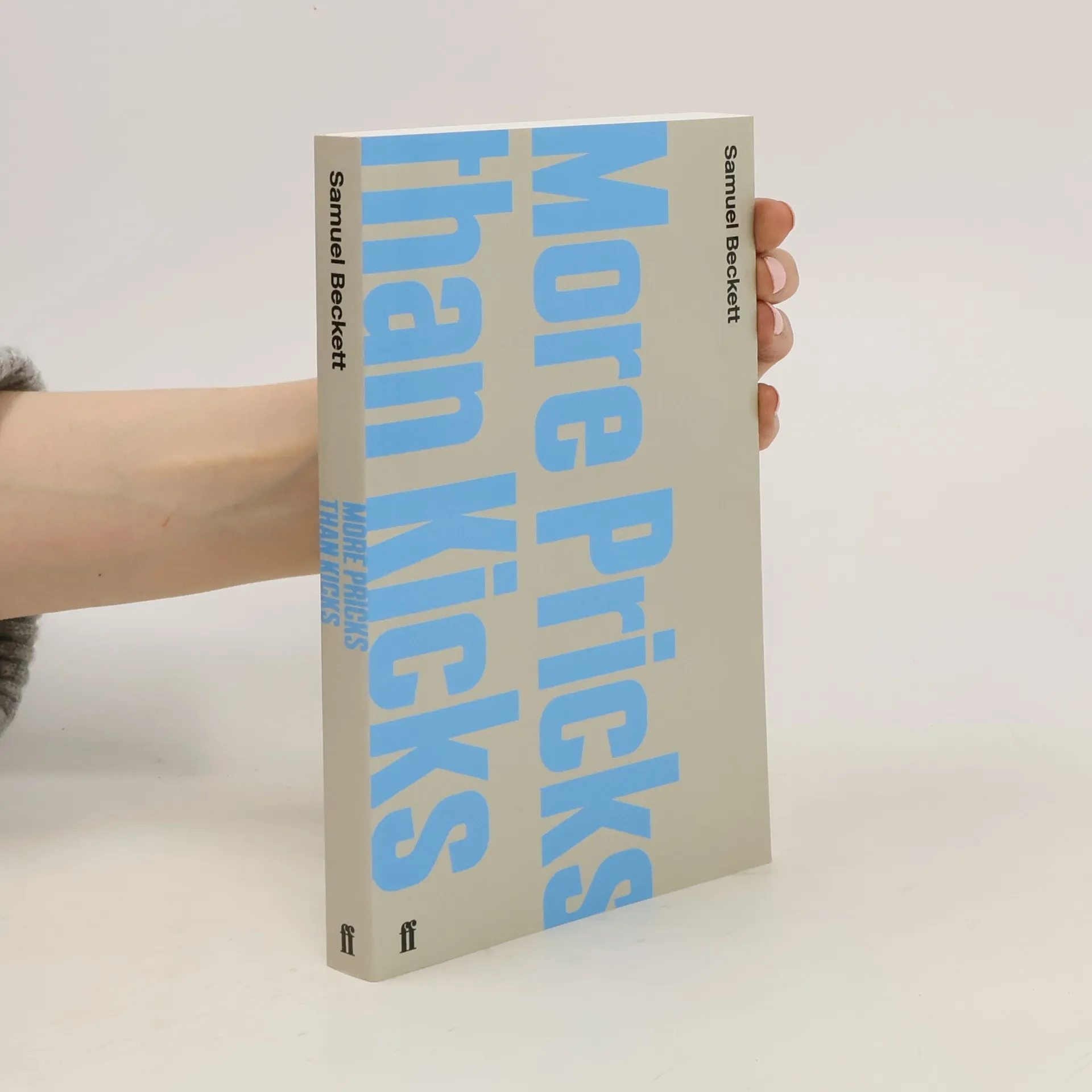
His first published work of fiction (1934), More Pricks Than Kicks is a set of
ten interlocked stories, set in Dublin and involving their adrift hero
Belacqua in a series of encounters, as woman after woman comes crashing
through his solipsism. More Pricks contains in embryo the centrifugal world of
Beckett's men and women.
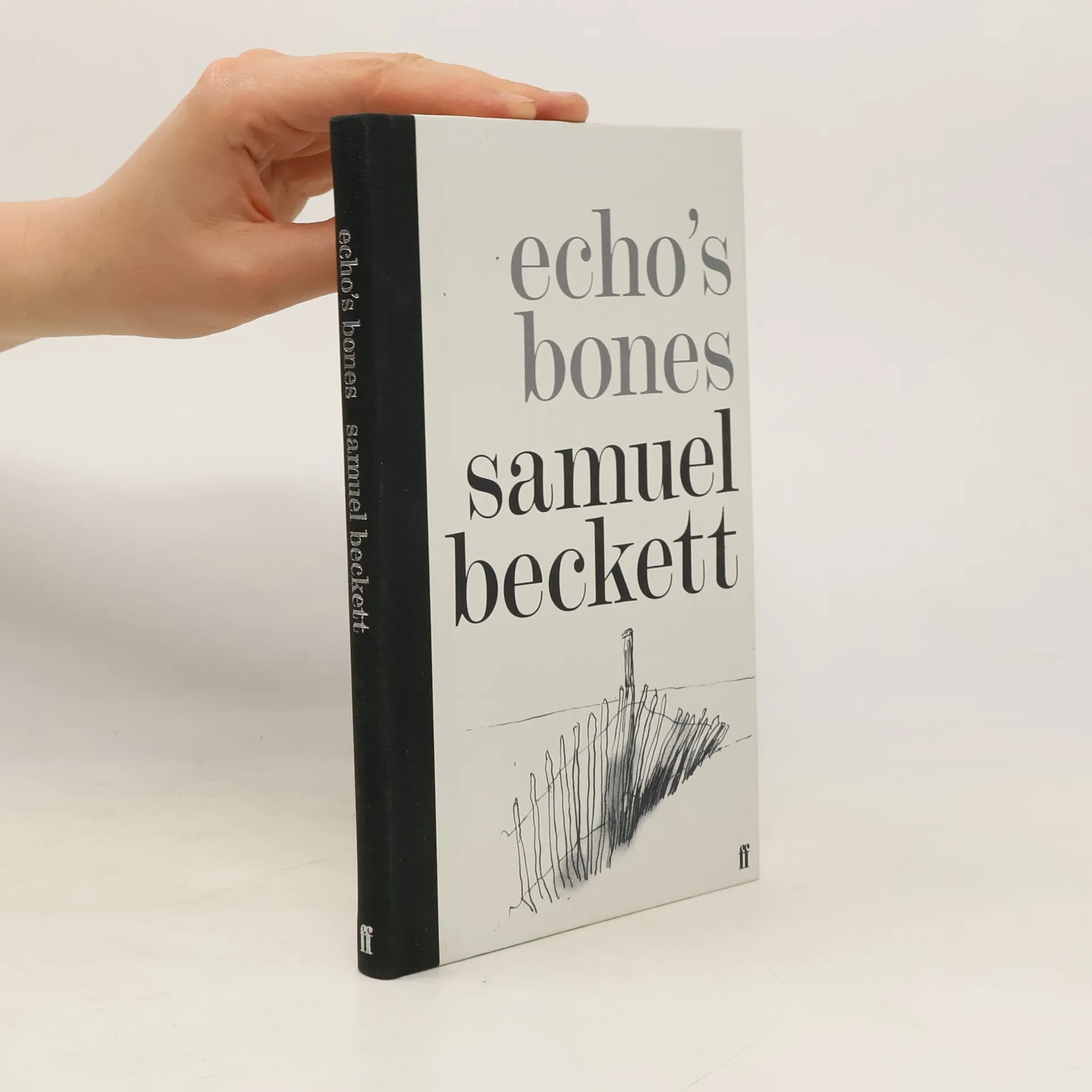
'Echo's Bones' was intended by Samuel Beckett to form the 'recessional' or
end-piece of his early collection of interrelated stories, More Pricks Than
Kicks, published in 1934. The story was written at the request of the
publisher, but was held back from inclusion in the published volume. 'Echo's
Bones' has remained unpublished to this day, and the present edition will
situate the work in terms of its biographical context, its intertextual
references, and as a vital link in the evolution of Beckett's early work. The
editor, Mark Nixon, is director of the Beckett International Foundation at the
University of Reading.
Written over three months in 1946, 'Mercier and Camier' was Beckett's first post-war work, and his first novel in French. He came to regard it as a practice piece, and set it aside to write his trilogy. The novel was finally published in 1970, and in Beckett's English translation four years later.
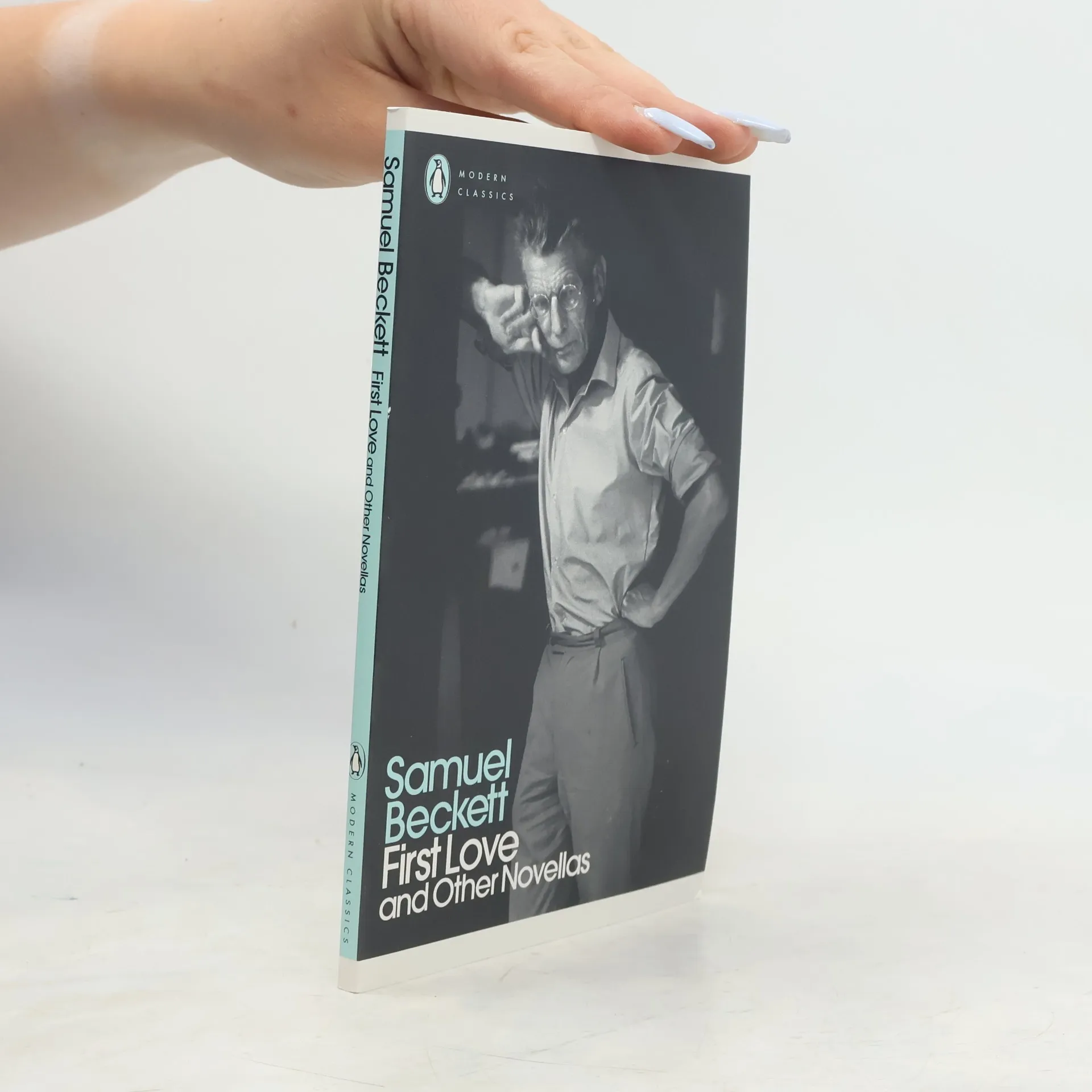
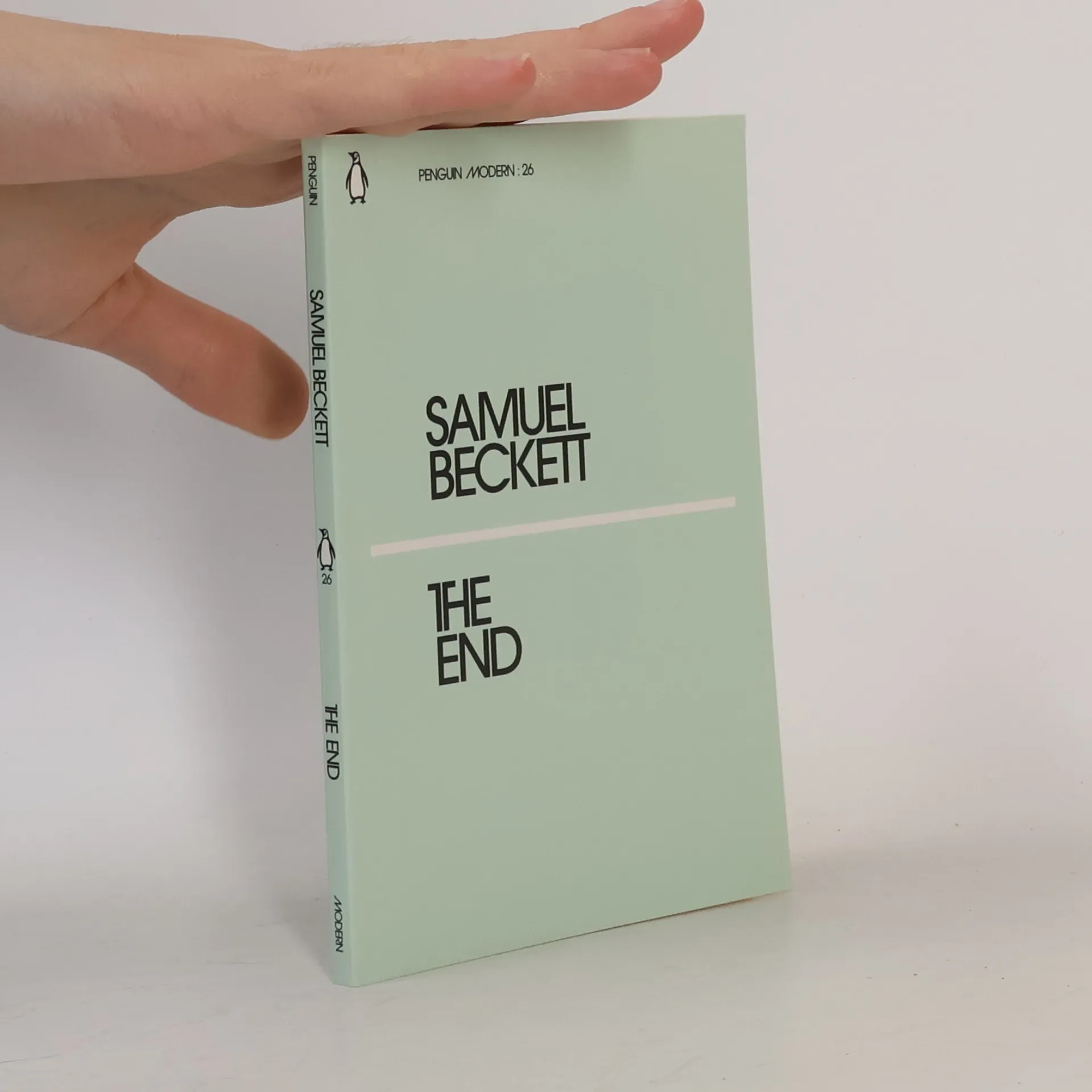
'They didn't seem to take much interest in my private parts which to tell the truth were nothing to write home about, I didn't take much interest in them myself.' From the master of the absurd, these two stories of an unnamed vagrant contending with decay and death combine bleakness with the blackest of humour. Penguin Modern: fifty new books celebrating the pioneering spirit of the iconic Penguin Modern Classics series, with each one offering a concentrated hit of its contemporary, international flavour. Here are authors ranging from Kathy Acker to James Baldwin, Truman Capote to Stanislaw Lem and George Orwell to Shirley Jackson; essays radical and inspiring; poems moving and disturbing; stories surreal and fabulous; taking us from the deep South to modern Japan, New York's underground scene to the farthest reaches of outer space.
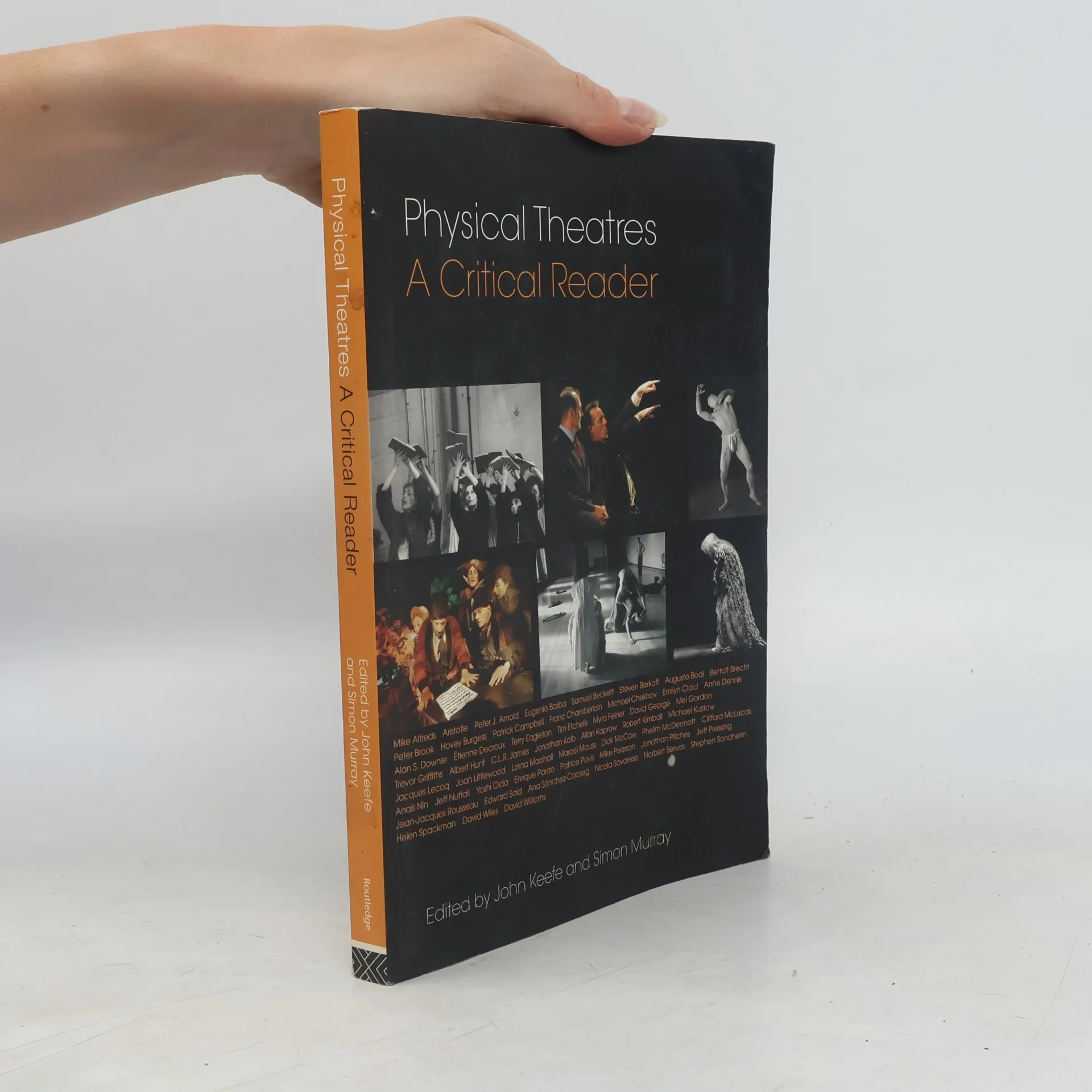
Physical Theatres: A Critical Reader is an invaluable resource for students of physically orientated theatre and performance. This book aims to trace the roots and development of physicality in theatre by combining practical experience of the field with a strong historical and theoretical underpinning.In exploring the histories, cross-overs and intersections of physical theatres, this critical Reader provides:six new, specially commissioned essays, covering each of the book s main themes, from technical traditions to contemporary practises discussion of issues such as the foregrounding of the body, training and performance processes, and the origins of theatre in both play and human cognition a focus on the relationship and tensions between the verbal and the physical in theatre contributions from Augusto Boal, Stephen Berkoff, tienne Decroux, Bertolt Brecht, David George, J-J. Rousseau, Ana Sanchez Colberg, Michael Chekhov, Jeff Nuttall, Jacques Lecoq, Yoshi Oida, Mike Pearson, and Aristotle.
Samuel Beckett was awarded the Nobel Prize for Literature n 1969; his literary output of plays, novels, stories and poetry has earned him an uncontested place as one of the greatest writers of our time. "Endgame, " originally written in French and translated into English by Beckett himself, is considered by many critics to be his greatest single work. A pinnacle of Beckett's characteristic raw minimalism, it is a pure and devastating distillation of the human essence in the face of approaching death.
A seminal work of twentieth-century drama, Waiting for Godot was Samuel Beckett's first professionally produced play. It opened in Paris in 1953 at the tiny Left Bank Theatre de Babylone, and has since become a cornerstone of twentieth-century theater. The story line revolves around two seemingly homeless men waiting for someone-or something-named Godot. Vladimir and Estragon wait near a tree on a barren stretch of road, inhabiting a drama spun from their own consciousness. The result is a comical wordplay of poetry, dreamscapes, and nonsense, which has been interpreted as a somber summation of mankind's inexhaustible search for meaning. Beckett's language pioneered an expressionistic minimalism that captured the existentialism of post-World War II Europe. His play remains one of the most magical and beautiful allegories of our time.
This collection looks at the years of innocence, the pains and pleasures of schooldays and the struggles of adolescence in stories by such writers as Seamus Heaney, Roddy Doyle, Flann O'Brien, William Trevor, Bryan MacMahon, Samuel Beckett, Neil Jordan, Sean O'Faolain, Edna O'Brien, Brian Friel, Maeve Binchy, Brendan Behan and many more.
Samuel Beckett hat, wie vor ihm kein anderer Dramatiker, Epoche gemacht im Bewußtsein dieses Jahrhunderts. Selbst diejenigen, die kaum eine Zeile von ihm kennen und in seinen Stücken nur die Mülltonnen sehen, haben doch einen »Begriff« von diesem Autor. Denn in Becketts Werken findet dieses Jahrhundert seinen Ausdruck: Endzeit, Aussichtslosigkeit, Pessimismus und die Überzeugung von der Absurdität der menschlichen Existenz.
Dieser Band schließt die vierbändige Ausgabe der Briefe Samuel Becketts ab und umfasst die letzten 23 Jahre seines Lebens, in denen sich sein Werk weiter entfaltet. 1969 erhält Beckett den Nobelpreis und zieht sich nach Tunesien zurück, wo er sich der Flut an Glückwünschen und Zuschriften kaum entziehen kann. Immer wieder wird er von diesen Verpflichtungen überrollt, beklagt sich und findet dennoch zu neuer Schaffenskraft. In dieser Zeit entstehen zahlreiche Theater- und Fernsehstücke sowie Prosa, darunter die Trilogie Gesellschaft, Schlecht gesehen schlecht gesagt und Aufs Schlimmste zu. Beckett inszeniert seine Stücke in Paris, London und häufig in Berlin, während er auch Fernsehstücke in Stuttgart realisiert. Er beschäftigt sich intensiv mit Selbstübersetzungen seiner Texte. Zudem hat er es mit Biografen wie Deirdre Bair und James Knowlson zu tun, was ihm zunächst widerwillig, dann aber kooperativ gelingt. Urlaube mit seiner Frau auf Malta, an der nordafrikanischen Küste oder in den Alpen dienen ihm als Flucht vor dem Pariser Kulturbetrieb, den er verabscheut, in dem er jedoch unermüdlich aktiv bleibt. Schließlich lassen seine Kräfte nach, und am 22. Dezember 1989 stirbt Beckett im Pflegeheim. In einem seiner letzten Schreiben äußert er pointiert: „Mein Hirn ist Matsch, kann nicht helfen. Bonne continuation.“
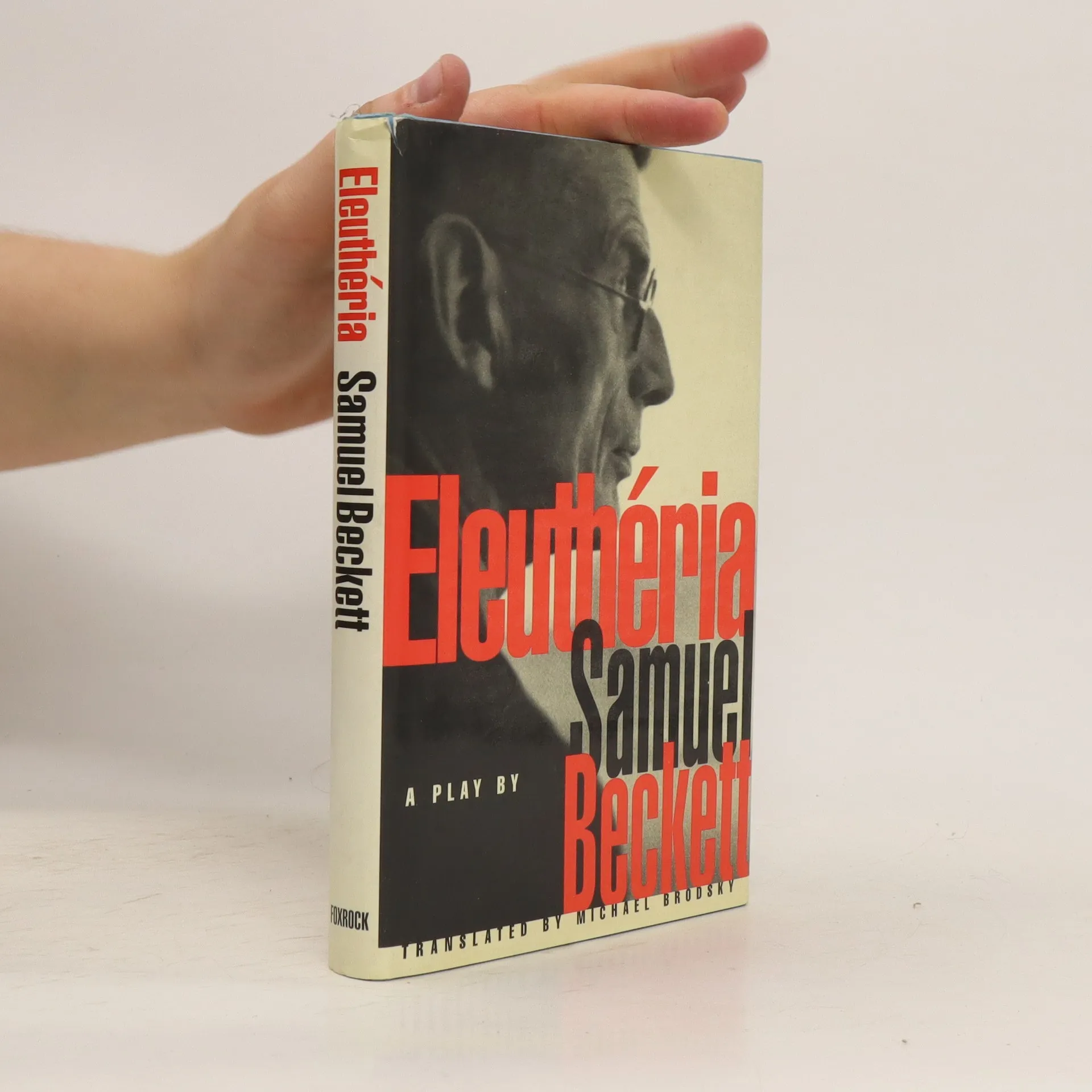
Dielo jedného z najvýznamnejších dramatikov 20. storočia, ktorého tvorba hlboko zasiahla do vývinu svetovej literatúry a dodnes ovplyvňuje smerovanie modernej drámy, Samuela Becketta, vychádza prvýkrát na Slovensku v ucelenejšej forme v preklade Martina Ondrisku, Alexandry Ruppeldtovej, Eleny Flaškovej a Márie Ferenčuhovej. Popri ťažiskovej dramatickej tvorbe Samuela Becketta prináša Divadelný ústav u nás dosiaľ nepublikovanú drámu Eleuthéria či krátke hry. Súčasťou knihy je aj širšia kontextová štúdia Martina Ondrisku o Beckettovej tvorbe, živote, ženách, rodičoch či priateľoch, prehľadné súpisy i bibliografia.
Samuel Beckett ringt mit sechzehn Bänden Auf der Suche nach der verlorenen Zeit und mit jenem doppelköpfigen Ungeheuer der Verdammung und Erlösung: Der Zeit, der man nicht entrinnen kann. Denn wir sind nicht nur müder wegen gestern, wir sind anders, das Gestern hat uns deformiert. Von der schützenden Hand der abstumpfenden Gewohnheit – die es uns gefährlich, unsicher, schmerzhaft erscheinen lässt, wenn für einen Augenblick die Langeweile zu leben, ersetzt wird, durch das Leiden zu sein – bis zur unwillentlichen Erinnerung, vermisst Beckett pointiert das Universum Proust und scheint zuweilen mit ihm zu verschmelzen. Ein unerschrockener Essay über Proust und zugleich unverhohlene Selbstauskunft Becketts. 1931 erschien Becketts erste Publikation Proust – die widerwillige Hommage an ein großes Vorbild.
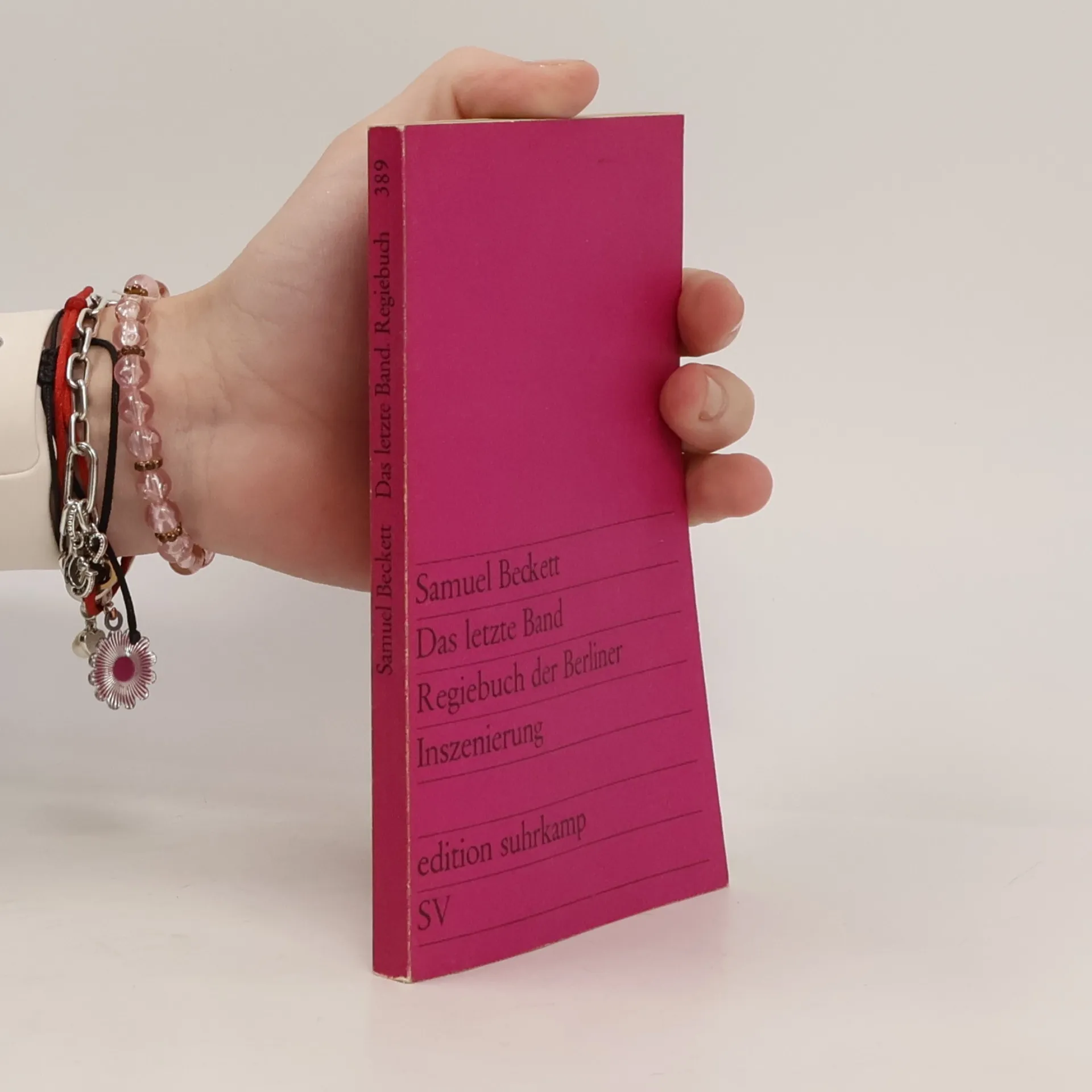
Ich gehöre ja zu den allergrößten Bewunderern der Darstellungskunst des Christian Brückner, die er glücklicherweise immer wieder unter Beweis stellt. Auch diesmal würde ich wohl wieder viel zu schwärmen haben... gäbe es da nicht von Das letzte Band eine legendäre Aufnahme von Martin Held, und zwar von einer Inszenierung, die der große Samuel Beckett 1970 selbst im Schillertheater Berlin auf die Bühne gebracht hat. Gerade im Vergleich mit dem wie immer souveränen Brückner wird klar, wie grandios Martin Held den alternden Krapp gibt, der sich in diesem kargen Stück Becketts die Tonbänder des jungen Krapp anhört und dabei die Vergeblichkeit allen menschlichen Strebens erkennen muss. --Christian Stahl Spieldauer: ca. 40 Minuten, 1 CD, szenische Lesung des Theaterstücks
»Traum von mehr bis minder schönen Frauen« ist ein pikaresker, unflätiger, philosophischer Bericht über des jungen Mannes Belacqua ungestüme Suche nach der eigenen literarischen und persönlichen Identität; das überschäumend virtuose, mit Sprachen, Zitaten und Anspielungen jonglierende, teils sehr quälerische, teils überaus komische Buch eines Genies. Eine extreme Herausforderung für den Übersetzer, Wolfgang Held, der über den Roman schreibt: »Es ist ein erstaunlich ausgeformtes, höhen- und tiefentrunkenes, zynisch-saturnisch schillerndes, psychotisch-satirisch-puritanisch-faunisches Werk, voll subtiler Vulgarismen und Sophismen, und der ganze spätere Beckett steckt in diesem ›wombtomb‹ in Belacquas fauler Haut, die da unterm Felsen in Dantes Purgatorium zusammengerollt die Chance vertut, am Engel vorbei durch die Himmelspforte zu schlüpfen; auch daß er ein Lautenmacher war im historischen Florenz, findet ein Echo bei Beckett: es ist ein ungemein musikalisch fein strukturierter Text.«"
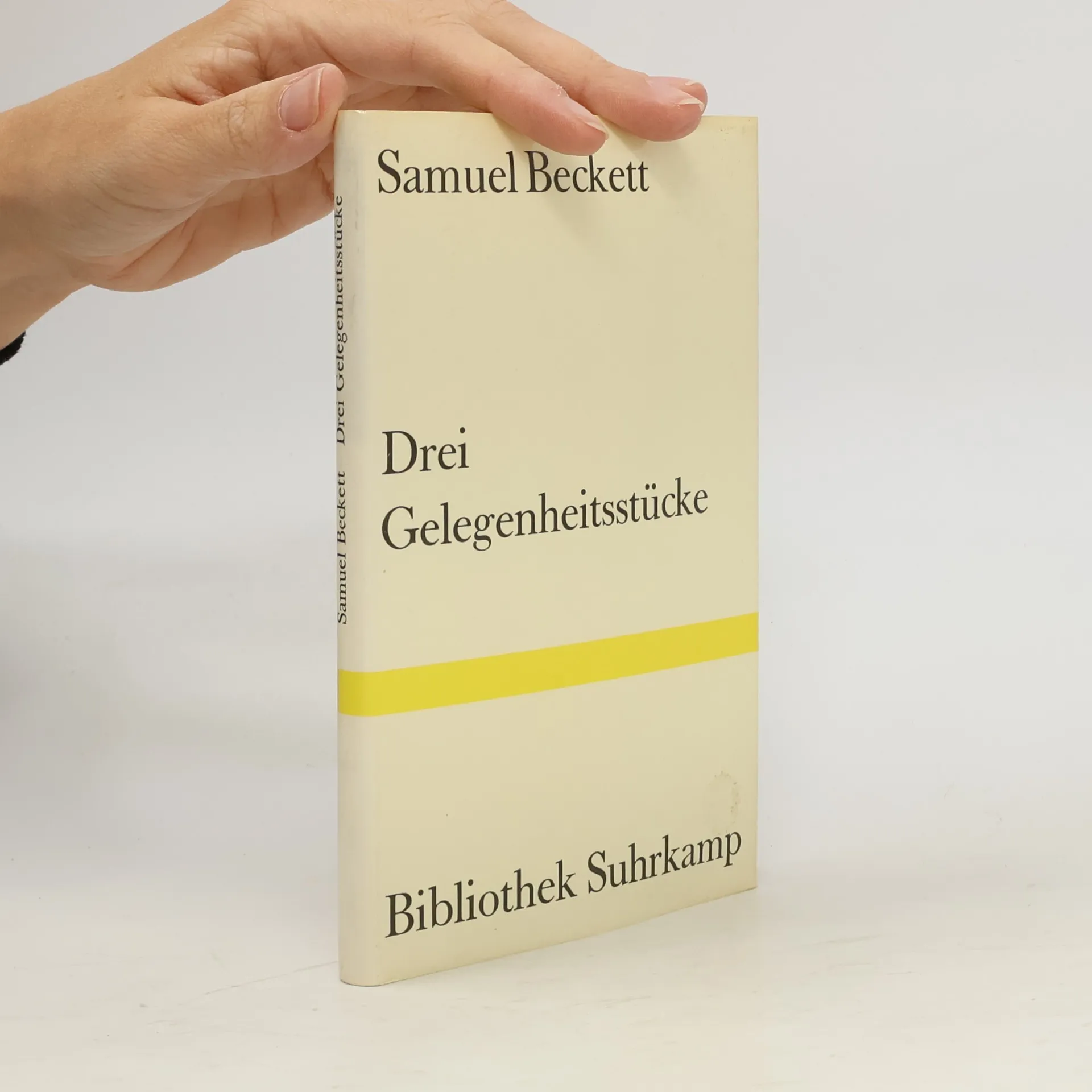
Samuel Beckett schreibt 1956 auf Einladung des BBC sein erstes Hörspiel: Alle, die da fallen. Sein Biograph James Knowlson nennt es »das komische Gegenstück zu Endspiel«. Dieses Hörspiel ist der Beginn einer Reihe kurzer dramatischer Stücke, die im Gesamtwerk Becketts an zentraler Stelle stehen: Denn er wendet sich mit ihnen neben dem Theater auch anderen Medien zu. Dabei legen sich Motive aus und Querverweise auf Malerei und Musik wie ein Netz über die in diesem Band vollständig versammelten, chronologisch geordneten Stücke für Radio, Film und Fernsehen: Nicht zuletzt ist der Titel Nacht und Träume einem Schubert-Lied enthoben.
Oh les beaux jours : pièce en deux actes pour deux personnages, écrite entre 1960 et 1961. La première représentation, avec Madeleine Renaud dans le rôle de Winnie et Jean-Louis Barrault dans celui de Willie, eut lieu en septembre 1963 au Festival du Théâtre de Venise. Pas moi : pièce en un acte pour une bouche.
Se voir dans un miroir, voilà une confrontation immédiate avec soi-même relativement banale et, d'ordinaire, assez fugace.Le protagoniste de La dernière bande va se livrer à une confrontation avec lui-même autrement troublante. "Viens d'écouter ce pauvre petit crétin pour qui je me prenais il y a trente ans, difficile de croire que j'aie jamais été con à ce point-là." Chaque année, le jour de son anniversaire, Krapp enregistre un compte rendu détaillé de son état et de ses agissements durant l'année écoulée. Chaque fois, il écoute l'une ou l'autre des bandes enregistrées des dizaines d'années auparavant, et il la commente. C'est dans cet éternel retour à son passé que réside maintenant sa seule lumière. Krapp, qui jadis déclarait ne plus rien vouloir de ce qu'il avait vécu, ne peut aujourd'hui exister que s'il parvient à être de nouveau ce qu'il fut : "Sois de nouveau, sois de nouveau." Il lui faut surtout être encore celui qui, "quand il y avait encore une chance de bonheur", a vécu un instant d'amour.