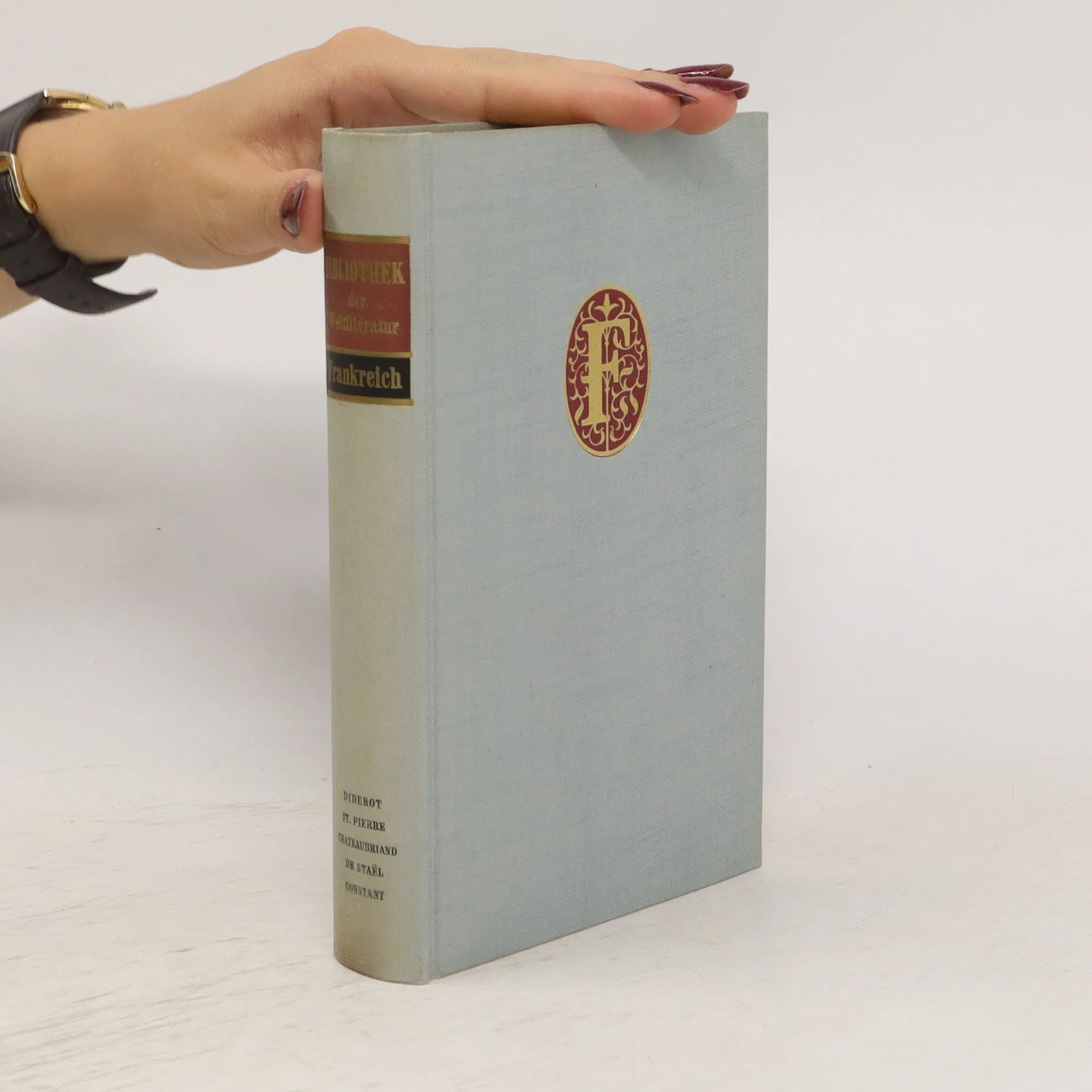
Few individuals have influenced their time as profoundly as Germaine de Stael, a leading intellectual whose works shaped cultures and disciplines. Posthumously published in 1818, "Considerations on the Principal Events of the French Revolution" quickly became a classic of liberal thought, contributing significantly to political and historical debates in early nineteenth-century France and Europe. As a voice of classical liberalism, de Stael's perspectives, silenced by Napoleon through censorship and exile, are vital to revolutionary historiography. This magnum opus illuminates key figures and events of the Revolution, including her father, Jacques Necker. Editor Aurelian Craiutu notes that "Considerations" examines the foundations of liberty, constitutionalism, and the limits of power, alongside the interplay between social and political order, and the moral and religious underpinnings of freedom. De Stael's sharp intellect and elegant style exemplify the French literary tradition. The work is structured in six parts, covering France's history, public opinion at Louis XVI's accession, Necker's financial plans, and significant events like the fall of the Bastille and the rise of Napoleon. The latter sections defend representative government and analyze the English political system, offering insights on liberty, public spirit, and the relationship between economic prosperity and political freedom. De Stael, who lived through piv
Germaine de Staël Knihy
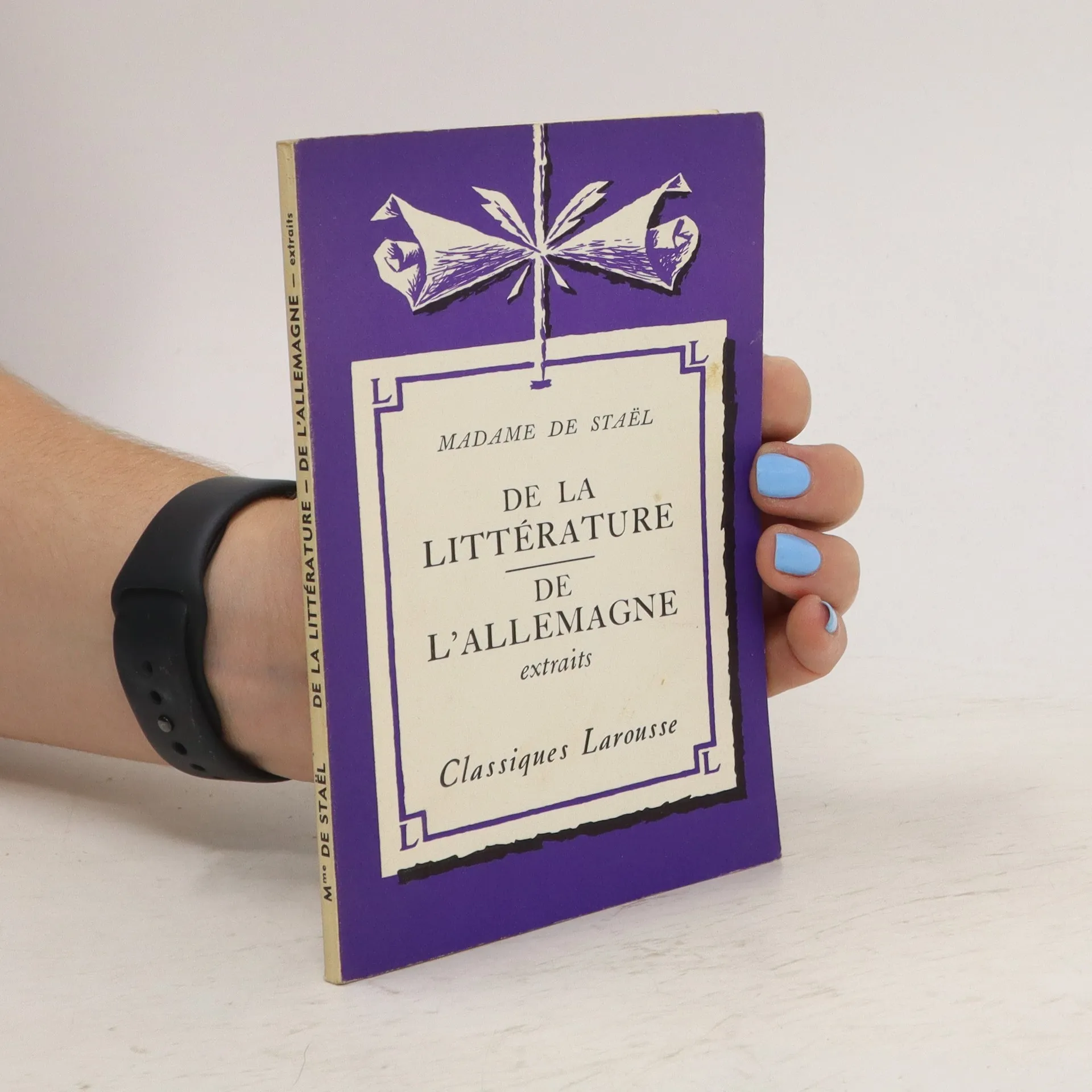
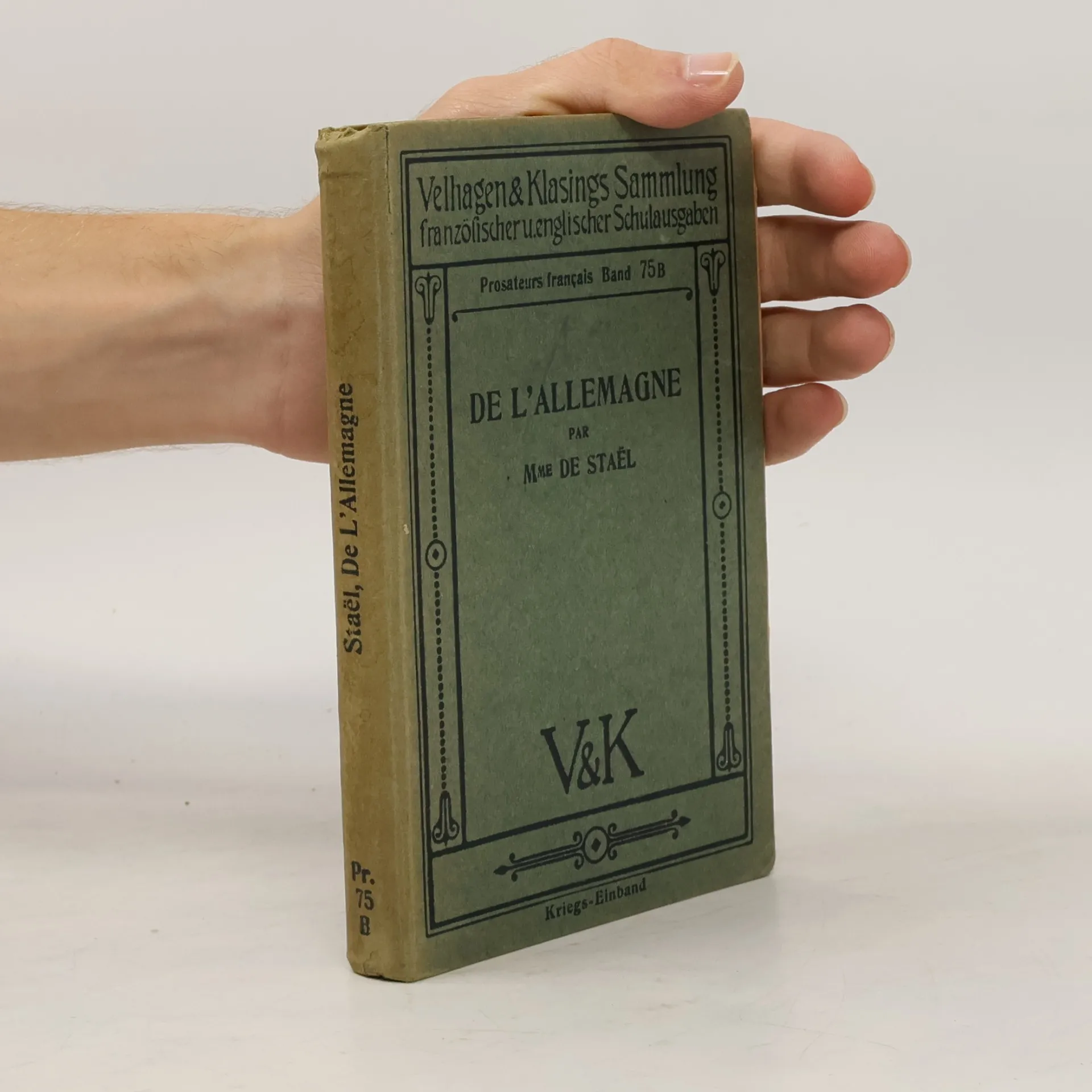
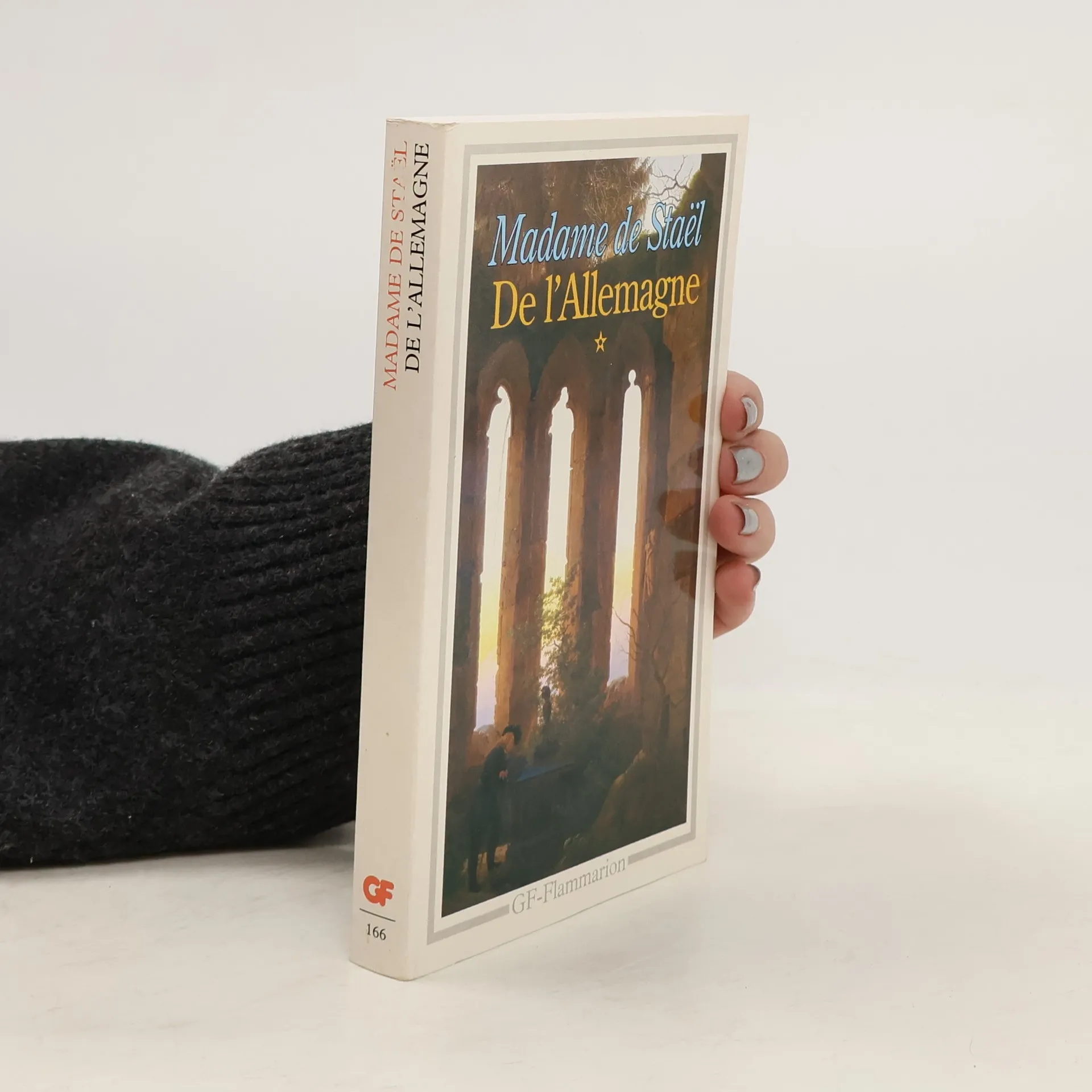
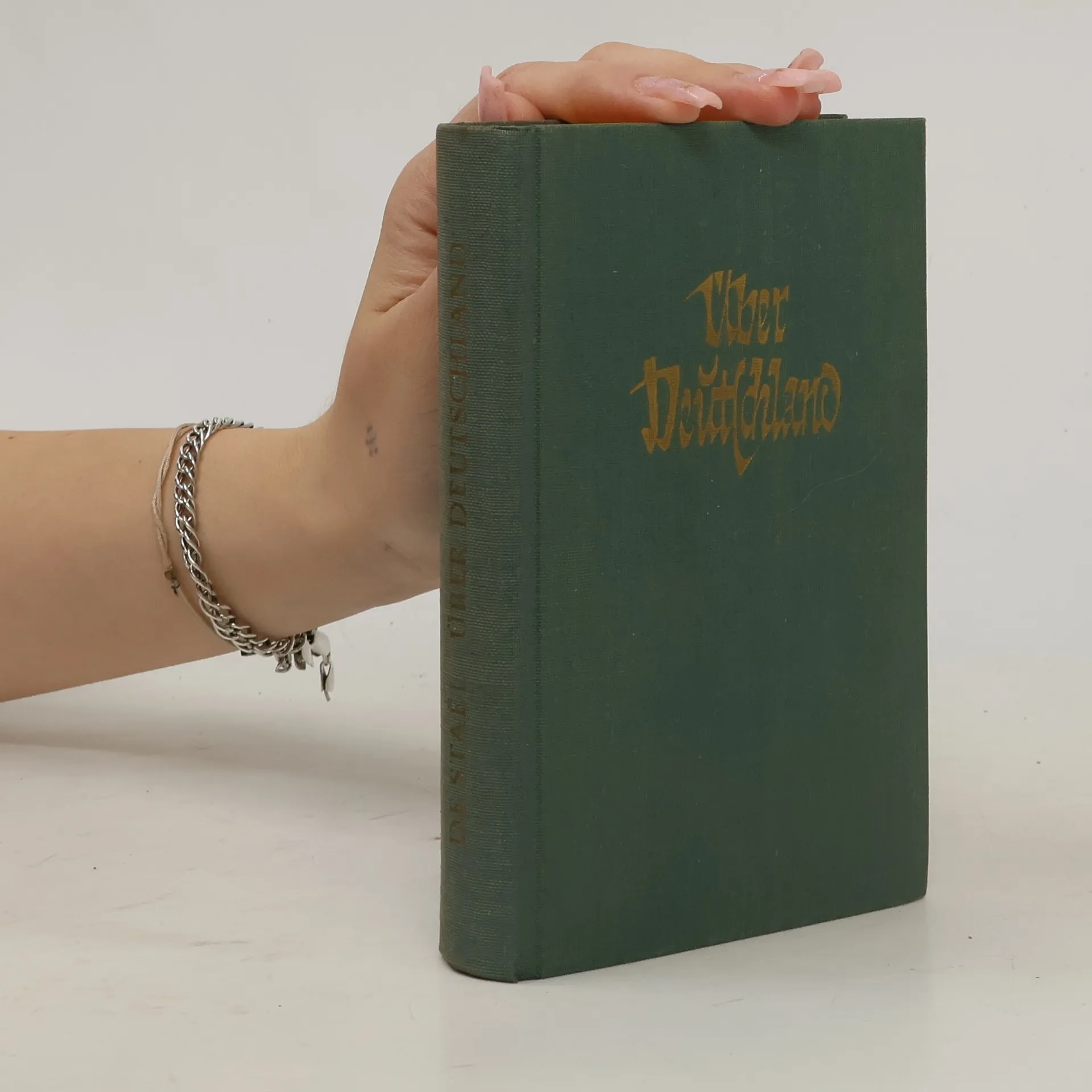

'De l'Allemagne', 1813 im Londoner Exil erschienen, nachdem Napoleon die französische Auflage von 1810 hatte einstampfen lassen, ist neben Tacitus' 'De Germania' und Heines ebenfalls 'De l'Allemagne' übeschrifteter Artikelserie das international bekannteste Buch über Deutschland. Außer einer Fülle scharfsinniger Beobachtungen, die die Verfasserin während iher beiden ausgedehnten Deutschlandreisen (1803/04 und 1807/08) machen konnte, entfaltet sie hier das durch die Norm der französischen Salonkultur gefilterte Resultat ihter Gespräche mit Goethe, Schiller, Fichte, Schelling, A. Müller, F. v. Gentz wie auch ihrer kontinuierlichen Zusammenarbeit mit den Gebrüdern Schlegel, B. Constant, W. v. Humboldt, Sismondi, Ch. de Villers und vielen anderen.§ Gelobt und bewundert, aber auch geschmäht und kritisiert, beförderte diese wagemutige Schrift, ein Grundtext der deutsch-französischen Beziehungen, die Ausprägung der Romantik in Frankreich und markierte den Eintritt der deutschen Literatur ins europäische Bewußtsein.§Den spezifischen Charakter dieses historischen Dokumentes erhellt auf vorzügliche Weise die vollständige deutsche Erstübersetzung aus dem Jahre 1814, welche hier in einer neu durchgesehenen Fassung dem deutschen Leser zugänglich gemacht wird.§Das Nachwort von Monika Bosse erläutert die komplexe Entstehungs- und Rezeptionsgeschichte.§
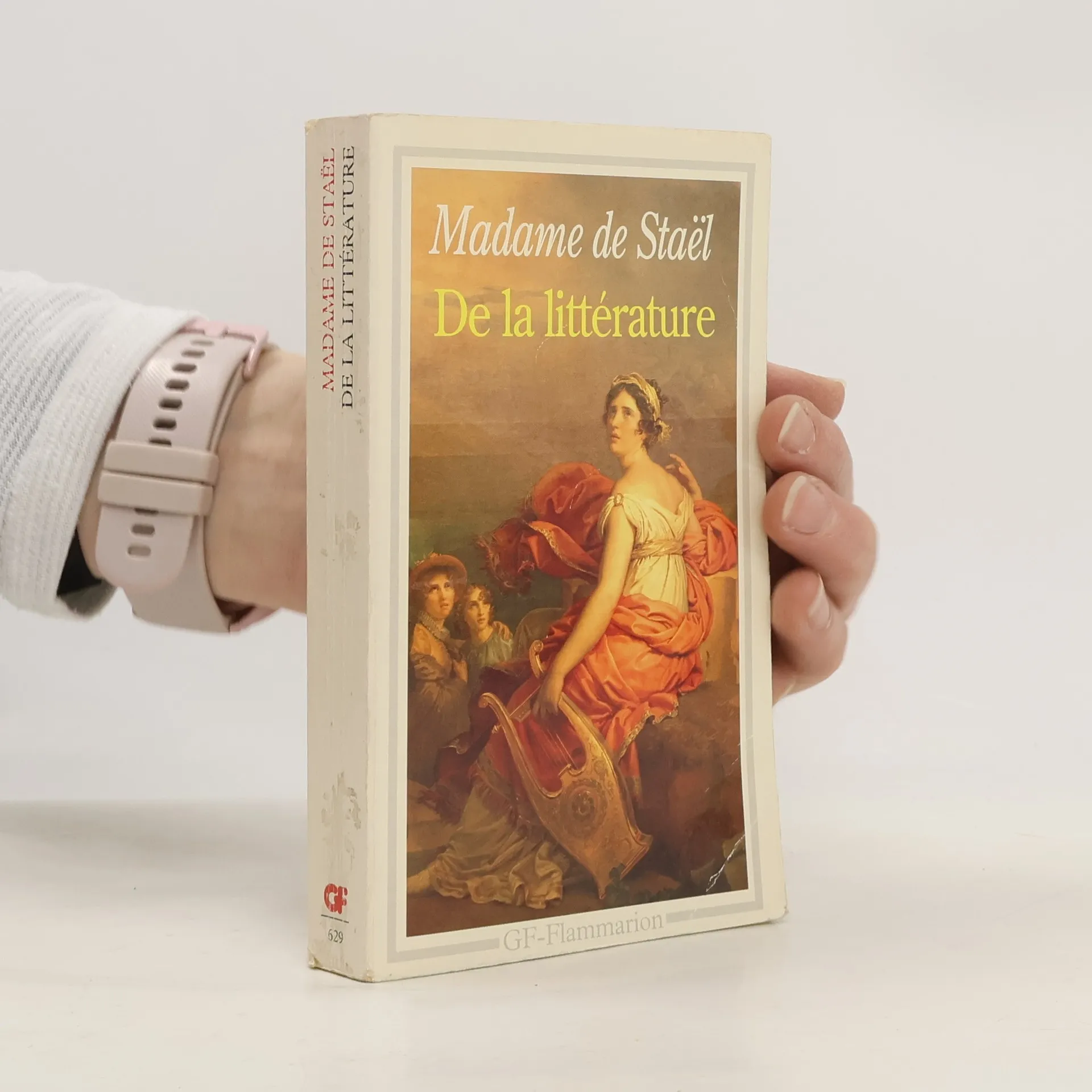
Im Jahr 1800, geprägt von Enttäuschung über die Exzesse der Französischen Revolution, reflektiert die Tochter von Necker über die unzureichende Analyse der Beziehungen zwischen Gesetzen, Sitten, Religion und Literatur in Europa. Ihr Optimismus für das kommende Jahrhundert basiert auf dem Glauben an die Vervollkommnung der Menschheit und die Kraft des Fortschritts. Sie untersucht die Ursprünge der Unterschiede zwischen der französischen, griechischen, italienischen, spanischen und deutschen Literatur und führt diese auf die jeweiligen Institutionen und den Geist jeder Tradition zurück. Die Literatur wird in Beziehung zu Glück, Ruhm und Tugend gesetzt, was eine Neubestimmung des geistigen Menschen ermöglicht. Die Literaturen des Nordens und des Südens fördern nationale Merkmale und deren Wechselbeziehungen mit den Institutionen. Ästhetik wird durch Schönheit, Wettbewerb und Eloquenz definiert. Madame de Staël analysiert Literatur als Produkt ihrer Zeit, wobei Schreiben und Rezeption als kollektive Erfahrungen betrachtet werden, die von Literatur und Institutionen geprägt sind. Die gesellschaftlichen Faktoren, die das Leben gestalten, erklären die besondere Form der Gelehrsamkeit. Mit den Werkzeugen ihrer Zeit und durch das Prisma der gemäßigten bürgerlichen Intellektualität diskutiert die Autorin Themen von paradoxer Aktualität, die auch zweihundert Jahre später relevant sind.
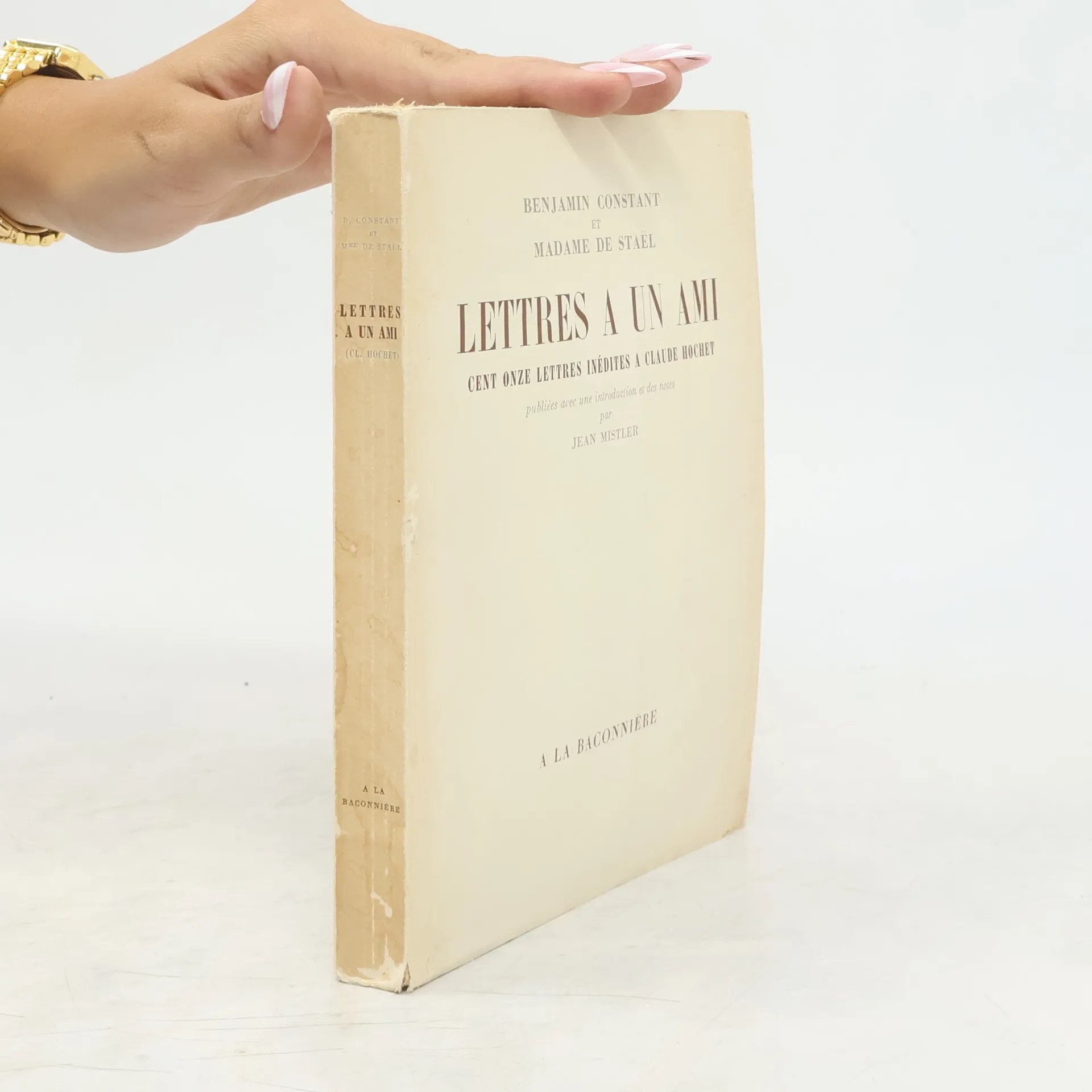
Lettres a un ami
Cent onze lettres inédites à Claude Hochet
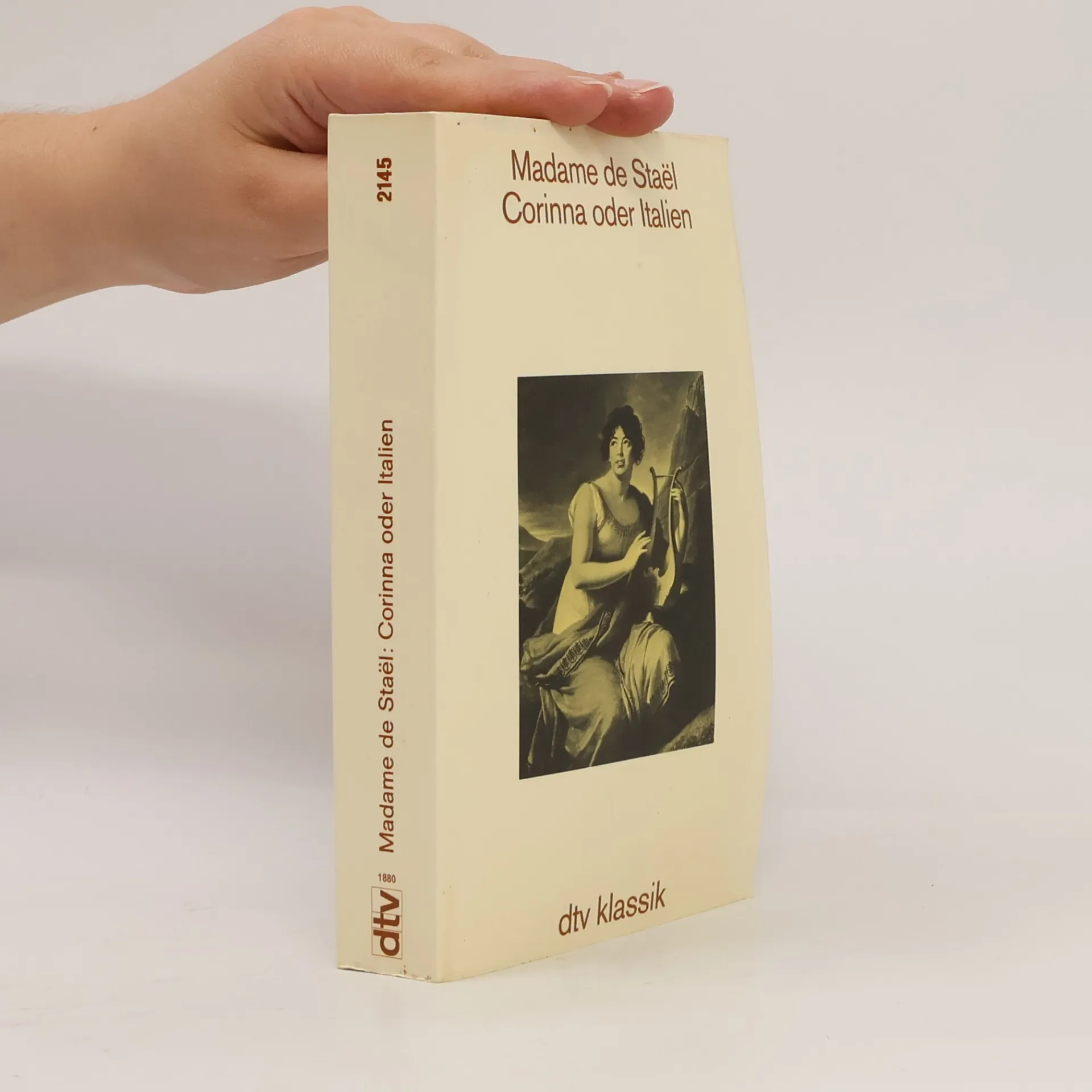
DTV Klassik: Corinna oder Italien
- 617 stránek
- 22 hodin čtení