

Knihobot

Alf Lüdtke

    18. říjen 1943 – 29. leden 2019
    No man's land of violence
    Gelehrtenleben
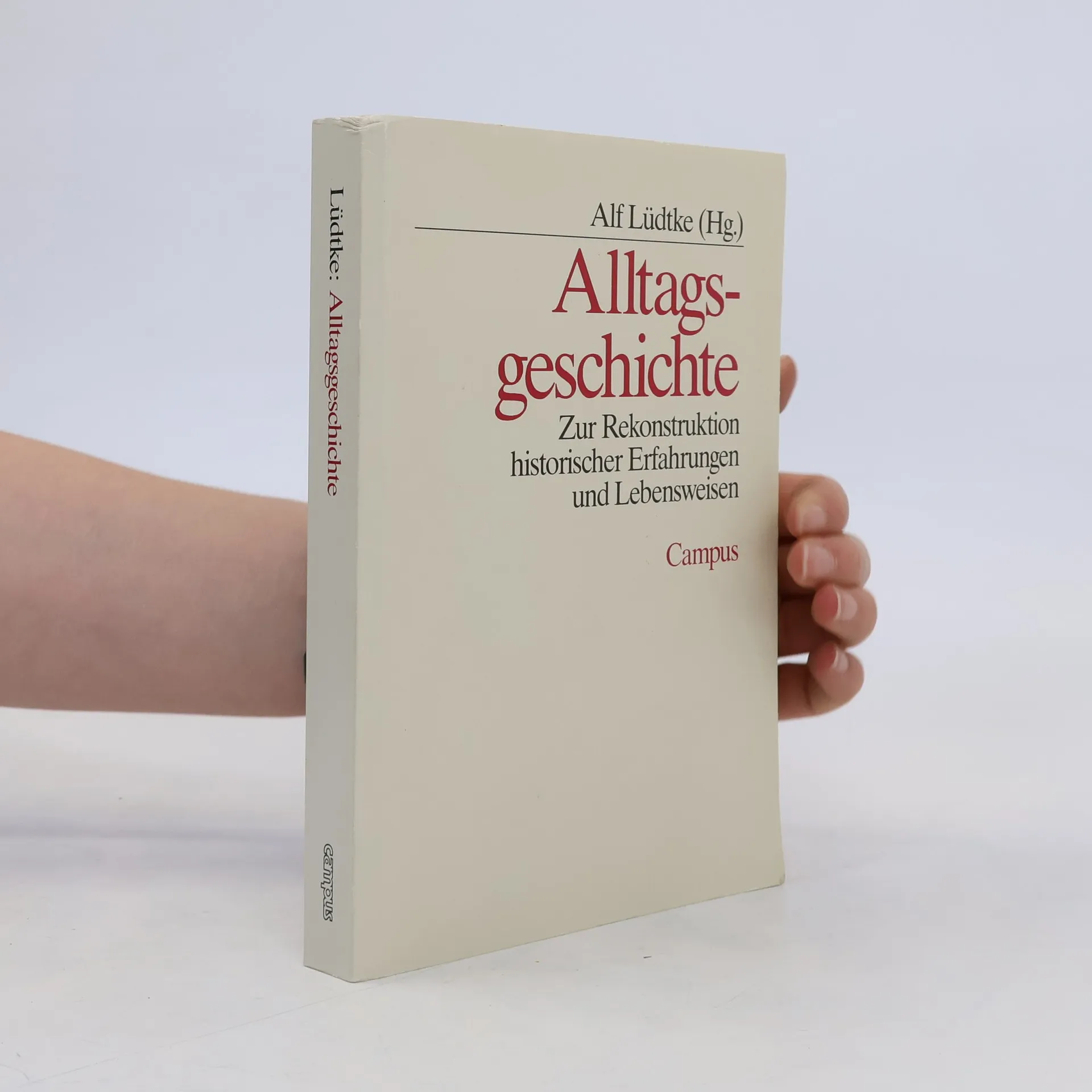
    Laute, Bilder, Texte
    Amerikanisierung
    Was bleibt von marxistischen Perspektiven in der Geschichtsforschung
    Police and state in Prussia, 1815 - 1850
    • 2015

      Laute, Bilder, Texte

      Register des Archivs

      The essays of this volume explore multiple features of the archive. As case studies they show the retrieval and usage of different materials and traces. Thus, the scope of the contributions ranges from contextualizing voice recordings of captured British colonial soldiers of WWI (B. Lange) to the participant observation of video testimonies and their transnational traffic in Morrocan migrants’ settings in the early 2000s (A. Dreschke / M. Zillinger). Other contributions examine the archival dimension of specific materials. The essay of W. Hesse concentrates on photographs collected by the German labour movements of the 1920s; the author reveals these images as treasure troves for the study of politics in people’s everyday-life. T. Ebner shows literary texts as archival repositories situating their plot in colonial East-Africa of the 1930s. Similarly, T. Ebbrecht-Hartmann discusses films made in then-Palestine or early Israel as archives of contested narratives and iconographies of the struggle for Israel. Finally, C. Hamilton questions distinction of ‘colonial’ versus ‘indigenous’ (or ‘subaltern’) archives, drawing on the South African experience since the apartheid-regime was abolished in 1994. Hamilton argues for a new focus on the actual practices of archivists as of archive users.

      Laute, Bilder, Texte
    • 2011

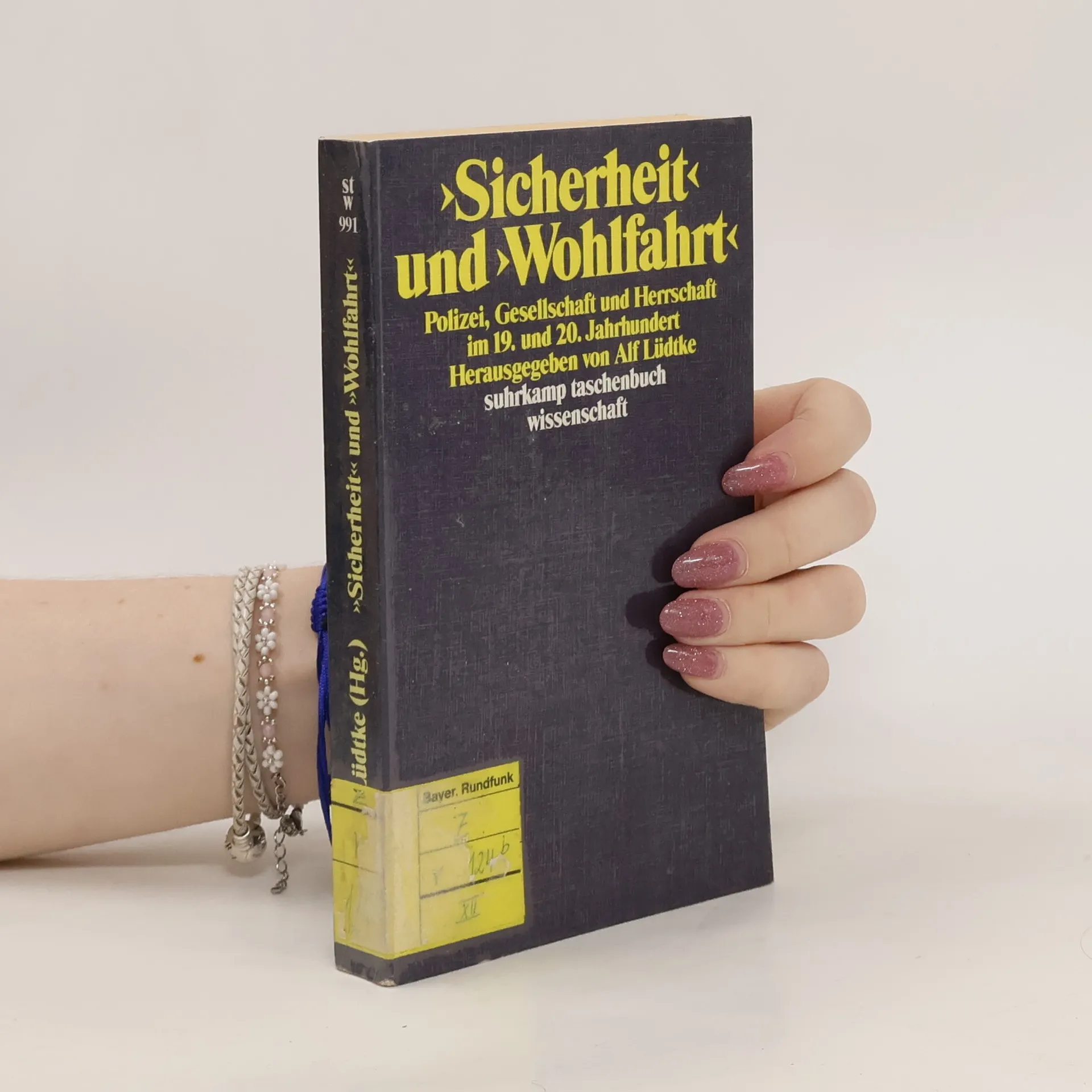
      Die Polizei repräsentiert wie kaum eine andere Institution das staatliche Gewaltmonopol. Doch was ist damit konkret gemeint? Die historische Erkundung zeigt, dass auch in der neuesten Zeit „Polizei“, „Gewaltmonopol“ und „Staat“ sehr unterschiedlich verstanden werden. Entscheidend für das Profil staatlicher Autorität und Durchsetzungsmacht sind dabei weniger abstrakte Strukturen und gesichtslose Apparate, als die sozialen Praktiken der Akteure: der Polizei, anderer Institutionen, aber auch des Publikums. Umstritten bleiben zumal die Formen der Androhung und des Einsatzes polizeilicher Gewalt. Die Beiträge des Bandes widmen sich in exemplarischen Fallstudien unterschiedlichen Praktiken wie Deutungen des Polizierens im 19. und 20. Jahrhundert.

      Polizei, Gewalt und Staat im 20. Jahrhundert
    • 2007
    • 2007

      Gelehrtenleben

      Wissenschaftspraxis in der Neuzeit

      • 280 stránek
      • 10 hodin čtení
      Gelehrtenleben
    • 2006

      Neun Beiträge beleuchten die Rolle der Gewalt in der Politik und Gesellschaft des 20. Jahrhunderts. Die Autorinnen und Autoren analysieren die Gewaltpraxis in den Kriegen des „kurzen“ 20. Jahrhunderts. Kriegsgewalt wird nicht mehr nur als Mittel oder Ziel von Politik betrachtet, sondern als deren Ende. Das Niemandsland entgrenzter Gewalt zieht eine besondere Anziehungskraft auf sich: Die Angstlust und Erlösungssehnsucht der Kampfzone spiegeln sich in der alltäglichen politischen Gewalt wider, wo das Töten zum Gründungsritual von Gewaltgemeinschaften wird. Die Beiträge umfassen unter anderem die Themen: die Kriegsverbrechen und extreme Kämpfe, den deutschen Nationalismus und Selbstzerstörung in den Endkämpfen von 1918 und 1945, die Schockwirkung der Gewalt in Deutschland nach 1945, sowie die Erzählungen über feindliche Aktionen im Krieg. Weitere Analysen thematisieren die Rolle von Frauen im Niemandsland der Gewalt auf dem indischen Subkontinent, den bewaffneten Kampf und sektiererische Gewalt in Südafrika und Nordirland, sowie die Performanz von Gewalt in den Balkankriegen. Diese Essays bieten neue Perspektiven auf die Geschichte der Kriegsführung, indem sie den Fokus auf die Erfahrungen der Menschen im Krieg legen. Die Untersuchung zeigt, wie Individuen mit der Angst vor dem eigenen Tod umgingen und welche Beziehung sie zu den Emotionen des Tötens „des Feindes“ entwickelten. So wird das „Niemandsland der Gewalt“ zu einem

      No man's land of violence
    • 2000

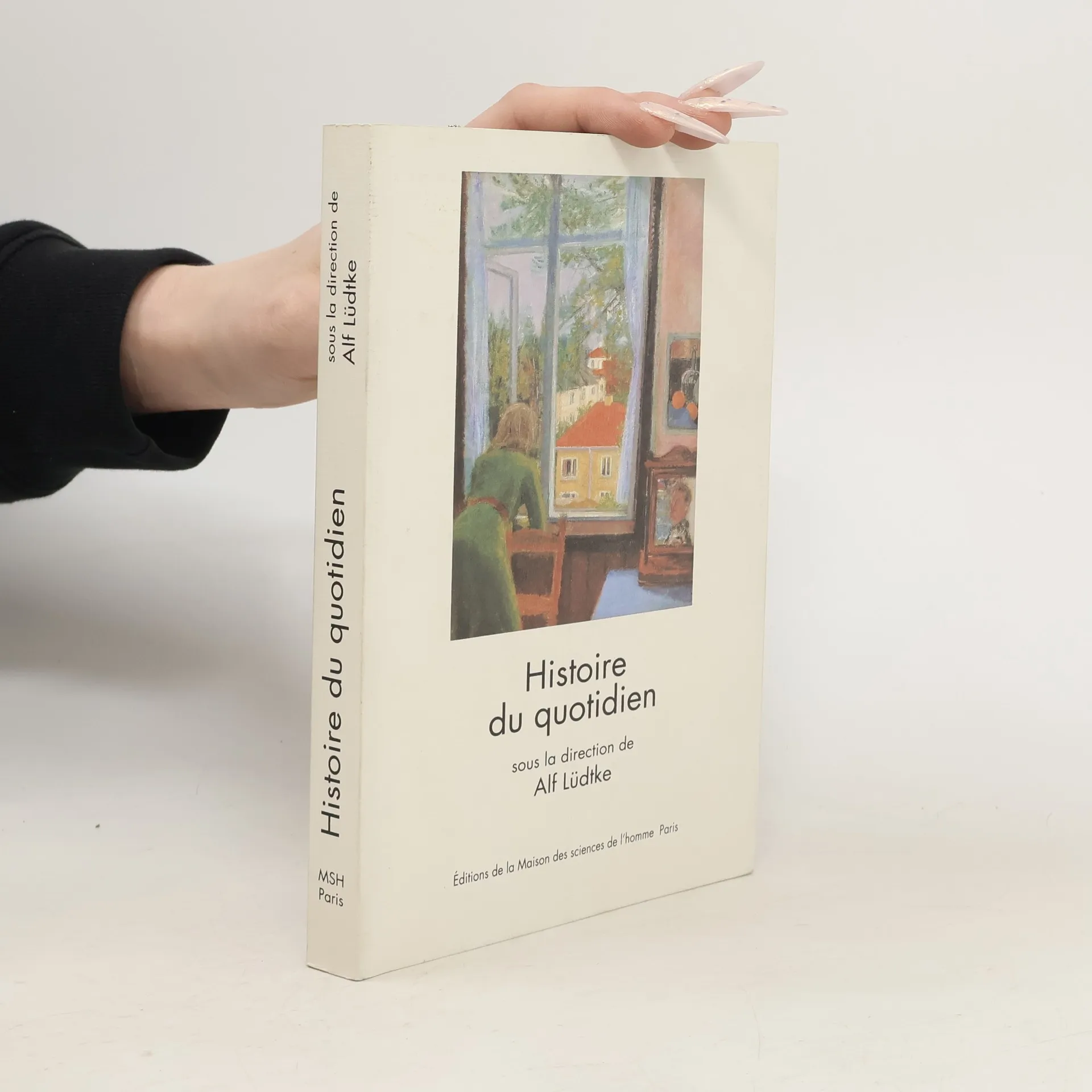
      L'Allemagne du XXe siècle a tout connu, et d'abord le pire. Comment comprendre ce qui s'est passé? Dans un contexte éminemment polémique, l'auteur ouvre les archives et traque la vie au quotidien. Expériences ouvrières sous le fascisme allemand, morosité des ouvriers de l'industrie en RDA, recomposition sociale après l'unification de 1990, l'auteur mène l'enquête dans l'Allemagne du XXe siècle, pour saisir ces pratiques ordinaires qui, jour après jour, font l'histoire. Une manière d

      Des ouvriers dans l'Allemagne du XXème siècle
    • 1997

      This work explores language and power dynamics in the GDR, beginning with foundational considerations on the interplay between language and authority. It includes systematic analyses of texts from a German dictatorship, examining the role of economic statistics and reporting in shaping perceptions of the state. The concept of dictatorial rule as a communicative practice is discussed, particularly regarding the relationship between bureaucracy and language standardization throughout GDR history. Case studies delve into the reinterpretation of past narratives, such as antifascist constructions in rehabilitation requests from former NSDAP members in post-war Berlin. The text also highlights aspects of East German consumer culture and the influence of American jazz on perceptions of respectability. The internal and public discourse surrounding the Deutsche Volkspolizei in the 1950s is analyzed, alongside representations of the GDR in the comic MOSAIK, which reflects societal themes of the era. Further discussions address youth and state conflicts in the 1960s, women's experiences with authorities regarding abortion, and a civil lawsuit from the 1980s. The collection concludes with personal letters to GDR television, illustrating public sentiment. This comprehensive examination provides insights into the complexities of life under a dictatorial regime.

      Akten, Eingaben, Schaufenster - die DDR und ihre Texte