Agronomie v praxi
Porozumění půdní úrodnosti a používání hnojiv



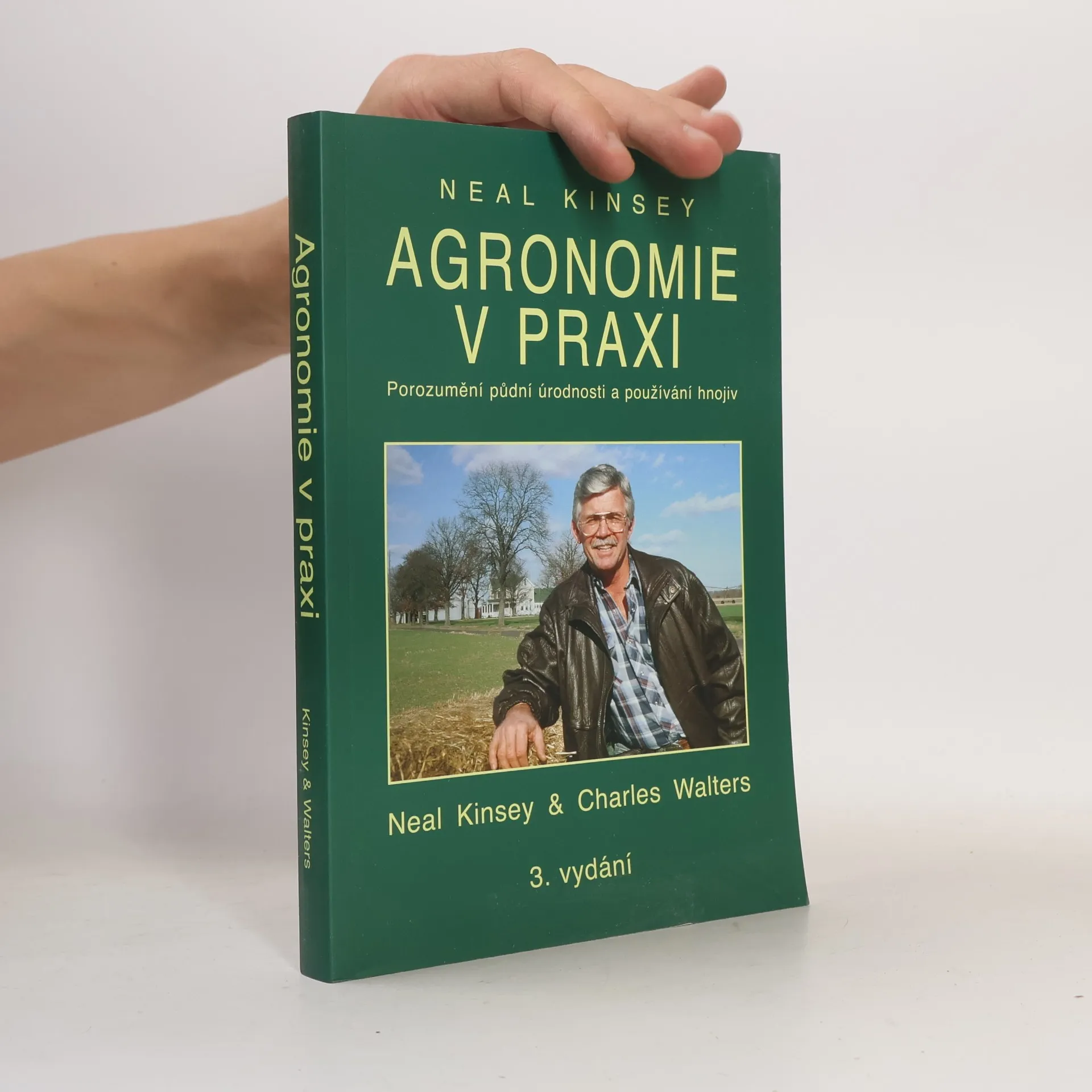
Porozumění půdní úrodnosti a používání hnojiv
This book brings together organics and conventional farming. It discusses fertilisers, how to balance soil nutrients, and the proper use of manures, compost, tillage, and micronutrients.
Dr. Richard Olree believes that the key to the biological role of all trace minerals has been available to science for decades, but nobody realized it. Will his Standard Genetic Code Chart prove to be the Rosetta Stone of trace nutrients? Through sequencing the amino acids in the process of constructing proteins, Dr. Olree has traced all the elements to their participatory function in the life process. In this cutting-edge book, the connection is made between the physical, chemical and biological aspects of minerals and subatomic particles in the life process, and assignment is made of the specific mineral that governs each entry in the genetic code. This knowledge, based on peer-reviewed medical literature as well as research by forgotten innovators, suggests an end to the tyranny of pharmaceuticals. Each of the 64 sequences (or "codons") in the Standard Genetic Chart is discussed with an overlay of the mineral involved - its absence leading to degenerative disease; its presence ensuring that health is maintained. Dr Olree's genetic mineral chart overlaps the 64 codons that are now a part of "settled" science. This innovative book reveals a unique roadmap overlaying the body's deepest genetic need for specific minerals, classical chiropractic conditions, acupuncture meridians, and deficiency and disease indicators.