Sam Tanenhaus is a distinguished editor and critic, known for his insightful commentary on literature and politics. His editorial leadership at The New York Times Book Review shapes contemporary literary discourse, offering readers carefully curated perspectives. Through his critical essays, he delves into the complexities of cultural and political landscapes, demonstrating a keen analytical eye. Tanenhaus’s rigorous approach to writing and editing makes him a significant voice in American letters.
The author charts the story of Whittaker Chambers, whose transformation from Communist agent to anti-Communist witness climaxed in 1948, when he testified against Alger Hiss, a senior U.S. State Department official, in the controversial trial that shook and changed America.
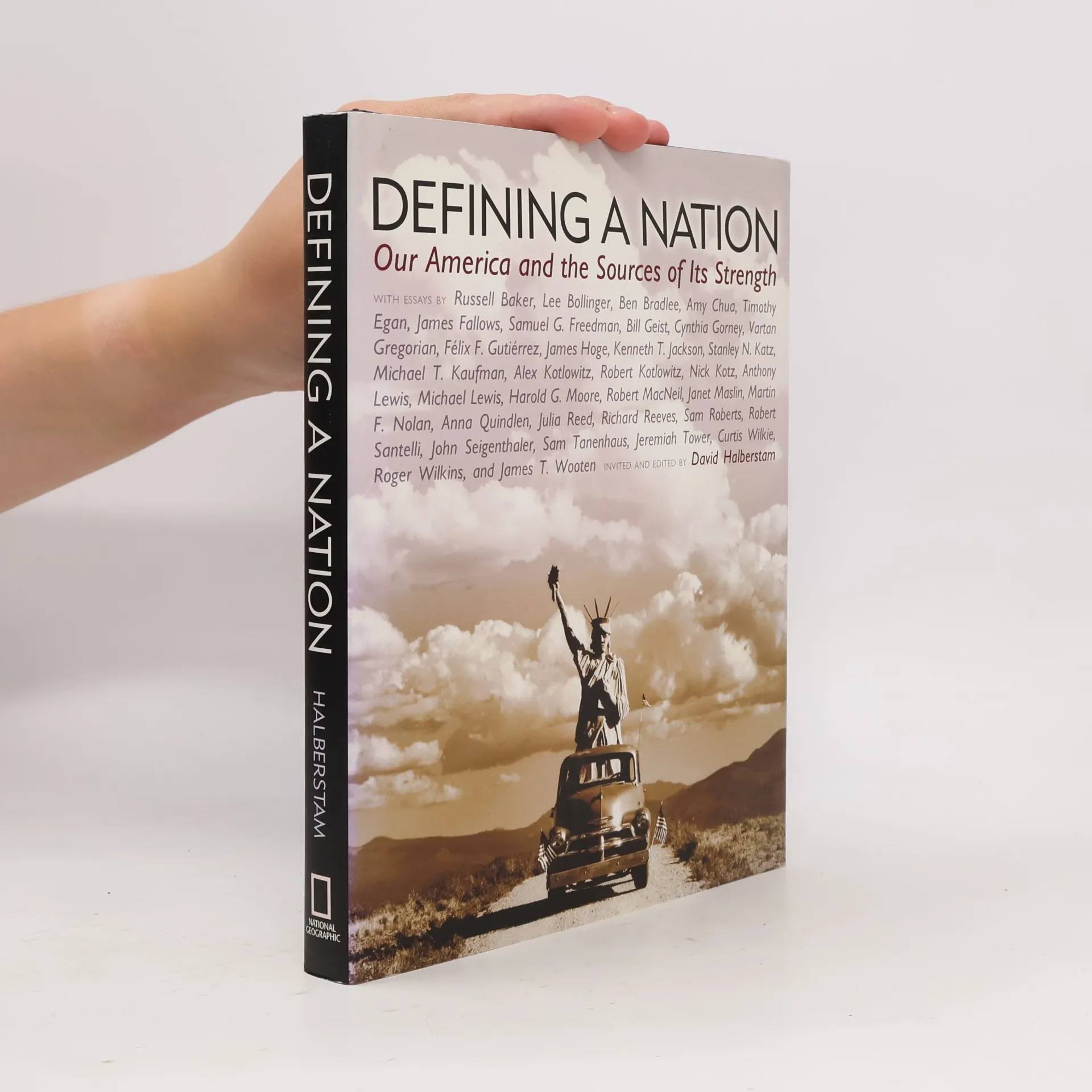
"The freer we are … the stronger we are," writes David Halberstam in this probing compilation of original essays which distill the essence of America, an evergreen subject rendered even more timely by recent world events that highlight cultural clashes and prompt us not just to reconsider foreign attitudes and aspirations but to think anew about our own.Each chapter explores fundamental qualities, concepts and accomplishments that shape the American the sheer size of our country; the legendary events of our history; the heroes, villains, and icons of our national mythology; our enduring dream of a meritocratic society; and the unmistakable spirit that defines us both to ourselves and the rest of the world. Halberstam's keen observations introduce richly varied contributions by distinguished and eloquent commentators like Russell Baker, Ben Bradlee, James Fallows, Cynthia Gorney, Vartan Gregorian, and Janet Maslin, among others, who consider everything from Manifest Destiny to the McCarthy hearings and from Paul Revere's midnight gallop to John Wayne's classic cowboy riding tall through the American Century. Inspiring, enlightening, and enhanced by more than 300 photographs and illustrations, this wide-ranging collection provides thought-provoking, often surprising insights into how today's America took shape, who we are as a nation now, and where our country is headed.From the Trade Paperback edition.
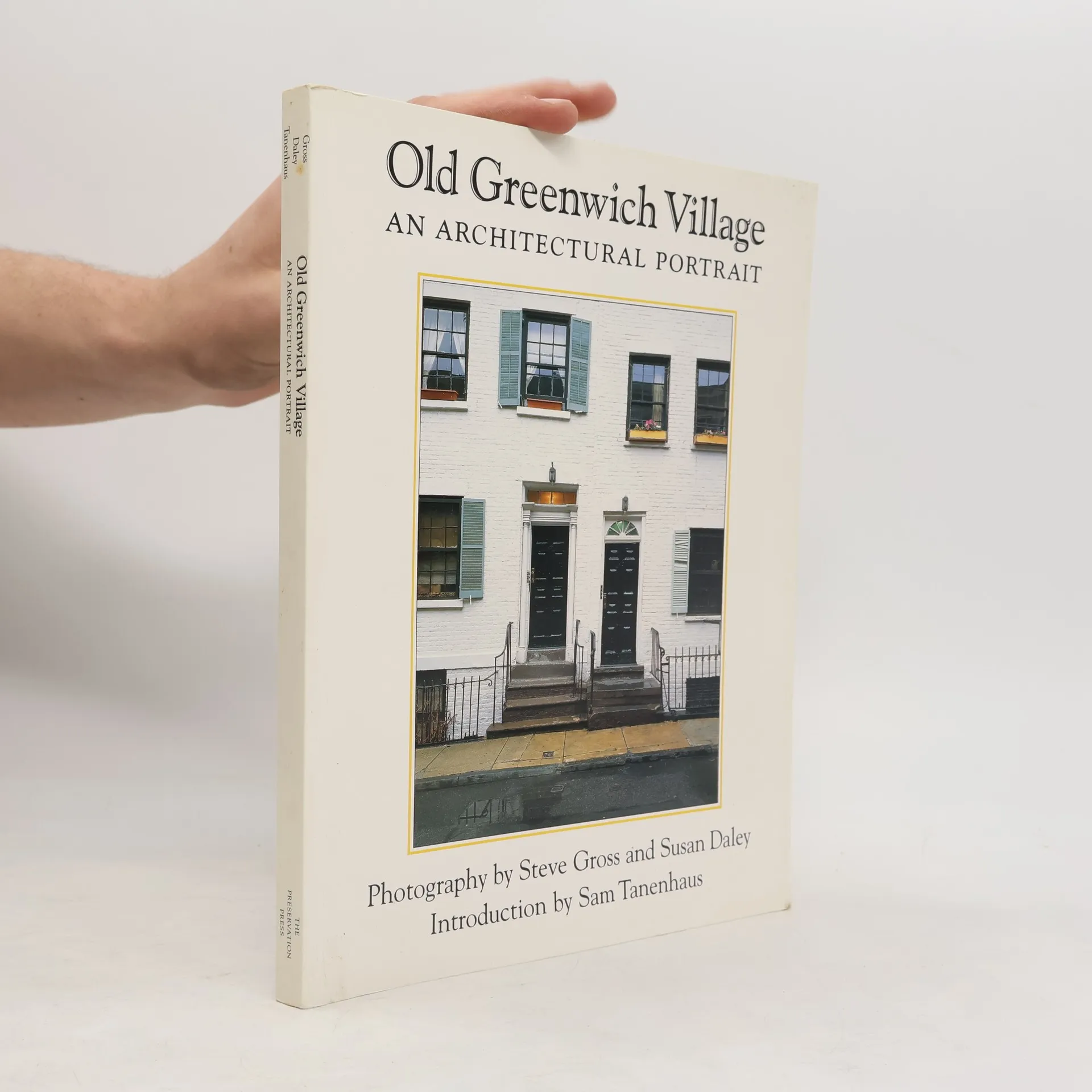
Greenwich Village is best known as the bastion of America's avant-garde, a mecca for artists and writers, free thinkers and blithe spirits. But the Village is also one of the nation's most venerable urban comniunities, rich in social and architectural history. In 1811, ambitious city fathers blueprinted a lock-step grid for the whole of Manhattan. The independent-minded residents of Greenwich vigorously protested. They wanted their rural hamlet to remain a place apart, left to evolve in its own way. They won the fight and to this day the area is distinguished by its web of crooked streets, many crowded with two- and three-story rowhouses seventeen decades old, others lined with charming cafes and bistros. This legacy of independence is also exemplified by the buoyant iconoclasm of Village inhabitants, a Who's Who of artistic and literary America, from Walt Whitman and Henry James to Jackson Pollock and Sam Shepard. The striking color photographs in this volume celebrate the spirit of the Village, the tranquil churchyards and vibrant piazzas, the handsome facades and cheerful storefronts. An introduction surveys the Village's cultural history and evokes its memorable personalities. Above all, Old Greenwich Village captures the neighborhood's exquisite blend of past and present and "the eccentricity that has enabled the Village to remain, after two centuries, truly a village."