


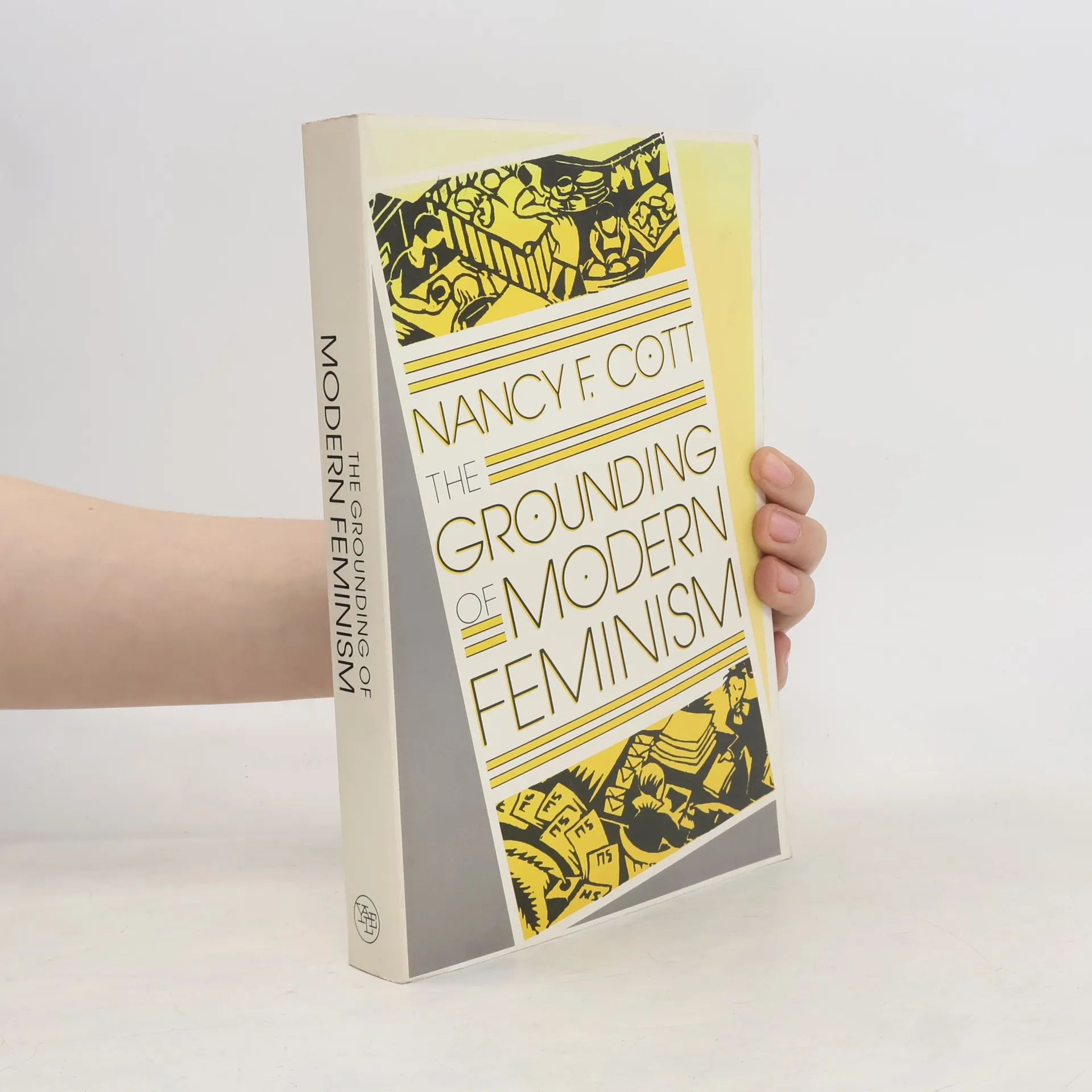
The Grounding of Modern Feminism
- 378 stránek
- 14 hodin čtení
"The time has come to define feminism; it is no longer possible to ignore it." This landmark work by Nancy F. Cott offers a fresh interpretation of American feminism in the early 20th century, challenging the notion that women lost interest in feminist issues after gaining the right to vote. Cott posits that this era marked a crisis and transition from the 19th-century "woman movement" to modern feminism, with many contemporary issues firmly articulated during this time. Key themes include defining sexual equality while acknowledging differences between genders, the complexities of seeking individual freedoms through collective solidarity, and the challenges of achieving full expression in both work and love. Cott highlights the increasing diversity among women, which contradicted the earlier singular focus on the "cause of woman." She examines the suffrage movement, particularly the National Woman’s Party, and counters the idea that women’s political activities declined post-1920 by showcasing the growth of women’s voluntary associations. Additionally, she discusses the challenges faced by women in male-dominated political spaces and recontextualizes the debate over the equal rights amendment, emphasizing the broader struggle for capturing sexual equality in law. This history of early feminists builds a vital connection between the presuffrage period and contemporary feminist movements.