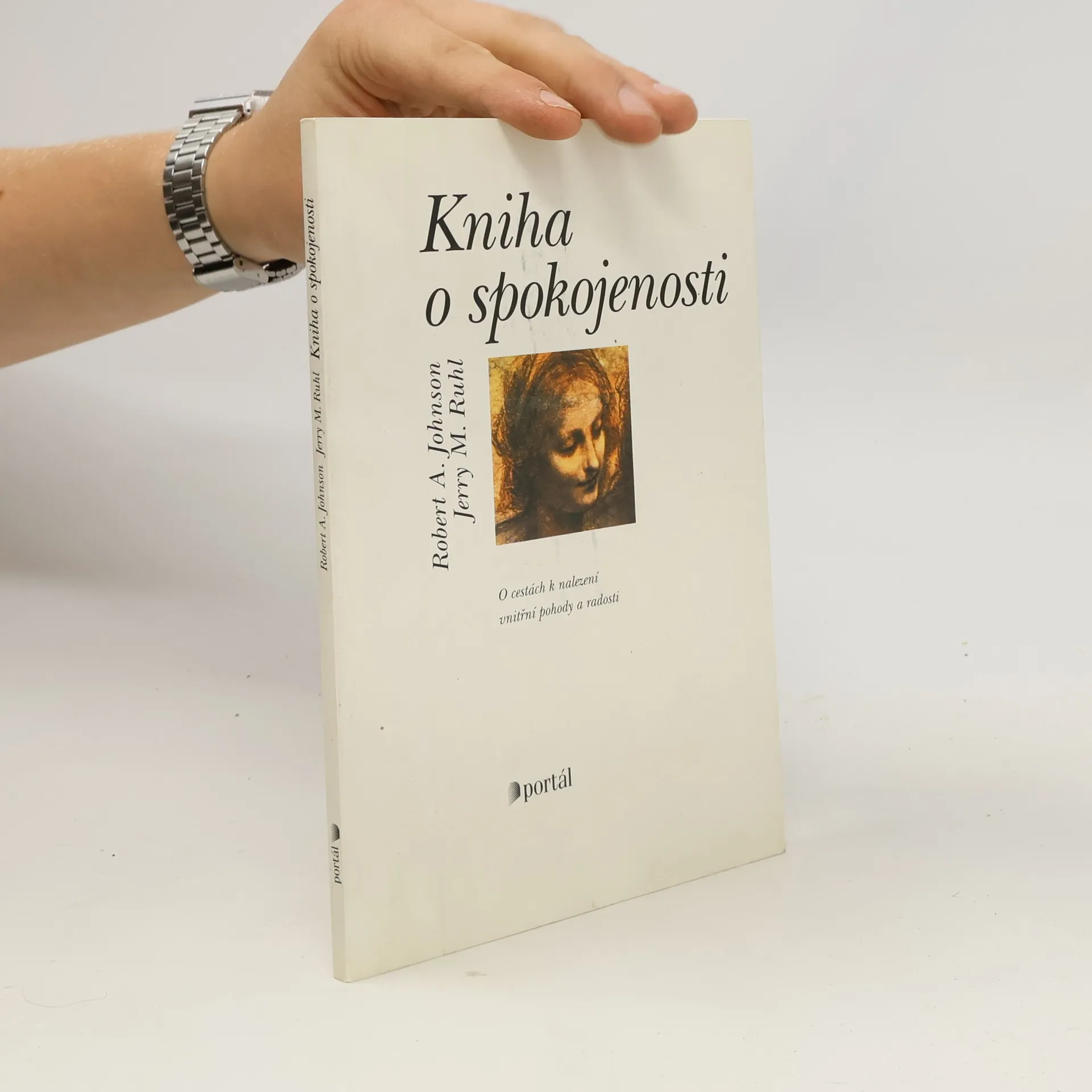
Kniha o spokojenosti : o cestách k nalezení vnitřní pohody a radosti
- 101 stránek
- 4 hodiny čtení
Podtitul: o cestách k nalezení vnitřní pohody a radosti


Robert A. Johnson is a recognized lecturer and Jungian analyst. His work delves into the depths of the human psyche, exploring archetypal patterns and the transformative power of myths. Through his insightful analyses, he guides readers toward a deeper understanding of their inner lives and the universal stories that shape our existence.

Podtitul: o cestách k nalezení vnitřní pohody a radosti
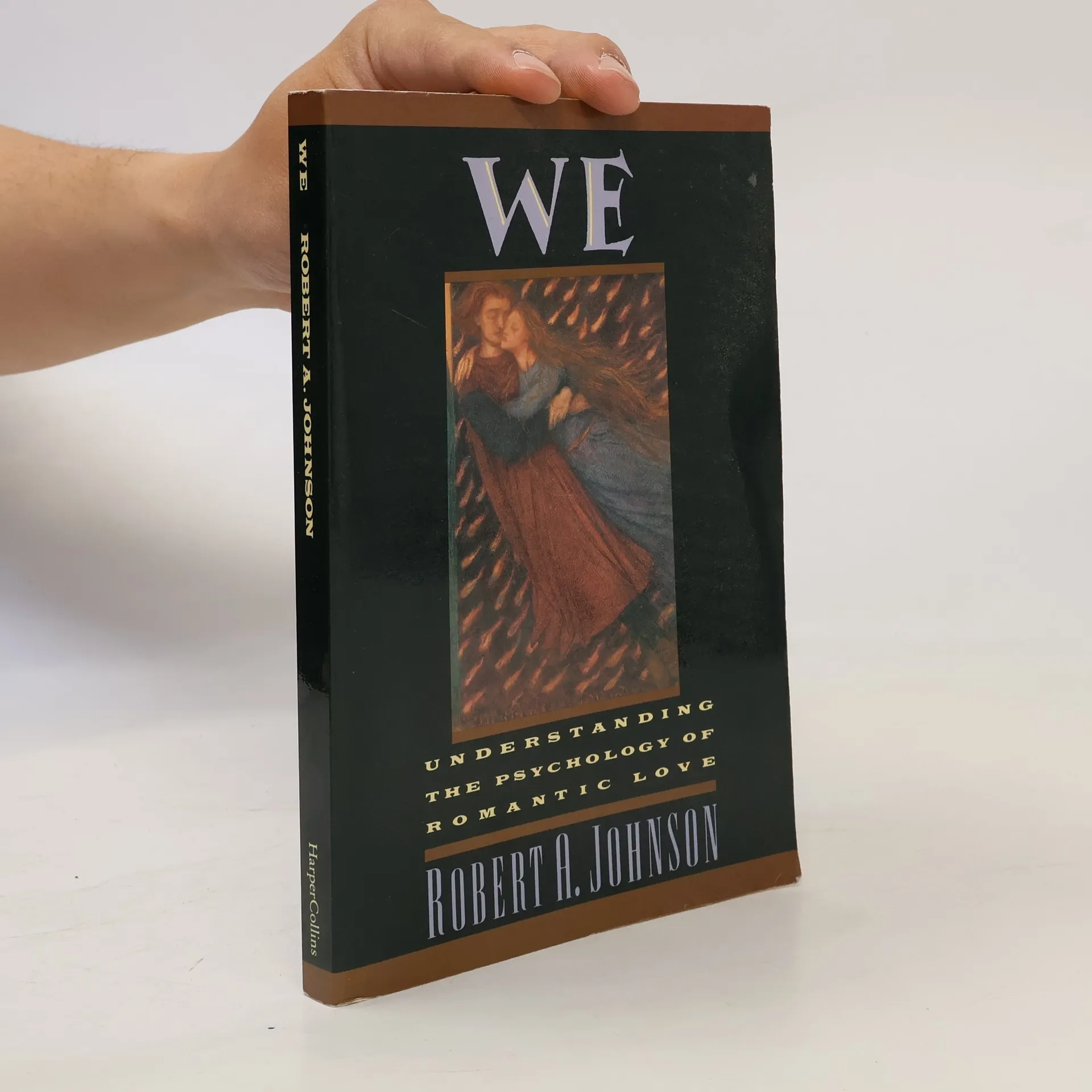
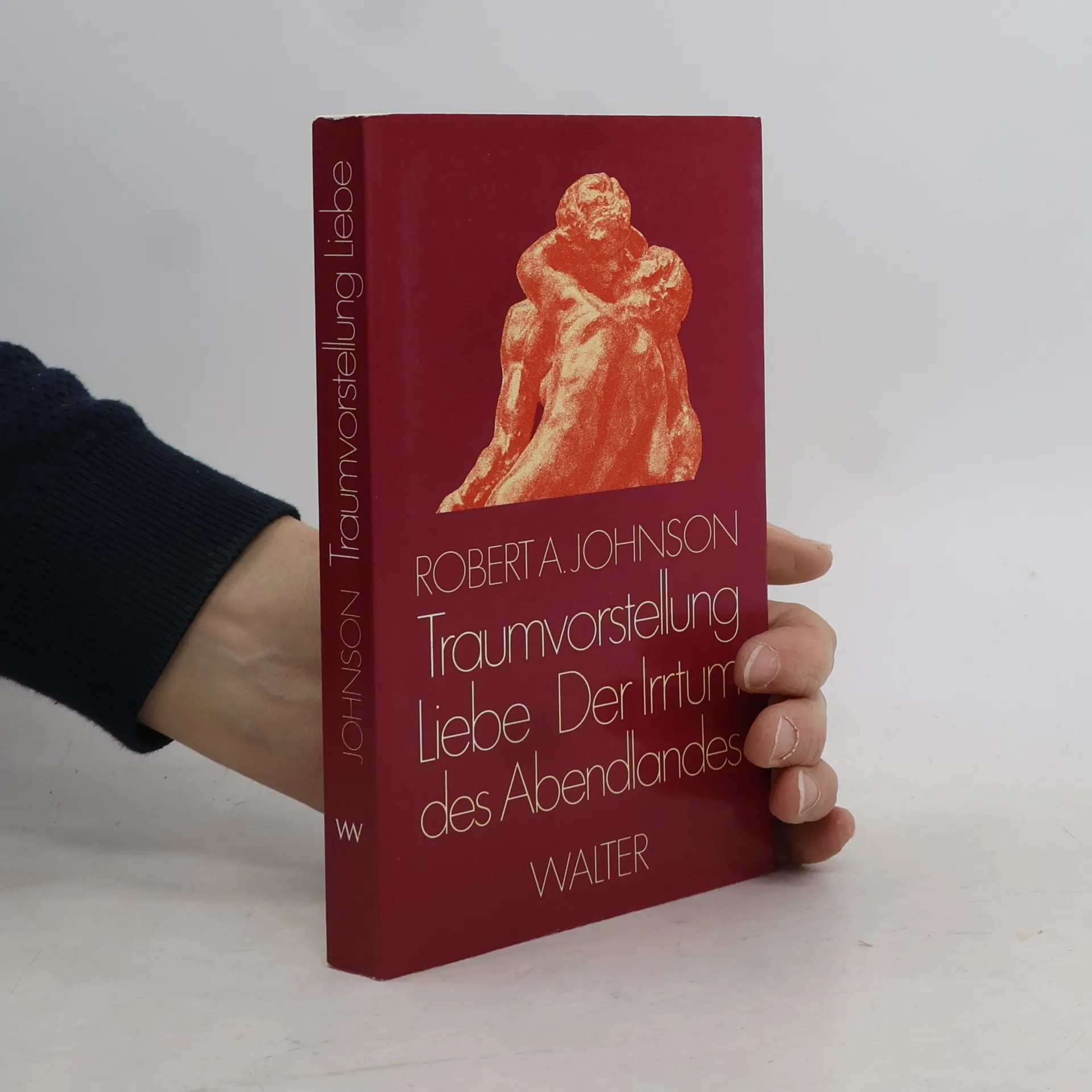
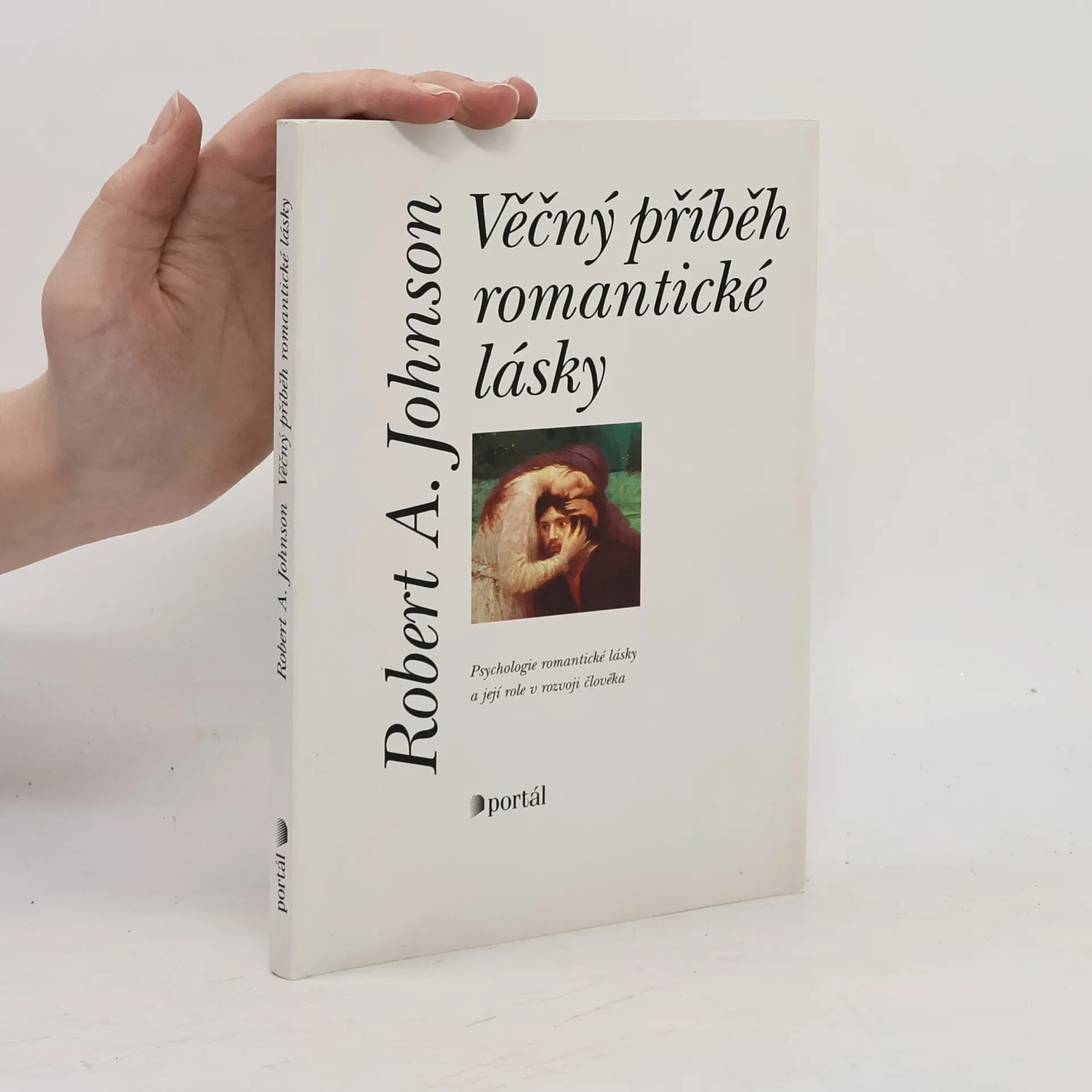
Podtitul: "Psychologie romantické lásky a její role v rozvoji člověka" I když jsme lidé rozumní a žijeme ve světě, kde očekáváme střízlivou věcnost, každého z nás se citlivě dotýkají okamžiky romantické lásky a zamilovanosti, a to jak v realitě vlastní, v realitě druhých, tak ve snech a fantaziích. Robert A. Johnson ve své knize Věčný příběh romantické lásky vypráví příběh Tristana a Izoldy, tedy jeden z prvních velkých příběhů romantické lásky. Na jeho pozadí se zamýšlí nad podstatou a významem romantické lásky. Poukazuje na často nevědomá očekávání, která si muži i ženy do vzájemných vztahů přinášejí, přívětivým způsobem odhaluje velké iluze a ukazuje reálné možnosti. Kniha je elegantně a poeticky psanou psychologií lásky.
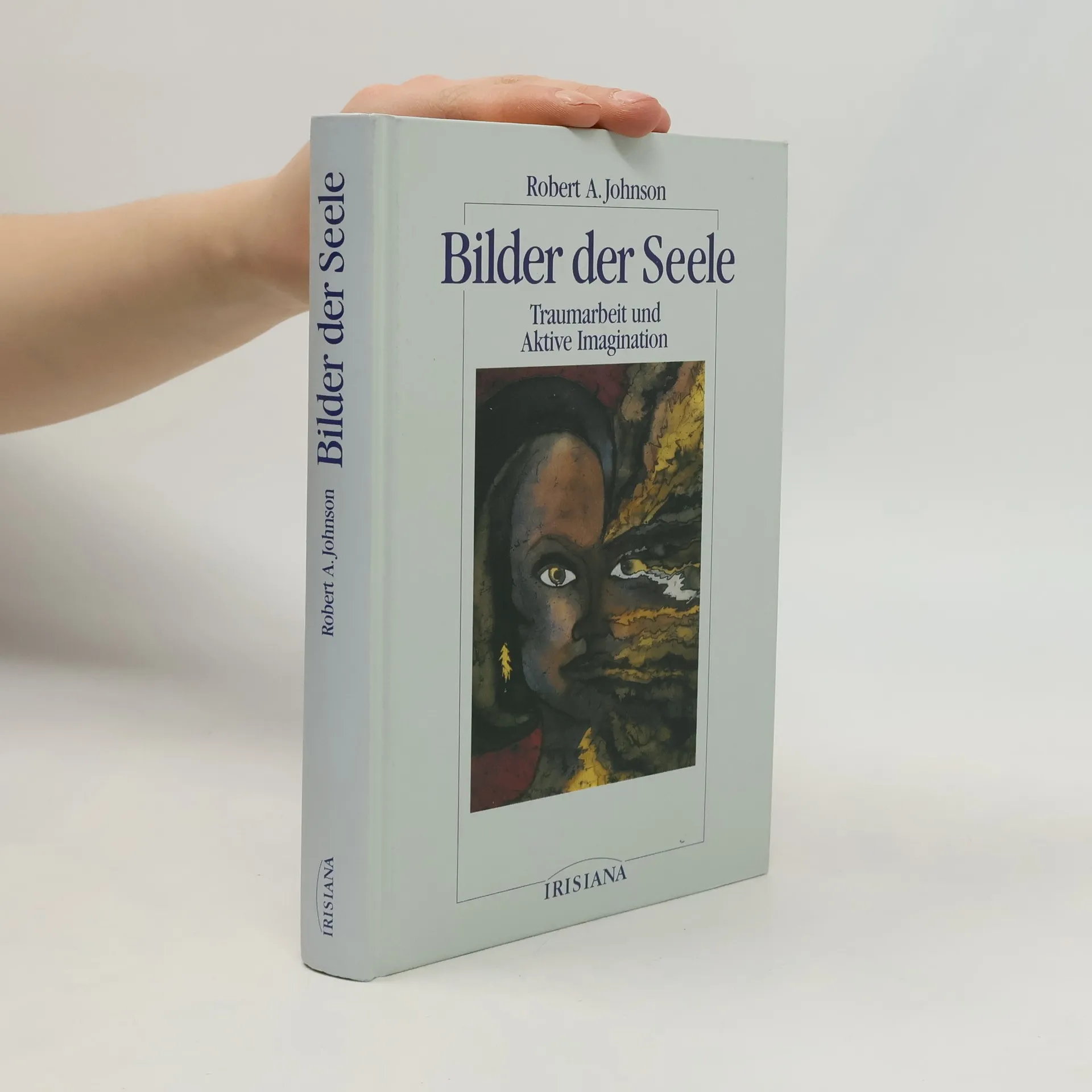
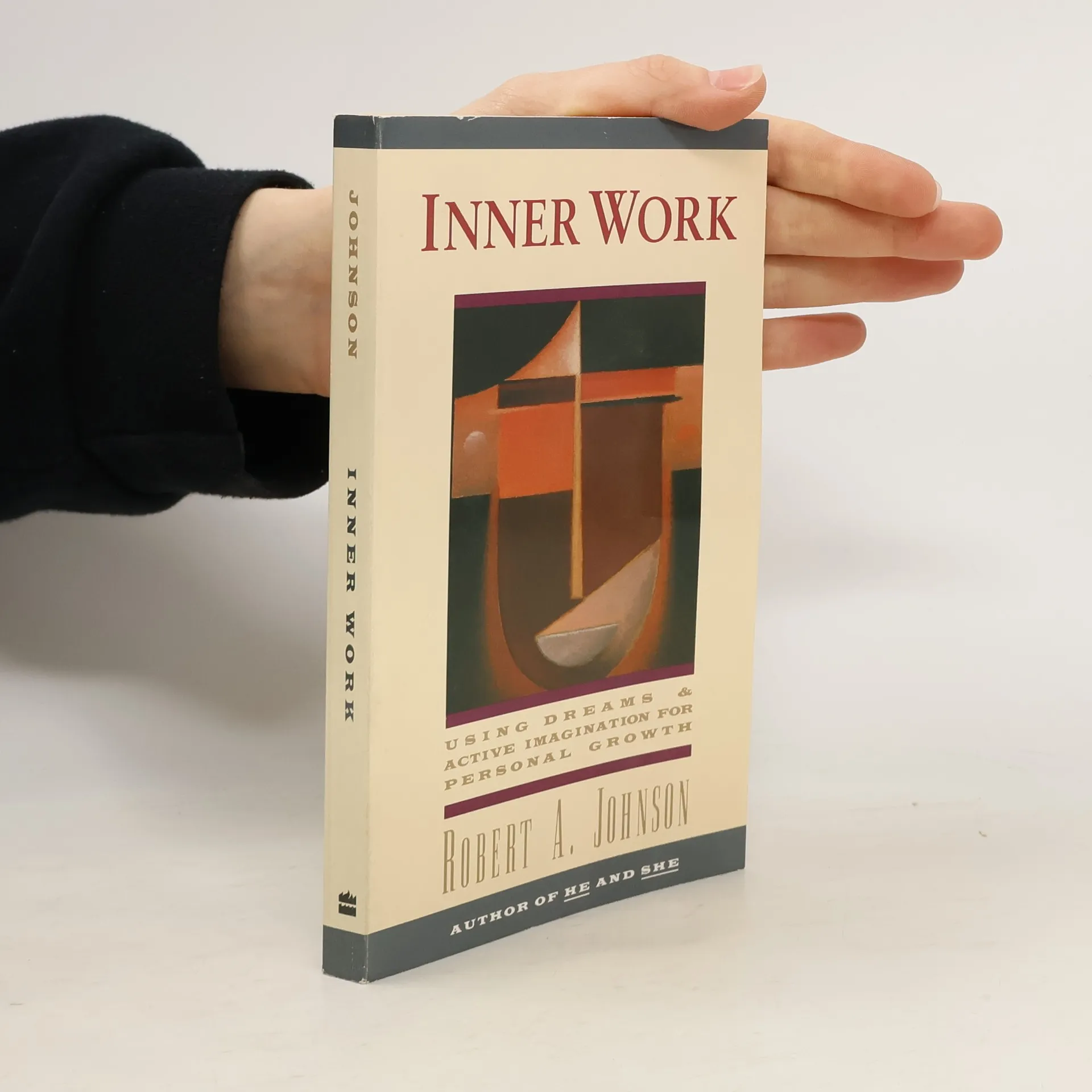
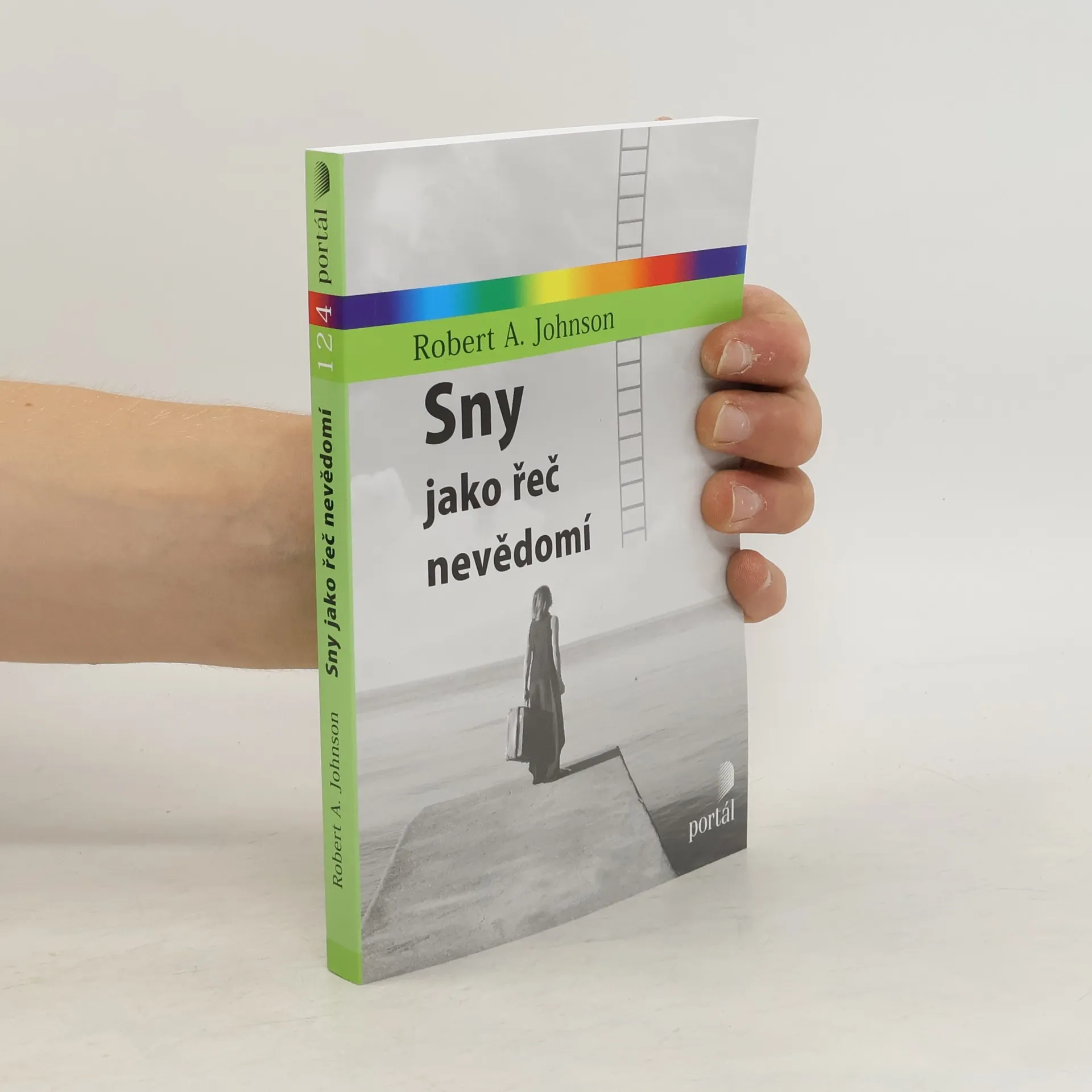
Nevědomí, hluboký zdroj vnitřních konfliktů, ale i růstu, obnovy, síly a moudrosti se pojevuje prostřednictvím řeči symbolů. Porozumět mu můžeme, vydáme-li se po jedné ze dvou cest: porozuměním snům a aktivní imaginací. Porozumíme-li svým snům a naučíme-li se pracovat s aktivní imaginací, napojíme se na zdroj naší rozvíjející se osobnosti v součinnosti s procesy, které vedou ke sjednocení celého já. Kniha nabízí praktický přístup krok za krokem k vnitřní práci založené na jungiánské analýze snů a spočívá v osvojení schopnosti číst symbolický jazyk snů. Aktivní imaginace pak nabízí využití síly imaginace k rozvoji pracovního vztahu mezi vědomou myslí a nevědomím. Jak? Sérií tělesných a duševních kroků, které nám pomohou přistoupit ke snu, rozluštit symboly a odhalit význam, které pro nás mají.
A noted author and Jungian analyst teaches how to use dreams and inner exercises to achieve personal wholeness and a more satisfying life.
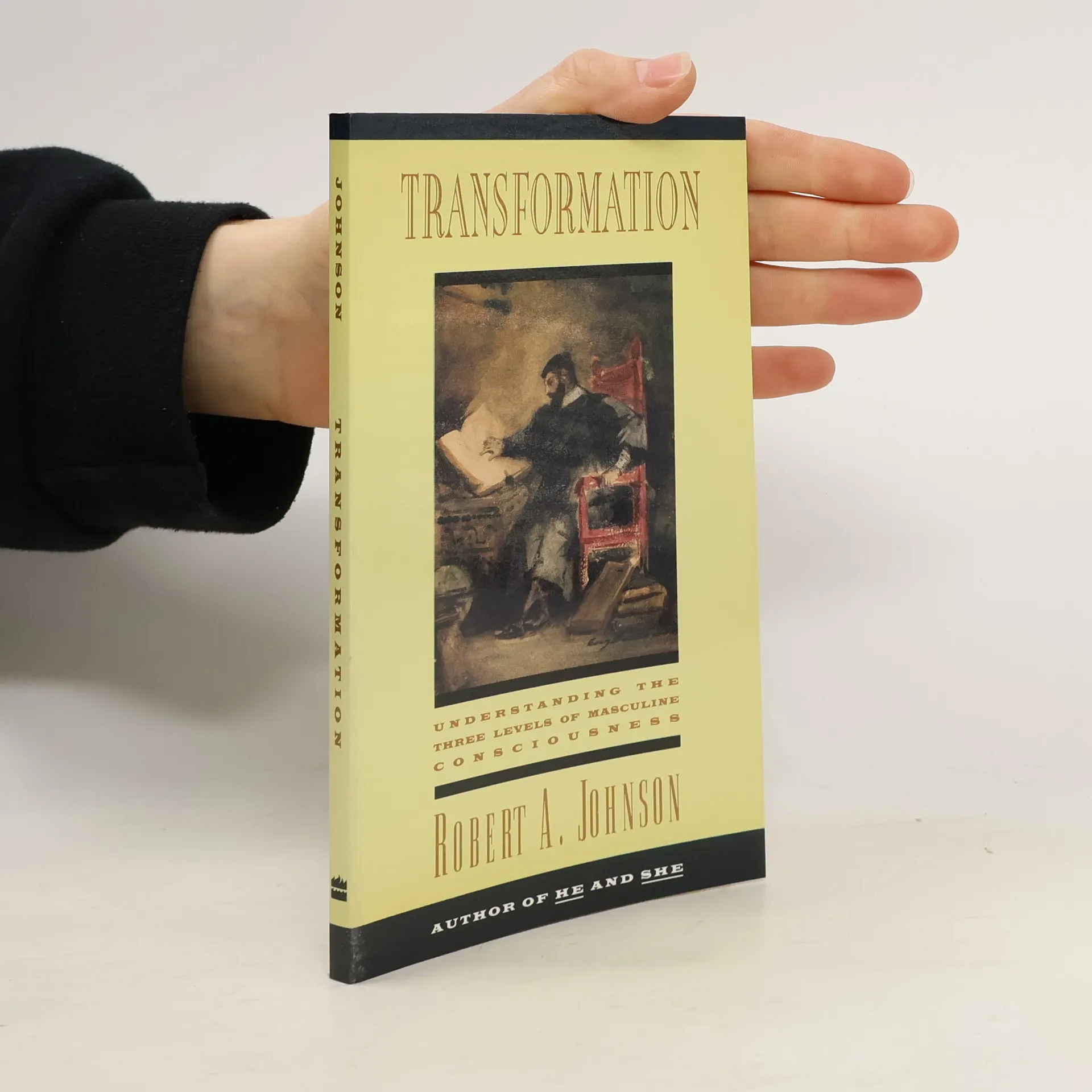
Presenting an original and vital model for psychological development, the brilliant and pioneering author of He, She, and We offers a new understanding of the stages of personal growth through which maturity and wholeness can be achieved. Using quintessential figures from classical literature--Don Quixote, Hamlet, and Faust--Robert Johnson shows us three clearly defined stages of consciousness development. He demonstrates how the true work of maturity is to grow through these levels to the self-realized state of completion and harmony.In Johnson's view, we all reach the stages depicted by Don Quixote, Hamlet, and Faust at various times of our lives. The three represent levels of consciousness within us, each vying for dominance. Don Quixote portrays the innocent child, while Hamlet stands for our self-conscious need to act and feel in control though we have no real connection to our inner selves. Faust embodies the master of the true self, who has gained awareness by working through the stages.
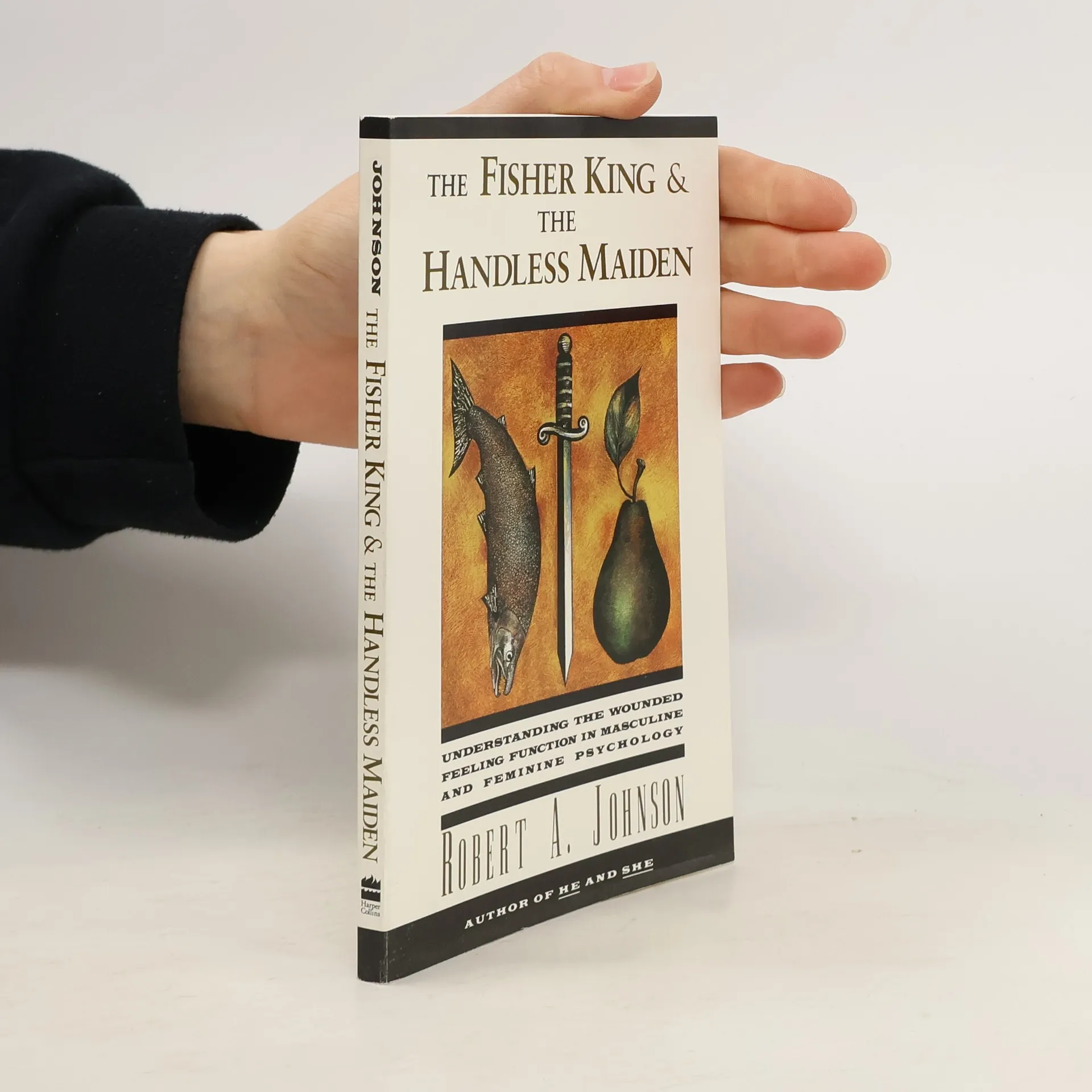
It is very dangerous when a wound is so common in a culture that hardly anyone knows there is a problem. Such is the case right now with our wounded feeling function- our inability to find joy, worth, and meaning in life. Robert A. Johnson, the celebrated author of 'He, She', and 'We', revisits two medieval tales and illuminates how this feeling function has become a casualty of our modern times. Johnson tells the story of the Wounded Fisher King from the Grail Myth to illustrate the anxiety and loneliness that plague men. From the folktale of the Handless Maiden, he explains the very different frustrations of women and describes how these disparities in the way we suffer account for much of the tension and miscommunication between men and women. His insightful analysis shows that these two stories, created centuries ago, are even more relevant today. Robert A. Johnson, a noted lecturer and Jungian analyst, is also the author of 'He, She, We, Inner Work, Ecstasy, Transformation', and 'Owning Your Own Shadow'.
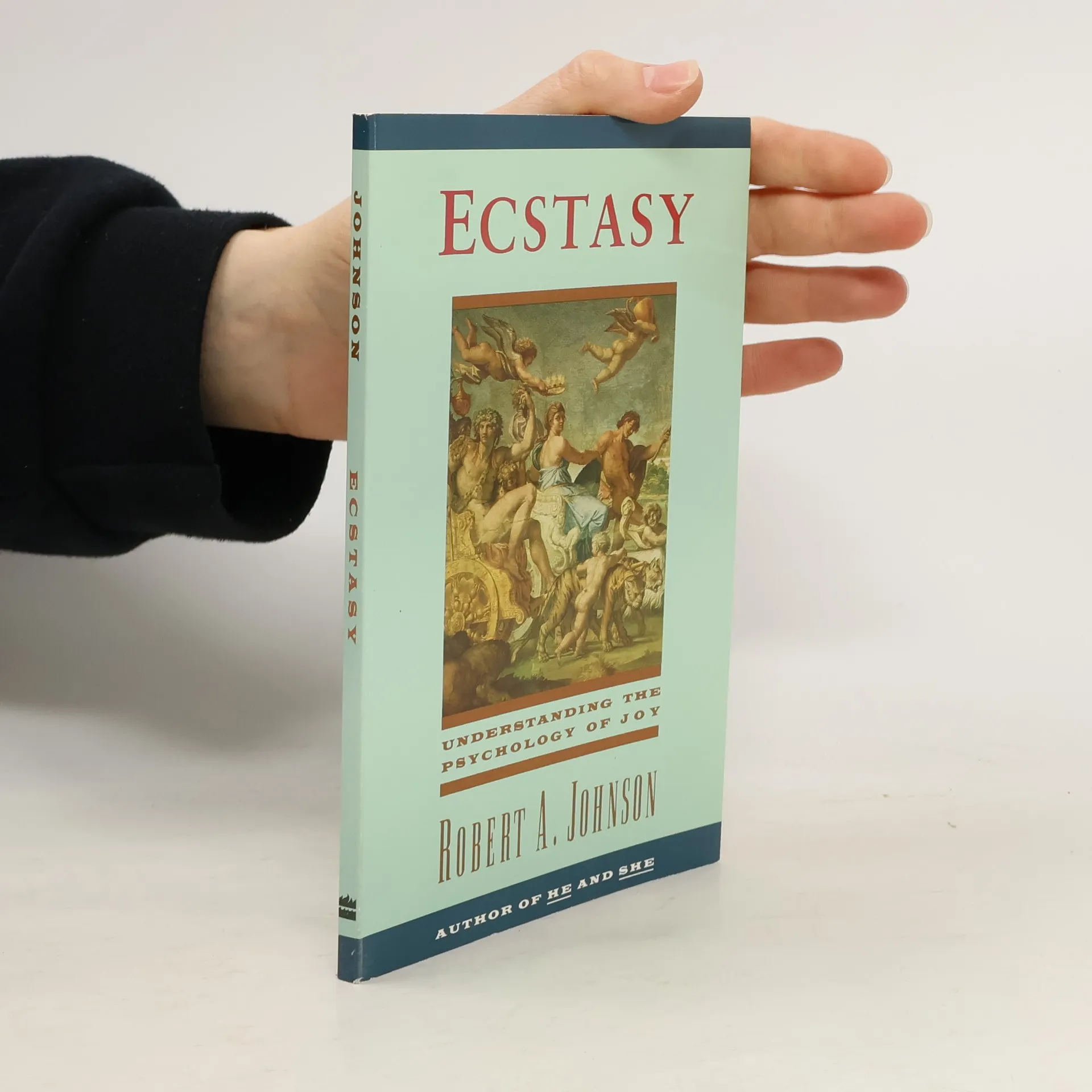
Understanding the Psychology of Joy
THE RENOWNED JUNGIAN PSYCHOLOGIST AND AUTHOR OF 'TRANSFORMATION' AND 'OWNING YOUR OWN SHADOW' BRINGS THE HIDDEN GIFT OF ECSTASY BACK INTO OUR LIVES. Robert A. Johnson has taken tens of thousands of readers on spiritual and psychological journeys towards inner transformation. In 'Ecstasy', he reconnects with the powerful and life-changing ecstatic element that lies dormant – but long-repressed – within us. Ecstasy was once considered a divine gift, Johnson tells us, one that could lift mortals out of ordinary reality and into higher world. But because Western culture has systematically repressed this ecstatic human impulse, we are unable to truly experience its transformative power. Johnson penetrates the surface of modern life to reveal the ancient dynamics of our humanity, pointing out practical means for achieving a healthy expression of our true inner selves. Through dreams, rituals, and celebrations, he shows us how to return to these original life-giving principles and restore inner harmony. Robert A. Johnson is the best-selling author of 'He, She, We, Inner Work, ' and 'Femininity Lost and Regained. '
Provides an illuminating explanation of the origins and meaning of romantic love and shows how a proper understanding of its psychological dynamics can revitalize our most important relationships.
A new study of Captain T. E. Lawrence of Arabia, his ideas on warfare, and the context of the military campaigns, the peace settlements, and the legacies that followed.
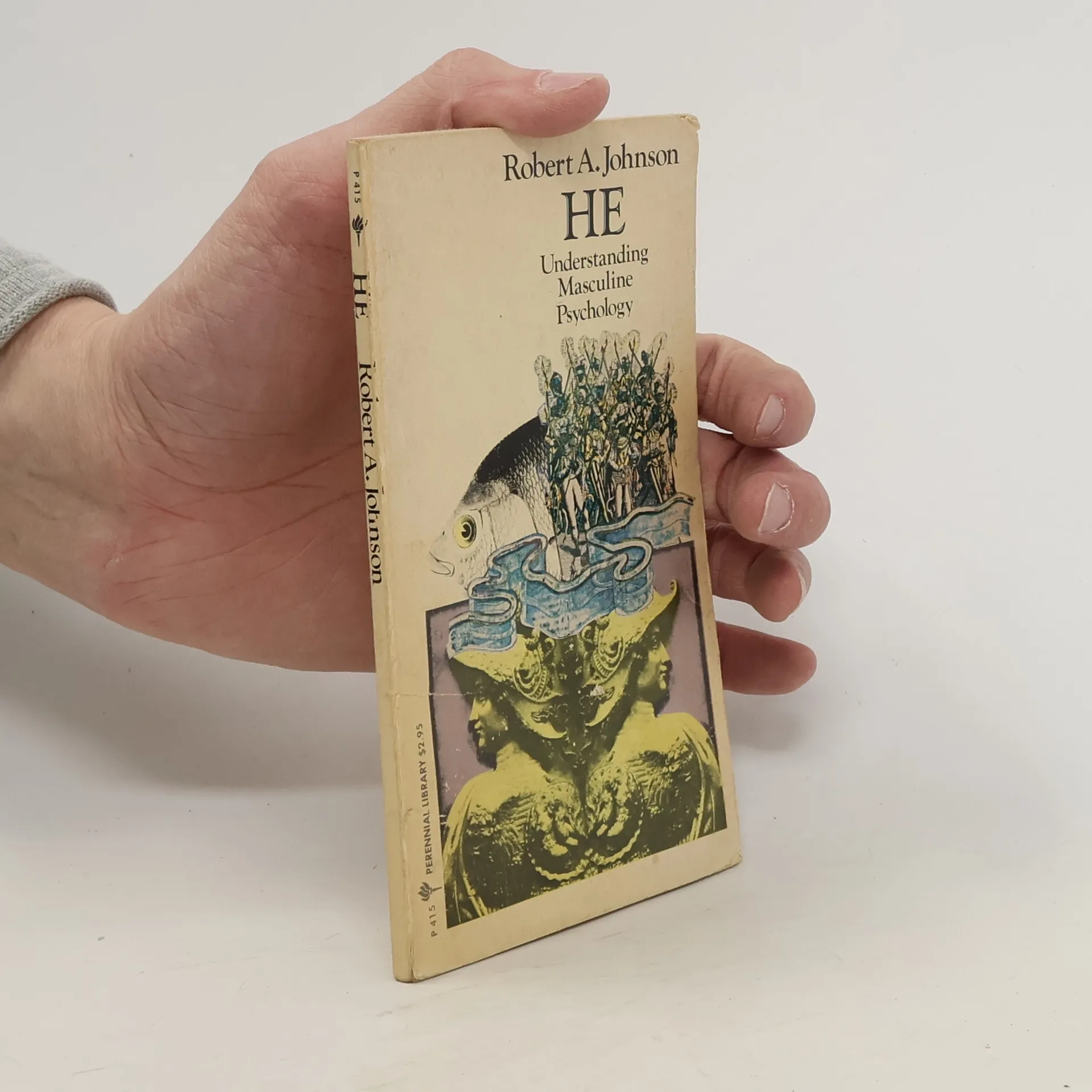
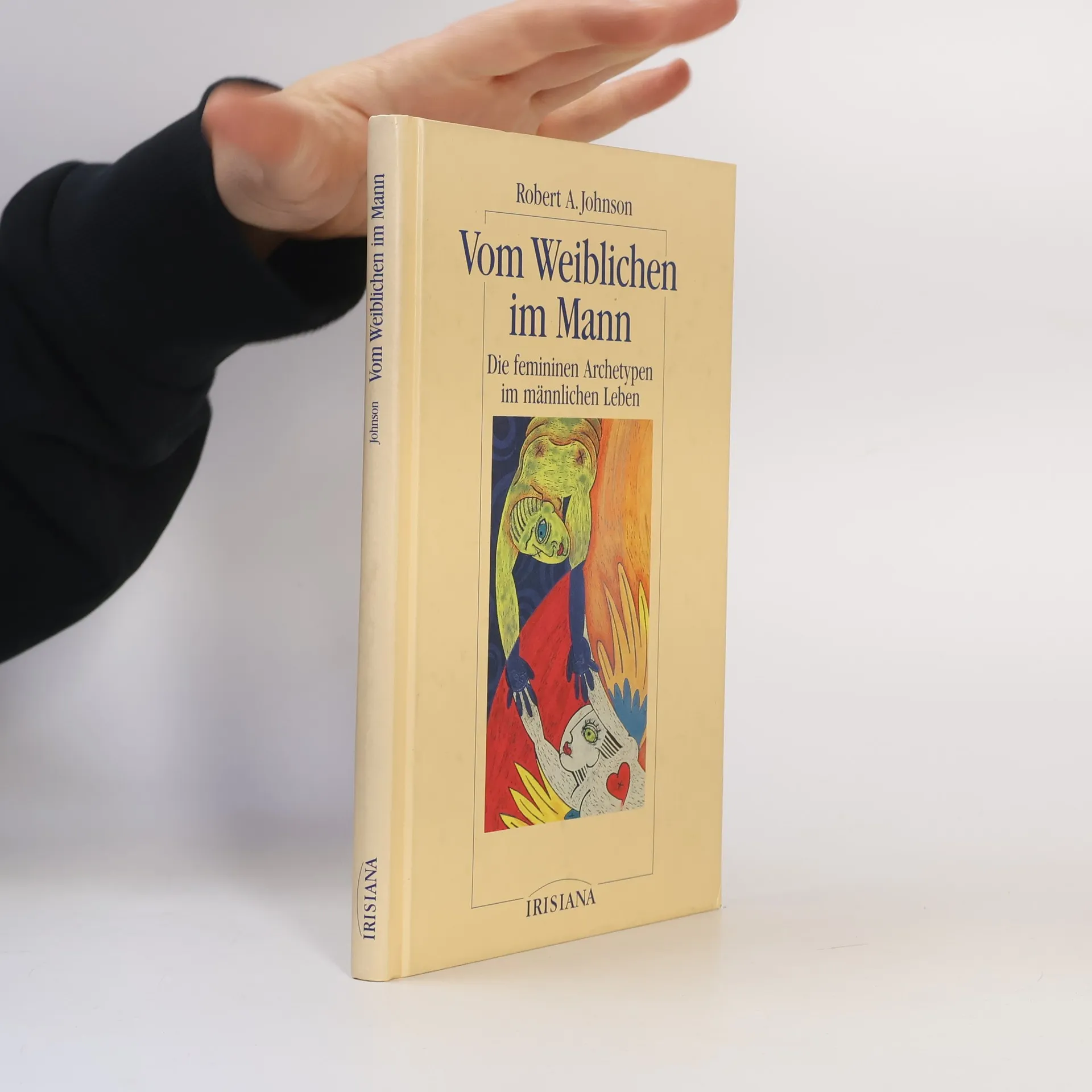
Robert A. Johnson, noted lecturer and Jungian analyst, updates his classic exploration of the meaning of being a man, and adds insight for both sexes into the feminine side of a man's personality.
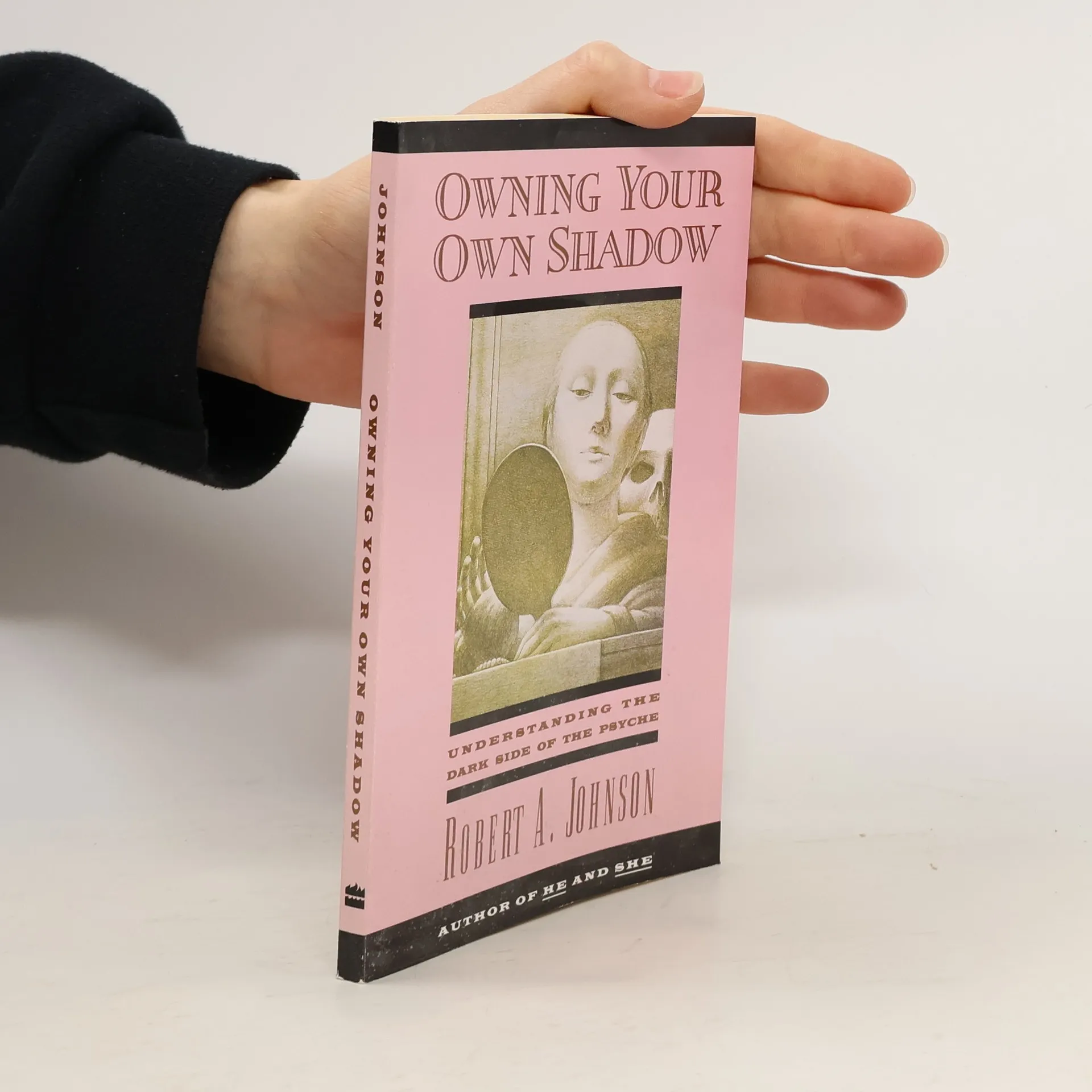
This powerful work from the acclaimed Jungian analyst and best-selling author of He, She, and We explores our need to "own" our own shadow—the term Carl Jung used to describe the dark, unlit part of the ego. In this rich work, Robert Johnson guides us through an exploration of the shadow: what it is, how it originates, and how it interacts and is made through the process of acculturation.Johnson asserts that until we have undertaken the task of accepting and honoring the shadow within us, we cannot be balanced or whole, for what is hidden never goes away, but merely—and often painfully—turns up in unexpected places.
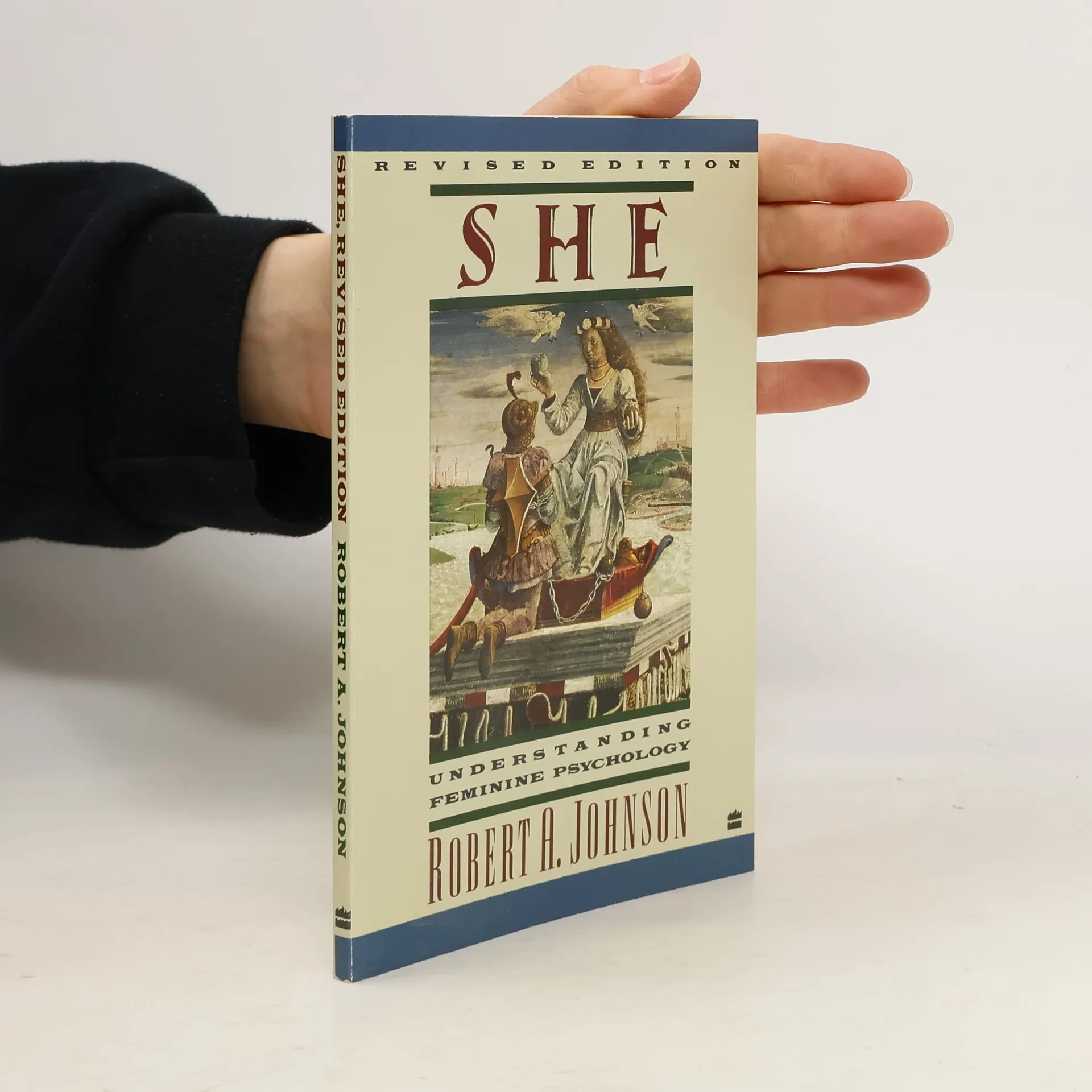
What does it mean to be a woman? What is the pathway to mature femininity? And what of the masculine components of a woman's personality? Robert A. Johnson explores these questions in this new edition of She, updated to reflect the growth of his thinking on these subjects.Many writers and scholars have long considered that the ancient myth of Amor and Psyche is really the story of a woman's task of becoming whole, complete, and individuated. Here, examining this ancient story in depth and lightening up the details, Johnson has produced an arresting and perceptive exploration of what it means to become a woman. You will not read these pages without understanding the important women in your life and a good deal more about yourself as a woman.
Michael Green is a high-end fashion salesman with an overprotective mother who wants no other woman to come between her and her son. Michael meets Jazmyn, an up and coming fashion model and single mother with a secret she does not speak about nor wants to confront. Complications arise when that very secret threatens not only their newfound relationshio but his life. Should he fight for the woman he has grown to love or walk away and leave the situation as a life lesson learned?
The book explores the profound impact of science and technology on modern life, highlighting the transition from ancient practices like rain dances and sun worship to groundbreaking innovations such as quantum computers and advanced artificial intelligence. It delves into how these advancements have reshaped our understanding of possibility and transformed everyday experiences, emphasizing the remarkable nature of our current world.
This book explores and assesses the cultural sources of Baptist beliefs and practices. The Baptist movement has focused on a small group of Anglo exiles in Amsterdam in constructing its history and identity. Robert E. Johnson seeks to recapture the varied cultural and theological sources of Baptist tradition and the diversity, breadth, and complexity of its cultural influences.
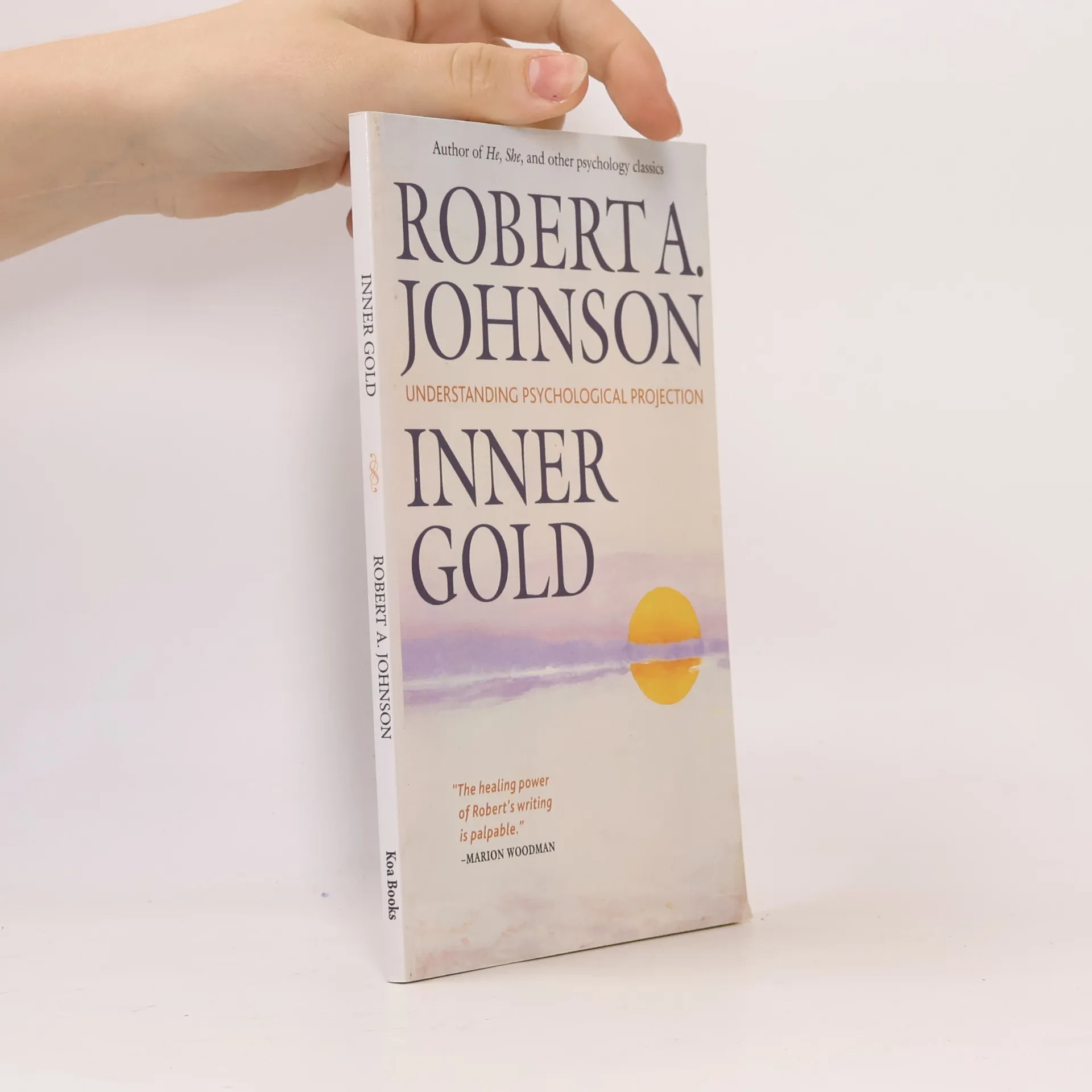
Robert A. Johnson, bestselling author of He, She, We and other psychology classics, shares a lifetime of insights and experiences in this easy-to-read book on psychological projection - seeing traits in others that are, in fact, our own. Drawing on early Christianity, mediaeval alchemy, depth psychology and the myths of The Flying Dutchman and The Once and Future King, he, also, explores the subjects of loneliness, fundamentalist religion and the spiritual dimensions of psychology.
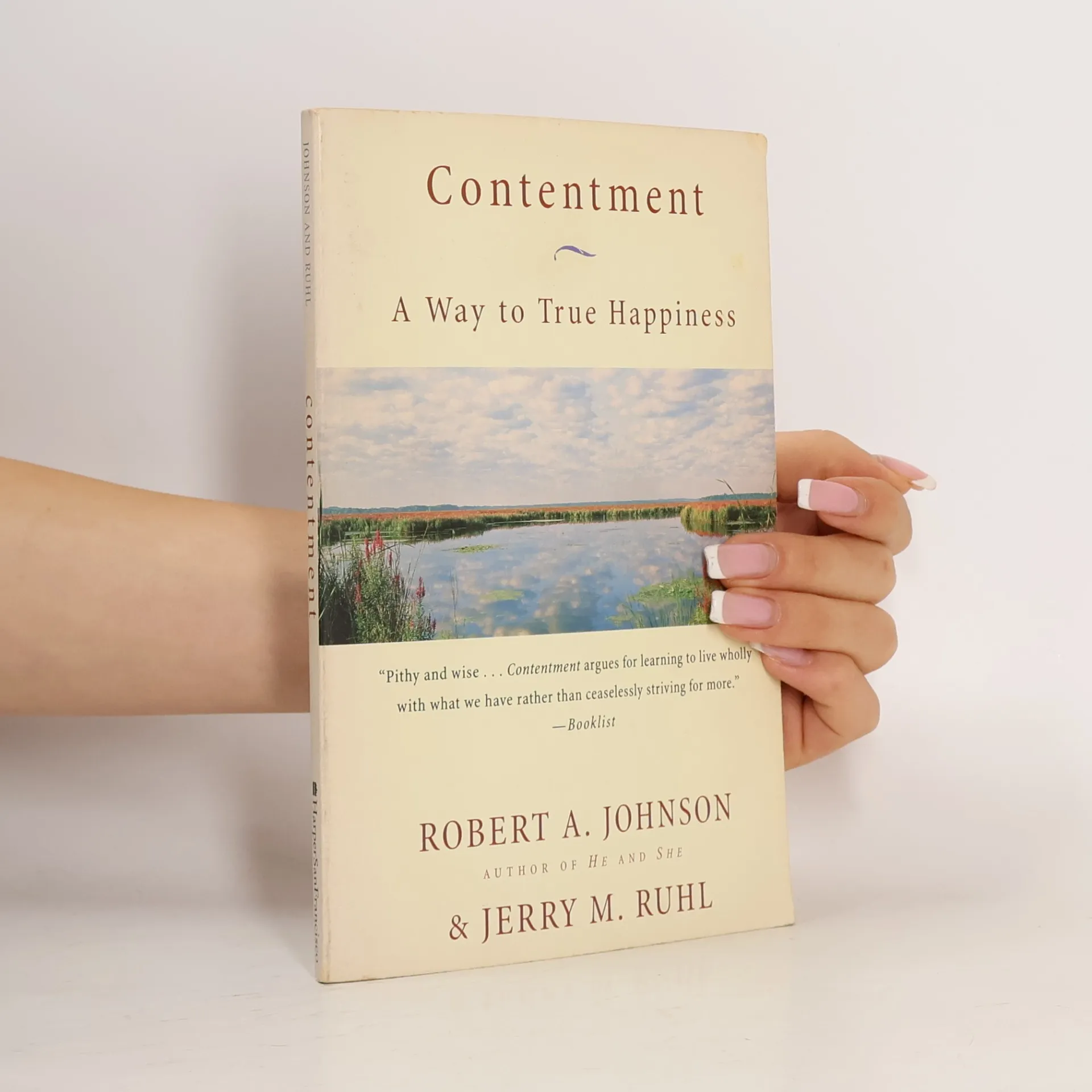
Simple Gifts of Contentment The forces of modern life urge us to achieve and acquire more, pushing us outward in our quest for contentment. World-renowned Jungian analyst Robert A. Johnson and psychotherapist Jerry M. Ruhl guide us inward, to a deep understanding of true, lasting happiness. Instead of relegating joy and satisfaction to another time, a different place, a better circumstance ("just as soon as I finish this project / land that perfect job / find a new relationship"), Johnson and Ruhl encourage us to negotiate and embrace "what is." Instructive and wise, this gentle guide contains all the tools we need--including illustrative stories, myths, poems, and practical exercises--to seize true contentment in the here and now.
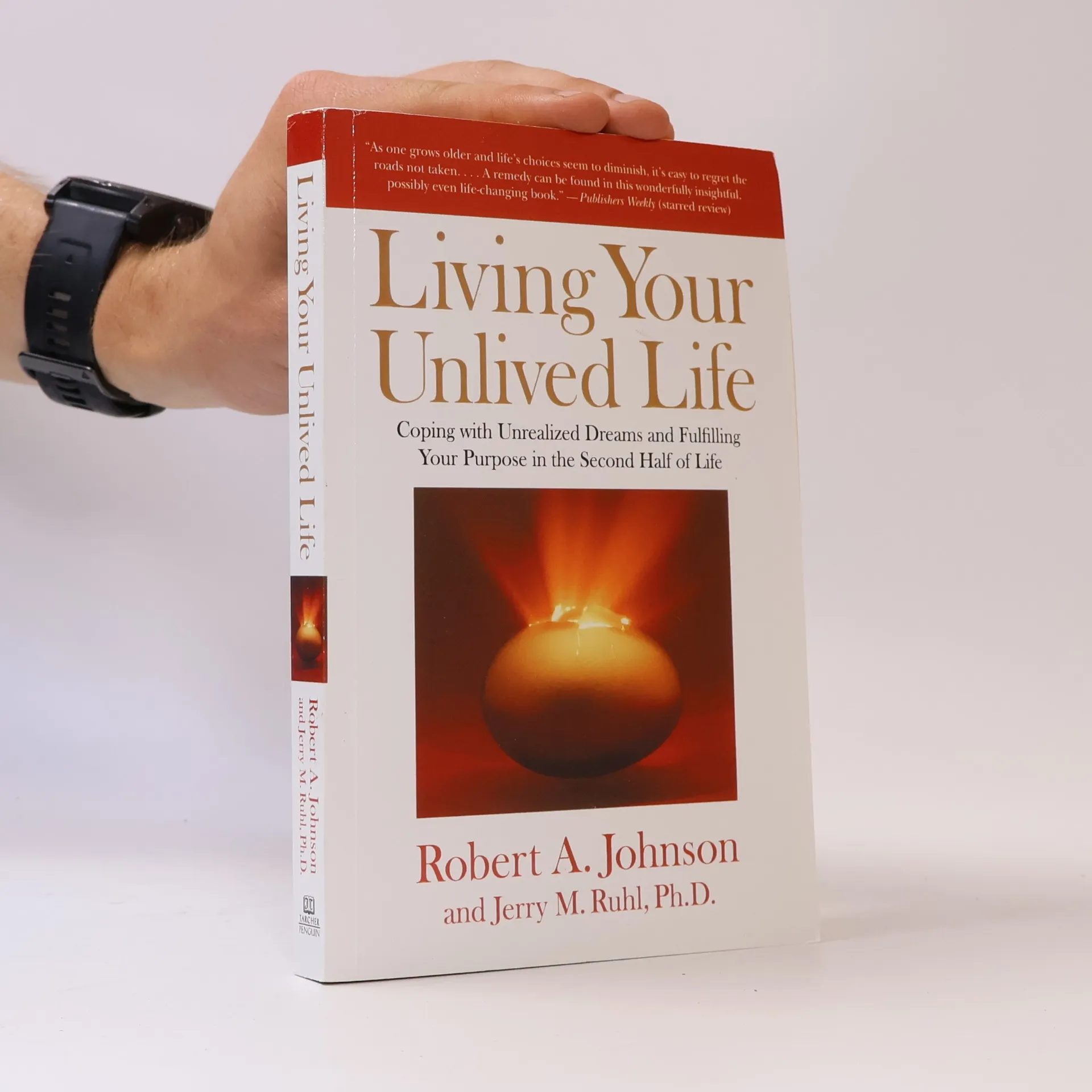
Coping with Unrealized Dreams and Fulfilling Your Purpose in the Second Half of Life
The esteemed Jungian psychologist counsels on how to cope with feelings of failure or regret in the latter half of life and how to open to a more meaningful existence, even if outer circumstances cannot be changed. In Living Your Unlived Life, the renowned therapist Robert A. Johnson, writing with longtime collaborator and fellow Jungian psychologist Jerry M. Ruhl, offers a simple but transformative premise: Our abandoned, unrealized, or underdeveloped talents, when they are not fully integrated into our lives, can become profoundly troublesome in midlife, leading us to depression, suddenly hating our spouses, our jobs, or even our lives. When our unlived lives are brought to consciousness, however, they can become the fuel that can propel us beyond our limitations?even if our outer circumstances cannot always be visibly altered.