
Robert Richardson je autorem a provozovatelem populárního webu o přežití offgridsurvival.com. Jeho články a rady se objevují na předních světových webech zabývajících se outdoorovým vybavením a připraveností na mimořádné situace. Zkušený v otázkách městského přežití, včetně pouličního násilí a sebeobrany, přináší přes 25 let zkušeností s nouzovou komunikací a více než 20 let praxe v přežití v divočině. Jeho odborné znalosti z reálných krizových situací ho činí cenným zdrojem informací pro každého, kdo se zajímá o připravenost a přežití.
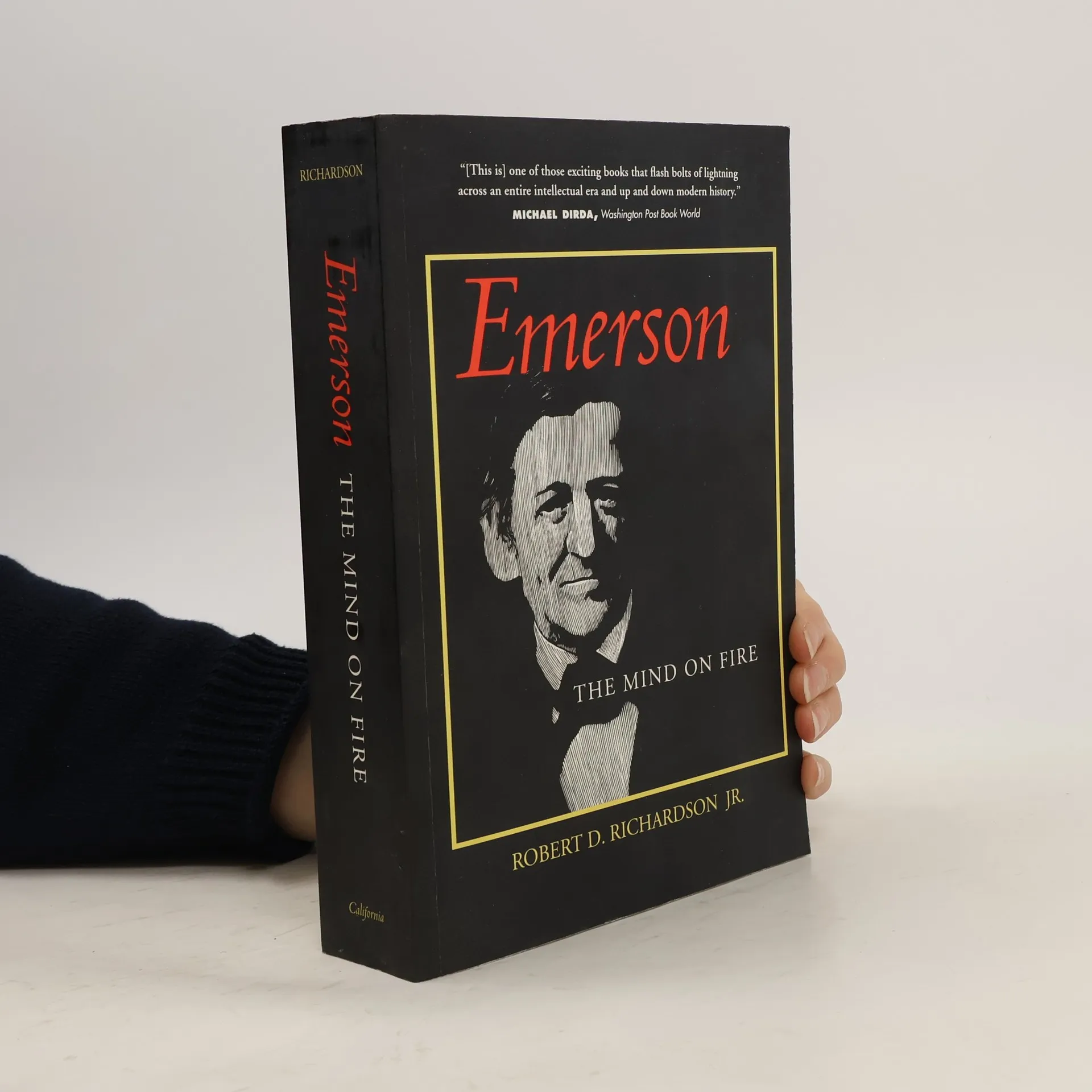
Ralph Waldo Emerson is one of the most important figures in the history of
American thought, religion, and literature. The vitality of his writings and
the unsettling power of his example continue to influence us more than a
hundred years after his death. This work gives us a portrait of the whole man.
The history of Cold War reconnaissance in the words of the man who proved the aircraft, commanded the units, and flew the missions. This is the biography of pilot Col. William Gregory, whose astonishing career with the CIA and the US Air Force encompassed the attempts by US intelligence to understand Cold War Soviet Union.
"This book explores resilience by tracing the linked stories of how Ralph Waldo Emerson, Henry David Thoreau, and William James dealt with personal tragedy: for Emerson, the death of his young wife and, eleven years later, his five-year-old son; for Thoreau, the death of his brother; and for James, the death of his beloved cousin Minny. Weaving together biographical detail with quotations from the writers' journals and letters, Richardson shows readers how each of these writers grappled with loss and grief and ultimately achieved a level of resilience. Emerson lost his Unitarian faith but found solace in the study of nature; Thoreau leaned on the natural world's capacity for regeneration, and the comparatively small role played by individual persons; James lit upon a notion of self-governance and emotional malleability that would underwrite much of his work as a psychologist and philosopher. All three, Richardson suggests, emerged from their grief with a new way of seeing, one shaped by a belief in, as Emerson would write, "the deep remedial force that underlies all facts.""--