The Complete Tragedies, Volume 1
- 274 stránek
- 10 hodin čtení


Seneca byl římský stoický filozof, státník a dramatik, který působil v období Stříbrné doby latinské literatury. Byl vychovatelem a později rádcem císaře Nera. Jeho dílo se vyznačuje hlubokým filozofickým vhledem a dramatickou silou. Seneca se zabýval etickými otázkami a hledáním moudrosti v životě.


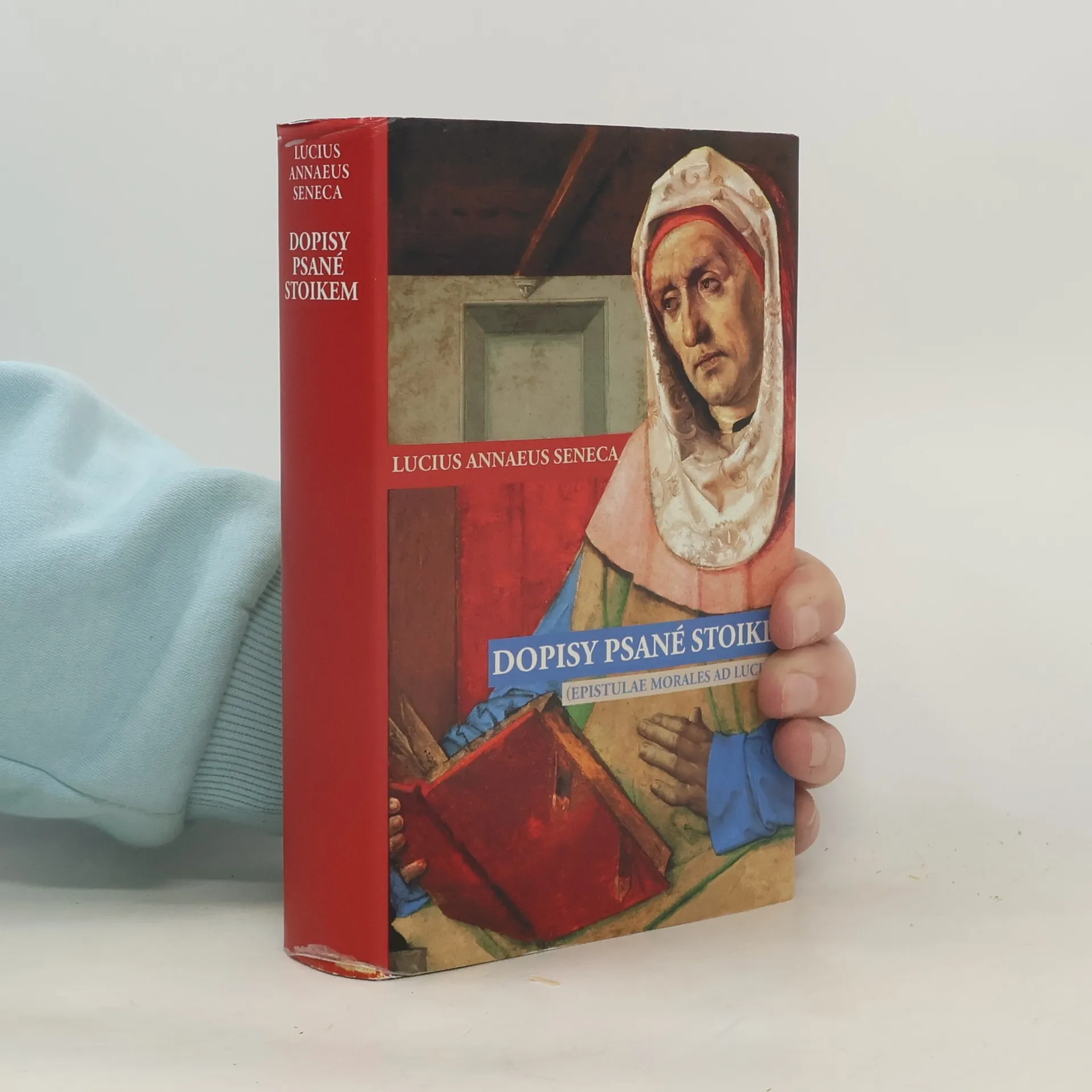

Jaký je smysl života, v čem spočívá pravé štěstí, jak dosáhnout trvalé radosti, neohrožené mysli a moudrosti, jak žít, ale také jak zemřít, to jsou základní témata a otázky nejznámějšího a nejčtenějšího Senekova díla, které vzniklo před téměř dvěma tisíci lety a které se nyní poprvé v úplnosti dostává k českému čtenáři. Jeden z nejcitovanějších autorů všech dob v něm prostřednictvím dopisů adresovaných svému příteli Luciliovi Iuniorovi odpovídá na základní otázky lidské existence a nabízí klíč k tomu, jak se stát opravdovým mudrcem a připodobnit se bohu. Vyhýbej se davu, usiluj o trvalý duševní klid, neochvějnou vyrovnanost a vnitřní autonomii, vypěstuj si nezávislost na vrtkavé a nevyzpytatelné Štěstěně, která někdy štědře obdarovává, a jindy zas bere, pohrdej bohatstvím, slávou, ale i smrtí, nepodléhej vášním a vnějším impulzům, odpoutej se od všeho pomíjivého a především se uč žít v souladu s přirozeností a neustávej v sebezdokonalování a vědomém utváření vlastního já – to jsou hlavní naučení a doporučení, která Lucius Annaeus Seneca rozpracoval a zformuloval již v letech 63 a 64 našeho letopočtu a která díky výraznému individiualismu, jakož i modernímu jazyku a živé dikci, dodnes nepřestávají inspirovat čtenáře. První kompletní vydání Senekových dopisů Luciliovi vychází v překladu Bohumila Ryby a Václava Bahníka. Vydání je doplněno úvahou Petra Dvořáka o stoickém pojetí osobní transformace a ideálu emočního života.
A selection of Seneca's most significant letters that illuminate his philosophical and personal life.
Exploring the intricate dynamics of giving and receiving, Seneca's work delves into the moral complexities of relationships from a Stoic perspective. He emphasizes the importance of intention behind acts of generosity and the responsibilities that accompany receiving benefits. By examining gratitude and the ethical implications of generosity, Seneca encourages readers to reflect on their social interactions and moral conduct. This philosophical treatise remains relevant, offering timeless insights into kindness, reciprocity, and the nature of human relationships.
Exploring essential Stoic principles, this collection by Seneca delves into the foundations of a happy life, emphasizing virtues like generosity, self-control, and forgiveness. He argues that true happiness stems from inner peace and moral integrity, regardless of external circumstances. Seneca highlights the dangers of anger and provides strategies for emotional regulation, while advocating for kindness and the moral obligation to assist others. Ultimately, he posits that clemency and compassion foster better relationships and strengthen society.
De Brevitate Vitae (English: On the Shortness of Life) is a moral essay written by Seneca the Younger, a Roman Stoic philosopher, sometime around the year 49 AD, to his father-in-law Paulinus. The essay argues that time is best used by living in the present moment in pursuit of the intentional, purposeful life.
Wie findet man das Glück? Dieser Lebensfrage gehen heute hunderte von Ratgeberbüchern nach. Diese existenzielle Suche ist keine Erfindung der Neuzeit. Sie beschäftigt schon immer Philosophen und Denker. Lebensnah beschreibt Lucius Annaeus Seneca (1-65 n. Chr.), einer der bedeutendsten Philosophen des alten Rom, wie wir Menschen zum Glück finden können. Sein Werk Vom glücklichen Leben gehört zum Erhellendsten, das zu diesem Thema je geschrieben wurde. - Senecas Werk gibt viele Handlungsanweisungen, wie man dem Ziel nahe kommen kann, besonders in Hinsicht auf den Umgang mit Geld und materiellen Besitztümern. Dieses Buch versammelt Senecas einflussreichste philosophische Von der Seelenruhe Vom glücklichen Leben Von der Muße Von der Kürze des Lebens
Exploring the nature of happiness, this essay by Seneca the Younger delves into the Stoic philosophy and offers profound insights on achieving a fulfilling life. Written between 58 and 62 AD, it reflects on the principles of virtue, wisdom, and the importance of inner peace, providing timeless guidance on how to navigate life's challenges in the quest for true contentment.
Die Briefe an Lucilius über Ethik sind das reifste und eingängigste Werk des großen römischen Philosophen Lucius Annaeus Seneca. Im allerbesten Sinne des Wortes populärphilosophisch, präsentieren sie sich dem Leser als kurze und kompakte Lebensratgeber. Jeder einzelne Brief ist voll der Weisheit, des lebenspraktischen Rates, der ermutigenden Worte und an den fruchtbarsten Stellen mit prägnanten Merksätzen, sogenannten Sentenzen, versehen. Dieser Band enthält das 3. Buch der Briefe in deutscher Übersetzung. Anders als die meisten Ausgaben Senecascher Werke bedient sich diese allerdings nicht der hundert Jahre alten Übertragung des Otto Apelt, sondern bringt eine Neuübersetzung, in welcher der klassische literarische Geist, die rhetorische Kraft des Urtextes sowie der wörtliche Sinn möglichst bewahrt sind. Ein Anhang am Ende des Buches bietet Anmerkungen zu philosophischen, historischen und literarischen Details. Wer die tiefen praktischen Einsichten der Briefe nicht nur oberflächlich erfassen, sondern gänzlich durchdringen will, wird so an die Materie unmittelbar herangeführt.