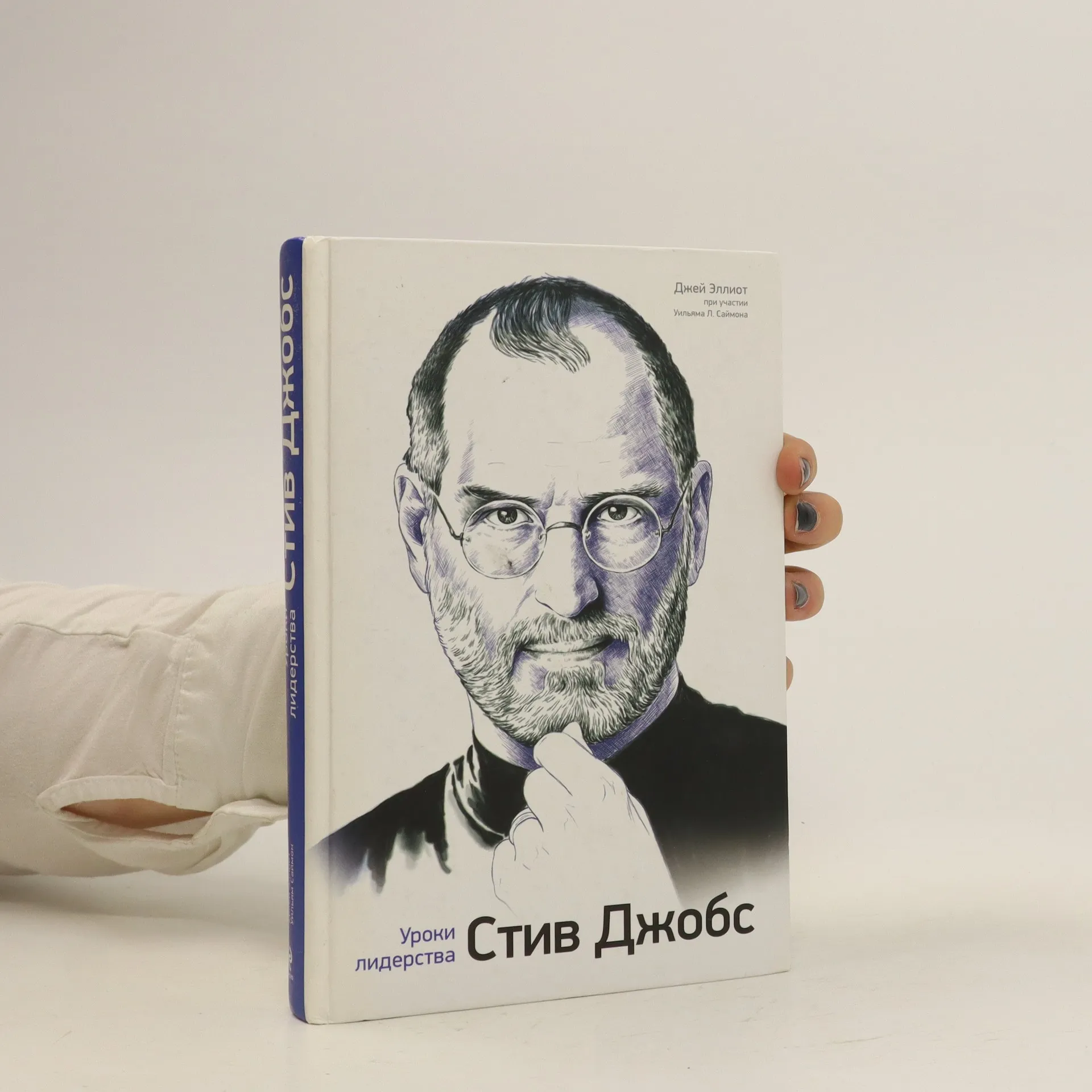
Poutavé vyprávění o klíčové postavě počítačového průmyslu. Nejde o autorizovaný životopis ani o autobiografii, ale o mozaiku složenou z informací a výpovědí mnoha lidí i médií (počínaje dětstvím Steva Jobse). Výsledkem je neobyčejně živý, pestrý i rozporuplný portrét velmi zajímavého člověka, který nesmazatelně ovlivnil naši dobu.Tato kniha nemusí být zajímavá jen pro ty, kdo se vyznají v počítačích. Je totiž fascinujícím čtením pro každého, kdo se zajímá o životní příběhy výjimečných lidí, literaturu faktu či svět podnikání.
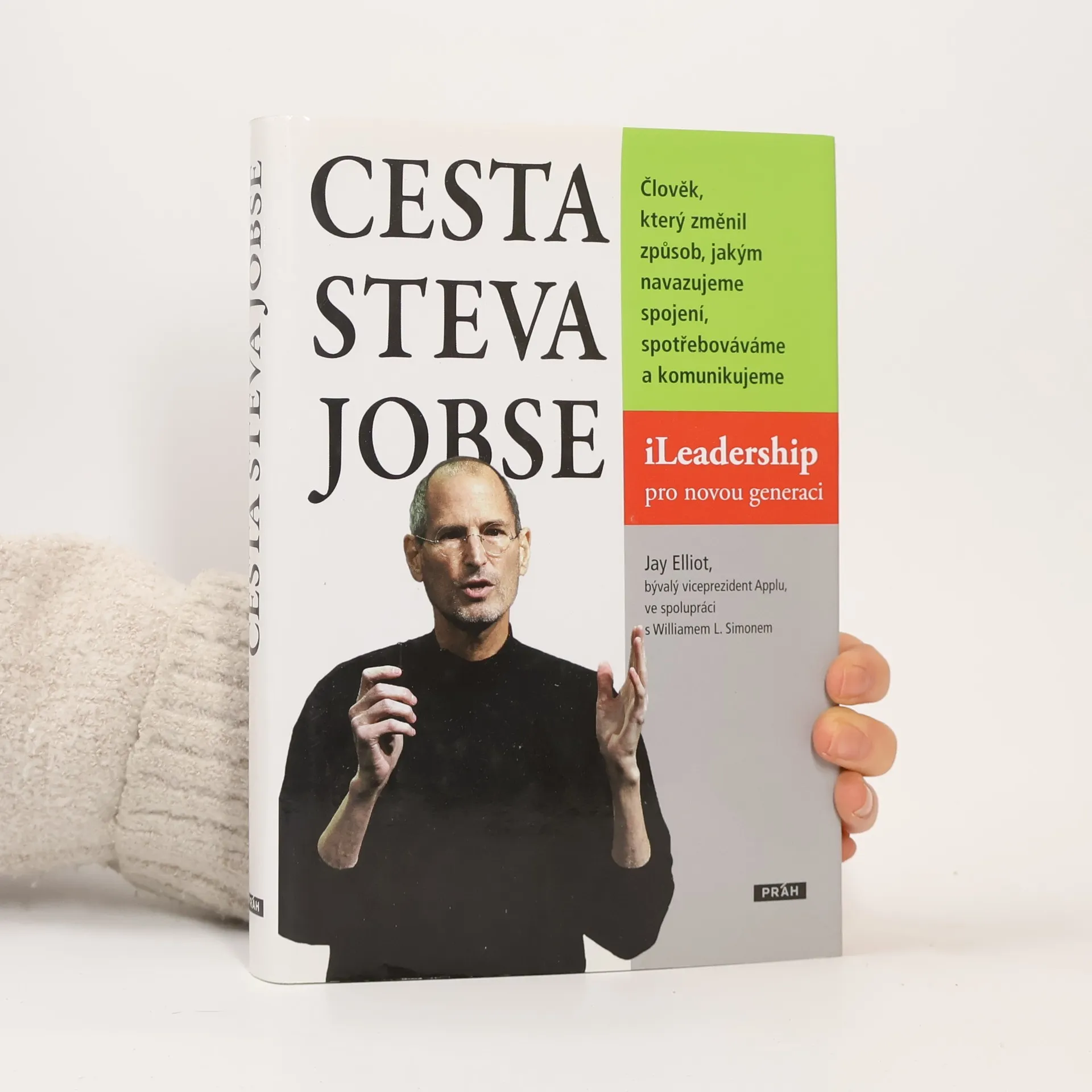
Kniha Cesta Steva Jobse přináší živé příklady náročných úkolů a vítězství Jobsova leadershipu od zavedení převratných produktů jako Apple II a Macintosh přes období, kdy Jobs překvapivě upadl v nemilost, po jeho návrat ke kormidlu Applu, zapojení do Pixaru a vývoje iPodu, iPhonu, iPadu a mnohého dalšího. Ukazuje čtenářům, jak použít jeho zásady a přístupy ve vlastním životě a kariéře.
Steve Jobs je revoluční vůdce a myslitel a jeho vyčerpávající životopis nedávno vyšel. V Cestě Steva Jobse však Jay Elliot poprvé předkládá hluboký, zasvěcený pohled na jedinečný vůdcovský styl Steva Jobse, který navždy změnil náš každodenní život a svět kolem nás. Každý, kdo se chce z jeho úspěchu poučit, zde najde zajímavé a inspirující poznatky téměř na každé straně. Úžasné čtení pro všechny z nás, kdo se snažíme, aby naše vize byly úzce spojeny s řešením detailů.
iLeadership pro novou generaci. Jay Elliot, bývalý starší viceprezident Applu, ve spolupráci s Williamem L. Simonem předkládá hluboký, zasvěcený pohled na jedinečný vůdcovský styl Steva Jobse, který navždy změnil náš každodenní život a svět kolem nás. Každý, kdo se chce z jeho úspěchu poučit, zde najde zajímavé a inspirující poznatky téměř na každé straně.
Jeffrey D. Simon tells the gripping story of the forgotten terrorist group the
Galleanists, a fiery brand of Italian anarchists in the United States during
the early 1900s, many of whose tactics are still used today.
Few social historians had examined the popular religious beliefs of the 1500s
at the time Thomas published Religion and the Decline of Magic in 1971. His
analysis of how deeply held beliefs in witchcraft, spirits, and magic evolved
during the Reformation remains one of the great works of post-war scholarship.
The Bulldog Detective is the first book to tell the story of William J. Flynn, the first government official to bring down the powerful Mafia, uncover a sophisticated German spy ring in the United States, and launch a formal war on terrorism. As the Director of the Bureau of Investigation (the forerunner to the FBI), Flynn would become one of the most respected and effective law enforcement officials in American history.
First history of 'real' fairies sighted throughout history as recorded in
historical sources, by the world's two leading fairy historians. Historical
fairies are not sweet like Tinkerbell but mostly dangerous and best avoided.
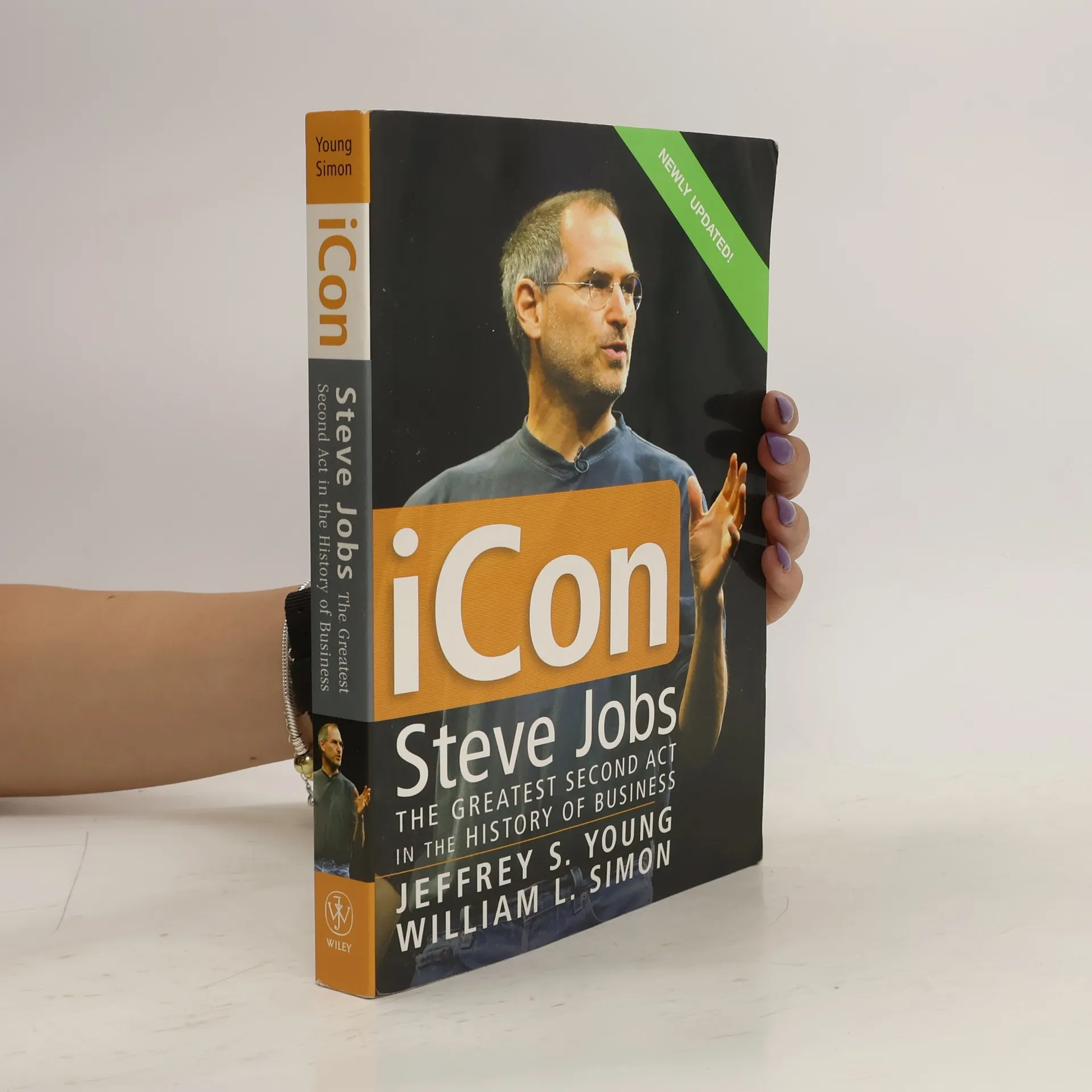
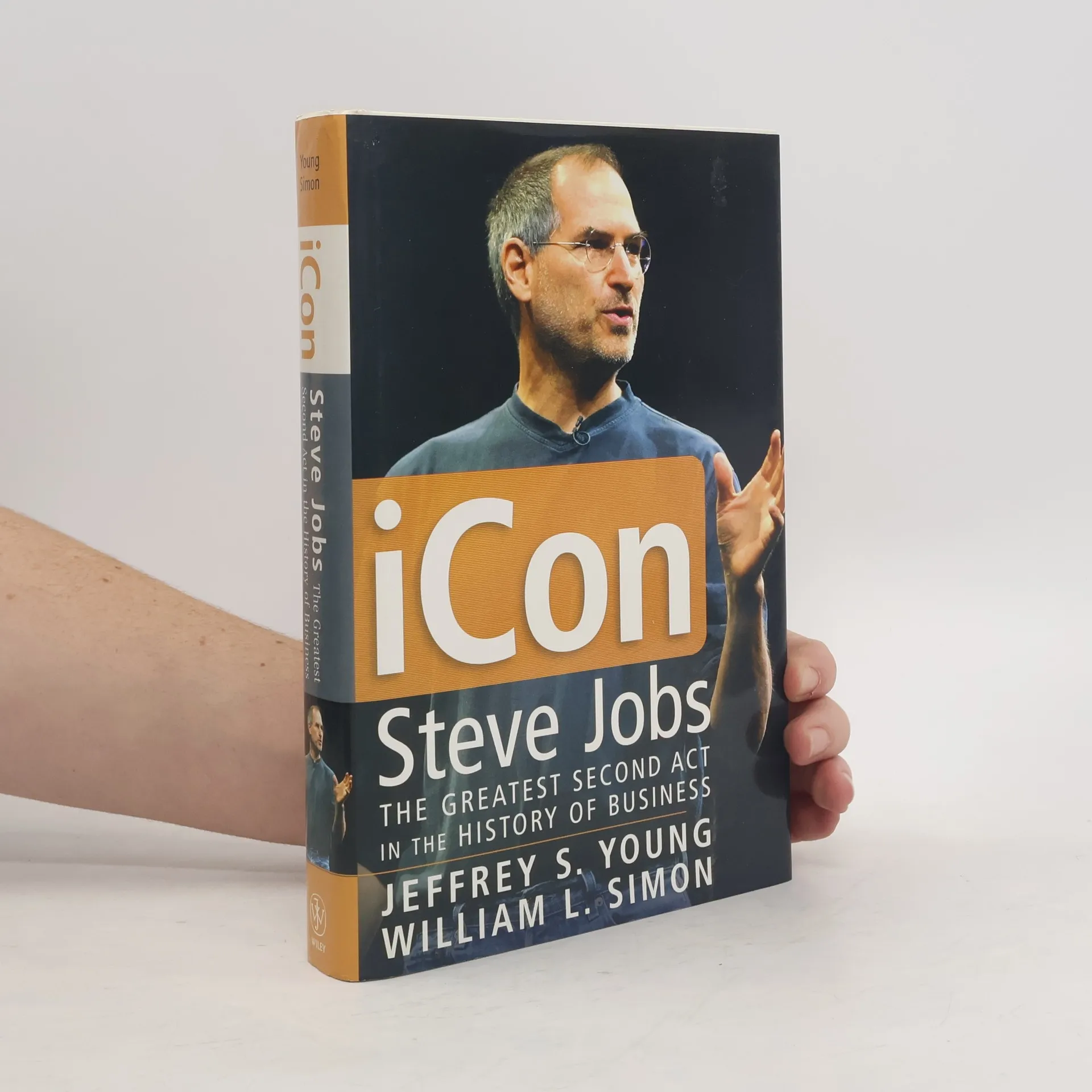
iCon takes a look at the most astounding figure in a business era noted for its mavericks, oddballs, and iconoclasts. Drawing on a wide range of sources, Jeffrey Young and William Simon provide new perspectives on the legendary creation of Apple, detail Jobs’s meteoric rise, and the devastating plunge that left him not only out of Apple, but out of the computer-making business entirely. This unflinching and completely unauthorized portrait reveals both sides of Jobs’s role in the remarkable rise of the Pixar animation studio, also re-creates the acrimony between Jobs and Disney’s Michael Eisner, and examines Jobs’s dramatic his rise from the ashes with his recapture of Apple. The authors examine the takeover and Jobs’s reinvention of the company with the popular iMac and his transformation of the industry with the revolutionary iPod. iCon is must reading for anyone who wants to understand how the modern digital age has been formed, shaped, and refined by the most influential figure of the age–a master of three movies, music, and computers.
Breakthrough Scientific Evidence of Life After Death
400 stránek
14 hodin čtení
John Edward, Suzane Northrup, and George Anderson are just a few of the prominent American mediums who have been accused of being frauds. But what if a respected scientist challenged them to make contact with the beyond under controlled laboratory conditions? What if the results not only stunned a skeptical scientist but also offered astonishing answers to a timeless Is there life after death?THE AFTERLIFE EXPERIMENTSRisking his academic reputation, Dr. Gary E. Schwartz asked well-known mediums to become part of a series of experiments to prove, or disprove, the existence of an afterlife. This riveting narrative, with electrifying transcripts, documents stringently monitored experiments in which mediums attempted to contact dead friends and relatives of "sitters" who were masked from view and never spoke, depriving the mediums of any cues.Here are the results that awed sitters and researchers a revelation about a son's suicide, what a deceased father wanted to say about his last days in a coma, the transformation of a man's lifelong doubts about the afterlife, and, most amazing of all, a forecast of a beloved spouse's death. Forced by data to abandon skepticism, Schwartz presents this amazing account of his groundbreaking work, compelling from first page to last.
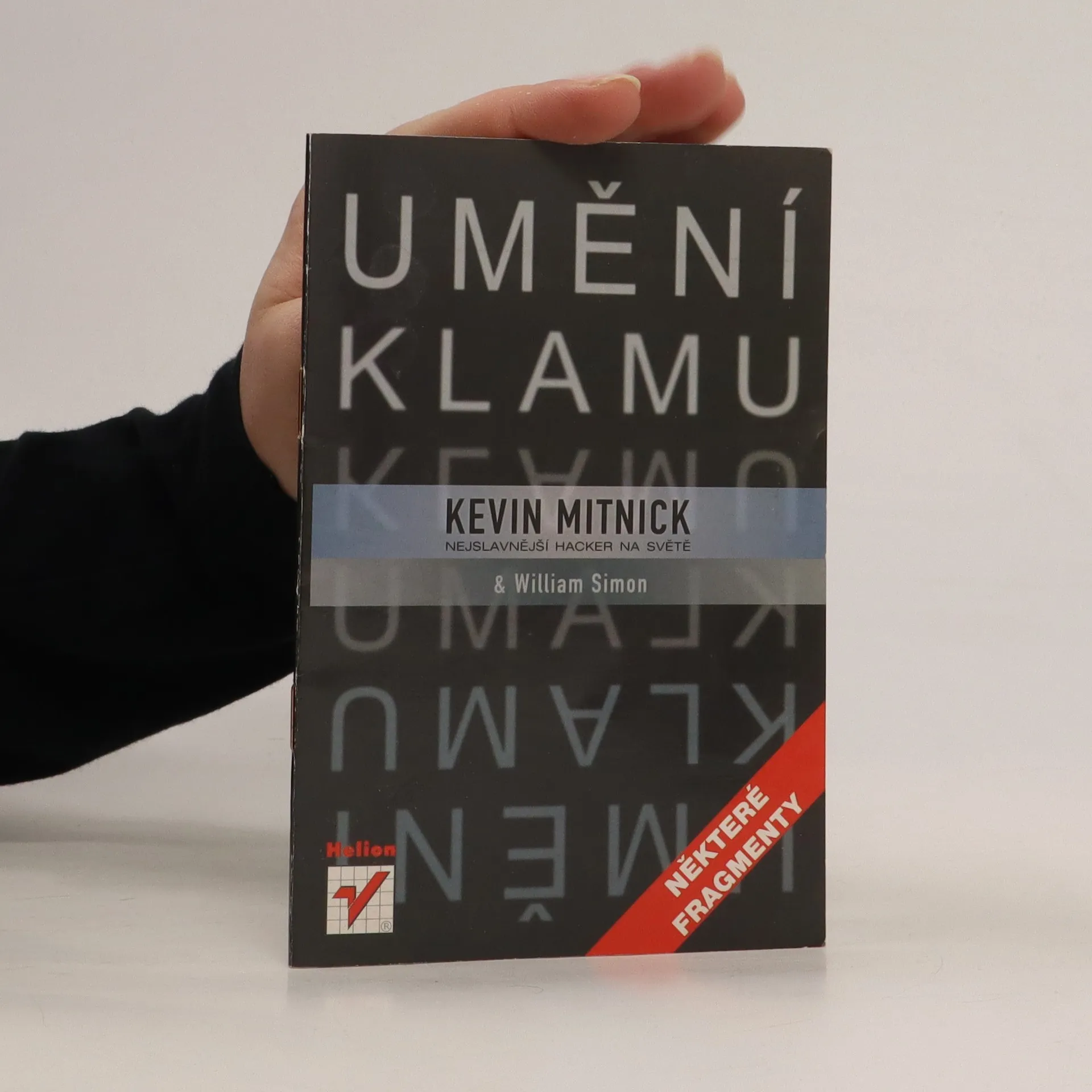
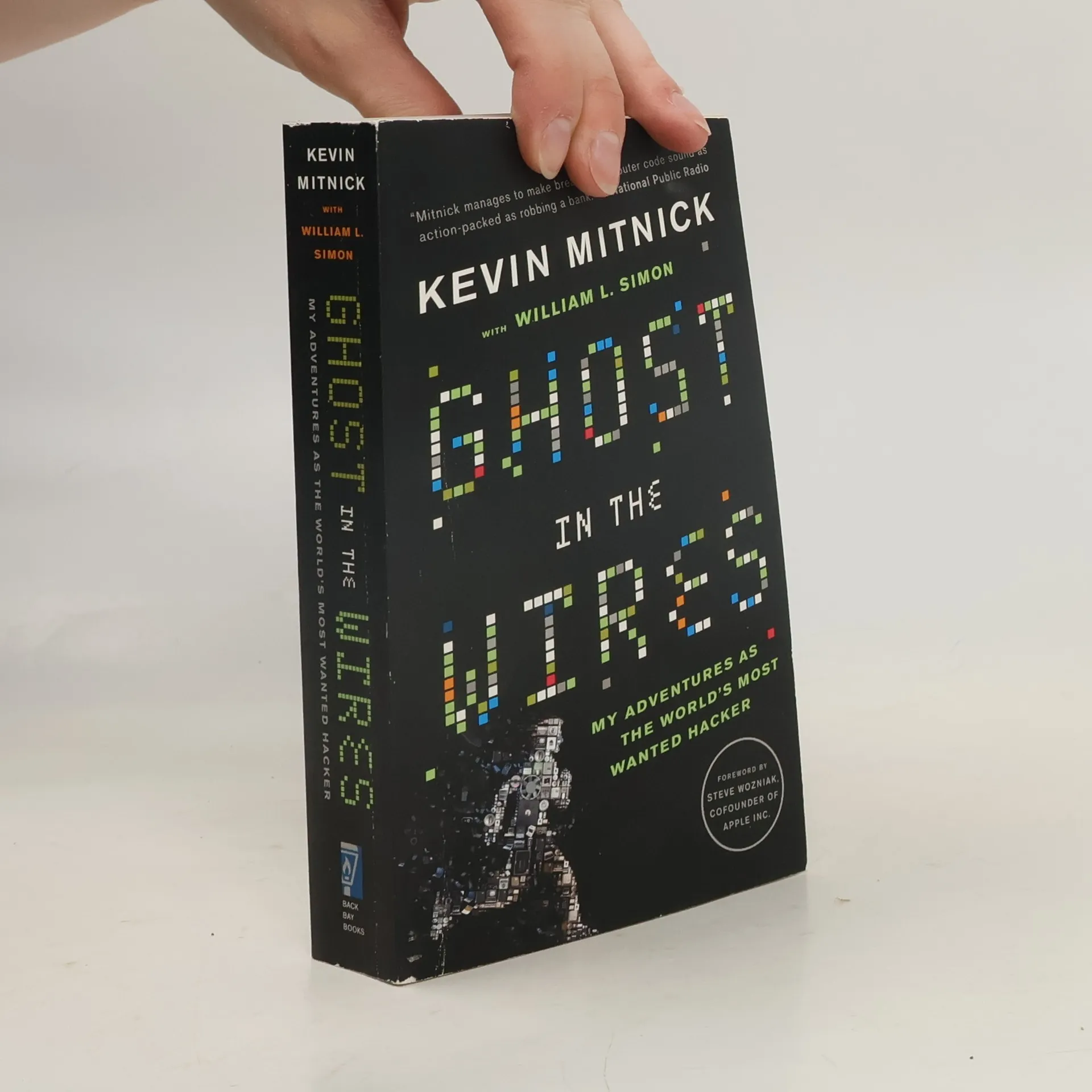
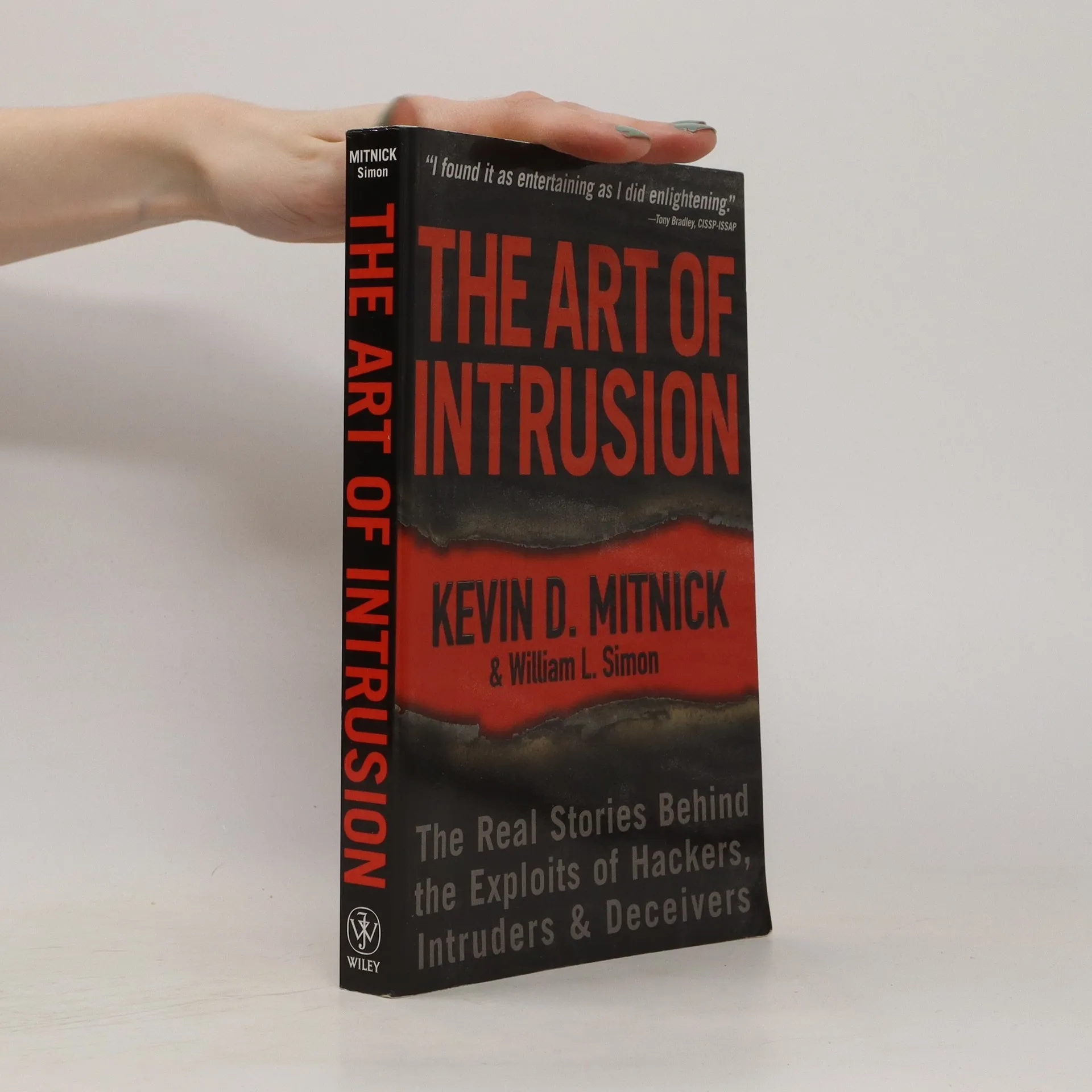
Hacker extraordinaire Kevin Mitnick delivers an explosive follow-up to his bestselling work, focusing on aiding businesses and governments in combating data thieves and cybervandals. In his previous book, Mitnick illustrated how savvy hackers use "social engineering" to breach even the most secure systems through fictionalized case studies. Now, he presents real-life stories of computer break-ins, revealing how victims could have prevented these incidents. Mitnick's credibility within the hacker community allowed him to gain insights from the perpetrators, sharing their exploits for the first time. Among the stories are a group of friends who won nearly a million dollars in Las Vegas by reverse-engineering slot machines, two teenagers manipulated by terrorists to hack Lockheed Martin's systems, convicts who became hackers inside a Texas prison, and a "Robin Hood" hacker who accessed prominent companies' systems and informed them of their vulnerabilities. With gripping descriptions of actual break-ins, essential security tips for professionals, and Mitnick's sharp commentary, this book is poised to capture a broad audience, drawing interest from law enforcement and the media alike.
The world's most infamous hacker provides an insider's perspective on low-tech threats to high-tech security. Kevin Mitnick's exploits as a fugitive led to one of the most extensive FBI manhunts in history, inspiring numerous articles, films, and documentaries. Since his release from prison in 1998, he has transformed his life and become a highly sought-after computer security expert. In this work, Mitnick emphasizes the human factors in information security, arguing that firewalls and encryption alone cannot thwart a determined grifter or a disgruntled employee. Through captivating true stories of successful attacks on businesses and government, he demonstrates the vulnerability of even the most secure systems to a skilled con artist posing as an authority figure. By narrating from both the attackers' and victims' perspectives, he reveals the reasons behind each attack's success and how they could have been avoided, all in an engaging style reminiscent of true crime. Most importantly, Mitnick offers practical advice for preventing social engineering hacks through effective security protocols, training programs, and manuals that focus on the human element of security.
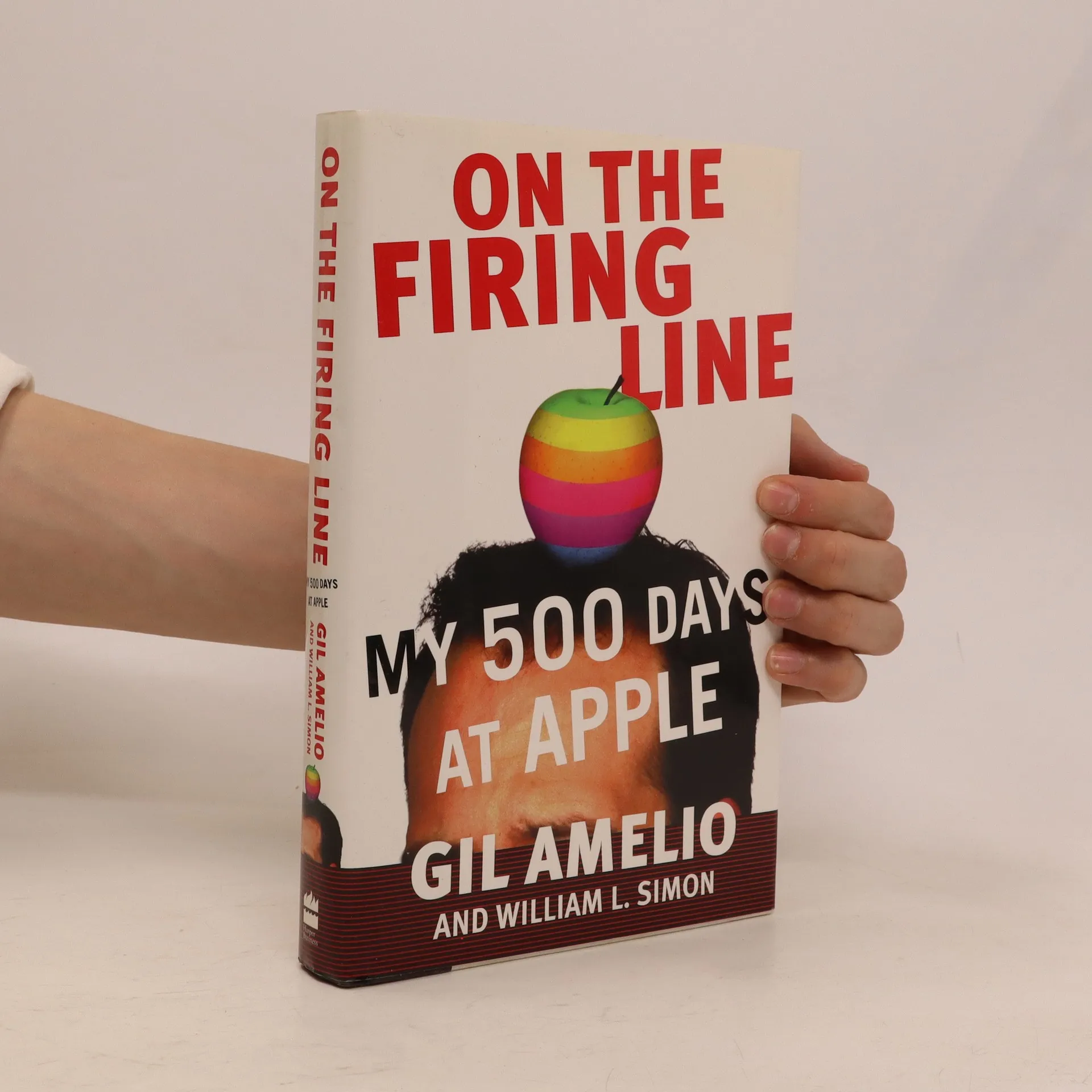
On the Firing Line: My 500 Days at Apple is Gil Amelio's gripping and fast-paced recollection of what happened during his seventeen months as the CEO of Apple. This is the revealing story of how a proven high-technology turnaround artist took on the biggest challenge of his career--and perhaps his life. At once a frank revelation of the inner workings of Apple and a cautionary tale of business in today's changing marketplace, On the Firing Line is a must-read for Apple devotees and anyone interested in the politics of today's digital economy.
The Rise of the World's Next Superpower and What It Means for Every American
304 stránek
11 hodin čtení
With 1.1 billion residents, the world's largest democracy is set to dominate the global stage. An insider reveals the unique forces driving India's dynamic transformation, which extends beyond software and outsourcing. With an economy growing at 8 percent annually, India is emerging as a leader in medical and pharmaceutical sectors, a research and development powerhouse, a rising manufacturing hub, and a cultural trendsetter in fashion and film. Global companies like Lockheed Martin and McDonald's are establishing a presence, while Ford builds factories and Coca-Cola ventures into rural areas with rickshaws. The U.S. military is also strengthening ties, recognizing India as a key strategic partner. Vinay Rai, a steel tycoon turned educator who leads one of India's private universities, collaborates with geopolitical writer Melissa Rossi to explore this rising new India. This vibrant account of India's remarkable ascent is essential for anyone seeking to understand its growing influence on the global stage. With one in every six people in the world living in India, it is the fastest-growing free market economy and the top destination for retailers, boasting the world's youngest workforce, with over 500 million individuals under the age of twenty-five.
Introduces seventy Victorian urban legends ranging from 'Beetle Eyes' to the
'Shoplifter's Dilemma' and from 'Hands in the Muff' to 'the Suicide Club'.
While a handful of these stories are already known, the vast majority have
never been identified, and they have certainly never received scholarly
treatment.
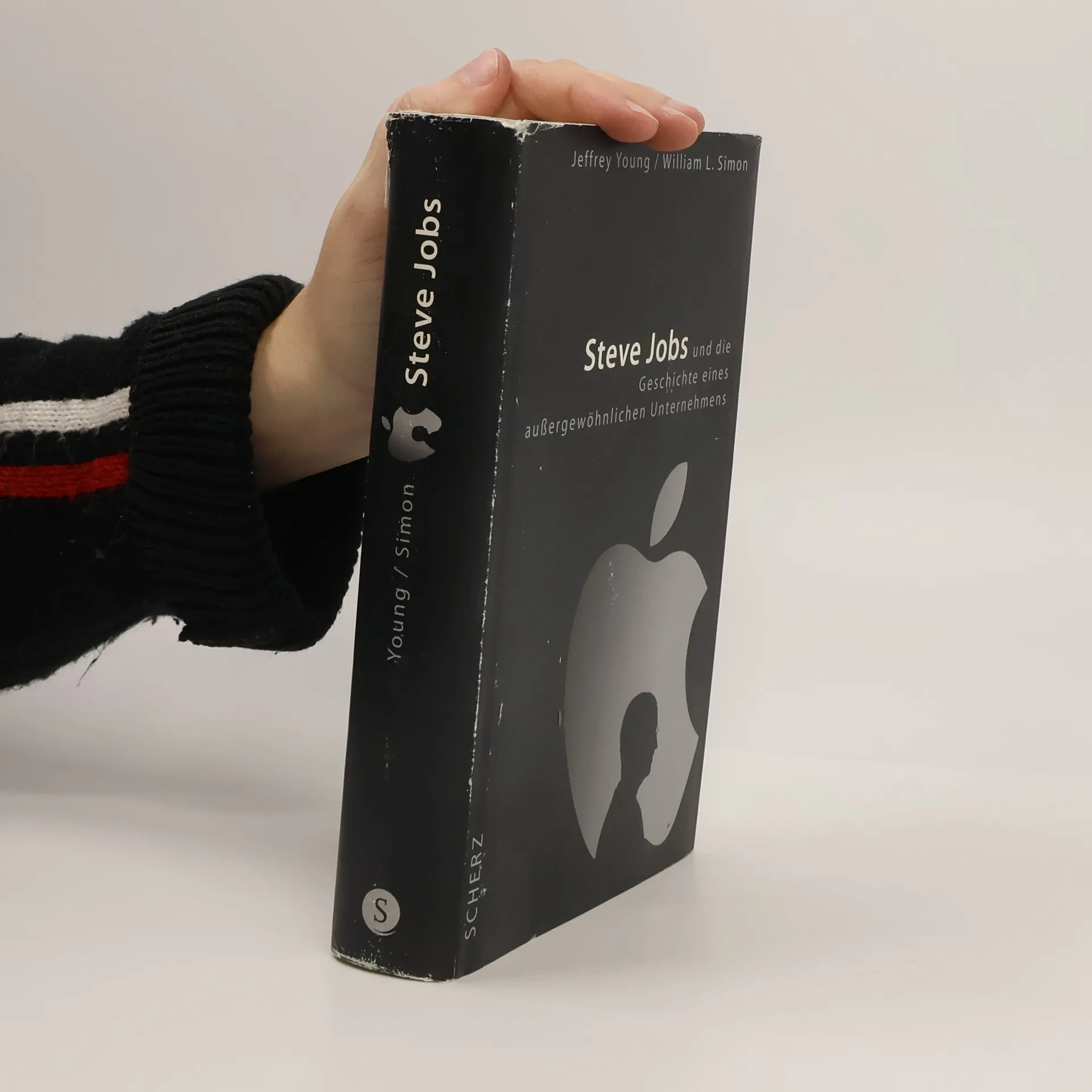
Steve Jobs ist ein Mann mit vielen Bewunderern und Kritikern - die Autoren dieser Biografie geben beiden Gruppen (Lese-)Futter. Ihr Buch liefert zahlreiche Episoden und interessante Einzelheiten über den Werdegang eines eigenwilligen Unternehmers, der gleich drei Branchen aufgemischt und uns den Mac, den iPod und iTunes beschert hat. Detailliert und mit Sinn für Dramaturgie beschreiben die beiden Autoren die aufregende Berg- und Talfahrt von Jobs' unternehmerischem und privatem Leben. Ab der Mitte des Buches bringen größere Rückblenden und Zeitsprünge den chronologischen Faden gelegentlich durcheinander - doch wer mindestens eines der von Steve kreierten Produkte kennt, findet ihn schnell wieder. getAbstract empfiehlt das Buch allen, die sich für ein vielaktiges Lehrstück vom Aufstieg, Sturz und Wiederaufstieg eines genialen Macht- und Machertypen interessieren
В книге загадка Джобса не только описывается, но и объясняется! Интересные, вдохновляющие идеи и мысли встречаются на чуть ли не на каждой странице. Отличное чтение для тех, кто стремится обогатить свое видение подробными деталями