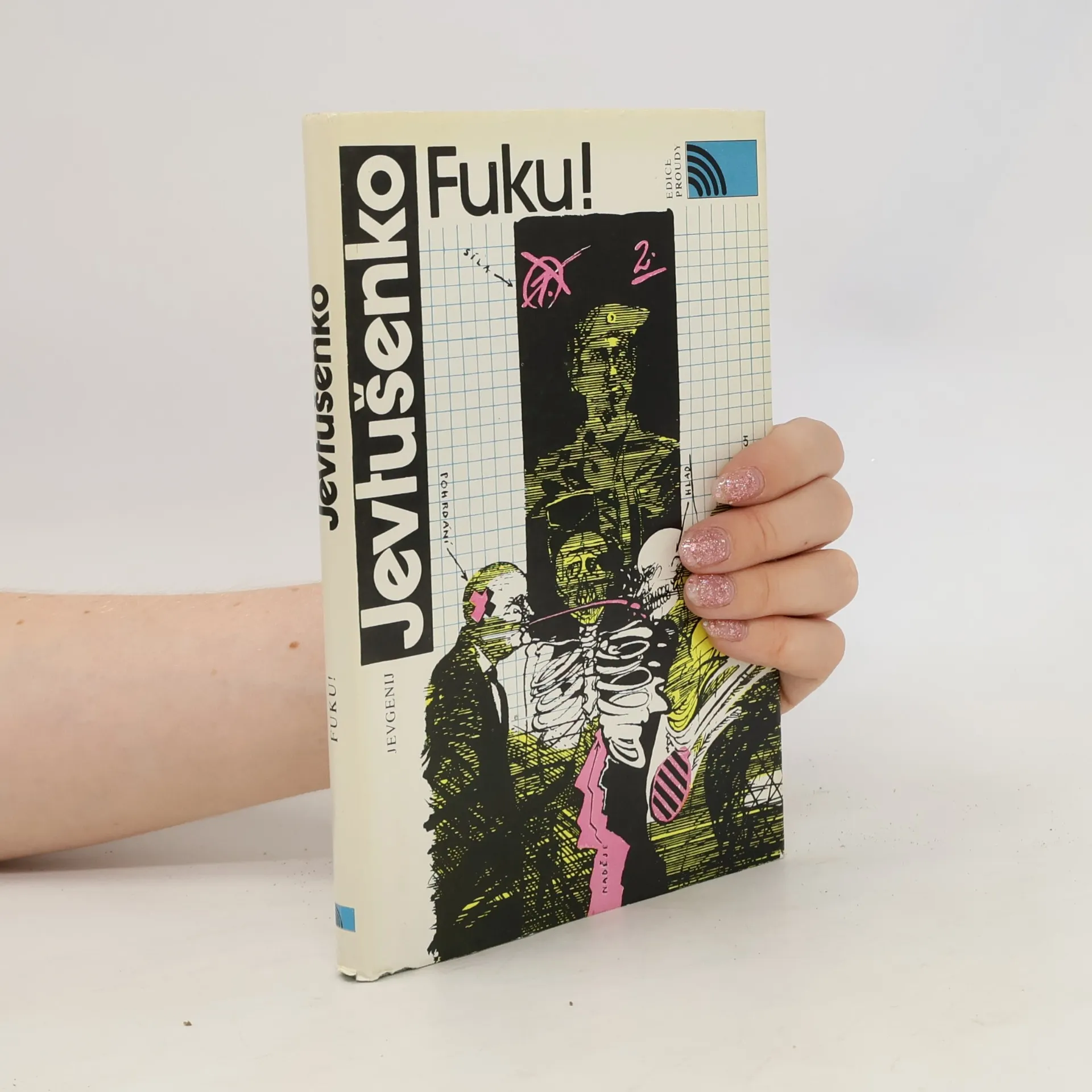
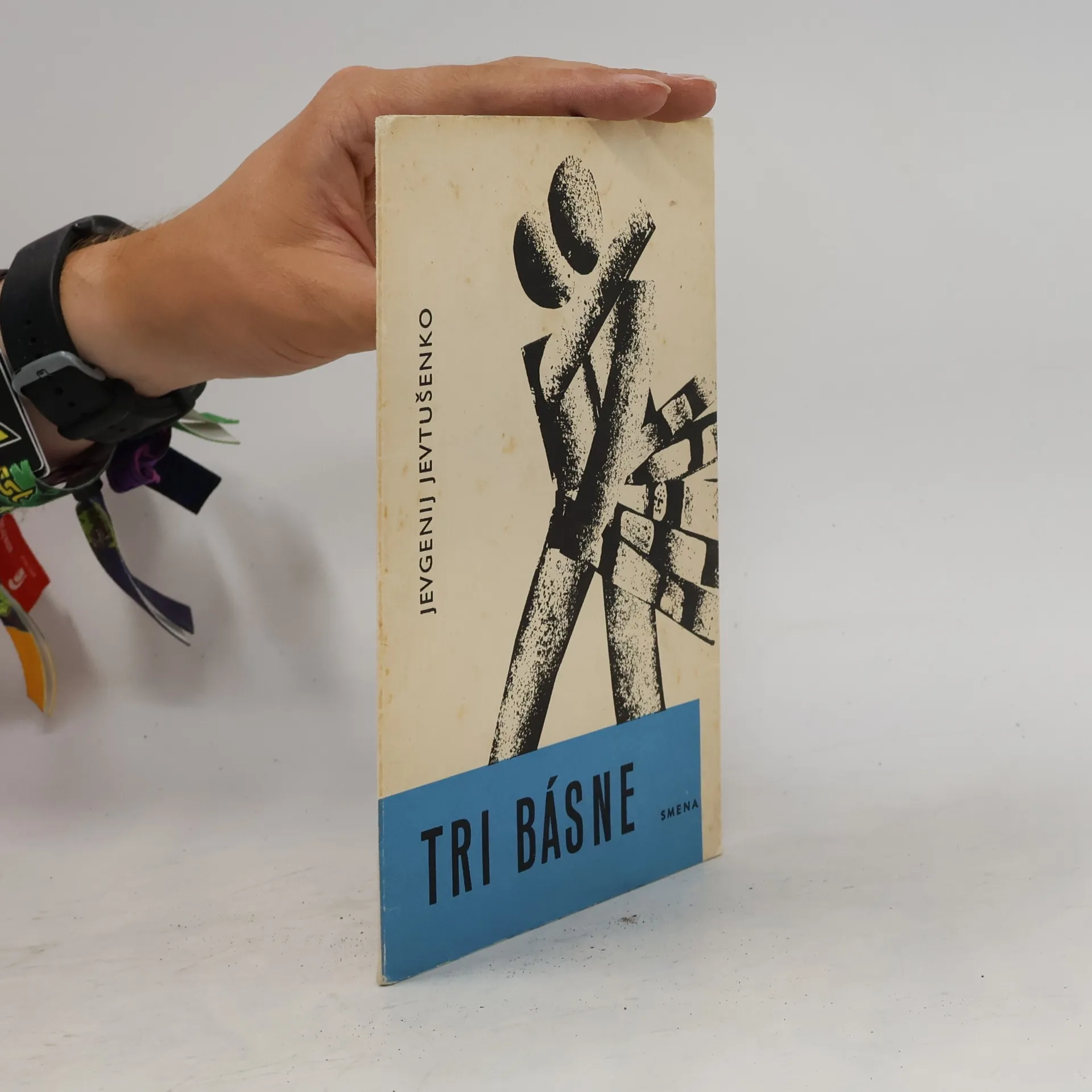
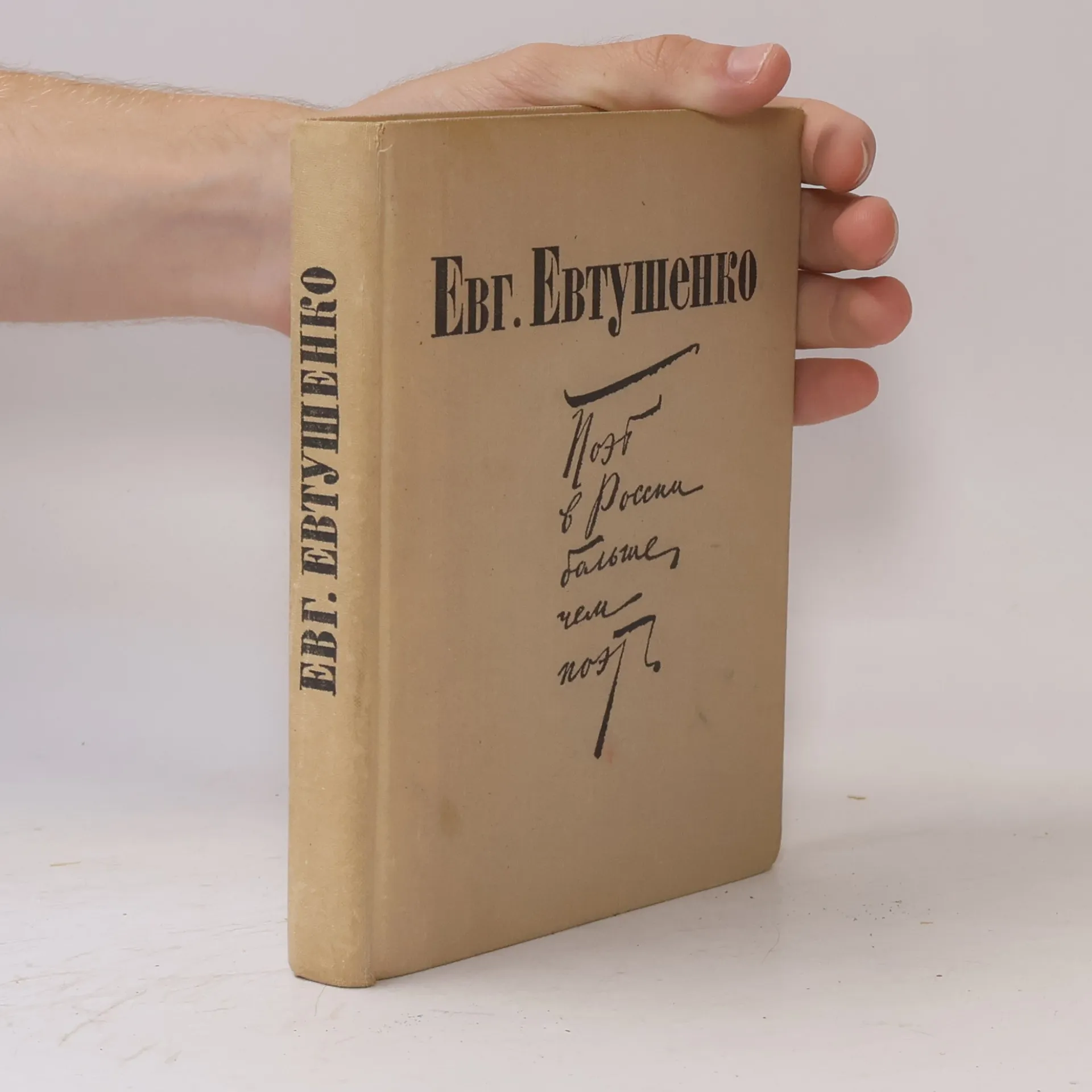
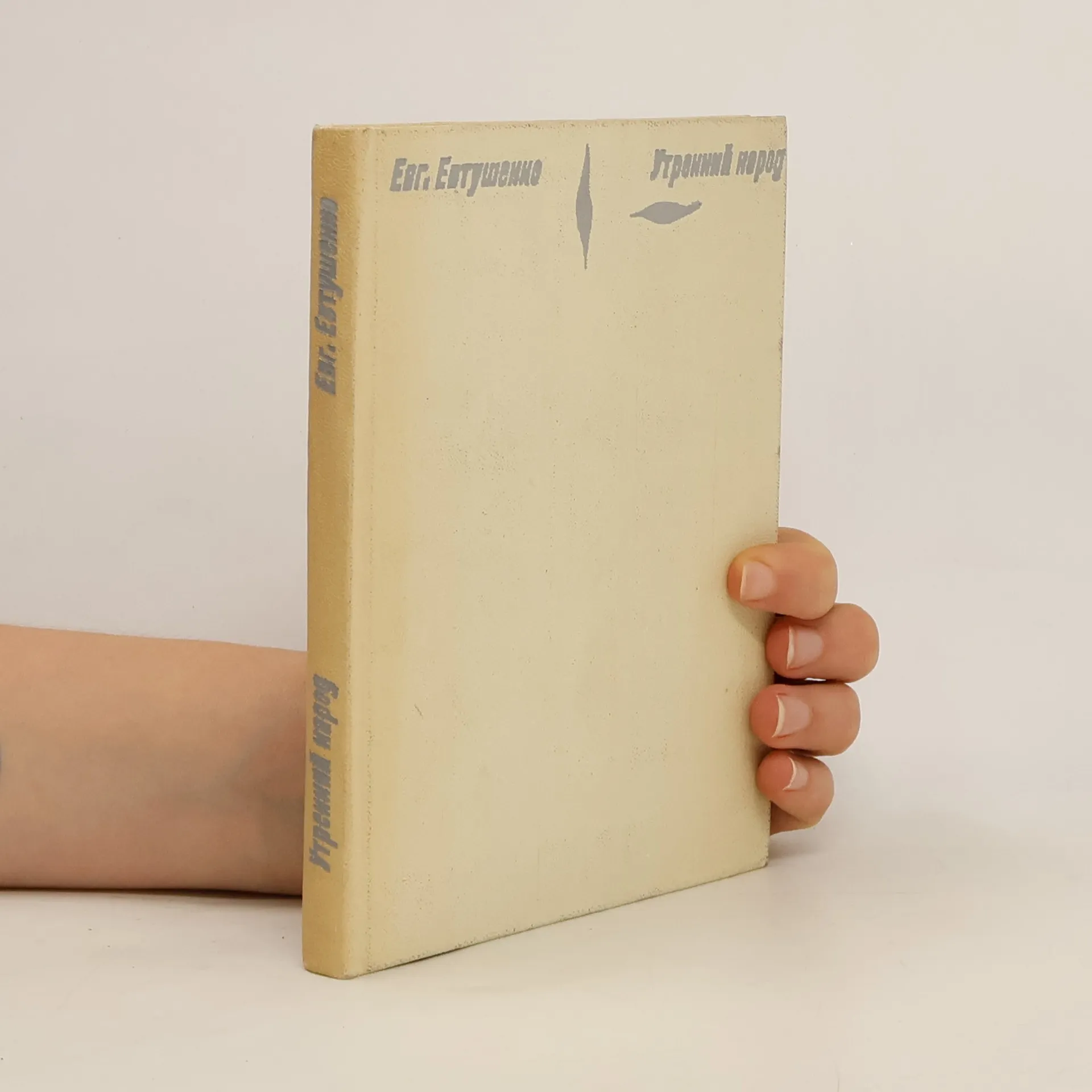
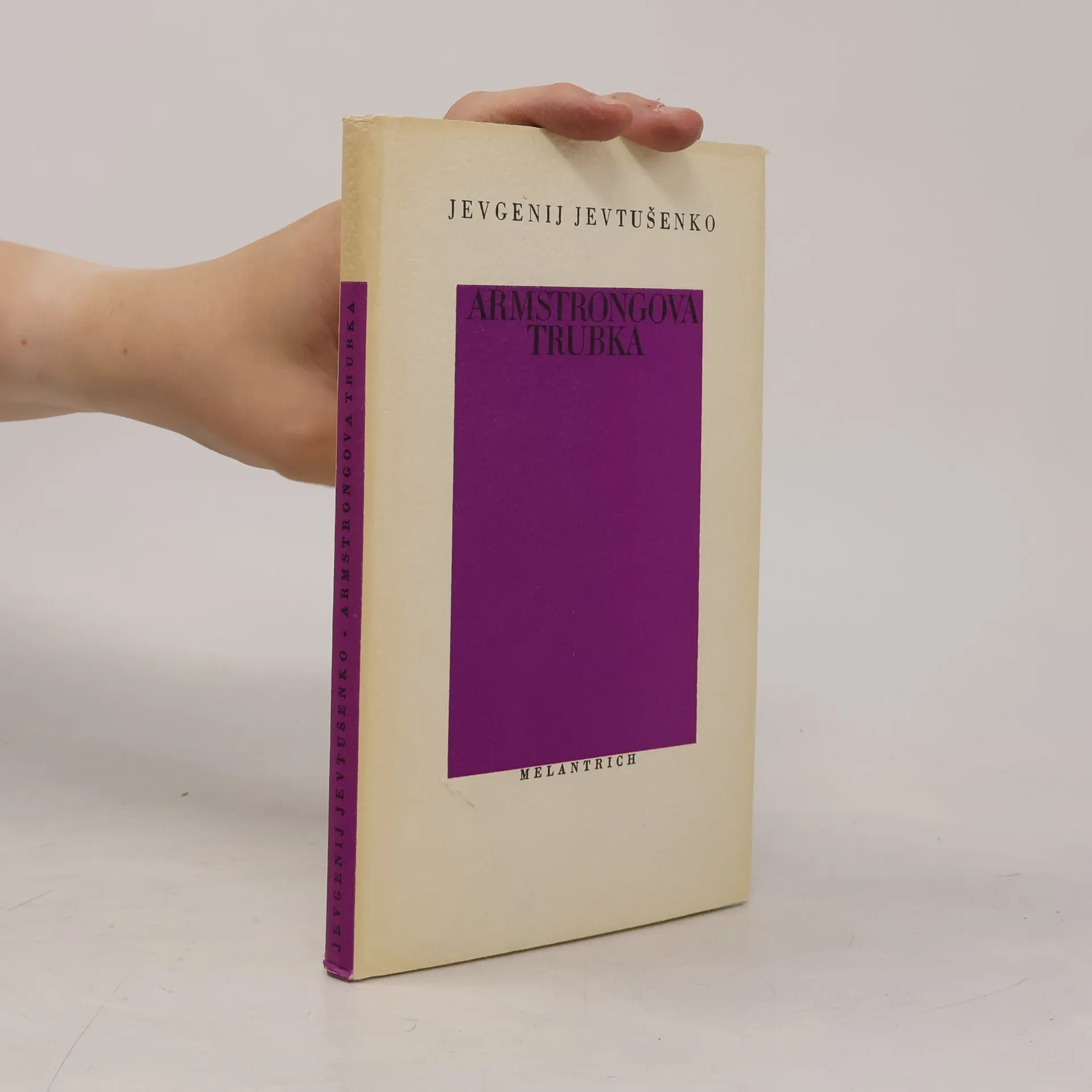
Výbor z básní Jevgenije Jevtušenka, vyznačujících se jednoduchostí, otevřeností, bezprostředností pohledu i projevu. Oproštěn od tíhy a strachu doby kultu osobnosti svobodně vidí a píše a sám svou poezii přirovnává k Popelce, jež „navyklá na špínu jen oči otevře, už převléká a pere prádlo našich dnů“. Z ruských originálů vybrala a přeložila Olga Mašková.
Jevgenij Alexandrovič Jevtušenko Knihy
18. červenec 1932 – 1. duben 2017

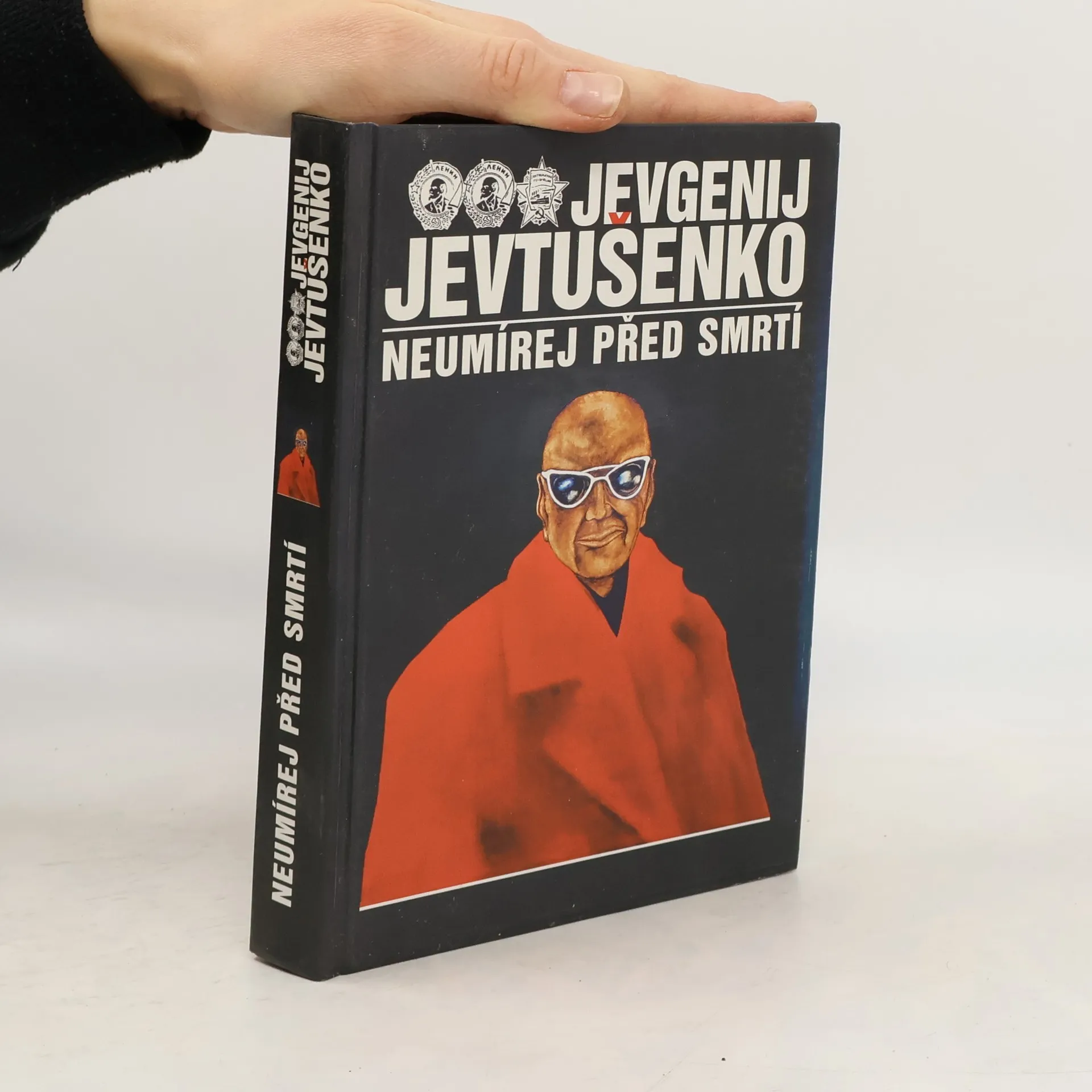
Neumírej před smrtí
- 389 stránek
- 14 hodin čtení
Román o životě, lásce a politice v Rusku v letech Gorbačova. Autor tímto románem přeřušil své desetileté mlčení. Námět čerpal z atmosféry doby pokusu o svržení Gorbačova r. 1991. Román je směsí autobiogrfie, satiry, pokusu o politický thriller.
Výbor z dvacetileté básníkovy tvorby zahrnuje především verše napsané na cestách po západní Evropě, USA, Latinské Ameriky a Japonsku. Autor v nich nastavuje zrcadlo buržoazní společnosti a smysl umění vidí v boji za pokrok, mír a humanistické ideály.
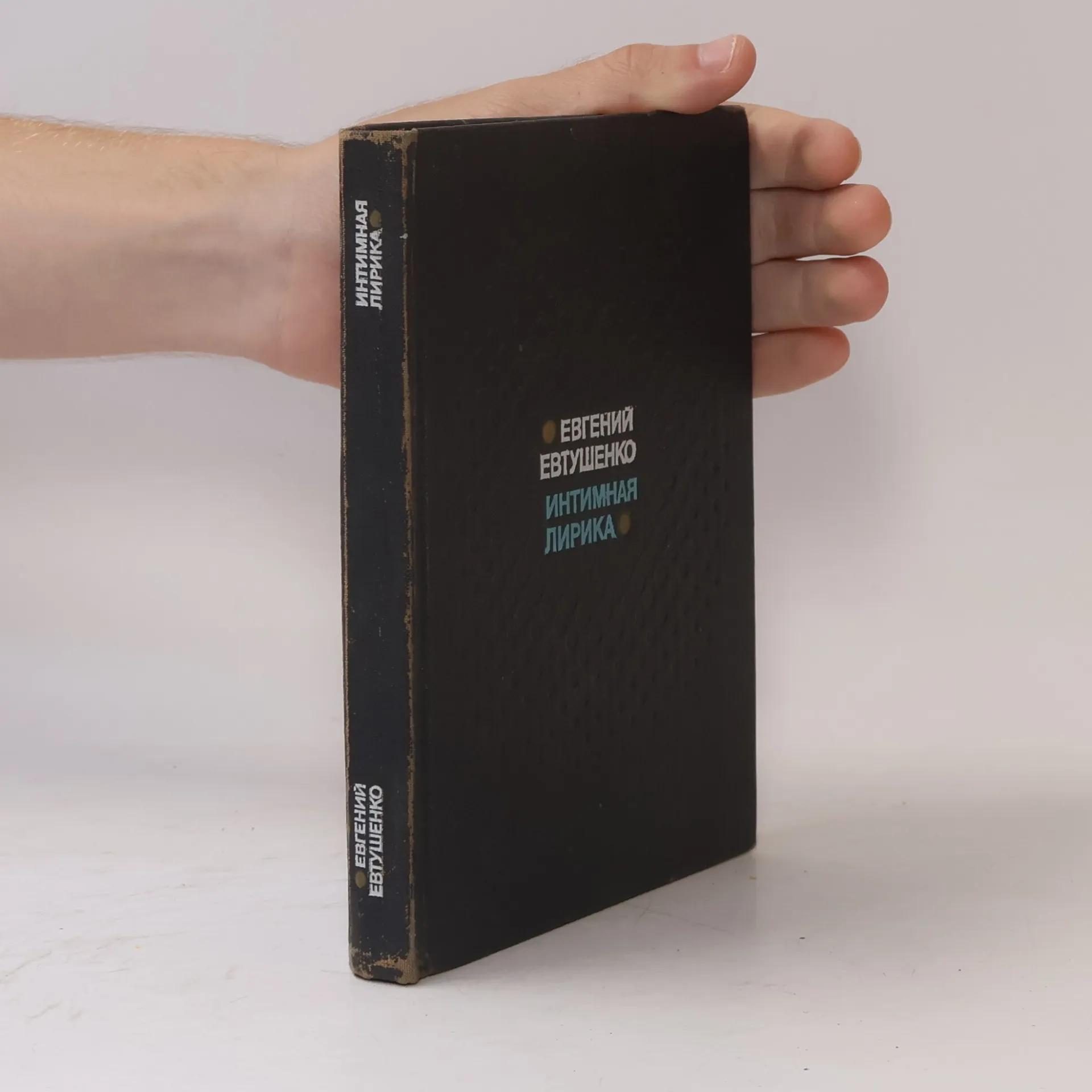
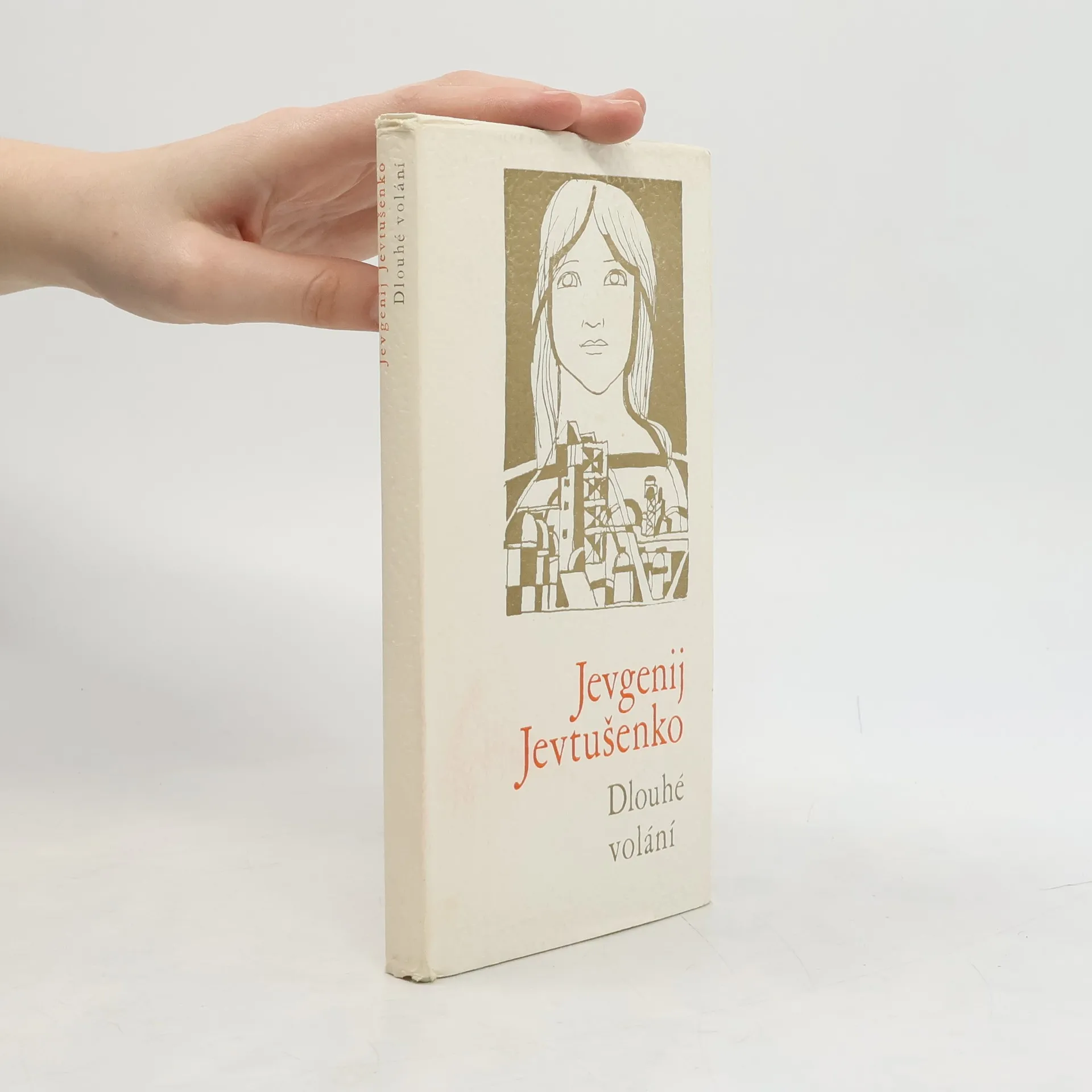
Výbor přináší ukázky ze všech básníkových tvůrčích období i tematických oblastí, kromě poezie z cest. Obsahuje verše obdrážející zážitky z dětství, verše milostné, básně věnované památce Achmatovové a Majakovského, básně reflexivní a meditativní, uvažující o životě a smyslu básníkova poslání.
Zajímavá próza splétá v příběh osudy obyvatel sibiřského městečka a prolíná jej s příběhem členů geologické expedice.
Russian Century
- 320 stránek
- 12 hodin čtení
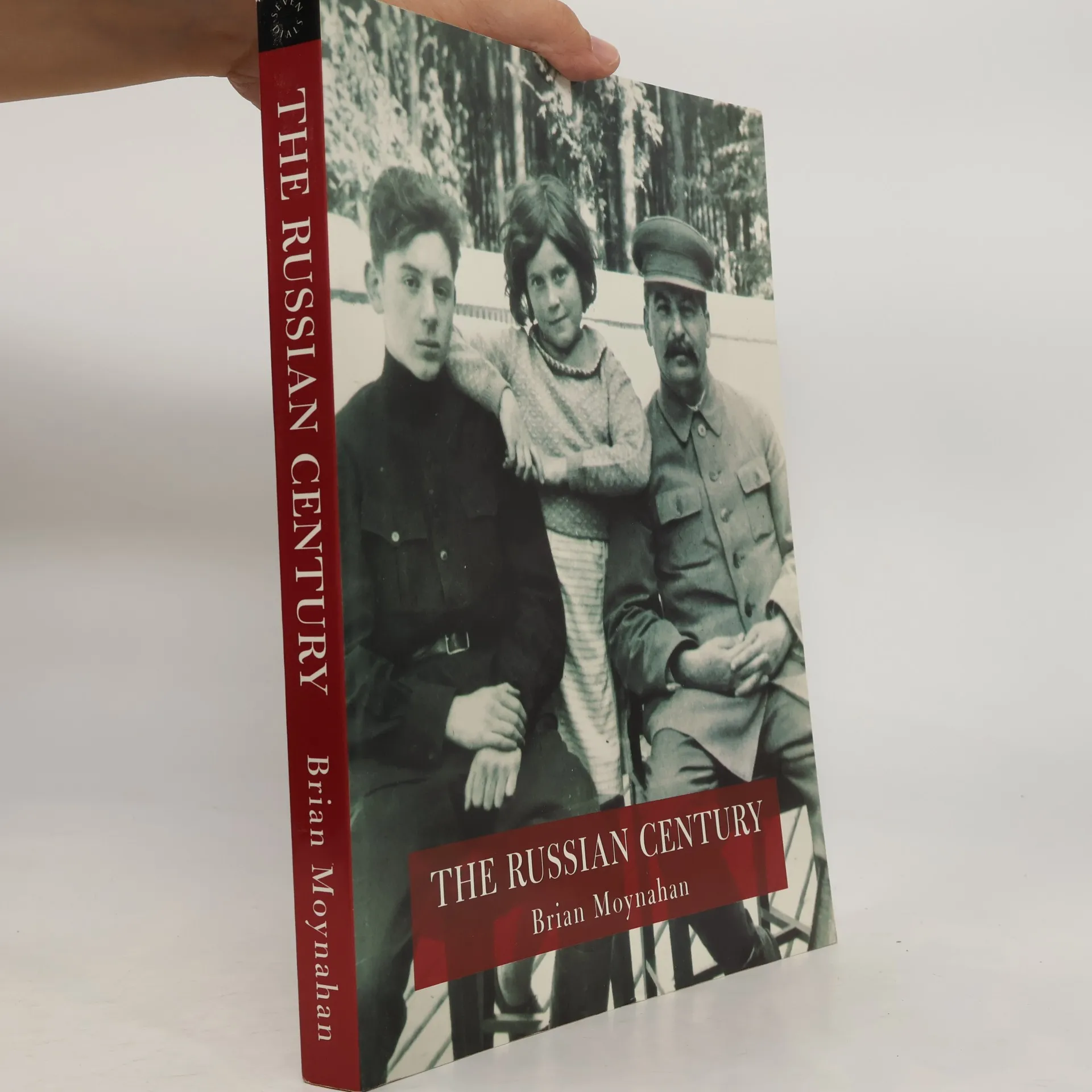
The Russian Century brings to life a hundred years of Russian history. It takes us from a costume ball in old St Petersburg to the 1917 revolution; from Stalin's atrocities to the Cold War; from glasnost to the Second Revolution in 1993, and to the chaotic state of contemporary Russia. Surprising and intimate portraits of artists, writers and politicians - Pasternak, Solzhenitsyn and Shostakovitch, Lenin, Stalin and Trotsky - are set alongside the faces of unknown peasants, workers and soliders; the dramatic moments of history in the making alongside the details of ordinary life.
Masters of the Universe? NATO's Balkan Crusade
- 240 stránek
- 9 hodin čtení
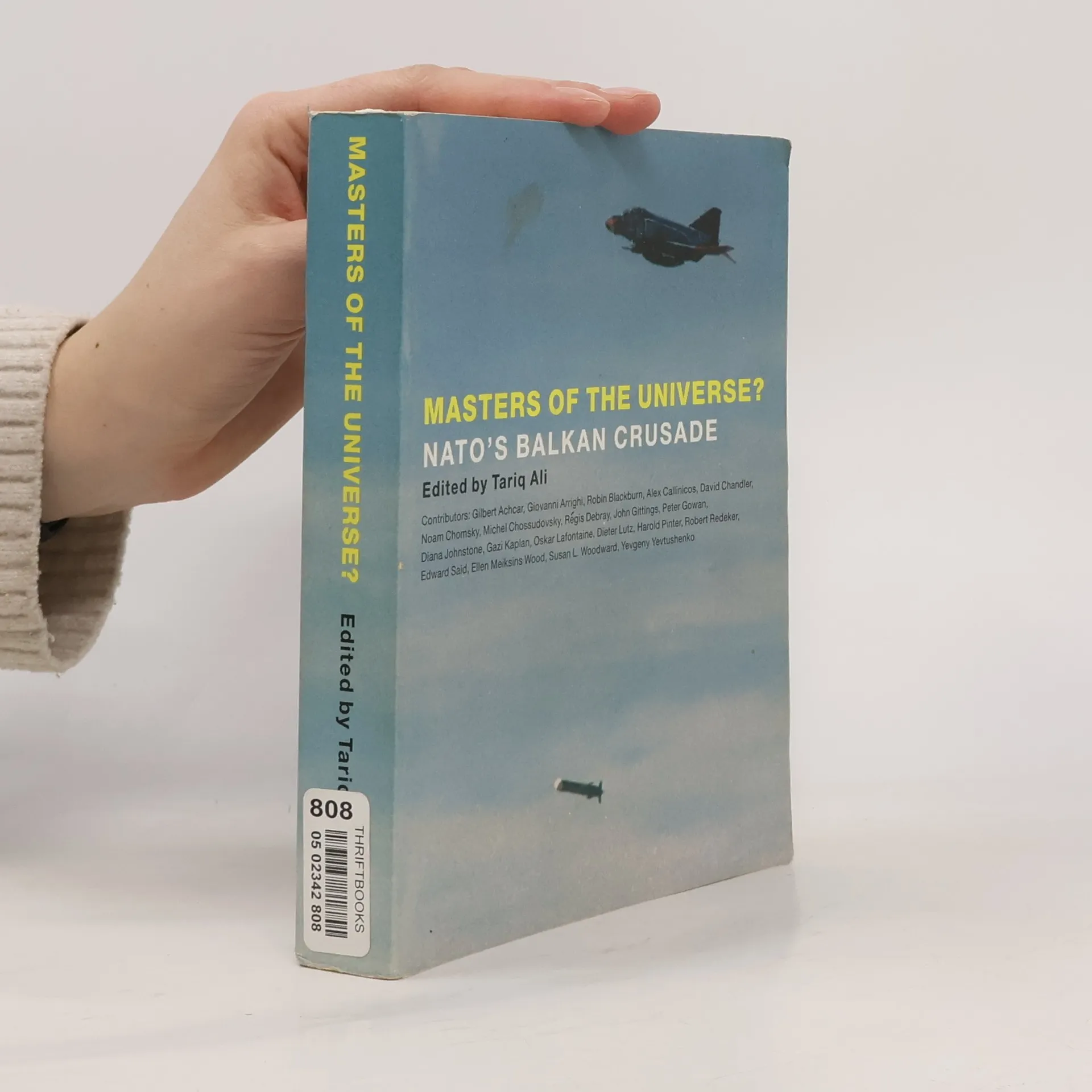
NATO’s war on Yugoslavia in the spring of 1999 was unleashed in the name of democracy and human rights. This view was challenged by the world’s three largest countries, India, China and Russia, who saw the bombing of Serbia and Kosovo as a naked attempt to assert US dominance in an unstable world.In the West, media networks were joined by substantial sectors of left/liberal opinion in supporting the war. Nonetheless, a wide variety of figures emerged to challenge the prevailing consensus. Their work, gathered here for the first time, forms a collection of key statements and anti-war writings from some of democracy’s most eloquent dissidents—Noam Chomsky, Harold Pinter, Edward Said and many others—who provide carefully researched examinations of the real motives for the US action, dissections and critiques of the ideology of ‘humanitarian warfare’, and chartings of the unnecessary tragedy of a region laid to waste in the pursuance of Great Power politics.This reader presents some of the most important texts on NATO’s Balkan crusade and forms a major intervention in the debate on global geo-political strategy after the Cold War.
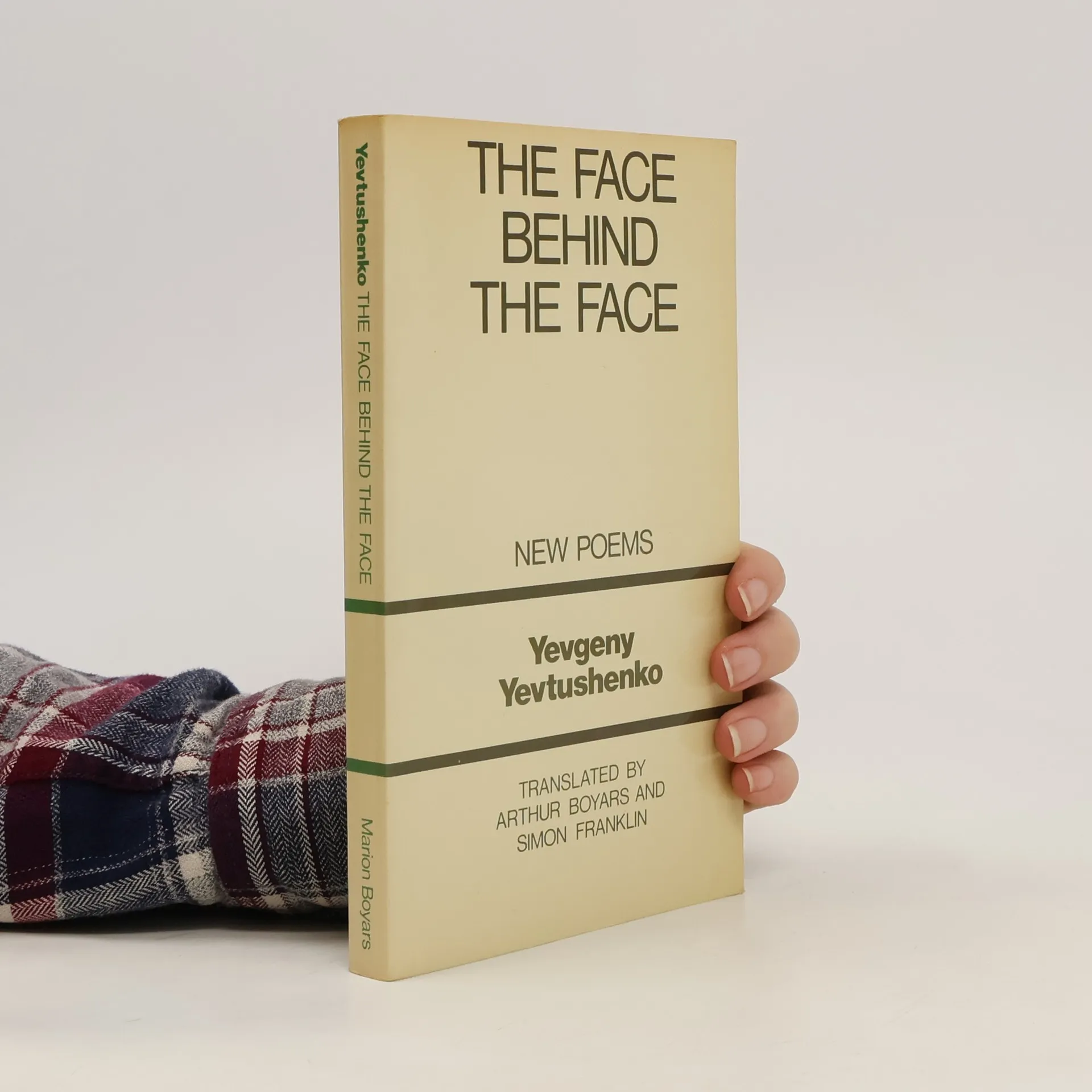
The Face Behind the Face
- 193 stránek
- 7 hodin čtení
60 poems from Yevgeny Aleksandrovich Yevtushenko (born 18 July 1933), Soviet and Russian poet.
Alternating brilliant poetry and prose, Yevtushenko juxtaposes his public persona with his private world in these meditations on love, literature, film, children, the Grand Canyon, Hitler, and more. Yevtushenko will go on a 26-city American tour from November 1986-Janurary 1987.
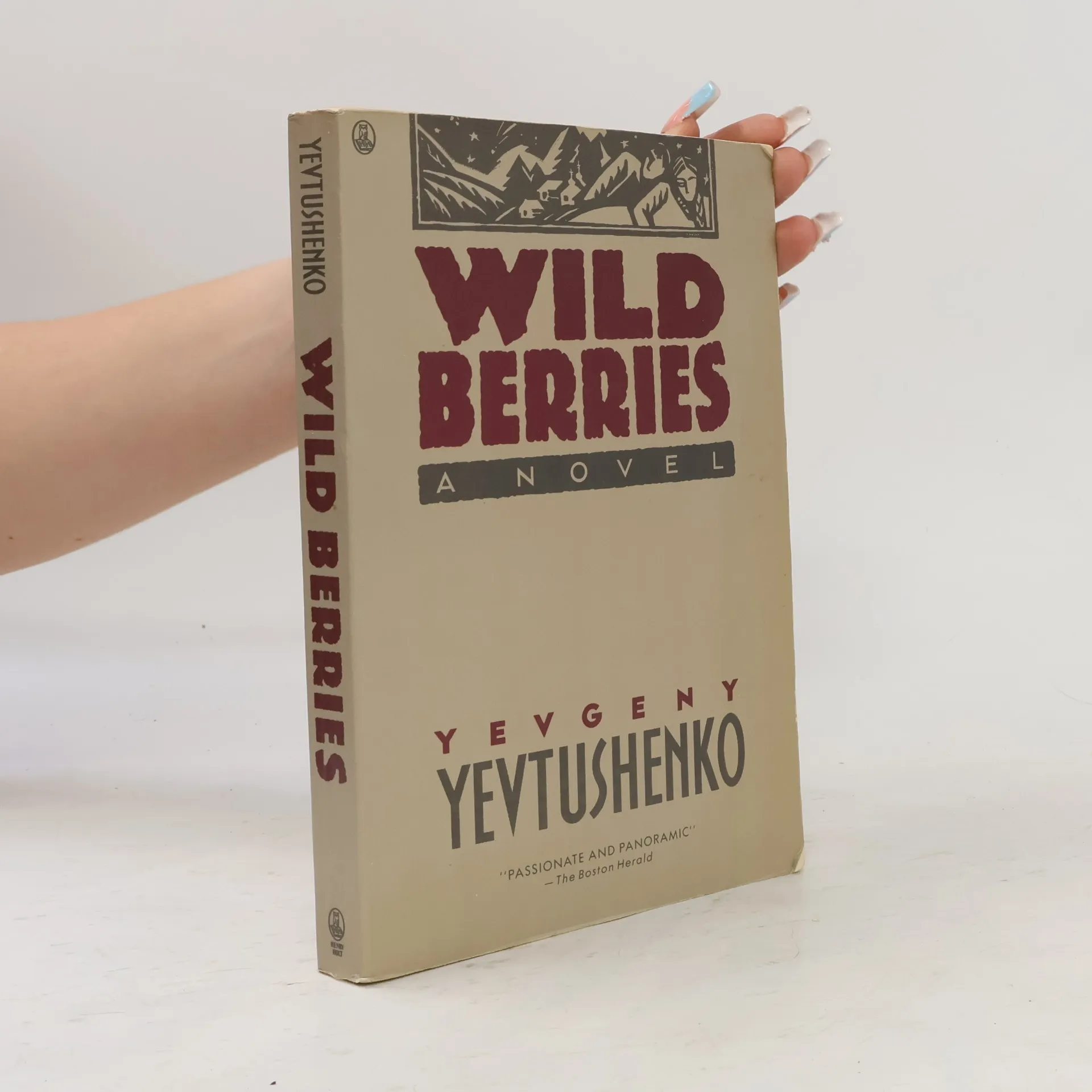
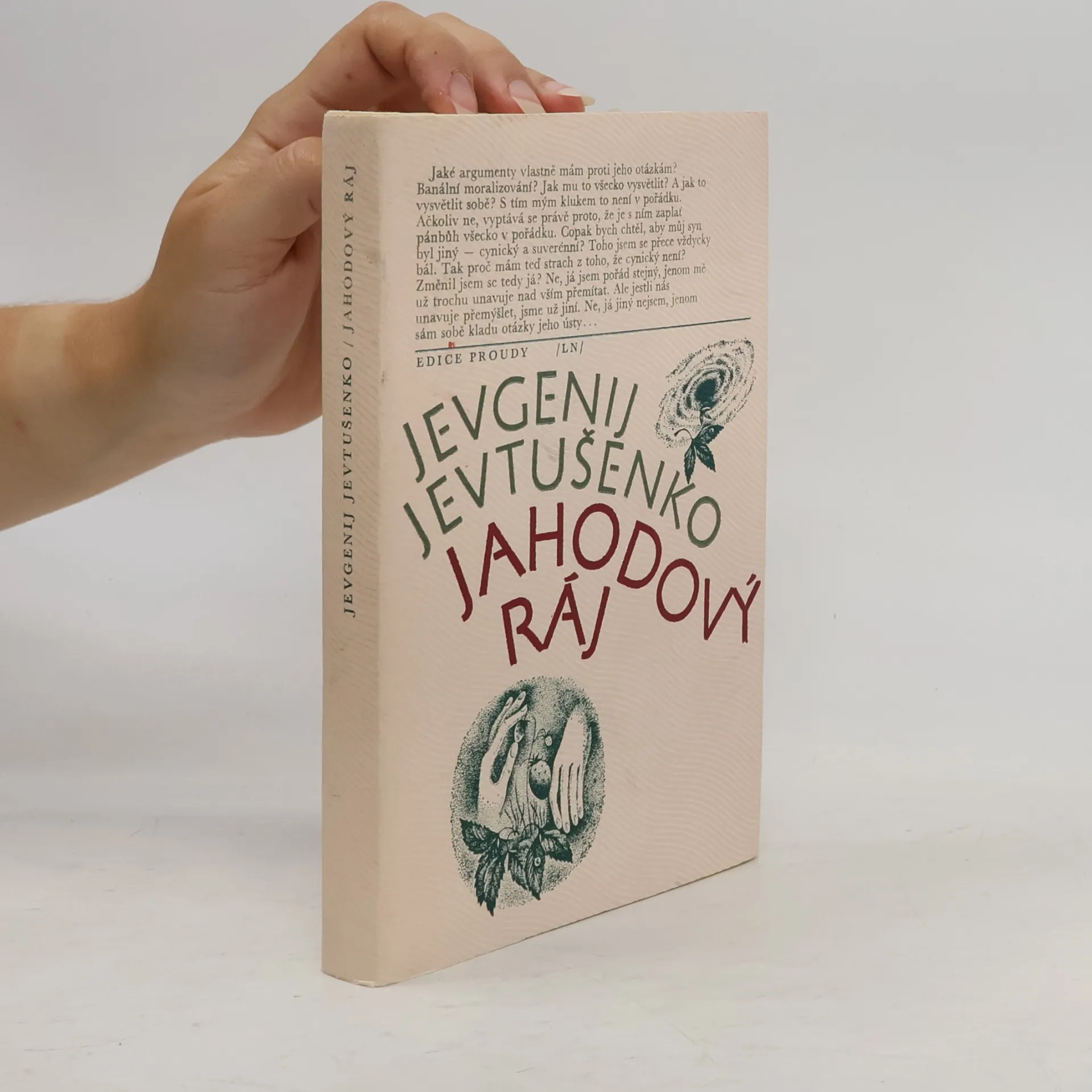
Wild Berries
- 296 stránek
- 11 hodin čtení
A team of Moscow scientists, headed by the brilliant Victor Kolomeitsev, explores the primitive Siberian "taiga," a land of pristine beauty, in search of a precious metal.
Infused with a passionate lyricism and vision, this stunning, extraordinarily insightful, autobiographical novel about life, love, and politics in contemporary Russia, written by renowned poet and political activist Yevtushenko, presages all too accurately the strife that grips Russia today.
Der Wolfspass
- 428 stránek
- 15 hodin čtení
Rebell und Zauderer, Urgestein und Dissident, Polit-Idol und Frauenheld. Als charismatischer Botschafter der Poesie hat er Stadien gefüllt, Heere von Zensoren beschäftigt und eine ganze Generation begeistert. In seiner Autobiographie erzählt der Unangepaßte und »politisch Unzuverlässige« heiter, scharfsichtig und ironisch von seinem an Skandalen und skurrilen Begebenheiten reichen Leben und dem oft abenteuerlichen Weg durch die »Korridore der Macht und die Kaschemmen der Vorstadt«. Sein Buch ist Spiegel einer Gesellschaft im Umbruch und enthält Jewtuschenkos ganz persönliche Porträts seiner Zeitgenossen, von Pasternak, Schostakowitsch und Sacharow bis zu Picasso und Fellini, Che Guevara und Robert Kennedy.
Ľudská tvár
- 175 stránek
- 7 hodin čtení
Básnická zbierka ruského básnika, ktorý sa za komunizmu zastával disidentov, hoci sám bol komunistickým básnikom a voľne cestoval po svete. Básne preložil Ľ. Feldek.
Rozsiahla a na našom území najkomplexnejšia antológia Jevtušenkovej občianskej lyriky, esejí úvah, obsahuje i rozsiahlu poéma Fuku! Názov korešponduje s Čechovovým výrokom "Kak by čego ne vyšlo". Z ruských originálov výber vybral, zostavil, doslov, edičnú a bibliografickú poznámku napísal Teodor Križka. Verše preložili Ľubomír Feldek,Teodor Križka a Michal Chuda, prózu preložili Milan Tokár, Eva Birčáková, Veronika Hlavatá a Igor Slobodník. Knihu otvára posmrtne vydaná báseň Pabla Nerudu Jevtušenko je blázon ...
Избранная проза
- 698 stránek
- 25 hodin čtení
В книге печатается избранная проза Евгения Евтушенко. "Людей неинтересных в мире нет" - эти строки как нельзя лучше характеризуют его прозу. Писателю интересны все его герои: самая разношерстная публика с Четвертой Мещанской, знаменитый в прошлом футболист, красавица-манекенщица,способная отказать в любви, но не способная предать.СодержаниеЩели в перроне. Четвертая Мещанская. Куриный Бог (рассказы)Ягодные места (роман)Не умирай прежде смерти (русская сказка)Слух о моем самоубийстве (невыдуманная история)